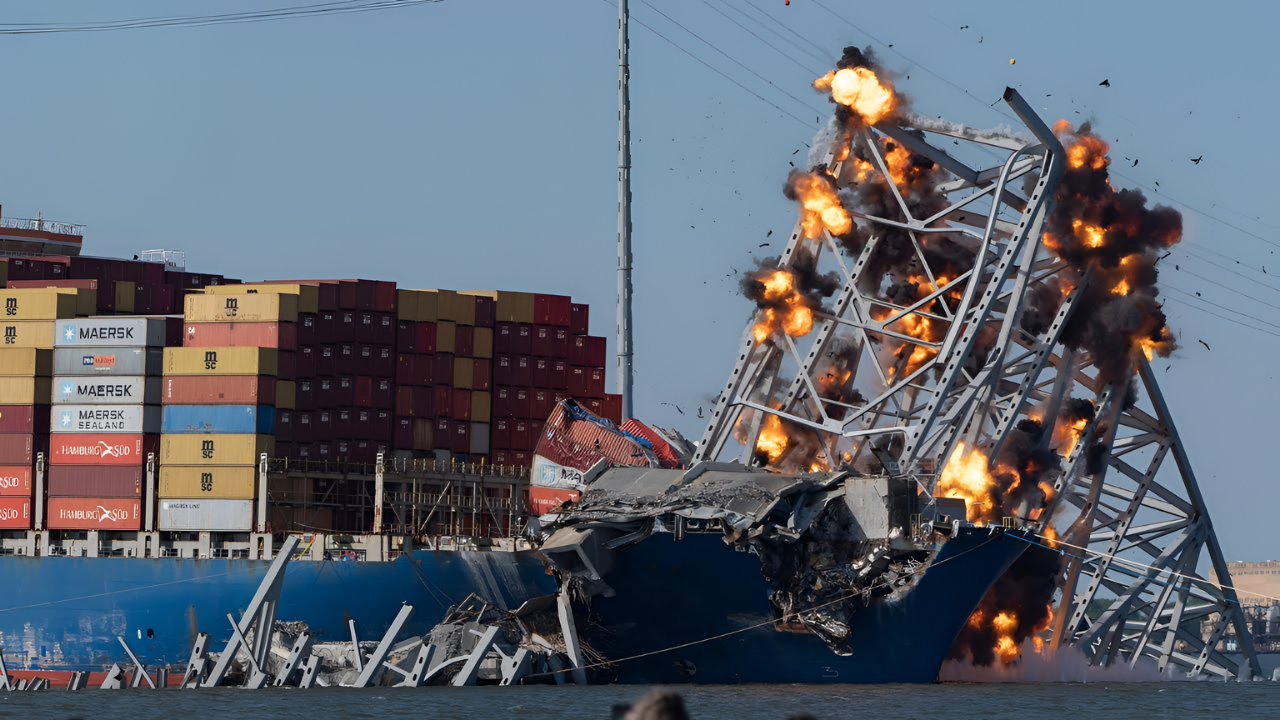
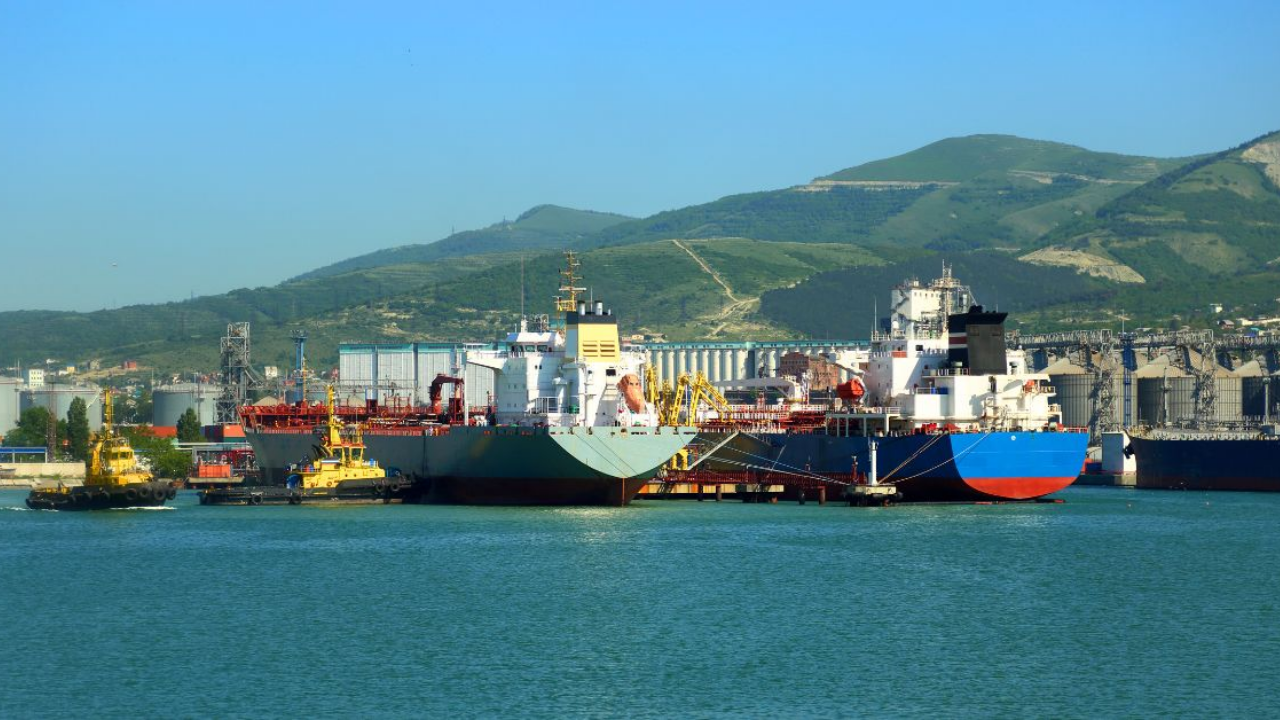
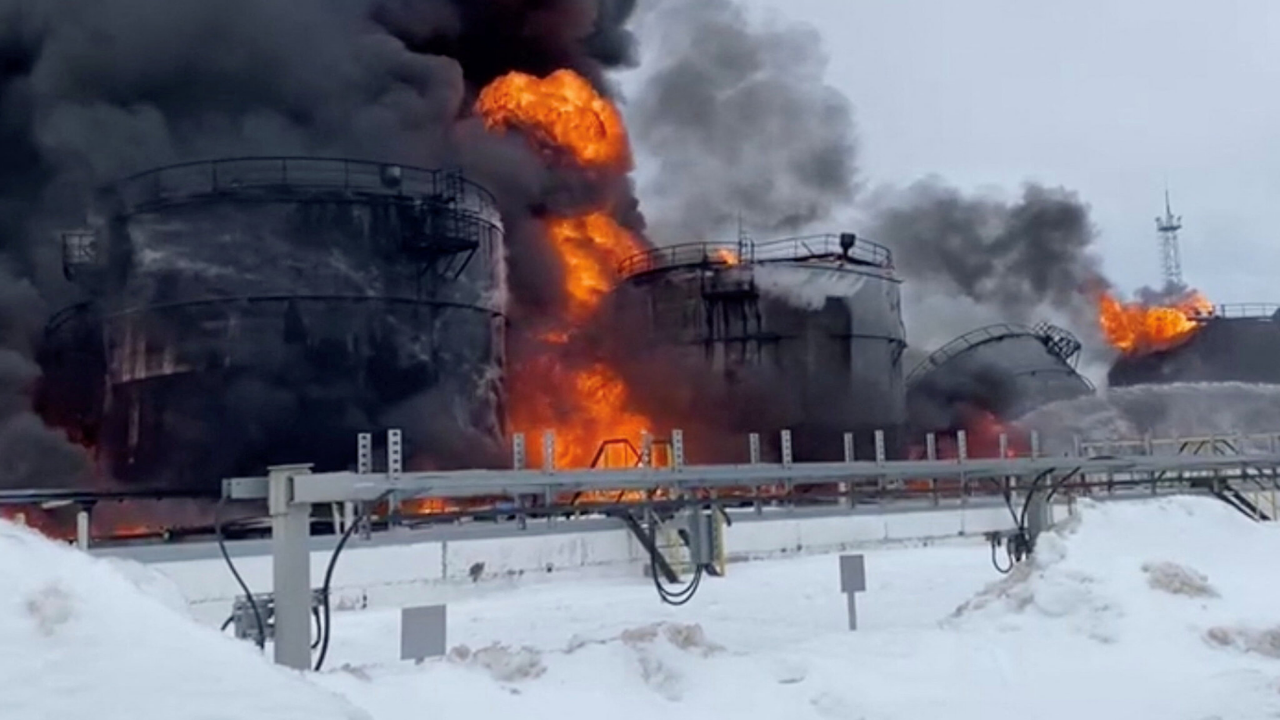
Ukrainian long-range strike drones hit Russia’s Taman oil terminal on the Taman Peninsula in Krasnodar Krai during the night of December 21–22, 2025. The attack ignited a major fire at the tank farm covering more than 1,000 square meters.
The terminal, one of the largest energy transshipment hubs in the Black Sea region, reported damage to port infrastructure, including vessels, piers, and a pipeline, forcing an operational halt.
Ukraine Targets Energy Infrastructure Funding the War
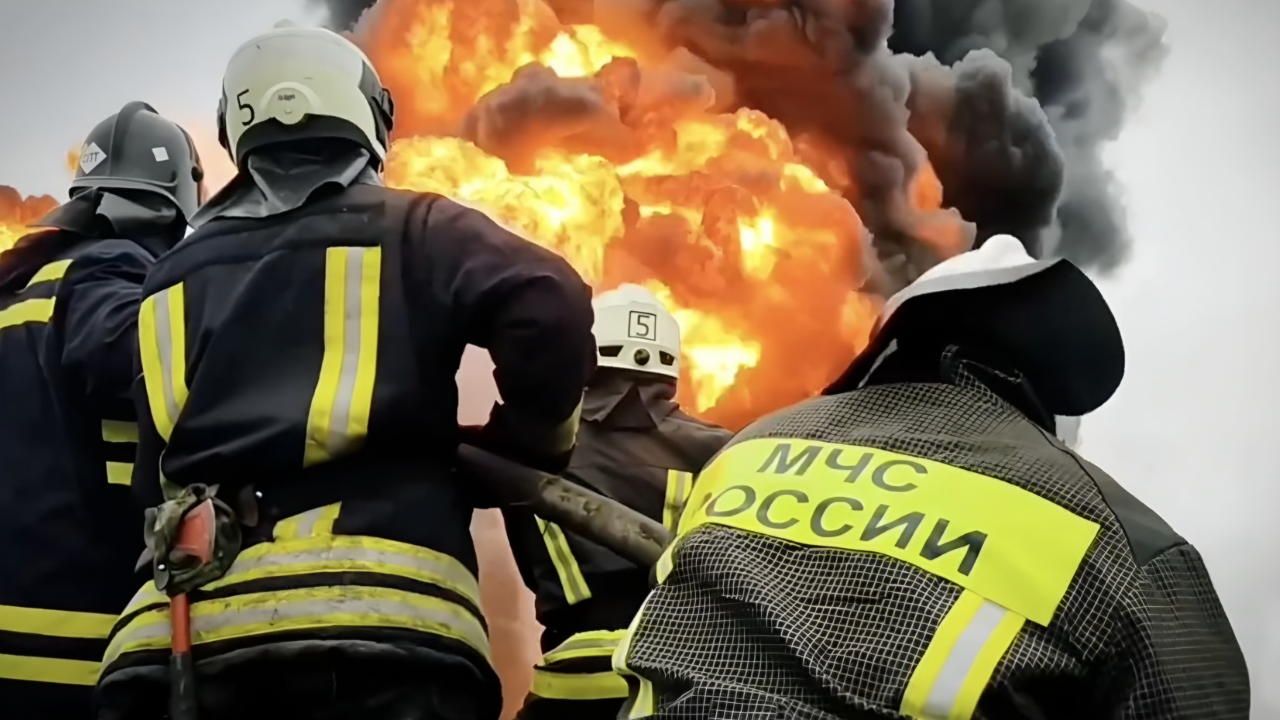
Ukraine’s General Staff confirmed responsibility for the strike, describing it as part of a broader campaign against Russian energy assets that help finance Moscow’s war effort. Defence Intelligence of Ukraine stated that pressure on export infrastructure is being deliberately increased.
The Taman terminal handles crude oil, refined products, and liquefied petroleum gas, making it a strategically valuable node in Russia’s southern export network.
Direct Hits Cripple Loading Operations
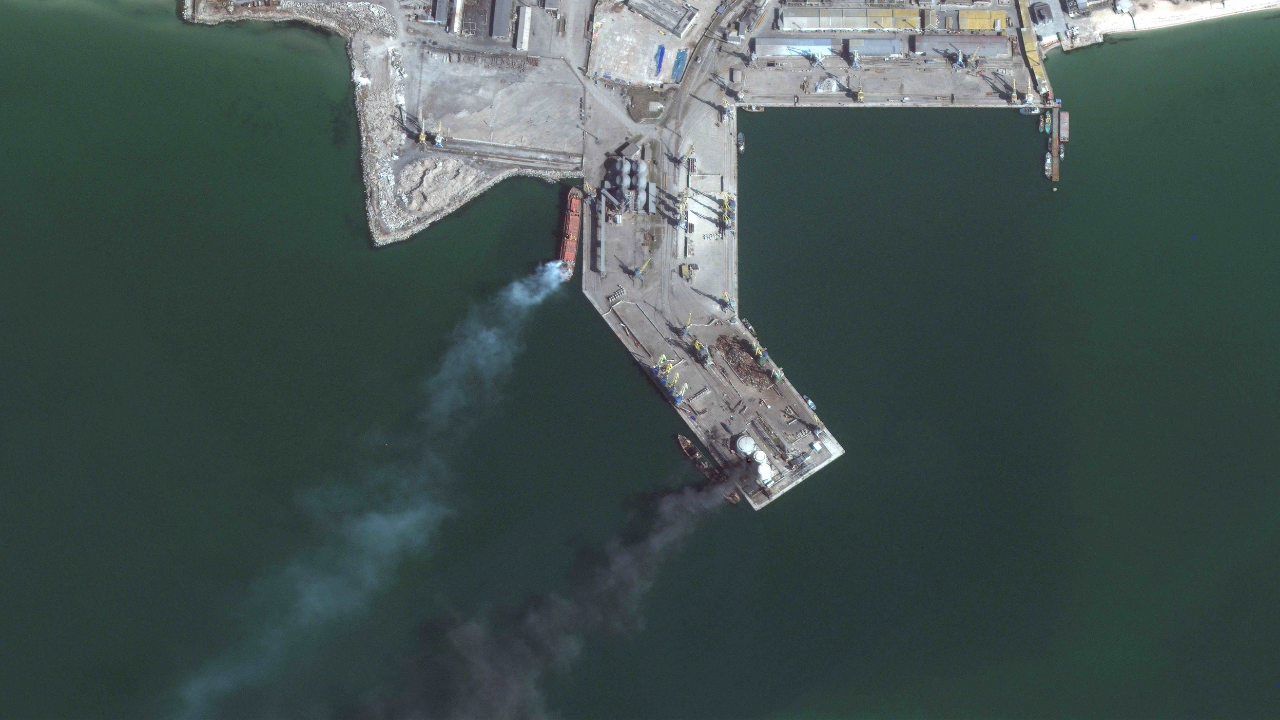
The strike damaged two vessels inside the port area, with at least one catching fire, according to regional authorities.
Two piers and an LPG loading pier were also hit, immediately halting cargo operations. With multiple berths and transfer points affected, the terminal’s ability to load tankers was suspended, creating bottlenecks for oil and gas shipments moving through the Black Sea corridor.
Pipeline Damage Forces Terminal Shutdown
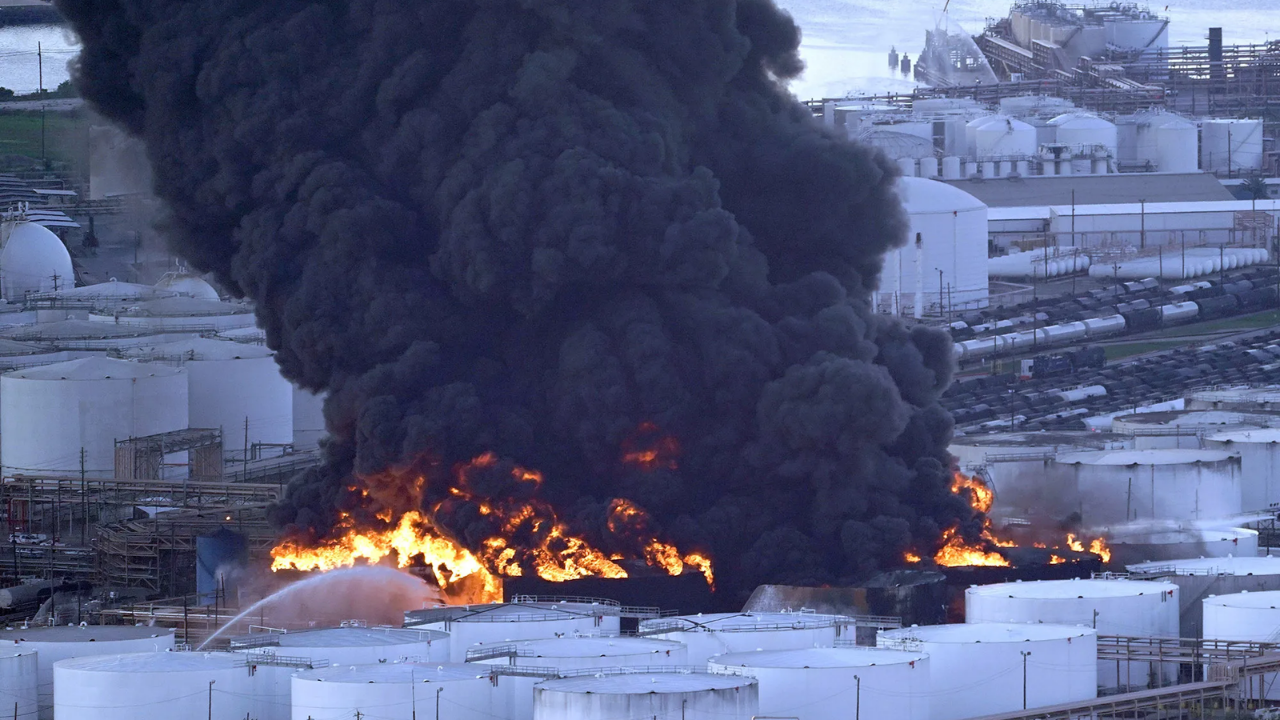
Operators reported that a key pipeline connecting storage tanks to loading facilities was damaged in the attack.
Fires broke out across the tank farm, prompting an emergency response and a temporary shutdown of the entire complex. Regional officials stated there were no casualties among crew or port workers, but acknowledged that infrastructure damage would require time to assess and repair.
Storage Capacity Puts Massive Volumes at Risk
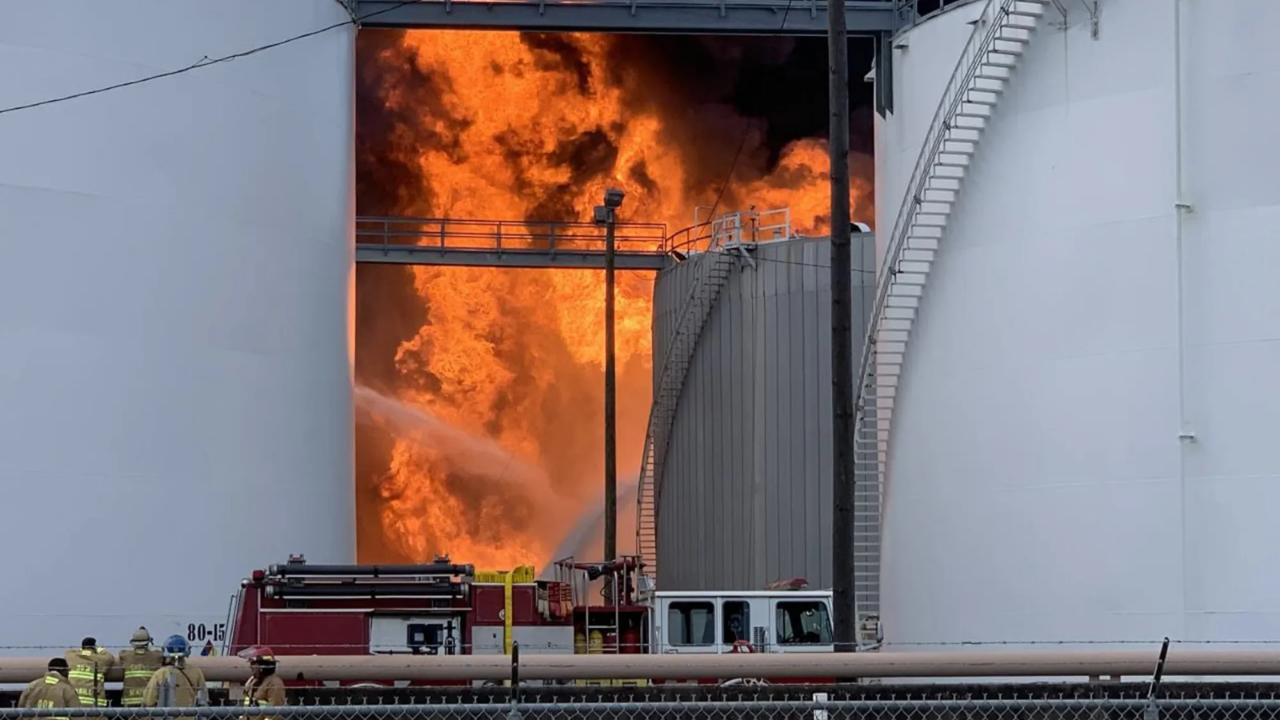
The Taman terminal has total storage capacity exceeding one million cubic meters of oil products and liquefied gas.
With fires burning inside the tank farm, large volumes of stored energy products were potentially exposed to loss or contamination. Industry estimates place the value of products stored at the facility in the hundreds of millions of dollars, underscoring the scale of the disruption.
Pressure Builds on Russia’s Black Sea Export Route
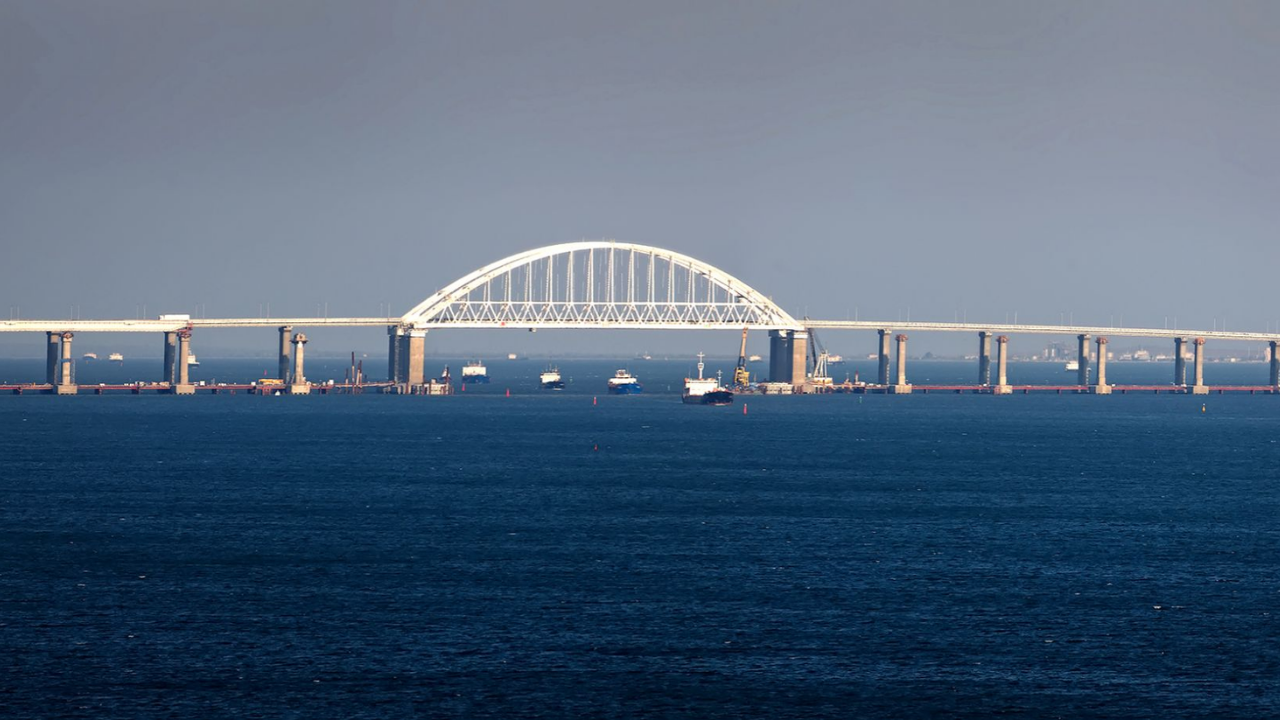
The terminal sits near the Kerch Strait, a critical chokepoint for Russian energy exports following the annexation of Crimea.
Damage at Taman tightens pressure on Russia’s primary southern export corridor, which serves buyers across the Mediterranean, Turkey, and parts of Asia. Any prolonged outage complicates shipping schedules and forces exporters to seek alternative ports with limited spare capacity.
Emergency Crews Battle Fire Near Volna
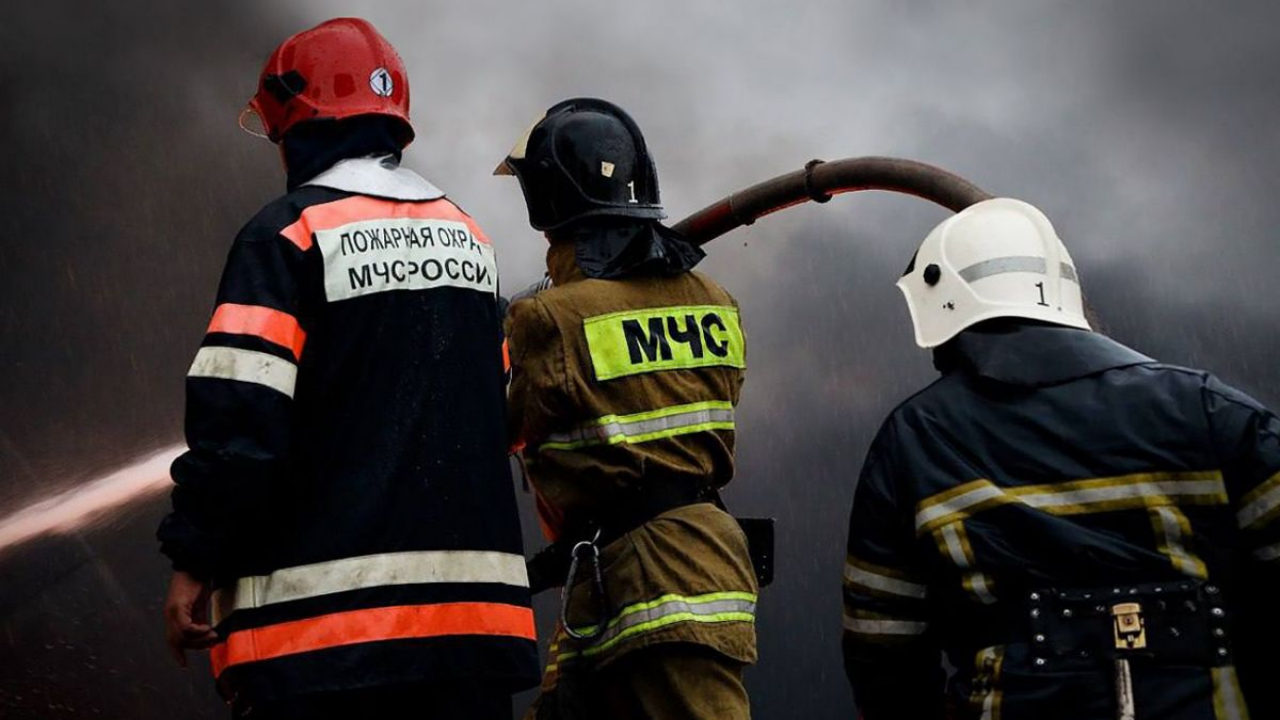
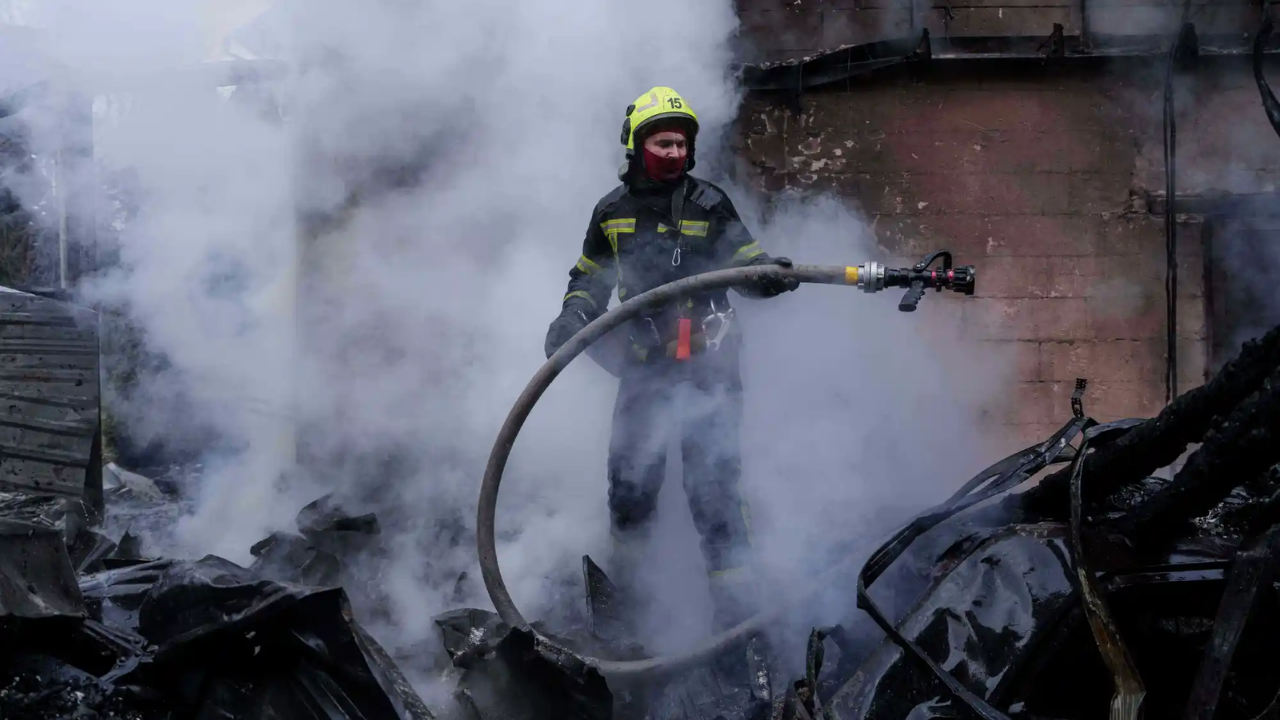
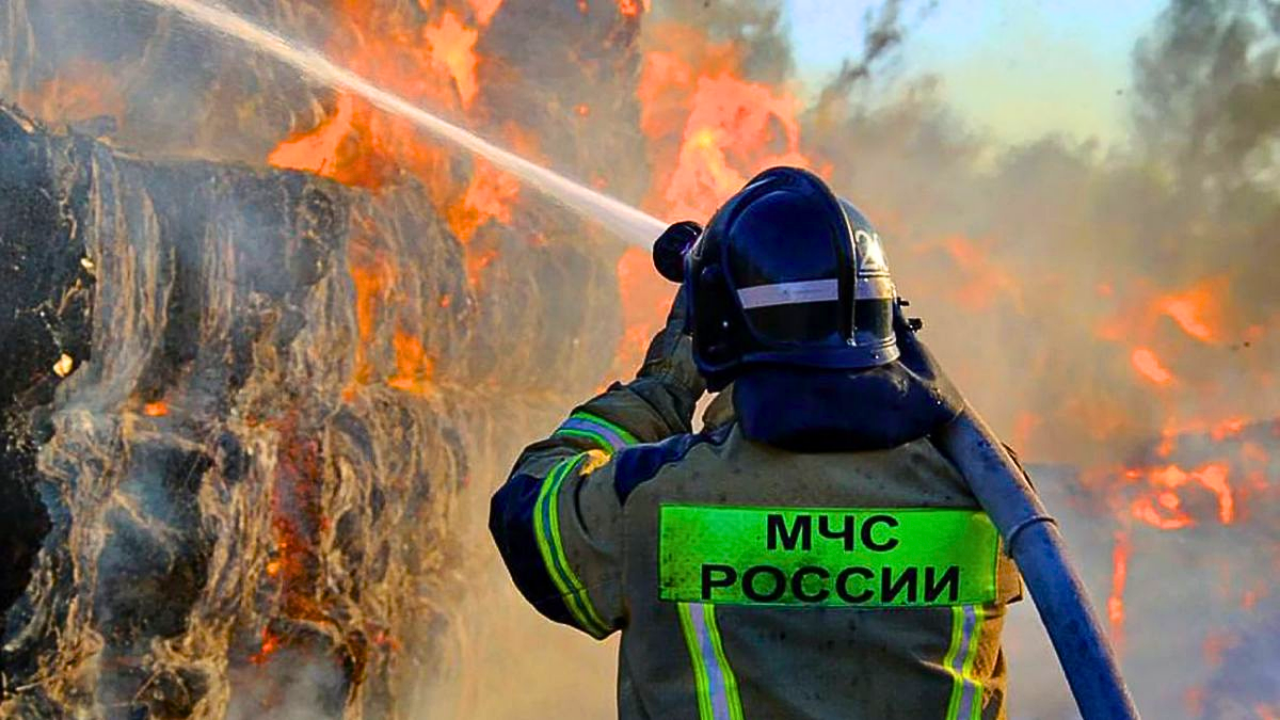
Firefighters and emergency services were deployed around the clock near the village of Volna, adjacent to the terminal.
Officials reported active suppression efforts across the burning tank farm amid debris from the strike. While no injuries were reported, authorities acknowledged the risks posed by ongoing fires, fuel residues, and damaged port structures within the densely packed industrial zone.
Russian Air Defenses Claim Interceptions
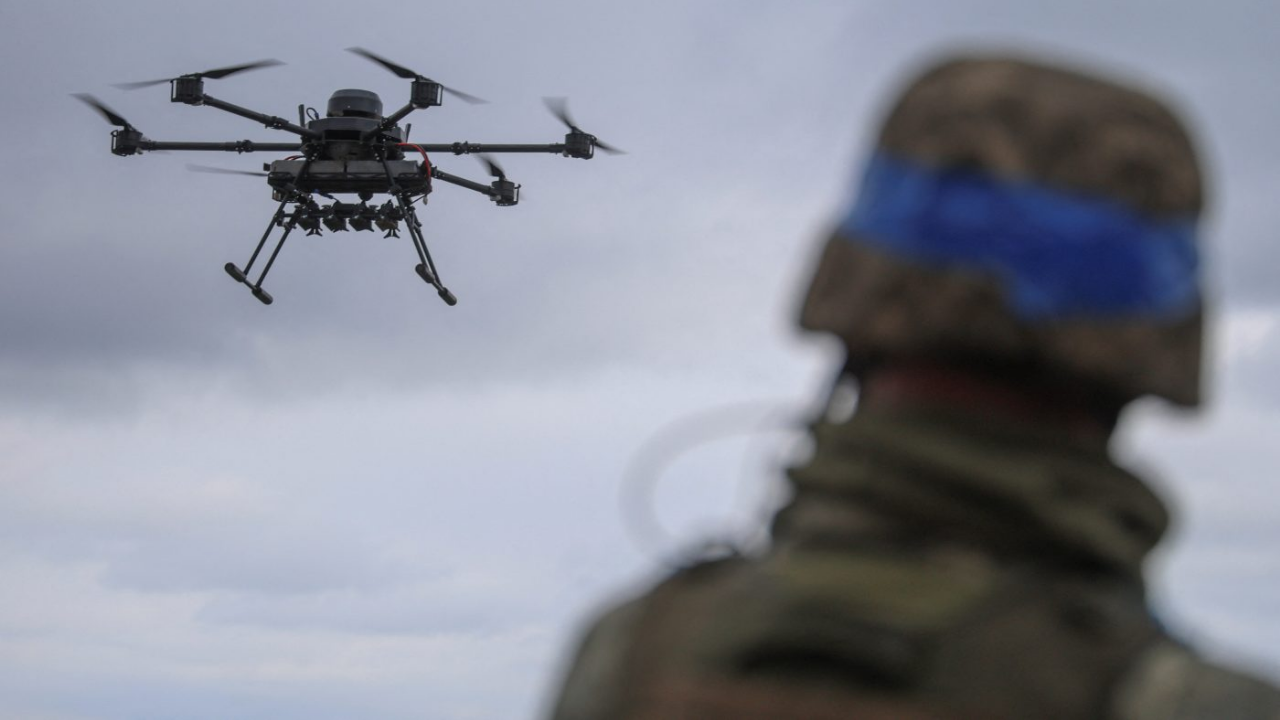
Russia’s Defense Ministry stated that several Ukrainian drones were intercepted over Krasnodar Krai during the attack.
Despite those claims, confirmed damage at the terminal highlighted persistent vulnerabilities in Russian air defenses protecting strategic infrastructure. Ukrainian intelligence sources framed the operation as evidence that critical export facilities remain reachable despite layered defensive systems.
Added Strain After Earlier Refinery Disruptions
The Taman strike adds to a growing list of Russian energy facilities hit in recent months, including refineries and storage sites inside Russia.
Each disruption compounds logistical challenges by reducing redundancy across the supply chain. Analysts note that even temporary shutdowns can ripple through export schedules, insurance costs, and maintenance backlogs across Russia’s energy sector.
Ukraine Frames Strikes as Strategic Counterpressure
Kyiv presents attacks on Russian energy assets as a response to Russia’s continued strikes on Ukrainian cities and power infrastructure.
Ukrainian officials argue that degrading export capacity reduces the resources available for prolonged warfare. The Taman operation fits a broader pattern of targeting economic lifelines rather than purely frontline military positions.
Environmental Risks Raise Regional Concerns
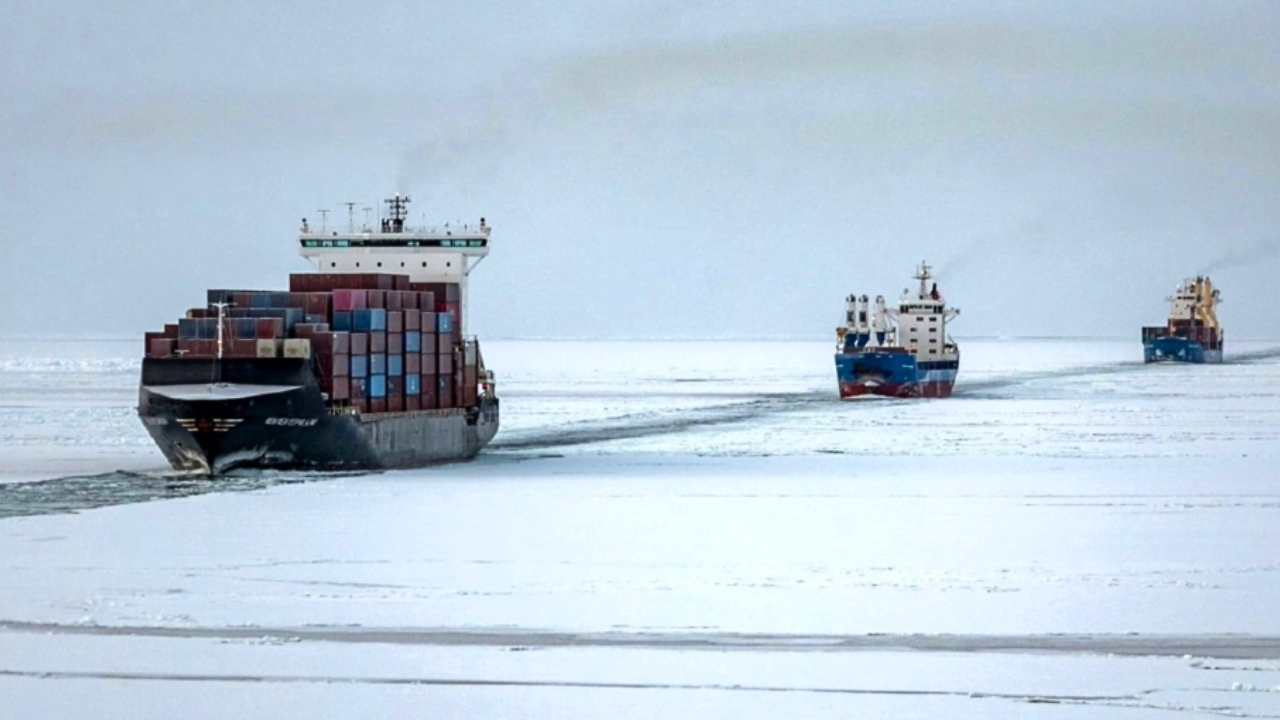
Fires at coastal oil terminals carry the risk of spills or runoff into the Black Sea. Environmental exposure around the Taman Peninsula includes fisheries and shipping lanes sensitive to pollution.
While authorities reported no confirmed spill, the incident renewed concerns about ecological damage tied to attacks on large-scale fuel storage and transfer facilities.
Deep-Strike Capability Draws Global Attention
The successful hit on Taman reinforced international attention on Ukraine’s expanding deep-strike reach inside Russia. Striking a heavily defended, high-value Black Sea terminal demonstrated operational planning and drone range extending far beyond front lines.
Media coverage increasingly frames the Black Sea as a critical economic and military battlespace in the conflict.
Rerouting Benefits Rival Ports
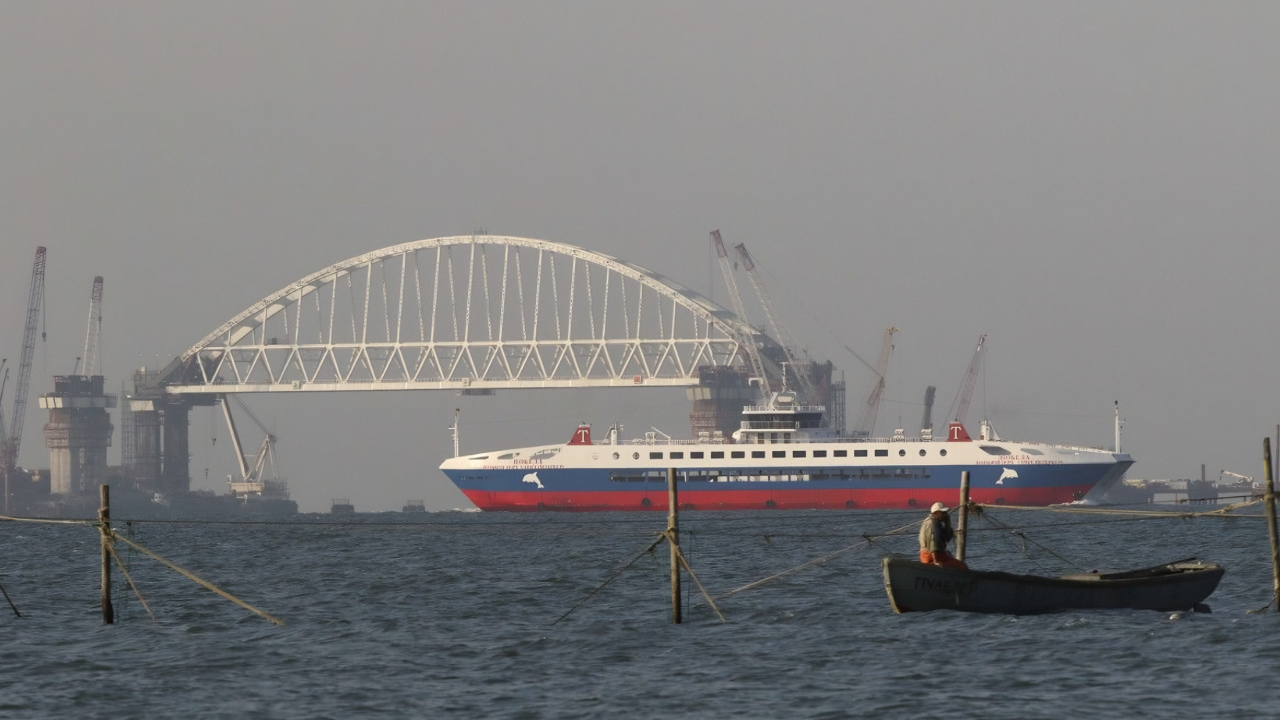
With Taman temporarily offline, exporters are expected to divert cargoes to alternative ports in the Black Sea and Sea of Azov where possible.
Non-Russian terminals, particularly in neighboring countries, could see increased traffic as shippers adjust routes. Such shifts highlight how infrastructure damage can redistribute trade flows even without long-term outages.
Uncertainty Clouds Repair Timeline
Russian authorities have not provided a clear timeline for restoring full operations at the terminal. Damage to pipelines, piers, and vessels suggests repairs could extend beyond a brief suspension.
Market observers note that uncertainty alone can affect contract planning and shipping insurance, even before long-term capacity losses are confirmed.
Energy Infrastructure Becomes a Frontline
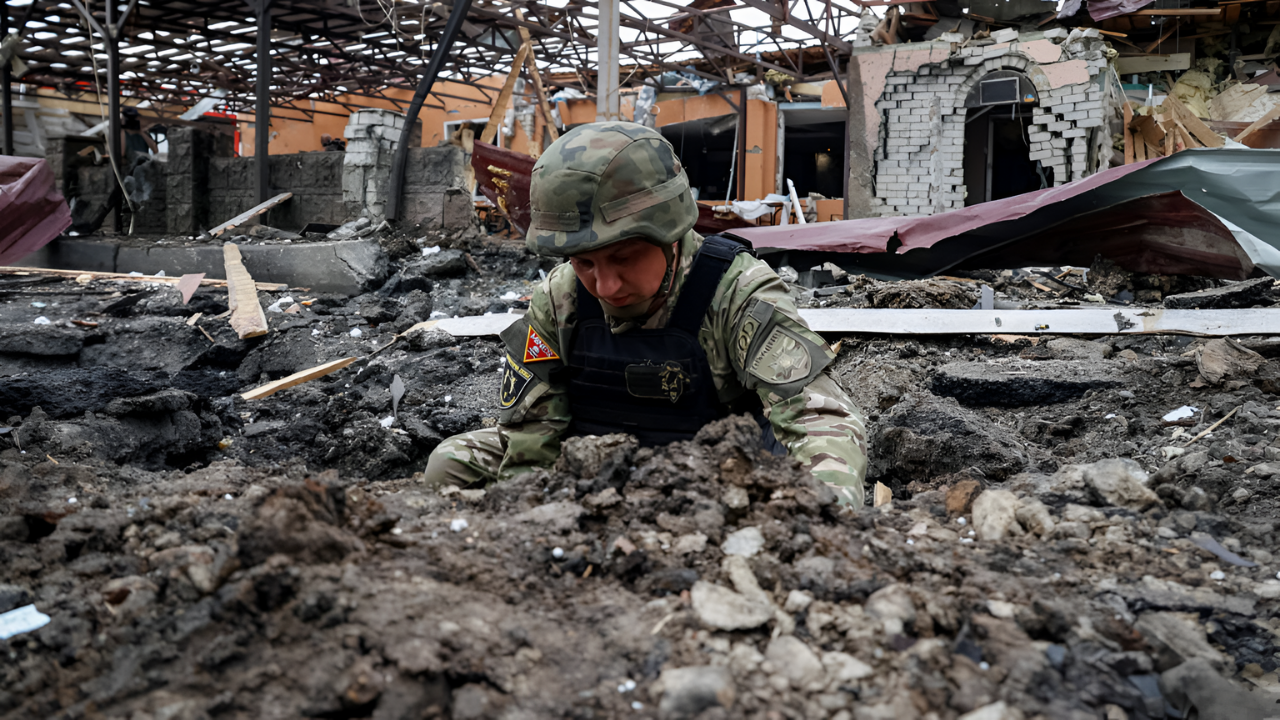
The Taman terminal fire underscores how energy infrastructure has become a frontline in the war. Ukraine’s strategy increasingly targets assets that sustain Russia’s economy and export revenues.
As strikes continue, the reliability of the Black Sea energy corridor faces growing uncertainty heading into 2026, with lasting implications for regional trade and security.
Sources:
- Pravda (Ukraine), 22 Dec 2025: Russia’s Largest Black Sea Terminal Burns—Ukraine Strike Takes Out 2 Vessels And $500M Pipeline (article title referenced in slides)
- Anadolu Agency, 22 Dec 2025 : Fire Breaks Out at Russia’s Taman Oil Terminal After Ukrainian Drone Attack (reported on terminal fire and damage)
- Euronews, 22 Dec 2025 : Ukraine Hits Russian Oil Terminal in Black Sea with Drones Amid Escalating Strikes
- Kyiv Independent, 22 Dec 2025 : Ukrainian Drones Target Taman Oil Terminal in Latest Blow to Russian Energy Exports
- ABC News, 22 Dec 2025 : Russia Downs Drones Over Krasnodar as Ukraine Targets Energy Infrastructure
- Radio Free Europe, 25 Dec 2025 : Black Sea Oil Disruptions Mount After Taman Terminal Attack, Impacting Global Markets