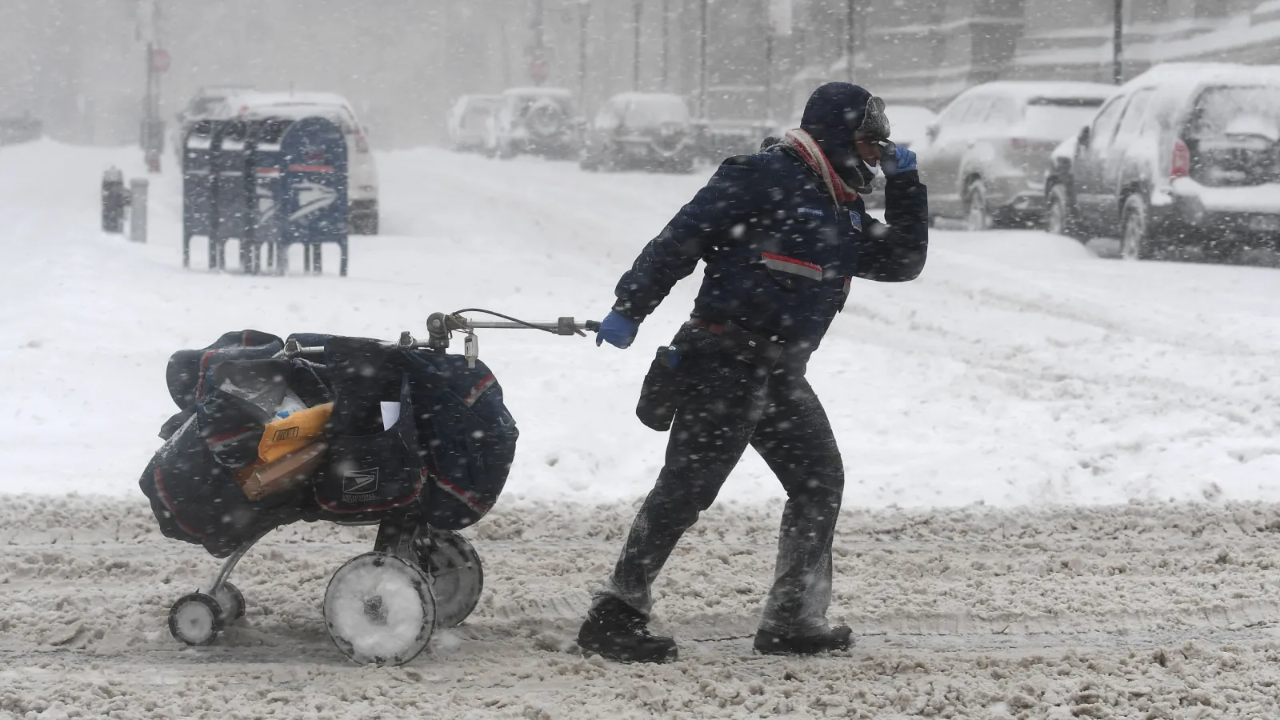
Snow is already piling up as Winter Storm Ezra barrels across the Midwest and Northeast, putting more than 40 million Americans under winter weather alerts. Forecasters classify Ezra as a bomb cyclone, a rapidly intensifying system unleashing blizzard conditions across a multi-state corridor.
Nearly 2 million people face Blizzard Warnings, with whiteout conditions, near-zero visibility, and travel grinding to a halt during one of the busiest post-holiday travel periods of the year.
Why Bombogenesis Turned Ezra Into a Monster
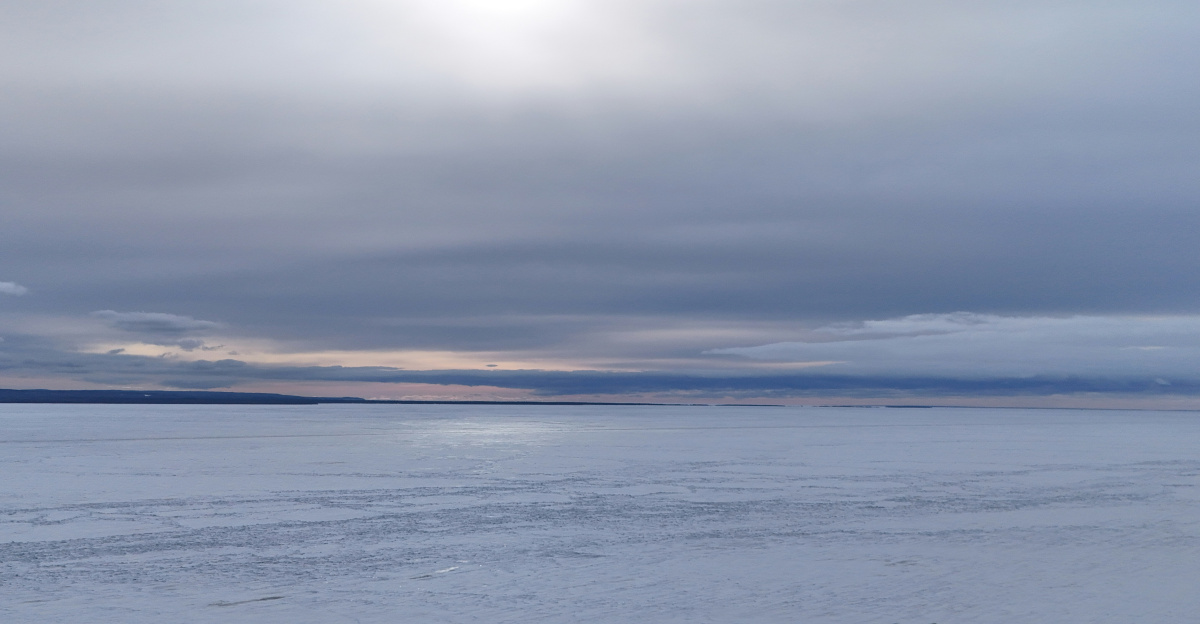
Ezra intensified through bombogenesis, a process where air pressure drops at least 24 millibars in 24 hours. That rapid deepening occurred as Arctic air collided with warm, moisture-rich air feeding off the Great Lakes.
The result was an explosive storm system that strengthened quickly on Sunday, catching travelers mid-journey. Meteorologists flagged the rapid intensification early, warning that snowfall rates, winds, and visibility would deteriorate fast across the Upper Midwest.
Post-Holiday Travelers Caught in a Dangerous Window
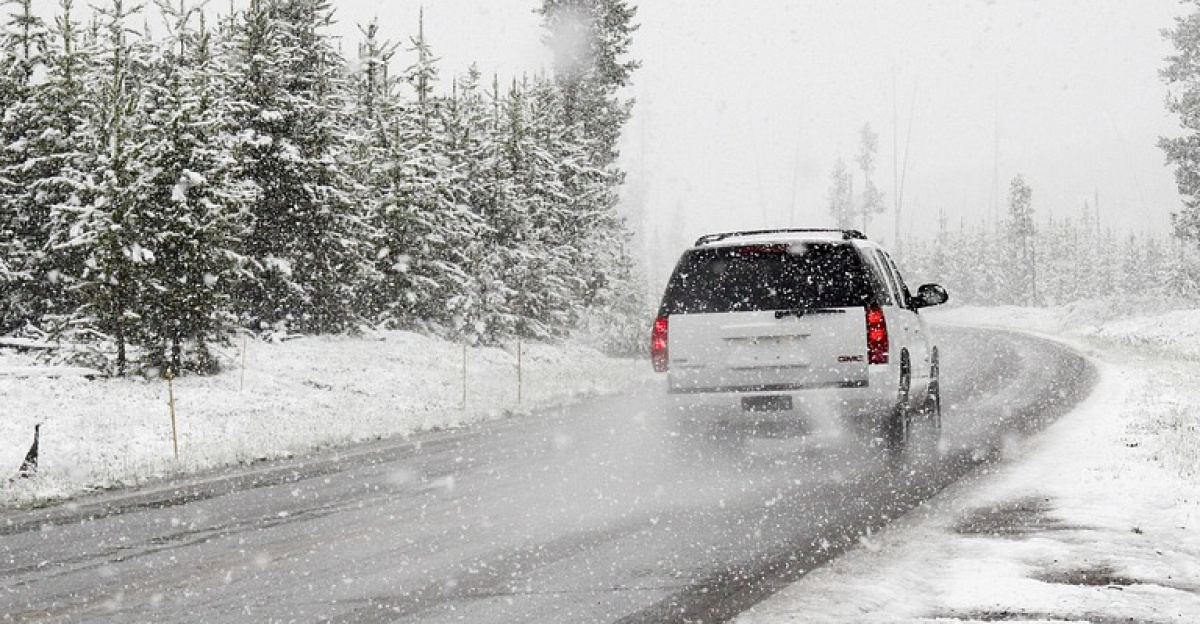
The timing couldn’t be worse. Ezra arrives during the post-holiday return rush, when millions are heading home after Christmas. Major interstates, including I-90 and sections of I-95, face hazardous conditions as snow and ice spread east.
Drivers encounter sudden whiteouts, while gusts approaching 60 mph make travel dangerous or impossible in parts of the Midwest and Great Lakes region.
Flights Disrupted as Winter Weather Spreads East
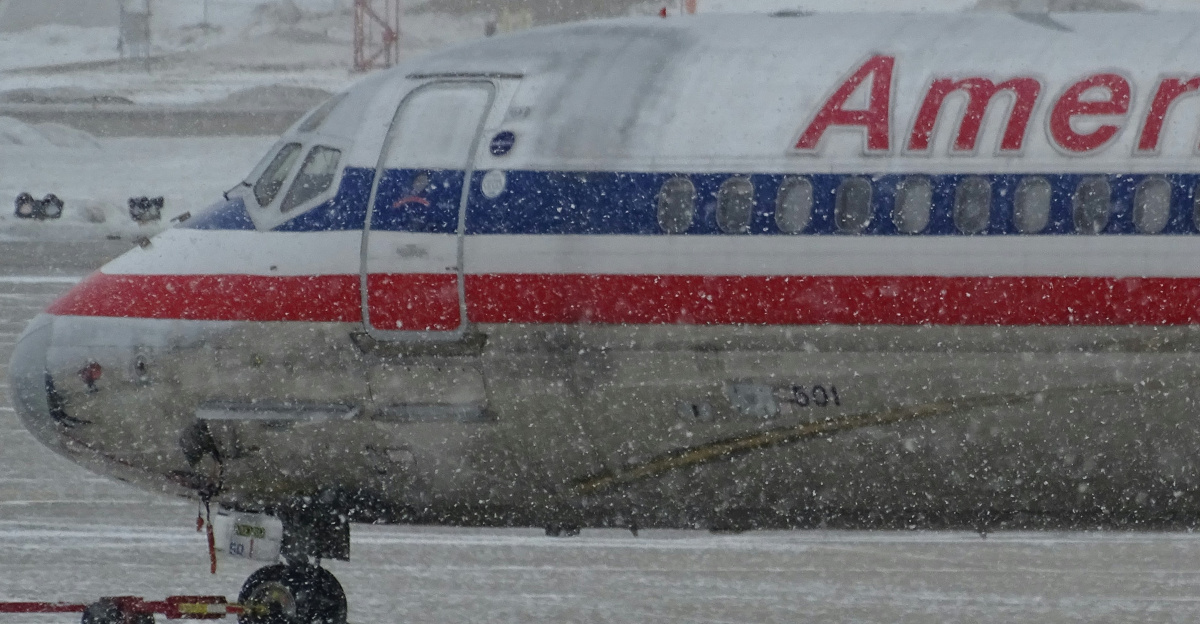
Air travel feels the strain as winter weather expands from the Plains toward the Northeast. Snow, ice, and high winds disrupt airport operations across the Midwest, delaying or canceling flights and stranding passengers.
The storm’s reach stretches across major hubs, compounding logistical challenges for airlines already managing peak seasonal demand. Even short-haul routes become unreliable as conditions shift rapidly hour by hour.
Freight and Highways Grind to a Crawl
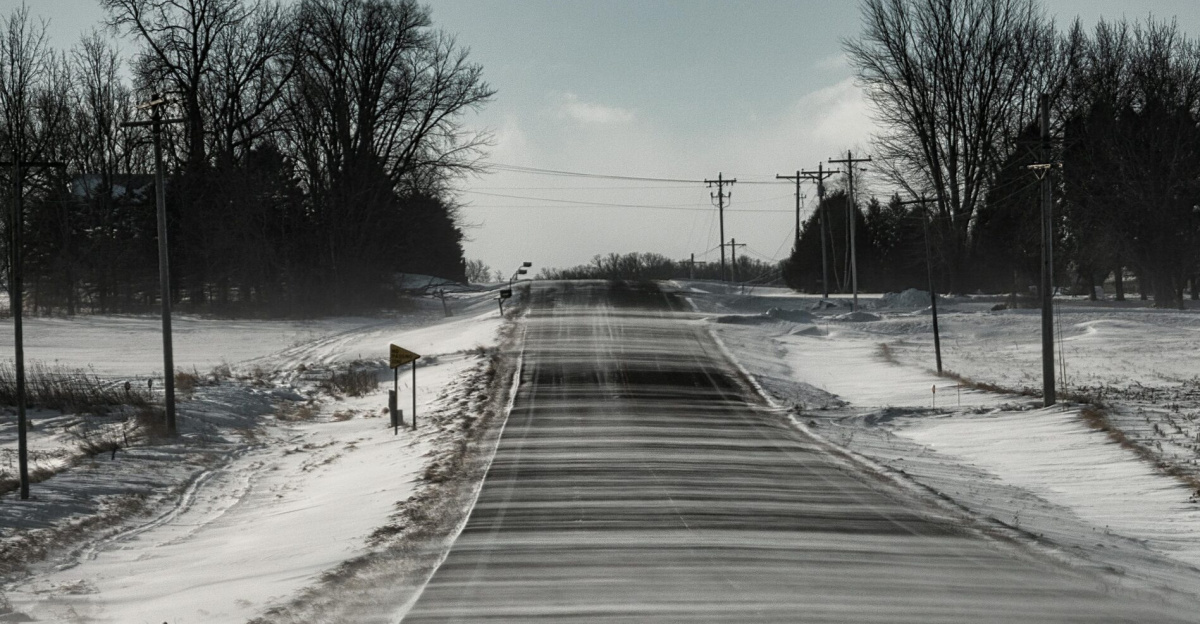
Road conditions deteriorate quickly as snow blankets key freight corridors across Iowa, Minnesota, and the Dakotas. Semi-trucks slow or stop entirely in blizzard zones, delaying shipments of consumer goods and industrial supplies.
Accumulations of 3 to 8 inches across large portions of the Midwest, combined with blowing snow, make travel unpredictable. These disruptions ripple outward, affecting deliveries well beyond the storm’s core footprint.
Flood and Ice Threats Add a Second Layer of Risk
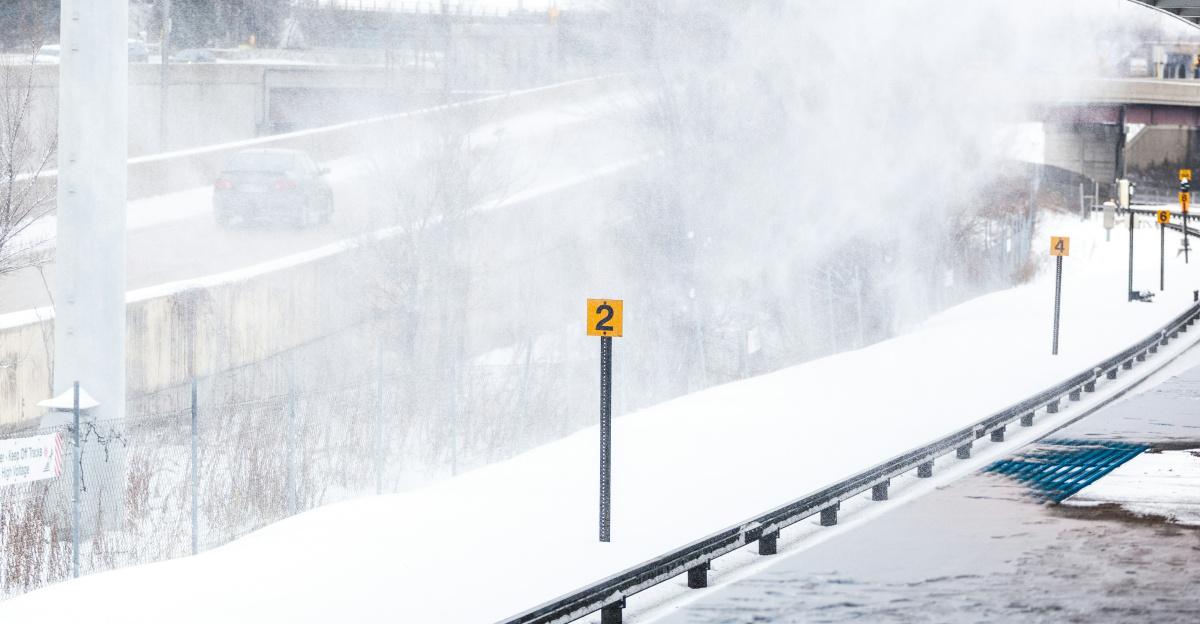
While snow dominates much of the Midwest, parts of the Northeast face different hazards. Western New York enters Flood Watch status as heavy rain, up to 1.5 inches, falls on already saturated ground.
Farther east, freezing rain threatens northern New England, where ice accumulations approaching a quarter inch could down trees and power lines. Ezra’s impacts vary sharply by region—but nowhere escapes risk.
Michigan’s Upper Peninsula Faces the Worst
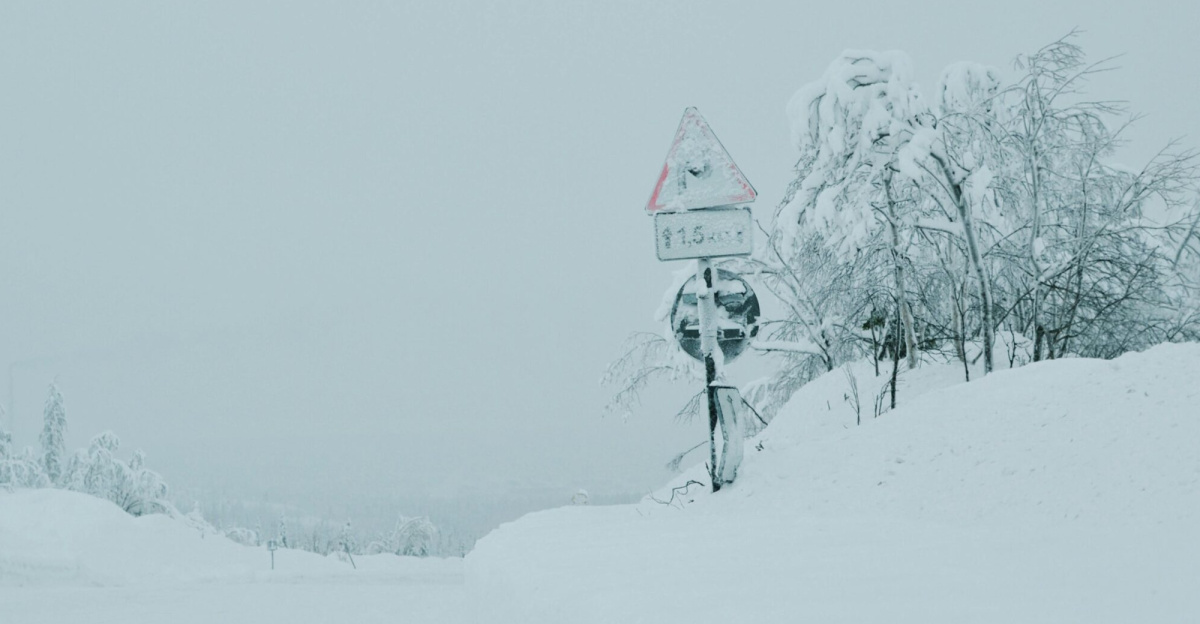
Few places are hit harder than Michigan’s Upper Peninsula. Forecasts call for between 1 and 2 feet of snow, driven by both the main storm and powerful lake-effect bands that follow.
Wind gusts near 60 mph create prolonged whiteout conditions, isolating communities and making emergency travel dangerous. For communities across the region, this becomes a multi-day battle against snow, wind, and limited mobility.
Blizzard Warnings Stretch Across the Heartland
Blizzard Warnings span a wide swath of the Upper Midwest, including areas around Grand Forks, Fargo, Rochester, and Mason City. These warnings signal life-threatening conditions, where heavy snowfall combines with intense winds to eliminate visibility.
Even well-prepared drivers face extreme danger. Officials urge residents to stay put as conditions worsen, emphasizing that rescue operations can be delayed or suspended during peak storm periods.
Cities Brace for High Winds and Power Risks
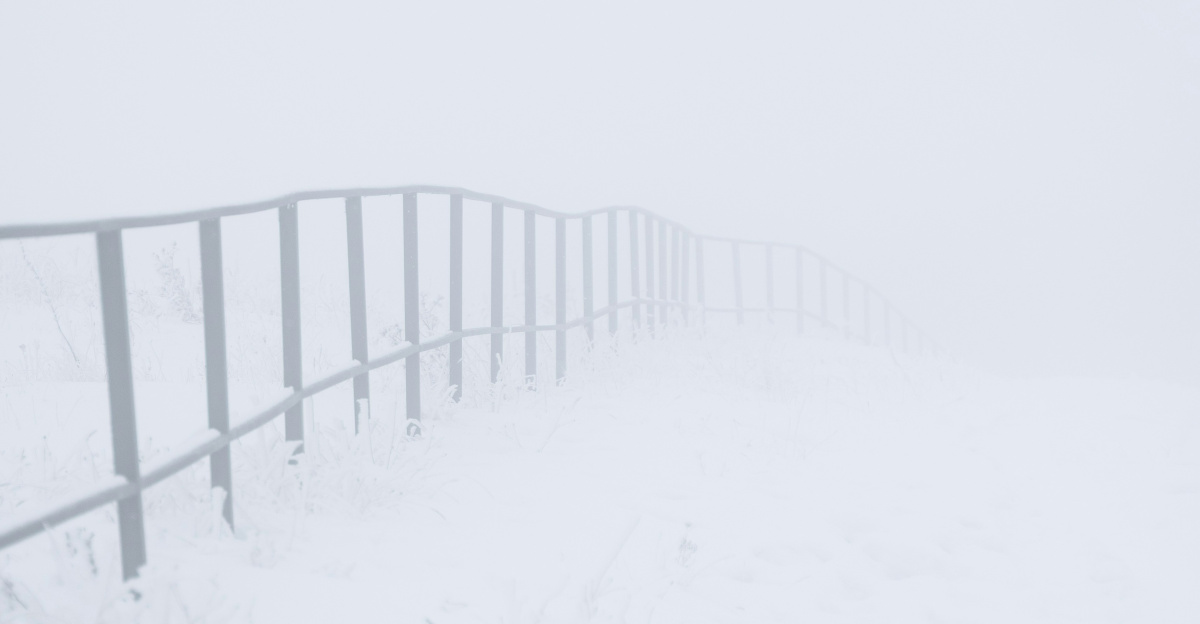
Farther south and east, high-wind alerts cover major metro areas including Detroit and Cleveland. Gusts nearing 60 mph threaten power infrastructure, increase the risk of outages, and complicate cleanup efforts.
Falling tree limbs and blowing debris become serious hazards even where snowfall totals are lower. Urban residents face a different challenge than rural blizzard zones—but the danger remains very real.
Families and Communities Feel the Human Impact
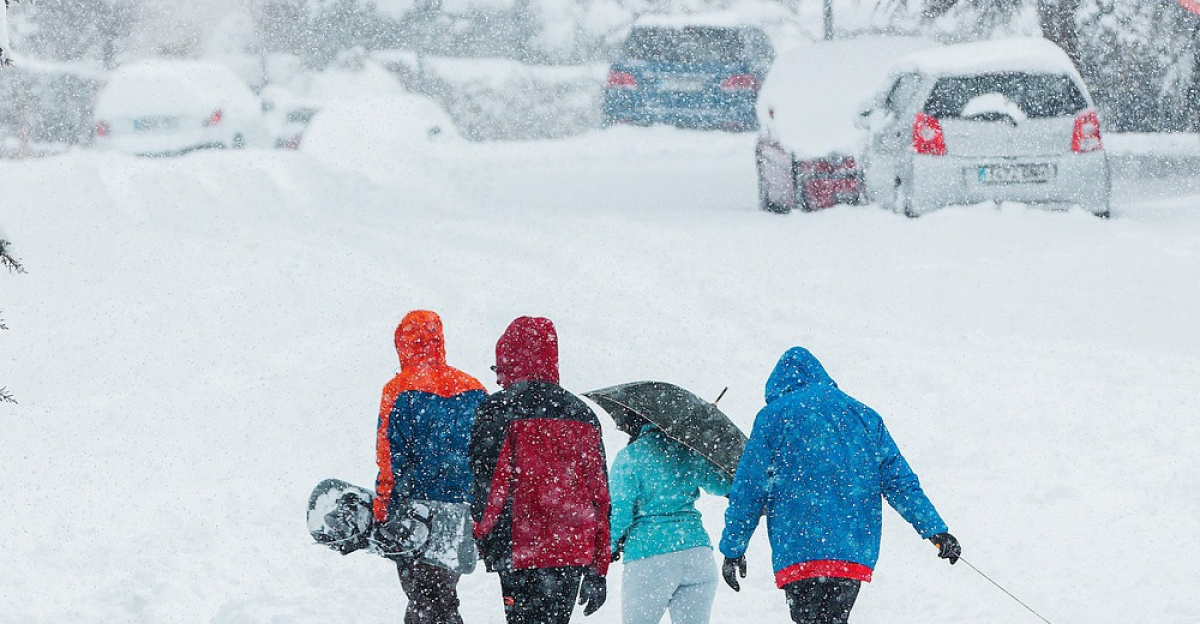
Beyond snow totals and wind speeds, Ezra disrupts daily life at a personal level. Families trying to return home after the holidays face sudden delays and cancellations.
Children preparing to return to school encounter dangerous commutes or closures. In rural areas, isolation raises concerns for elderly residents and those with medical needs, as emergency access becomes more difficult under sustained blizzard conditions.
Lake-Effect Snow Means the Storm Doesn’t End Monday
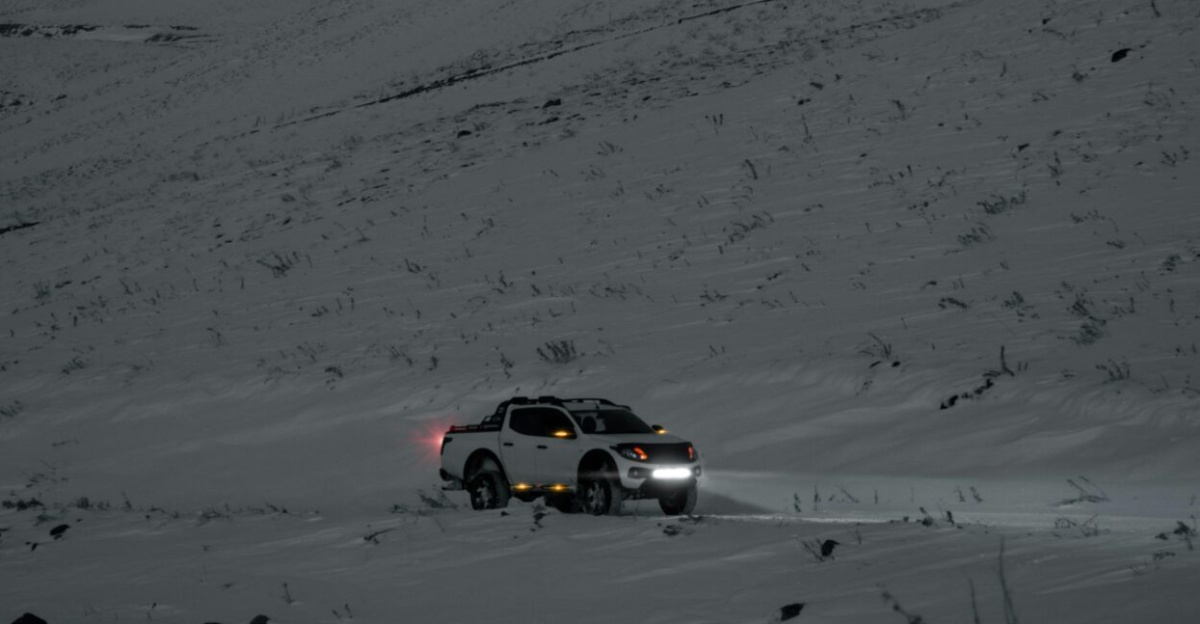
Even after Ezra’s core system moves east, the danger continues. Cold air sweeping over the Great Lakes fuels intense lake-effect snow bands that persist into Tuesday and Wednesday.
These localized bursts can rapidly add inches of snow, prolonging hazardous travel and cleanup efforts. For communities near the lakes, the storm feels less like a single event and more like an extended siege.
Why “Bomb Cyclone” Isn’t Just a Buzzword
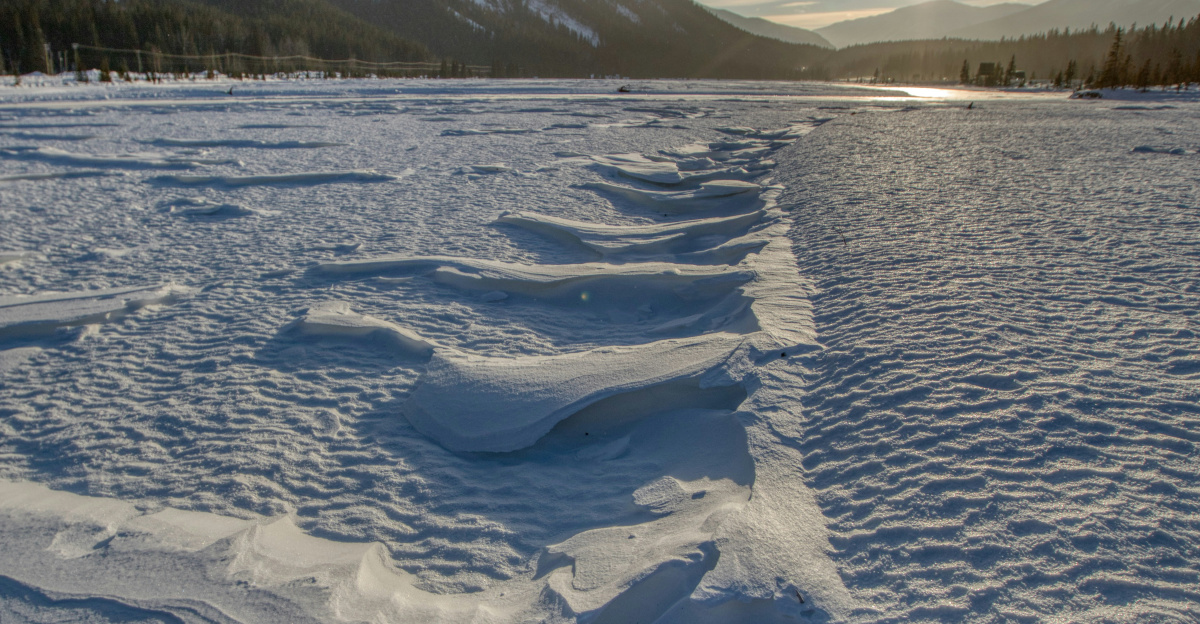
The term “bomb cyclone” sounds dramatic—and the impacts justify it. These storms intensify at extraordinary speed, leaving little margin for error in preparation. Ezra’s rapid pressure drop amplifies snowfall rates, wind strength, and storm reach.
The combination creates conditions that resemble historical blizzards, where visibility collapses and travel becomes perilous within minutes, not hours.
Millions Navigate a Multi-State Weather Maze
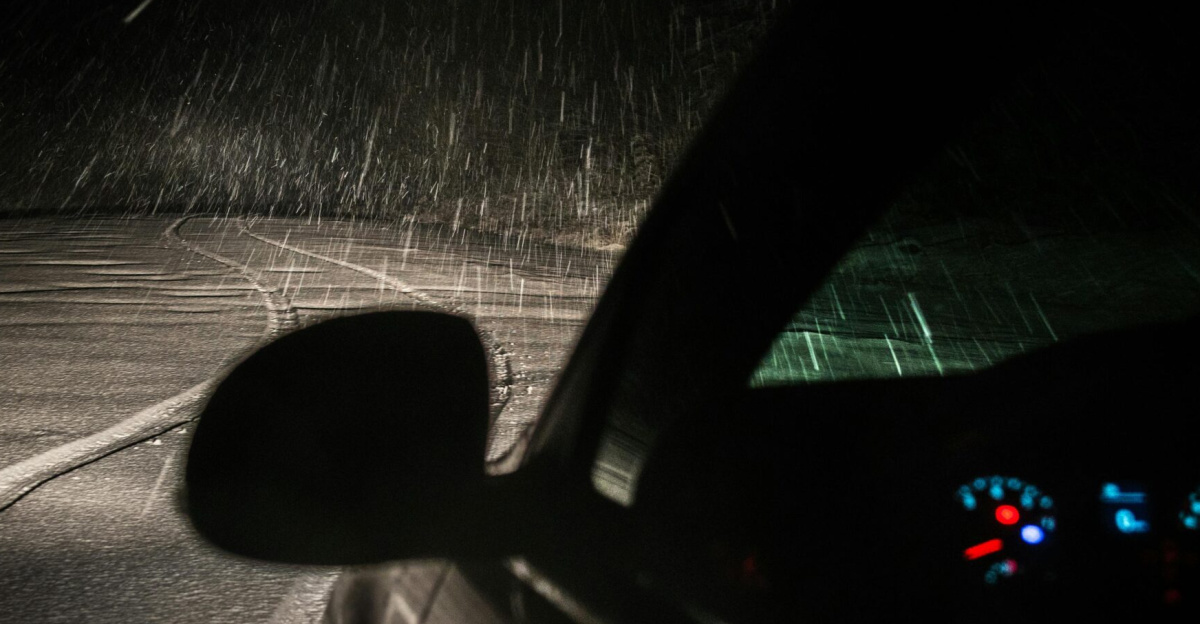
From the Dakotas to New England, Americans experience vastly different threats from the same system—deep snow, ice, flooding, or high winds.
Roughly 12 percent of the U.S. population falls under some form of winter alert. This geographic spread complicates response efforts and leaves travelers navigating a patchwork of closures, advisories, and rapidly changing conditions across state lines.
What Officials Urge as Conditions Deteriorate
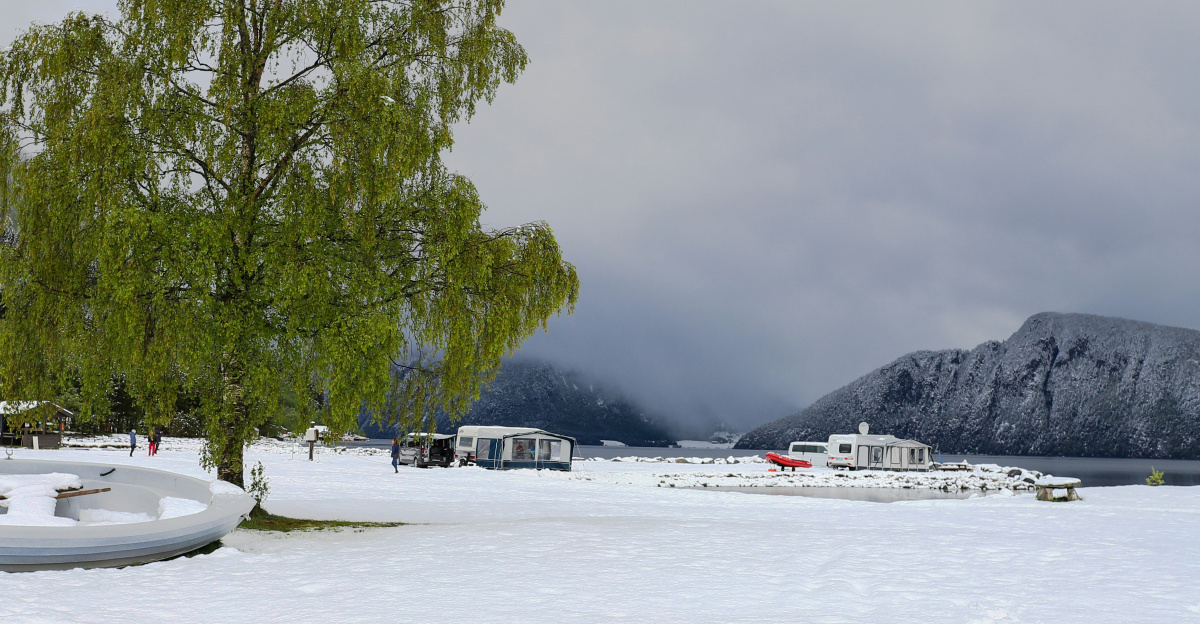
Emergency managers emphasize preparation and patience. Residents are urged to delay non-essential travel, stock basic supplies, and monitor alerts closely as conditions evolve.
Whiteout conditions can develop suddenly, and roads that appear passable may become impassable within minutes. Staying informed—and staying put—becomes the safest option for millions as Ezra reaches peak intensity.
Ezra’s Legacy: A Multi-Day Winter Test
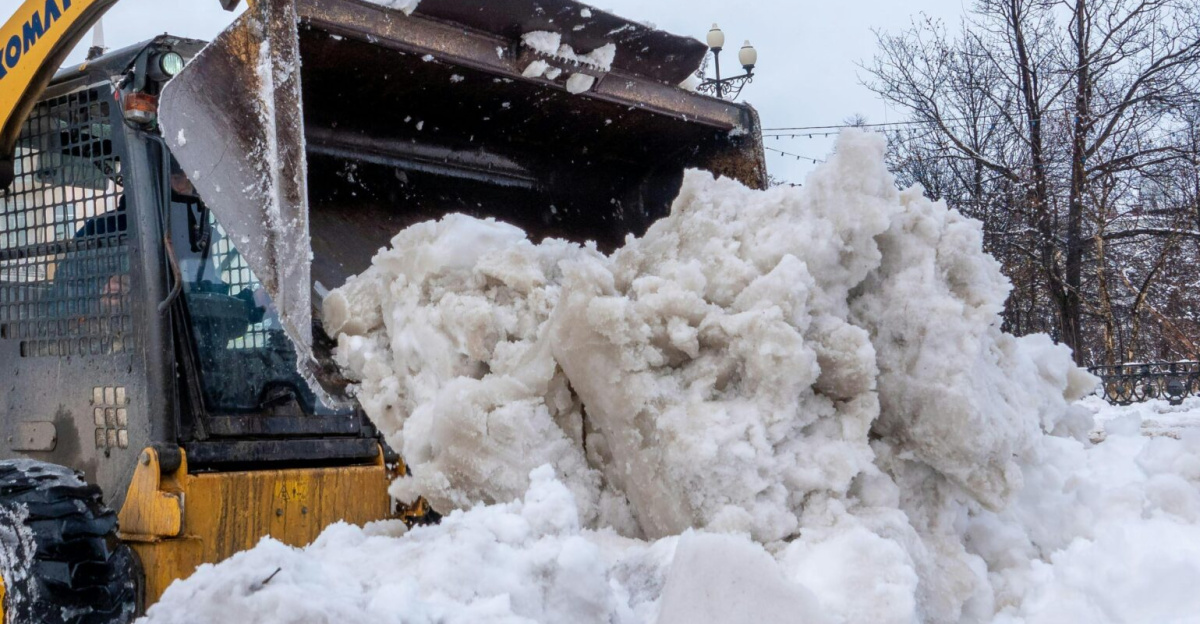
As Winter Storm Ezra pushes east, its effects linger across much of the country. Snow cleanup, power restoration, and delayed travel stretch into midweek. For forecasters and emergency planners, the storm reinforces how rapidly bomb cyclones can reshape daily life.
For communities in its path, Ezra becomes a reminder that winter’s most dangerous storms often strike hardest when travel demand is at its peak.
Sources:
“New winter storm heads for Midwest, Northeast with 40 million under alerts for snow, ice and wind.” ABC News, 27 Dec 2025.
“A bomb cyclone brings blizzards to the Midwest before turning east.” Los Angeles Times, 29 Dec 2025.
“Winter Storm Ezra Impacting Midwest, Northeast.” The Weather Channel, 27 Dec 2025.
“What is bombogenesis?” National Oceanic and Atmospheric Administration, accessed 29 Dec 2025.