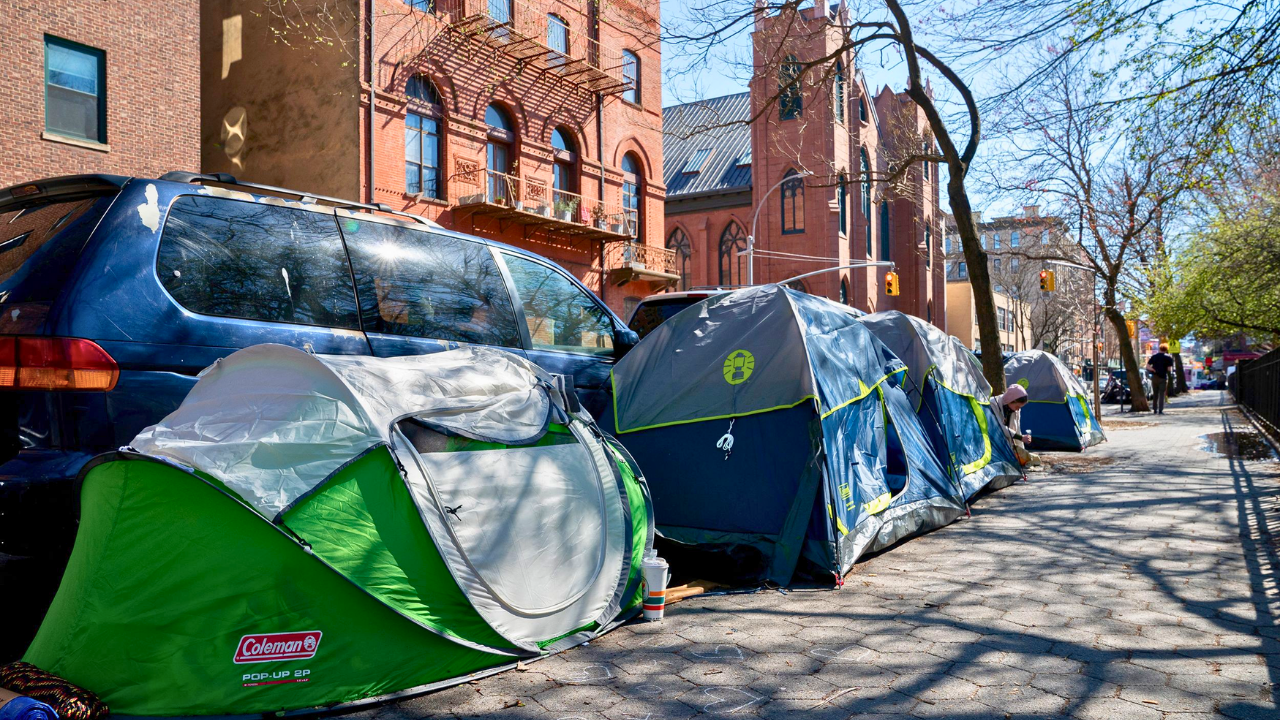
Chicago tops the list as America’s most congested city in 2025, beating out New York. Drivers there waste 112 hours each year stuck in traffic, more than twice the U.S. average of 49 hours. That time lost equals two full workweeks behind the wheel. The gridlock costs each driver $2,063 annually, adding up to $7.5 billion across the city. Lake Michigan limits road expansion, and backups at O’Hare Airport push planners to add more parking in renovations.
Housing adds to the strain. One-bedroom apartments rent for $1,440 to $2,050 a month, while two-bedrooms go for $2,475 to $3,420. Neighborhoods like Gold Coast and Lincoln Park charge over $2,000 for a one-bedroom. Crime rates rise in some areas, heightening worry. Families face school and childcare costs from $2,475 to $42,300 per year, making Midwestern life more expensive than many expect.
New York and Los Angeles Face High Costs and Crowds
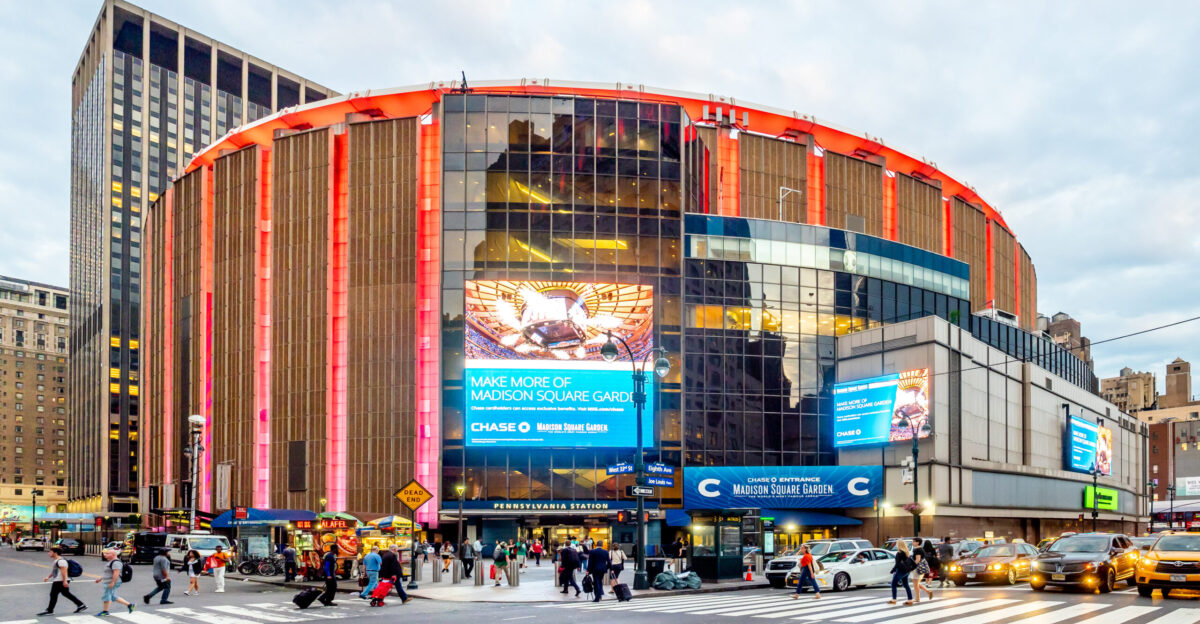
New York City’s living expenses sit 74% above the national average. Rents average $5,284 monthly in 2025, and homes cost about $1.7 million. In Manhattan, one-bedrooms average $4,495, and two-bedrooms near $5,500. Jobs grew 22% from 2010 to 2023, but housing supply rose only 4%. This imbalance drives the cost-of-living index to 148, almost 50% over the average, with housing costs twice the norm.
Traffic in New York ranks second-worst nationally. Drivers lose 102 hours a year, costing $1,879 each and $9.7 billion citywide. A $9 congestion fee applies to Manhattan below 60th Street during rush hours, which cuts some flow but raises fares for riders. Transport costs have jumped 25% since 2019, squeezing subway and apartment space even more.
Los Angeles ranks fourth for traffic problems. Drivers spend nearly four days a year idling, especially on Interstate 5. Poor bus service and the city’s vast spread force reliance on cars, boosting gas, parking, and repair bills. Fines add up, though remote work helps a bit; downtown remains clogged.
San Francisco and Miami Battle Housing and Weather Woes

San Francisco’s one-bedroom rents average over $2,800 a month. The city dropped from 27th to 126th in Best Performing Cities rankings. Tech layoffs cut 50,000 jobs in three years, and nightlife spots lost half their business as young people left or cut spending. Only 65% of residents spend less than 30% of income on housing.
A housing shortage lingers due to strict building rules, unlike Seattle, where tech growth matched San Francisco’s but rents rose one-third less. Speculators bought rent-controlled buildings and evicted tenants for richer newcomers. The 7-by-7-mile peninsula sparks opposition to tall buildings nearby, delaying affordable homes for years.
Miami-Dade County lost 67,000 residents from 2023 to 2024 amid rising costs and flood risks. Some 36.3% of homes face high flood danger, the top 10% nationwide. Homeowners’ insurance jumped from under $2,000 to $6,700 yearly; flood policies rose from $400 to $1,250. Pandemic price hikes hit working families, with king tides and alerts now common. Fast growth outruns roads and transit, worsening jams and car dependence. Rents take nearly 40% of incomes, even shaking some wealthy locals as infrastructure strains.
Struggling Cities Highlight Urban Challenges
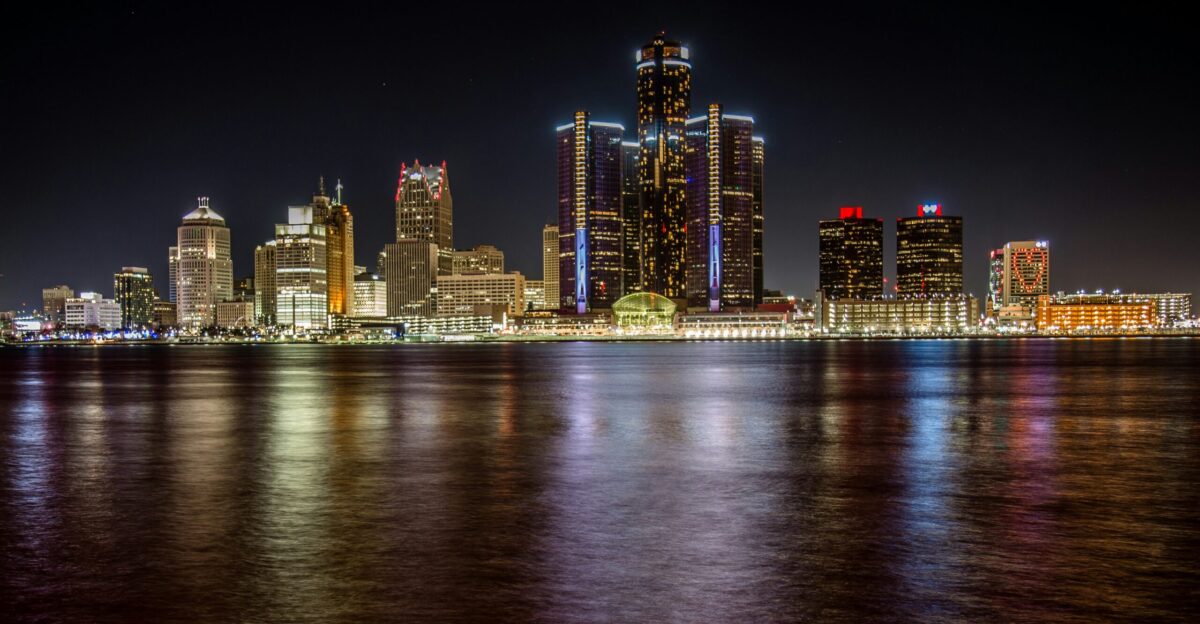
Detroit faces 11.4% unemployment, the highest in the U.S. and double Michigan’s rate, with one-third of residents in poverty. Only 53.4% of working-age people look for jobs, the lowest rate nationally. Crime runs twice the average amid abandoned auto plants, empty homes, and closed schools. Unemployment for Black and Latino residents hits 23%, four times the white rate; COVID pushed 39,000 people out of the workforce.
Baltimore reduced homicides 22% by mid-2025, to 201 in 2024, a 10-year low. Shootings fell 19%, and teen killings dropped 71%, thanks to a strategy targeting at-risk people. Still, the crime index is 74.67, poverty is widespread, and poor neighborhoods see 350% higher rates. Median income stays below $43,000, paired with top divorce rates and the second-highest foreclosures. Housing eats 40% of earnings.
Philadelphia saw 120 traffic deaths in 2024, more than similar cities, after a spike in 2020. Congestion ranks third nationally, up 21%, and SEPTA cuts will push more cars onto roads. Over half of residents overspend on housing, and homelessness rose 10%. Poverty clings on, much like in other old industrial cities.
Boston’s median rent exceeds $3,000, 50% above average, and homes near $750,000. Zoning rules, not lack of land, block apartments. Middle-income families fell by 15,000 from 1990 to 2018. Jobs grew 22% since 2010, but housing only 4%. Rich areas resist denser building, worsening traffic and keeping minorities from jobs.
These cities show wider problems: housing prices outpace wages, old infrastructure creaks, climate risks grow, and inequality hits the vulnerable hardest. Choices on zoning, transit, and disaster prep will determine if urban centers regain appeal or burden residents more.
Sources:
CNBC, U.S. drivers lost 49 hours—more than a full work week—to congestion, December 8, 2025
Vice, The 5 Most Stressed Out Cities in America in 2025, July 29, 2025
Forbes, Here’s Where Drivers Experience The Most Traffic Congestion Data Shows, December 2, 2025
Study Corgi, High Crime Rates in Detroit and Their Causes, December 28, 2023
Bipartisan Policy, A Snapshot of Housing Supply and Affordability Challenges Boston, January 8, 2023
The Conversation, Flood-prone Houston faces hard choices for handling too much water, April 9, 2025