They walked out of prison free on May 28, 2025, their $36 million fraud conviction erased by presidential decree. Todd and Julie Chrisley had served just over two years of their combined nineteen-year federal sentences when President Trump’s pardon arrived like a miracle. Within hours, they were home. Within days, they were filming their comeback TV show.
Within weeks, their son was back in handcuffs, facing the most serious charges of his legal career. This is the story of how the Trump pardon exposed something far deeper than crime: a cycle of generational dysfunction that no pardon can fix.
From Reality TV Royalty to Federal Prison
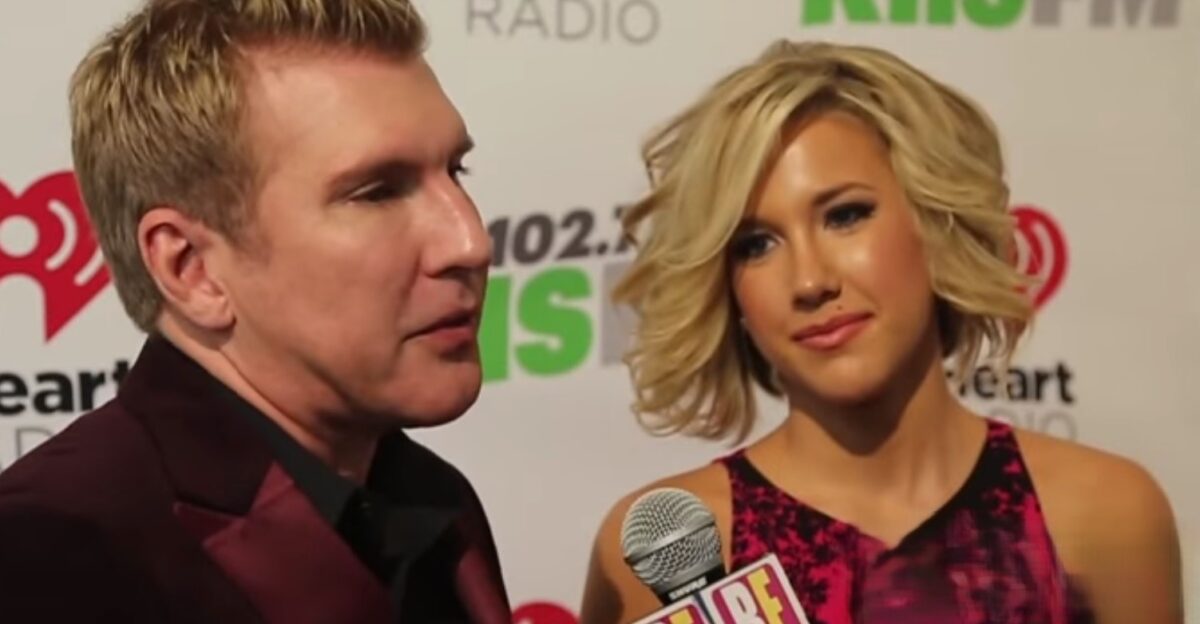
The Chrisleys built their brand on confidence. They were the people who knew everything—or at least, they convinced America they did. Chrisley Knows Best became a cultural phenomenon, a window into wealth and excess.
Then June 2022 arrived. A jury delivered guilty verdicts on bank fraud, tax evasion, and wire fraud. Todd faced twelve years in federal prison; Julie faced seven. The empire that looked invincible was built on lies worth $36 million.
The Numbers Behind the Collapse
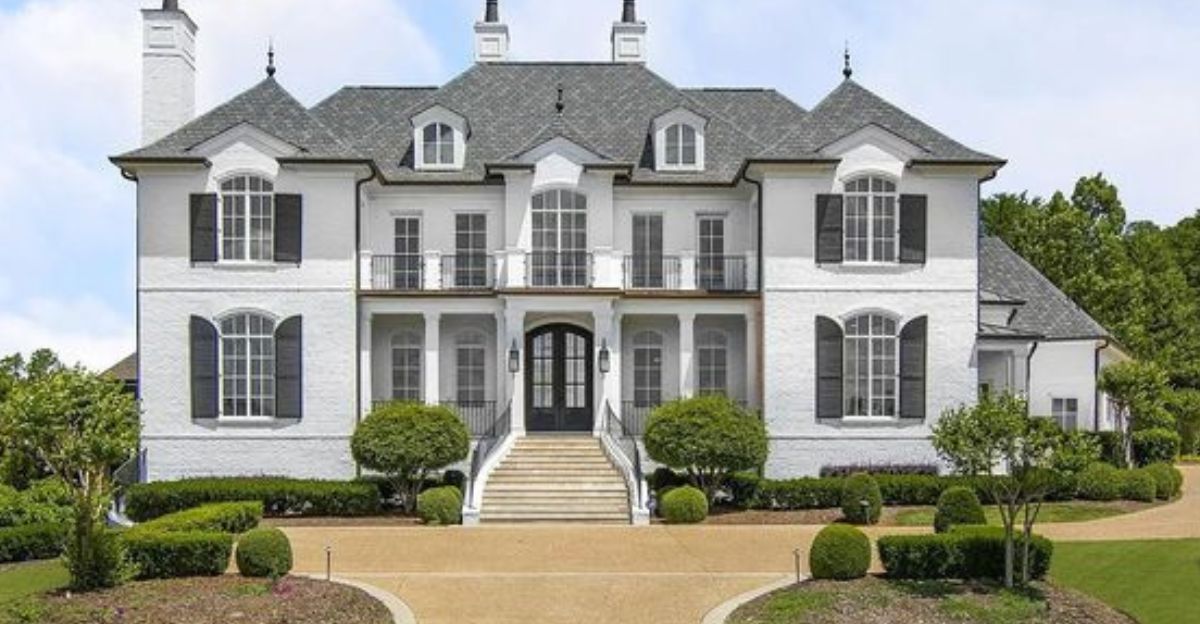
Court documents revealed the scope of the conspiracy. Todd and Julie Chrisley had defrauded community banks out of $36 million in fraudulent loans. They were ordered to repay $17.8 million in restitution. The designer wardrobe, the sprawling mansion, the reality TV paycheck—all of it was purchased with stolen money.
For years, they’d hidden behind smiles and catchphrases. When the truth emerged, it shattered the carefully constructed image they’d sold to millions of viewers.
Two Years in the System
January 2023 marked the beginning of their separation. Todd landed in the federal prison camp in Pensacola, Florida. Julie was taken to the Federal Medical Center in Lexington, Kentucky. They wouldn’t see each other or their youngest children for years.
The Chrisley Knows Best empire froze. Their television empire, once their greatest asset, became their greatest liability. Behind bars, they had time to contemplate what their greed had cost.
The Pardon Call Nobody Expected
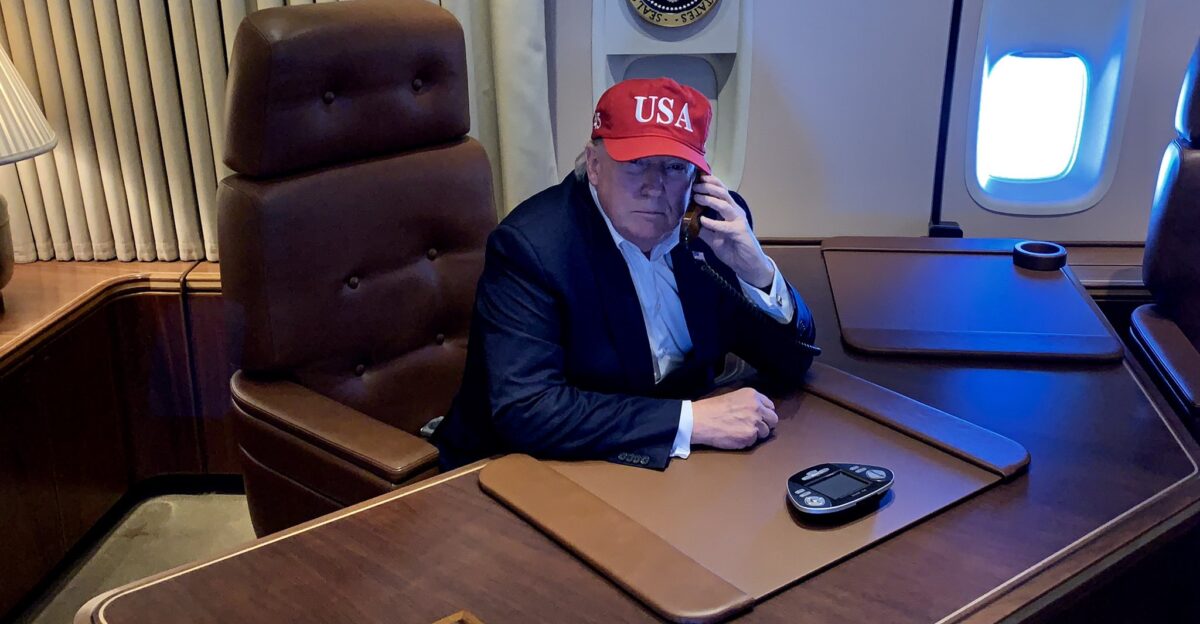
May 27, 2025, changed everything. President Donald Trump called Savannah Chrisley directly. According to Alice Marie Johnson, Trump’s pardon advisor, Trump said, “Your parents will be free and clear, and I hope we can finalize it by tomorrow.” Savannah heard those words and knew her family’s nightmare was ending.
Nineteen combined years of federal prison time—erased by presidential signature. By May 28, both Todd and Julie walked free.
Why Trump Pardoned the Chrisleys
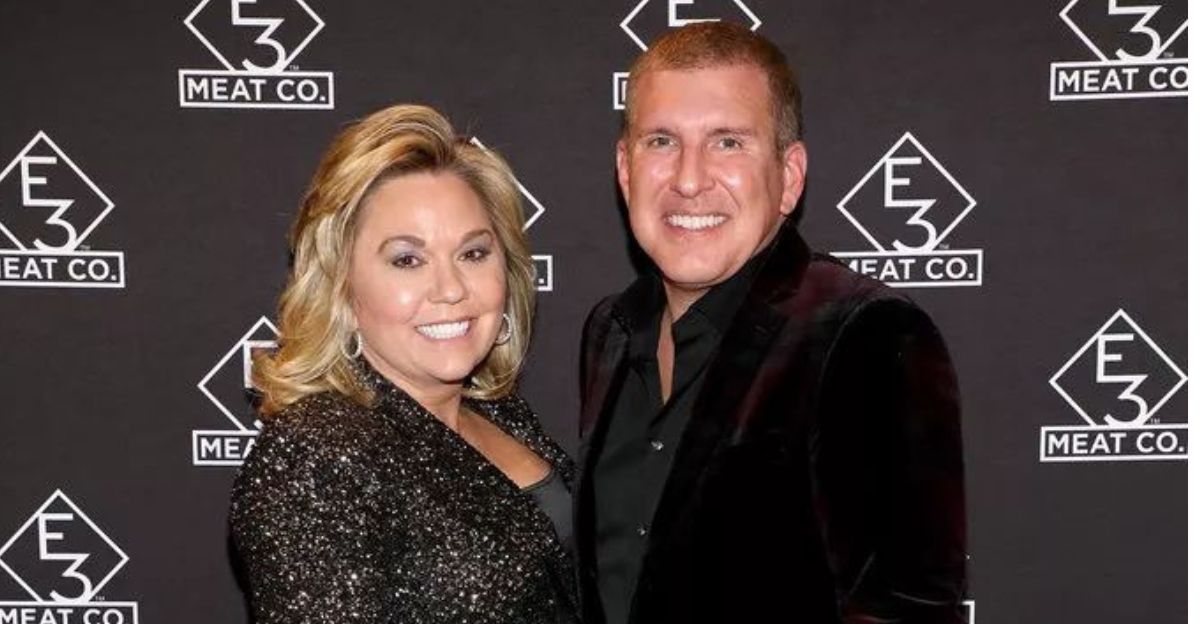
The pardon stunned legal observers and commentators. Trump’s team stated he believed the Chrisleys had been unfairly prosecuted. Conservative voices praised the decision as correcting an injustice. Critics questioned whether celebrity status and political alignment influenced the pardon.
Regardless of the reasoning, the decision was final. Todd and Julie were no longer federal prisoners. They were free citizens with a second chance most people never get.
The Quick Pivot to Television
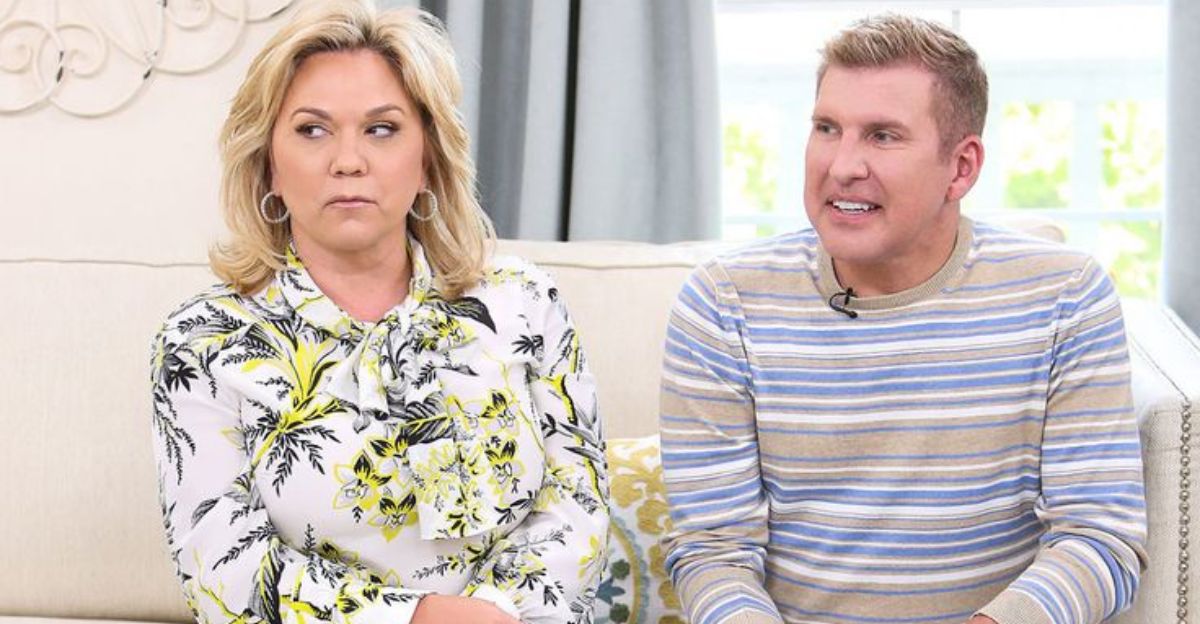
Released on May 28, Todd and Julie didn’t pause to grieve their lost time. They moved fast. By September 1-2, 2025, Lifetime premiered “The Chrisleys: Back to Reality,” a docuseries capturing their family reunion.
Todd and Julie had started filming “as soon as we got home,” according to family statements. They were turning their pardon into content, their redemption into ratings. Hollywood had welcomed them back.
The Son Left Behind
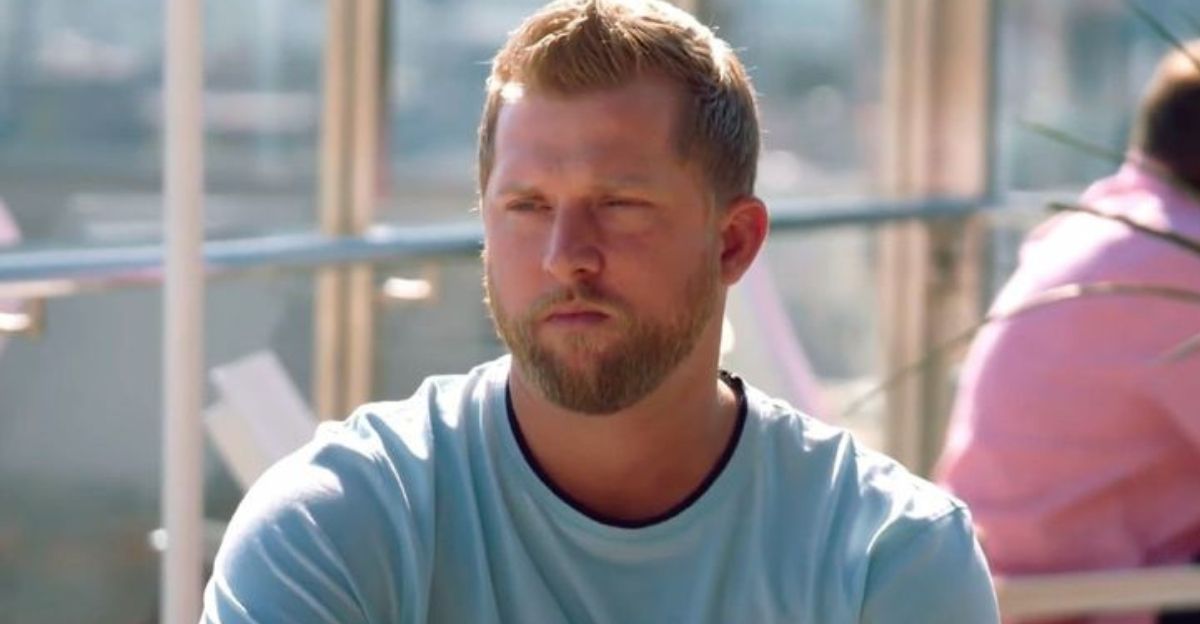
While his parents celebrated their pardon, Kyle Chrisley was still trapped in his own cycle. The 34-year-old had never matched his parents’ success. Instead, his résumé was filled with arrests: 2019 in Oklahoma for drug possession, 2023 in Tennessee for felony assault.
Each incident seemed worse than the last. Each mugshot was another family embarrassment. Kyle wasn’t getting better; he was spiraling deeper.
Saturday Night in Rutherford County
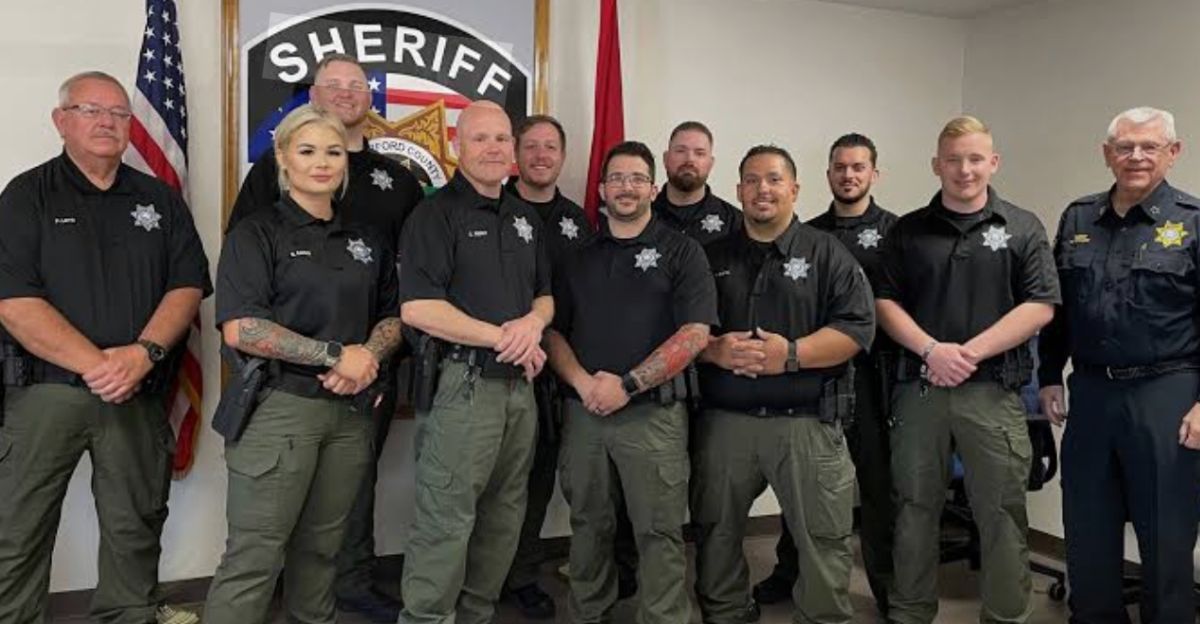
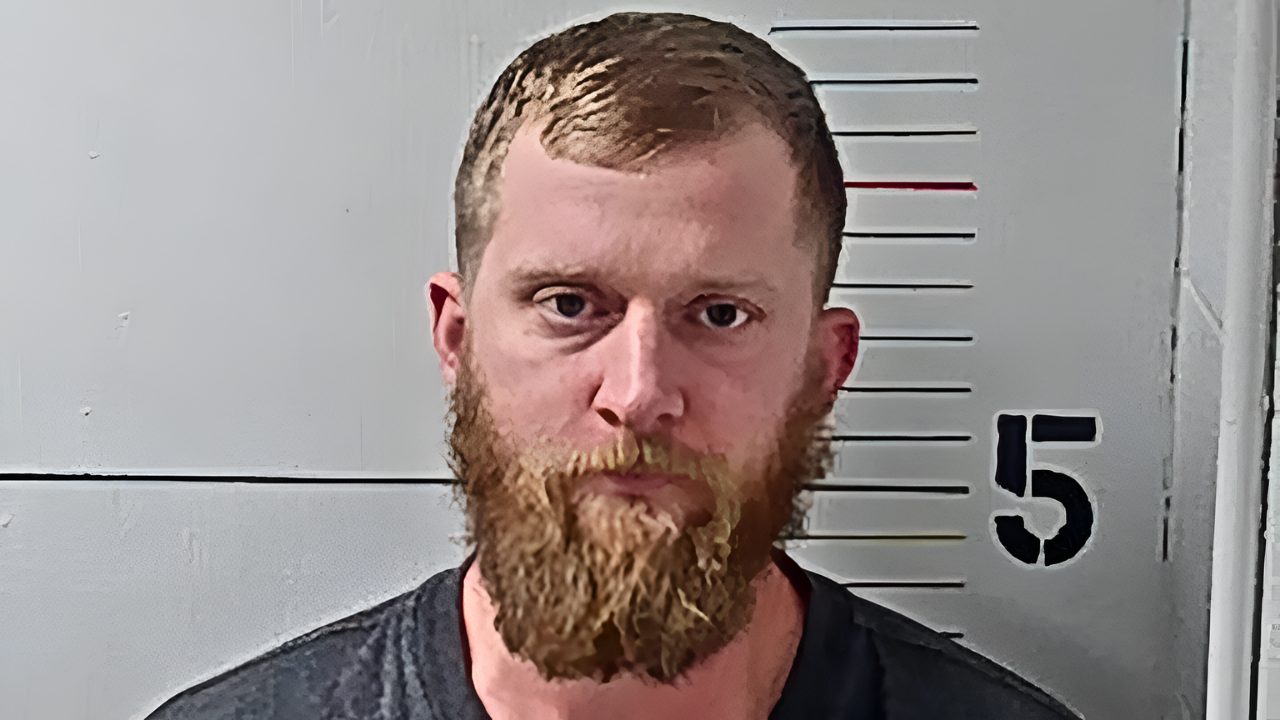
December 20, 2025. Around 7 p.m., Rutherford County, Tennessee. Kyle Chrisley was arrested by the Rutherford County Sheriff’s Office. According to authorities, he had been drinking beer before the incident escalated.
What started as a typical Saturday night became the most serious legal trouble of his life. His bail was set at $88,000—money his now-freed parents could easily afford to pay.
The Charges Paint a Picture
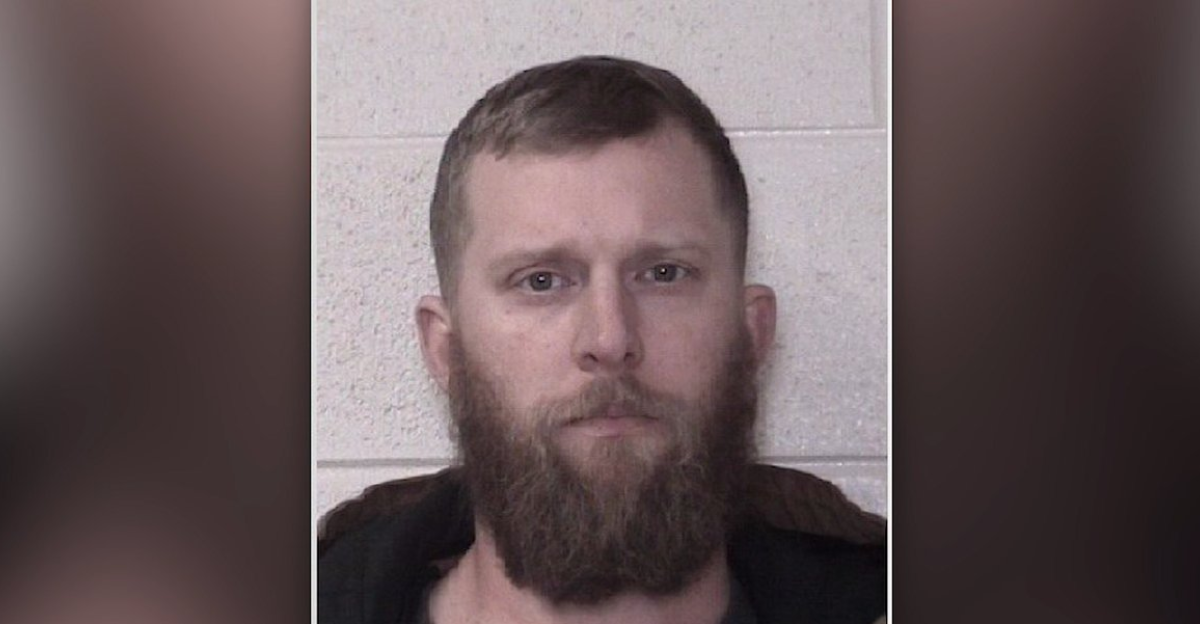
The charges against Kyle told a story of escalating violence and loss of control: domestic assault, public intoxication, disorderly conduct, assaulting a first responder, resisting arrest, and retaliation. He didn’t passively comply with the police.
According to law enforcement affidavits, Kyle struck three officers during arrest and threatened their lives. The pardon that freed his parents seemed to have no restraining effect on him. He was still fighting, still raging, still trapped.
A Pattern That Won’t Break
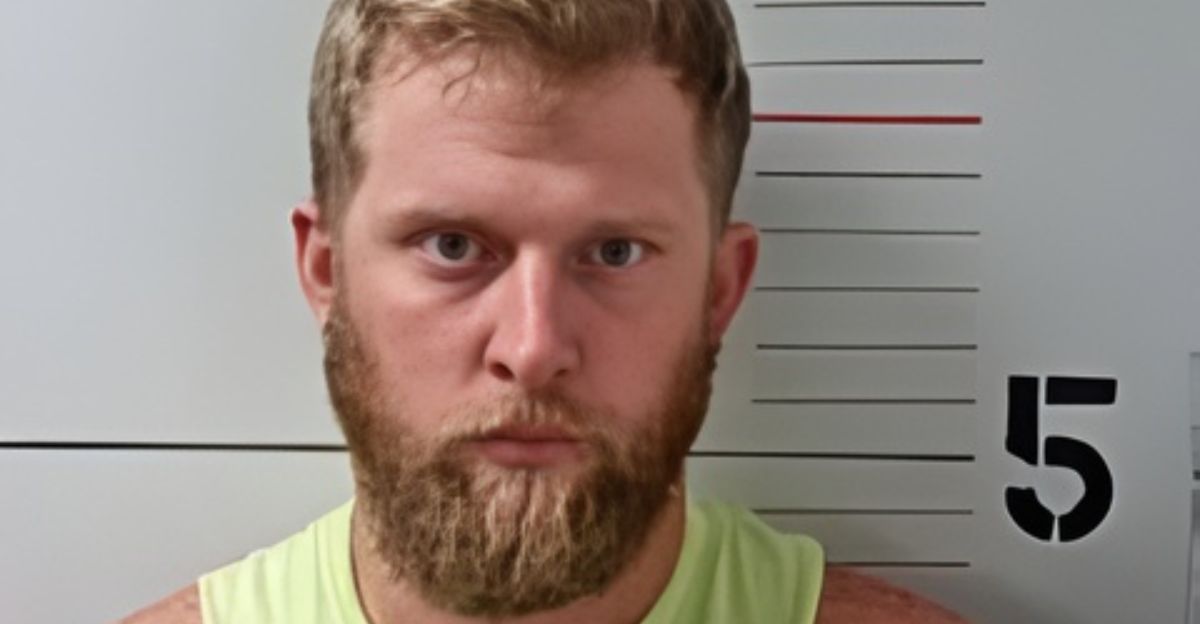
Three arrests in six years. Oklahoma. Tennessee. Tennessee again. Each time, the charges grew worse. Each time, Kyle’s name appeared in court documents alongside substance abuse and violence. In 2019, Kyle disclosed publicly that he’d attempted suicide due to medication side effects.
His struggles with bipolar disorder were documented and ongoing. His father, Todd, had once said, “He will struggle for life”—words that now felt prophetic.
A Granddaughter Caught in the Wreckage
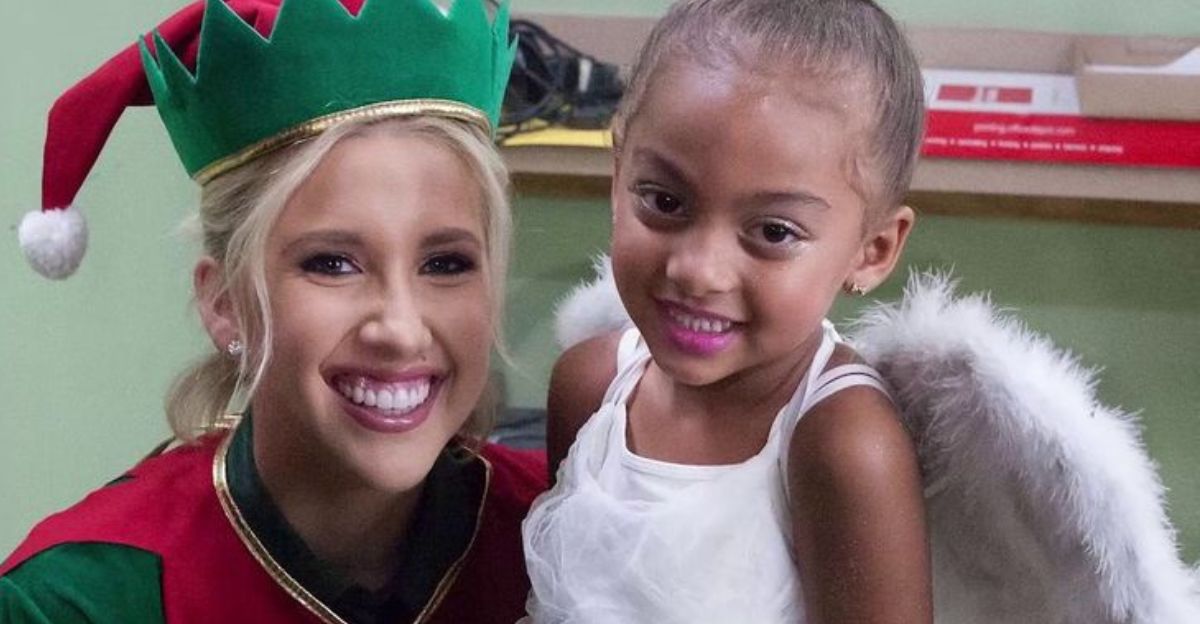
Chloe was thirteen. She’d never had a real father. At six years old, Kyle voluntarily surrendered his parental rights, and Todd and Julie adopted her in 2016. Now her grandparents were free and filming their comeback. Her uncle was back in a cell. And Chloe was being raised by her aunt Savannah, caught between the family’s redemption narrative and its ongoing chaos.
The pardon had restored her grandparents’ freedom, but couldn’t restore what Kyle had lost.
The Contrast That Defines Everything
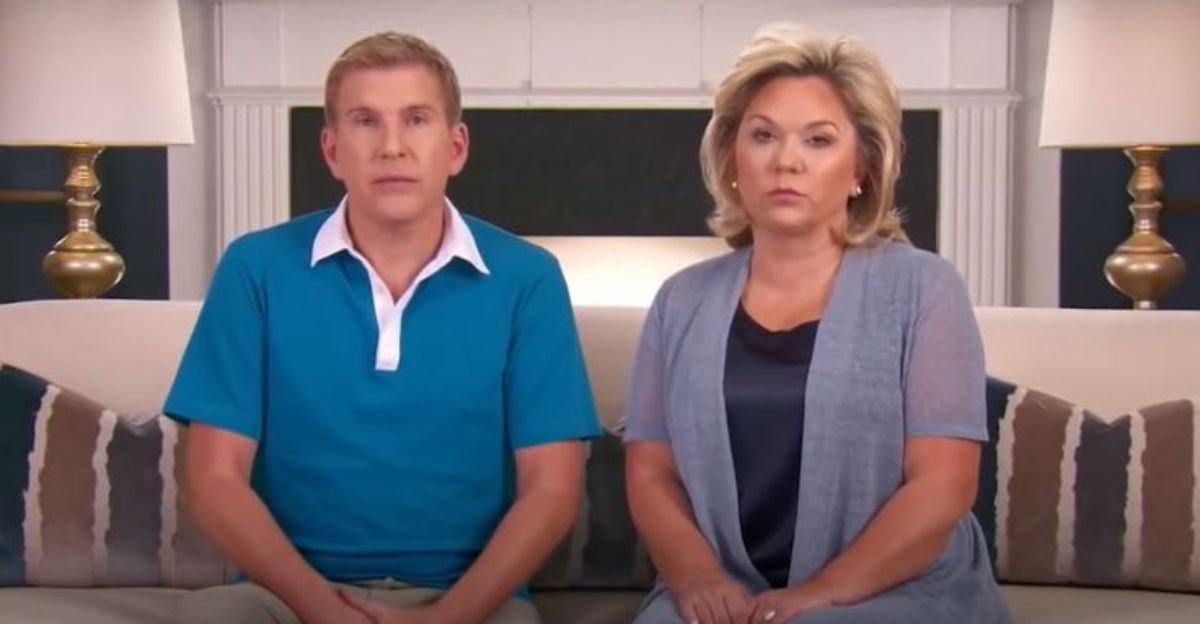
Todd and Julie, freshly pardoned and already filming their comeback show, represented America’s redemption fantasy. Meanwhile, their son faced the most serious charges of his legal career. The pardon could erase their financial crimes, but couldn’t erase the dysfunction running through the family’s DNA.
It was a study in what presidential forgiveness could and couldn’t do. It could free people from prison. It couldn’t free families from themselves.
Lawsuits and Unhealed Wounds
Kyle hadn’t quietly accepted his legal troubles. In August 2025, months before his December arrest, attorney Wesley Clark filed a lawsuit against Rutherford County and two deputies, alleging unjust detention from a September 2024 arrest.
Clark argued Kyle had been “punished for calling for help.” The legal machinery kept grinding. Each case added another wound to the family’s deteriorating credibility and Kyle’s deteriorating mental state.
Two Different Narratives, One Family
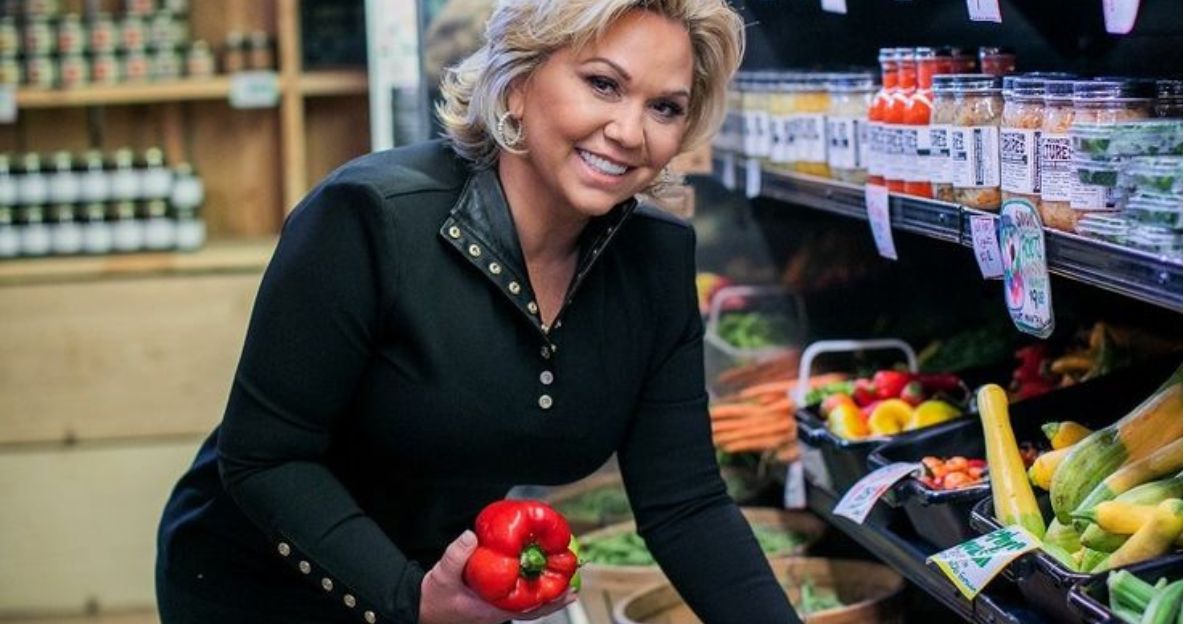
While Julie Chrisley announced a new cooking series in December 2025, capitalizing on her prison story, Kyle remained entangled in the criminal justice system.
One parent was launching a television career. One son was returning to a holding cell. Both stories unfolded simultaneously, revealing the pardon’s stunning limitations.
What the Comeback Show Doesn’t Capture
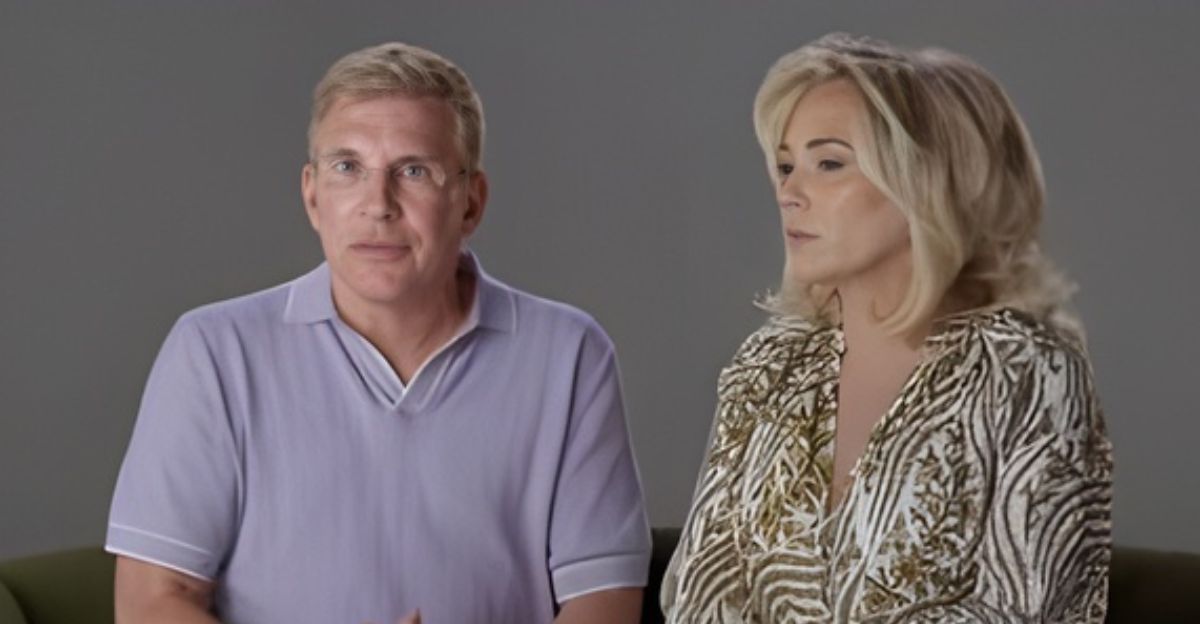
“The Chrisleys: Back to Reality” showed the family reunion after prison. It captured the warmth of homecoming and the promise of fresh starts. What it couldn’t show—what no television production could sanitize—was the chaos behind the scenes.
A son spiraling. A daughter navigating family dysfunction. A pardon that freed some but saved no one.
The Shame That Persists
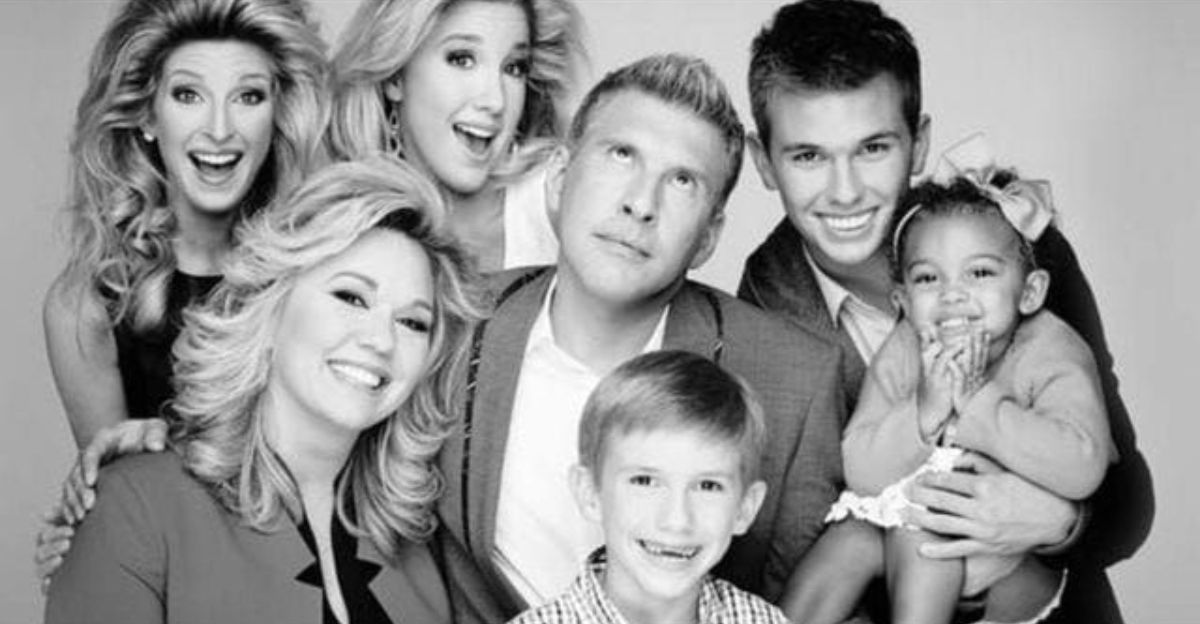
The Chrisleys had built their entire brand on superiority—knowing better, having more, living larger. The pardon restored their legal standing. However, courtroom freedom and social standing are distinct concepts.
Each new Kyle arrest reinforced a narrative the pardon couldn’t erase: the Chrisleys were a fractured family, and presidential clemency couldn’t heal what was fundamentally broken.
The Empire Pauses, Not Ends
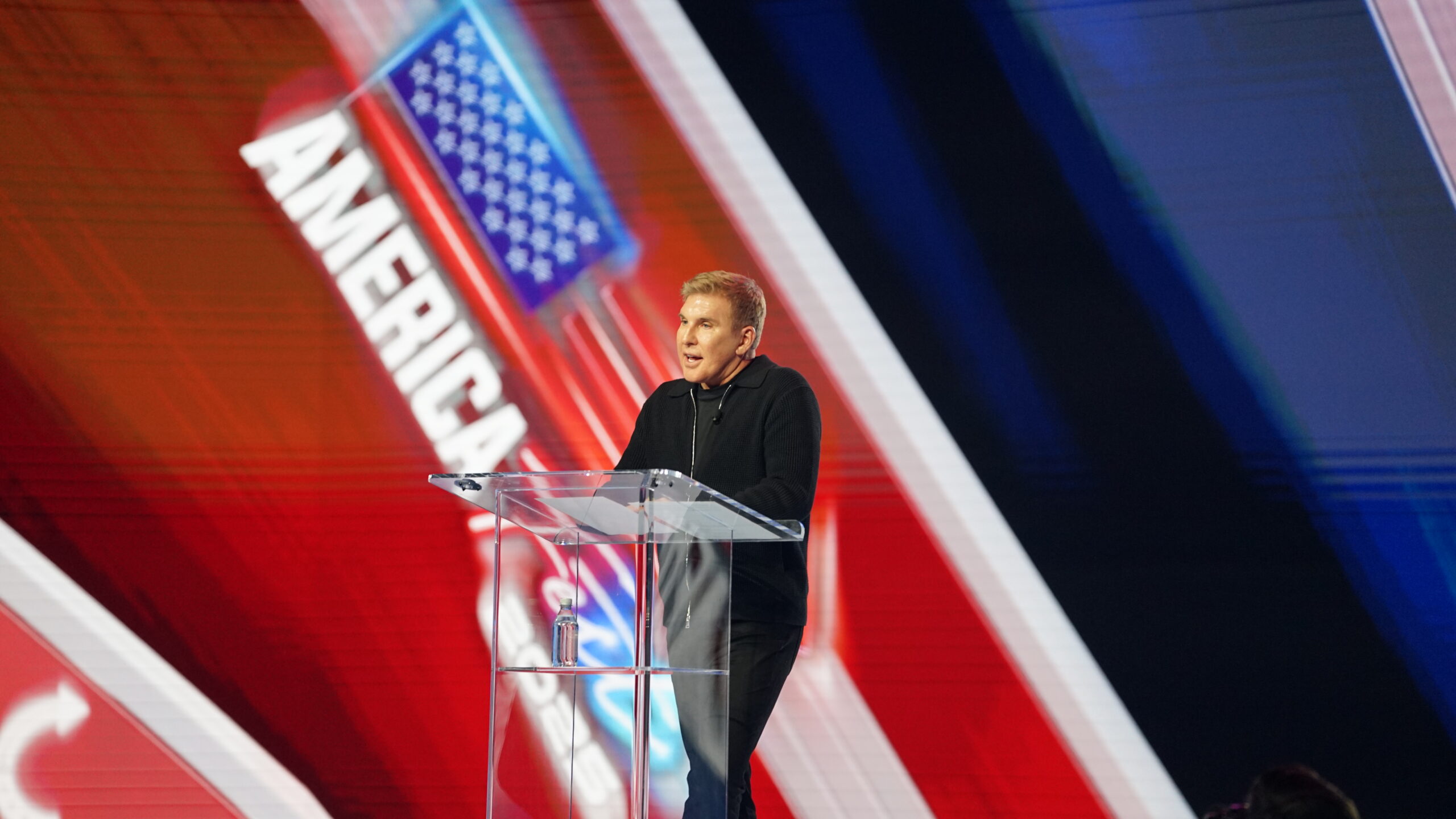
Todd and Julie continue filming. Julie launches her cooking show. Kyle awaits his court date, bail set at $88,000. The family’s empire, built on the premise of perfect knowledge and control, now stands as a monument to unraveling.
The pardon was supposed to be closure. Instead, it was just an intermission in a story that refuses to end.
The Question That Lingers
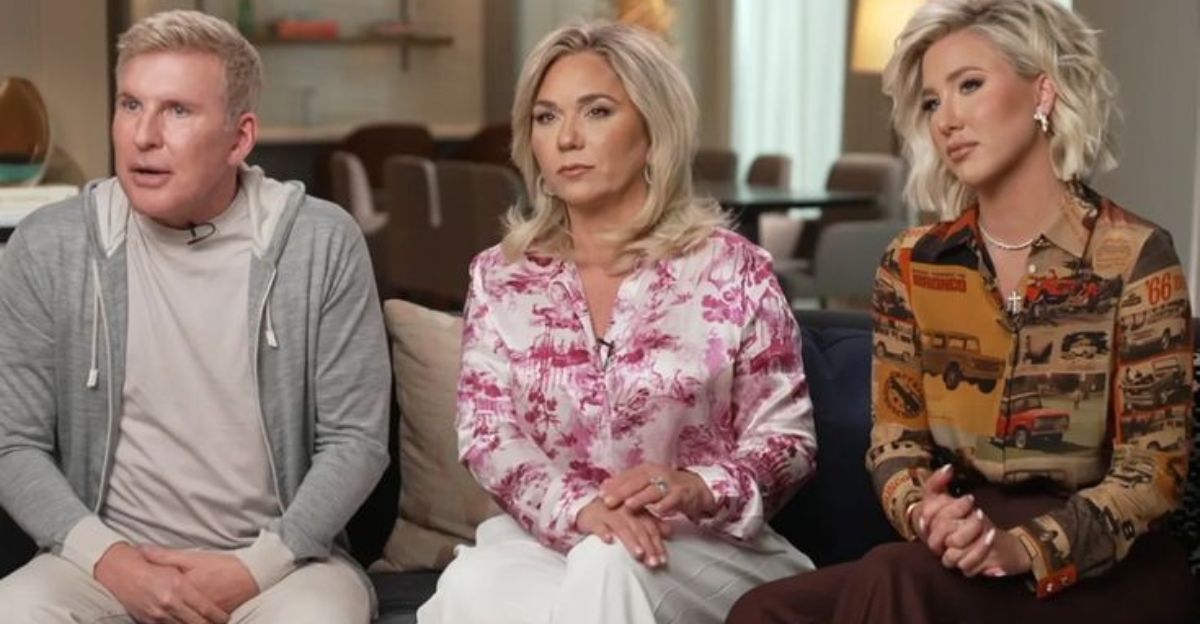
As The Chrisleys: Back to Reality finds its audience and Todd and Julie reclaim their place in Hollywood, one question remains: Can a pardon save a family at war with itself? The Chrisley story suggests no.
Presidential forgiveness erases crimes but not the patterns, pain, or demons that break families. For Kyle, for Chloe, and for an empire built on knowing everything—redemption remains out of reach.
Sources:
Kyle Chrisley arrested on domestic assault and public intoxication charges — KIMA / Sinclair Broadcast Group
Trump to pardon reality TV’s Todd and Julie Chrisley after tax evasion conviction — Reuters
Clemency Grants by President Donald J. Trump (2025– ) — U.S. Department of Justice
The Chrisleys: Back to Reality — Lifetime official series page