
On January 30, 2026, agricultural giant Archer Daniels Midland will permanently shut down cottonseed crushing operations in North Memphis, eliminating 95 manufacturing jobs in a region already scarred by decades of industrial collapse.
The closure, announced through a WARN notice in mid-December, consolidates operations to a new joint venture with Arkansas-based Planters Cotton Oil Mill. But beneath the corporate efficiency language lies a deeper story: another major employer abandoning a city where poverty exceeds 27% and manufacturing jobs have vanished at a staggering pace. The details start with a single address.
A Chelsea Avenue Plant Goes Dark

On January 30, 2026, ADM permanently closes cottonseed crushing operations at 2782 Chelsea Avenue. The facility processed cottonseed into oil and meal for both food and industrial markets, employing approximately 95 workers who earned between $40,000 and $50,000 annually. Workers received a WARN Act notice on December 19, meeting the 60-day requirement. The stated reason was consolidation, but the paperwork hints at a larger corporate shift.
The Deal That Redirected Operations

ADM and Planters Cotton Oil Mill announced a cottonseed processing joint venture on December 16, 2025, to “enhancing supply chain efficiency.” Planters contributes its Pine Bluff, Arkansas crushing plant and storage sites. ADM contributes its Memphis facility, but oil refining continues while crushing ends. The venture runs 60-40 with ADM controlling. It closes in Q1 2026, and the exact language reveals what mattered most.
What The Facility Actually Produced

The Chelsea Avenue plant reflects decades of cottonseed processing. Crushing extracts oil and meal used in food manufacturing, biodiesel, and industrial products. Cottonseed arrives from regional gins, kernels are separated mechanically, and crude oil is extracted with pressure and heat. Refining equipment upgrades it for finished markets. Jobs included operators, technicians, maintenance, and supervisors, and their pay signals how specialized the work was.
Skilled Paychecks, Not Entry-Level Work

This was not fast-food work. Equipment operators in Tennessee earned about $24.94 per hour statewide in 2025, supporting families and stability in North Memphis. The plant depended on trained labor, safety discipline, and quality control routines that take years to build. Losing such roles can trigger long-term wage declines, especially when similar plants are scarce. That’s where ADM’s own financial story enters.
“Strategic Simplification” Meets Profit Pressure
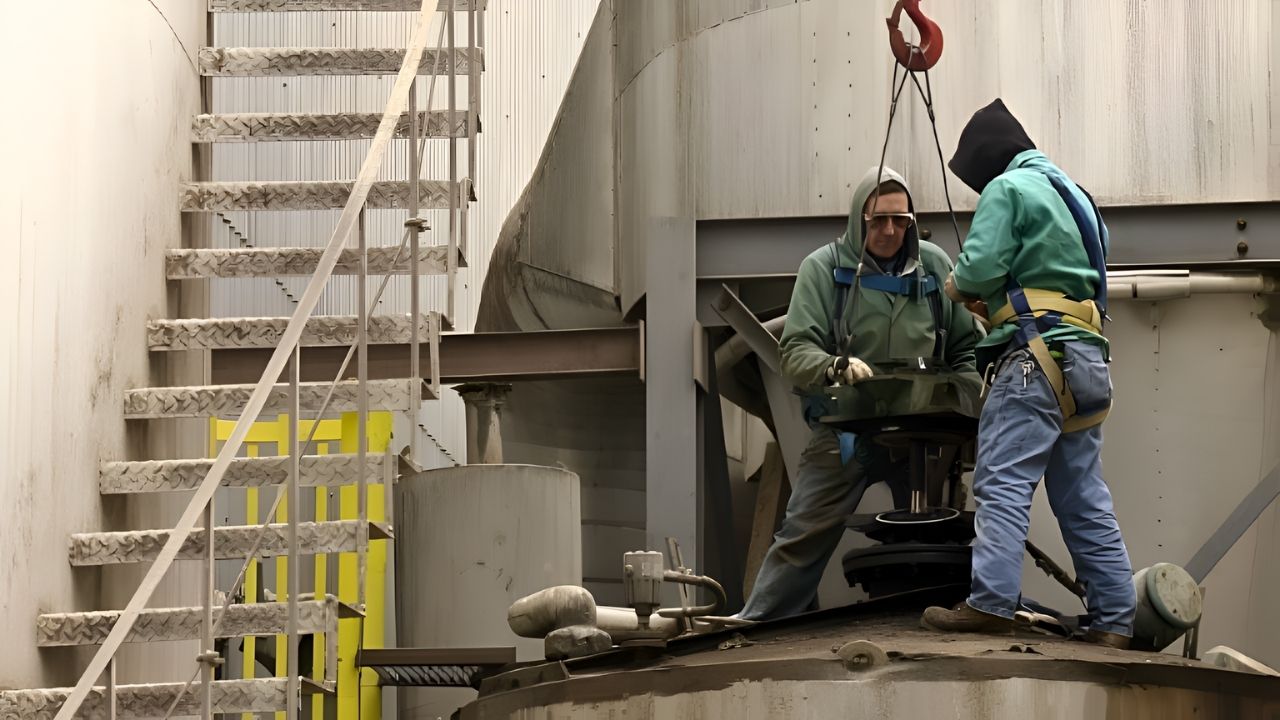
“ADM is continuing to strengthen its portfolio, delivering on opportunities for strategic simplification and ensuring we have the right footprint to serve our stakeholders and position ourselves for continued growth going forward,” according to Fred Serven, general manager of ADM’s cottonseed business, December 16 2025. ADM reported a 46% operating profit decline in Q4 2024 versus the prior year. Yet why did margins tighten so fast?
An Industry With Too Much Capacity
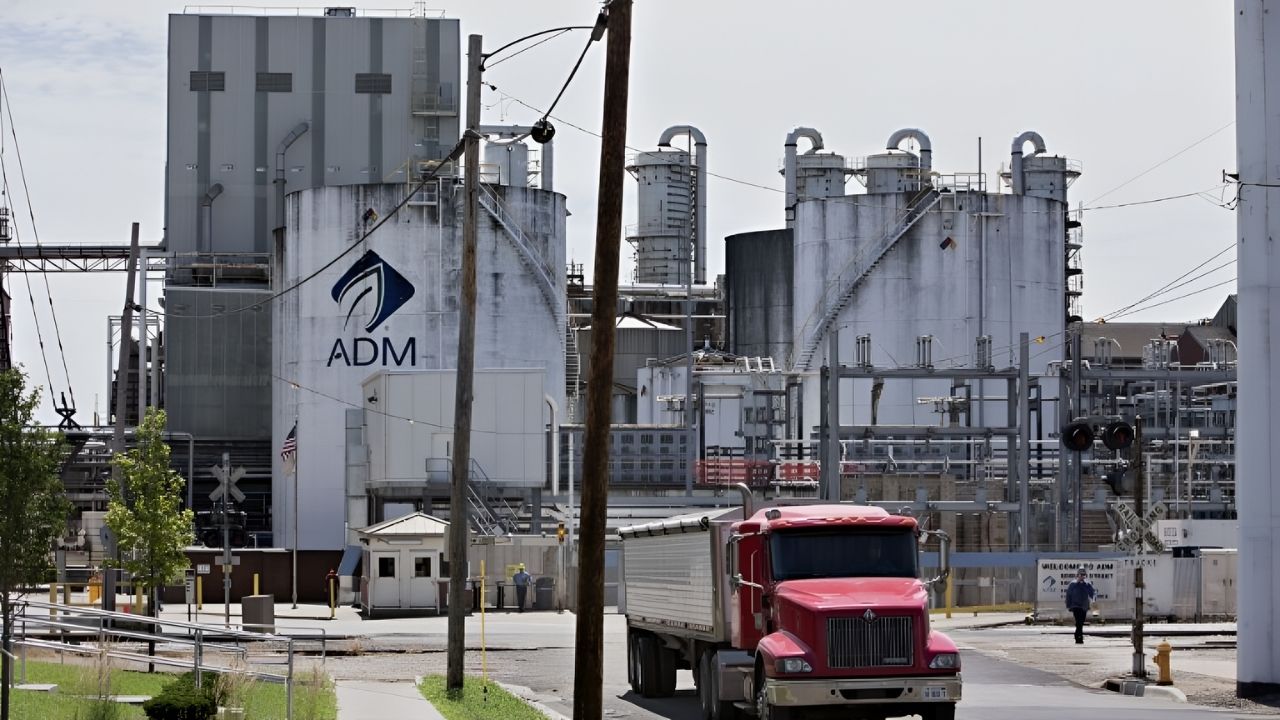
Cottonseed crushing faces structural overcapacity. U.S. cottonseed production fell 13% to 4.0 million short tons for 2025-2026, leaving plants competing for less raw material. ADM cited “increased industry run rates, higher manufacturing costs, and biofuel and trade policy uncertainty” hurting executed margins. With excess capacity, consolidation becomes the predictable move. Still, the human cost lands in one workforce.
The 95 Workers On The Edge

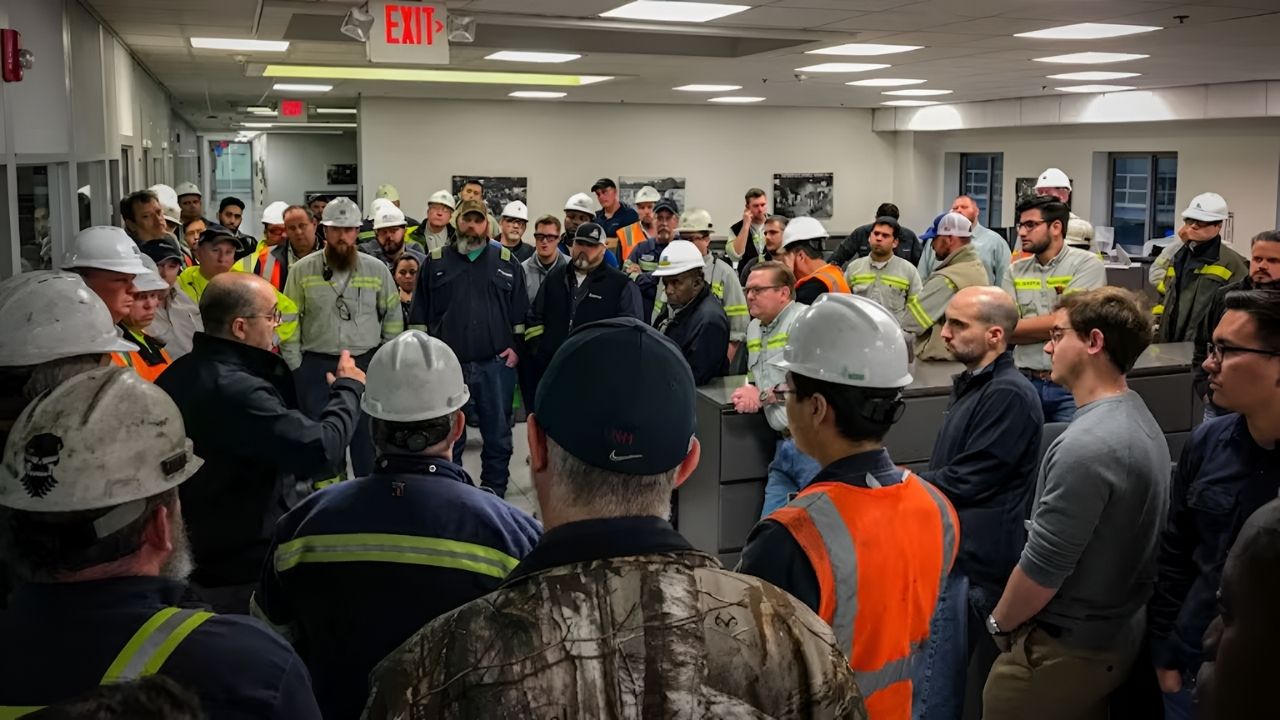
The 95 affected workers include machine operators, maintenance technicians, quality control staff, supervisors, and administrative employees. Many are African American workers, reflecting Memphis demographics and labor market patterns.
Wage data for food manufacturing in Tennessee shows a median around $43,700 annually, with wide variation. Research finds displaced manufacturing workers often suffer 20%-25% earnings losses lasting 6+ years. How does that hit the neighborhood economy?
Millions In Payroll Vanish Overnight

Those 95 jobs represented about $3.8-$4.75 million in annual payroll flowing into Memphis through rent, groceries, gas, and local services. Studies of food manufacturing closures show each direct job loss can translate into 1.26-1.41 total jobs lost once supply chain and spending effects ripple out.
Conservative estimates put 30-75 indirect jobs at risk. The full community spending loss pushes toward $12-$15 million annually, but the harshest impact may fall on older workers.
Older Workers Face A Different Kind Of Loss
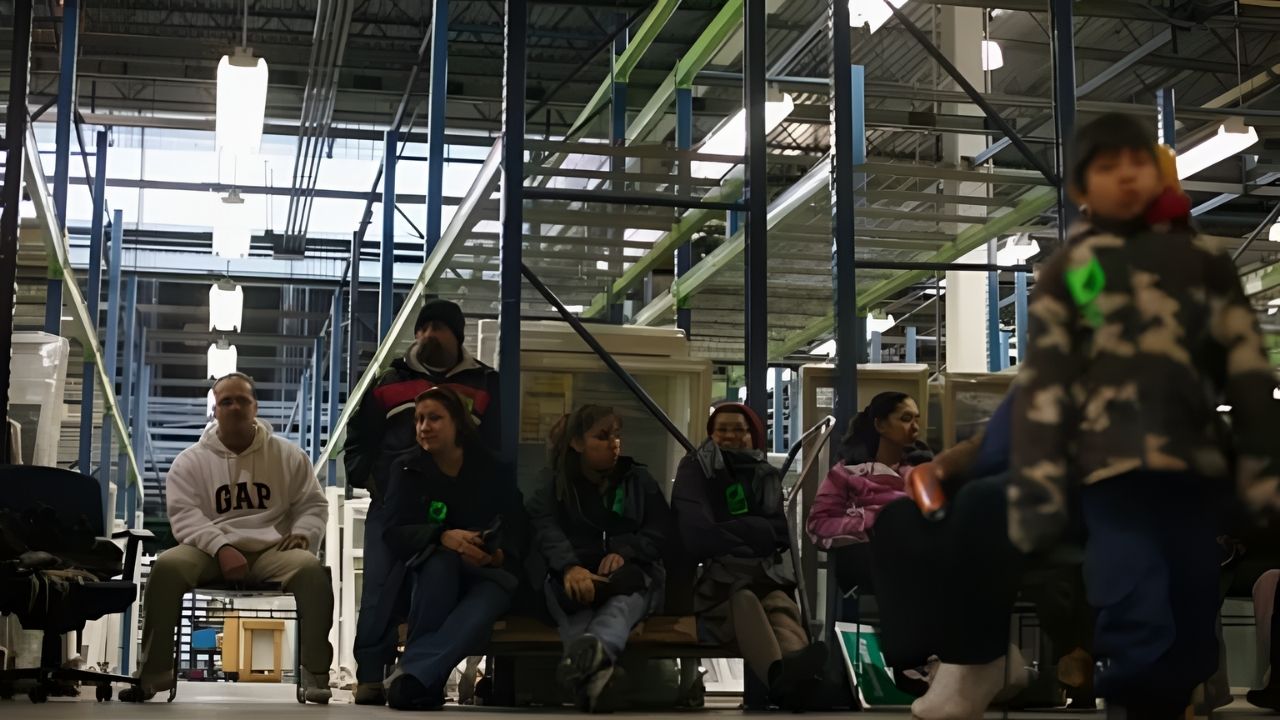
For workers nearing retirement, displacement can be devastating. Federal Reserve economists found unemployment among workers ages 55-61 can reduce life expectancy, with displacement at age 58 linked to about 3 fewer years on average. Lost income, health insurance disruption, and stress compound existing conditions.
“Workers who are nearing retirement age are generally more likely than other workers to have health problems and thus are more likely to experience negative health effects if they lose their jobs,” economists noted. Could North Memphis absorb another blow like this?
A Neighborhood Marked By Closures

North Memphis is a historically working-class African American area that once offered stable industrial pathways. Since the 1970s, plant closures have hollowed out that base, including Firestone Tire and Rubber and International Harvester, along with lost television, furniture, and food manufacturing.
The Great Recession accelerated collapse, with Memphis losing 18,000 jobs from 2007-2015 and never fully recovering. Manufacturing was just 6.8% of regional jobs by 2015, and the next slide shows why poverty makes these losses harder.
“The Loss Of Firms Is Exacerbated By Concentrated Poverty”

“As for as City Council’s leadership, there’s also the need to increase funding for the Memphis Housing Trust Fund, which is underfunded when the need is 33,000 affordable housing and underfunded when compared to peer cities,” according to Memphis housing experts cited in Smart City Memphis, 2023.
Memphis poverty runs deeper: child poverty is 38.8%, Black poverty exceeds 27.9%, and 36% of Black children live in poverty versus 10% of White children. What happens when the supply chain also starts unraveling?
The Ripple Beyond The Plant Gates

The closure disrupts suppliers, transporters, and service providers tied to the operation. Cotton gins selling seed lose a buyer. Trucking firms hauling raw materials and finished product lose routes. Packaging suppliers, maintenance contractors, and specialized vendors see demand drop.
Research on major plant closures shows supplier-industry employment declines, with non-manufacturing erosion spreading in the following months. As displaced workers cut spending, restaurants, retailers, and local services also feel the downturn. That links directly to Memphis’s larger economic structure.
A Big City With Deep Distress

Memphis remains among America’s most economically distressed major cities. The Memphis MSA ranks 2nd highest in poverty among metros over 1 million people at 17.4%, and 1st highest in child poverty at 27.8%. The city’s poverty rate is 24%, versus 12.1% nationally and 19% in Shelby County.
Employers like FedEx and healthcare create surface diversity, yet the Praxis Institute describes “erratic demand for workers” in a logistics-heavy economy. But the numbers look even starker when race enters the picture.
“The Median Income Gap Between Black And White Memphians Grew”
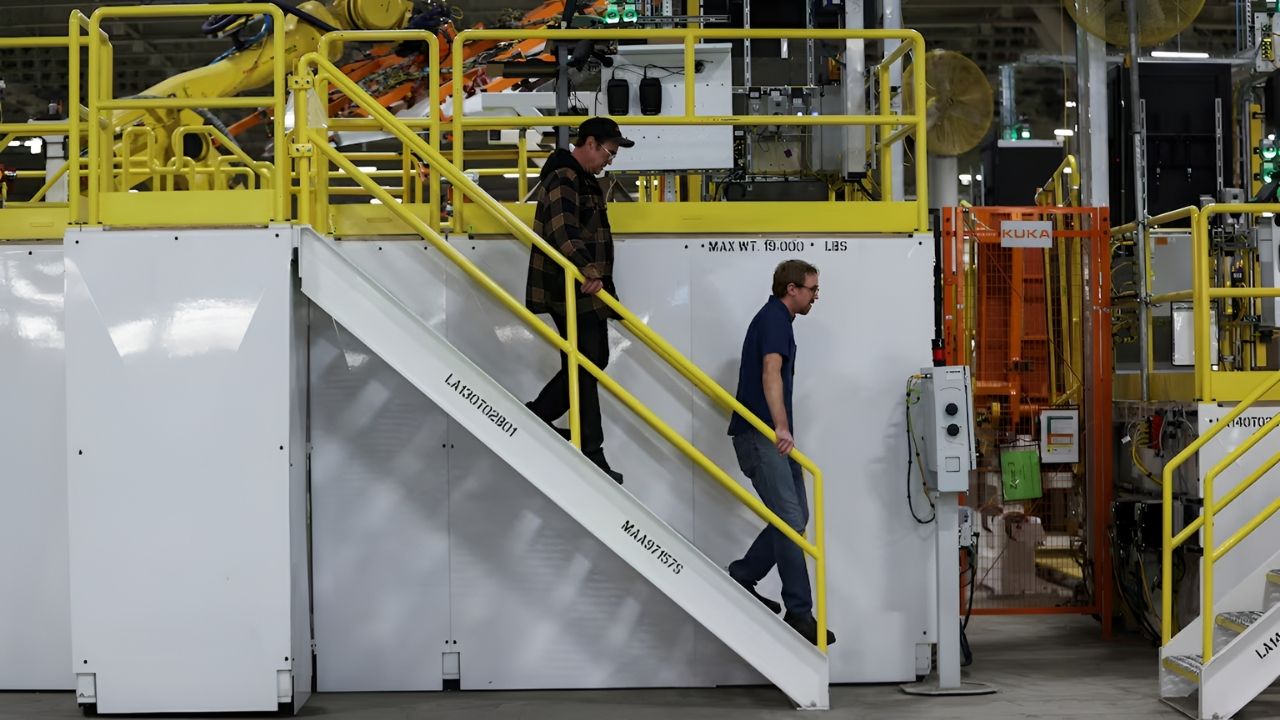
“The median income for Black people is $41,974 compared to $76,861 for white people — a gap of $34,887,” according to the 2024 Memphis Poverty Fact Sheet by Dr. Elena Delavega and Dr. Gregory M. Blumenthal, published January 2025. The gap was $27,459 in 2022, meaning it widened.
Meanwhile, 42% of Black workers earn under $15 hourly, versus 19% of White workers. When manufacturing jobs disappear, the impact concentrates where the burden is already highest. The multiplier effect makes that concentration even harsher.
When One Closure Becomes Many Losses
Employment multipliers show how one plant closure spreads. The Economic Policy Institute finds every 100 direct food and beverage manufacturing jobs lost corresponds to 122 additional indirect jobs lost. Applied to 95 ADM jobs, that supports the estimate of 30-75 additional threatened roles in suppliers and services.
Total spending power lost still approaches $12-$15 million annually, shrinking tax revenue while raising demand for assistance programs. Those fiscal hits reduce resources for schools, infrastructure, and development, echoing an older Memphis pattern.
From Firestone To FedEx, The Same Arc

Memphis once saw industrial union jobs lift workers into the middle class from the 1940s-1960s, supporting homeownership and college access for children. Deindustrialization later erased that progress.
“Just as Black workers gained a foothold in the middle class through unionized employment and the civil rights revolution, manufacturing jobs slipped away due to automation and the movement of industries beyond southern borders and overseas,” according to research by the Poverty Research Institute.
Logistics and service work expanded, but often non-union, on-demand, and without strong benefits. The next slide explains why the wage damage can linger even after reemployment.
“Every Displaced Worker Carries Permanent Earnings Scars”

“Displaced workers’ earnings losses occurred mainly because hourly wage rates dropped at the time of displacement and recovered sluggishly. Lost employer-specific premiums explain only 17 percent of these losses.
Fully 70 percent of displaced workers moved to employers paying the same or higher wage premiums than the displacing employers. Still, these workers nevertheless suffered substantial wage rate losses,” according to economists Marta Lachowska, Alexandre Mas, and Stephen A.
Woodbury, American Economic Review, 2020. The damage persists for at least 6 years, with cumulative losses near $100,000+ per worker. What if the harm extends beyond the worker?
When Kids Inherit The Shock

Research on intergenerational effects shows displacement reshapes children’s futures. “Children whose fathers were displaced have annual earnings about 9% lower than similar children whose fathers did not experience an employment shock.
They are also more likely to receive unemployment insurance and social assistance,” according to analysis of Canadian administrative data tracking father-child pairs from 1978-1999. Lower household income, stress, and disrupted schooling pathways drive the effect. In a city where 38.8% of children live in poverty, the long shadow matters. So what can families realistically do after a layoff?
Retraining Sounds Simple, But Rarely Is

Displaced manufacturing workers may qualify for retraining via Trade Adjustment Assistance or WIOA funding, using Tennessee colleges of applied technology and community colleges. Outcomes are mixed. Many cannot complete programs while facing immediate income loss, childcare pressure, or housing instability. Older workers often see little payoff when retirement is near.
Even successful retraining can mean a pay cut, with a $50,000 manufacturing job replaced by $30,000-$40,000 service or administrative work. In Memphis, limited comparable employers make the risk of downward mobility real. The timeline makes the challenge even tighter.
Only 42 Days To Prepare

The WARN notice dated December 19, 2025, set January 30, 2026 as the closure date, giving workers 42 days to plan, job hunt, and brace their families for lost income. That is rarely enough for comparable reemployment.
Tennessee offers up to 12 weeks of unemployment benefits, meaning support could run roughly to mid-April 2026, with many still searching by summer. Winter utility bills and slow spring hiring add pressure. Will North Memphis see an exit from the labor force, especially among workers over 55?
The Day Memphis Loses Another Anchor

On January 30, 2026, at 2782 Chelsea Avenue, ADM ends cottonseed crushing. Ninety-five workers clock a final shift, clear lockers, and leave behind routines built over years. The facility shifts from production to minimal staffing for the continuing oil refinery operations.
For families, steady manufacturing income becomes unemployment claims and job searches in a region where manufacturing is under 7% of employment. The closure shows how corporate efficiency can coexist with real community disruption. Memphis now faces a choice: treat it as an isolated event, or a warning.
Sources:
ADM and Planters Cotton Oil Mill Reach Agreement for Cottonseed Processing Joint Venture. ADM News Release, December 16 2025
ADM Reports Fourth Quarter and Full-Year 2024 Results. ADM Investor Relations, February 2025
Sources of Displaced Workers’ Long-Term Earnings Losses. American Economic Review, October 2020
The Intergenerational Effects of Worker Displacement. Journal of Labor Economics, July 2008
Updated Employment Multipliers for the U.S. Economy. Economic Policy Institute, 2013
Worker Adjustment and Retraining Notification (WARN) Act Requirements. U.S. Department of Labor Employment and Training Administration, current regulations