
As this year draws to a close with mere hours remaining, Congress has allowed a healthcare cliff to materialize without intervention. Starting tomorrow, enhanced federal subsidies that made health insurance affordable for millions will vanish forever, triggering what experts call a “double whammy” that will force families to choose between medical coverage and paying rent. This isn’t a distant threat, it is happening in 24 hours, and the fallout is already visible.
The Subsidies That Changed Everything

Since 2021, enhanced premium tax credits reduced average marketplace premiums by more than 50%, allowing 24.2 million people to access affordable health insurance. The expanded credits eliminated the subsidy cliff, extending assistance to families earning above 400% of the federal poverty level. Millions of seniors aged 50 to 64 finally had options, but the timeline always had an end.
When The Clock Hits Midnight

Effective January 1, 2026, enhanced premium tax credits expire permanently unless Congress acts. The subsidy cliff returns, meaning anyone earning even $1 above 400% of the federal poverty level $62,600 for individuals gets zero assistance. Those below that threshold revert to less generous 2020 levels. Meanwhile insurers raise premiums a median 18% nationally, making the hit feel immediate.
Older Adults Take The Hardest Hit

Nearly 92% of marketplace enrollees aged 50 to 64 get premium tax credits now, making these 5.2 million older adults especially vulnerable. Many face annual premium increases of 75% or more, with rural increases nearing 90%. A 64-year-old could jump from $5,355 to $14,213 annually for identical coverage, and that is not a rare scenario.
“The ACA Has Been A Lifesaver”
ReShonda Young, 50, runs a health and nutrition shop in Waterloo, Iowa. In 2025, her gold plan cost $94 monthly $1,128 annually with subsidies. Without enhanced credits in 2026, it would cost $592 monthly, a 530% increase. She told AARP, “The ACA has been a lifesaver,” but the next bills look brutal.
California Couples Feel “Double-Wammied”

Chris and Cindy Banescu, 58 and 57, in Santa Clarita, California, paid $376 monthly for their lowest-cost bronze plan in 2025. In 2026, the identical policy costs $1,431 monthly. Chris told AARP they are “getting double-wammied” by premium hikes and lost credits, worrying “one broken leg, one car accident” could mean medical debt.
Congress Lets The Deadline Pass

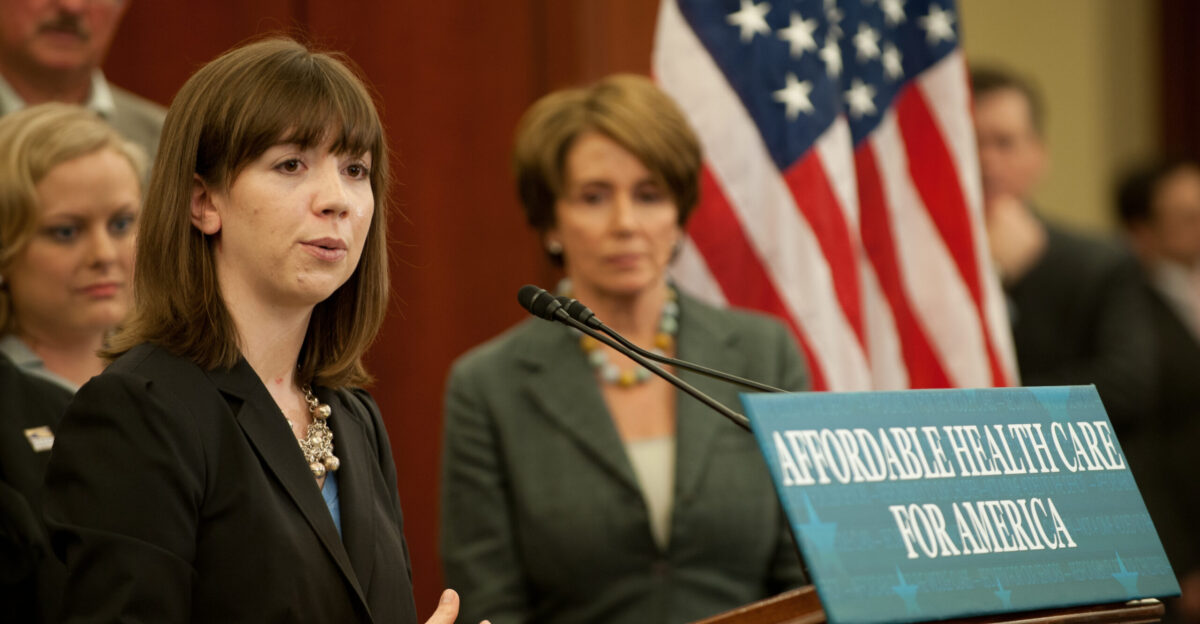
As of December 29, 2025, Congress has adjourned without extending enhanced premium tax credits. The House passed a bill December 18 that excluded an extension, as Speaker Mike Johnson rejected floor votes on amendments. A bipartisan 2-year plan failed to gain support. The Senate’s 51-48 votes on competing measures missed the 60-vote threshold, locking in the outcome.
The Coverage Loss Numbers Are Stark

An estimated 4.8 million Americans will lose health insurance in 2026, according to Urban Institute analysis published this fall. Another 19 million enrollees face substantial premium increases, with the Congressional Budget Office projecting the uninsured population rises 21% compared to extending subsidies. Georgia, Louisiana, Mississippi, Oregon, South Carolina, Tennessee, Texas, and West Virginia face rollbacks over 50%, revealing where pain concentrates.
A Factory Closure Collides With The Cliff

Archer Daniels Midland announced in December 2025 it will close its North Memphis cottonseed facility January 30, 2026, eliminating 95 jobs. These workers may lose employer health benefits as subsidies vanish and premiums spike. Regional manufacturing wages average $32,000 to $52,000, leaving little cushion. Multiplier models suggest 250 to 400 additional jobs could disappear, worsening local coverage strain.
Tennessee’s Coverage Gap Turns Into A Chasm

Tennessee is 1 of 10 states without Medicaid expansion, leaving about 300,000 residents in the coverage gap. They earn too much for traditional Medicaid but too little for unsubsidized marketplace plans. When enhanced credits expire, residents below poverty level in non-expansion states receive zero marketplace subsidies. Memphis already saw manufacturing employment fall 3.18% year-over-year in early 2024, compounding instability.
Why Rural Premium Shocks Are So Severe

Rural marketplace enrollees saved about $890 annually from enhanced credits in 2024, around 28% more than urban residents. When credits expire, rural seniors can see premium increases nearing 90%, far above the 75% national pattern. Limited insurer competition and provider consolidation raise baseline premiums. Of 24.3 million plan selections for 2025, about 3.1 million, or 18.1%, were in rural counties.
Insurers Pull Back As Risk Increases
United Healthcare, the largest Medicare Advantage provider, will exit plans covering about 600,000 members starting January 1, 2026. Other carriers are trimming plans and service areas, citing CMS funding cuts and rising costs. Insurers also anticipate adverse selection as younger, healthier people exit, helping explain why 2026 marketplace premiums rise a median 18%. That retreat changes the choices consumers will face.
What Options Exist Without Subsidies?
Without subsidies, choices narrow fast. COBRA can extend coverage up to 18 months but requires the full premium plus 2% fees, often unaffordable. Medicaid helps in expansion states, but non-expansion states leave gaps. Direct primary care $150 to $300 monthly covers routine care, not hospital bills. Healthcare sharing ministries cost less but may deny pre-existing claims, raising a hard question.
The Subsidy Cliff In Simple Math

A 40-year-old earning $50,000 could see annual premiums rise about $4,500 without enhanced credits. A 60-year-old at the same income faces a $9,600 increase, and a 64-year-old about $11,000 more for identical coverage. A 21-year-old’s increase is only $838. The disparity reflects the 3-to-1 age rating ratio ACA rules allow, and it shapes who drops coverage.
Can Congress Fix It After January 6?

Congress reconvenes January 5–6, 2026, after enhanced credits have expired and coverage changes are already underway. Retroactive legislation could apply credits to 2026 coverage, but operations would be complex, requiring refunds or adjustments. Navigator support is thinner after a 90% funding cut under the Trump administration. Yet marketplaces updated quickly in March 2021, which suggests fixes are possible, but timing matters.
People Are Choosing Now, Not Later
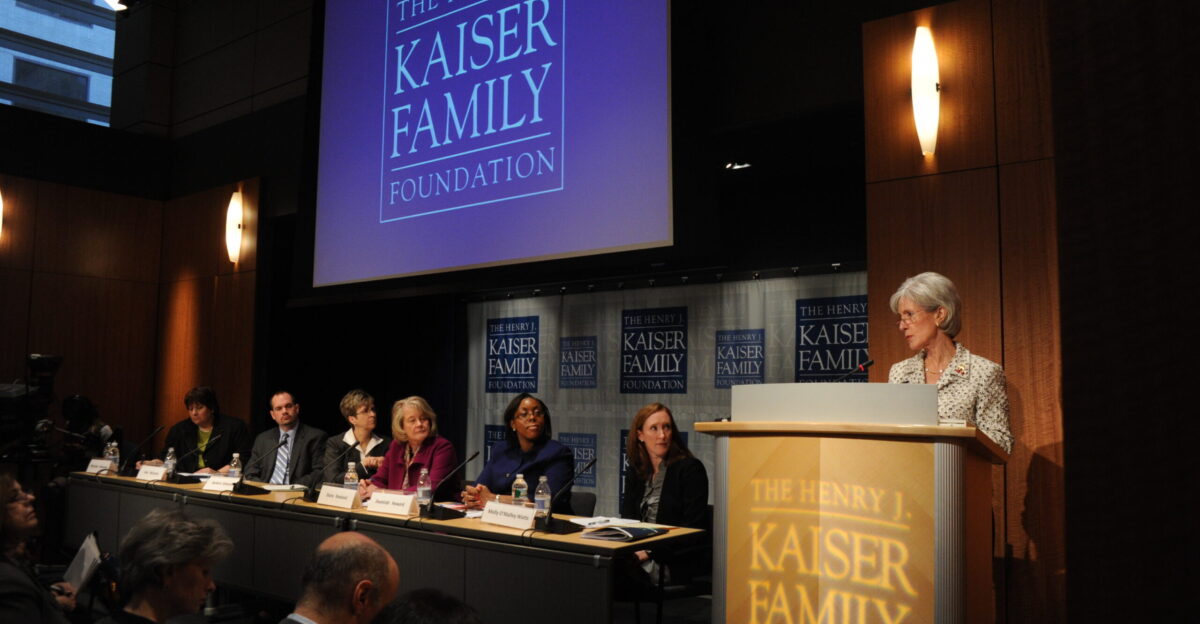
A Kaiser Family Foundation survey in 2025 found nearly 6 in 10 enrollees could not afford a $300 annual premium increase without disrupting finances. With increases averaging $1,016 annually, families are already downgrading to higher-deductible plans, exploring non-compliant alternatives, or preparing to go uninsured. As healthier people leave, the risk pool worsens, pushing premiums higher for those who remain, creating a cycle policymakers feared.
The Proposals That Could Have Helped
A Democratic proposal would extend enhanced credits for 3 years, costing about $113 billion for those above 400% of poverty alone. A bipartisan plan offered a 2-year extension with income caps and fraud protections. House Republicans pushed other approaches like PBM reform and association health plans, while rejecting subsidy extension. Permanent extension costs more, but avoids the disruptive coverage losses projected for 2026, and the stalemate has consequences.
Moves Individuals Can Still Make
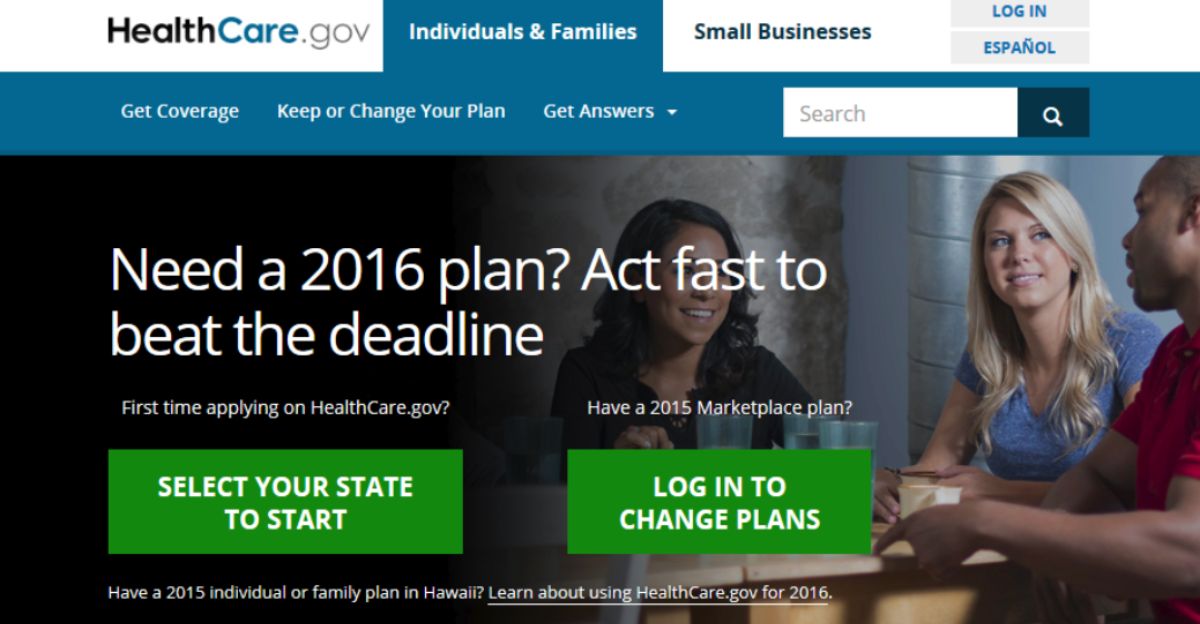
Enroll at Healthcare.gov or state marketplaces, because January 15 is the last open enrollment deadline. Workers losing jobs from closures like ADM should use Special Enrollment Periods triggered by job loss, a 60-day window, with coverage starting the first day of the next month. Check Medicaid eligibility immediately, especially in expansion states. COBRA can bridge short gaps if savings allow, but many will still come up short.
Hospitals Brace For Unpaid Care

Hospitals and community health centers expect more uncompensated care as the uninsured population grows an estimated 21%. The Commonwealth Fund projects about 339,100 healthcare jobs could be lost in 2026 as providers pull back amid reduced revenue. Medicare may face higher long-run costs as people reach eligibility in worse health after years without coverage. States may feel spillover pressure even without expansion, and families feel it first.
Will Millions Stay Uninsured All Year?

ReShonda Young downgraded from stronger coverage to higher deductibles, risking delayed care. Chris Banescu fears a single accident could trigger catastrophic debt despite being insured. The 95 ADM workers face job loss and marketplace chaos at the same time. Early retirees in rural areas see affordable plans vanish. Families with children face gaps between jobs, and older adults reconsider retirement because Medicare is not yet available. Will Congress act fast enough?
The Clock Ticks On What Happens Next

As 2025 ends, the system enters uncharted territory. If Congress enacts no extension, 4.8 million become uninsured and 19 million face severe premium hikes, risking adverse selection spirals. If Congress acts retroactively, disruptions may shrink, but damage already incurred remains. The repeated need for short-term extensions has proven inadequate. Permanent structural reform to subsidies appears necessary, because this cliff keeps returning in new forms.
Sources:
4.8 Million People Will Lose Coverage in 2026 If Enhanced Premium Tax Credits. Urban Institute, September 2025
If Enhanced ACA Tax Credits Expire, Older Marketplace Enrollees Face Steepest Premium Hikes. Kaiser Family Foundation, 2025
Expiring Premium Tax Credits Lead to State Job Losses in 2026. Commonwealth Fund, October 2025
Enhanced Premium Tax Credit and 2026 Exchange Premiums. Congressional Research Service, December 4, 2024
Older Adults Face Tough Choices as ACA Subsidies Expire. AARP, December 2025