In just 14 years, Pieology transformed from a groundbreaking fast-casual pizza pioneer into a cautionary tale of ambition and investor betrayal. Once recognized as America’s fastest-growing restaurant chain in 2015 and backed by NBA star Kevin Durant and Panda Express founders, the California-based chain filed for Chapter 11 bankruptcy on December 8, 2025, with only 40 locations operating. That 73% collapse from its 150-store peak in 2017 shows how quickly momentum can disappear when the money does.
The Pizza Concept That Changed Everything
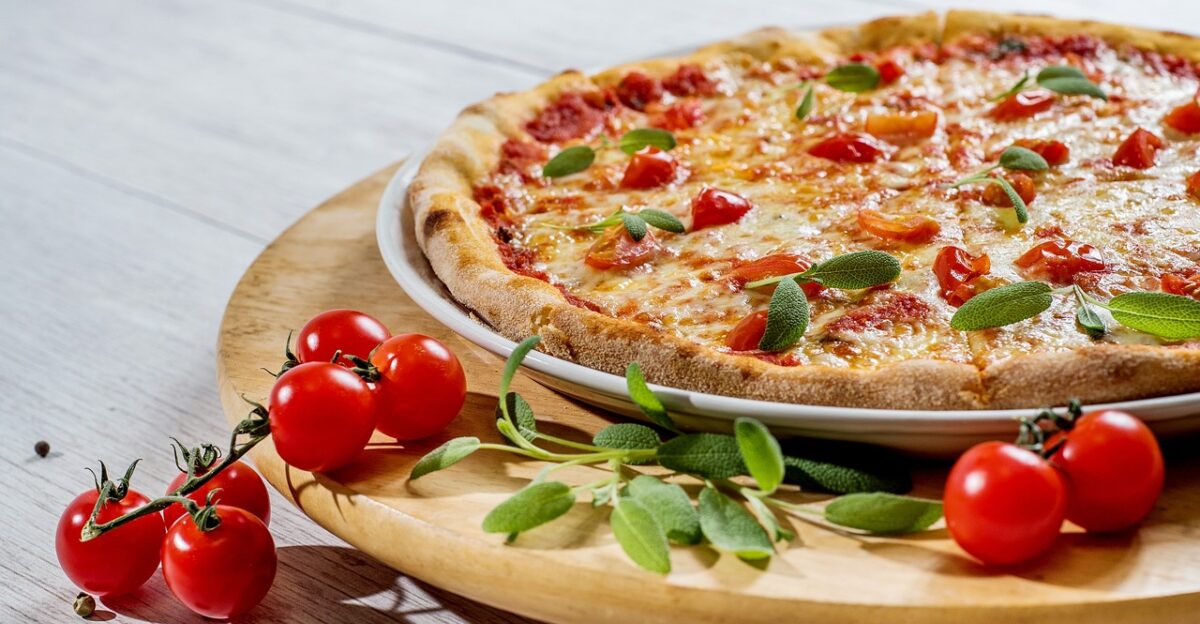
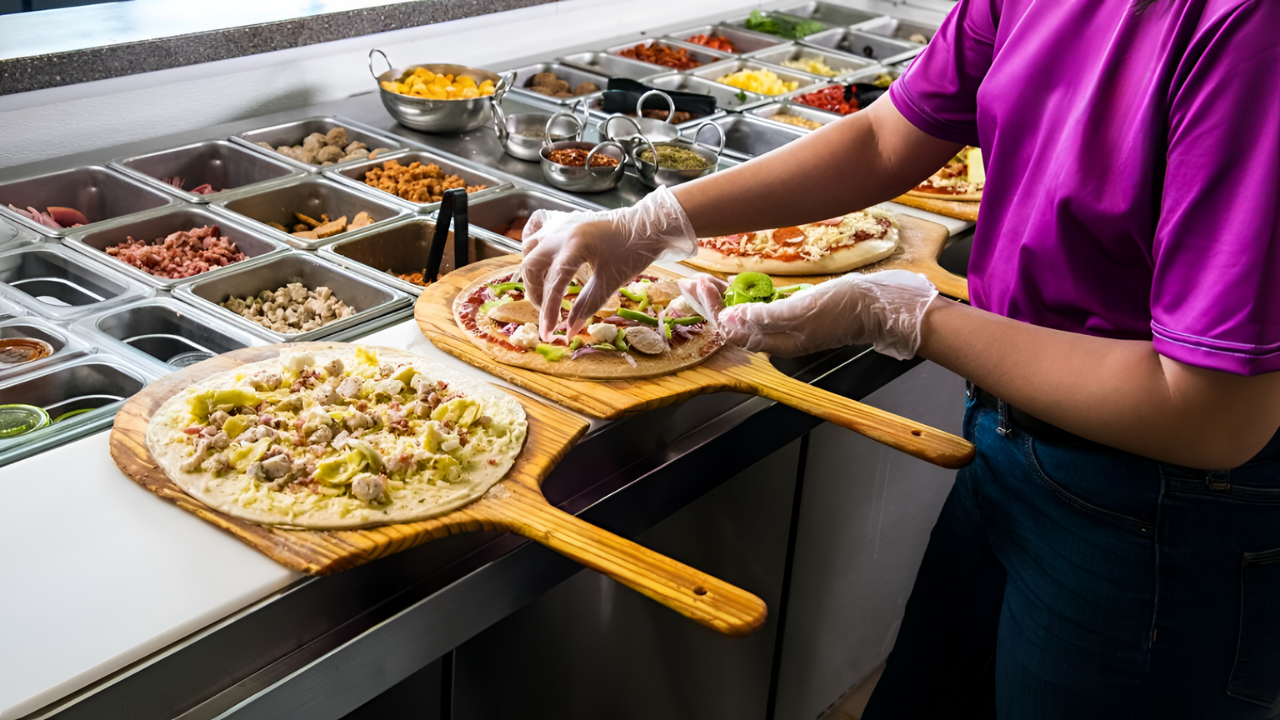
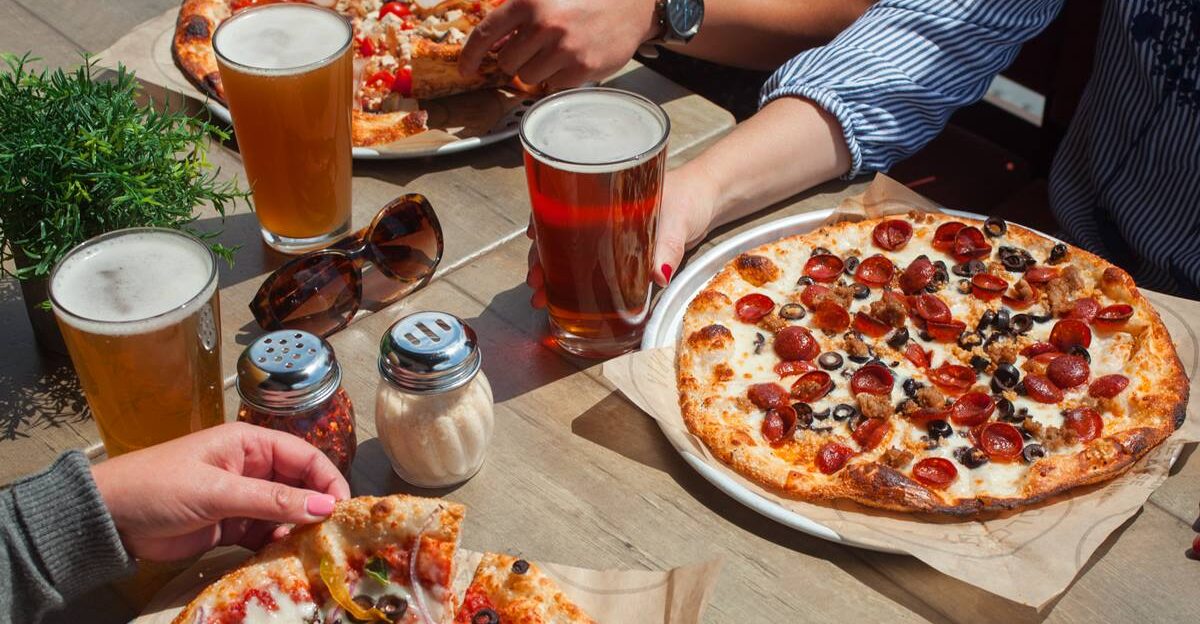
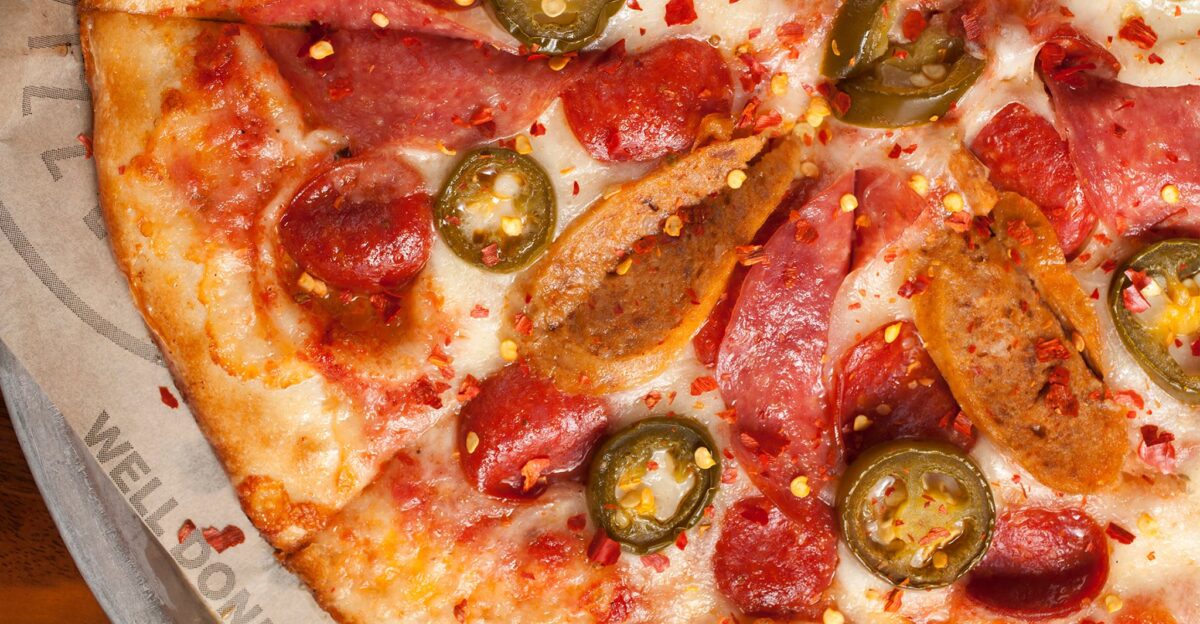
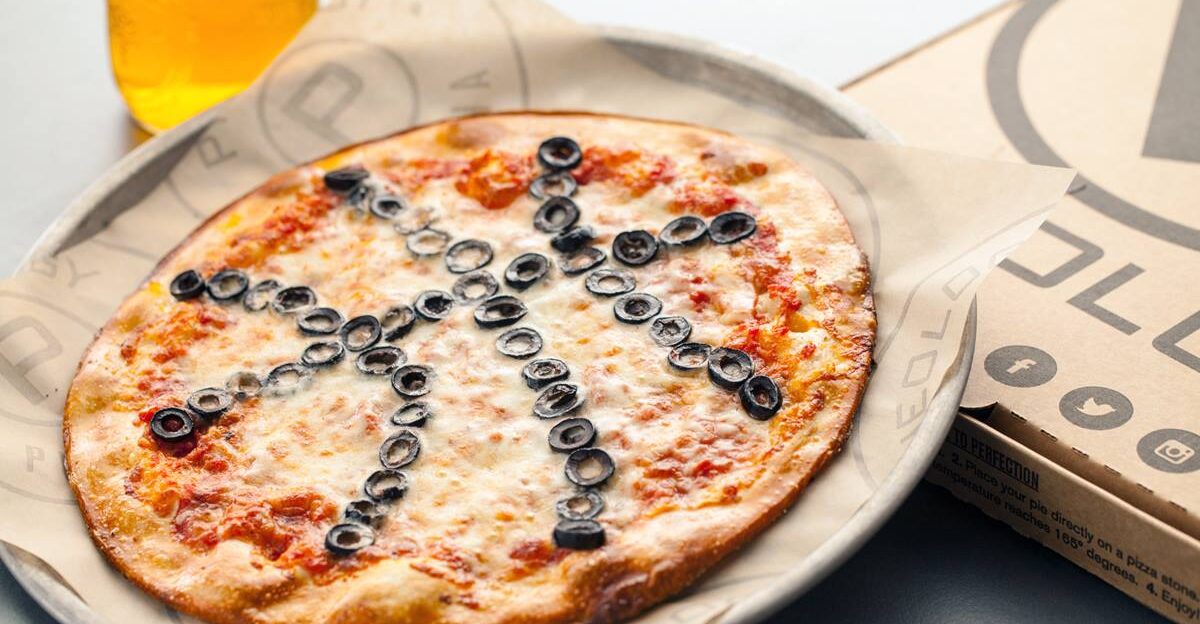
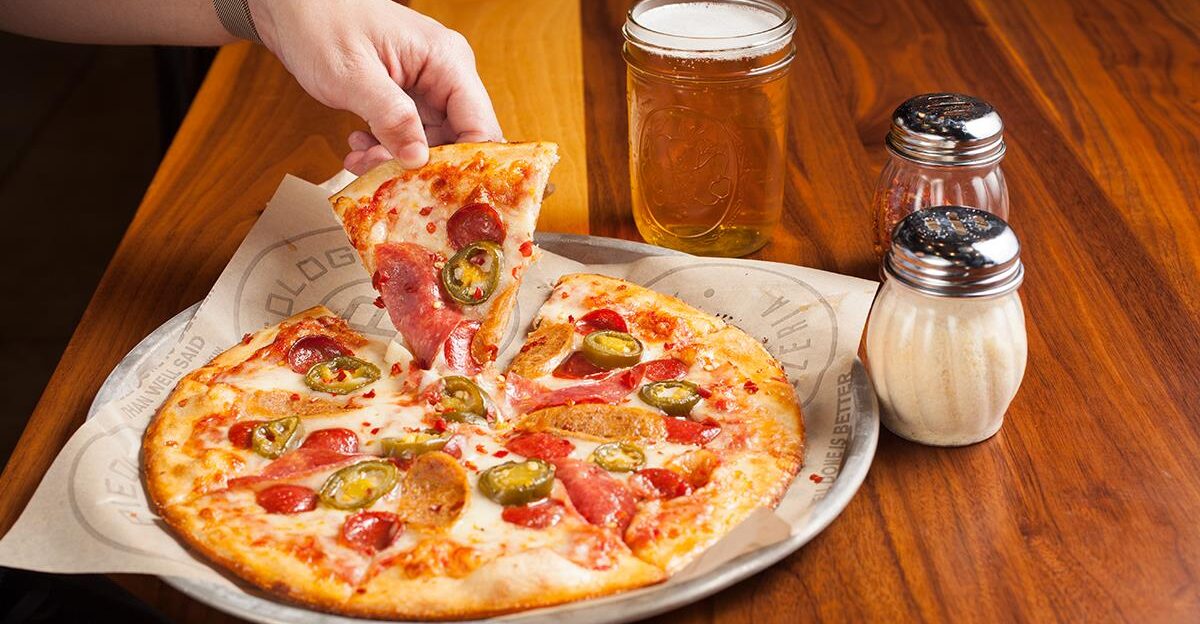
Carl Chang opened the first Pieology in Fullerton, California, on March 1, 2011, near California State University, targeting students craving customized pizzas. Customers picked their toppings along an assembly line, then watched as their pizzas were baked in a 180-second stone oven. By 2015, Technomic named it America’s fastest-growing chain. Yet copycats like Blaze Pizza and MOD Pizza surged fast, rewriting the category’s future.
From 150 Stores To Sudden Crisis
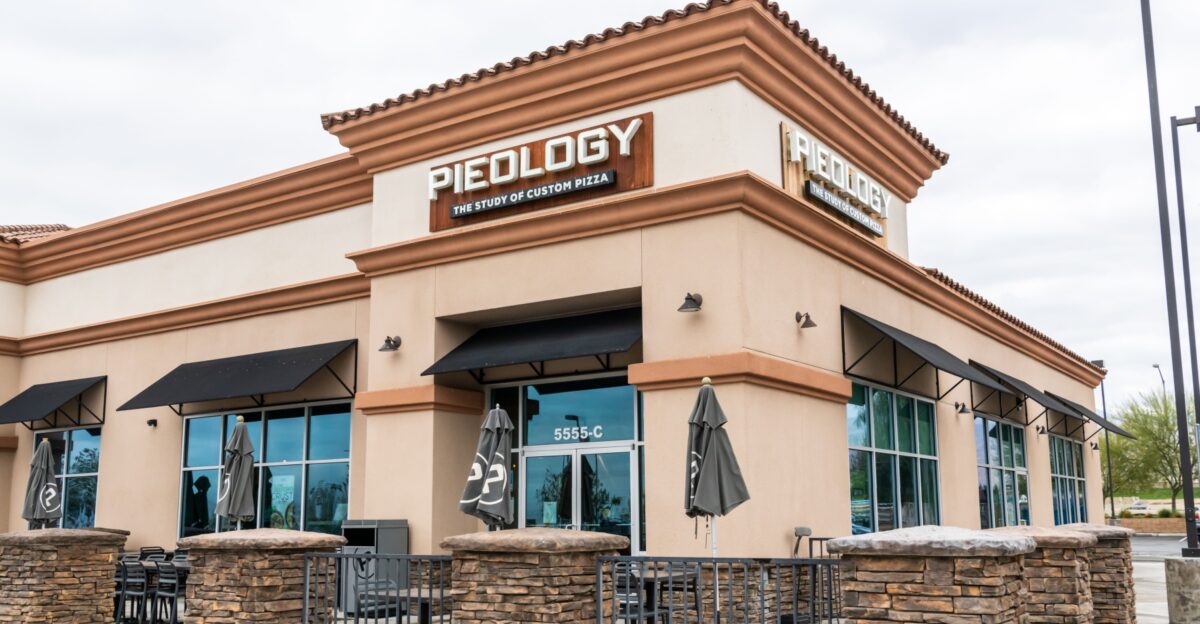
Pieology reached a peak of nearly 150 locations across 20+ states by 2017, with outposts also in Mexico, Spain, Guam, and China. By 2021, the pandemic pushed expensive pivots toward delivery and takeout, weakening the dine-in model. By 2024, the footprint had decreased to approximately 115. Between July and December 2025, 15+ stores closed, revealing how fragile growth had become.
Celebrity Backing Couldn’t Stop Reality
In January 2016, Panda Express founders Andrew and Peggy Cherng invested, promising expertise and buying power from a 1,900-location giant. That same year, Kevin Durant invested through the Durant Company, gaining massive visibility from 17 million Twitter followers and 8.8 million Instagram followers. But celebrity firepower could not fix weakening economies, and early warning signs were already visible.
The 2024 Fix That Looked Promising
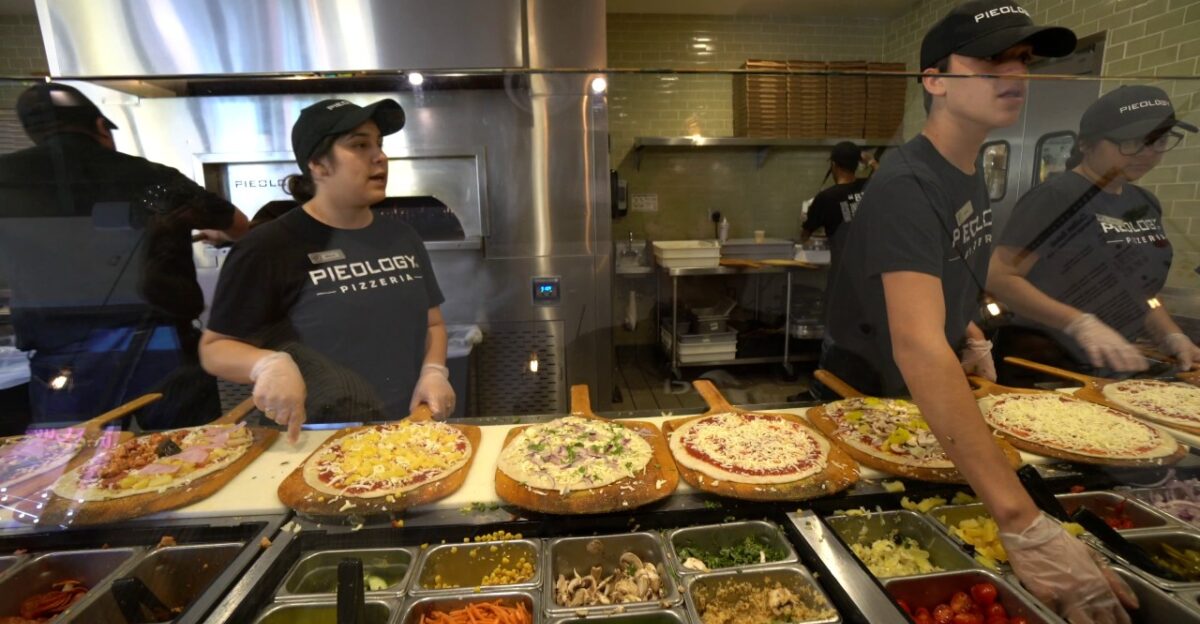
In early 2024, Pieology implemented operational improvements at its company-owned stores, including the installation of high-efficiency equipment, simplification of menus, and streamlining of labor processes. Carl Chang said the changes “produced measurable increases in throughput, customer satisfaction, store-level performance, labor efficiency, and food-cost consistency.” Leaders believed the playbook could be scaled across the system. Still, strong results in select stores hid trouble elsewhere.
The Deal That Quietly Set A Trap
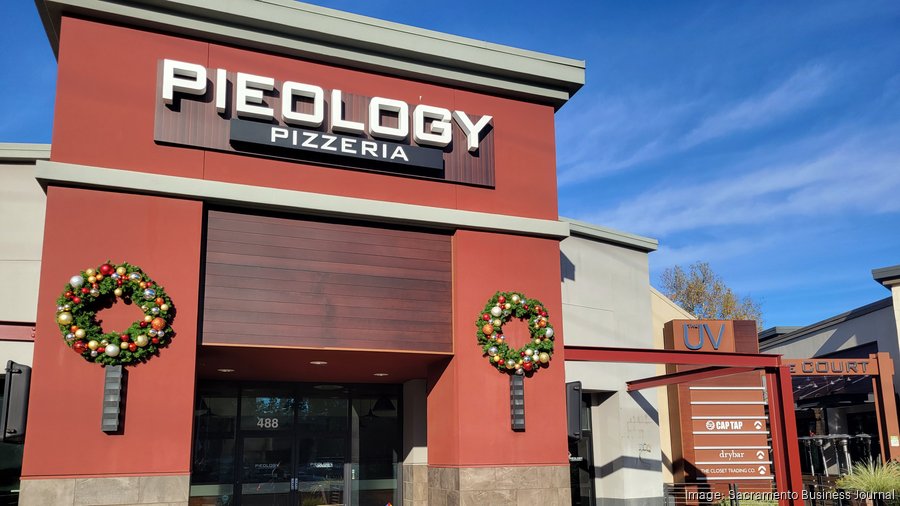
In March 2025, Pieology negotiated to acquire 29 underperforming franchised locations operated by a franchisee who was “significantly past due on obligations owed to the brand,” according to court filings. The plan was to apply the turnaround playbook and stabilize performance. However, the transaction relied on investor capital, with verbal commitments expected to finance the recovery. Then the promised money began to slip away.
“Investors Withdrew The Funding”
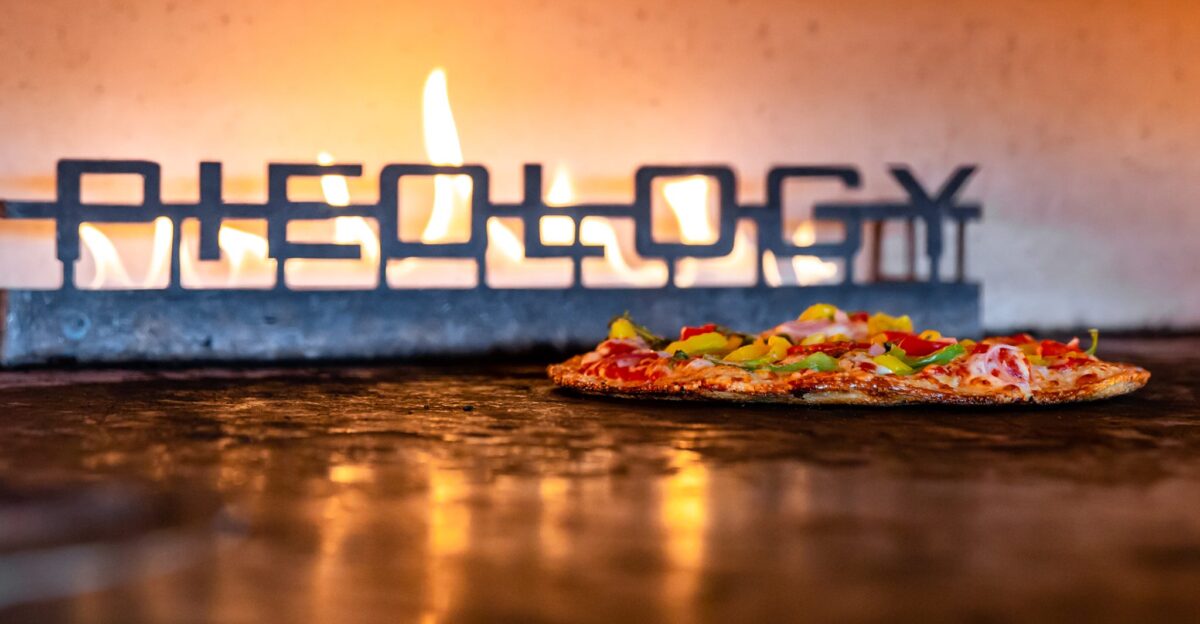
“Investors withdrew the funding shortly before the non-cash deal transaction closed, but Pieology proceeded with the plans to avoid the franchisee’s potential implosion,” according to Carl Chang’s bankruptcy filing dated Dec. 8, 2025. The company tried replacing the lost money and “sought investments from other sources, including private equity, but did not obtain it,” court documents said. How long can any chain run on fumes?
Cash Burn Turned Into A Freefall
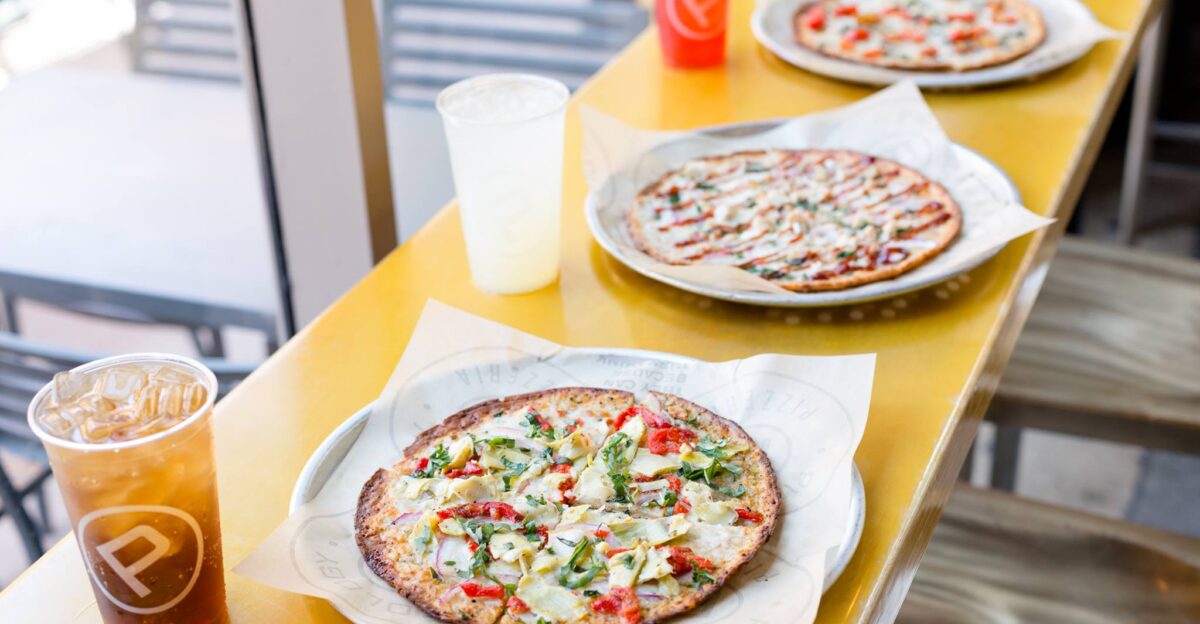
Without the capital infusion to stabilize the 29 acquired stores, Pieology bled cash. Chang explained: “Without the capital infusion required to stabilize the acquired stores, the Debtors’ liquidity rapidly deteriorated. The added cost of operations rapidly burned through Pieology’s cash.” The company closed 17 restaurants before filing. By December 2025, fewer than 45 locations remained, and basic survival math stopped working.
A Whole Category Started Imploding
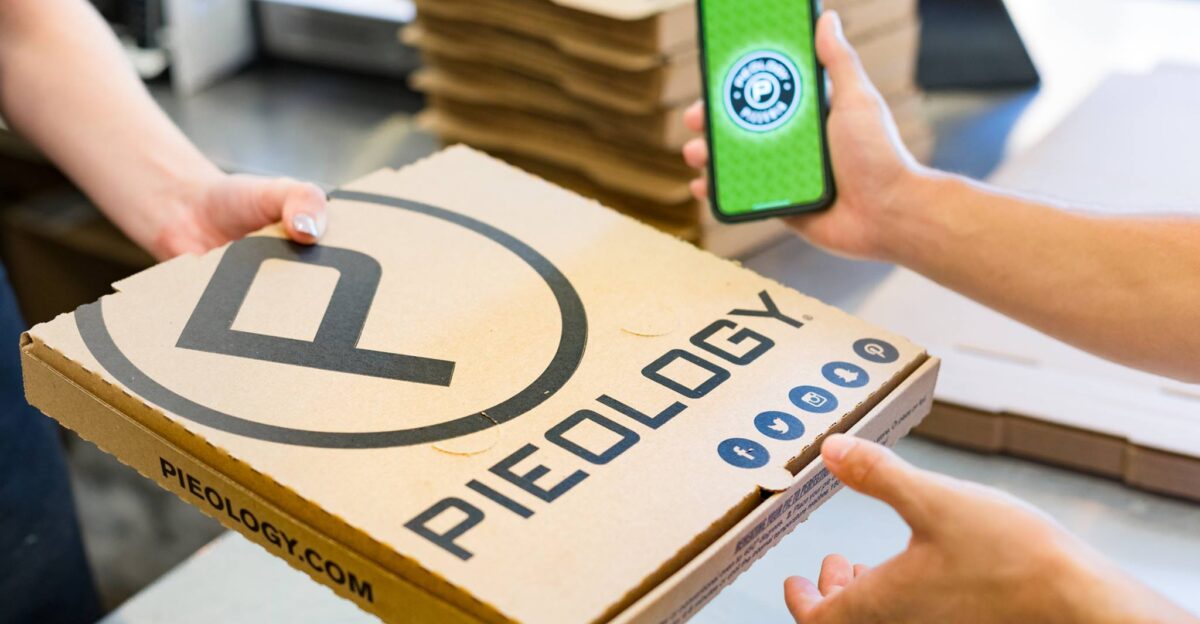
Pieology’s collapse mirrored the fast-casual pizza meltdown. MOD Pizza, once with over 550 locations, closed 44 stores and was acquired by Elite Restaurant Group in July 2024 to avoid bankruptcy. Fired Pie filed for Chapter 11 in November 2024. Oath Pizza liquidated in 2024. Pie Five reduced its store count from 100 to 17 by October 2025, an 80% decline that signaled a larger issue.
Why Fast-Casual Pizza Lost Its Edge
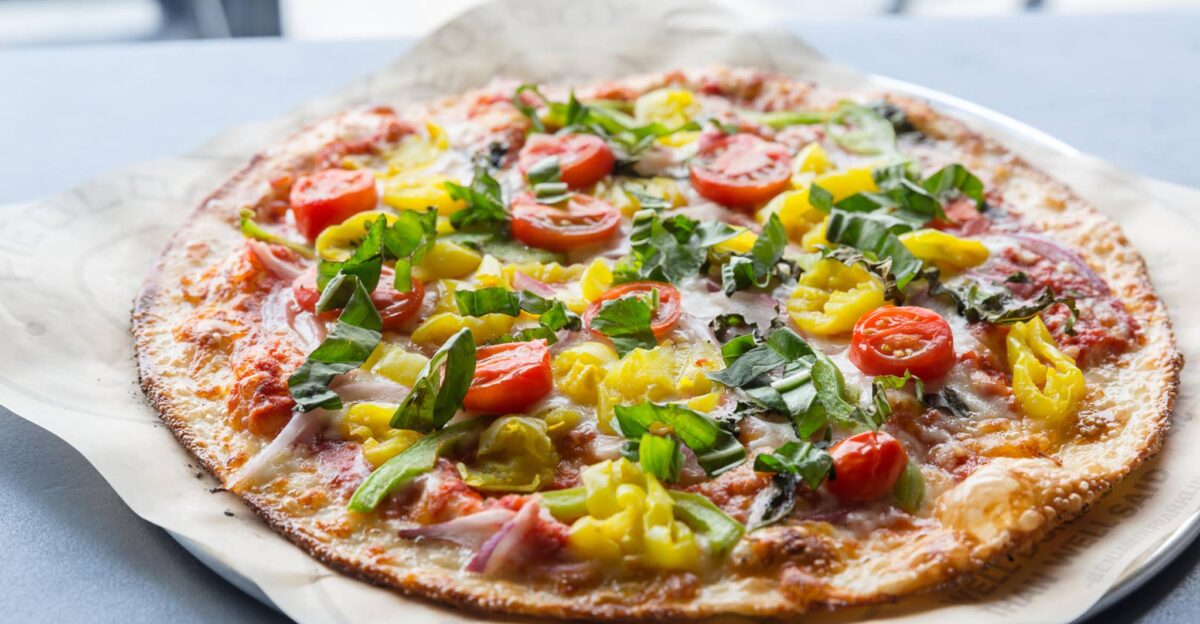
Fast-casual pizza was pitched as the “next Chipotle” after the Great Recession, drawing venture capital into dozens of brands at once. Oversupply hit many markets quickly. When the pandemic arrived in 2020, the model relied on dine-in theater and lunch traffic, both of which were disrupted. Delivery surged, third-party commissions climbed, and unit economics crumbled. The deeper issue was that the growth story never matched durable demand.
Inflation Broke The Value Promise
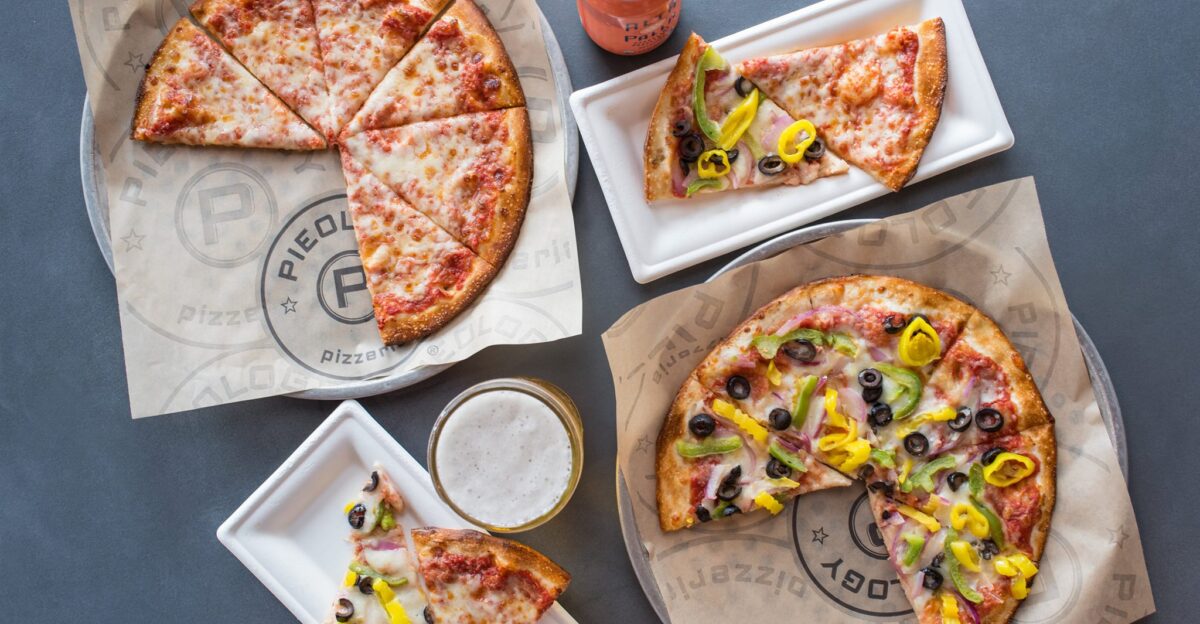
Restaurants raised menu prices 30% between 2019 and 2024, while grocery prices rose 27%, according to Federal Reserve Bank of St. Louis data cited by Restaurant Dive on Dec. 10, 2024. Price-sensitive guests traded down to grocery stores or casual dining bundles. Fast-casual pizza, once positioned as an affordable lunch option, has lost its value advantage. Even loyal customers started pausing before ordering again.
The “Two-Tier Economy” Squeeze
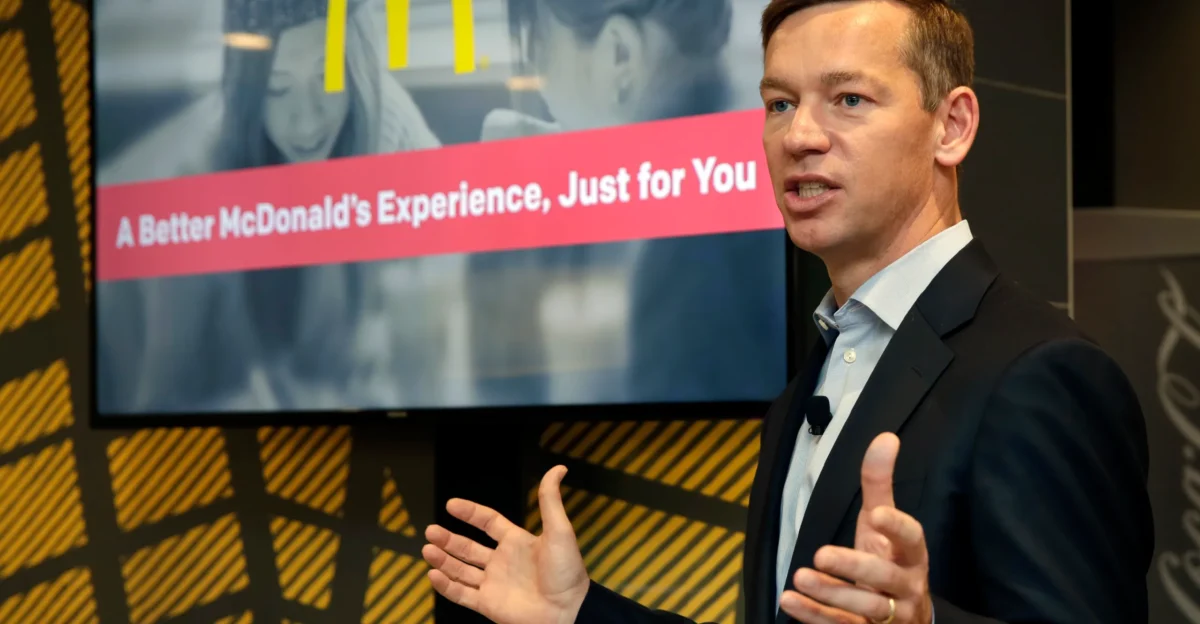
McDonald’s CEO Chris Kempczinski described a “two-tier economy” in which affluent consumers continued to spend while lower-income households pulled back, according to Q2 2025 earnings calls. Placer.ai showed quick-service traffic down 3.4% year over year in August 2025, while casual dining rose 1.4%. Fast-casual captured only 0.5% growth, leaving chains like Pieology stuck between premium splurges and cheap QSR deals.
$1.2 Million A Year Wasn’t Enough
A typical fast-casual pizza restaurant generates about $1,200,000 in annual unit volume, according to Technomic data reported by Restaurant Business. Chicken chains average $2,400,000, while Mexican chains hit $2,000,000. That gap matters when food, labor, and rent rise. With thinner revenue per store, operators have less room to absorb shocks without cutting quality or raising prices past what customers will tolerate.
Skeptics Flagged The Cracks Early
By 2018, observers questioned whether fast-casual pizza could truly scale. QSR Magazine captured the uncertainty: “Maybe consumers have had enough of pizza. Maybe it just wasn’t a lunch thing. Perhaps it’s the prices or the pandemic. Maybe the concepts expanded too quickly.” Pieology’s 2015 growth crown masked this vulnerability, as rapid expansion can conceal weak unit economics until costs and competition converge.
Delivery Became A Margin Trap
Before the pandemic, pizza dominated the delivery market, accounting for 95% of delivery occasions prior to 2020. After lockdowns, DoorDash and Uber Eats experienced a surge, altering the economics for smaller chains. By 2025, the two companies combined had generated $ 154.8 billion in delivery sales, triple the amount in 2020. High commissions squeezed margins, pushing brands into dependence on platforms that captured much of the profit. Could fast-casual pizza ever win that equation?
California’s $20 Wage Shock Hit Hard
California’s fast-food minimum wage rose to $20 per hour in April 2024, putting pressure on chains with significant state exposure, such as Pieology. Cato Institute research released in July 2025 found the increase reduced fast-food employment by 3.6%, eliminating about 18,000 jobs. With many stores concentrated in California, Pieology faced higher labor costs while already struggling to raise prices without losing customers, a squeeze that intensified month after month.
A Founder’s Calculated Gamble Backfired

Carl Chang’s March 2025 acquisition of 29 struggling franchised stores was intended to regain control and spread improvements. Bankruptcy filings dated Dec. 8, 2025, state, “The goal of the transaction was to stabilize system-wide performance, regain operational control over struggling restaurants, and expand the operational improvements across a larger group of stores.” The logic depended on investor funding arriving. When it vanished, the same strategy became a crushing liability.
Chapter 11 Offered A Narrow Lifeline
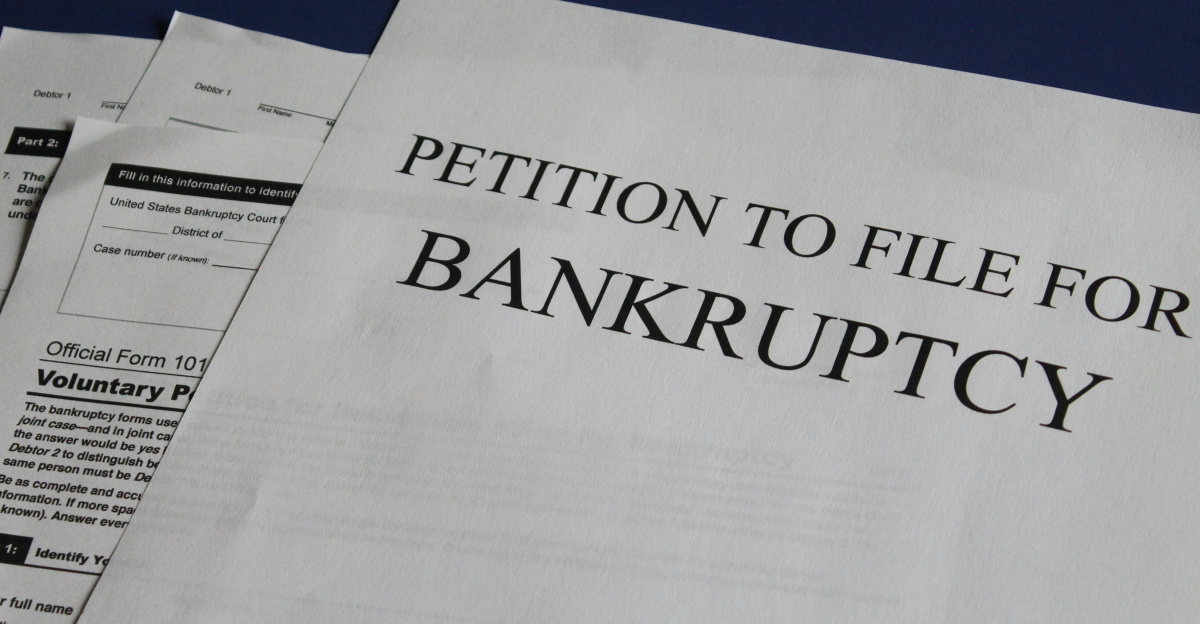
On December 8, 2025, Pieology filed for Chapter 11 in the U.S. Bankruptcy Court for the Central District of California. The company listed liabilities between $1 million and $10 million, assets under $1 million, and more than 200 creditors. The process could allow lease renegotiations and a smaller relaunch. Yet with the category already battered, the court protection raised a more complex question about long-term survival.
The Human Fallout Behind The Numbers
At its 2017 peak of 150 locations, Pieology employed about 3,750 workers. At bankruptcy, with 40 operating locations, employment fell to roughly 1,000 to 1,200. That implies 2,600 to 3,000 jobs lost over 8 years, with sudden closures in late 2025. Landlords, suppliers, and vendors joined 200+ creditor claims, all facing uncertain recoveries. The financial pain rarely stays contained inside the brand.
The Warning For Restaurant Innovation
Pieology shows how innovation offers a head start, not lasting safety. Capital-dependent growth creates a cycle where each expansion phase requires fresh funding, and a missed round can trigger collapse. Oversaturation from multiple well-funded rivals destroys unit economics, while inflation punishes mid-priced concepts first. Even celebrity investors and operational wins cannot counter structural category weakness when macro headwinds hit together. Yet one final question remains about what survives next.
Is Fast-Casual Pizza Near Extinction?
By late 2025, only Blaze Pizza remained among major fast-casual pizza chains, and even Blaze reported declining same-store sales and continued closures. The category once pitched as “the next Chipotle” now looks like a graveyard of failed expansion bets. Survival may mean consolidation, smaller formats, or delivery-first redesigns. Pieology’s Chapter 11 filing marks a shift from growth narrative to an industry-wide extinction risk.
Sources
The Little Brown Box Pizza LLC Chapter 11 Case No. 8:25-bk-13452. U.S. Bankruptcy Court Central District of California, Dec. 8, 2025
Pieology files for Chapter 11 bankruptcy after turnaround fails. Restaurant Dive, Dec. 10, 2025
No restaurant chain became the ‘Chipotle of pizza’: Fast-casual pizza sales decline. Restaurant Business Online, Dec. 15, 2025
Fast-Casual Pizza Concept Fired Pie Files for Chapter 11 Bankruptcy. Nation’s Restaurant News, Nov. 15, 2024
Maybe Consumers Have Had Enough of Pizza. QSR Magazine, 2018
California’s $20 Fast-Food Minimum Wage and Employment Effects. Cato Institute, July 2025