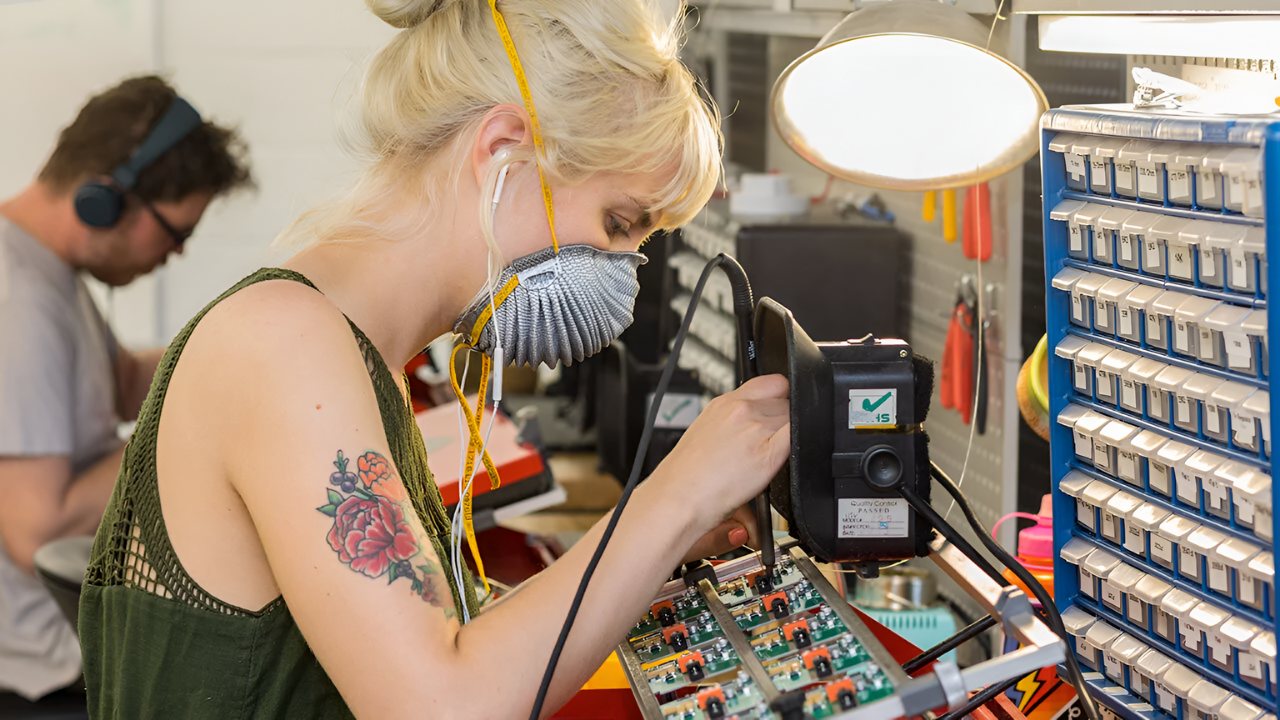
EarthQuaker Devices, an Akron, Ohio–based guitar pedal manufacturer known for gear used by Radiohead and Smashing Pumpkins, says rising tariff bills now threaten its survival.
The 35-employee company reports that trade tariffs have driven component costs up roughly 30%, translating into annual expenses approaching $400,000. After absorbing these costs for years, company leadership warns that a complete shutdown is now a real possibility, underscoring vulnerabilities in small-scale U.S. manufacturing.
Why Tariffs Hit: Trade War Duties on Imported Components
The pressure stems from U.S. Section 301 tariffs introduced between 2018 and 2020, which placed additional duties—often up to 25%—on many Chinese imports.
EarthQuaker relies on more than 1,000 individual components, many sourced from China and Vietnam, that are not widely produced in the U.S. Unlike large corporations, small manufacturers pay these duties directly at import, making even modest percentage increases financially destabilizing.
Direct Hit: Rising Costs Force Price Pressure

EarthQuaker’s most popular product, the Plumes overdrive pedal, has sold more than 67,000 units, built on tight margins that once kept prices accessible.
Tariff-driven increases have sharply raised per-unit costs, forcing the company to consider price hikes it previously avoided. Leadership says it can no longer absorb the increases internally, meaning musicians may soon face significantly higher prices for pedals that were once affordable staples.
Corporate Strain: Absorbing Costs Until the Breaking Point

Founded in 2004 by Jamie Stillman, EarthQuaker grew into an internationally recognized brand exporting up to 40% of its products. That model has faltered as tariffs eroded margins and dampened overseas sales.
The company took on substantial loans to stay afloat and delayed investment and hiring, but liquidity has tightened. Even a previously awarded $50,000 state grant has been recalled due to unmet job targets.
Adjacent Markets Feel the Shock

EarthQuaker’s struggle mirrors problems across the boutique pedal industry. Competing manufacturers report paying duties and fees that sometimes exceed the value of the imported components themselves.
Others note that equivalent U.S.-made parts can cost many times more, or are unavailable at scale. Music retailers have begun stockpiling popular pedals, anticipating shortages that could spread to amplifiers and other effects gear across the market.
International Backlash and Export Decline
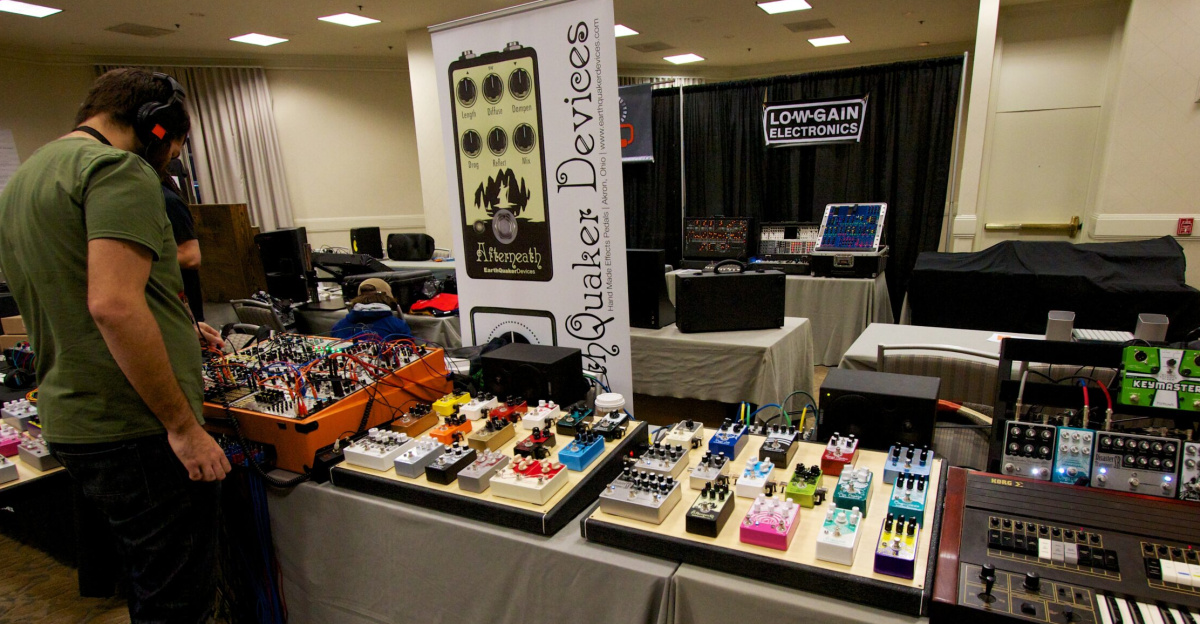
Once celebrated as a U.S. exporting success, EarthQuaker has seen international demand weaken sharply. Company leadership says some foreign buyers hesitate to place orders amid uncertainty over U.S. pricing and trade policy.
Export volumes have dropped dramatically, undermining a revenue stream that once offset domestic pressures. The company warns that unpredictable tariffs have made long-term planning with overseas partners increasingly difficult.
Workers’ Plight: Jobs at Risk in Akron
EarthQuaker employs 35 workers whose specialized skills are central to its hand-built production process. Management has warned lawmakers that layoffs are increasingly likely without relief.
Akron, which has already lost roughly 100,000 residents since its manufacturing peak in the 1960s, faces the prospect of further job erosion. Employees fear losing not just jobs, but a rare creative manufacturing foothold in the region.
Policy Pushback: Small Manufacturers Speak Out

Company owner Julie Robbins has testified before lawmakers, urging exemptions or reforms for small manufacturers unable to shift supply chains quickly.
She has joined dozens of other U.S. pedal makers to coordinate advocacy efforts, arguing that tariffs designed to support domestic manufacturing instead punish firms that already build in America. Industry groups warn that broad tariffs disproportionately harm small businesses with limited leverage or lobbying power.
Regional Impact: Ohio Manufacturing Under Pressure

Data from regional manufacturing groups show EarthQuaker’s experience is not isolated. About one in three northeast Ohio manufacturers report tariff-related losses, averaging 16%, compared with much smaller gains elsewhere.
Only a small fraction of firms have reshored production as intended. Cargo volumes at the Port of Cleveland have also declined sharply, signaling reduced trade activity across the regional supply chain.
Musicians Adapt as Gear Becomes Scarcer
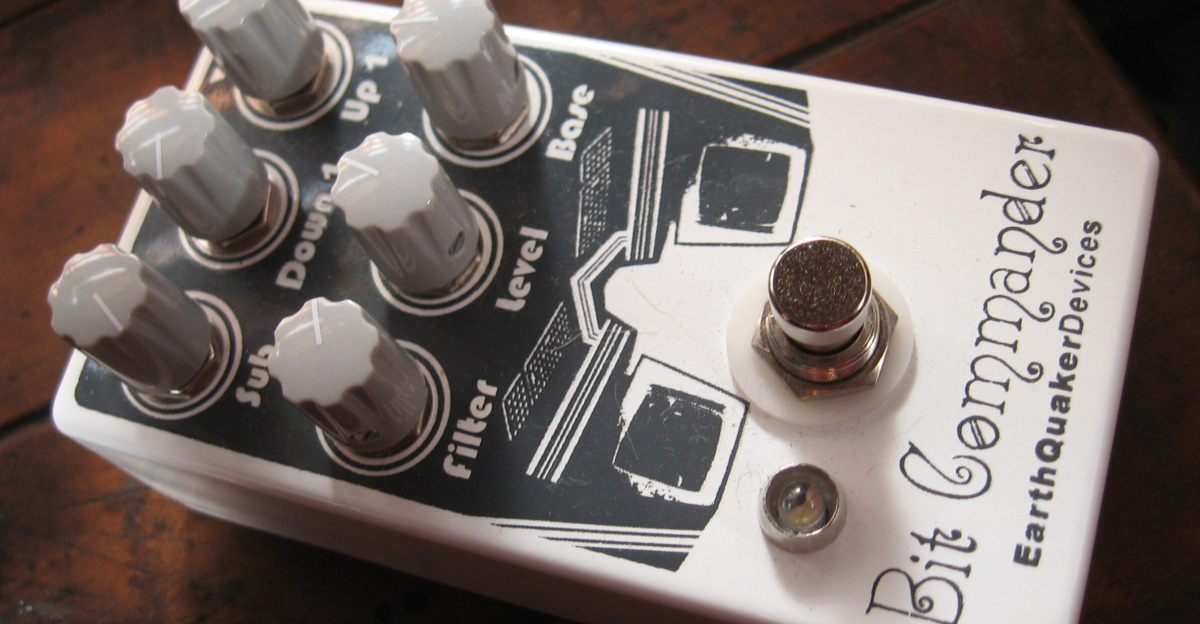
For working musicians, EarthQuaker pedals are not luxury items but essential tools. Local artists and touring acts rely on their distinctive sounds for live performances and recordings.
Retailers report customers scrambling to secure favored models before prices rise further or inventory dries up. Substituting pedals often alters tone and performance, forcing artists to rethink setups that took years to refine.
Cultural Cost: Losing an American Music Icon
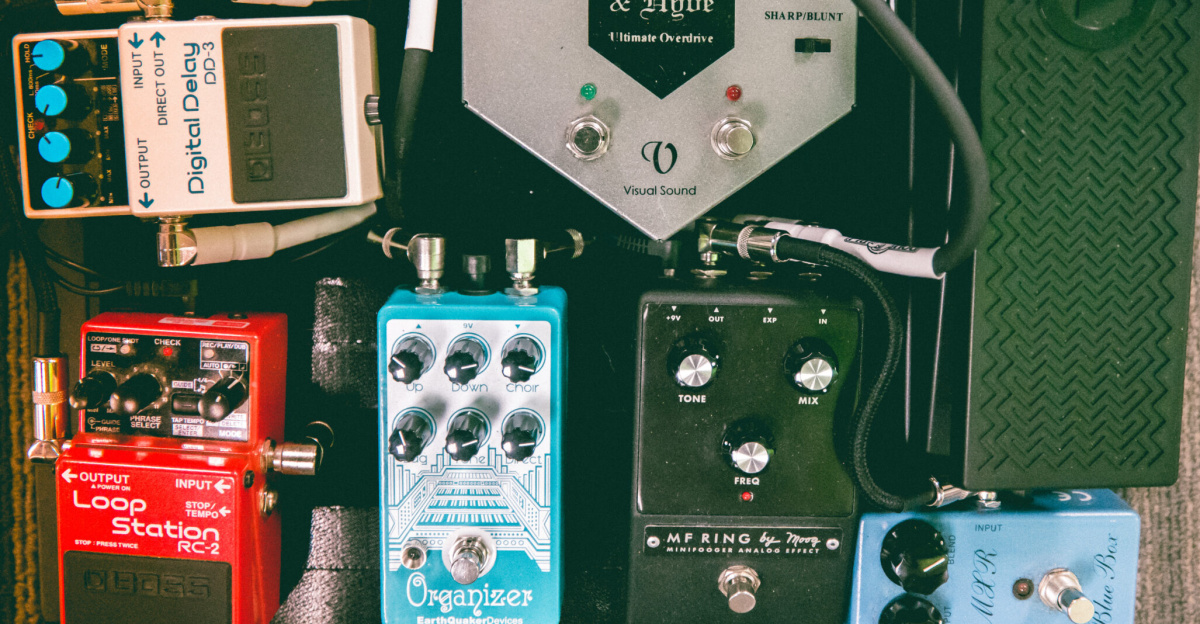
EarthQuaker’s pedals have become part of modern rock and alternative music history, shaping sounds heard on stages and records worldwide.
The prospect of downsizing or offshoring production carries cultural weight in a city once defined by manufacturing pride. Supporters argue that losing such companies erodes not only jobs, but the identity of American-made creative tools embedded in global music culture.
Global Perception: Reliability in Question

Uncertainty surrounding U.S. trade policy has affected how American manufacturers are viewed abroad. EarthQuaker reports that some buyers perceive U.S. suppliers as unreliable due to sudden price changes and policy shifts.
Experiments with alternative sourcing, including parts from Taiwan, have proven inconsistent. Economists note that unpredictability, more than tariffs themselves, discourages long-term contracts and investment.
Winners and Losers in a Shifting Landscape
The fallout creates uneven outcomes. Small manufacturers and independent music shops bear the brunt, while larger corporations with diversified supply chains or lobbying influence fare better. Some overseas producers benefit as buyers shift sourcing away from U.S. brands.
Despite current pain, surveys show many Ohio manufacturers remain cautiously optimistic about growth in 2026, provided costs stabilize.
Market Response: Buy Now or Seek Alternatives

Consumers are responding defensively, purchasing favored pedals sooner rather than later and exploring non-tariffed alternatives. Retailers encourage supporting local makers through direct purchases to preserve margins.
Analysts caution that once prices rise or companies exit the market, reductions are unlikely. For musicians, waiting may mean paying more—or losing access altogether—to signature sounds they depend on.
What’s Next: A Test for U.S. Manufacturing Resilience
EarthQuaker Devices’ crisis highlights a broader challenge facing American manufacturing: balancing trade enforcement with the survival of small domestic producers.
The company’s fate may hinge on policy adjustments or targeted relief. As lawmakers debate next steps, the outcome will signal whether iconic, small-scale manufacturers can endure prolonged trade pressure—or whether more will be forced to close or move abroad.
Sources:
- Guitar World, 2025: “EarthQuaker Devices Faces Shutdown Due to Tariffs” (Guitar World)
- Ideastream, 2025-08-14: “Tariffs Threaten Akron’s EarthQuaker Devices and Local Music Scene” (Ideastream Public Media)
- U.S. Trade Representative, 2018-2020: “Section 301 Investigation: China’s Acts, Policies, and Practices Related to Technology Transfer, Intellectual Property, and Innovation” (USTR.gov)
- U.S. Senate Testimony, 2025: “Senate Hearing on Trade Policy Impacts on Small Manufacturers – Testimony of Julie Robbins” (U.S. Senate Committee on Commerce, Science, and Transportation)
- MSN / Money (MAGNET), 2025-12-17: “Northeast Ohio Manufacturers Survey: Tariff Impacts 2025” (MSN Money, citing MAGNET)