General Mills exceeded Wall Street’s revenue expectations in its second fiscal quarter of 2026, reporting $4.86 billion against forecasts of $4.78 billion. Despite this, shares fell nearly 3% after CEO Jeff Harmening noted consumers’ reluctance to pay premium prices even as sales volumes rose. The company, known for brands like Cheerios and Pillsbury, faced profit pressures from increased discounts and promotions.
Margin Pressures Build
Ongoing inflation continues to challenge makers of packaged foods. U.S. food prices climbed 2.9% in December 2024, leaving grocery costs almost 30% higher than pre-pandemic levels. Private-label products from stores saw sales grow by 3.9%, far outpacing the 1.1% increase for national brands.
Retailers such as Walmart, Amazon, and Kroger have ramped up their own brands, pulling budget-conscious shoppers away from established names like General Mills. This shift forces companies to offer deeper discounts to stay competitive. Adjusted profit per share reached $1.10, beating estimates of $1.03, but operating profit dropped 32% to $728 million due to heavy spending on promotions.
Shift Toward Value
Consumers at all income levels now chase bargains more aggressively. Data from Deloitte reveals that nearly 30% of high earners, those making six figures, shop at discount chains like Walmart. Inflation since 2022 has worn down the idea that big brands deserve higher prices, pushing loyalty toward cheaper options.
In response, General Mills slashed base prices on roughly 67% of its North American retail products in September 2024 as part of a “targeted promotional investment” strategy. This targets rivals like Walmart’s Great Value and Kroger’s store brands after pandemic price hikes proved too much for shoppers to bear. These moves aim to win back market share in a tougher environment.
Price Cuts Face Hurdles
The Pillsbury refrigerated dough category, including biscuits and cinnamon rolls, saw a rough start to the baking season despite over $50 million in promotions. Sales fell quarter-over-quarter, reflecting shoppers’ preference for deals over familiar brands. CEO Harmening called it a “disappointing” trend, though the company plans more investments to boost performance.
General Mills reaffirmed its full-year outlook amid these challenges, expecting organic net sales growth between -1% and +1%. Adjusted operating profit and earnings per share face declines of 10% to 15% in constant currency. The firm now predicts a 1-3% drop in full-year earnings, marking its second downward revision.
Broader Economic Ripples
General Mills employs 30,000 to 40,000 workers across North America, with many in Midwest states like Wisconsin and Iowa. A profit decline of 1-3% could lead to 4,500 to 7,500 job cuts as the company streamlines to cover promotion costs. Local communities near plants prepare for potential restructuring effects.
Store brands are set to reach $277 billion in sales by 2025, nearly $271 billion in 2024 alone with 3.9% growth. National brand loyalty wanes as surveys show shoppers rethinking habits in this value-focused era. Pillsbury and similar icons feel the strain most acutely.
Path to Adaptation
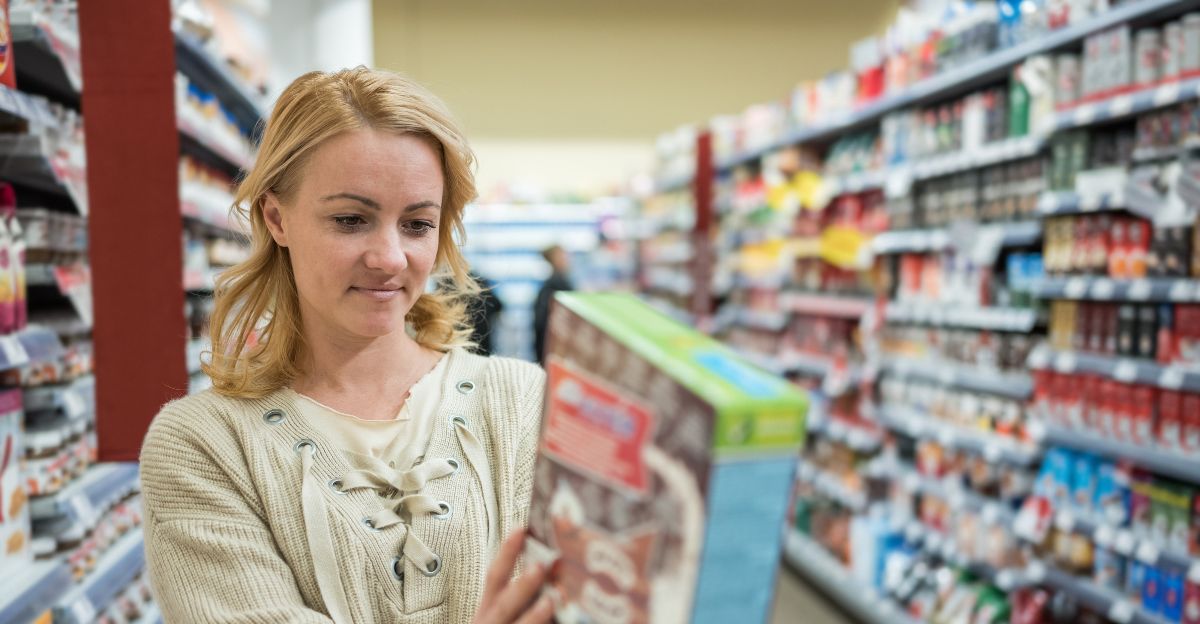
To fight back, General Mills focuses on innovation, better products, and customer engagement to rebuild margins. Overhauling research and development will help set its offerings apart from private labels. Clear talks with investors about price changes and feedback loops aim to maintain trust during shifts.
The company must balance quality with affordability to hold ground. Success could steady growth in a market ruled by value seekers; missteps risk more losses to store brands. Strategic pivots now define the outlook for this Minneapolis giant.
Sources:
General Mills Investor Relations Fiscal 2026 Second Quarter Results
Reuters General Mills cuts profit outlook as promotions rise to win consumers
CNBC Here’s the inflation breakdown for December 2024 in one chart
Deloitte The Value-Seeking Consumer State of the Consumer Tracker
Food Business News General Mills pushing Pillsbury to improve performance
Forbes Walmart, Target And Nordstrom Boost Sales By Expanding Private Labels
Supermarket News Private-label sales projected to reach $277B in 2025