Beginning January 18, 2026, a four-ounce package shipped via USPS Ground Advantage will cost 21% more than it does today—jumping from $4.20 to $5.09. This isn’t a rounding error or modest inflation adjustment. It’s a seismic shift in the USPS pricing strategy, driven by a $9 billion financial hemorrhage that has left the nation’s mail carrier in dire straits.
The increases ripple across Priority Mail, Priority Mail Express, and Parcel Select, affecting millions of small business owners, e-commerce sellers, and everyday shippers who depend on affordable postal rates.
Why Now: The Financial Crisis Behind the Rates
The U.S. Postal Service reported a devastating $9 billion net loss for fiscal year 2025, ending September 30. While this represented a $500 million improvement from the prior year’s $9.5 billion deficit, the underlying numbers reveal a deeper crisis: the “controllable loss”—the amount USPS management can directly influence—actually widened to $2.7 billion from $1.8 billion, according to the agency’s official financial filing.
This deterioration despite revenue growth signals systemic problems that pricing alone cannot solve.
Revenue Growth Can’t Offset Volume Collapse

Operating revenue increased to $80.5 billion, a 1.2% rise driven primarily by the USPS Ground Advantage service and strategic price increases across mail and shipping categories. Yet this modest revenue gain masks a troubling reality: First-Class Mail volume plummeted by 5.0%, Marketing Mail dropped by 1.3%, and Shipping and Packages volume fell by 5.7%.
The postal agency is caught in a vicious cycle—the most profitable services (letters) are declining, while lower-margin packages are growing, forcing aggressive pricing to maintain financial stability.
Ground Advantage Bears the Heaviest Burden
USPS Ground Advantage—the service delivering packages in 2–5 business days with $100 insurance—faces an average 7.8% increase, but the impact varies dramatically by weight. Packages under one pound average a 12.2% increase, while shipments between 8 and 20 pounds see only a 4.4% jump.
This deliberate pricing structure penalizes light packages while incentivizing heavier shipments over shorter distances. A five-ounce parcel shipping to Zone 1 will increase from $4.65 to $5.58, representing a 20% jump.
Priority Mail and Express Services See Moderate Increases

Priority Mail, offering 1–3 business-day delivery, increases by 6.6% on average. The popular medium flat-rate box rises from $18.50 to $19.60, while the large flat-rate box climbs from $27.10 to $28.70. Priority Mail Express, USPS’s overnight service, increases 5.1% on average—the most modest hike across major services.
The flat-rate envelope rises from $27.20 to $28.80. These increases pale in comparison to Ground Advantage but still represent material cost pressures for small businesses shipping predictable quantities.
The Commercial vs. Retail Pricing Divide

A critical disparity emerges between retail and commercial pricing. Commercial customers—businesses using negotiated rates through shipping platforms—face steeper increases than consumers at Post Offices. Ground Advantage commercial rates increased by 9.6% compared to 5.9% for retail rates, resulting in a 3.7 percentage-point gap.
For businesses shipping 50 packages weekly, this spread could translate to thousands of additional dollars annually.
First-Class Mail Stamps Hold Steady (For Now)

In the only bright spot for consumers, Forever stamp prices remain frozen at 78 cents through at least mid-2026. Postcards stay at 61 cents, additional ounces at 29 cents.
This stability follows a 5-cent increase implemented in July 2025 and reflects Postmaster General David Steiner’s strategic decision to defer Market Dominant service increases until the second half of 2026.
E-Commerce Sellers Face Existential Pressure

E-commerce sellers relying on USPS for cost-effective last-mile delivery now confront a critical decision: absorb the costs through reduced margins, raise prices to customers, or shift volume to UPS and FedEx. Financial literacy educator Alex Beene from the University of Tennessee cautioned: “For many services, the price increase will range from five to seven percent per service.
Ground Advantage’s 7.8% increase is particularly significant because it has gained popularity for being cost-effective yet relatively fast.”
Small Businesses Must Recalculate Logistics Economics
Kevin Thompson, CEO of 9i Capital Group, provided crucial context: “Prices are rising, and by more than the usual inflation rate. USPS has experienced a notable shift in volume to online commerce, with e-tailers particularly relying on USPS for last-mile delivery, especially in less profitable rural regions.”
This dependence on USPS for rural delivery creates an asymmetrical power dynamic—the postal agency must serve unprofitable remote areas while competing against private carriers in profitable urban markets. Rate increases shift costs to those with fewest alternatives.
Postmaster General David Steiner Signals No Retreat
David Steiner, who assumed the Postmaster General position in July 2025 after leading Waste Management and serving on FedEx’s board, provided stark commentary on the financial crisis: “The occasional appearance of financial progress is far outweighed by the reality of our significant systemic annual revenue and cost imbalance.”
His statement, delivered when announcing fiscal 2025 results, signaled that leadership views rate increases as essential, not optional.
Regulatory Approval Is Nearly Guaranteed

The Postal Regulatory Commission will formally review proposed changes before the January 18, 2026, effective date. However, approval is virtually assured—the Commission has consistently authorized rate increases aligned with USPS’s “Delivering for America” transformation plan.
Complete pricing tables are available under PRC Docket No. CP2026-2. This regulatory predictability means businesses have limited appeal options and must adapt to the new cost structure within weeks.
Rate Shopping and Weight Optimization Become Critical
Savvy shippers are already implementing tactical responses. Rate shopping across USPS services versus UPS Ground Saver and FedEx Ground Economy identifies cost savings on specific weight-zone combinations.
Package weight optimization becomes essential—reducing a parcel from five ounces to four ounces saves approximately 50 cents per shipment under new Ground Advantage pricing. Shipping packages before January 18 locks in current rates for early-year inventory movements.
The Regulatory Framework Explains the Two-Tiered Pricing

USPS operates under a dual-pricing regulatory regime distinguishing Market Dominant products (First-Class Mail, subject to Consumer Price Index caps) from Competitive products (packages, subject to market-based pricing).
This explains why stamps freeze at 78 cents while Ground Advantage surges 7.8%. The framework recognizes letter mail as a statutory monopoly requiring price controls, while package shipping competes directly against FedEx, UPS, and Amazon logistics.
Network Modernization Justifies Premium Pricing
The USPS has invested heavily in network modernization, opening new regional processing and delivery centers that exceed one million square feet. These facilities integrate mail and package workflows to reduce transportation costs, resulting in a decrease of $422 million in fiscal 2025.
The infrastructure improvements aim to enhance delivery speed and reliability while justifying premium pricing to customers. However, workforce challenges persist—compensation and benefits expenses increased $1.7 billion due to retirement incentives, complicating the efficiency narrative.
Competitive Market Positioning Remains Viable Despite Increases
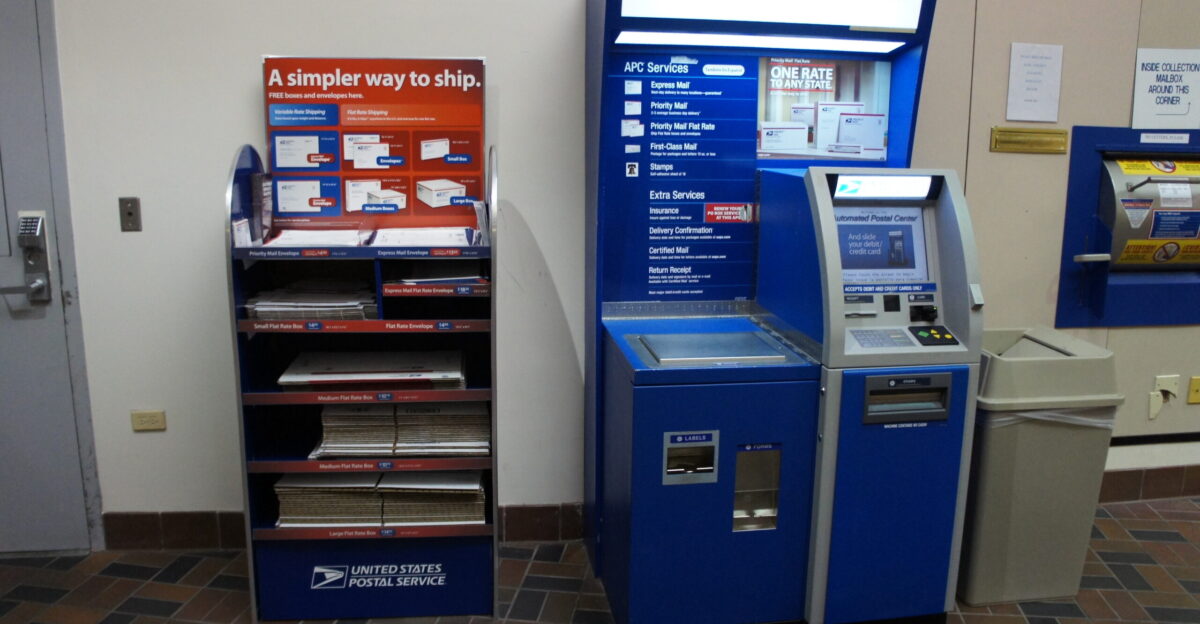
Despite substantial increases, USPS rates remain competitively positioned relative to private carriers. UPS and FedEx implemented their own 2026 rate increases, often at lower average percentages but sometimes higher for specific categories.
For businesses shipping to rural areas or requiring widespread geographic coverage, USPS frequently remains the most cost-effective option. The universal service obligation—delivering to every U.S. address six days weekly—provides competitive advantages that profit-focused carriers cannot match economically in unprofitable regions.
Future Workforce and Service Quality Risks
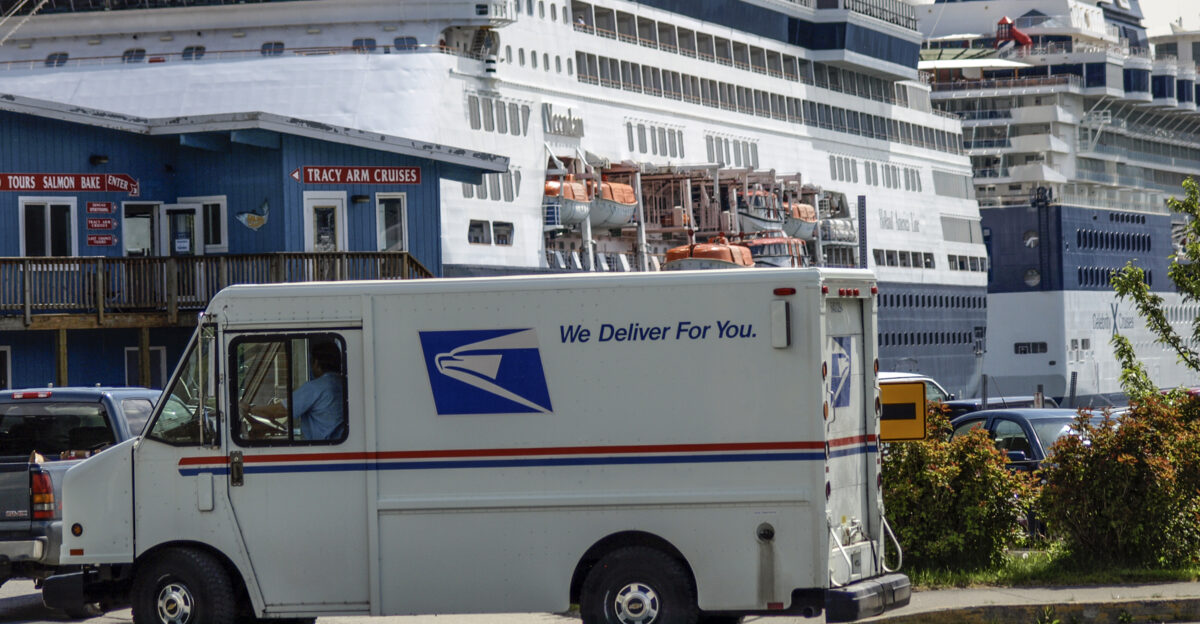
The USPS continues to face significant workforce shortages in regions such as Maine, Texas, Kentucky, and Alabama, contributing to documented delivery delays. Compensation increases and voluntary early retirement programs have strained budgets while attempting to address staffing gaps.
These operational challenges complicate management’s claims to efficiency. The organization must balance competitive wages with financial constraints while maintaining universal service obligations to every American address, regardless of profitability—a structural constraint private carriers don’t face.
Last-Mile Network Opening Signals Strategic Pivot
USPS recently announced plans to open its last-mile delivery network to businesses of all sizes through competitive bidding in 2026—a strategic shift with transformational implications.
This initiative leverages the universal service obligation as a competitive advantage, particularly after Amazon’s delivery contract negotiations concluded without agreement. The strategy aims to generate additional revenue by monetizing excess delivery capacity.
The Broader Ten-Year Transformation Plan

These January 2026 rate increases represent the second phase of aggressive pricing, following similar increases in January 2025. The “Delivering for America” plan projects $160 billion in adjustments over ten years: $58 billion from legislative action, $44 billion from regulatory pricing flexibility, $34 billion from cost improvements, and $24 billion from revenue growth, including packages and pricing.
This multi-pronged strategy signals USPS leaders believe pricing alone cannot solve structural deficits—comprehensive reform is essential.
E-Commerce Logistics Economics Will Fundamentally Shift

These rate changes will necessitate that e-commerce supply chains recalibrate their shipping strategies. Some sellers will shift volume to UPS and FedEx for specific shipment profiles. Others will implement surcharges or weight-based shipping tiers.
Regional carriers and alternative logistics providers may gain competitive advantages in high-volume corridors. The broader implication is that USPS’s financial crisis is forcing a complete rethinking of last-mile delivery economics across the industry, potentially accelerating consolidation and alternative delivery methods that bypass traditional postal infrastructure.
The Bottom Line—Adaptation Is Urgent
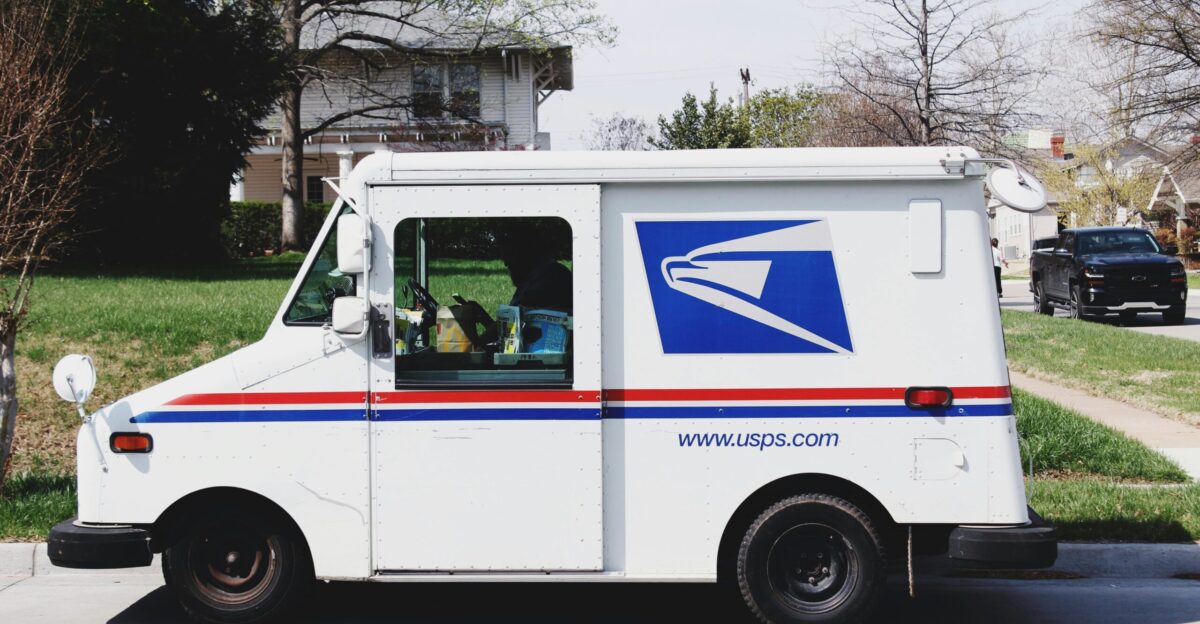
The January 18 rate increases aren’t a temporary blip—they signal USPS’s commitment to aggressive pricing as a core survival strategy. Businesses shipping packages have less than three weeks to audit shipping volumes, recalculate logistics costs, and implement optimization strategies.
Those dependent on Ground Advantage for light packages should prioritize rate comparisons with competitors immediately.
Sources:
“U.S. Postal Service Reports Fiscal Year 2025 Results.” U.S. Postal Service Newsroom, November 13, 2025.
“USPS Prepares 2026 Rate Hikes for Ground Advantage, Priority Mail and Express.” Supply Chain Dive, November 16, 2025.
“USPS Postage Rate Change Overview.” Pitney Bowes, December 8, 2025.
“USPS January 2026 Competitive Rate Increase.” Value Added Resource, November 17, 2025.