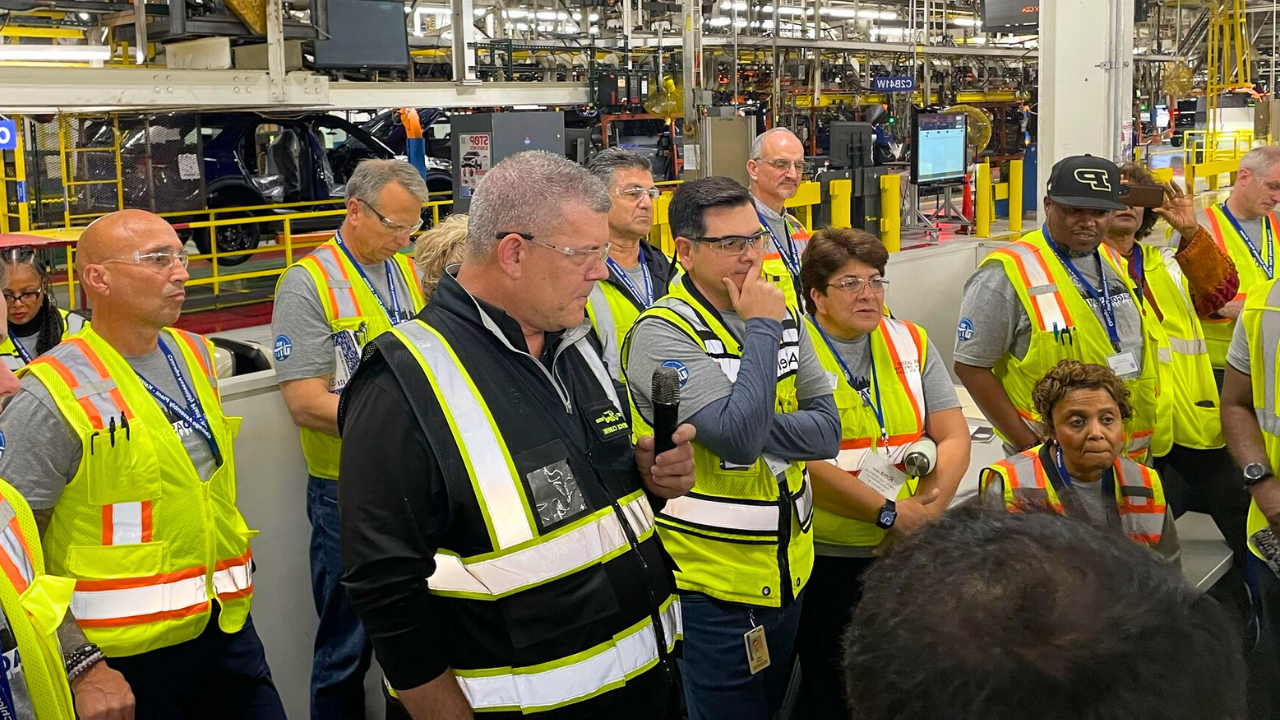
The GIANT Company announced plans to close five centralized e-commerce fulfillment centers across Pennsylvania by early 2026. This strategic decision affects more than 200 employees and signals a decisive shift away from dedicated warehouse operations.
The closures include facilities in Philadelphia, Willow Grove, Coopersburg, North Coventry, and Lancaster. Parent company Ahold Delhaize cited changing customer preferences for faster delivery and broader product selection.
Store-Based Fulfillment Emerges as Winning Model
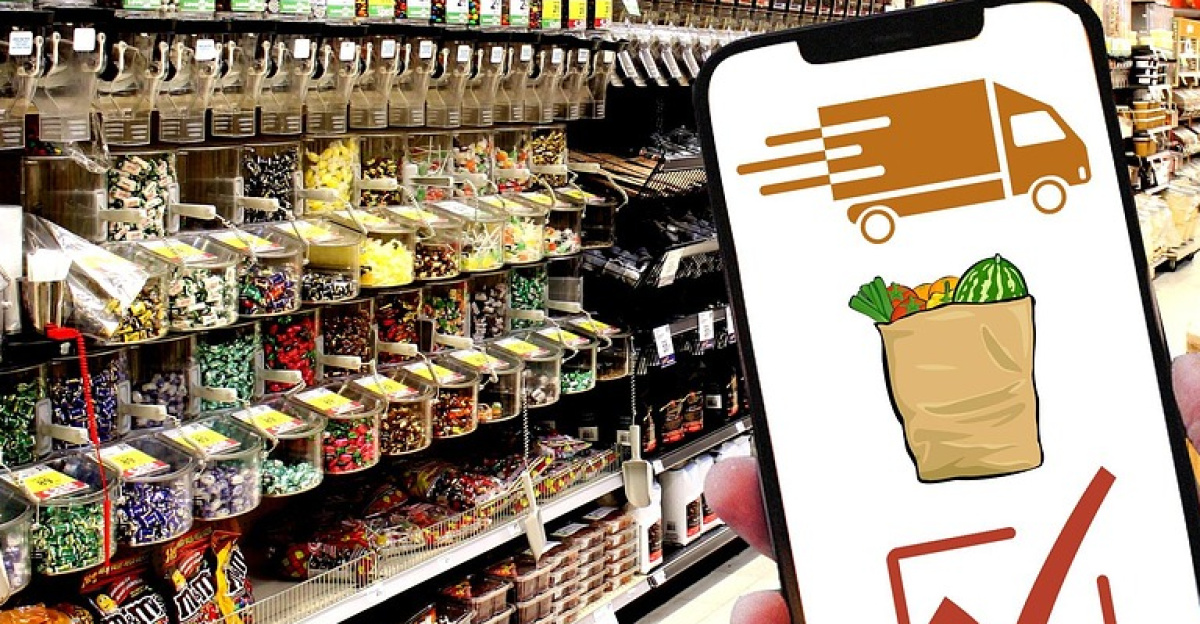
The company will transition to store-based order fulfillment, where employees pick groceries from individual supermarket locations rather than centralized warehouses. This approach enables one-hour delivery windows compared to previous multi-hour delays.
Customers can modify orders two to three hours before delivery instead of four to six hours previously. Third-party providers including Instacart and DoorDash will handle final-mile delivery.
Profitability Crisis Drives Industry-Wide Retreat
Grocery e-commerce fulfillment loses between seven to thirteen dollars per order using centralized operations. Labor costs represent the largest expense, with picking requiring approximately thirty minutes per thirty-item basket.
Warehouse hourly wages rose from fifteen dollars seventy-eight cents in 2023 to sixteen dollars ninety-five cents in 2024. Centralized facilities located outside metropolitan areas require longer delivery routes, increasing transportation costs significantly. Store-based fulfillment positions inventory closer to customers, eliminating expensive warehouse infrastructure and dedicated picking staff.
Kroger’s Massive $2.6 Billion Write-Down
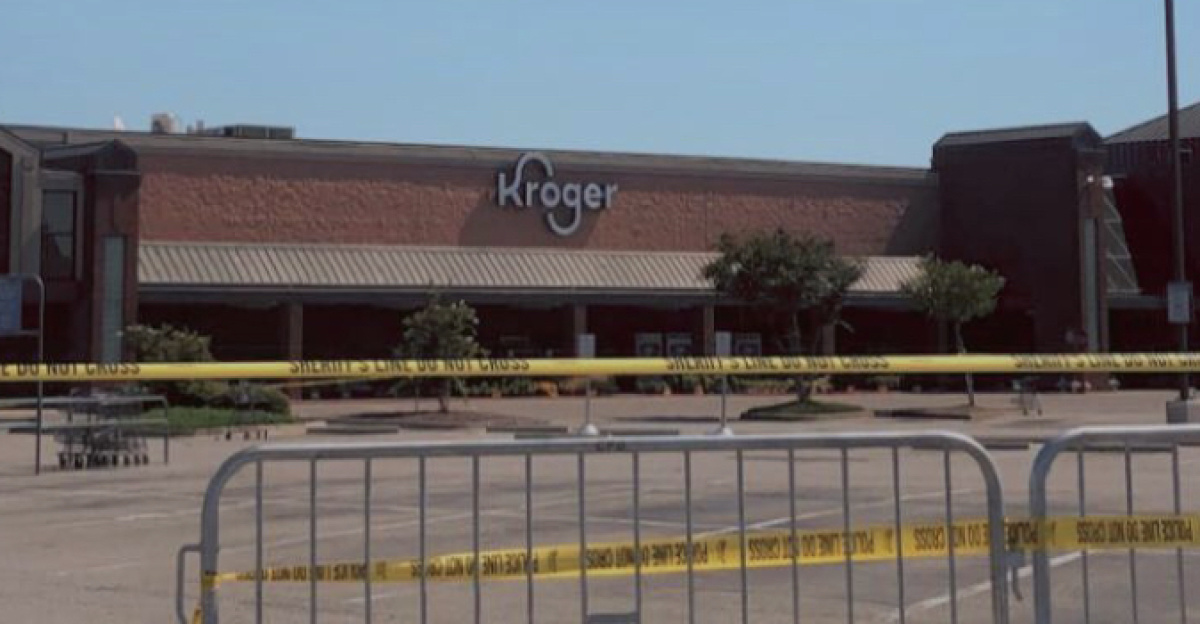
Kroger announced closure of nine fulfillment centers, including three Ocado-powered Customer Fulfillment Centers, affecting nearly 1,700 workers nationwide. The nation’s largest supermarket chain recorded a staggering 2.6 billion dollar impairment charge reflecting failed automation investments.
Three facilities operated barely eighteen months before closure despite massive capital requirements. The Pleasant Prairie, Wisconsin facility opened June 2022; Frederick, Maryland opened June 2023; Groveland, Florida opened June 2021. Kroger expects improved digital profitability of approximately four hundred million dollars in 2026 following these closures.
UNFI Distribution Network Consolidation
United Natural Foods Inc. is closing its Allentown, Pennsylvania facility in fiscal year 2026 following termination of its Key Food customer agreement. The closure eliminates seven hundred sixteen jobs, including one hundred seventy-two truck drivers.
UNFI has consolidated volumes from multiple distribution centers into remaining facilities across the Central U.S. region. The primary customer loss triggered the facility’s closure and broader network optimization efforts.
Ahold Delhaize’s Financial Impact and Strategic Direction
Ahold Delhaize USA expects to record fifty million dollars in non-cash impairment charges for facility closures. The company estimates thirty-five million dollars in charges for The GIANT Company’s five Pennsylvania closures and fifteen million dollars for Giant Food’s Manassas, Virginia facility.
Despite these write-downs, company leadership emphasizes that “e-commerce remains crucial to future omnichannel growth.” Online sales increased twelve point two percent at constant exchange rates during Q3 2025.
Online Grocery Sales Continue Robust Growth
U.S. online grocery sales reached ten billion dollars in July 2025, representing twenty-six percent year-over-year growth. Record household penetration reached approximately sixty-one percent of American households, encompassing around eighty-one million people.
All fulfillment methods—delivery, pickup, and ship-to-home—posted sales increases. Online grocery market penetration reached twelve point five percent in 2024 and is projected to reach thirteen point eight percent in 2025.
Global E-Commerce Market Expansion
The global food e-commerce market is projected to grow from 1.82 trillion dollars in 2025 to 5.3 trillion dollars by 2035. This represents compound annual growth of eleven point three percent across the decade.
North America remains innovation hub, with Walmart and Amazon dominating. Fresh food is expected to lead the market with fifty-five percent share in 2025. Mobile apps are anticipated to account for sixty percent of the platform segment, indicating technology’s growing importance.
Third-Party Delivery Partnerships Key to Strategy
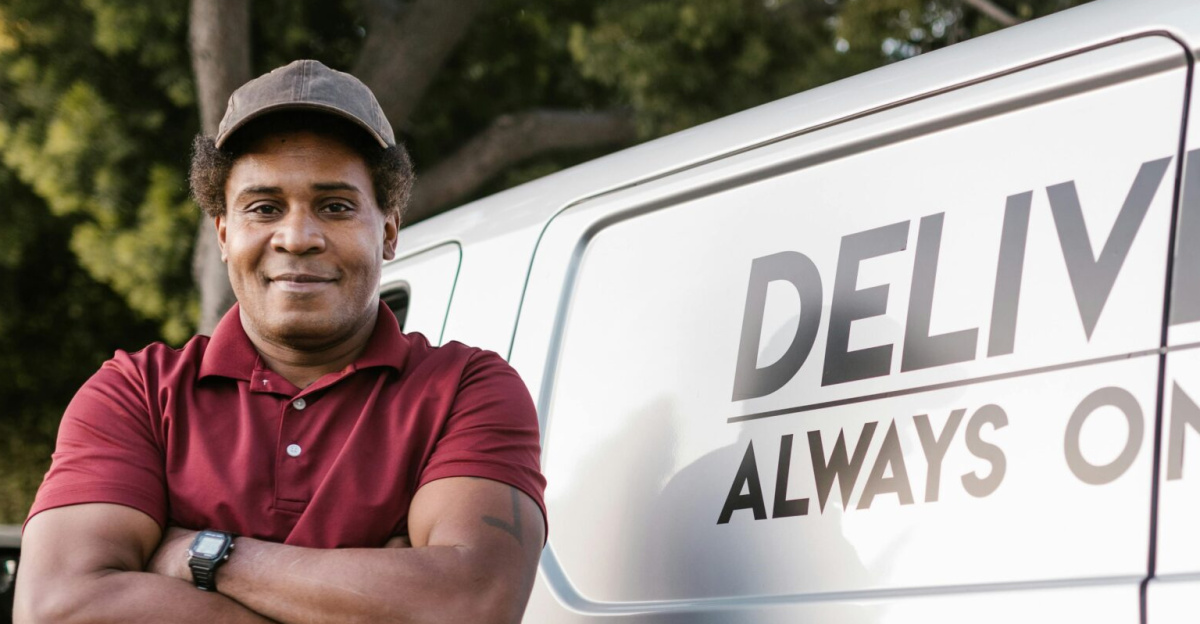
Ahold Delhaize will continue working with Instacart and DoorDash to handle delivery from stores under the new model. These partnerships offload capital requirements, fleet management complexity, and labor challenges associated with proprietary operations.
DoorDash recently expanded grocery partnerships with Dollar General, BJ’s Wholesale Club, and Raley’s. Both DoorDash and Instacart integrated ChatGPT functionality for shopping lists. Third-party delivery platforms provide variable cost structures that scale with demand rather than fixed fleet costs.
Pennsylvania Warehouse Sector Under Broader Pressure
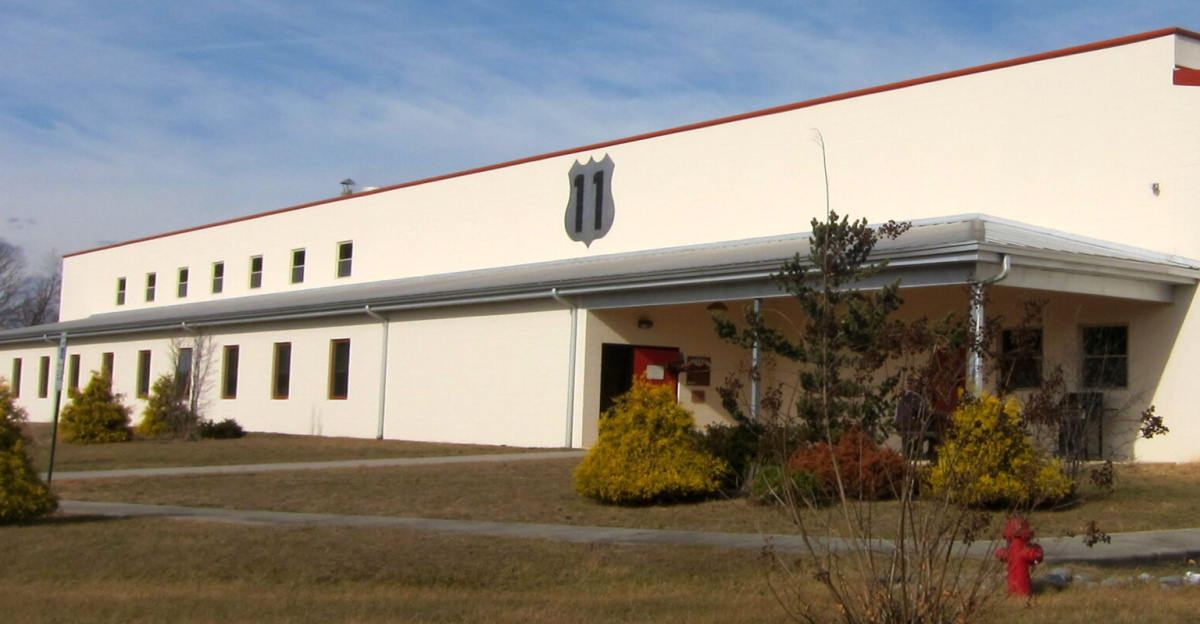
Beyond grocery fulfillment centers, Pennsylvania experienced multiple significant facility closures in 2025. Great Dane’s Elysburg plant cut approximately one hundred sixty-four jobs citing weak freight demand. S&S Activewear closed a York County distribution center eliminating one hundred twenty-eight jobs.
Snyder of Berlin potato chip manufacturing will shutter operations in February 2026, resulting in ninety-six layoffs.
Competitive Pressures on Regional Grocers
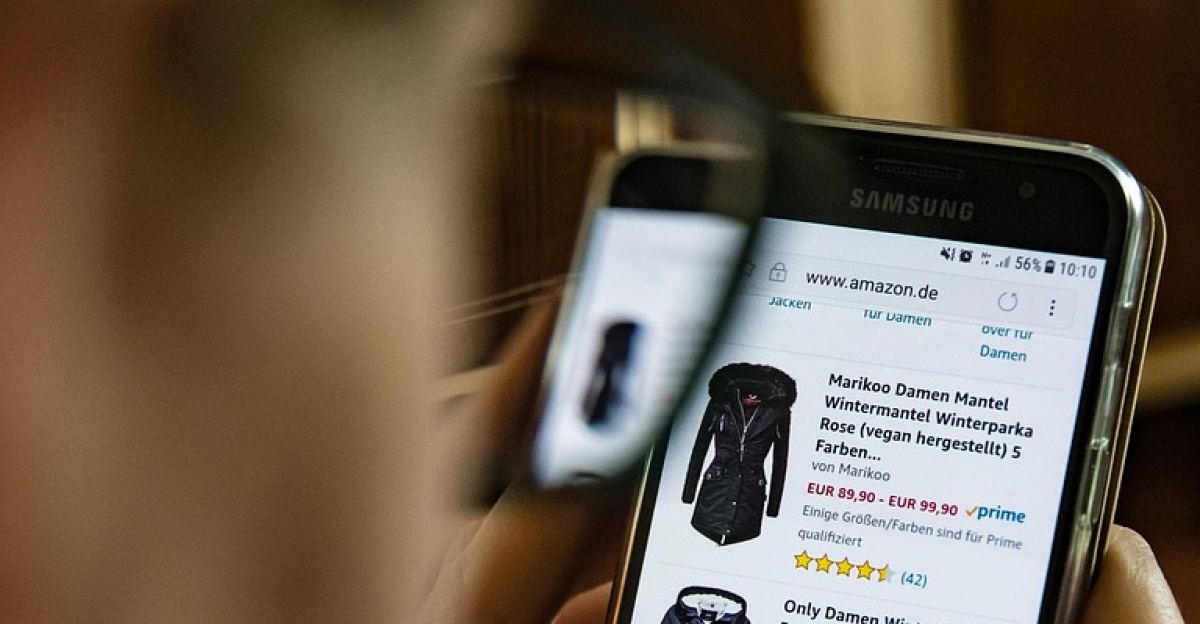
Regional grocery chains face intensified competition from mass retailers with sophisticated digital capabilities and deeper resources. Walmart and Amazon benefit from scale advantages, technology investments, and retail media networks subsidizing e-commerce operations.
Regional players must leverage customer data to create personalized offers and build loyalty. The GIANT Company operates one hundred ninety-three stores across Pennsylvania, Maryland, Virginia, and West Virginia. Store-based fulfillment leverages this existing footprint as competitive advantage against national rivals.
Ahold Delhaize’s Digital Momentum Continues
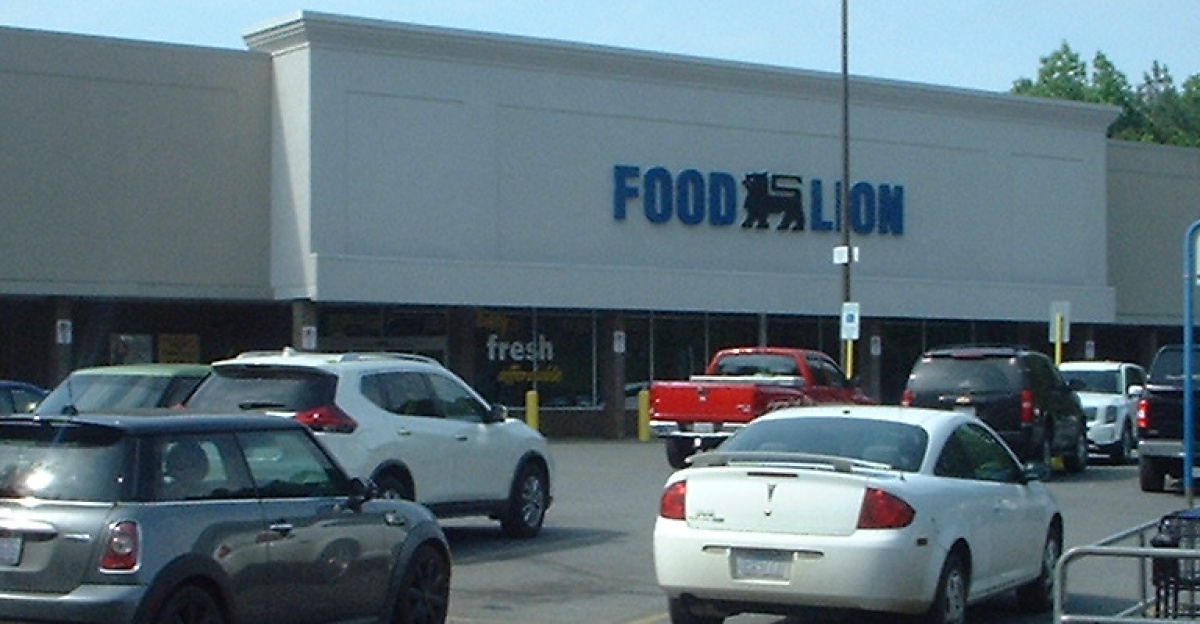
Food Lion, owned by Ahold Delhaize, posted its fifty-second consecutive quarter of comparable store sales growth. Digital sales at Food Lion increased almost forty percent in Q1 2025 compared to prior year. Online sales across Ahold Delhaize USA increased twelve point two percent in Q3 2025.
The company completed remodeling at approximately two hundred of Stop & Shop’s three hundred sixty locations. Technology improvements and PRISM platform deployment enabled faster omnichannel innovation across all U.S. brands.
Workforce Support and Legal Compliance

Ahold Delhaize filed Worker Adjustment and Retraining Notification notices with the Pennsylvania Department of Labor & Industry. Federal and Pennsylvania law require sixty days’ notice before plant closings affecting fifty or more employees.
The company committed to supporting affected employees through the transition. Displaced workers can apply for positions elsewhere within Ahold Delhaize’s portfolio including Stop & Shop, Food Lion, and Hannaford. GIANT Company’s extensive Pennsylvania footprint may provide relocation opportunities for affected fulfillment center employees.
Commercial Real Estate and Community Impact
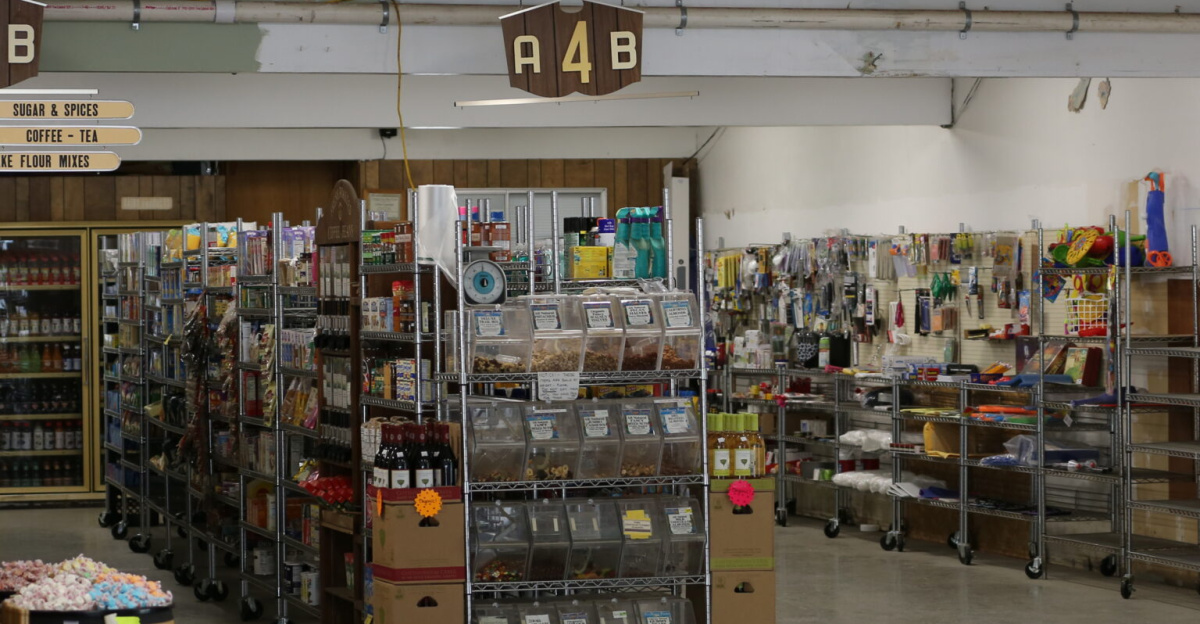
The closed facilities represent significant square footage and property values requiring repurposing or remarketing. Lancaster’s 235 N. Reservoir Street location operated as traditional grocery store before conversion to e-commerce fulfillment six years ago.
This suggests potential for reconversion to alternative retail or distribution uses. Local tax bases may feel temporary impacts from facility closures. However, Pennsylvania’s robust warehouse employment market with over thirteen thousand nine hundred postings indicates alternative opportunities exist for displaced workers.
Future Outlook: Selective Automation and Hybrid Approaches
The grocery industry’s retreat from centralized fulfillment centers demonstrates willingness to reverse course when operational realities diverge from projections. Kroger continues operating Ocado facilities in Ohio, Texas, Colorado, Michigan, and Georgia, with Phoenix location planned featuring new AutoFreezer technology.
Industry consensus favors hybrid approaches combining store-based picking with targeted automation in high-density urban markets. Online grocery penetration is projected to reach fifteen percent by 2026. E-commerce will remain central to grocery strategies despite fulfillment model changes.
Sources:
“PA Distribution Facility to Close This Week,” PennLive Business, December 2025.
“Giant Food and The Giant Company to Shutter Centralized E-Commerce Centers,” Grocery Dive, December 17, 2025.
“Giant Company Closing Five Pennsylvania Fulfillment Centers,” Yahoo Finance, December 18, 2025.
“United Natural Foods to Close Pennsylvania Warehouse, Lay Off 716,” BizJournals Philadelphia, June 10, 2025.
“Kroger Cancels Plans for Additional Automated Fulfillment Centers, Closes Nashville Spoke,” Supply Chain Dive, December 9, 2025.
“Job Openings and Labor Turnover — Pennsylvania,” U.S. Bureau of Labor Statistics, August 2025.