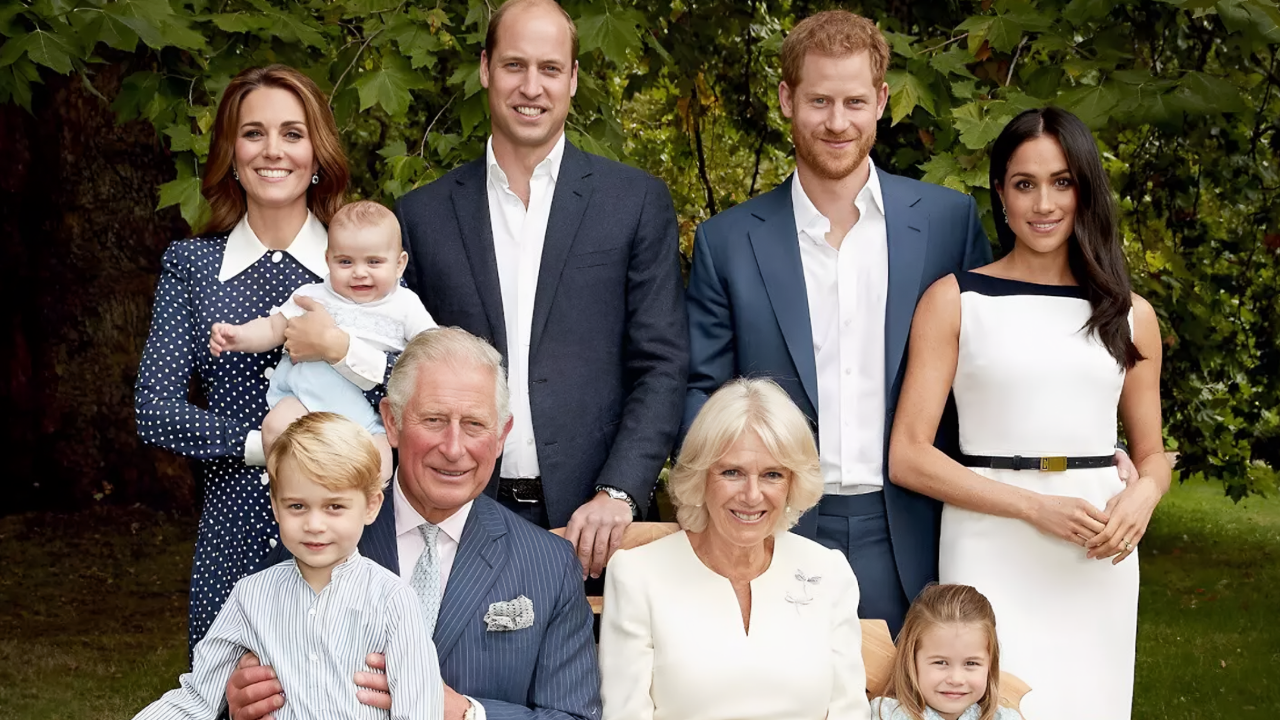
Britons face rising bills for food, energy, and housing, yet the royal family’s public funding has jumped sharply. The Sovereign Grant, which taxpayers provide for official royal duties, rose 53% to £132.1 million ($172 million) for 2025-26. This marks the highest amount ever, fueled by profits from renewable energy projects.
The increase, 326% above 2012 levels, pays for staff wages, travel, palace repairs, and public events. As economic pressures mount, this surge highlights tensions between public money and royal finances, raising questions about fairness and openness.
How the Sovereign Grant Works

The Sovereign Grant ties directly to profits from the Crown Estate, a vast £15 billion ($19.6 billion) collection of properties owned by the state. This includes city buildings, farmland, and rights to the seabed. In 2024-25, the estate earned £1.1 billion ($1.4 billion) in profits, and the royals received 12% of that as their grant. Offshore wind farms drove much of this growth, with six new projects adding revenue while supporting the UK’s green energy goals.
After the grant payment, extra profits return to the government Treasury. Critics argue this setup lets public assets benefit the monarchy directly. The estate stays under state control, but the link between its earnings and royal funds stirs debate over who truly gains from these national resources.
Private Estates Boost Royal Incomes
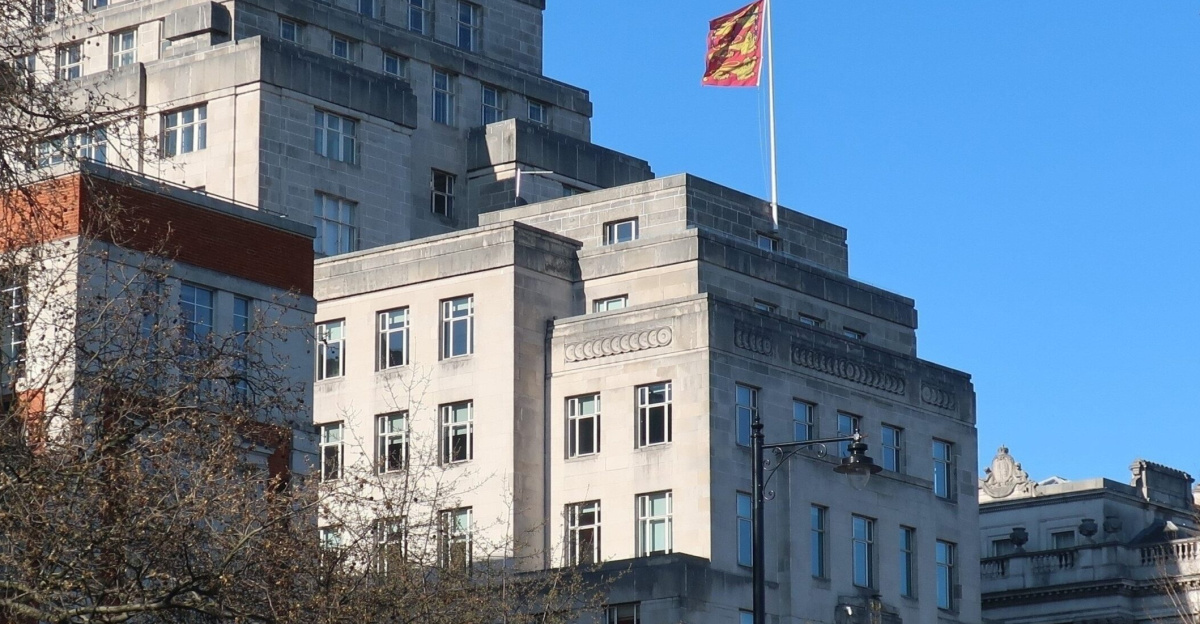
King Charles earns key personal income from the Duchy of Lancaster, a 18,000-hectare estate worth £679 million ($886 million). It generated £24.4 million ($32 million) in profits for 2025 from farms, homes, and businesses. Prince William relies on the larger Duchy of Cornwall, covering 52,000 hectares and valued at £1.1 billion ($1.4 billion). That estate brought in about £23.6 million ($31 million) in 2024-25.
These ancient holdings together produce roughly £48 million ($62 million) each year for the King and his heir. Unlike regular companies, the duchies avoid corporation tax. The royals choose to pay income tax on profits voluntarily, but they do not reveal exact figures. This lack of detail fuels concerns about tax accountability in public eyes.
Tourism Gains and Tax Advantages
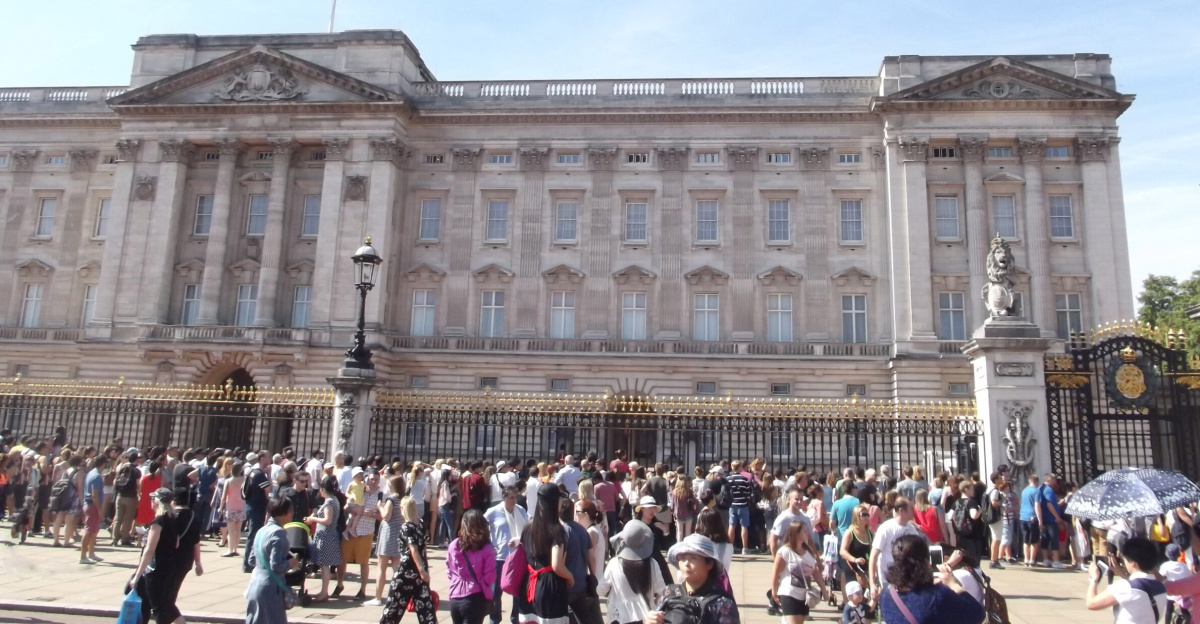
Tourist visits to Buckingham Palace generated £21.5 million ($28 million) in 2024-25 from tickets to its state rooms and royal collections. The palace belongs to the nation, so these earnings go to the royals. Meanwhile, taxpayers cover a £369 million ($481 million) refurbishment project set to last 10 years.
The family enjoys other breaks too. When Queen Elizabeth II died, King Charles inherited her estate without the 40% inheritance tax that hits most people, thanks to a special “sovereign-to-sovereign” rule. Royals carried out 1,900 official engagements in 2024-25, with the Sovereign Grant funding security and travel linked to those duties. These perks blend public service with significant financial shields.
Unseen Costs and Growing Scrutiny
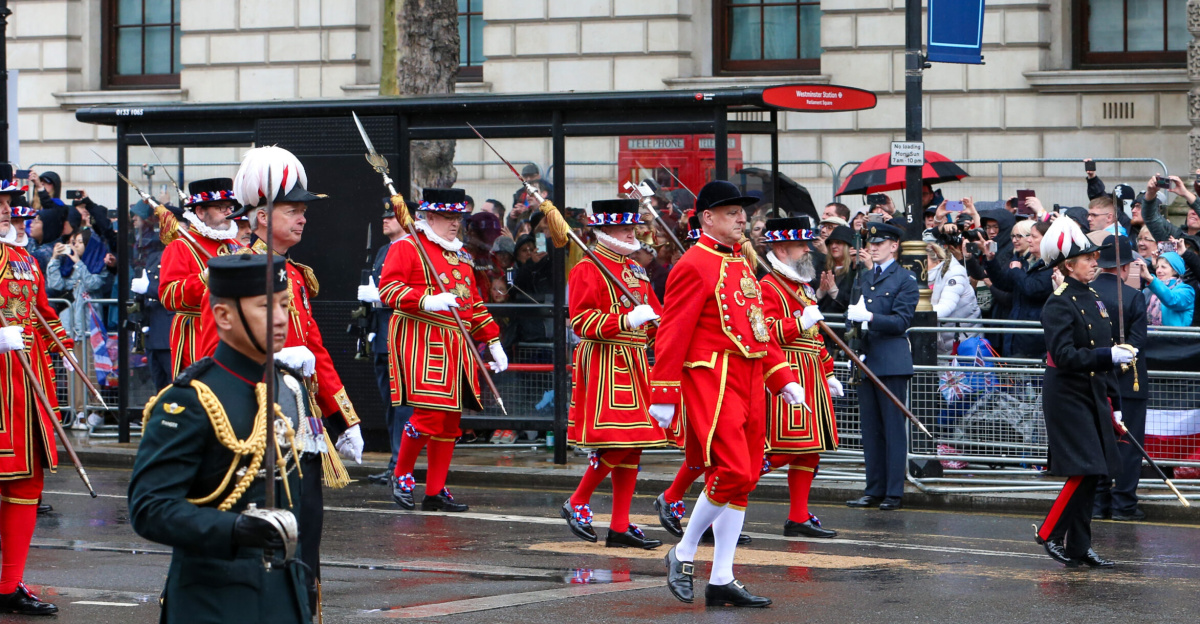
The Sovereign Grant grabs headlines, but full royal expenses run much higher. Campaigners against the monarchy estimate total yearly costs at £510 million ($665 million), including security, policing, and one-off events. These cover Queen Elizabeth II’s £162 million ($211 million) funeral and King Charles’s £72 million ($94 million) coronation.
Such costs pull from wider government budgets without full breakdowns. Official duties mix public value with ceremony, leaving taxpayers to foot hidden bills. Overall, grants, duchies, and tourism bring the royals more than £200 million annually. As questions grow over secret deals, like those involving Prince Andrew, and opaque taxes, pressure builds for clearer reporting. In tough economic times, many ask if this age-old system still fits modern Britain.
Sources:
Sovereign Grant Act 2011: Report of the Royal Trustees on the Sovereign Grant Review 2025-26, March 20 2025
Crown Estate Annual Report 2024-25, June 2025
Duchy of Lancaster Annual Report 2025, July 2025
Duchy of Cornwall Annual Report 2024-25, July 2025
Republic.org.uk Sovereign Grant Analysis, April 3 2025
Statista UK Sovereign Grant Trends, September 8 2024