
When Rad Power Bikes filed for Chapter 11 bankruptcy protection on December 15, 2025, it marked a stunning reversal for North America’s once-dominant electric bicycle brand. The Seattle-based company that reached a $1.65 billion valuation just 4 years earlier now lists $72.8 million in liabilities against only $32.1 million in assets.
From explosive pandemic-driven growth to inventory crisis to safety failures to tariff pressure, this story shows how temporary demand spikes can mislead even well-funded companies. That arc starts with a teenage inventor in 2007.
A Teen Build Sparks A Massive Brand
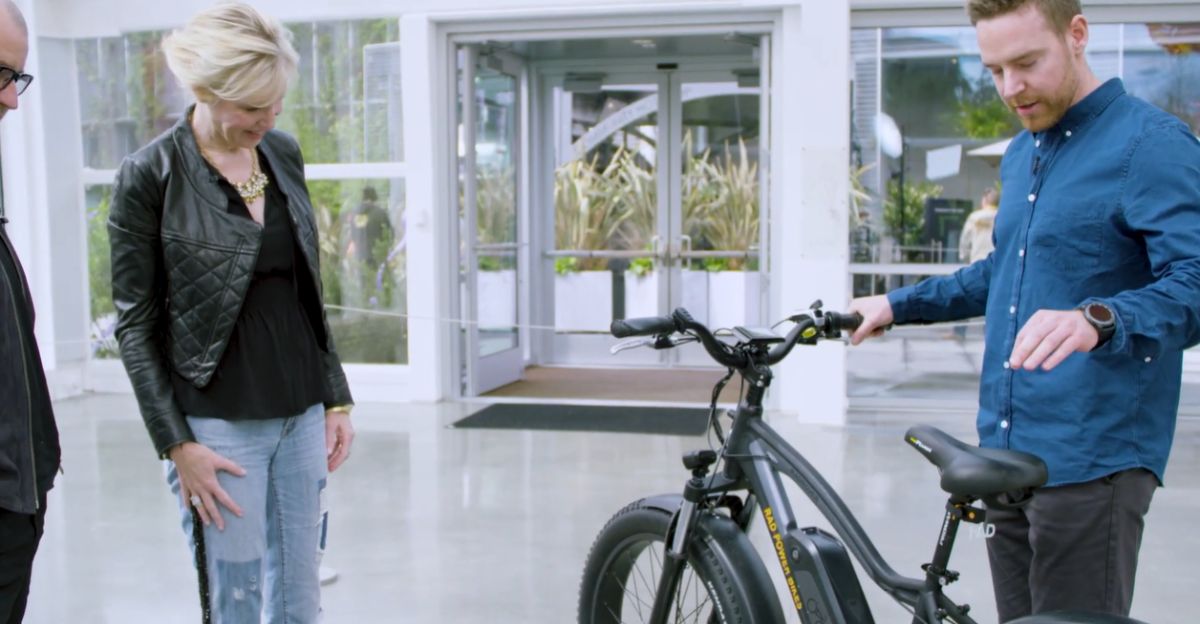
Mike Radenbaugh built his first e-bike in 2007 at age 15. By 2021, his company was valued at $1.65 billion and had raised $329 million from investors including Fidelity and Morgan Stanley. Just 4 years later, Rad Power Bikes filed for Chapter 11 with $40.7 million in negative equity. The details show how fast momentum can flip.
Many Problems Collide At Once
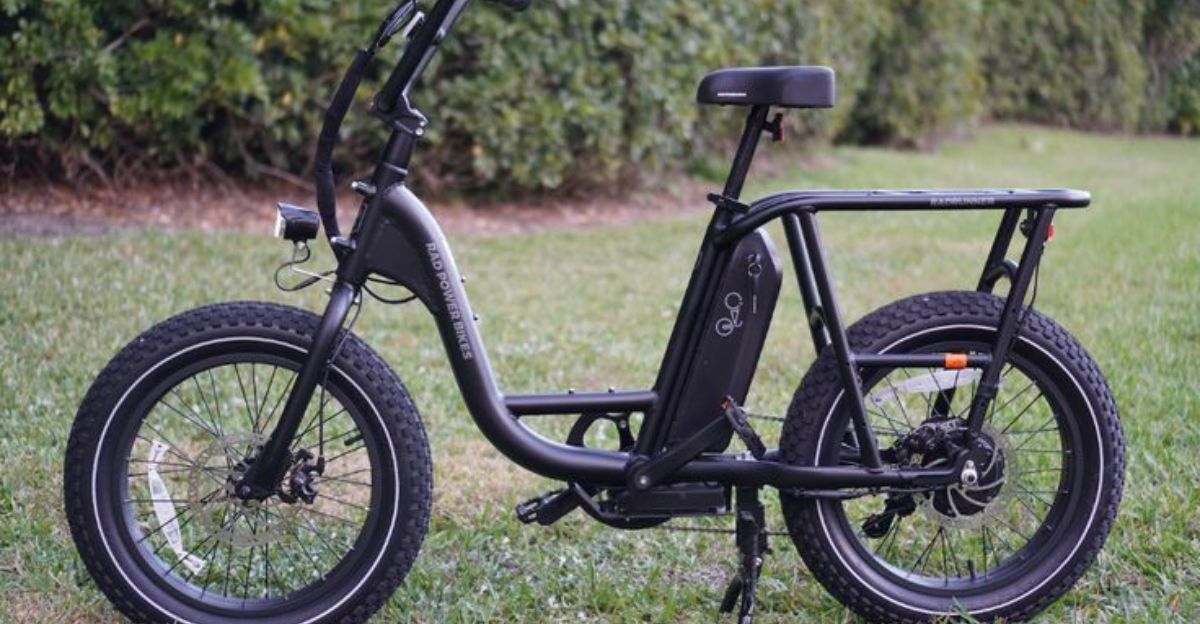
Rad Power Bikes did not collapse from 1 crisis. Pandemic demand that spiked 297% in May 2020 reversed as lockdowns ended. Aventon gained share, tariffs on Chinese imports hit 55% by 2025, and the CPSC warned about battery fires. Leadership cycled through 4 CEOs in 3 years. Together, revenue fell 52% from $129.8 million in 2023 to $63.3 million year-to-date 2025, and the earliest warning signs were easy to miss.
Lockdowns Turn E-Bikes Into Gold

In March 2020, lockdowns drove e-bike demand skyward as people sought outdoor exercise and alternatives to transit. Rad Power Bikes reported demand surged 297% in May 2020 versus May 2019. It expanded to over 600 employees, chartered private cargo ships, and scaled imports from Asia. Investors followed, valuing Rad at $1.65 billion in October 2021. Few asked whether demand would normalize.
“We Only Made One Error”
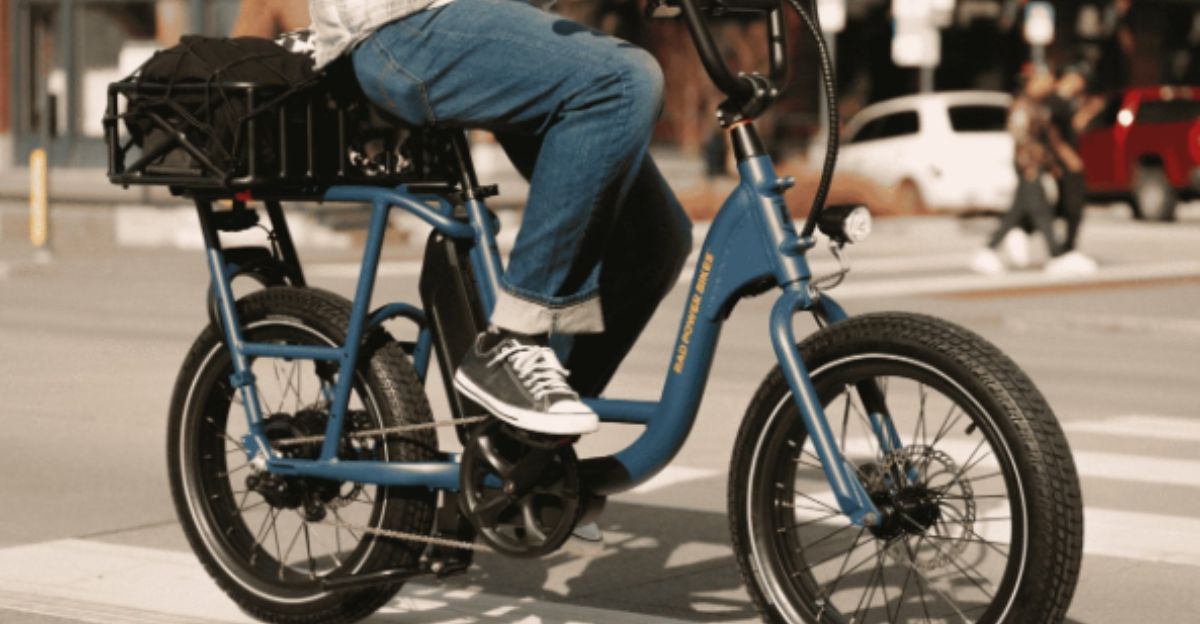
“We only made one error—being overly optimistic that Rad’s growth path would never end,” Leah Hinkins later reflected. Rad doubled its workforce, expanded production, and built costs around perpetual growth. By summer 2022, demand had slowed sharply. “Prices and profit margins declined, impacting Rad—and everyone else in the space,” she said. Inventory became an anchor, and the timeline tightened faster than expected.
The Demand Cliff Arrives In 2022
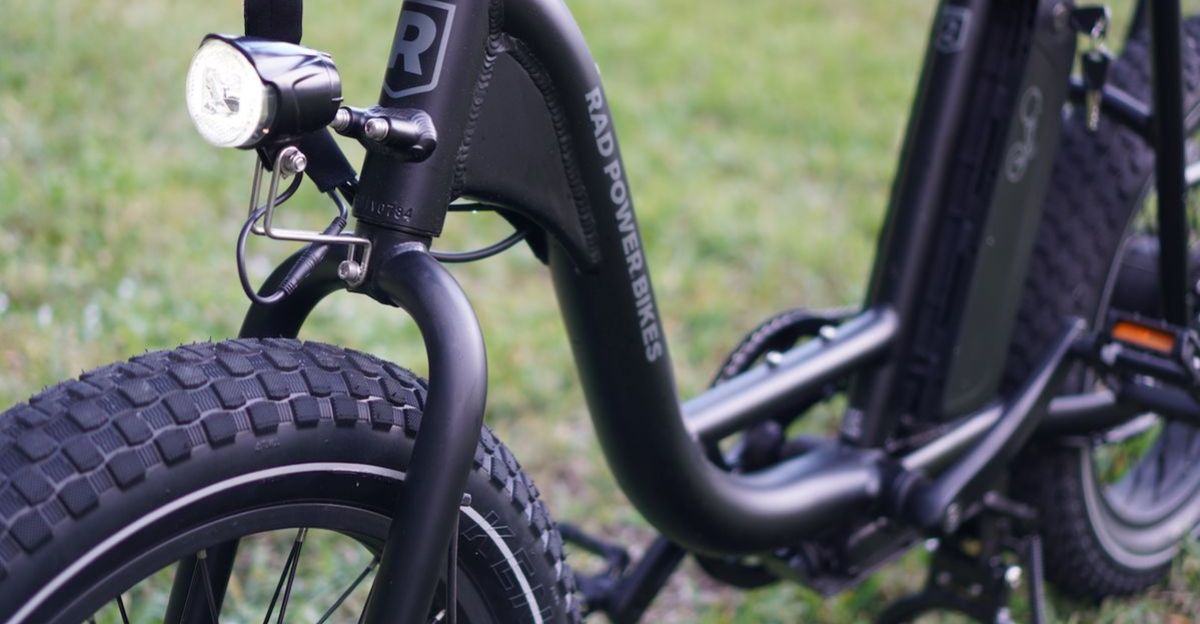
By mid-2022, demand cratered as lockdown purchases tapered off and routines normalized. Rad’s inventory, once a growth asset, became a liability, with 6-18 months of unsold stock depending on category. Industry-wide discounting crushed prices and margins. Rad’s cost structure could not keep up. Revenue fell from $129.8 million in 2023 to $103.8 million in 2024, then to $63.3 million year-to-date 2025. Could rivals handle the same storm better?
Rivals Pass Rad In The Fast Lane
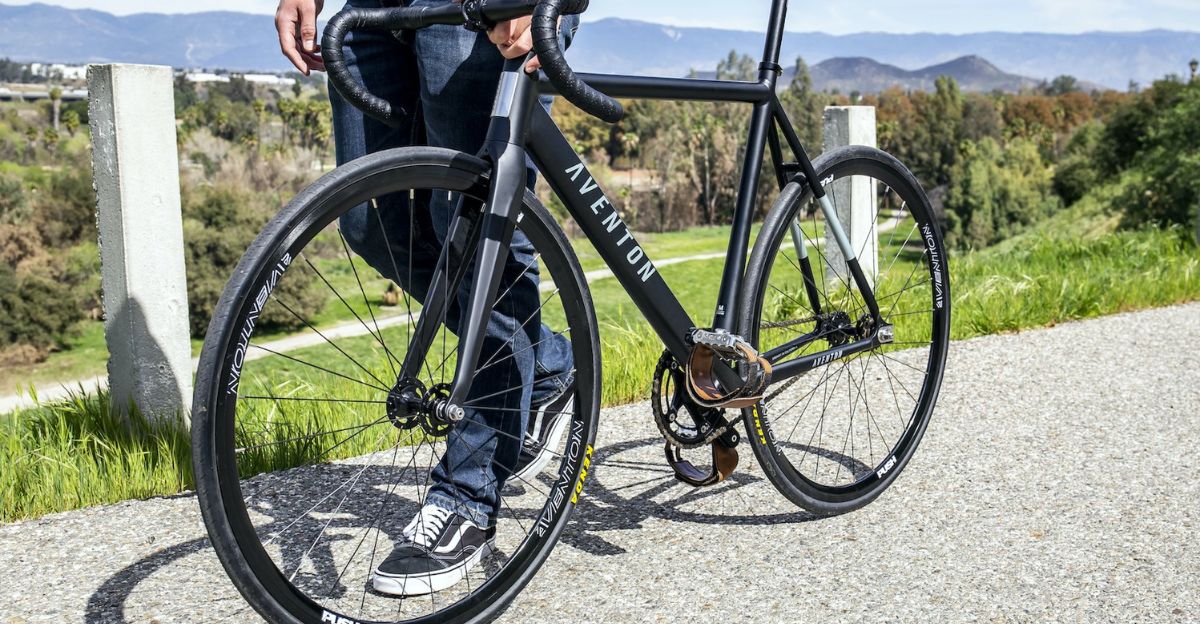
Aventon matched the direct-to-consumer playbook with tighter operations. By late 2025, Aventon captured 25% of the North American e-bike market and surpassed Rad as leader. Trek and Specialized pushed into e-bikes using retail networks Rad lacked. Rad’s pivot, including a September 2024 plan for 150 Best Buy locations, arrived late and drained focus while cash bled from discounting. Then a safety alarm changed everything.
Fire Warnings Trigger A Breaking Point
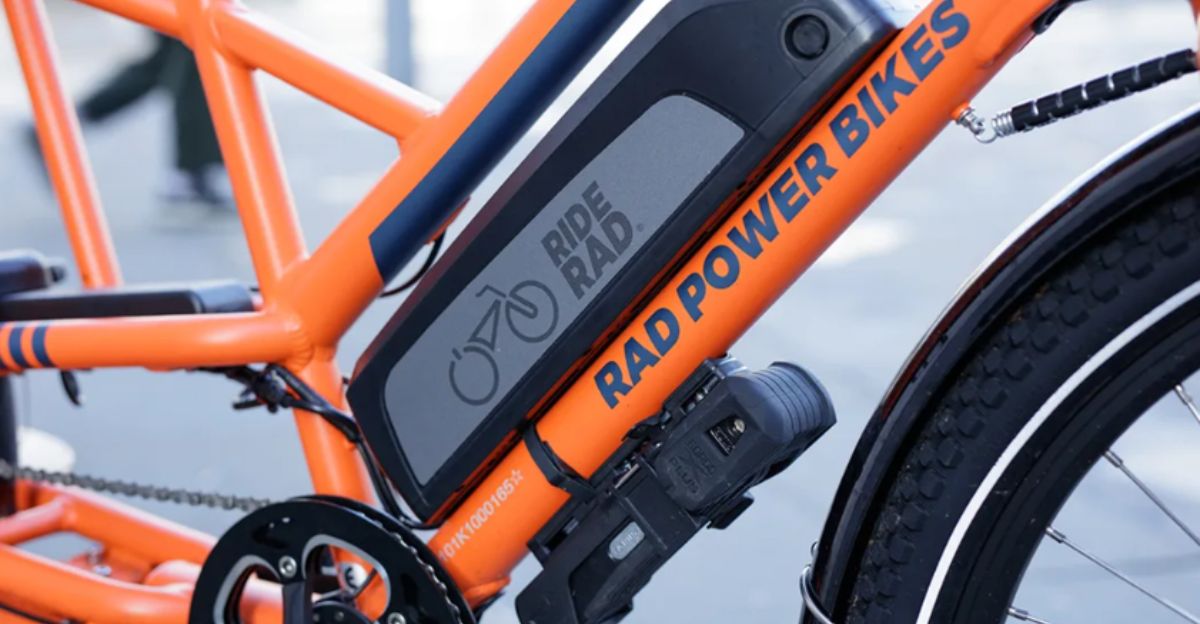
In late November 2025, the CPSC issued an urgent warning about fire hazards in certain Rad Power Bikes batteries. It cited 31 incidents and 12 property-damage cases totaling about $734,500. Some fires happened when bikes were not charging or in use. Rad refused a comprehensive recall, arguing replacement costs exceeded total assets. Its statement was blunt: “Rad’s demand to replace all batteries, regardless of condition, would immediately put Rad out of business.” How could any company survive that choice?
“We Cannot Afford This Recall”
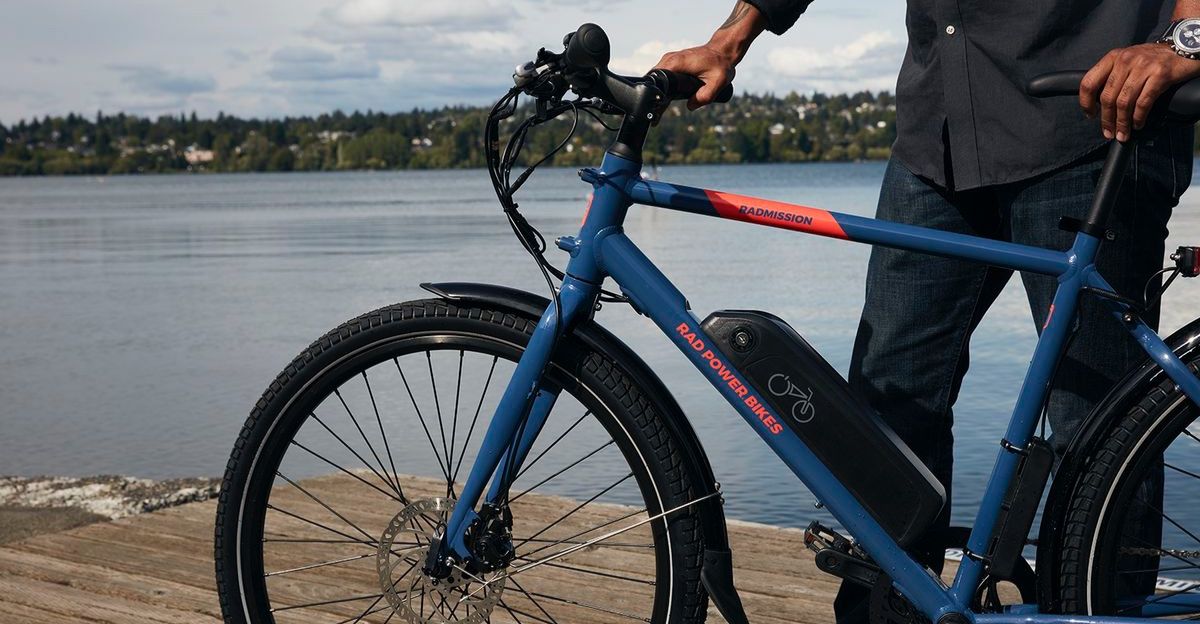
Rad told regulators: “Rad Power Bikes has indicated to CPSC that it is unable to offer replacement batteries or refunds to all consumers” due to finances. It proposed targeted replacements and advisory programs, but the CPSC rejected them. Facing compliance that meant immediate insolvency or defiance risking enforcement, Rad chose Chapter 11 to seek court protection while pursuing a buyer who could take on liabilities and finish recall work. The filing numbers explain why.
The Bankruptcy Math Leaves No Room
The petition showed liabilities of $72.8 million versus $32.1 million in assets, creating $40.7 million in negative equity. The biggest unsecured creditor was U.S. Customs and Border Protection, owed $8.4 million in disputed tariffs. Bangkok Cycle Industrial was owed $5.4 million, Jinhua Vision Industry $1.4 million, and Fuji-TA Fushida Group $1.2 million. Cash of $6.7 million meant about 2 months of runway, and tariffs helped squeeze it shut.
Tariffs Turn A Crisis Into A Trap
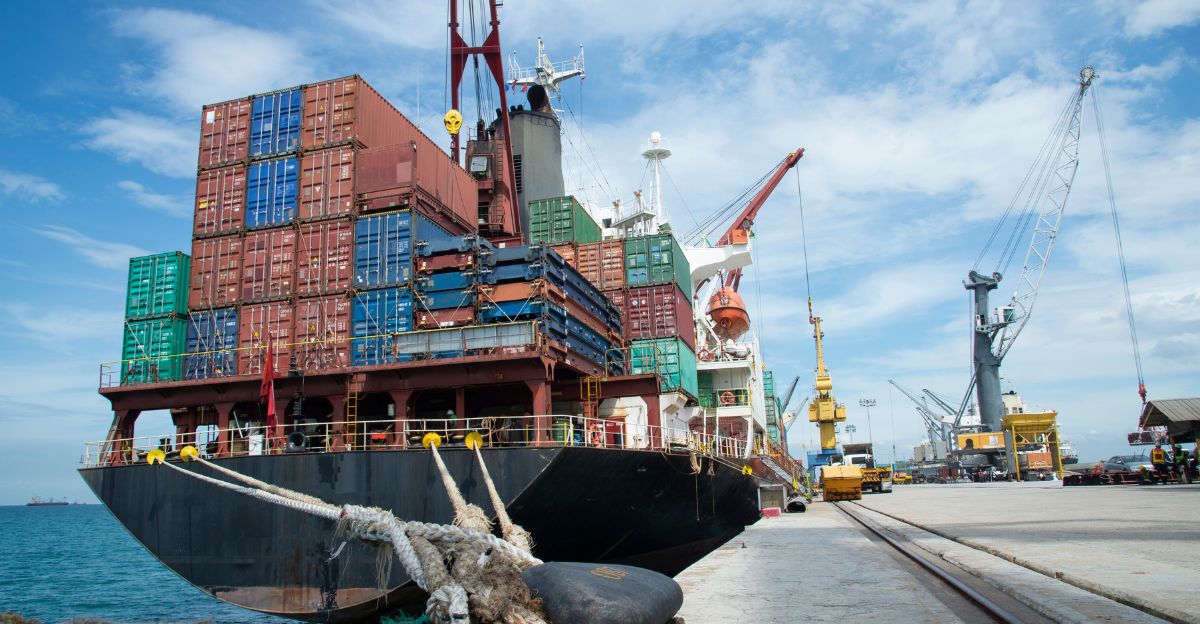
By 2025, tariffs on China-made e-bikes reached 55%, combining an 11% base duty with 25% Section 301 and additional reciprocal tariffs. Rad, sourcing mainly from China and Vietnam, faced costs competitors could sometimes avoid. The $8.4 million tariff dispute reflected real cash pressure at the border. Tariffs were not the root cause, but as liquidity collapsed, even modest added costs became fatal. So what did leaders try to change?
Leadership Whiplash During The Worst Moment
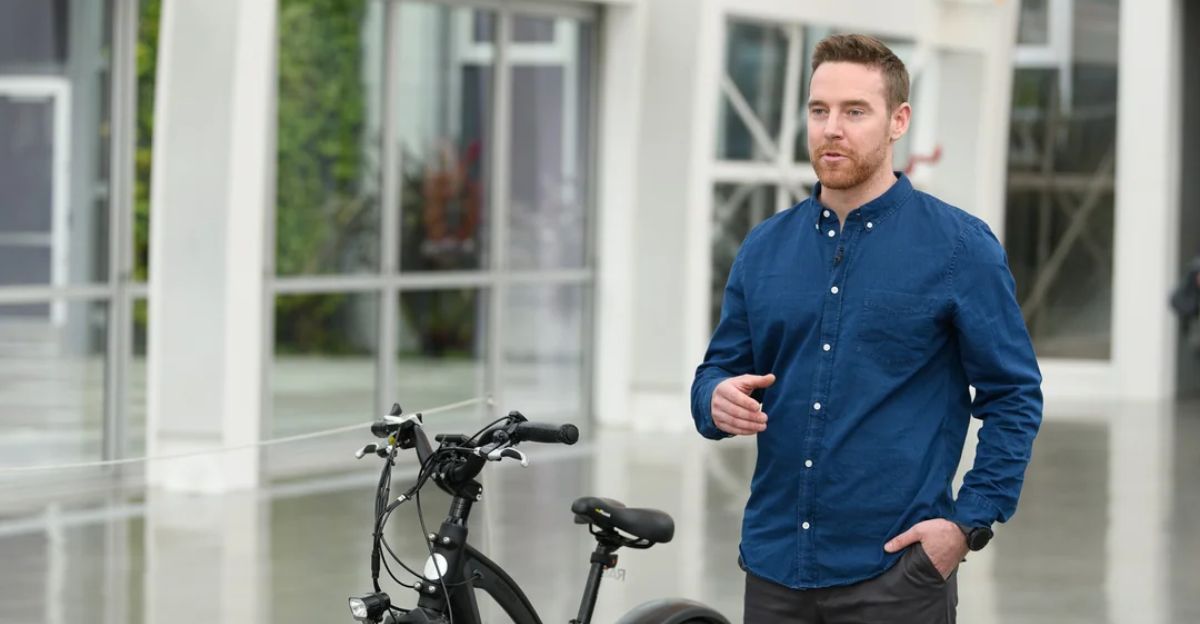
Founder Mike Radenbaugh stepped down as CEO in 2022. Phil Molyneaux led from 2022-2025, then Kathi Lentzsch took over in March 2025 and lasted 6 months. CFO Angelina Smith became CEO in December 2025, weeks before the filing. Each transition consumed focus when continuity mattered most. The September 2024 Best Buy push expanded complexity as margins and cash worsened. What do the revenue lines show about the slide?
The Revenue Slide Speeds Up Fast
Revenue went from $129.8 million in 2023 to $103.8 million in 2024, down 20%. Year-to-date 2025 revenue through December 15 was $63.3 million, an annualized $76-78 million, down 26% from 2024. Overall, revenue fell 52% from peak 2023 levels to the 2025 trajectory. Analysts suggested roughly $40 million in annualized operating losses, burning $3-4 million monthly. With that pace, the next signal was impossible to hide.
WARN Notices Quietly Tell Workers The Truth

In early November, Rad issued WARN notices to 64 Seattle employees, with potential terminations effective January 9, 2026. The notice warned the company “could shut down if additional funding is not secured.” That admission spooked creditors and customers, complicated partnerships, and pushed employees to leave, accelerating disruption. It also highlighted how little time remained for rescue financing. What was Rad telling the public as the filing landed?
“We Are Not Giving Up”
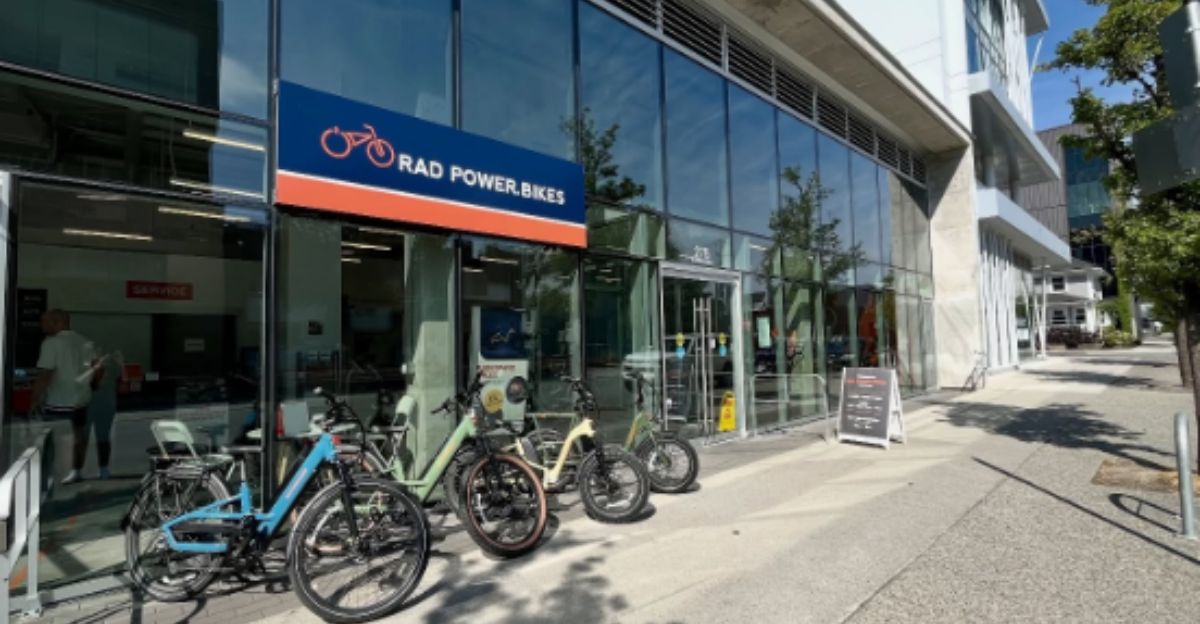
With the December 15, 2025, filing, a spokesperson said: “We are not giving up. We remain deeply committed to our customers and community, and we are focused on doing everything we can to strengthen the future of the Rad brand.” Rad framed Chapter 11 as “part of a process to complete a sale of the company within the next 45-60 days” while operating normally. It aimed to preserve ties with “riders, vendors, suppliers, and partners.” But was Rad’s collapse really unique?
A Wider Bike Bust Hits Many Brands
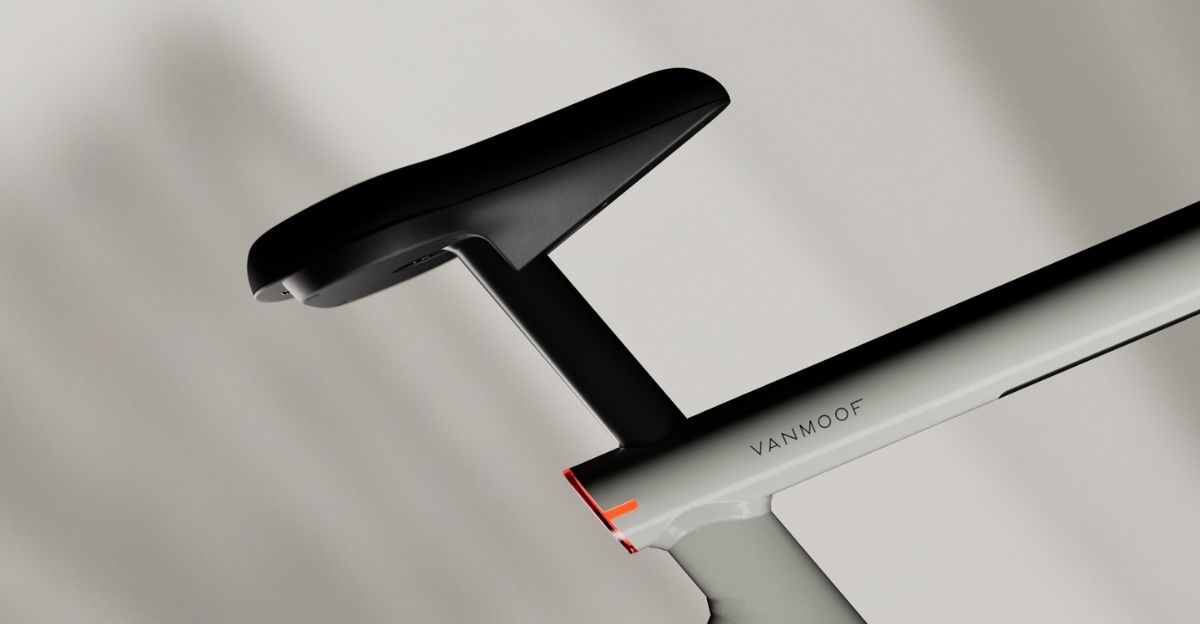
Rad was not alone. VanMoof went bankrupt in July 2023 after raising €62 million ($65.0 million). Juiced Bikes filed in 2024, and CAKE filed in 2024. Plus Niner, Orange, Wiggle/CRC, and others failed or restructured. Giant’s profits fell 45% in 2023, Campagnolo posted €24 million ($26.6 million) in losses, and Shimano’s operating profits weakened in 2025. One report concluded: “Few sectors of the economy have experienced such a massive downturn in recent times as the bicycle industry.” Could Rad have avoided the same fate?
Four Survival Rules Rad Missed
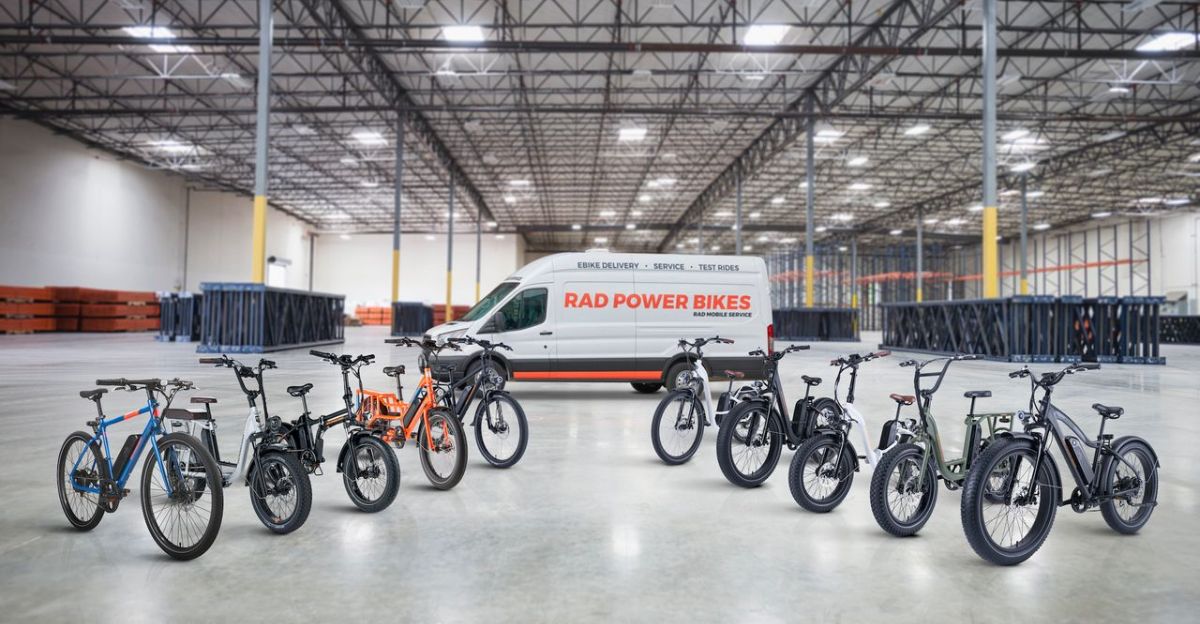
Analysis suggests survivors kept tighter inventory discipline, protected flexibility to cut costs fast, held stronger cash reserves, and adjusted distribution before crisis hit. Rad failed on all 4: it over-committed to inventory, built inflexible overhead, spent expansion capital without enough reserves, and pivoted retail too late to matter. An insider put it plainly: “It’s strange that companies like this can’t sustain themselves without massive cash injections. It seems fundamentally unsustainable.” So what does Chapter 11 actually change?
Chapter 11 Can Keep The Lights On
Chapter 11 allows continued operations under court supervision while debts are reworked, unlike Chapter 7 liquidation. Rad’s voluntary filing lets it keep selling and servicing bikes while pursuing restructuring. It wants a sale within 45-60 days, targeting late January or early February 2026. Bird Global’s December 2023 Chapter 11 ended in a court-supervised asset sale within 4 months, with assets bought by Third Lane Mobility Inc., showing bankruptcy can reset a business. But what if Rad cannot find a buyer?
The Liquidation Outcome Customers Fear
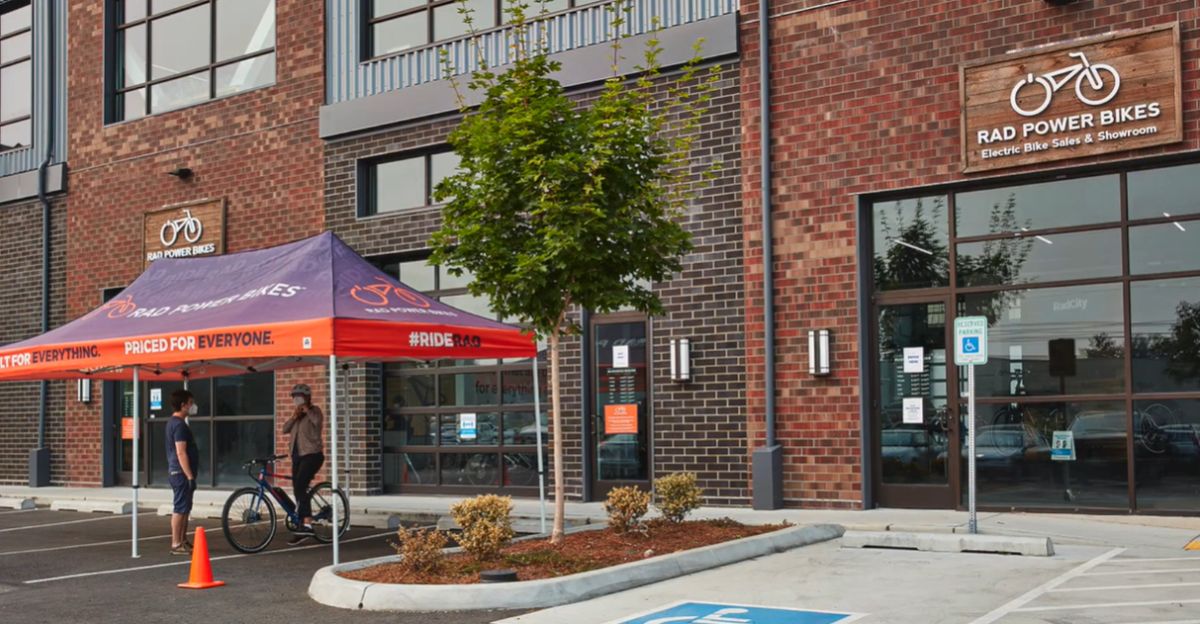
If no sale closes in 45-60 days, liquidation becomes likely. Inventory would be dumped at deep discounts, intellectual property auctioned, and service contracts abandoned. Proceeds are typically lower than a going-concern sale, leaving secured creditors limited recovery and unsecured creditors nothing. Employees would be terminated without severance, and customers could lose warranty support. Still, Rad’s brand has value with over 680,000 customers globally and a meaningful patent portfolio. What does this say about pandemic-era investing?
When Venture Capital Bets On Forever Growth
Rad raised $329 million, and the October 2021 Series D pushed valuation to $1.65 billion, backed by Fidelity, T. Rowe Price, Morgan Stanley, and others. Those rounds assumed pandemic-era demand would hold. The venture model rewards scaling and share capture more than resilience, encouraging bigger footprints and higher fixed costs. When demand reversed, the largest structures broke first. That $1.65 billion equity value vanished because it relied on projections that never arrived. So does this collapse change the e-bike market outlook?
The Market Still Grows, But Reality Wins
Even with Rad’s bankruptcy and sector consolidation, e-bikes still have durable growth drivers. The global e-bike market hit $61.89 billion in 2024 and is projected to reach $113.64 billion by 2030, a 10.3% CAGR. The U.S. market was $2.2 billion in 2024 and is expected to reach $4.5 billion by 2034. Policy support, urbanization, aging riders, and better batteries remain tailwinds. The difference now is that winners will be disciplined, not just fast, and Rad’s outcome shows the cost of confusing a spike for a baseline.
Sources
Rad Power Bikes Chapter 11 Bankruptcy Petition Filing. U.S. Bankruptcy Court for the Eastern District of Washington, December 15, 2025
Consumer Product Safety Commission Warning: Lithium-Ion Batteries for Rad Power Bikes E-Bikes Fire Hazard. CPSC, November 2025
Rad Power Bikes Files for Chapter 11 Bankruptcy Protection. Bicycle Retailer and Industry News, December 16, 2025
Rad Power Bikes’ Biggest Unpaid Bill is $8.3M to U.S. Customs, as Tariffs Squeeze the Industry. GeekWire, December 2025
Rad Power Bikes Files for Chapter 11 Bankruptcy Protection. Cycling Weekly, December 16, 2025
Anatomy of a Bike Industry Collapse. Money in Sport, December 2025