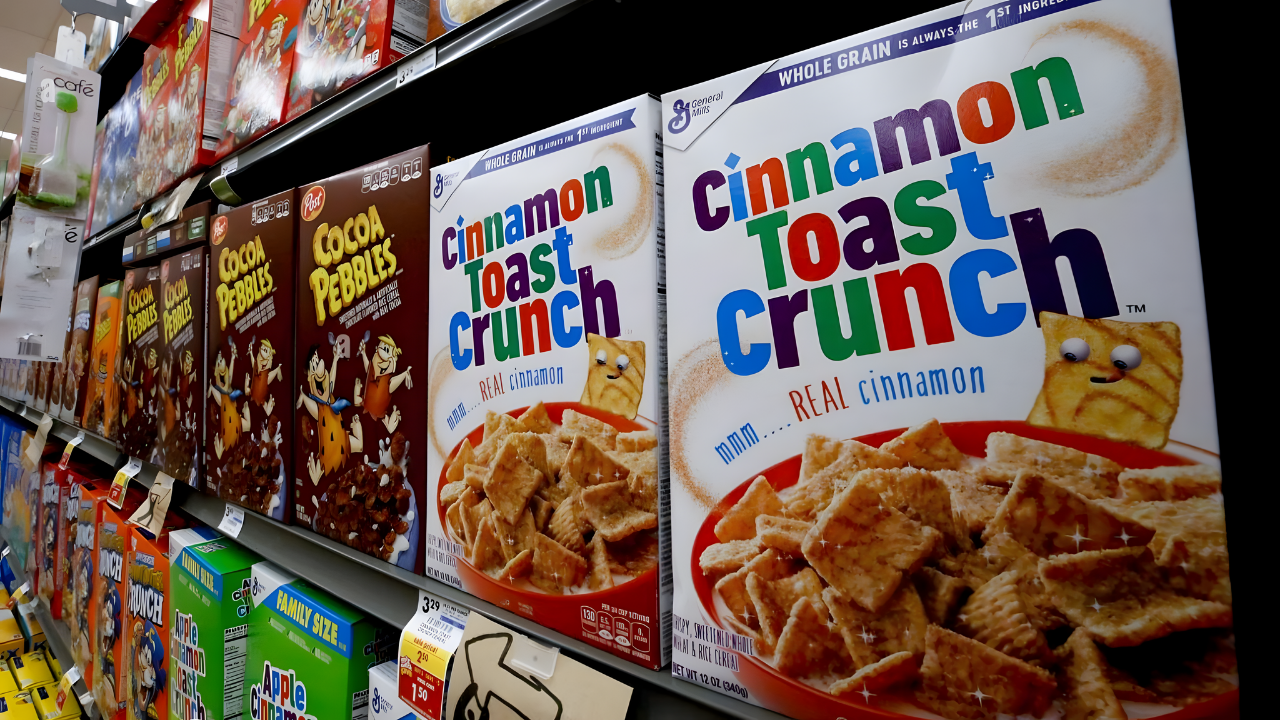
In a surprising turn of events, General Mills reported revenues of $4.86 billion for its second fiscal quarter, surpassing Wall Street’s expectations of $4.78 billion. Yet, the company’s stock fell nearly 3% after the announcement, hinting at underlying issues. CEO Jeff Harmening acknowledged a significant shift in consumer behavior: there is a newfound resistance to premium pricing despite an uptick in sales volume.
This shift has necessitated an increase in discounts and promotional spending, which has adversely affected profit margins. The Minneapolis-based food giant, known for brands such as Cheerios and Pillsbury, is winning the sales battle but losing the profit war as consumer preferences shift.
The Margin Squeeze
Despite beating earnings expectations with a reported adjusted profit per share of $1.10, compared to an expected $1.03, General Mills faced significant challenges. Operating profit plummeted by 32% to $728 million due to rising promotional investments that ate into margins. The situation compelled the company to lower its full-year earnings forecast to a 1-3% decline.
This marks the second consecutive forecast reduction, as consumers across various income levels seek value over brand loyalty in a climate of prolonged inflation. Analysts suggest that the mounting pressure reflects a broader trend affecting many traditional food brands as they strive to adapt to shifting consumer demands.
Big Food’s Inflation Hangover
By late 2024, the packaged food industry was grappling with structural challenges, exacerbated by inflationary pressures. U.S. food price inflation reached 2.9% in December, while grocery prices remained nearly 30% higher than pre-pandemic levels, according to Atradius studies. Compounding General Mills’ challenges, private-label sales experienced a remarkable 3.9% growth, markedly exceeding the 1.1% increase for national brands.
Retail giants like Walmart, Amazon, and Kroger have aggressively expanded their store-brand offerings, prompting consumers to explore value-driven alternatives. This shift left traditional food companies at a crossroads, reevaluating their pricing structures in a marketplace now dominated by private-label options.
The Value Psychology Shift
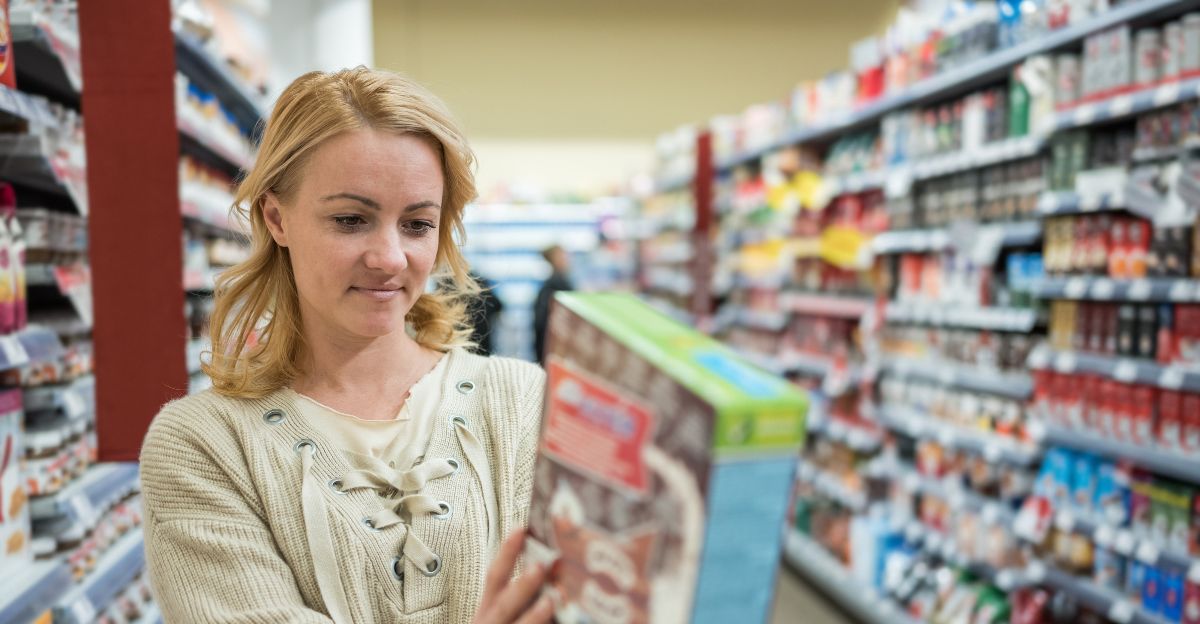
Deloitte’s consumer tracker reveals a fundamental transformation in shopper psychology. Notably, nearly 3 in 10 value-seeking shoppers earn six-figure incomes yet are moving toward discount retailers like Walmart. This trend isn’t merely a reaction to economic pressures but reflects a deeper erosion of value perception in the wake of inflationary shocks experienced since 2022.
Many consumers feel that product quality no longer justifies its price. This shift poses challenges for branded food companies like General Mills, which must now contend with consumers’ newfound penchant for value as they struggle to regain the premium pricing they once enjoyed.
The Price War Gambit

In September 2024, General Mills launched a strategic price-cutting initiative, slashing base prices across roughly 67% of its North American retail products. Internally termed “targeted promotional investment,” this decision essentially declared a price war against private-label competitors.
CEO Harmening emphasized this initiative as vital for reclaiming market share and defending against fierce competition from Walmart’s Great Value, Amazon’s private labels, and Kroger’s brands. The urgency of this move underscored the unsustainability of price increases implemented during the pandemic, underscoring the drastic measures necessary for survival in a rapidly shifting food retail landscape.
Heartland Impact: The Midwest Breakfast Crisis
As General Mills implements more aggressive pricing strategies, concerns develop over the potential impact on its workforce. With approximately 30,000 to 40,000 employees across North America, particularly in Midwest states such as Wisconsin and Iowa, analysts warn that a 1–3% annual profit decline could result in the loss of 4,500 to 7,500 jobs.
This situation puts regional communities on edge as layoffs loom, a direct consequence of the company’s shift towards leaner operations aimed at mitigating the financial blow from increased promotional spending. Local economies founded on General Mills facilities face uncertainty as the consequences of corporate restructuring unfold.
The Pillsbury Holiday Collapse
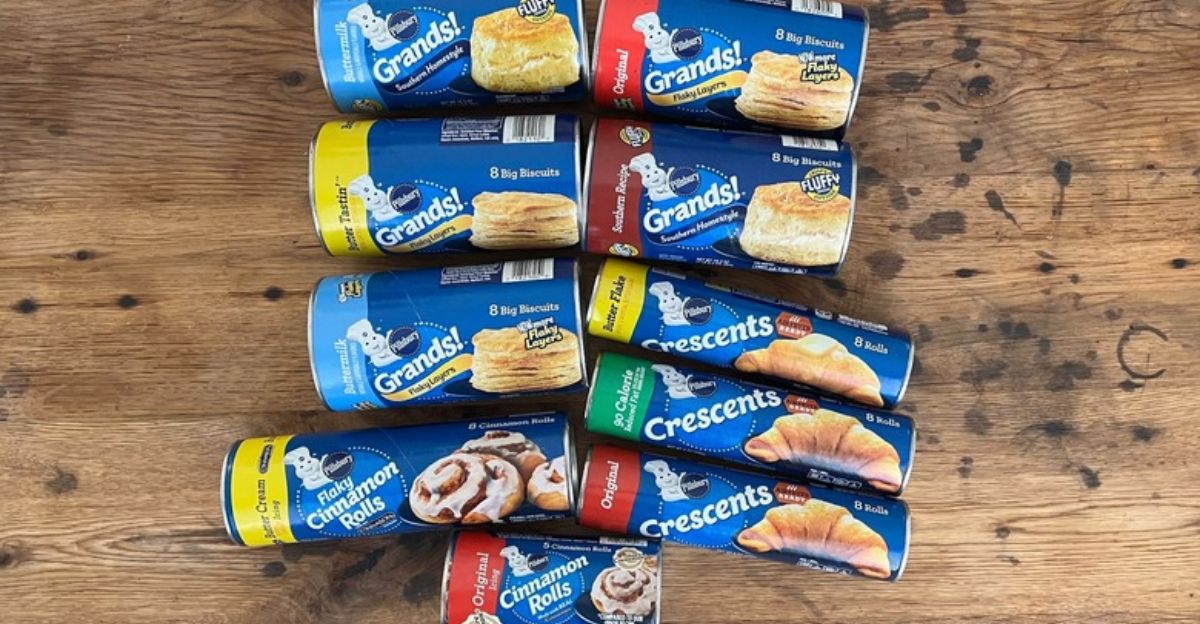
One of the most alarming indicators of General Mills’ declining fortunes has been the performance of its refrigerated dough segment, home to beloved brands like Pillsbury biscuits and cinnamon rolls. CEO Harmening admitted to analysts that sales had a “disappointing start to the key baking season,” with quarter-over-quarter declines despite substantial promotional investments exceeding $50 million.
This performance not only reflects broader consumer trends toward cheaper alternatives but raises severe questions about the future of key product lines that have historically contributed to the company’s bottom line.
Consumer Sentiment and Loyalty Erosion
Customer loyalty has reached an inflection point. According to Food Business News, consumer surveys indicate that loyalty to national brands is diminishing in favor of value offerings. The current economic climate has encouraged consumers to reassess their shopping habits, where brands once considered premium are now viewed through a lens of price sensitivity.
The erosion of loyalty particularly affects legacy brands like Pillsbury, which had enjoyed a strong foothold in the baking sector. The need for General Mills to adapt its marketing and pricing strategies becomes ever more pressing in light of this evolving consumer sentiment.
The Competitive Landscape Shifts
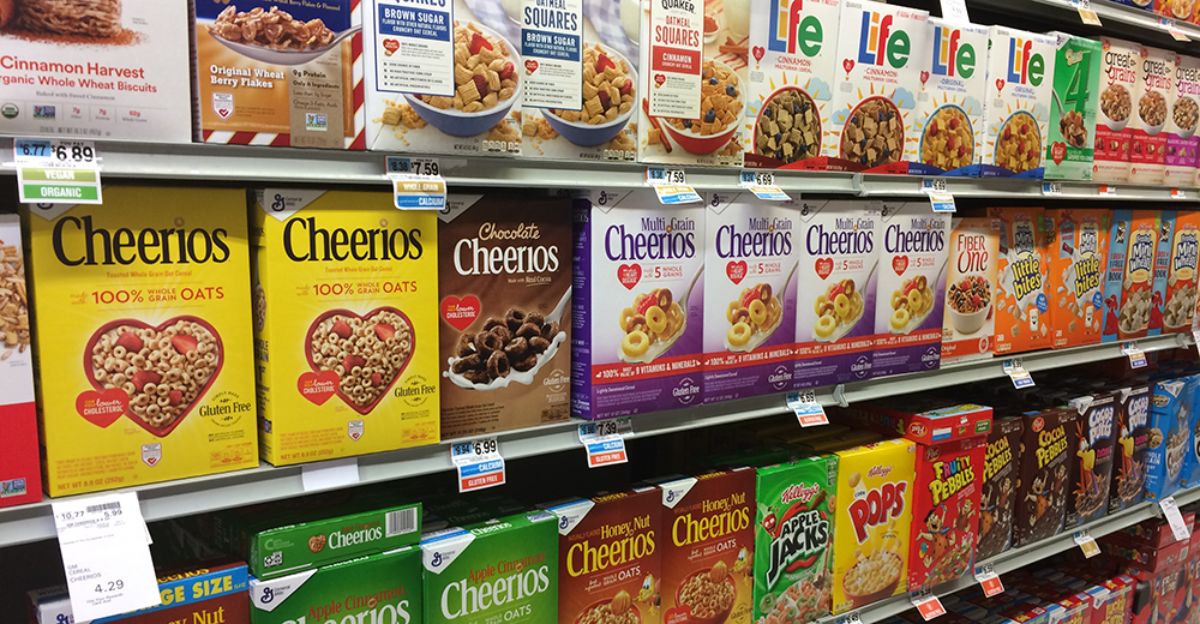
The competitive landscape is rapidly transforming. Major retailers are investing heavily in their private-label ranges, upending the traditional marketplace. Research by Atradius projected that private-label sales would soar, reaching unprecedented volumes by 2025.
As companies like Walmart, Target, and Kroger enhance their offerings, General Mills finds itself challenged not only by the loss of price margins but also by the superior value propositions of such retailers. These dynamics compel General Mills to adopt a multifaceted approach, combining innovative marketing, product quality, and strategic pricing to remain relevant.
The Necessity of Innovation
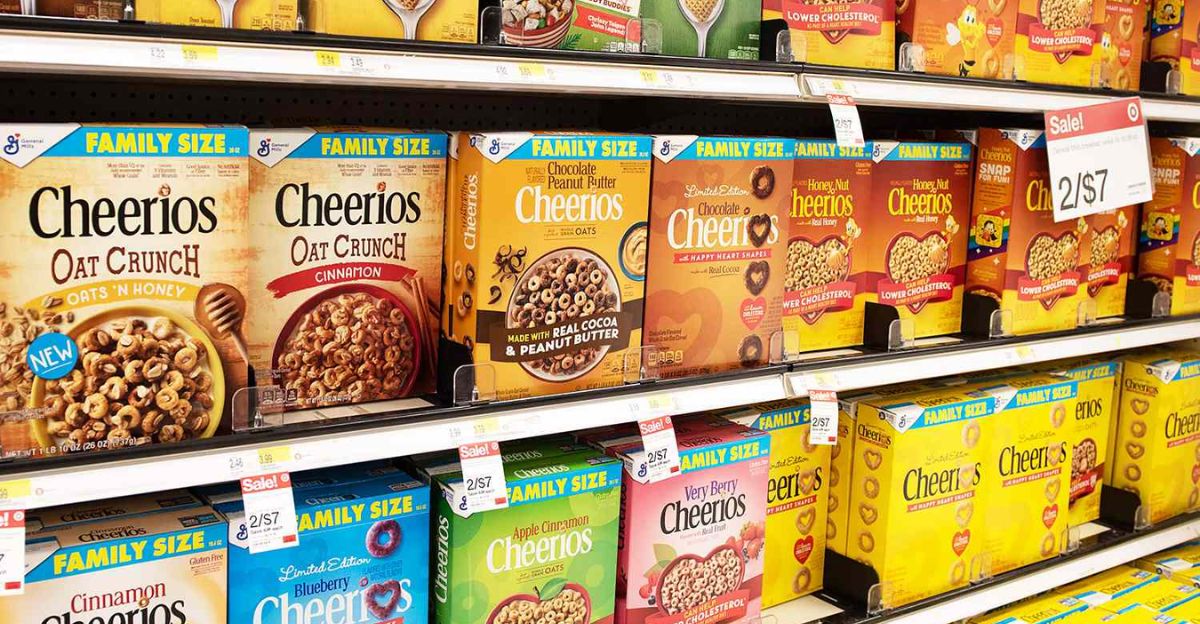
To navigate through these turbulent waters, innovation becomes indispensable. With traditional competitive advantages eroding, General Mills must prioritize product differentiation through enhanced quality and consumer engagement. Overhauling their research and development efforts is crucial for regaining lost market share and improving margins.
As Harmening acknowledged during an earnings call, the strategic focus has now shifted toward enhancing consumer value propositions, rather than relying solely on brand recognition. The transformation into a more consumer-centric company is crucial not only for survival but also for long-term competitiveness in a value-conscious market.
Communicating the Changes

As General Mills faces these seismic shifts, clear communication with stakeholders is crucial. Analysts suggest that transparently conveying the rationale for pricing changes and strategic shifts will be vital in retaining consumer trust and investor confidence.
Creating open lines for feedback, understanding the consumer’s perspective, and addressing concerns head-on can help mitigate backlash from loyal customers who feel alienated by price increases or frequent promotional changes. Engaging various stakeholders effectively represents a necessary step in navigating the complexities of modern consumer sentiment.
The Road Ahead for General Mills
General Mills now finds itself at a pivotal crossroads. As price wars unfold and consumer psychology shifts, the company must not only react but also anticipate and adapt to changing market dynamics. Future growth will depend on recalibrating value perceptions while ensuring that product offerings resonate with consumers seeking competitive prices without sacrificing quality.
As such, focusing on product innovation, strategic pricing, and fostering loyalty through engagement will be critical components in the company’s recovery and growth strategy.
Stakeholder Reactions and Insights

Reactions from stakeholders reveal a spectrum of concerns and hopes. Industry analysts emphasize the need for General Mills to maintain its focus on product quality while adjusting its pricing strategies. A local farmer remarked, “It’s vital for us that the brands we support, like Pillsbury, remain accessible to consumers.”
Similarly, a retail analyst noted, “Navigating these changes will require clear communications to both consumers and investors about the strategic direction.” From farmers to consumers, the ripple effects of General Mills’ decisions are felt throughout a broad network of stakeholders.
Engaging with the Community
Community engagement can play a pivotal role in navigating these turbulent times. By fostering relationships with customers and local stakeholders, General Mills can encourage a shared sense of ownership and loyalty.
Programs focusing on transparency, sustainability, and local contributions can enhance brand perception, reinforcing the company’s commitment to its roots. As consumer trends increasingly favor brands aligning with community values, investing in these relationships will be crucial for General Mills to mitigate risks and capitalize on opportunities.
A New Era for General Mills
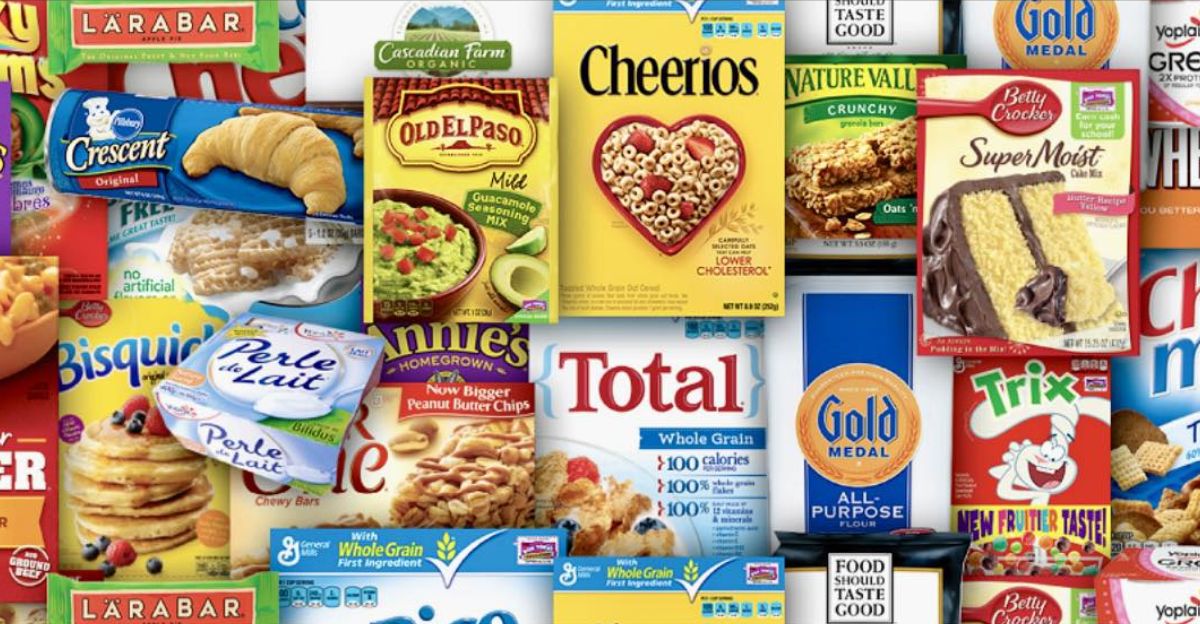
In conclusion, General Mills stands at a defining moment, marked by challenges that also present opportunities for rebirth and transformation. As pricing strategies evolve, the company must embrace innovation while gaining a deeper understanding of its consumer base.
Adjustments to branding, marketing, and strategic pricing will require a concerted effort, reflecting a commitment not only to profits but also to value-driven relationships with consumers. The path forward will be complex but ultimately essential for General Mills to regain its footing in an evolving food industry landscape.
Sources:
General Mills Investor Relations Fiscal 2026 Second Quarter Results
Reuters General Mills cuts profit outlook as promotions rise to win consumers
CNBC Here’s the inflation breakdown for December 2024 in one chart
Deloitte The Value-Seeking Consumer State of the Consumer Tracker
Food Business News General Mills pushing Pillsbury to improve performance
Forbes Walmart, Target And Nordstrom Boost Sales By Expanding Private Labels