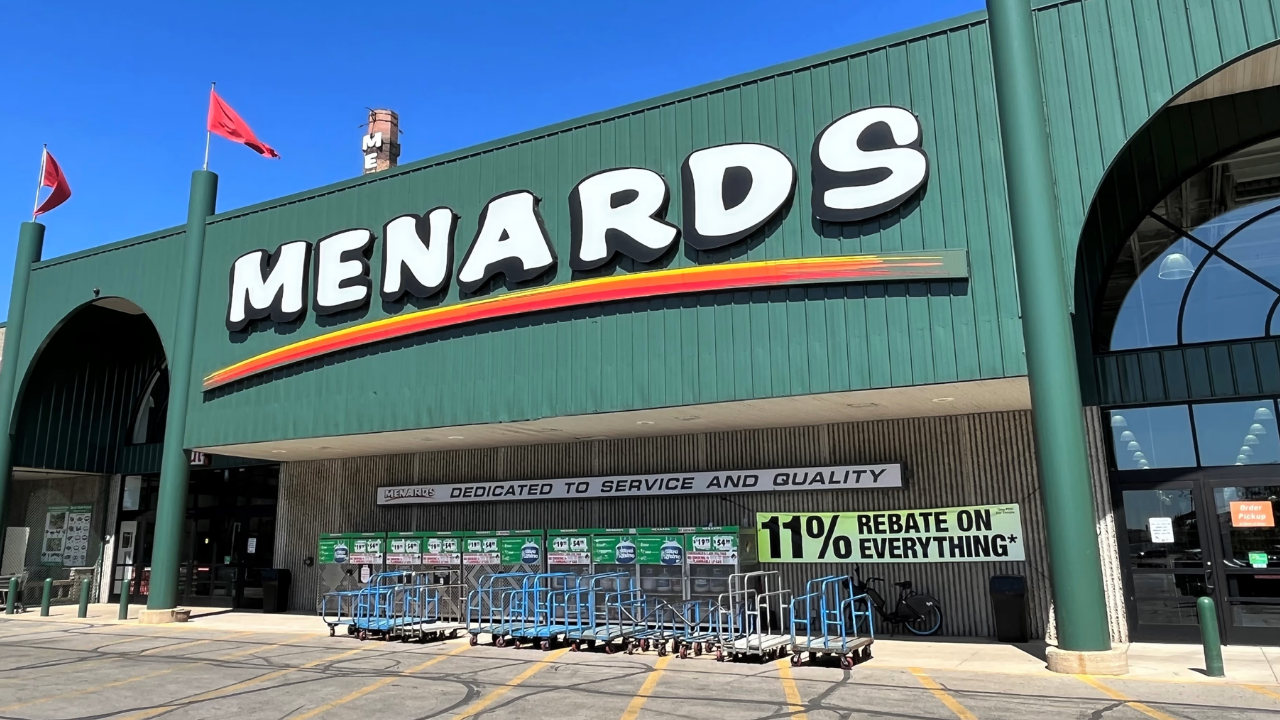
For years, Menards’ “Save big money” jingle replayed to millions, promising 11% discounts. But a recent $4.25 million settlement revealed no immediate discounts at checkout. Instead, customers received in-store credit buried in fine print. Ten state attorneys general uncovered a deliberate scheme misleading consumers on rebate program mechanics. However, the investigation revealed even more disturbing findings ahead.
How Menards Became A Consumer Protection Target
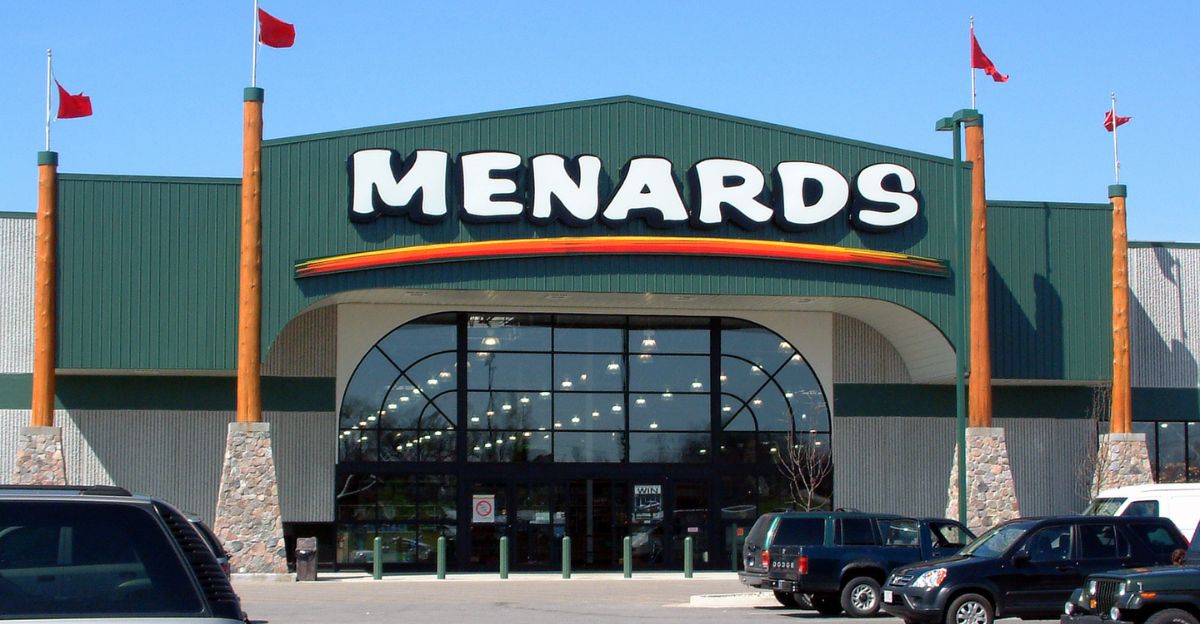
Menards runs 341 stores across 15 states, mostly in the Midwest, with $13 billion in annual revenue and 45,000 employees. Founded in 1960 by John Menard Jr., it’s the third-largest home improvement chain. Despite its size, it never faced major consumer enforcement until December 17, 2025, when multistate probes exposed decades of deceptive practices. The full impact had yet to unfold.
The Illusion Of “11% Off Everything”
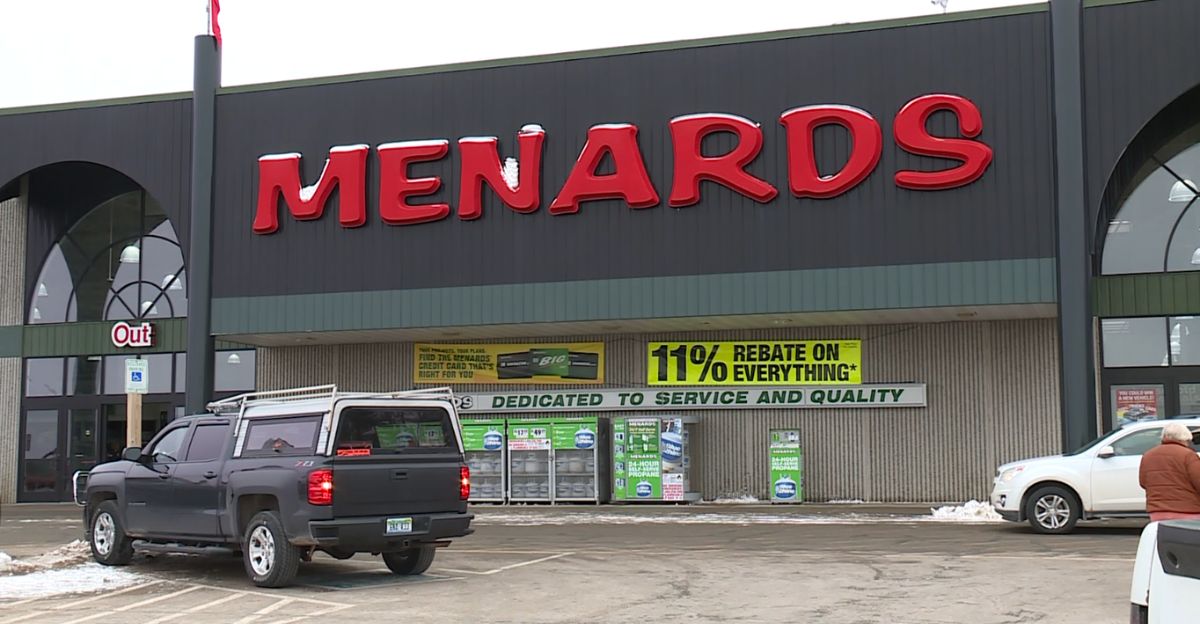
Menards loudly promoted “11% OFF” in ads and store signage, leading shoppers to believe they’d save instantly at checkout. Bold fonts and constant repetition shaped strong expectations of point-of-sale discounts. Yet associates never clarified the true rebate format. This advertising created a powerful illusion, hiding the complexity behind the rebate system. But internal documents told a very different story.
What The Attorneys General Found
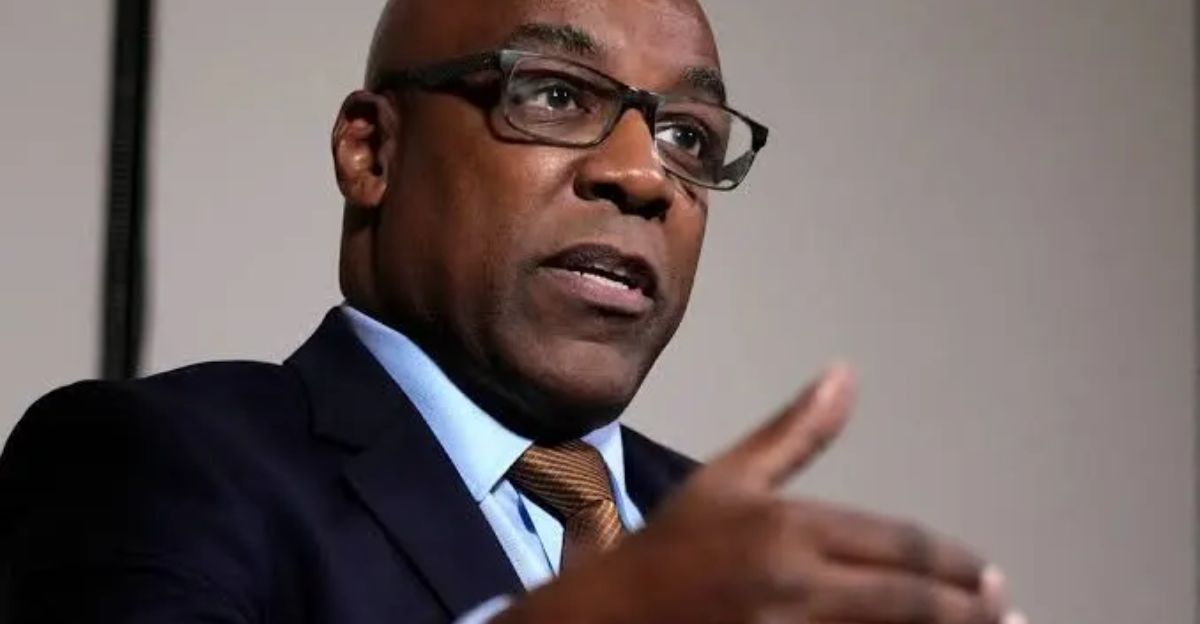
Illinois Attorney General Kwame Raoul stated that “customers deserve to know what they will be charged without deceptive deals and fine print.” Menards’ marketing misled customers to believe they got direct discounts, while it actually issued only in-store credit for future purchases. Years of materials and complaints revealed a clear pattern of deception centered on confusing rebate program language and opaque terms. The ramifications went far beyond initial expectations.
The Complex Rebate Process Customers Faced

Instead of instant savings, customers had to keep receipts, download forms, and mail them to “Rebates International,” a name hiding Menards’ own operation. Approval took 6 to 8 weeks with no status updates. If approved, people received store credit valid only for future purchases, with many restrictions. This multi-step, uncertain process starkly contradicted the straightforward “11% OFF EVERYTHING” claim consumers saw. The gap between promise and reality was staggering.
Hidden Corporate Name Added Confusion
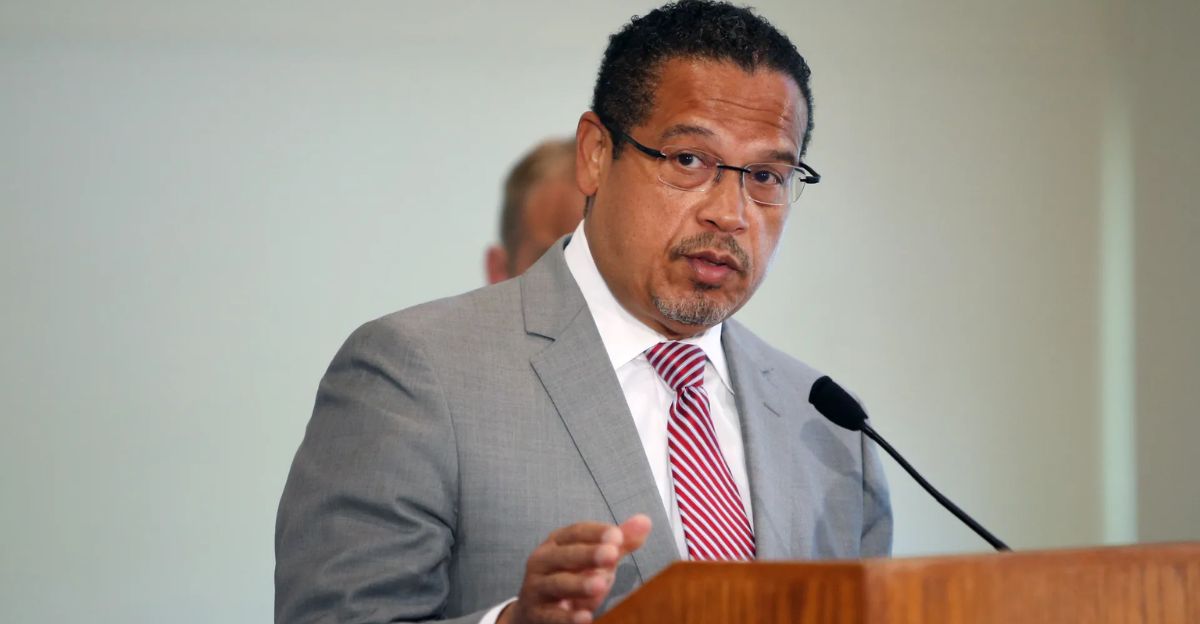
Minnesota Attorney General Keith Ellison said Menards must now clearly disclose it does business as Rebates International. Menards used this alias to mask that rebate processing was in-house, confusing customers into thinking they dealt with a third party. This structure protected Menards from backlash and complicated complaints, showing a deliberate plan to distance the brand from rebate problems. This deception deepened the sense of betrayal.
Menards’ Pandemic Price Gouging Revealed
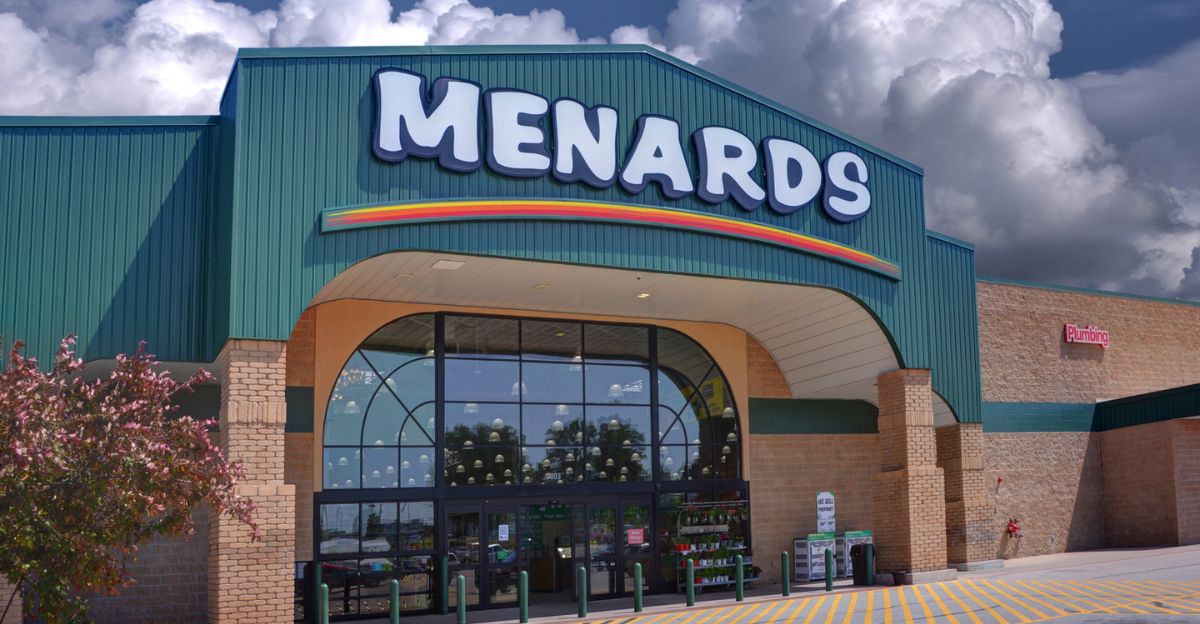
Investigators uncovered Menards raised prices on crucial items during the early 2020s COVID-19 crisis. When Americans needed essentials most. In Wisconsin stores, water bottles were also overpriced at panic height. This pricing strategy exploited pandemic fears, prioritizing profit over consumer welfare during a dire national emergency. The timing made this conduct more egregious and scrutinized.
Four Key Products Sparked Price Gouging Probe

The investigation zeroed in on four household necessities subject to sharp price hikes: rubbing alcohol for disinfection, garbage bags for sanitation, dish soap for cleaning, and neoprene gloves for protection. Normally staple items, these became profit centers amid panic buying. Many shoppers had limited choices and needed these products regardless of cost. Such price inflation exposed troubling corporate ethics that shadowed the rebate misrepresentations, yet more misconduct awaited discovery.
Settlement Announcement Sent A Strong Message
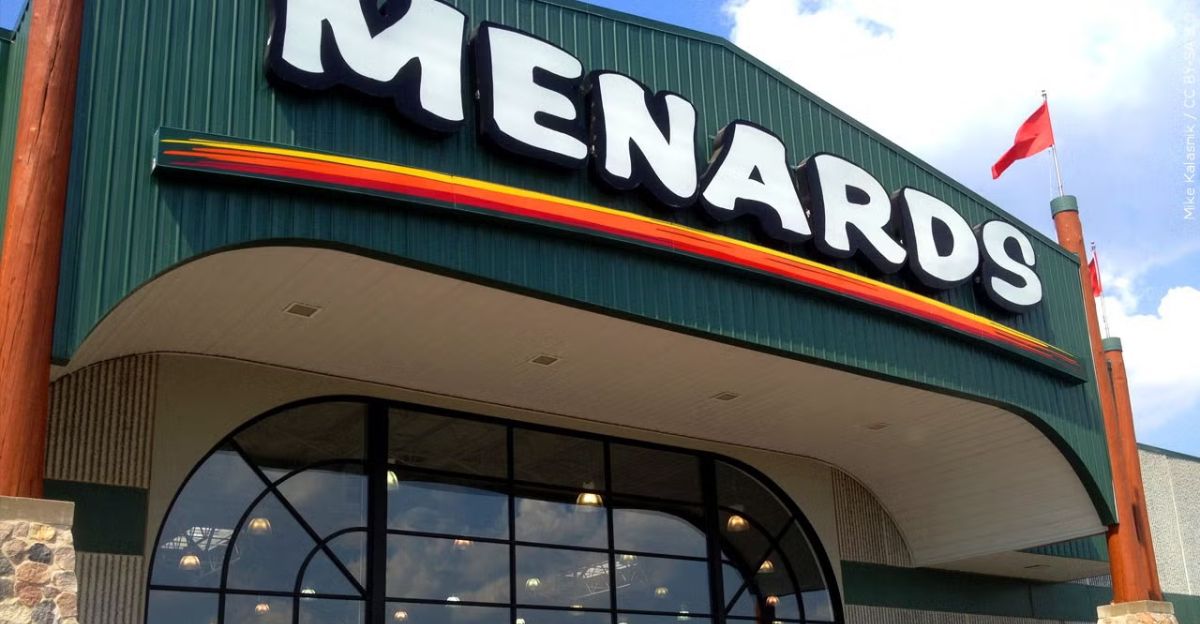
On December 17, 2025, Keith Ellison declared Menards’ advertising was misleading and exploitative: “‘11% OFF EVERYTHING’ implies immediate discounts, not credits for future purchases.” Ellison emphasized accountability for past deceptive rebates and pandemic price gouging. This settlement aimed to restore honesty and fair pricing in Menards’ busy stores. His clear statement summarized years of tough investigation that would reshape consumer trust in this retailer. A new era was dawning.
Ten States Band Together Against Menards
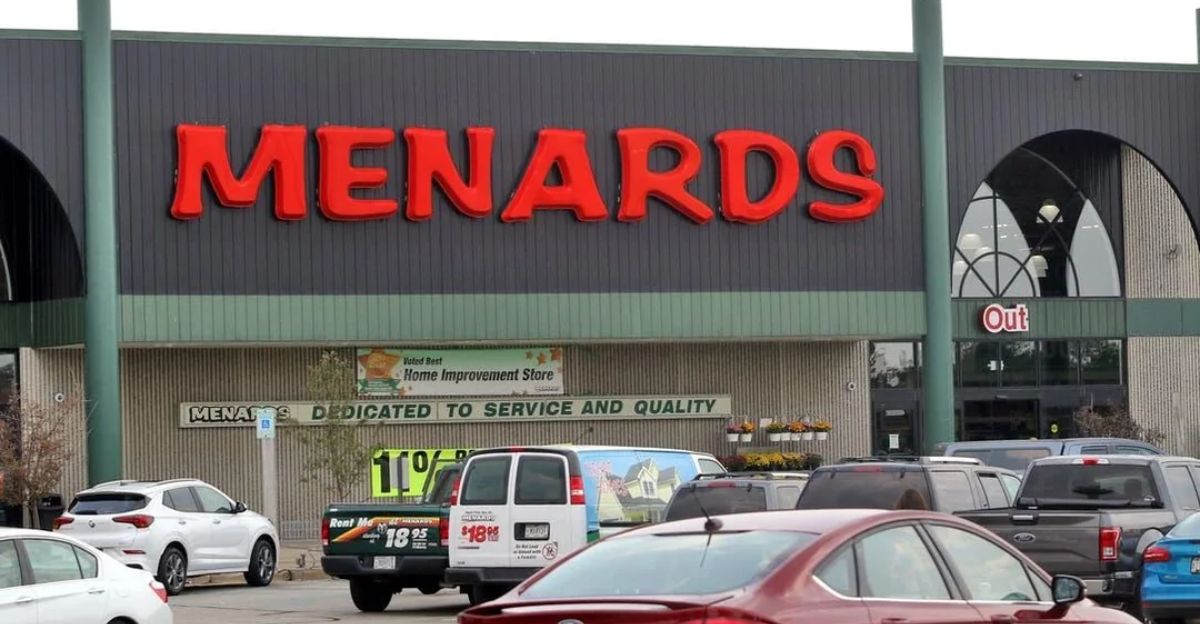
Attorneys general from 10 states representing over 80 million people united to hold Menards accountable. Minnesota, Wisconsin, Illinois, and Iowa led, joined by Arizona, Kansas, Michigan, Nebraska, Ohio, and South Dakota. These states took on comprehensive reviews of ads, complaints, and pricing amid Menards’ Midwest-centric footprint. The strength of this coalition reflected the widespread impact and ensured sustained scrutiny on corporate conduct. What else was uncovered under this spotlight?
Consumers’ Ongoing Confusion Over Rebate Rules

Despite years of complaints, many shoppers remained unaware that rebates weren’t instant discounts. The fine print, buried in promotional materials, failed to highlight multi-step processing or long wait times. Customer service often gave conflicting answers, deepening frustration. This confusion underpinned widespread distrust and dissatisfaction, contributing to the legal action. But why did Menards choose such an opaque approach rather than clearer communication?
Corporate Documents Reveal Deliberate Strategy

Internal emails showed leadership was aware the rebate program misled customers but valued its competitive edge over transparency. Executives discussed ways to “manage expectations” without clarifying rebate mechanics in-store. They considered rebate delays and restrictions “standard industry practice,” though admitting it caused consumer complaints. This calculated disregard for clarity suggested systemic priorities that favored sales performance above honest marketing. Such revelations surprised many.
Impact On Employee Training And Store Policy

Employees were directed not to explain rebate details unless specifically asked, and even then to provide vague answers. This limited transparency funneled customers toward purchasing without full knowledge, maximizing sales volume. Staff training emphasized quick checkouts, not consumer education, contributing to the confusion. The minimal guidance reflected corporate decisions to prioritize operational efficiency over customer clarity. How this impacted employee morale was a secondary yet significant issue.
Rebate Program Overhaul Required By Settlement
As part of the $4.25 million settlement, Menards must now clearly disclose rebate terms at point of sale and in advertising. Notices must explain the multi-step rebate process and the distinction between instant discount and future store credit. This transparency increase aims to protect customers from past ambiguities and rebuild trust. The settlement also prohibits using “Rebates International” without clear Menards affiliation to prevent further cancellation confusion. These changes mark a critical compliance shift.
Menards Faces Increased Consumer Scrutiny Moving Forward

Following the settlement, consumer groups pledged to monitor Menards’ rebate programs closely. Watchdogs noted this case exposes how powerful brands can exploit vague marketing to mislead millions. The retailer must now rebuild a damaged reputation, foster transparency, and prioritize customer rights. This scrutiny will likely push other chains to reevaluate similar rebate schemes. The question remains: will Menards’ new policies be enough to prevent future disputes?
Financial Impact And Settlement Breakdown
The total $4.25 million ($USD equivalent) settlement will address consumer restitution, legal fees, and enforcement costs split across the ten states. A portion funds consumer education campaigns on rebate understanding and price gouging protections. Though sizeable, the sum represents a fraction of Menards’ annual $13 billion revenue, raising debate about the deterrent effect. Still, the legal and reputational damage underscores the costly consequences of these deceptive practices. Yet some wonder if this penalty truly changes corporate behavior.
Menards’ Response To The Fallout

Menards issued a statement accepting the settlement while claiming it “operated within legal boundaries” and “aims to provide value to customers.” The company committed to implementing new disclosure requirements and reviewing pricing policies. Despite this, some consumer advocates criticized the response as insufficient and non-apologetic. The gap between corporate messaging and consumer expectations highlighted ongoing tension over trust and accountability in retail. What lessons might competitors draw from this episode?
Broader Implications For Retail Industry

The Menards case highlights how large retailers may use complicated rebate schemes and corporate structures to obscure true costs from customers. It raises questions about consumer protections and ethical marketing in a competitive industry. Regulators might increase scrutiny on similar rebate programs nationwide, prompting policy reviews and greater transparency mandates. This case may set precedent that reshapes retailer-consumer relationships beyond just Midwest home improvement chains. The fallout extends well beyond one company.
What Consumers Can Do To Protect Themselves

Shoppers should carefully read rebate details, keep receipts, and track claims for any delayed promotions. Understanding that “discounts” sometimes mean future store credit can prevent surprises. Consumers may also consult state consumer protection offices if misled or overcharged. Advocacy groups recommend vigilance during promotional events and caution against appeals to emotion during crises like a pandemic. Empowered consumers are less likely to fall victim to such deceptive tactics in the future.
A Changed Landscape For Menards And Its Customers

This settlement closes a significant chapter but signals ongoing challenges for Menards. Transparency improvements are mandated, yet rebuilding trust takes time. Customers now know the risks behind rebate marketing and pandemic pricing tactics. How Menards adapts will influence brand loyalty and regional standing. Meanwhile, states remain poised to enforce consumer protection laws proactively. The Menards episode serves as a reminder that scrutiny never fully fades for major regional players.
Sources:
Settlement Announcement: Minnesota Attorney General Keith Ellison, December 17, 2025
Statement by Illinois Attorney General Kwame Raoul, December 17, 2025
Multistate Attorneys General Investigation Report, December 2025