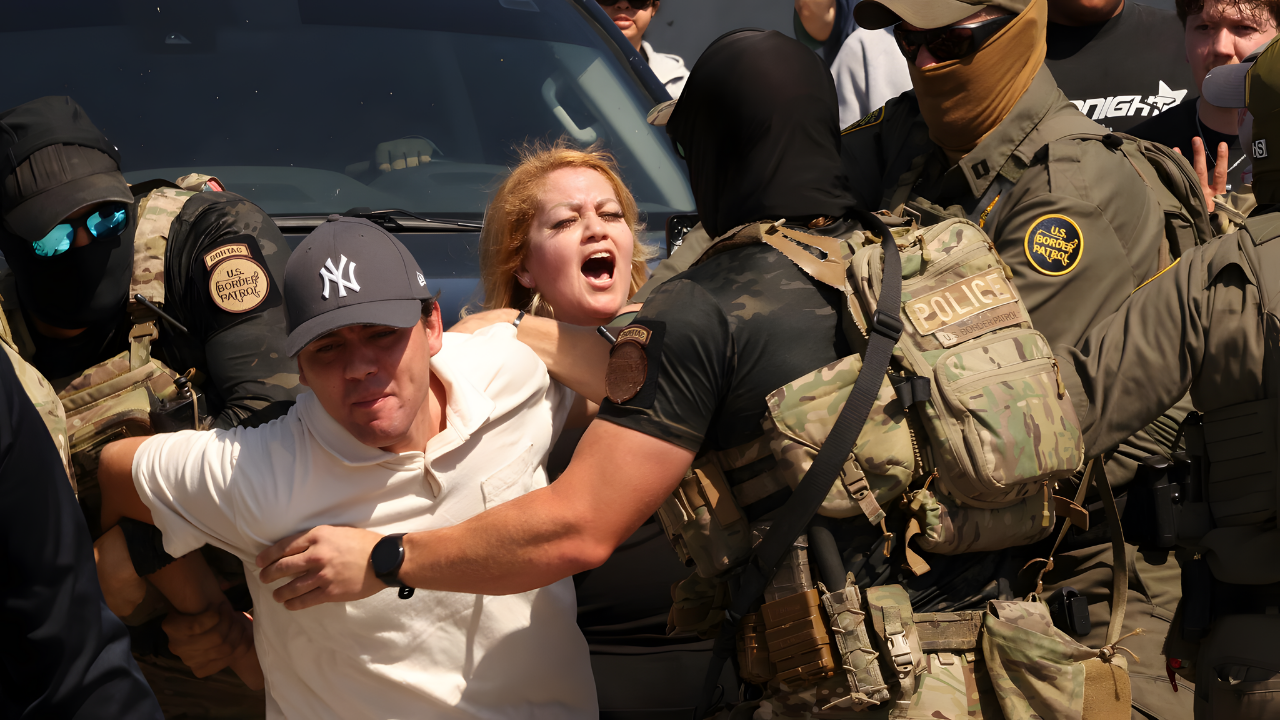
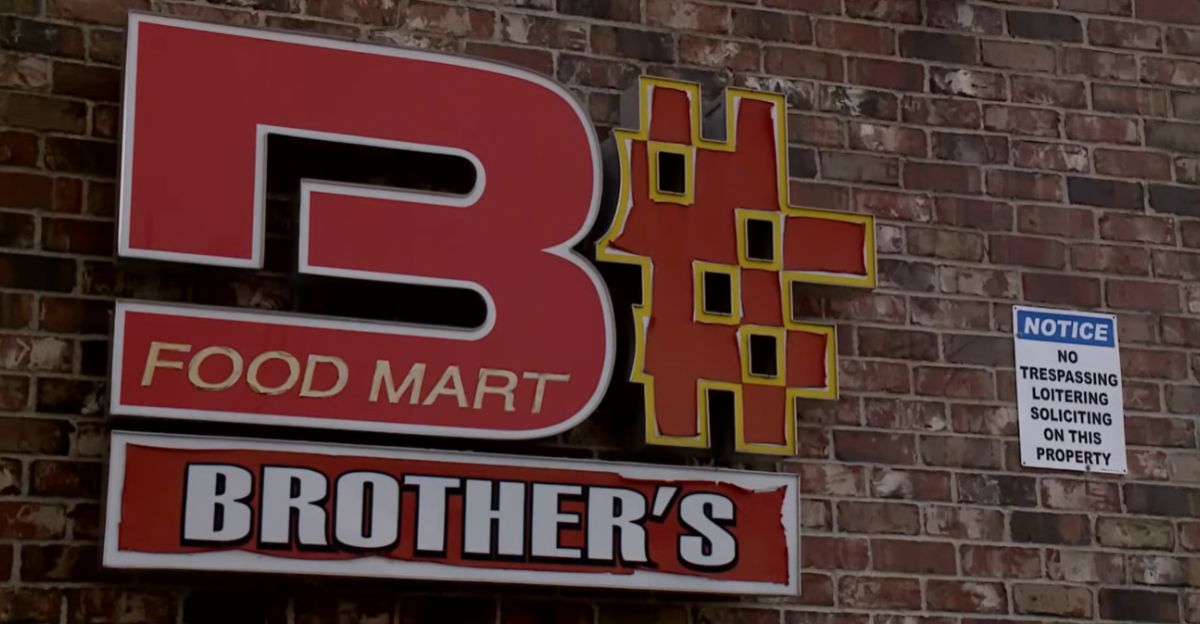
On December 6, 2025, a 19-year-old assistant manager at Brother’s Food Mart in Kenner, Louisiana, locked the front door as U.S. Border Patrol agents approached. Wayne Davis filmed the confrontation, capturing himself raising his middle finger while taunting agents: “You want some chicken? You ain’t getting it here, bro. Go somewhere else.”
The video rapidly went viral on social media, generating millions of views and sparking intense debate about federal enforcement tactics and private property rights during immigration operations.
“I Don’t Feel Bad Whatsoever”: Davis’s Defiant Response
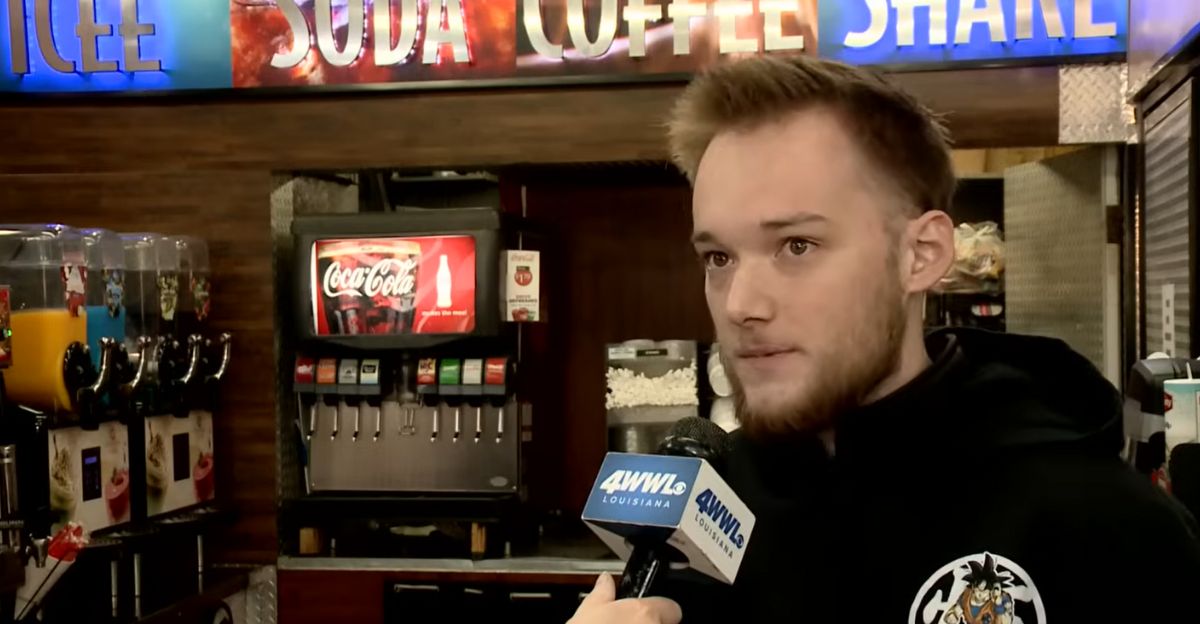
Despite headlines claiming regret, Davis explicitly rejected any remorse for his actions. When interviewed by WWL Louisiana, he stated unequivocally: “I actually don’t feel bad whatsoever. I’m not the type of person you can intimidate easily.
So I did my research and I knew what I can say and what I can do.” This direct contradiction of sensationalized reporting underscored Davis’s conviction that he had acted appropriately under Louisiana law to protect vulnerable customers and coworkers present in the store.
Ready for Round Two: Davis Would Respond Identically

When asked whether he would respond differently if Border Patrol agents returned, Davis remained resolute. “If they want to come back, let them come back. You know, I’m ready,” he declared. His unwavering stance reflected not impulsive reaction but deliberate knowledge of his legal rights regarding private property and federal authority.
Davis emphasized that his resistance stemmed from protecting Hispanic customers and coworkers who appeared anxious during the agents’ arrival.
Legal Foundation: Private Property Rights Trump Federal Access

Immigration attorney Michael Gahagan confirmed Davis acted within his legal rights under Louisiana law. Federal agents require specific judicial warrants signed by judges to force entry onto private property—a distinction separate from interference with federal operations.
“It’s their properties, their private property, forbidding you from coming in is not the same as preventing [agents] from doing their job,” Gahagan explained. Davis had researched these distinctions before the confrontation occurred.
Operation Catahoula Crunch: The Broader Context
The Brother’s Food Mart incident occurred during Operation Catahoula Crunch, a major federal immigration enforcement surge launched December 3, 2025, in the New Orleans metropolitan area. By December 18, 2025, DHS reported 370 arrests across the region.
However, internal operational plans reviewed by the Associated Press revealed an initial target of 5,000 arrests, suggesting the operation had achieved only 7.4 percent of its stated goal within two weeks.
Criminal Records Tell A Different Story Than Official Rhetoric
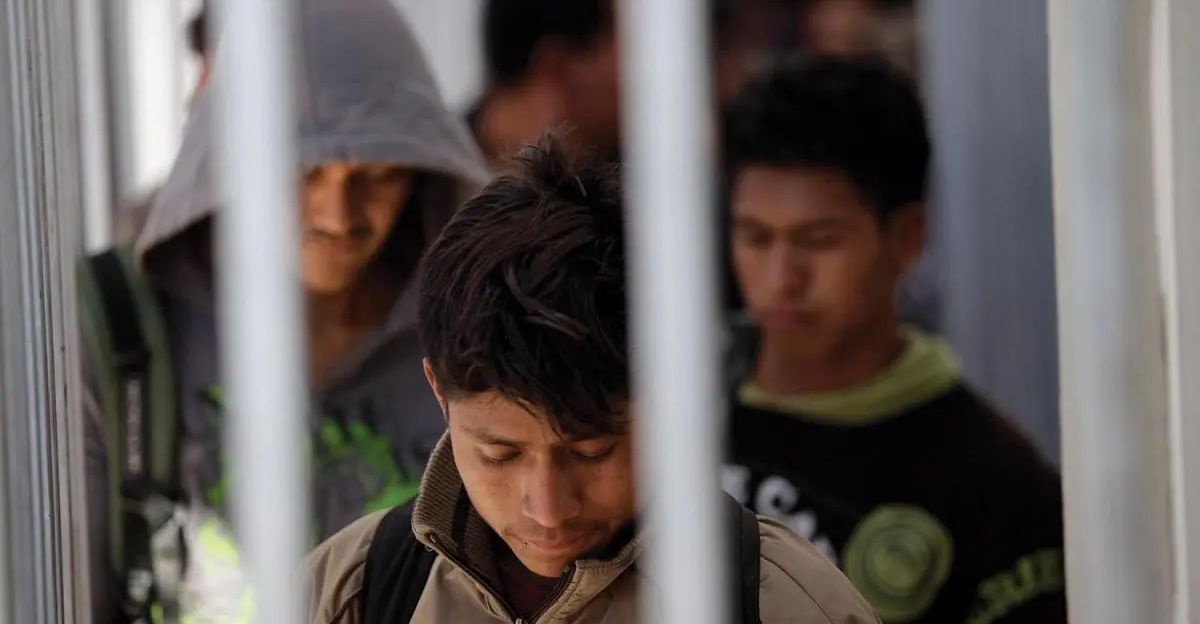
DHS repeatedly emphasized arrests of “the most dangerous of the dangerous criminal undocumented immigrants,” highlighting individuals convicted of rape, theft, gang membership, and human smuggling. Yet the actual data contradicted this narrative.
During the operation’s first four days, only nine of thirty-eight detained individuals possessed criminal records—approximately twenty-four percent. This percentage aligns with national trends showing over seventy percent of ICE arrestees nationwide lack criminal convictions.
The $50,000 Signing Bonus: Building a Deportation Infrastructure
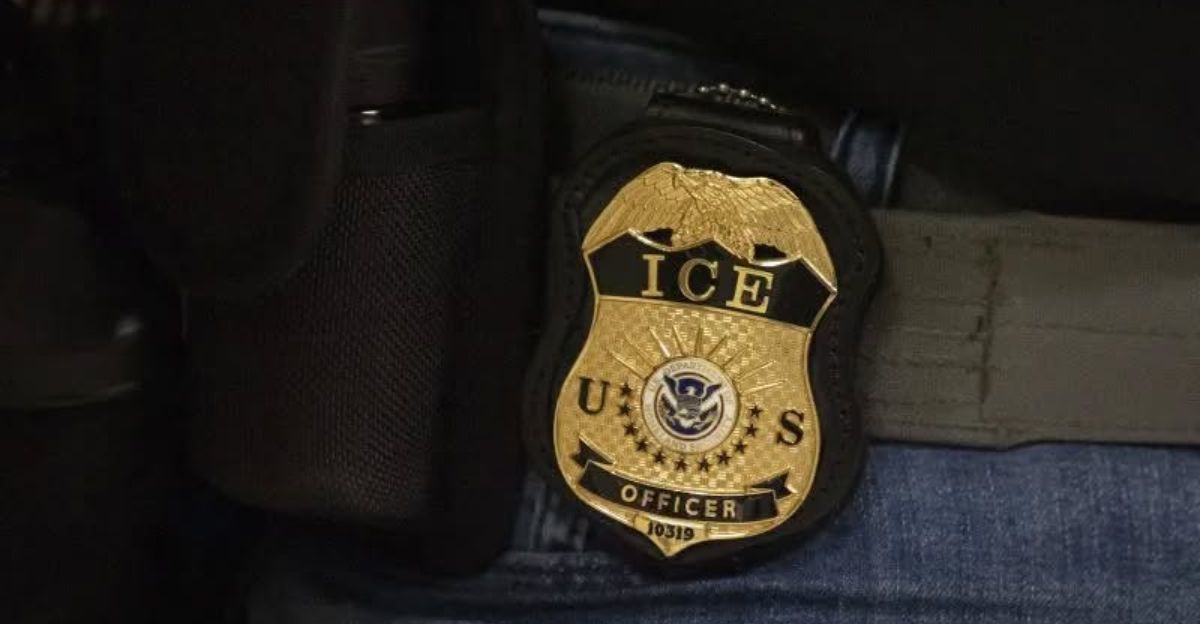
In July 2025, the Department of Homeland Security launched aggressive recruitment for ICE positions, offering incentives unprecedented in federal law enforcement recruitment. The campaign promised maximum $50,000 signing bonuses, student loan repayment, enhanced overtime pay, and improved retirement benefits to attract 10,000 new ICE agents.
DHS Secretary Kristi Noem framed recruitment as answering a national calling: “Your country is calling you to serve at ICE. This is a defining moment in our nation’s history”.
One Million Deportations: The Trump Administration’s Internal Goal
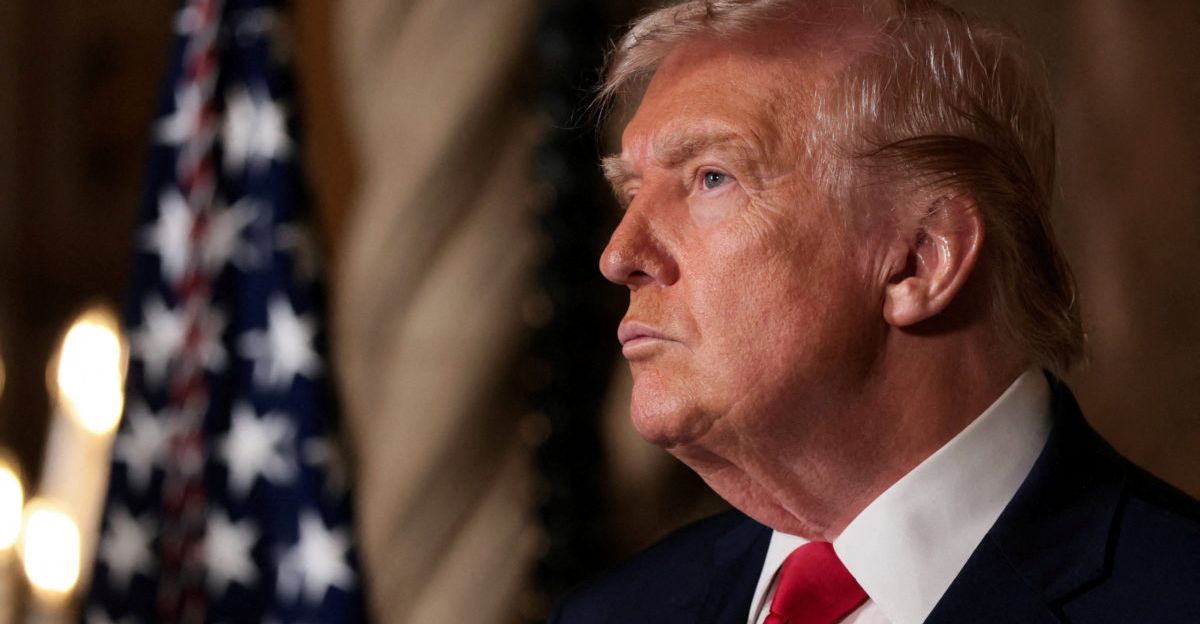
The recruitment push supports an internal Trump administration target of one million annual deportations. Nearly thirty billion dollars has been allocated to enable ICE to achieve this unprecedented number. The highest previous deportation figure was over four hundred thousand, making the million-person target a radical expansion.
Current projections suggest ICE will deport approximately 390,000 individuals in Trump’s first year, falling substantially short of the goal.
Gregory Bovino: Commander of Controversial Enforcement Operations
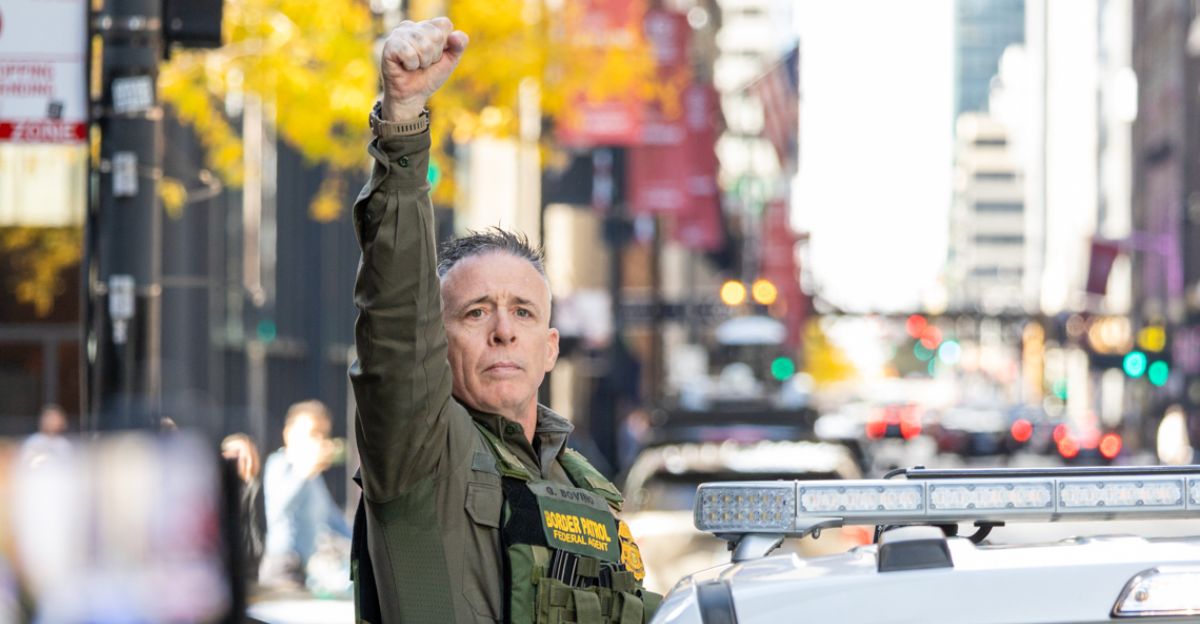
Border Patrol Commander Gregory Bovino has become the public face of aggressive immigration enforcement operations. Appointed as “Commander at Large” by DHS Secretary Kristi Noem—a rank with no statutory basis—Bovino reports directly to Noem outside the Border Patrol’s traditional command structure.
He led agents to Brother’s Food Mart on December 6, 2025, and has supervised similar operations across multiple cities since June.
Federal Use-of-Force Concerns and Legal Challenges

Bovino’s enforcement tactics in Chicago generated significant controversy, with federal lawsuits alleging excessive force against civilians, media, and protesters.
In November 2025, Federal Judge Sara Ellis issued a preliminary injunction setting stricter limits on agents’ use of force, later extending the temporary restraining order after finding Bovino had lied under oath about threats posed by protesters and journalists. These legal challenges raise questions about oversight mechanisms during expanded enforcement operations.
Louisiana’s Political Divide: State Support vs. Local Resistance

Louisiana’s Republican state leadership actively supports federal immigration enforcement, contrasting sharply with New Orleans’ Democratic city government.
Governor Jeff Landry issued an executive order directing state law enforcement to assist federal operations, while Louisiana State Police provided “operational support” during Operation Catahoula Crunch. State Senator Kirk Talbot asserted the operations would benefit Kenner residents.
New Orleans Sanctuary Policies: A Check on Federal Power

New Orleans maintains sanctuary city policies limiting cooperation with federal immigration enforcement, dating to a 2016 Police Department policy adopted following a federal consent decree addressing corruption and racial profiling.
Incoming Mayor-elect Helena Moreno, a Mexican-American immigrant, expressed concern about “due process violations and potential abuses,” demanding accountability. City Councilwoman Lesli Harris emphasized that immigration violations are civil, not criminal matters.
Economic Disruption: School Closures and Business Shutdowns
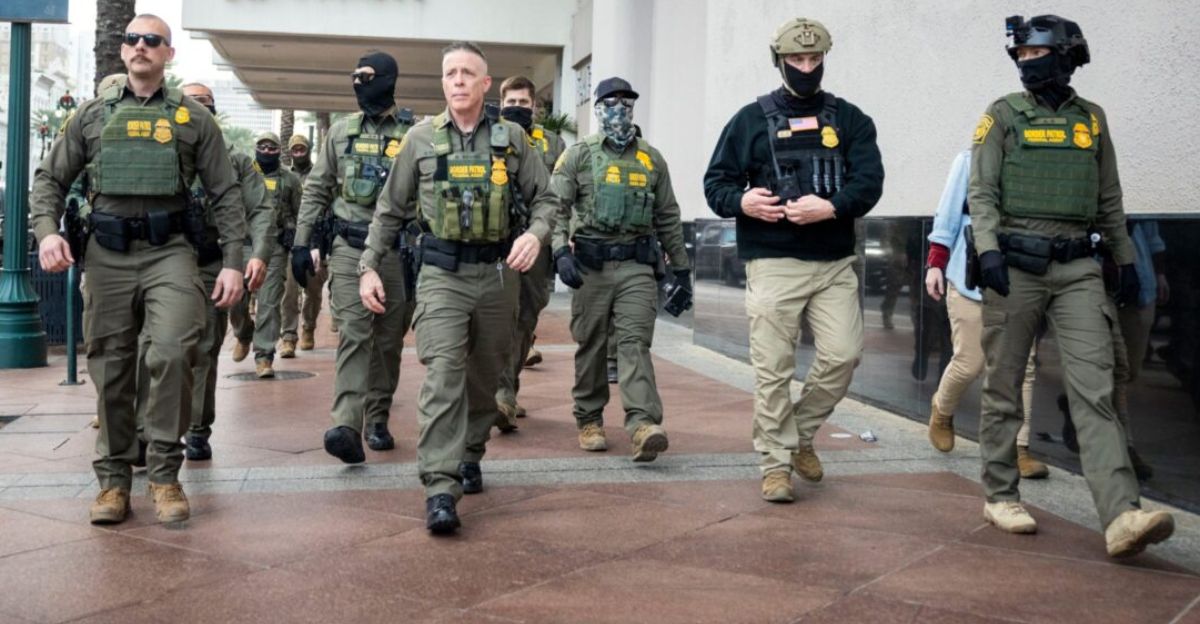
Operation Catahoula Crunch triggered significant economic disruption across the New Orleans metropolitan area. Jefferson Parish experienced double normal absenteeism rates in schools with large English language learner populations before the operation officially began.
Hispanic-owned businesses, including Taqueria Guerrero and Taqueria La Conquistadora, announced indefinite closures to protect employees and customers from potential raids.
Restaurant Industry in Crisis: Labor Shortages and Supply Chain Breaks

New Orleans restaurants reported severe staffing shortages as legally employed workers remained home out of fear. Amarys Koenig Herndon, co-owner of Palm and Pine in the French Quarter, noted that legal employees were “laying low and not collecting their paychecks” due to intimidation.
Supply chain disruptions compounded problems, with Latin ingredient suppliers experiencing staffing shortages and depleted stock, leaving restaurants unable to source essential ingredients.
Collateral Arrests and Documented Cases of U.S. Citizens Detained
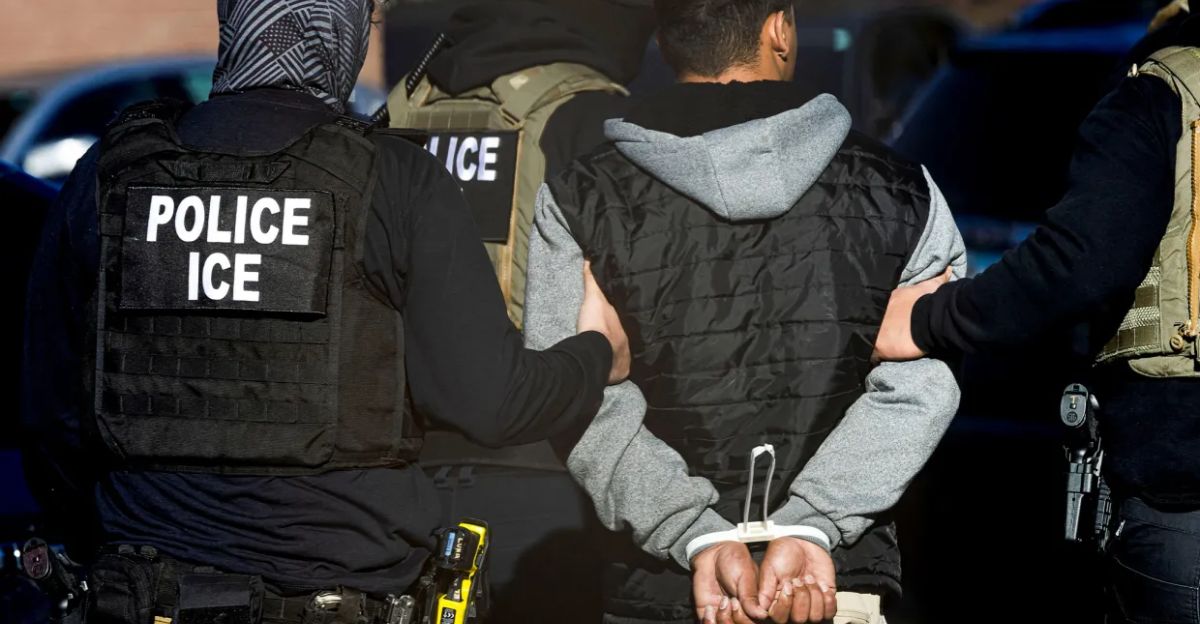
Internal ICE directives pushed officers to increase arrests to 3,000 daily, including warrantless apprehensions of coincidentally encountered individuals termed “collaterals”. In New Orleans, masked ICE agents chased a woman back to her home in Marrero—later confirmed as a U.S. citizen born in Louisiana.
A seventeen-year-old U.S. citizen was detained in Denham Springs by six tactical agents while fueling his car, subjected to aggressive questioning before agents confirmed his citizenship.
Non-Criminal Arrests Dominate: Sixty-Five Percent Lack Criminal Records

Beyond Operation Catahoula Crunch, national ICE data reveals systematic targeting of individuals without criminal backgrounds. From January through October 2025, approximately 75,000 people with no criminal record were arrested by ICE—nearly one-third of all arrests.
As of June 2025, the Cato Institute reported that sixty-five percent of those detained by ICE had no criminal convictions and ninety-three percent had no violent convictions.
Community Resistance Organizes: Solidarity and Vigilance

Community members organized protective measures for vulnerable populations during enforcement operations. Craig Kraemer established “N’awlins Hung Gringos,” a Facebook group coordinating lunch gatherings at Hispanic restaurants to demonstrate solidarity.
On December 13, approximately a dozen supporters gathered at Jalisco Mexican Restaurant in Kenner, where owners locked the door after each customer entered, with Kraemer stationed outside watching for ICE activity.
Broader Implications: Civil Liberties and Due Process Questions
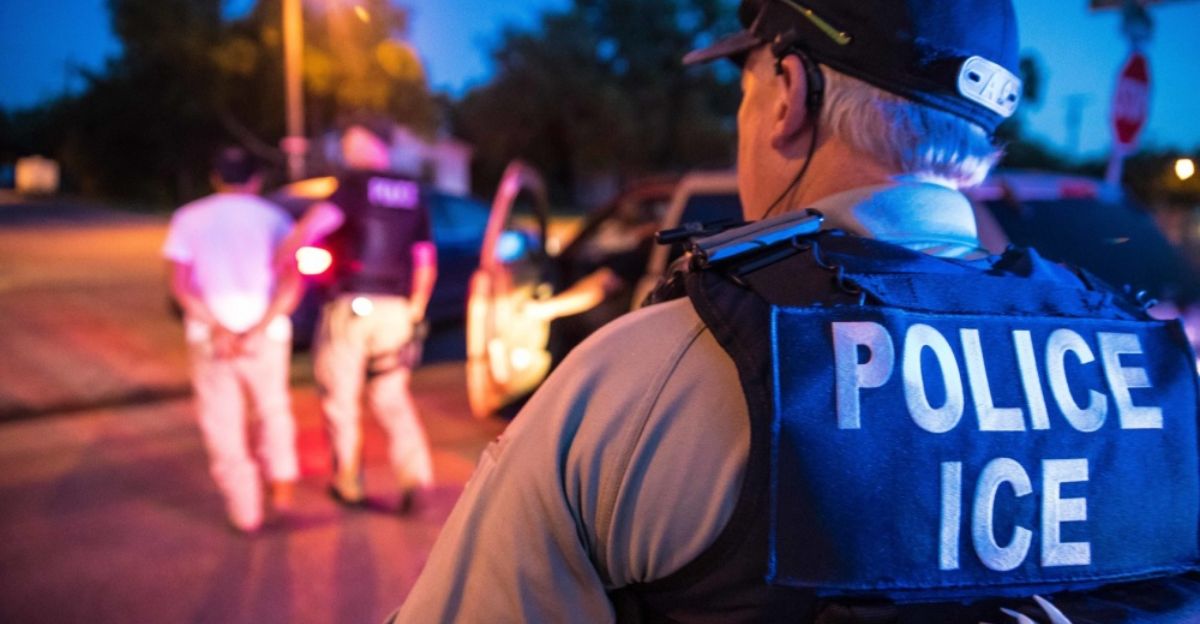
The expansion of immigration enforcement raises fundamental constitutional concerns extending beyond immigrant communities.
The documented cases of agents attempting warrantless entry, detaining U.S. citizens, and operating without transparency suggest enforcement tactics that may compromise Fourth Amendment protections. Immigration attorney Kathleen Gasparian emphasized that “any community member could be targeted when the administration declares all community members a priority”.
Judicial Warrant Distinction: The Legal Precedent Davis Invoked
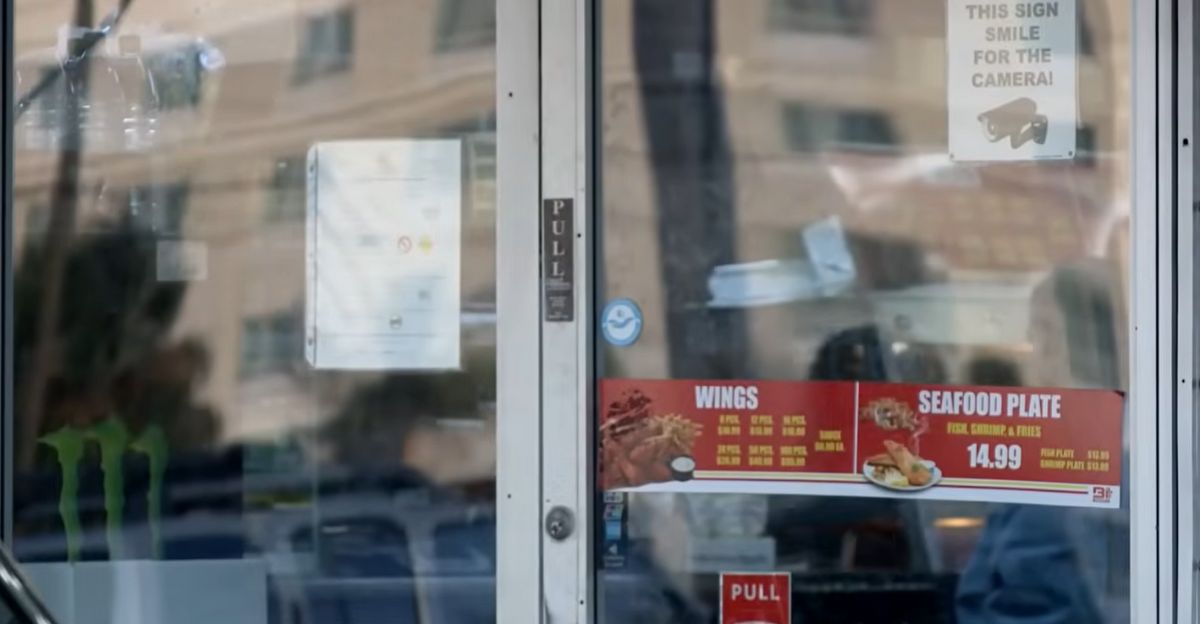
Davis’s successful refusal to allow entry invokes crucial Fourth Amendment distinctions rarely understood by general business owners. Valid judicial warrants—signed by federal judges and bearing official court letterhead—differ fundamentally from administrative warrants issued by immigration authorities themselves.
Business owners nationwide can legally refuse entry to non-public areas without such judicial warrants, contrary to widespread misconceptions. The constitutional protection, rooted in the Fifth Amendment’s due process clause, establishes that property owners maintain rights against government intrusion absent proper judicial authorization.
Economic Cost: Projections Suggest Five Million Job Losses
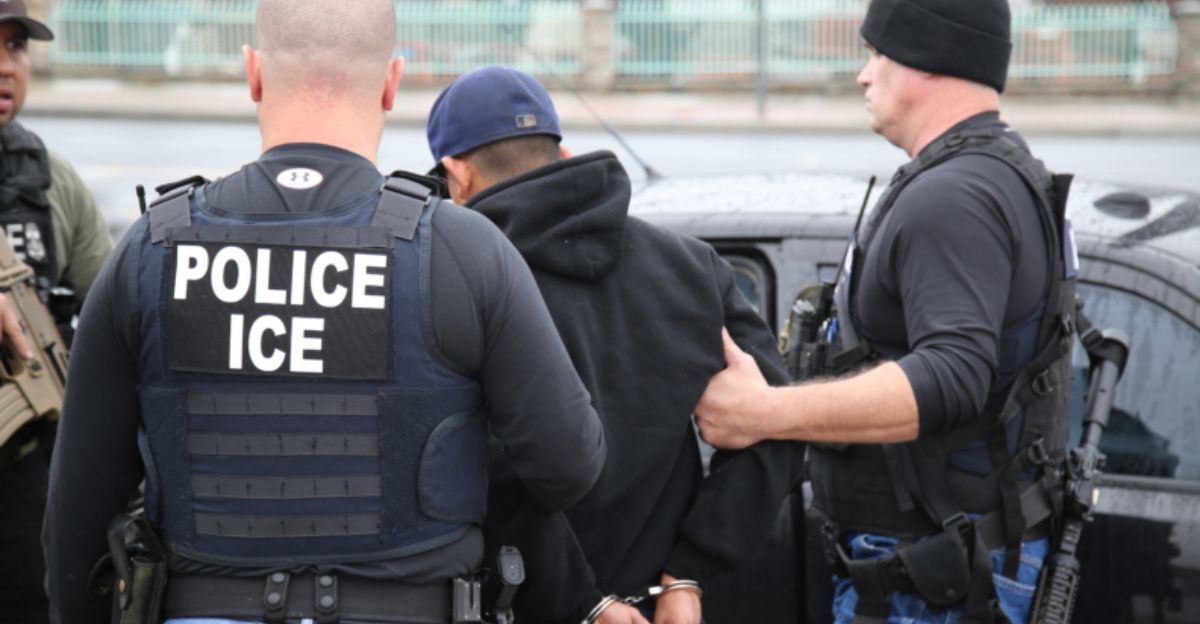
The Economic Policy Institute projects that one million annual deportations could result in total employment falling by 5.9 million jobs over four years, with particularly severe losses in construction and child care.
The American Immigration Council estimates that highly conservative cost calculations for deportation operations would total at least $315 billion, or $967.9 billion over a decade. These figures exclude indirect economic losses from business closures and reduced consumer spending.
Sources:
“Kenner Store Manager Locks Border Patrol Agents Out of Store,” WBRZ-TV, December 2025.
“New Orleans Restaurants Feel Squeezed as Border Patrol Patrols,” The New York Times, December 8, 2025.
“Many People are Terrified to Come Out: Catahoula Crunch Closes Out Its First Week,” WWNO, December 9, 2025.
“370 Criminal Illegal Aliens Arrested in New Orleans,” Department of Homeland Security Official Statement, December 18, 2025.
“DHS Recruiting ‘Patriots’ to Join ICE, Offering up to $50K Signing Bonus,” KSAT-TV, July 30, 2025.
“One Million: The Private Goal Driving Trump’s Push for Mass Deportations,” The Washington Post, April 12, 2025.