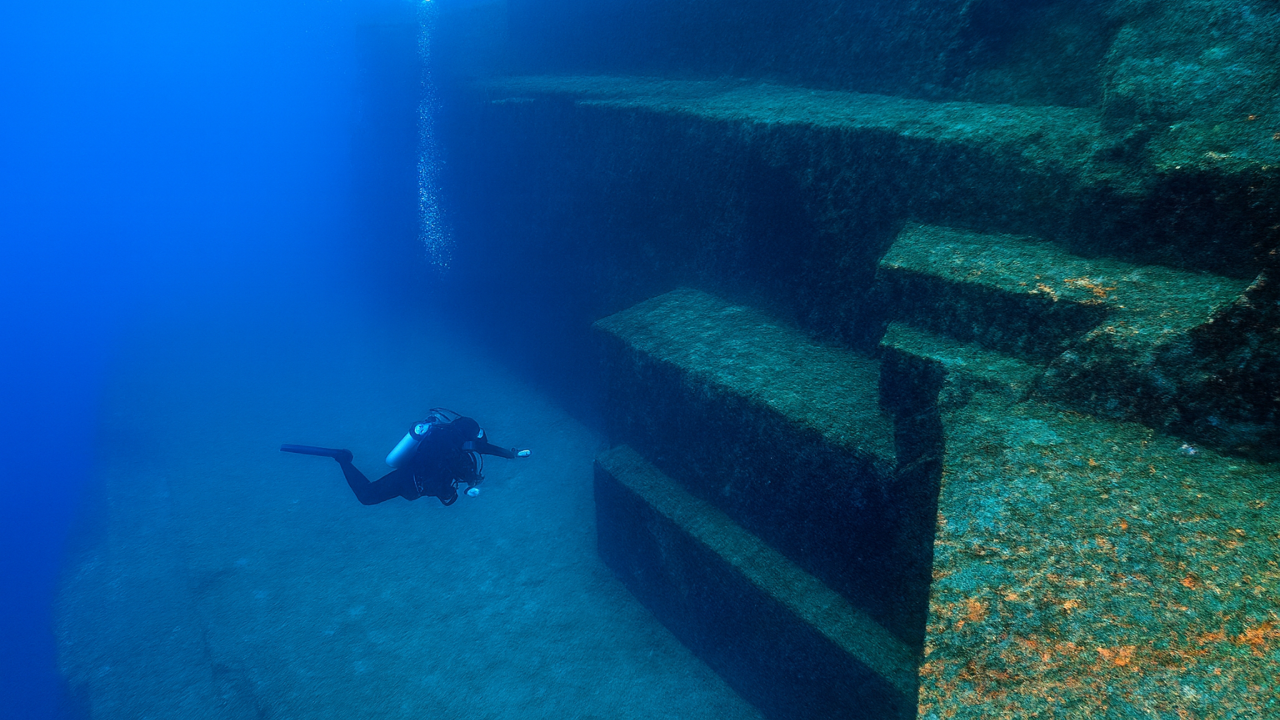
Deep below the ocean surface lie extraordinary places of fire, ice, and ancient rock. These sites challenge what we know about Earth. From hot vents in the Arctic to bubbling methane along coastlines, seven key underwater locations reveal the seafloor’s hidden secrets. They reshape our understanding of biology, geology, and the planet’s history.
Gakkel Ridge: Arctic Heat in the Cold
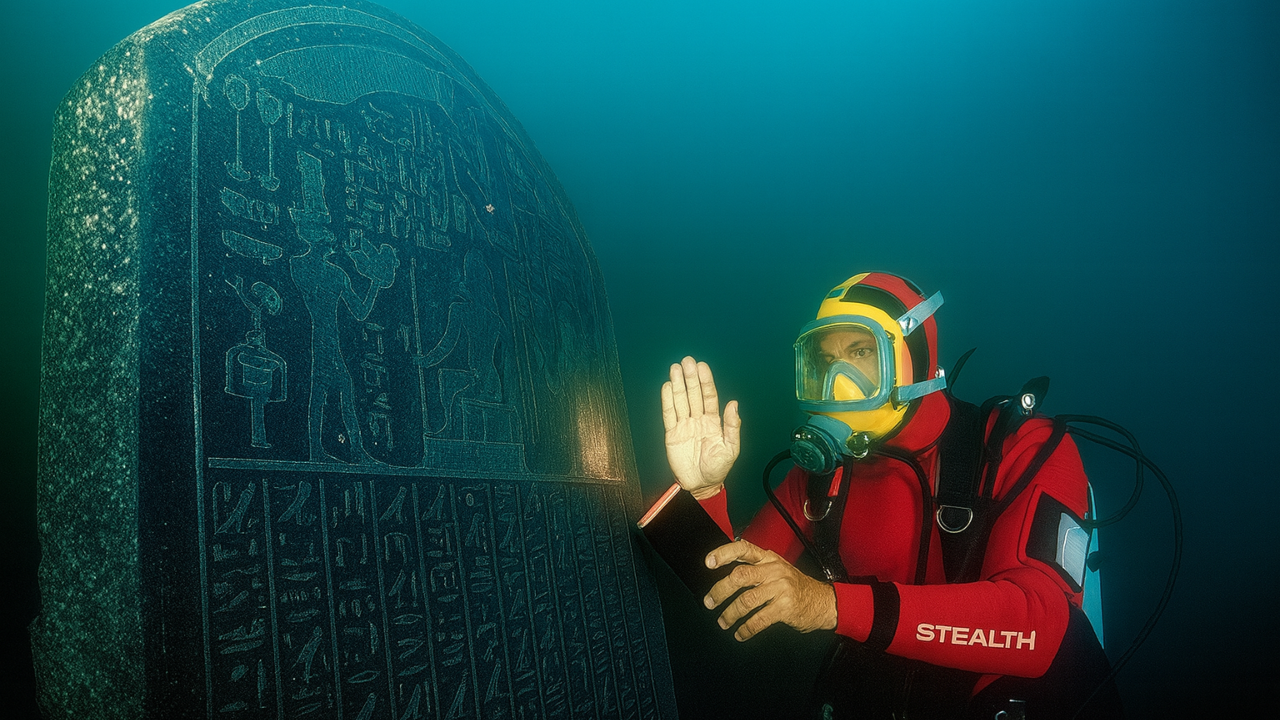
The Gakkel Ridge stretches about 1,300 miles between Greenland and Siberia. It drops more than three miles deep into the Arctic Ocean. In 2003, scientists found the first hydrothermal vents here. These vents were surprising because experts once thought the area had no life.
The vents spew heat, minerals, and chemicals. They support thick communities of microbes and animals. These discharges affect ocean currents and chemistry. They also give hints about early Earth conditions. Such environments might even exist on icy moons like Europa.
Von Damm Vent Field: Caribbean Powerhouse
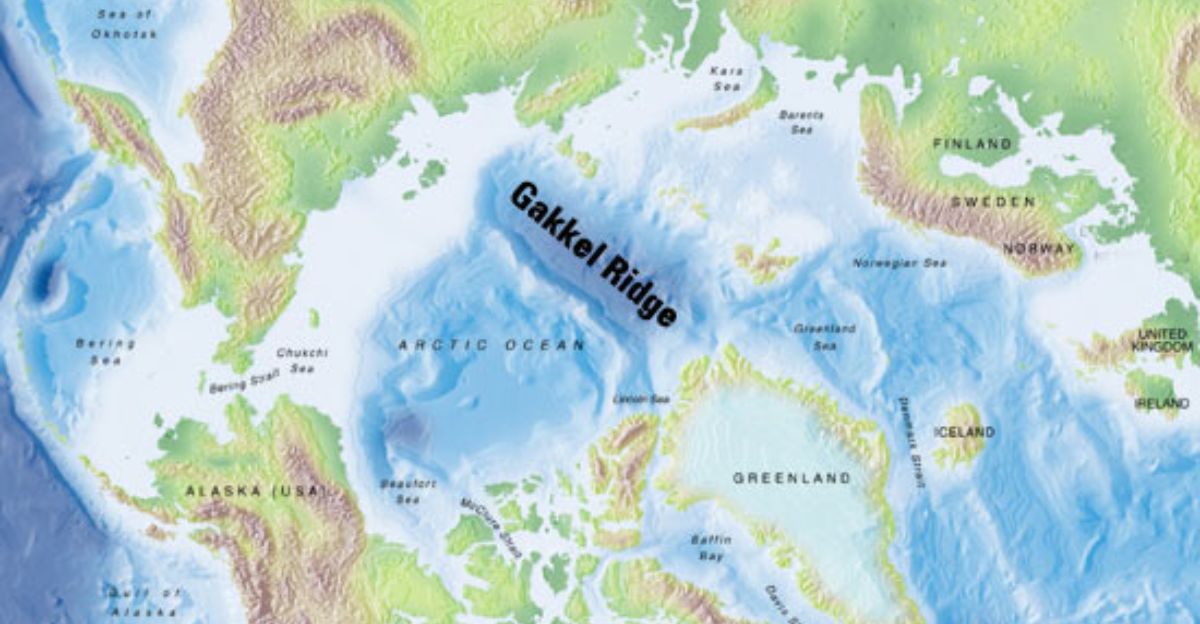
Off the Caribbean seafloor, the Von Damm Vent Field rises 246 feet high. It stands out due to its makeup of talc and magnesium silicate. This mix is unusual for hydrothermal vents. The field releases around 500 megawatts of energy into the water.
This energy powers one of the ocean’s richest habitats. Researchers have discovered about 500 new animal species here. These creatures survive boiling heat, crushing pressure, and total darkness. The site highlights the deep sea’s vast biodiversity.
Ancient Impacts and Active Rifts
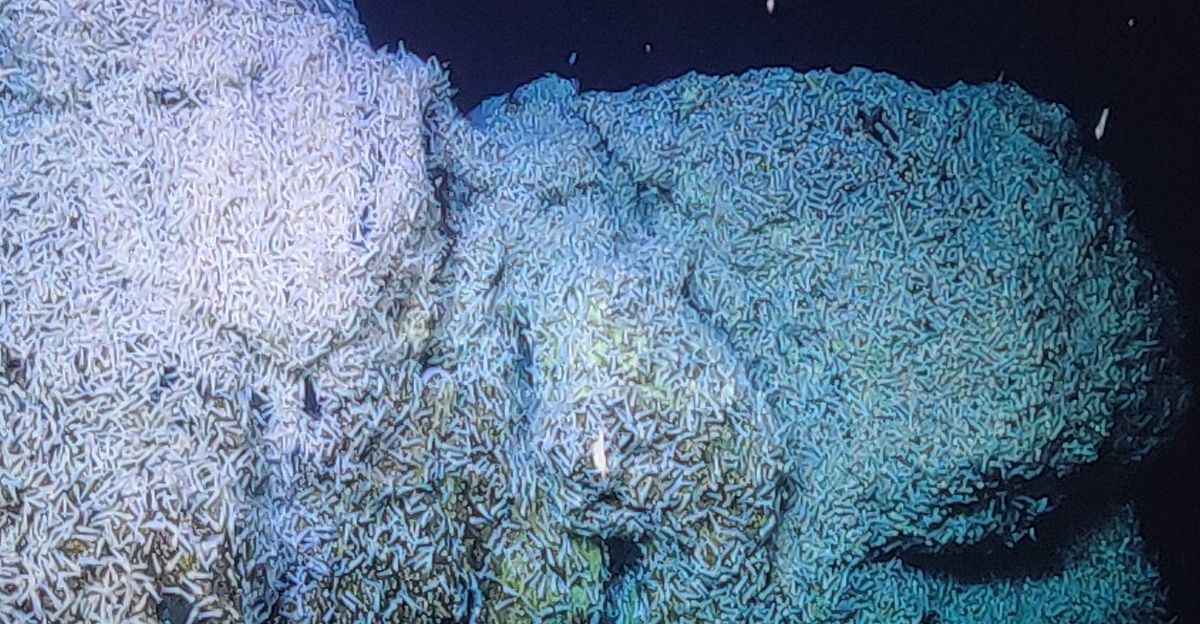
Mexico’s Yucatán Peninsula holds thousands of cenotes. These sinkholes formed when limestone roofs collapsed. They expose caves filled with fresh and salt water. Many link to the Chicxulub asteroid impact from millions of years ago. That strike left scars across the landscape.
The ancient Maya used cenotes for water and as holy places. Today, they preserve sediments, fossils, and climate data. These records show long-term environmental changes and tough underground life.
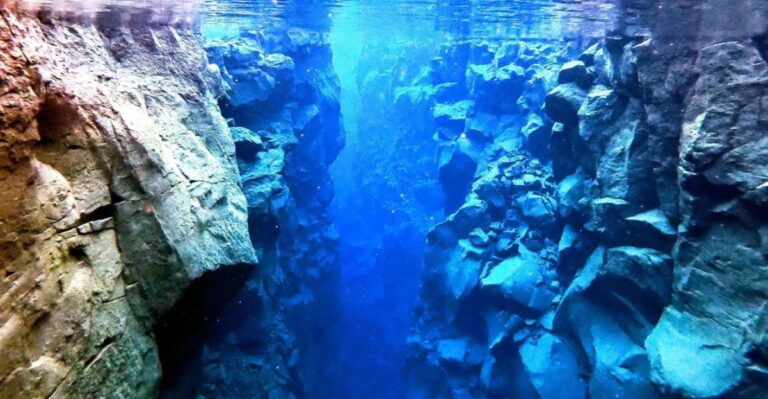
In Iceland, the Silfra Fissure cuts 206 feet deep. It marks where the North American and Eurasian plates drift apart by 0.78 inches each year. Glacial melt fills it with crystal-clear water, the clearest on Earth. Divers can swim between two continents in this stable, geothermal spot. The fissure offers a live look at plate tectonics above sea level.
Seeps, Seamounts, and Corals: Bubbles, Volcanoes, and Ancient Growths
Along the U.S. West Coast’s Cascadia Margin, champagne seeps dot the seafloor. Methane gas escapes and bubbles up like fizz from a bottle. These cold seeps create warm pockets that attract tube worms, clams, and microbes. The microbes eat methane instead of relying on sunlight. About 500 such seeps cluster here. They recycle old sediments and suggest how early ocean life began.
Nearby in the Atlantic, Carter Seamount sits 200 meters below the surface. It is one of few studied among over one million underwater volcanoes. A 2013 University of Bristol team found sponge gardens, coral reefs, and unique deep-sea life. Seamounts act as isolated hotspots for species in the vast ocean.
Off Greenland’s Cape Desolation, at 900 meters deep, cold-water coral reefs thrive. Scientists spotted them in 2012 while fixing equipment. Unlike tropical corals, these feed on drifting zooplankton in icy darkness. They grow slowly, millimeter by millimeter, forming some of the planet’s oldest structures.
Their skeletons record centuries of data on temperature, salt levels, and nutrients. They help track Arctic shifts from warming, acidification, and low oxygen.
Tech Reveals Secrets, But Threats Loom
New tools like submersibles, remote-operated vehicles, autonomous drones, and sonar have brought these sites to light. They turn the unseen into something we can study. Still, about 80 percent of the seafloor remains unmapped. That leaves more mystery than we know about the moon’s surface.
These places show life thriving in harsh conditions, from scorching vents to methane clouds. They mirror processes that might happen on other planets.
Deep-sea mining now targets minerals and chemicals from these areas. It threatens fragile spots like corals and vents, untouched for millions of years. Global efforts seek to protect them while allowing research. This balance could unlock more discoveries from thousands of vents, seamounts, and cracks. The seafloor holds clues to Earth’s history, current problems, and a sustainable path forward.
Sources
BBC Science Focus – Von Damm Vent Field and hydrothermal vent research
Ocean Exploration Trust – Champagne Seeps and Cold Seeps Discovery Reports
University of Bristol – 2013 Carter Seamount study
Chicxulub impact research – Cenotes geological formation studies
Icelandic geological surveys – Silfra Fissure plate tectonics documentation
2003 Arctic hydrothermal vent discovery – Gakkel Ridge research archives