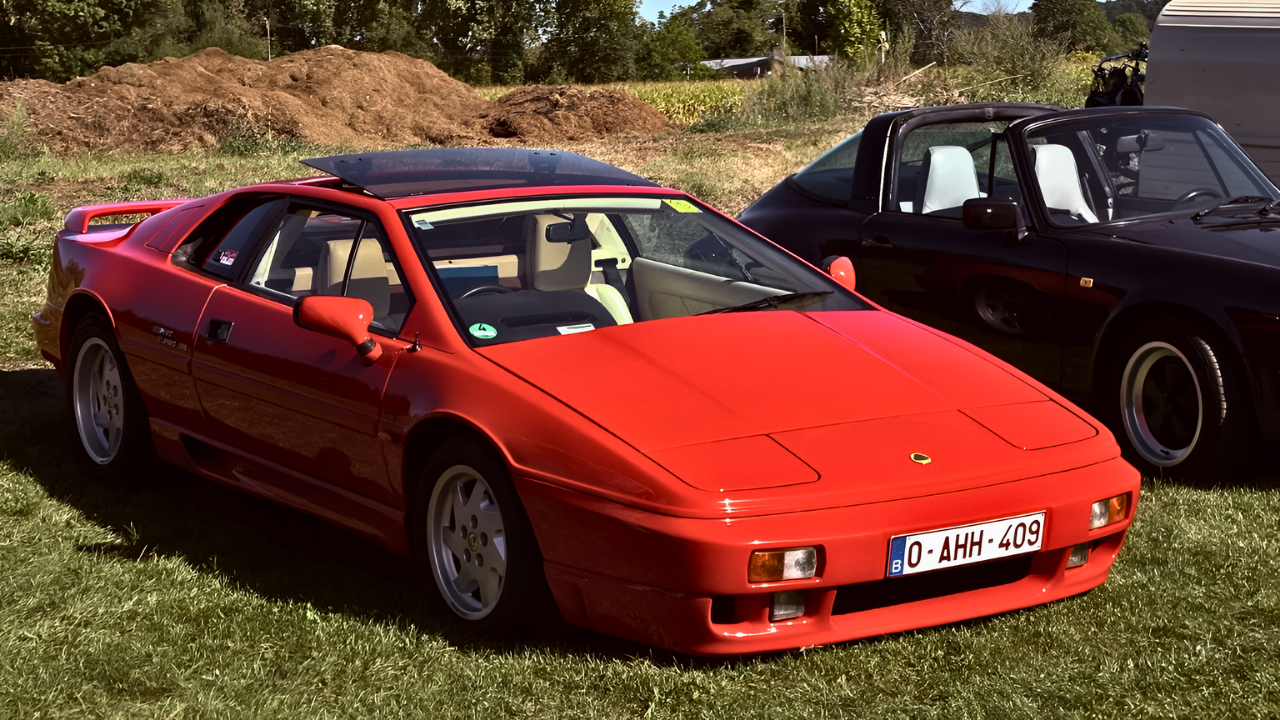
Remember when a Ferrari on the street signaled untouchable wealth? That image is fading fast. A wave of 2000s-era supercars – once the preserve of the ultra-rich – has plunged into price territory that overlaps with well-equipped family SUVs. Machines that once cost several hundred thousand dollars can now be found for under $75,000, and in a few cases close to $25,000. The catch: while the purchase price has collapsed, the costs of keeping these cars on the road remain firmly in the exotic category.
The shift is the product of steep depreciation, high running expenses, and a global market pivot toward hybrid and electric performance. At the same time, these 2000s models represent the last generation of largely analog, mechanically focused supercars before turbocharging, hybrid systems, and advanced driver aids took over. That tension – between apparent affordability and very real ownership burdens – is now reshaping the enthusiast market.
Depreciation Meets Reality
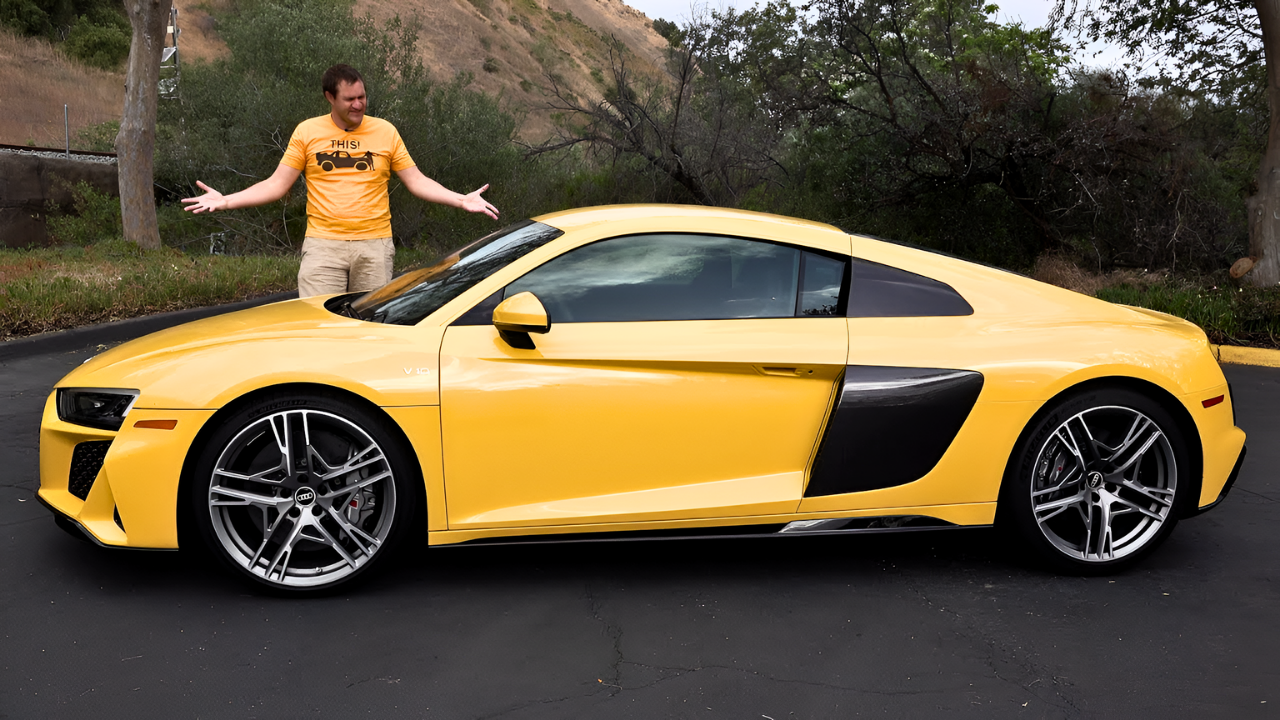
In their prime, 2000s supercars sat at the very top of the price ladder. A Ferrari F430 could approach $500,000, a Porsche 996 Turbo about $150,000, and a Dodge Viper around $80,000. They were symbols of status as much as speed. Two decades later, the same cars can sell for well under six figures, with some Aston Martin and Porsche examples dipping toward the price of a new midrange sedan.
This collapse in values is driven partly by the cost of keeping them running. Annual maintenance for an aging exotic can run from $5,000 to $15,000, with specialist parts often hard to source. Insurance alone can add another $4,000 to $8,000 each year. Those ongoing bills deter casual buyers who are tempted by the lower purchase prices but unprepared for the long-term commitment required.
Compounding the effect, many 2000s cars were driven sparingly when new. Low-mileage examples are abundant, leaving supply well ahead of current demand. The result is a market where the headline prices look attractive, but full ownership costs still demand serious financial planning.
The Last Analog Generation
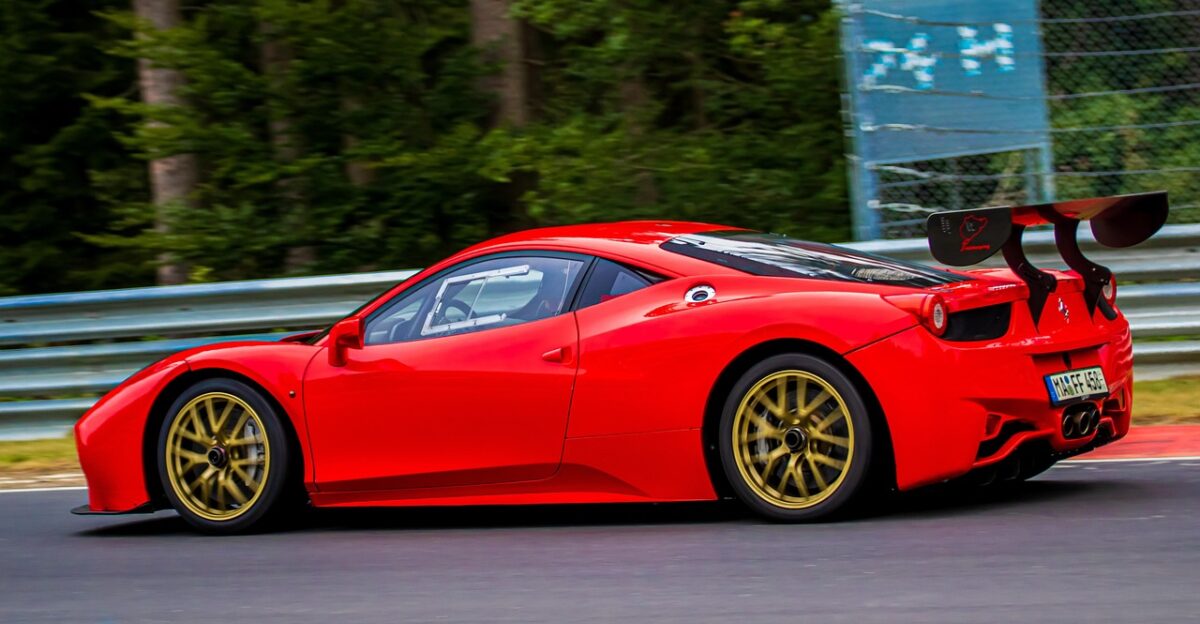
The appeal of these machines rests on more than nostalgia. The 2000s marked the final era when many high-performance cars relied on naturally aspirated V8 or V12 engines, hydraulic steering, and traditional throttles without heavy digital intervention. They predate widespread use of hybrid assistance, complex electronic control systems, and semi-autonomous driver aids.
For many enthusiasts, that makes them historically significant. The cars offer direct steering feel, high-revving engines, and manual or early automated gearboxes that demand genuine driver involvement. Millennials and Gen X buyers who grew up seeing these models in games, films, and magazines are now in a position to pursue the cars they once dreamed about, just as their prices have become relatively accessible.
That convergence of childhood aspiration, mechanical purity, and softened pricing is unlikely to repeat. As regulations and buyer preferences push manufacturers toward electrified performance, the 2000s are increasingly viewed as a closing chapter in traditional supercar engineering.
Seven Supercars Within Reach
For those willing to shoulder the running costs, several models stand out as attainable entries into the 2000s performance world.
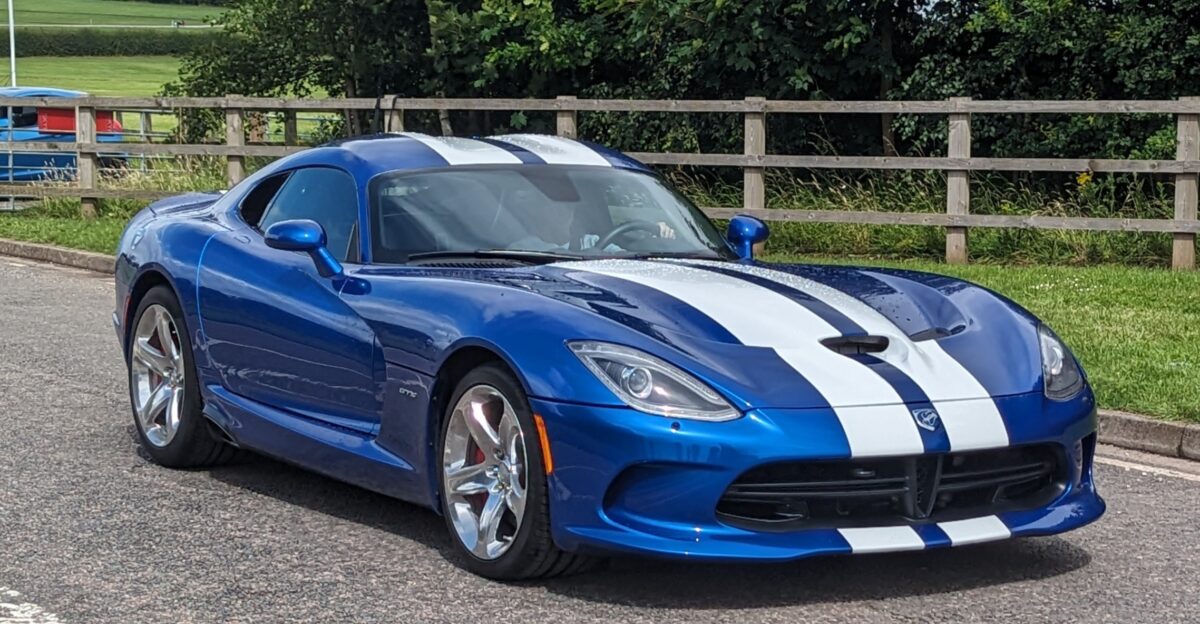
The 2003–2006 Dodge Viper pairs a 510-horsepower V10 with a 0–60 mph time of about 3.9 seconds and a top speed beyond 200 mph. Once roughly $80,000 new, many examples now trade between $52,000 and $73,000. With minimal electronic assistance and a reputation for raw, demanding behavior, it delivers full-blooded performance without European badge pricing.
The 2000–2005 Acura NSX offers a different philosophy: a 290-horsepower V6, 0-60 mph in about 4.5 seconds, and a reputation for durability rooted in Honda engineering. Fewer than 9,000 were built, and values have climbed into the $80,000–$150,000 range, reflecting renewed collector interest in its blend of mid-engine balance and everyday drivability.
The 2004–2005 Porsche 996 Turbo delivers 420 horsepower and about 3.9 seconds to 60 mph, combining familiar 911 usability with serious pace. From an original price near $150,000, many now sit between $45,000 and $51,000. High production volumes keep parts relatively accessible, making it one of the more practical options in the group.
Italy contributed two notable bargains. The 2000–2005 Ferrari 360 Spider uses a 400-horsepower naturally aspirated V8, hits 60 mph in roughly 4.0 seconds, and once cost over $400,000 in some markets. Today, many cars fall between $43,000 and $73,000. Its successor, the 2005–2009 Ferrari F430 Spider, ramps output to 490 horsepower and about 3.6 seconds to 60 mph. Values have fallen from around $500,000 to roughly $60,000–$124,000, offering more performance and updated styling at a still-discounted level.
Lamborghini’s 2003–2009 Gallardo, with a 500-plus-horsepower V10 and a 0–60 mph time near 3.4 seconds, originally sold for about $190,000–$200,000. Today, prices commonly range from $90,000 to $130,000. It gained a reputation as a relatively usable Lamborghini, with dramatic looks but fewer reliability concerns than some earlier models.
At the lowest price point, the 2000–2005 Aston Martin DB7 Vantage carries a 5.9-liter V12, 420 horsepower, and a 0–60 mph time of about 4.7 seconds. Once near $140,000 new, many examples now sit in the $25,000–$35,000 bracket, making it one of the least expensive routes into V12 grand touring from a historic British marque.
The Halo Cars That Never Fell
Not every 2000s performance icon has become a bargain. A small group of ultra-rare models has either held or multiplied in value, driven by scarcity, historical significance, and engineering ambition.
The Bugatti Veyron, launched in 2005 with a 1,001-horsepower quad-turbo W16, 0–60 mph in 2.5 seconds, and a top speed exceeding 250 mph, was built in a run of just 450 cars. Priced around $1.7 million new, examples now typically sell between $1.5 million and $2.5 million, underlining its status as a technological landmark.
The Pagani Zonda, produced from 2000 to 2009 in a series of limited variants, combined a 7.3-liter V12, up to 645 horsepower, and extensive carbon-fibre construction. With only about 140 units built, values have risen from roughly $400,000–$600,000 at launch to between $1.2 million and $3.8 million.
Ferrari’s F40, which saw limited late production extending into the early 2000s, featured a twin-turbocharged 471-horsepower V8. Originally planned as a limited run of 400 cars, demand pushed total production to over 1,300 units. From an original price near $400,000, values have surged into the $2 million–$4 million range, supported by its status as the last model personally approved by Enzo Ferrari.
The McLaren F1, produced in the 1990s and early 2000s, also remains in a different financial universe. With a 627-horsepower V12, three-seat layout, and only 106 examples built, its original cost of around $970,000 has given way to auction results between $10 million and $20 million.
Porsche’s 2003–2006 Carrera GT, powered by a 5.7-liter naturally aspirated V10 developing 605 horsepower, was limited to about 1,270 units. Initially priced around $440,000–$580,000, it now typically fetches $1.2 million–$2.2 million, helped by its manual transmission and reputation as one of the last truly uncompromising analog supercars.
A Closing Opportunity
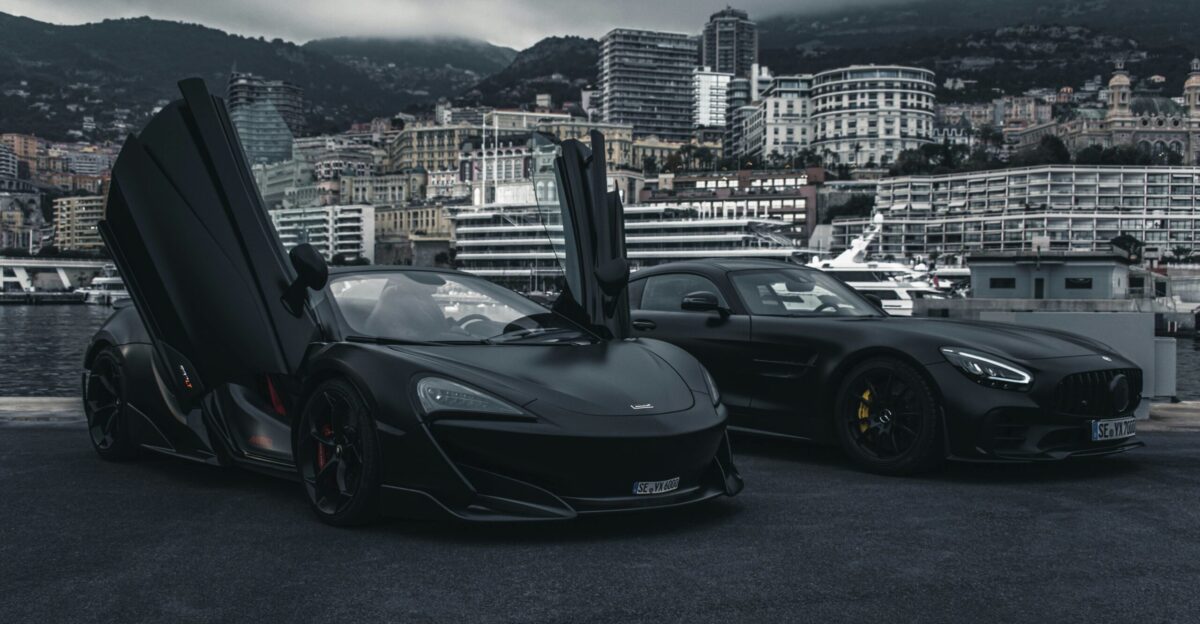
The diverging fortunes of 2000s performance machines highlight a market at a crossroads. On one side are cars like the Porsche 996 Turbo or Aston Martin DB7 Vantage, which now offer extraordinary performance and heritage at prices comparable to new mainstream vehicles, albeit with substantial ongoing costs. On the other are halo models like the Veyron, Zonda, and McLaren F1, whose limited production and historical roles have turned them into blue-chip collectibles.
Enthusiasts and collectors face a narrowing window. As more buyers recognize these models as the final wave of predominantly mechanical supercars before electrification and automation redefine performance, prices for the more accessible cars are already starting to firm. Whether seeking a driving experience rooted in the early 2000s or a long-term asset, those interested in this era are under increasing pressure to decide before scarcity and rising demand push the most compelling examples out of reach.
Sources:
“Dodge Viper: The American Supercar That Sells For Average New Car Prices.” Hemmings Motor News, September 2025.
“Price Guide: Porsche 911 996 Turbo [UPDATED 2025].” The Classic Valuer, 2025.
“Ferrari 360 Spider Price Guide [UPDATED 2025].” The Classic Valuer, December 2025.
“Lamborghini Gallardo Market Report.” Global Auto Sports, September 2025.
“Why Old NSX Values are Rising While New NSXs are Falling.” Hagerty Media, July 2022.
“Porsche Carrera GT: The Last of the Naturally Aspirated Supercars.” Rennlist Magazine, 2024.