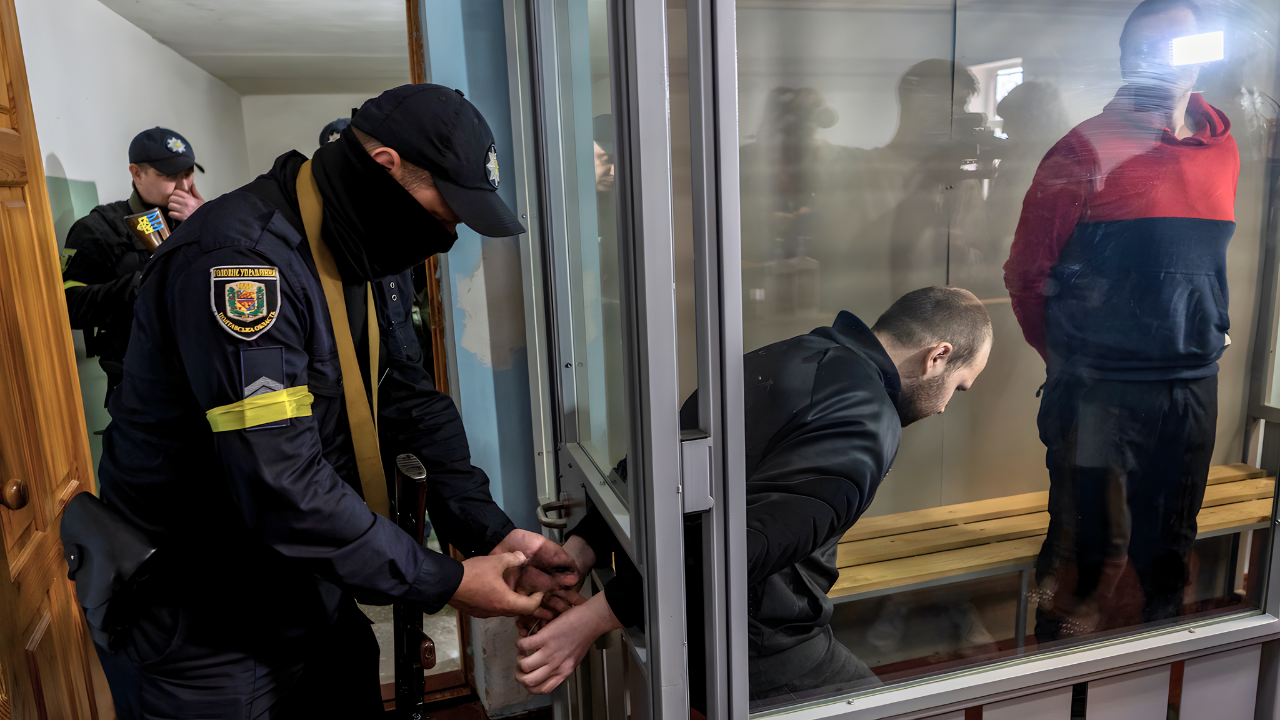
A man stepped off a commercial cargo vessel at one of Britain’s quieter ports. No red flags. No suspicious activity. Just another crew member walking through one of the thousands of ships entering UK waters each year.
Except he’d arrived from Finland, and intelligence handlers were tracking him. He wasn’t there for trade. He was there to scout British military installations.
He Wasn’t Working Alone

A second operative moved through UK ports at precisely the same time. From Kaliningrad—Russia’s military exclave wedged between NATO allies—he entered through Middlesbrough and then traveled south to Grangemouth, Scotland’s critical fuel distribution hub.
By summer 2025, two suspected Russian intelligence operatives had successfully mapped British military sites and critical infrastructure. They’d done it undetected.
The Shadow Fleet Was a Distraction
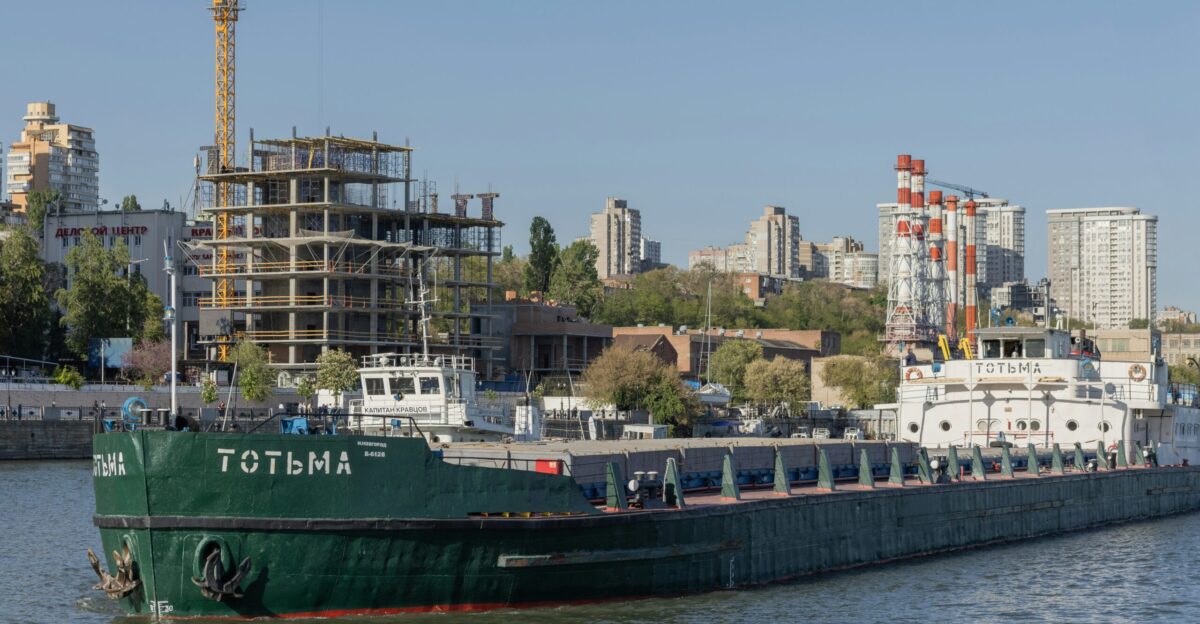
Western governments have spent years obsessing over Russia’s shadow fleet—the aged tankers that slip oil sanctions. Intelligence agencies monitor them like hawks, tracking every movement in real-time.
While the entire Western intelligence community stared at tankers, Russia was quietly moving operatives on regular cargo ships. The ones that nobody thinks twice about.
NATO Admits: We Can’t Stop This
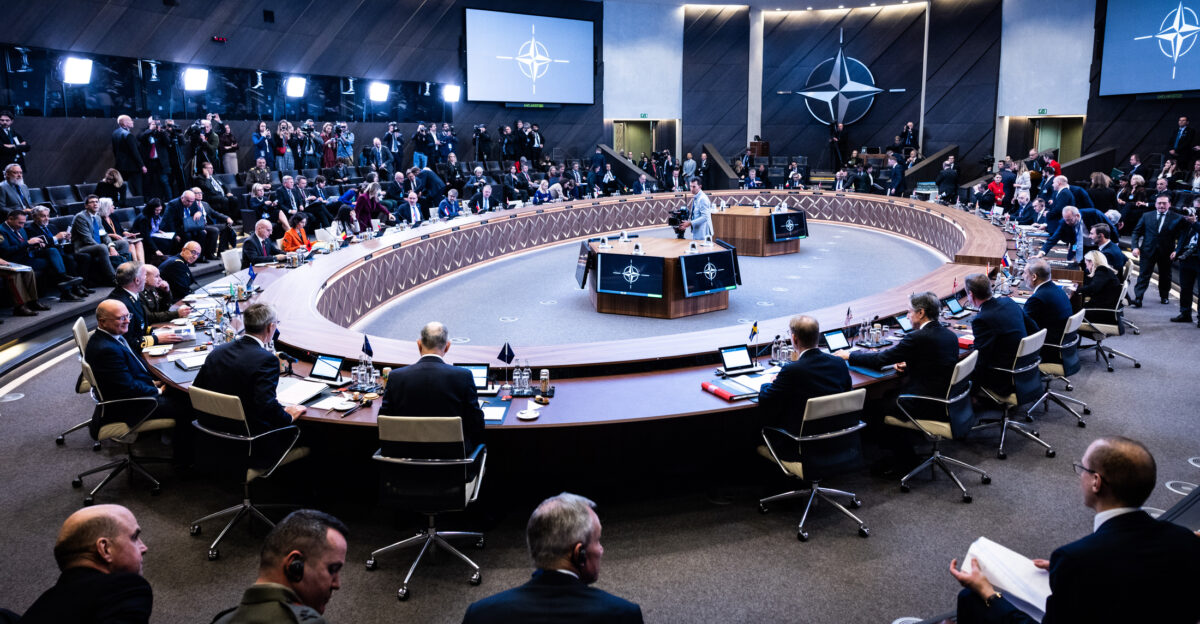
A high-ranking NATO official responsible for Europe’s maritime waters delivered the acknowledgment that shocked defense ministries: “They are not sailing on shadow fleet tankers, they are sailing on all types of ships.”
The message was unmistakable. We see it happening. We believe it’s happening regularly. And frankly, we’re not entirely sure how to stop it.
Why Ports? Because They’re Less Guarded
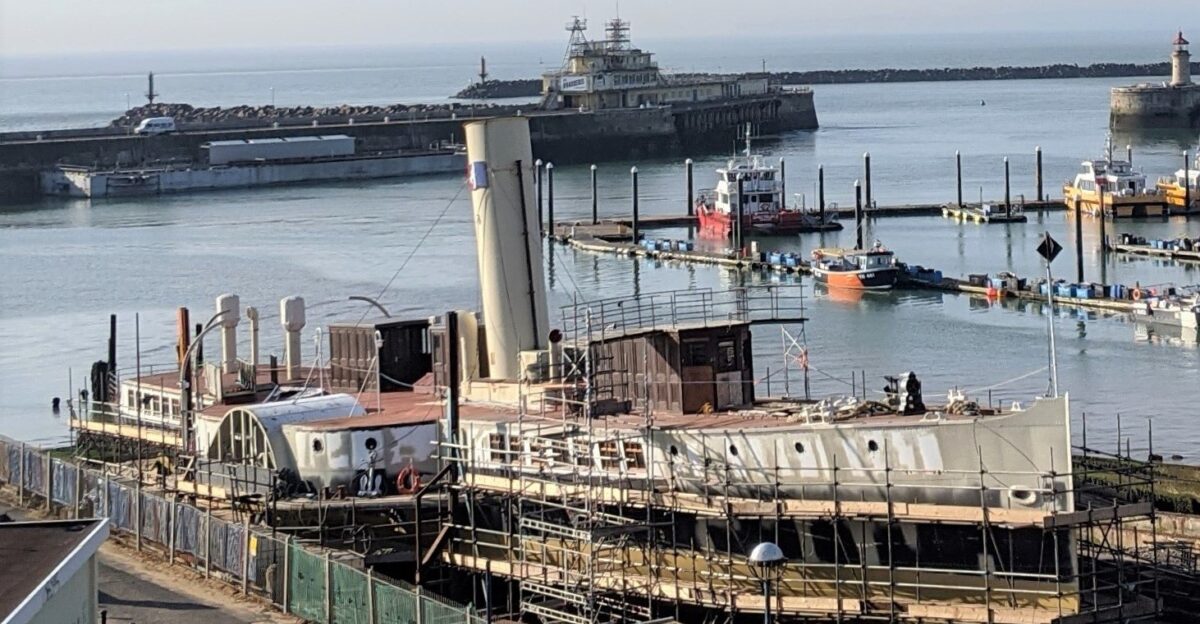
Airports have facial recognition cameras. Land borders have rigorous passport checks. But ports? Atlantic Council expert Elisabeth Braw describes UK port security as inherently “less rigorous” than airports.
Hundreds of cargo ships arrive monthly. Each carries crews of dozens. Screening everyone would shut down global trade. So, ports operate on baseline security, assuming most people are exactly who they claim to be.
The First Operative Headed to a Very Specific Place
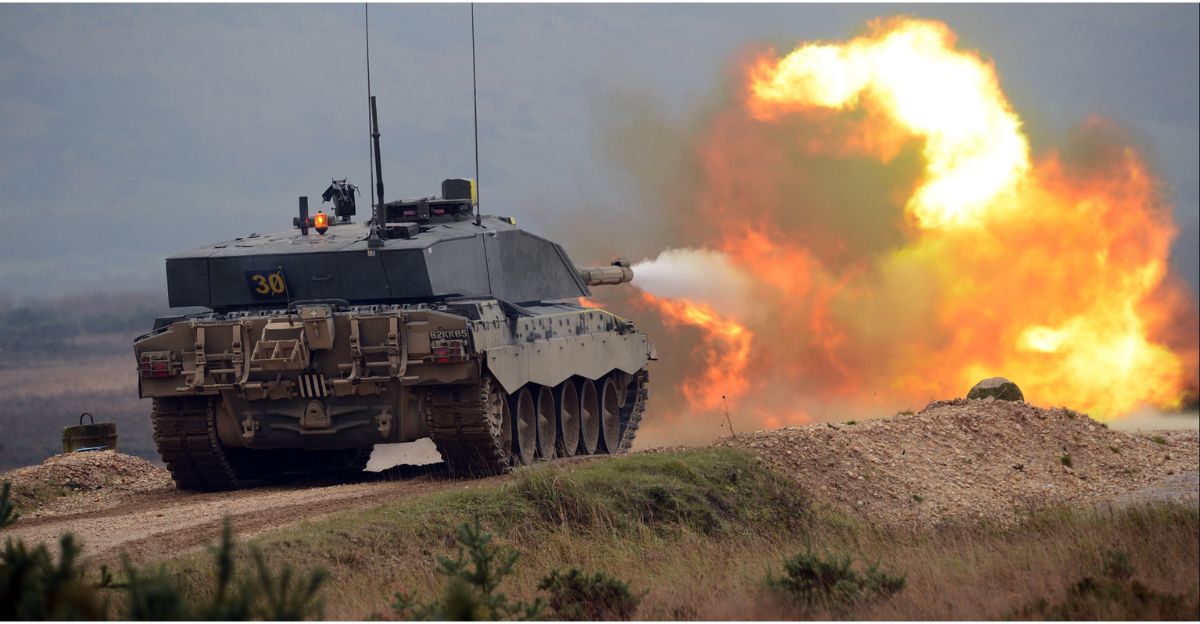
After arriving at Torquay, the first operative didn’t wander aimlessly. He traveled inland to Lulworth Firing Range in Dorset—where over 10,000 Ukrainian soldiers have trained since 2022 in weapons handling, tank gunnery, combat tactics.
Someone wanted detailed intelligence on that pipeline. Someone wanted to report every detail back to Moscow about Ukrainian military capabilities.
What Does Russian Intelligence Want With a Training Base?
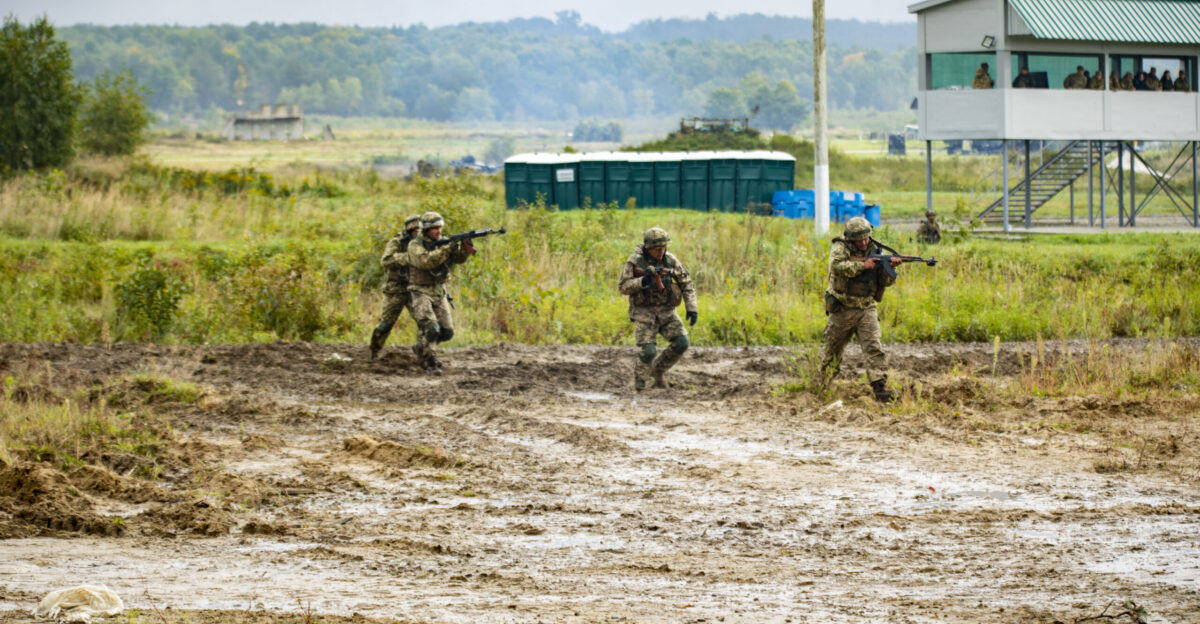
Training schedules. Unit composition and strength. New combat tactics are being taught. How many Ukrainian soldiers are cycling through? How frequently? What specific capabilities are they learning?
This operational intelligence directly informs Russian targeting decisions, countermeasures, and psychological operations designed to intimidate Ukrainian forces heading to the frontline. It shapes wartime strategy.
While One Watched Soldiers, The Other Mapped Fuel

The second operative had different targets. He traveled to Grangemouth—Scotland’s critical fuel distribution hub that supplies aviation fuel to Edinburgh, Glasgow, and Aberdeen airports and petrol across the Central Belt.
Intelligence gathered on energy infrastructure vulnerability could directly inform sabotage planning or identify weaknesses in Britain’s strategic supply chains. This was reconnaissance with purpose.
Russia Lost Its Diplomats—Now It Sends Operatives
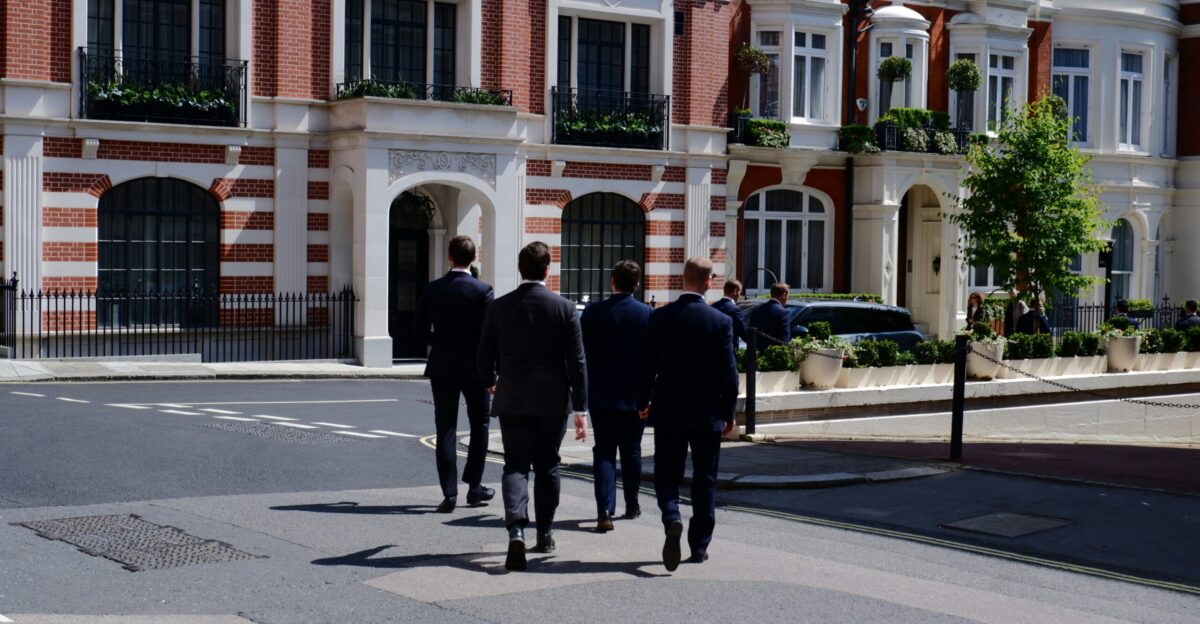
Britain has expelled 24 Russian officials since Ukraine’s invasion began. Across Europe, over 700 Russian diplomats—many undeclared intelligence officers—have been forced out since 2022. With fewer operatives able to operate under diplomatic cover and embassy protection, Russia adapted.
They now infiltrate agents through commercial channels where border security focuses on cargo screening, not counterintelligence vetting.
Hundreds of Ships. Thousands of People. One Question.
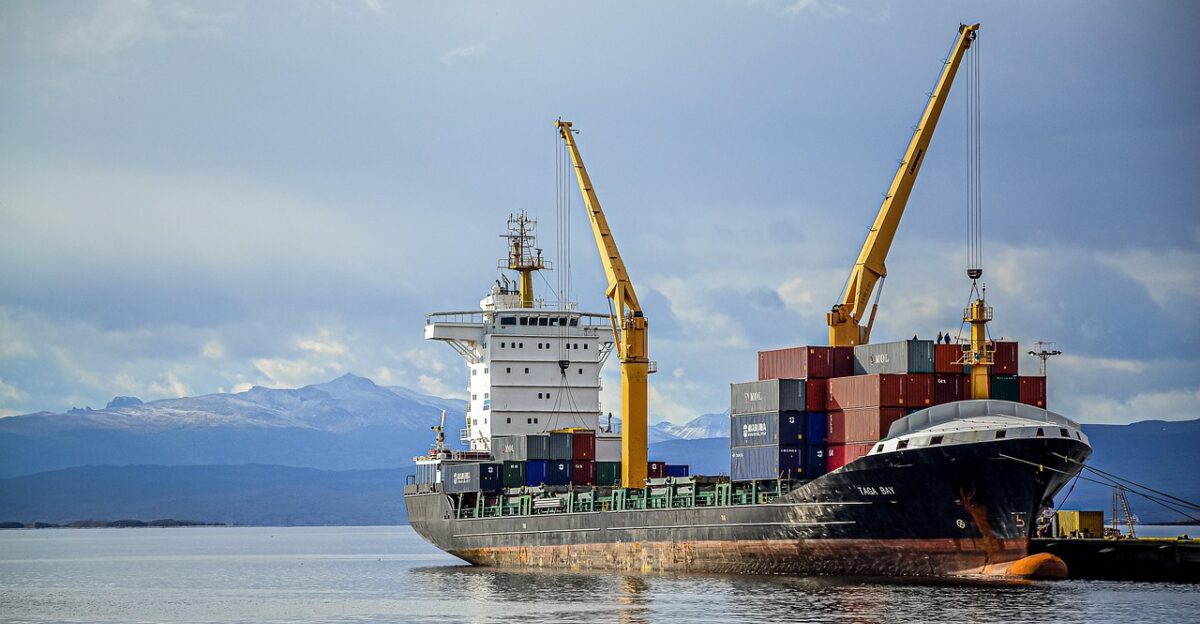
Hundreds of commercial cargo ships transit UK ports every single month. Each carries crew manifests listing 20 to 50 people. That’s thousands of individuals with legitimate access to critical infrastructure—and zero comprehensive vetting against Russian intelligence databases.
How many operatives have slipped through undetected? Intelligence agencies honestly don’t know. They only catch the operatives they were already watching.
Russia’s Genius Is Operating Just Below the Line
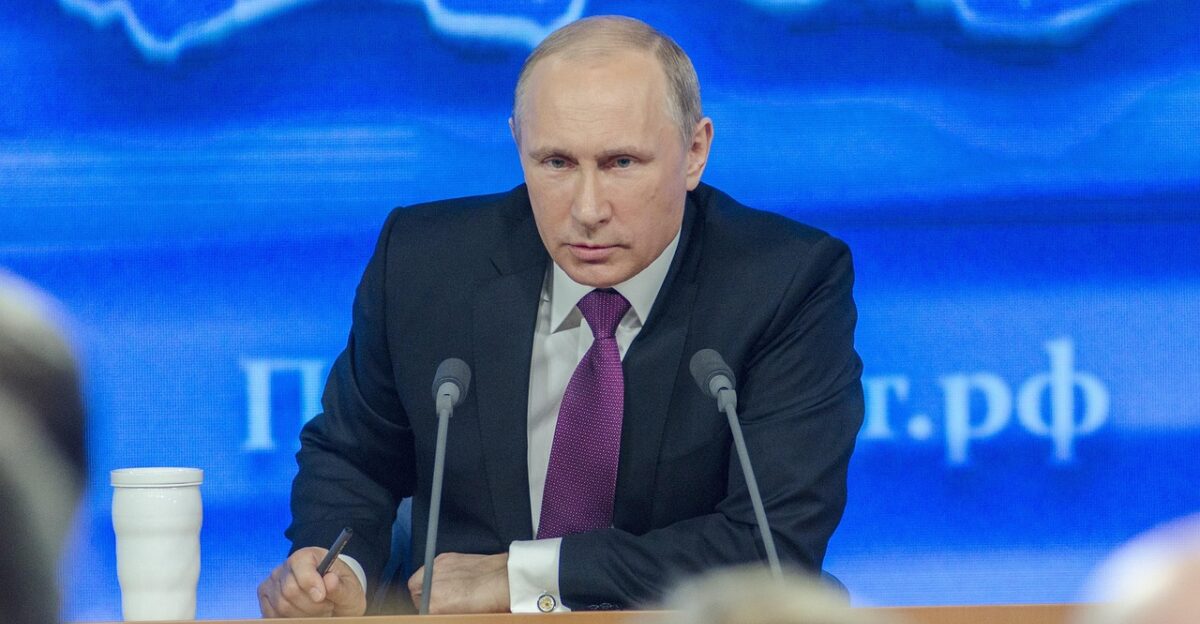
Two operatives on ordinary cargo ships represent textbook gray-zone warfare. It gathers actionable intelligence. It tests NATO defenses and reaction times. Most importantly, it proves Russia can operate inside NATO territory despite sanctions and diplomatic expulsions.
The strategic message Moscow sends is clear: We’re operating here. We can move freely. And you cannot stop us.
NATO Launched Operation Baltic Sentry. But Ports?

NATO responded decisively to Russian sabotage of Baltic Sea undersea cables by launching Operation Baltic Sentry in January 2025. Frigates patrol. Aircraft monitor. Drone surveillance watches for suspicious vessels. But personnel infiltration via commercial cargo ships?
Port security remains fragmented across different countries and agencies. No unified international framework addresses espionage operatives hidden in crew manifests.
What We Still Don’t Know
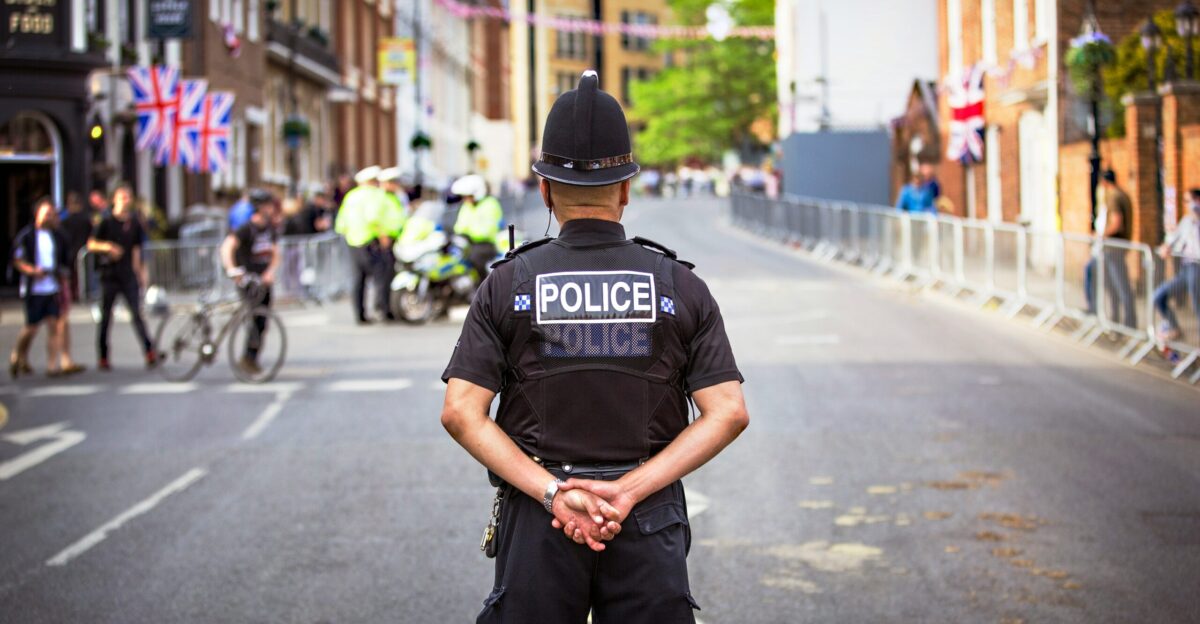
Were the two operatives arrested, or are they operating freely somewhere? Did they return to Russia, or do they remain embedded in the United Kingdom?
Which specific vessels carried them into UK waters? Which shipping companies were involved? Were there additional operatives who remain completely undetected? UK authorities have released no public details about arrests or ongoing investigations.
Why This Matters?
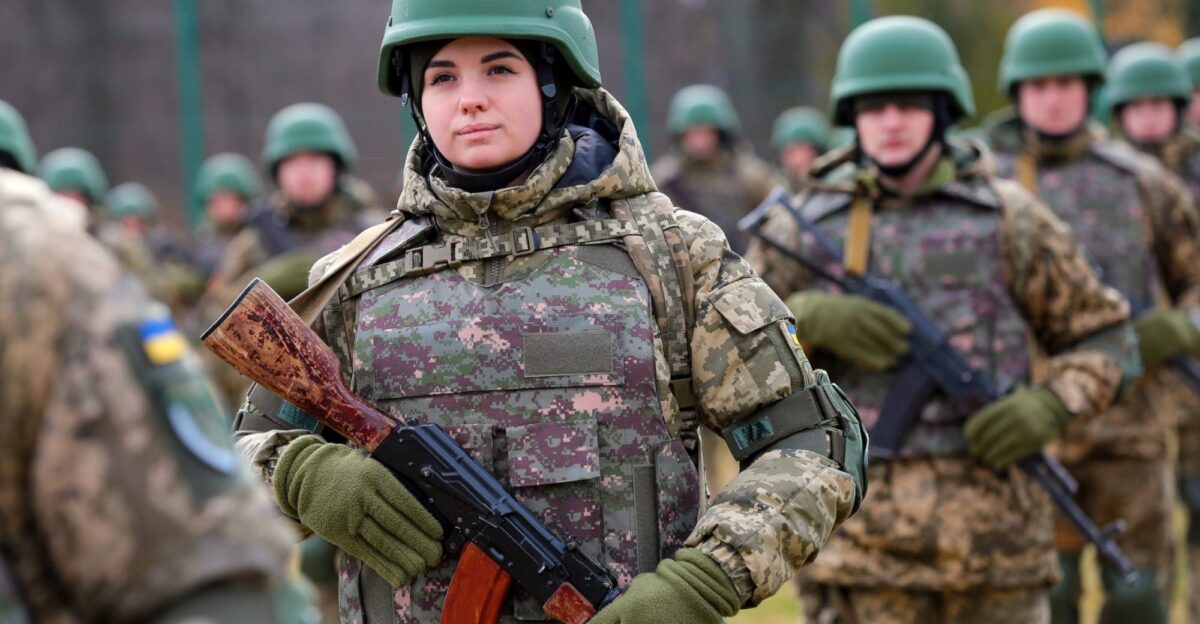
The infiltration sends a message: Russia can operate inside NATO territory despite sanctions and diplomatic expulsions. By demonstrating the ability to move operatives through systems designed to keep them out, Moscow signals both capability and resolve.
The timing matters too—occurring while the UK trained Ukrainian soldiers who would soon face Russian forces. Operational intelligence gathered could inform targeting decisions and countermeasures.
The Real Question Isn’t How Many Got In

It’s how many slipped through completely undetected. Because Russia now “dominates” segments of global shipping, and NATO officials publicly acknowledge operatives are moving on “all types of ships,” the answer might be far more than intelligence agencies have discovered.
The two operatives caught likely represent the smallest fraction of a much larger infiltration network currently operating across NATO’s maritime borders.
Sources:
UK Defense Source, i Paper investigation, December 2025
NATO Official statement, December 2025
Elisabeth Braw, Atlantic Council, hybrid threats expert
Fox News, “Russian spies infiltrate UK on cargo ships to scout military sites,” December 2025
CNN, “The Kremlin’s brazen tactics: Russia’s shadow fleet,” December 2025
Polish Institute of International Affairs, “NATO and the EU Respond to Russian Maritime Sabotage,” October 2025