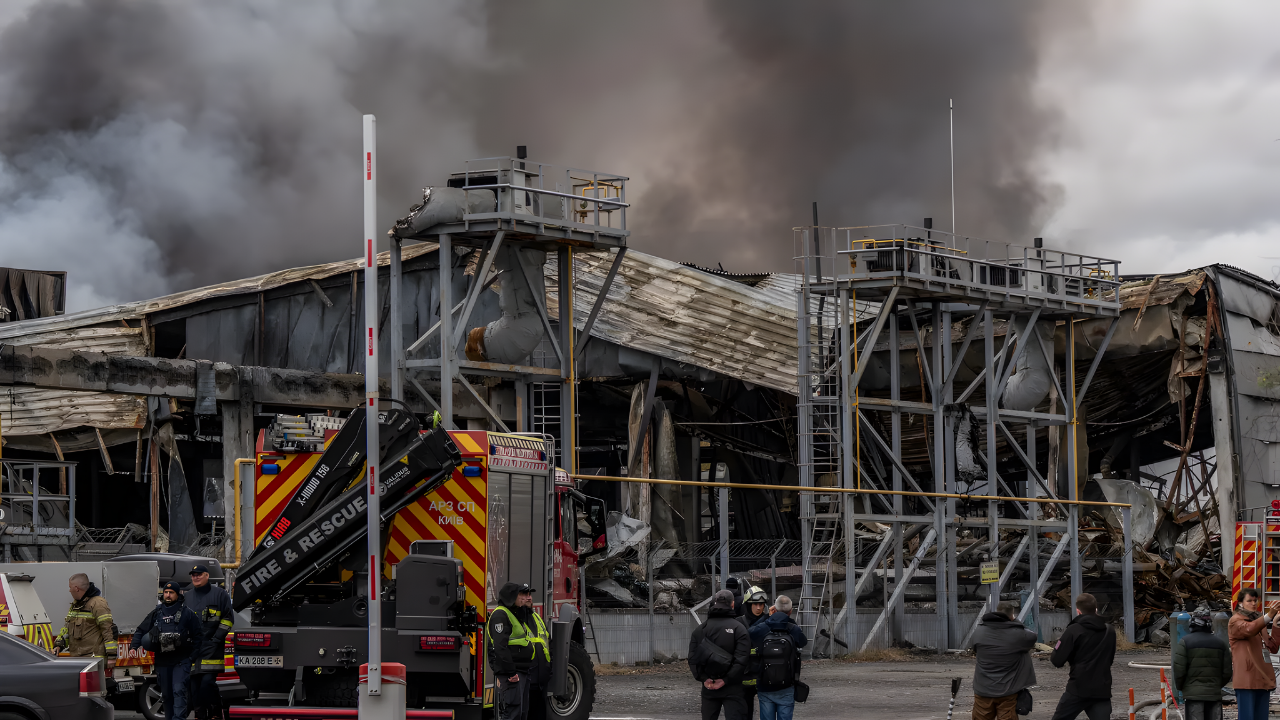
Explosions rang out around Moscow on December 14. Russian air defenses shot down 56 Ukrainian drones in just four hours, from 4:00 PM to 8:00 PM. These drones broke through what many saw as the capital’s unbreakable sky defenses.
Drones made it to the Moscow area. This set off alerts and blasts that shook local people. The event showed a shift in the Ukraine-Russia war, now in its third year. Ukraine’s unmanned aircraft flew from hundreds of kilometers away to test Russia’s defenses deep inside the country.
Moscow has a metro area of 21.5 million people. It now deals with frequent drone warnings and attacks. Strikes on December 10-11 and 14 led to short closures of big airports. Travelers got stuck, and worry grew among residents.
People heard booms close to the city. Reports placed some drones over nearby suburbs. Air-raid sirens drove folks to shelters or kept them from windows due to falling debris risks. These attacks prove the war now reaches far past the front lines.
War Spreads to Russia’s Interior
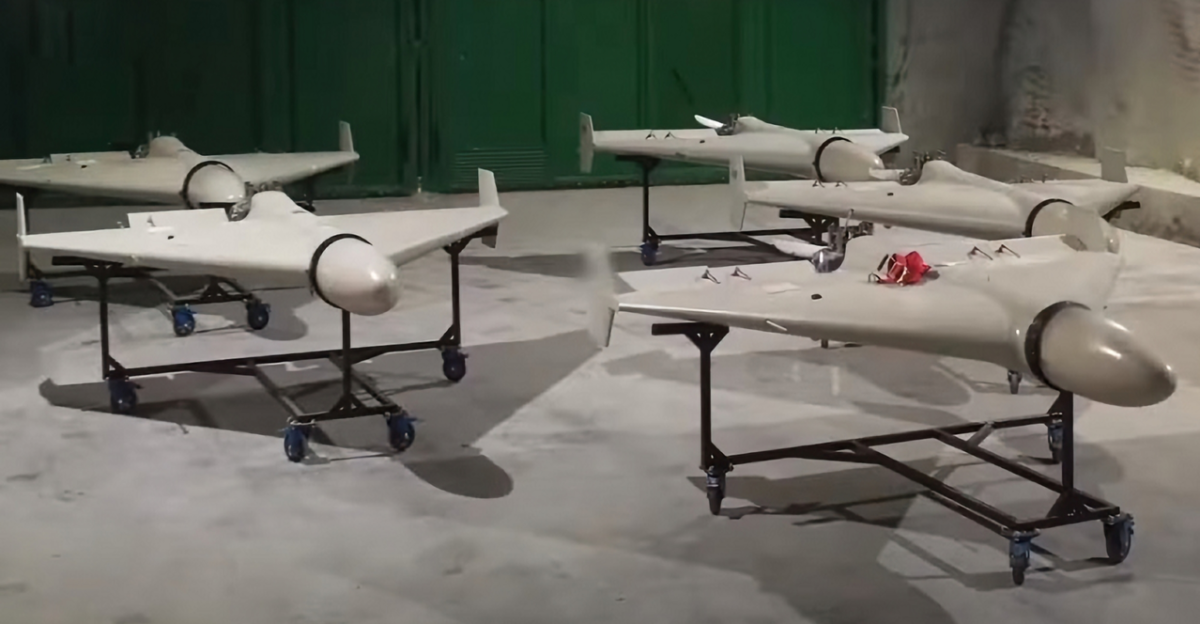
Russia has fired thousands of Shahed drones at Ukraine since 2022. These come from Iranian designs. Ukraine fights back with its own long-range attacks on Russian energy plants, military bases, and factories. Targets include Moscow, Bryansk, Belgorod, and Tatarstan.
On December 14, defenses took down 24 drones over Belgorod, 17 over Bryansk, and 2 in the Moscow region. Areas near the border, like Belgorod, see the most action. Damage hit spots near key facilities. This disrupted local work and supply lines.
The drone fights ramped up from late 2024 into 2025. Russia pounds Ukrainian sites with barrages. Ukraine boosts its output of cheap drones, such as the Lyutiy model. Each costs just tens of thousands of dollars. They wear down Russia’s more expensive defense missiles. The war now turns into a test of who can produce and lose drones fastest.
In Tatarstan, three groups of Ukrainian drones struck Kazan on December 21. The attacks came between 7:40 AM and 9:20 AM. They damaged homes and an industrial site, hundreds of kilometers from the battlefront. No one died, but people evacuated, and airports shut down briefly.
Russia Struggles with New Threats
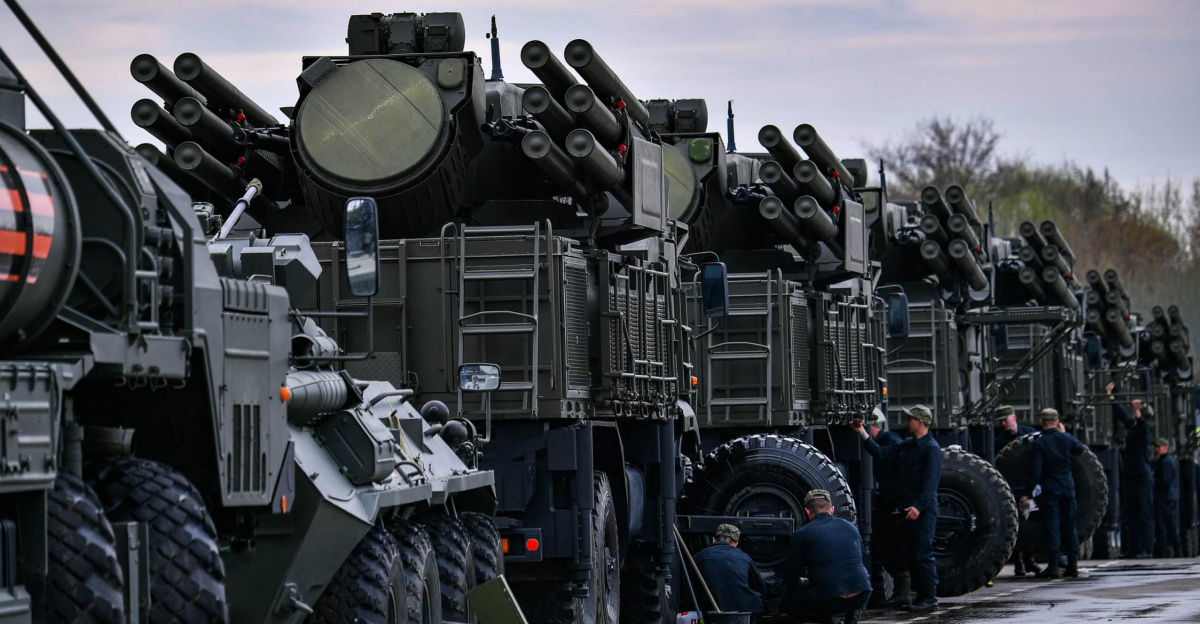
Russia uses Pantsir-S1 systems and other gear to guard Moscow and vital spots. Open-source photos show this setup. The country also relies on electronic jamming and hiding tactics to fight back. Still, experts doubt if these can hold up against floods of low-cost drones.
Defenses knock down many drones. Yet some still hit fuel storage and supply routes. In Tatarstan, Governor Rustam Minnikhanov led the response in Kazan. He faced complaints at home about shielding far-off factories. The Kremlin promised stronger defenses and strikes in return.
These drone runs change daily life for Moscow’s millions. Alerts and shutdowns have become routine. Both sides keep tweaking their plans and building more drones. Weak spots in Russia’s core areas now stand out.
What Lies Ahead for the Conflict
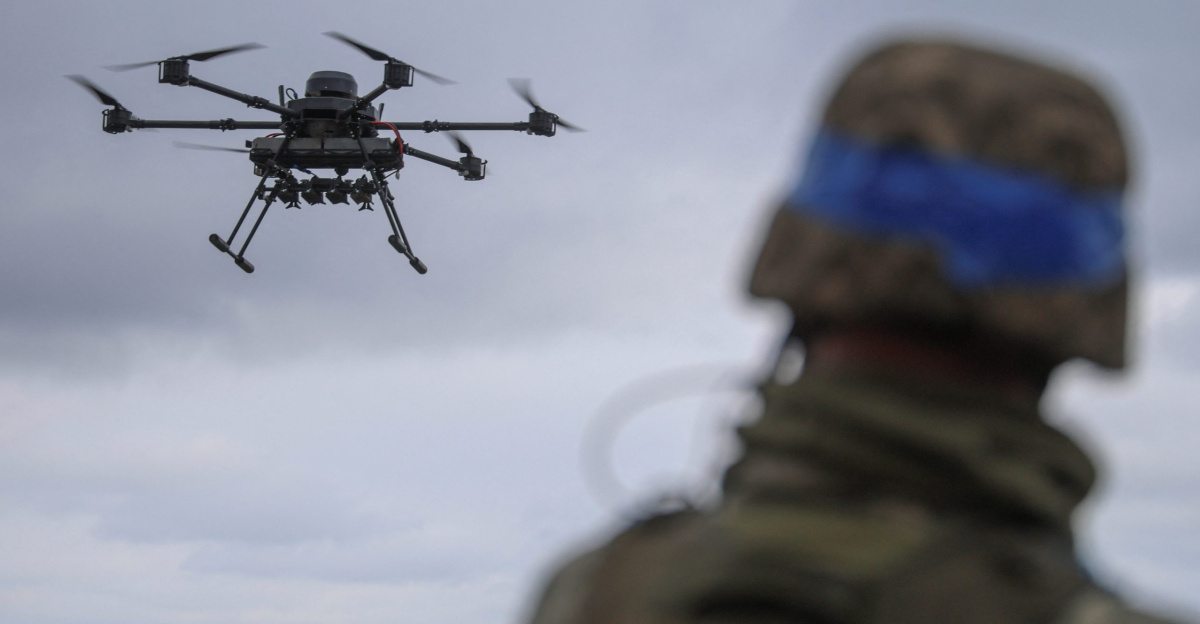
Long-term drone attacks could aim harder at power grids, transport, and factories. This would stress Russia’s economy, flights, and normal routines for civilians. The world watches closely, as it affects energy prices and security talks.
Ukraine’s push shows it can strike deep without big risks to its own forces. Russia must spread its defenses thin across a huge land. Cheap drones make this fight about numbers, not just tech. As production grows on both sides, the war’s back lines blur more.
Leaders vow to adapt. But residents feel the strain first. Moscow’s skies, once safe, now echo with threats. Global eyes turn to how Russia shores up its heartland while the conflict drags on.
Sources
“Ukraine Hits Kazan Buildings In Latest Display Of Drone Capabilities.” Radio Free Europe/Radio Liberty (RFE/RL), 20 Dec 2024.
Russia says it destroyed 130 Ukrainian drones overnight.” Reuters, 15 Dec 2024.
“Ukrainian drones strike deep into Russia, Russia takes village near Donetsk.” Al Jazeera, 21 Dec 2024.
“Attacks in Russia during the Russo-Ukrainian war (2022–present).” Wikipedia, accessed 2025.