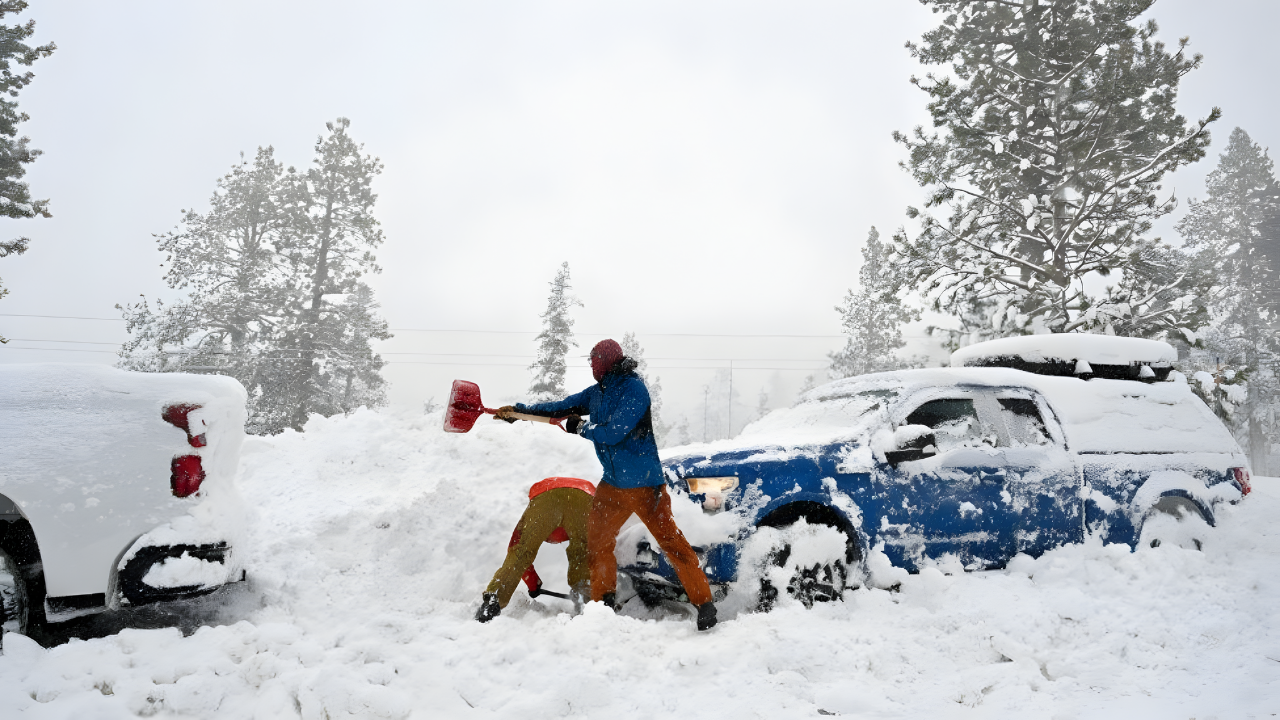
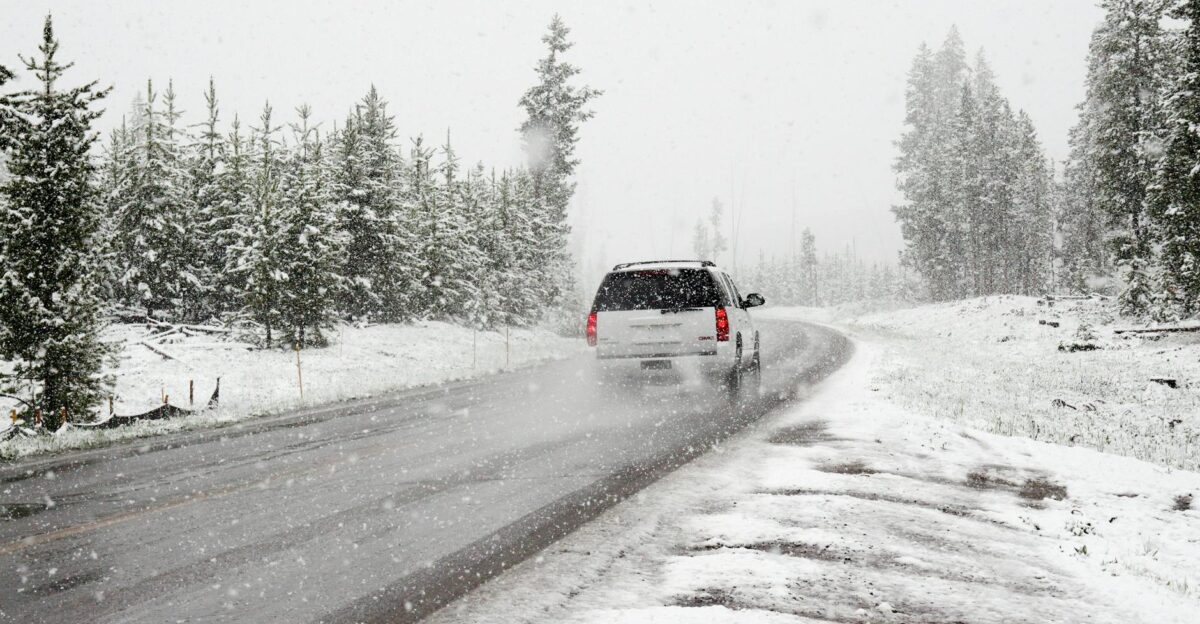
Headlights crawl along snow-darkened highways as wind-driven flakes erase lane markings in real time. Winter Storm Warnings flash across five Western states. The National Weather Service uses unusually blunt language: “Travel could be very difficult to impossible.”
This is unfolding during the busiest travel window of the year. More than 122 million Americans are already on the move—many heading straight toward a record-setting winter storm system colliding with Christmas week.
The Setup
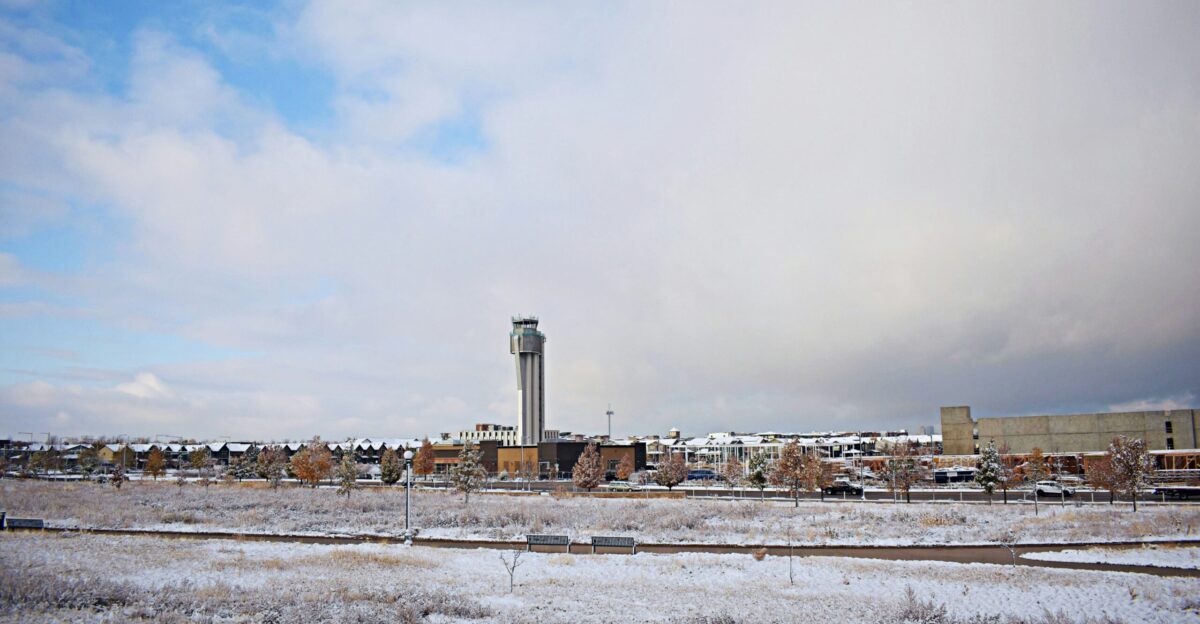
AAA projects over 122 million Americans will travel at least 50 miles during the holiday period, the highest year-end forecast ever recorded. Travel demand stretches from December 20 through January 1, expanding exposure to weather disruptions.
While airlines and trains are near capacity, driving dominates plans. Behind the optimism of post-pandemic mobility, meteorologists are tracking a major Pacific system that threatens to overwhelm infrastructure just as travel peaks.
Driving Takes Over
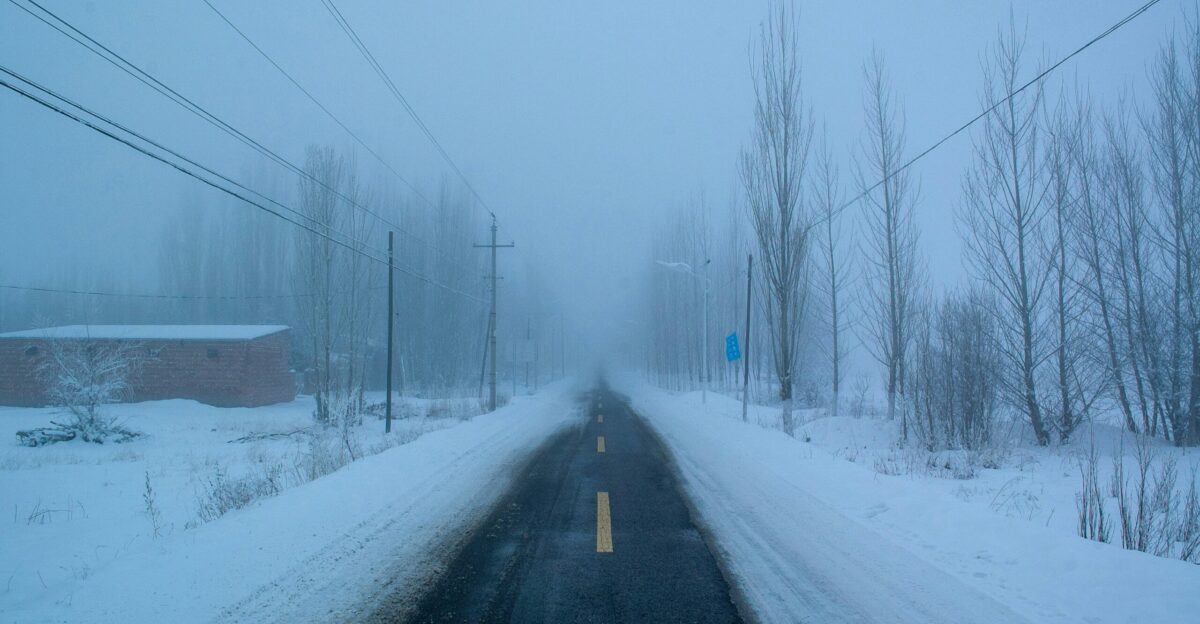
An estimated 109.5 million travelers—89% of all holiday travelers—will drive, according to AAA. Lower fuel costs help explain why: the national gas price average has dipped below $3.00 for the first time in four years.
For many families, road trips feel both economical and flexible. But those same choices place millions directly onto mountain highways as an atmospheric river begins pushing inland during Christmas week.
The Atmospheric River Explained
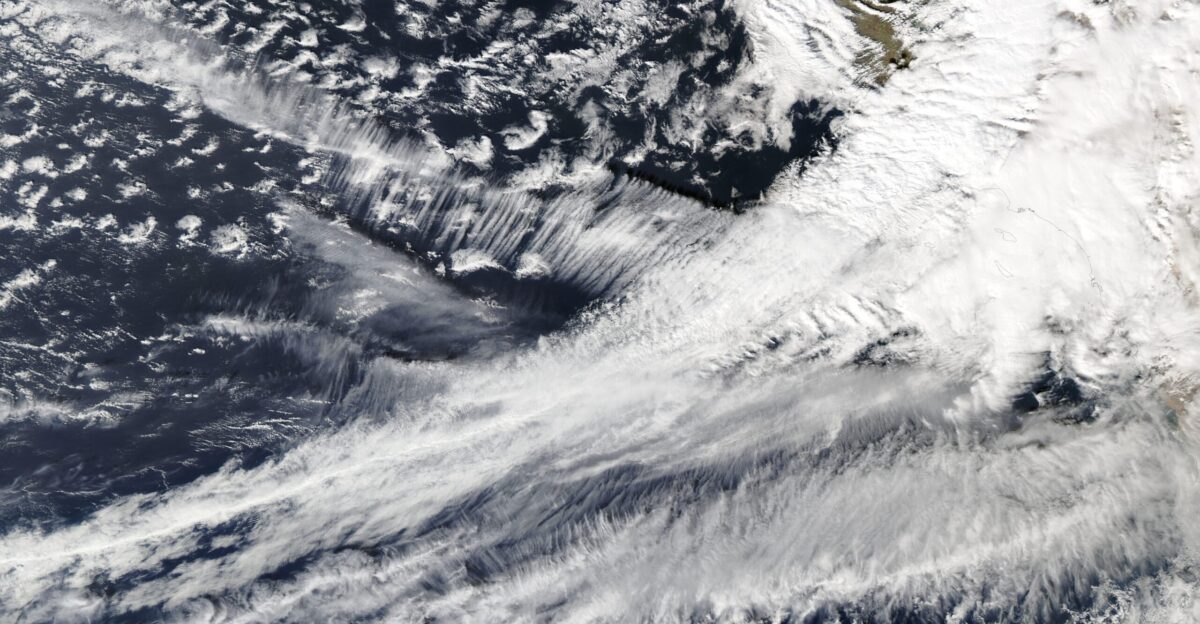
An atmospheric river is a narrow, elongated corridor of water vapor stretching thousands of miles across the ocean. Scientists often describe it as a conveyor belt, funneling tropical moisture toward land.
According to the U.S. Geological Survey, strong atmospheric rivers can carry 7 to 15 times the daily water flow of the Mississippi River. As global temperatures rise, these systems are becoming stronger, wetter, and more frequent.
Building Pressure
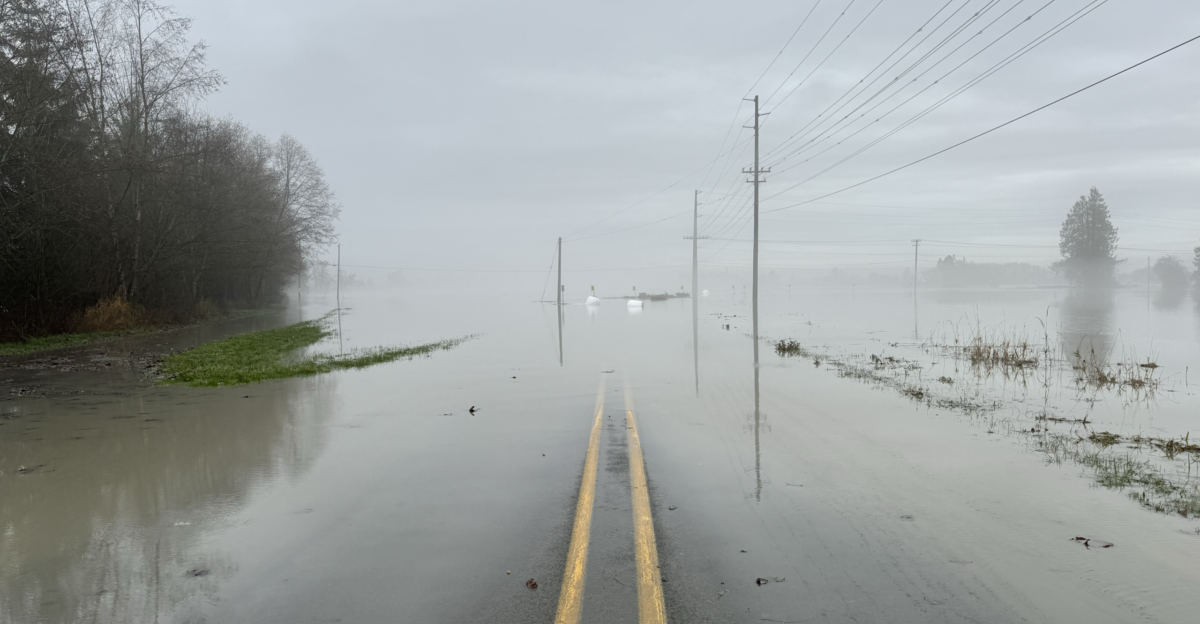
December 2025 has already saturated the Pacific Northwest. Early storms dumped more than 5 trillion gallons of rain across Washington State, triggering floods and landslides. Soils remain waterlogged as another powerful system targets California and the Sierra Nevada.
Timing is critical: this storm arrives precisely when holiday travel surges. The overlap between saturated ground, heavy precipitation, and peak mobility creates an unusually high-risk scenario.
Eight Feet Forecast
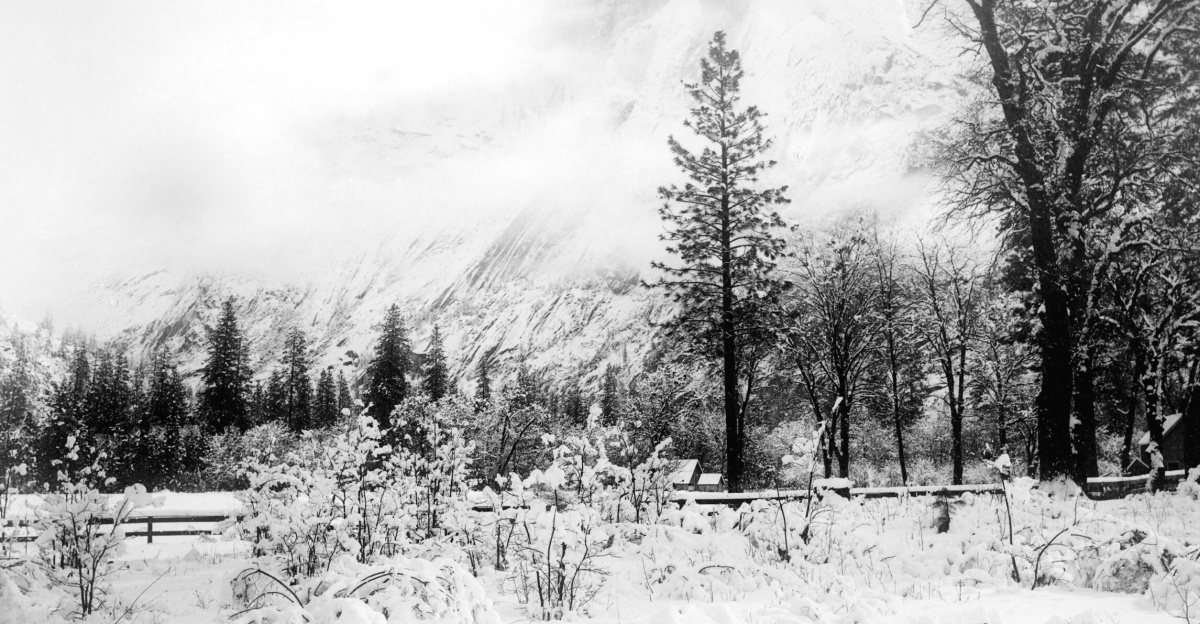
On December 21, the National Weather Service Hanford office issued a Winter Storm Warning for Yosemite National Park, forecasting 6 to 8 feet (up to 96 inches) of total snowfall through December 27.
Wind gusts are expected to reach 50 mph, with exposed ridgelines exceeding 100 mph. These numbers—confirmed across multiple sources—rank among the most extreme Sierra Nevada forecasts in recent memory.
Cascading Impacts Across California
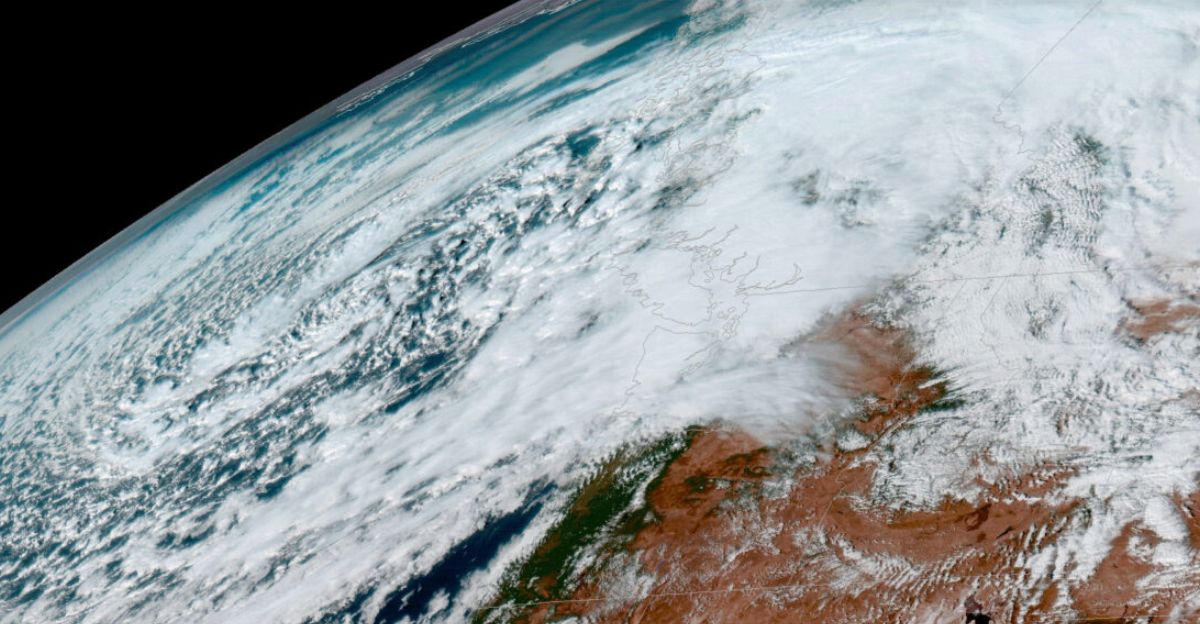
Yosemite is not alone. The southern Sierra Nevada faces up to 7 additional feet of snow, while Mono County warnings describe conditions as “impossible” for travel.
Around Lake Tahoe, ski resorts anticipate 4 to 8 feet above 6,500 feet elevation. Interstate 80—California’s primary eastbound mountain corridor—sits directly in the storm’s path, intersecting with one of the year’s heaviest traffic periods.
A Traveler’s Dilemma
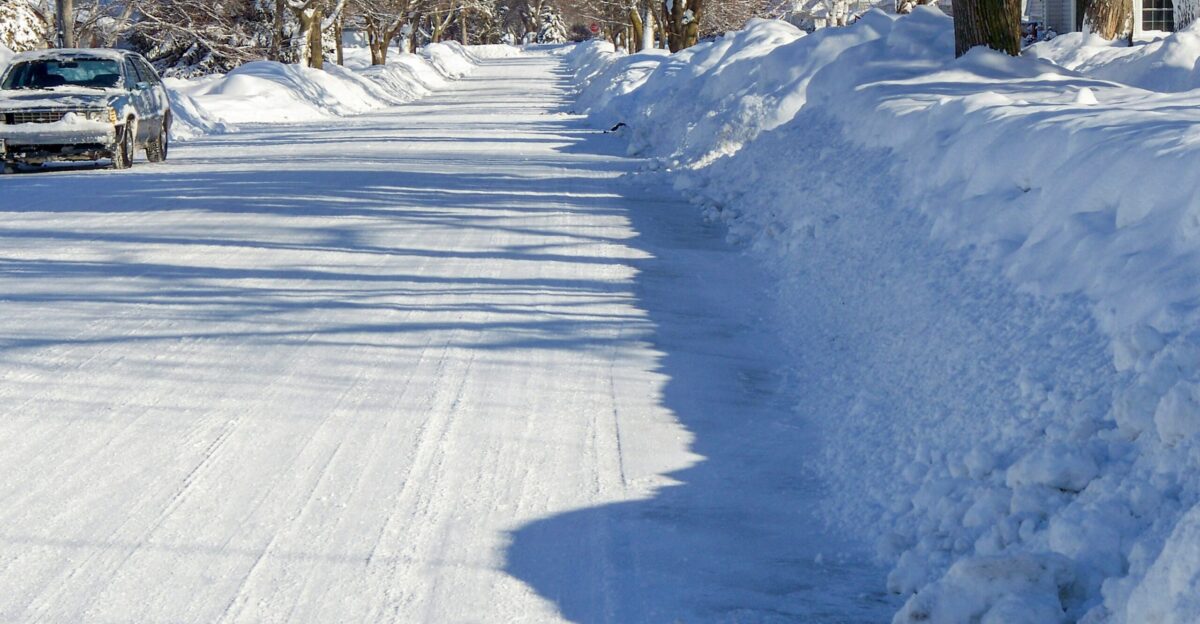
“Travel could be very difficult to impossible,” the NWS warns—language reserved for the most dangerous conditions. Whiteout visibility, falling trees, power outages, and snowfall rates exceeding plowing capacity are expected.
Caltrans urges travelers without winter-driving experience to avoid mountain routes entirely. Those who proceed are advised to carry food, water, flashlights, chains, and expect delays lasting hours—or longer.
Five States Under Alert
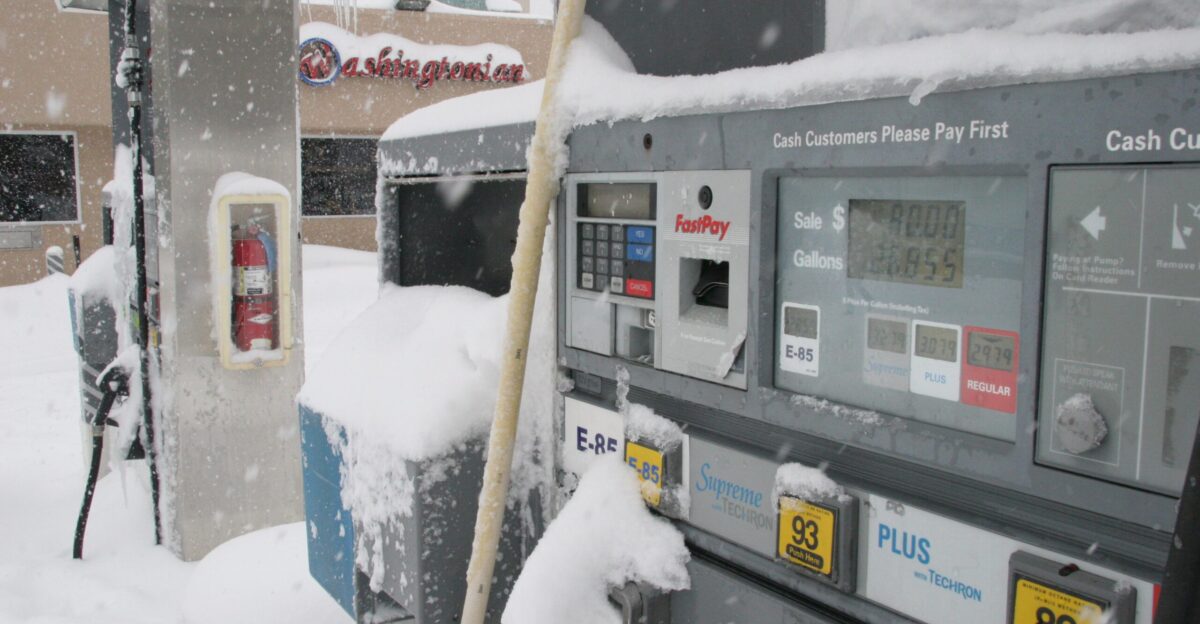
Winter storm warnings now span California, Washington, Wyoming, Montana, and Idaho, all connected by the same atmospheric river. Wyoming’s Teton and Wind River ranges face up to 40 inches of snow.
Montana’s Beartooth and Crazy Mountains carry avalanche warnings, while Washington’s Cascades—less accustomed to Sierra-scale snowfall—are also under winter alerts, underscoring the system’s geographic reach.
The Moisture Pipeline
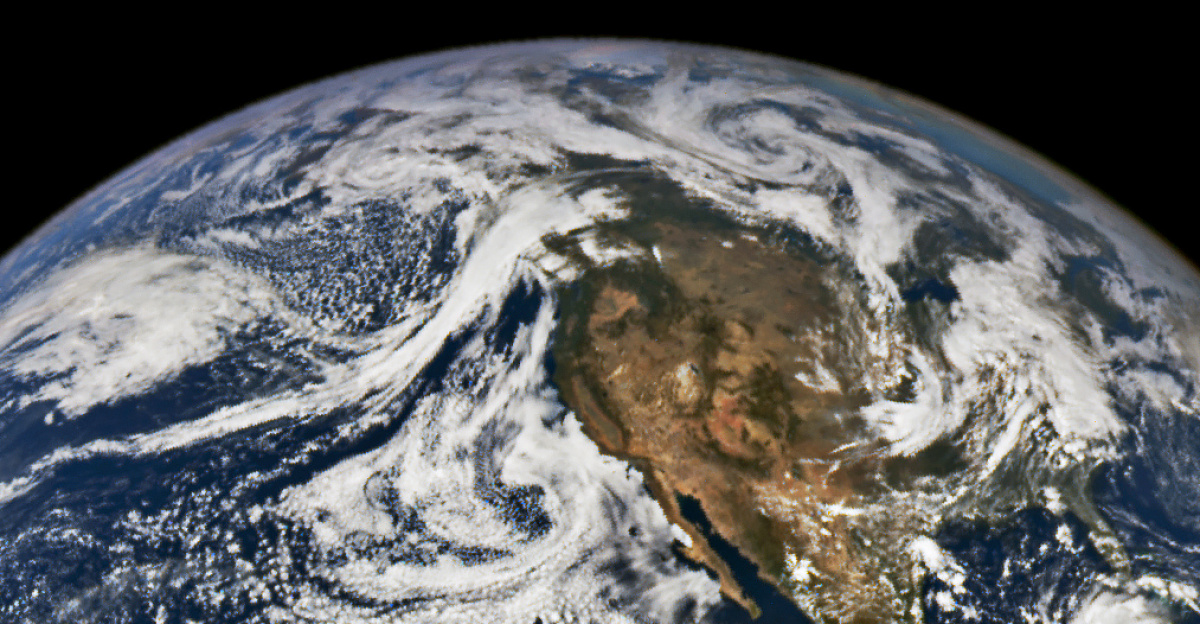
NASA tracking shows this atmospheric river stretching nearly 11,000 kilometers, tapping unusually warm Pacific waters. Warmer oceans allow the system to “load” with moisture before landfall.
As the moisture-rich air slams into Western mountain ranges, it rises, cools, and condenses—producing heavy rain at lower elevations and intense snowfall above roughly 6,000 to 8,000 feet.
Snow Levels Collapse
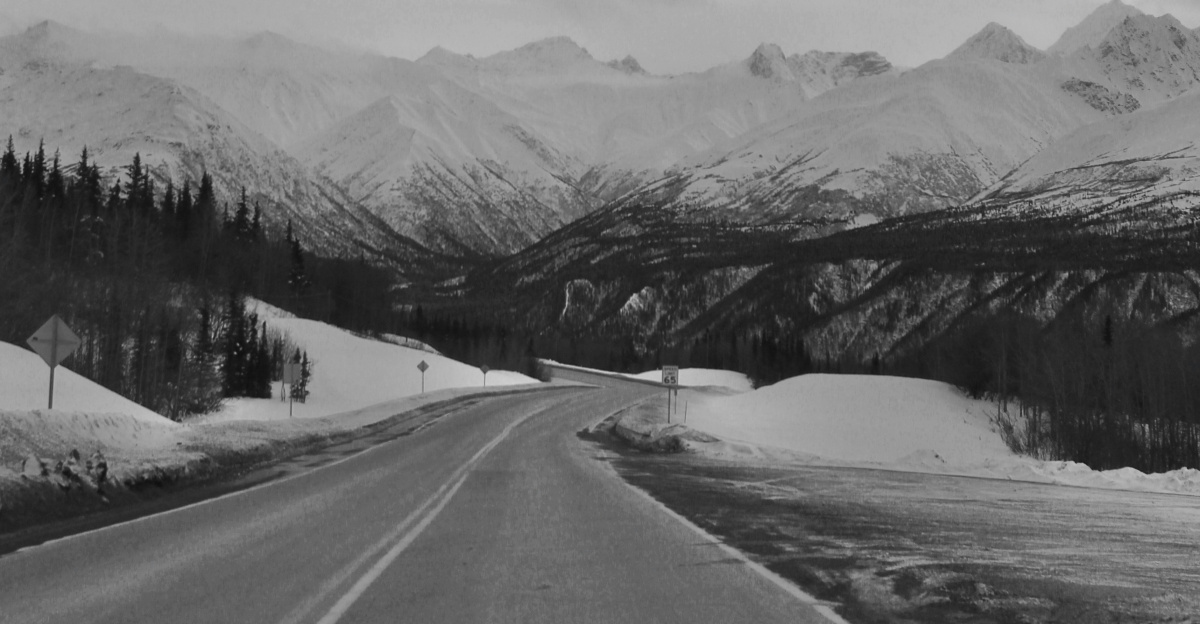
Forecasts show snow levels dropping sharply as the storm cools. Early in the event, snow falls above 8,000–9,000 feet, but by Christmas Day levels descend to around 6,000 feet.
This shift means snow impacts spread beyond high peaks to roads, parking lots, and lower-elevation highways, expanding disruption across a much broader geographic region than typical mountain storms.
Caltrans’ Enforcement Dilemma
Caltrans must escalate chain controls as conditions worsen. R-1 applies to commercial vehicles, R-2 expands requirements to most passenger cars, and R-3 mandates chains on all vehicles without exception.
R-3 is rare and signals extreme danger. Officials may also close highways entirely, weighing access against safety while knowing that misjudgments can lead to serious accidents.
Truck Screening Protocols

At mountain checkpoints like Applegate on I-80, Caltrans screens commercial trucks for chain compliance. Drivers without required equipment are turned back to lower elevations.
The policy reflects decades of crash data showing under-equipped trucks jackknife and block highways during storms. While screening prevents catastrophic pileups, it also creates long holiday backups.
The Cost-Benefit Calculation

Every delayed vehicle represents frustration and economic cost. Yet each accident prevented avoids far greater disruption, injury, and emergency response demands.
Caltrans data shows that removing chain-inadequate vehicles prevents cascade failures where a single disabled truck shuts down an entire corridor, amplifying delays across regions.
Limits of Forecast Precision
Confidence is high in the storm’s arrival and severity, but snowfall totals at high elevations still carry ±1–2 foot uncertainties. Atmospheric rivers remain difficult to model under extreme conditions.
Warmer air can suppress snowfall—or intensify it unexpectedly. Experts caution against relying on single numbers, noting that overconfidence in forecasts can drive risky decisions.
The Waiting Question
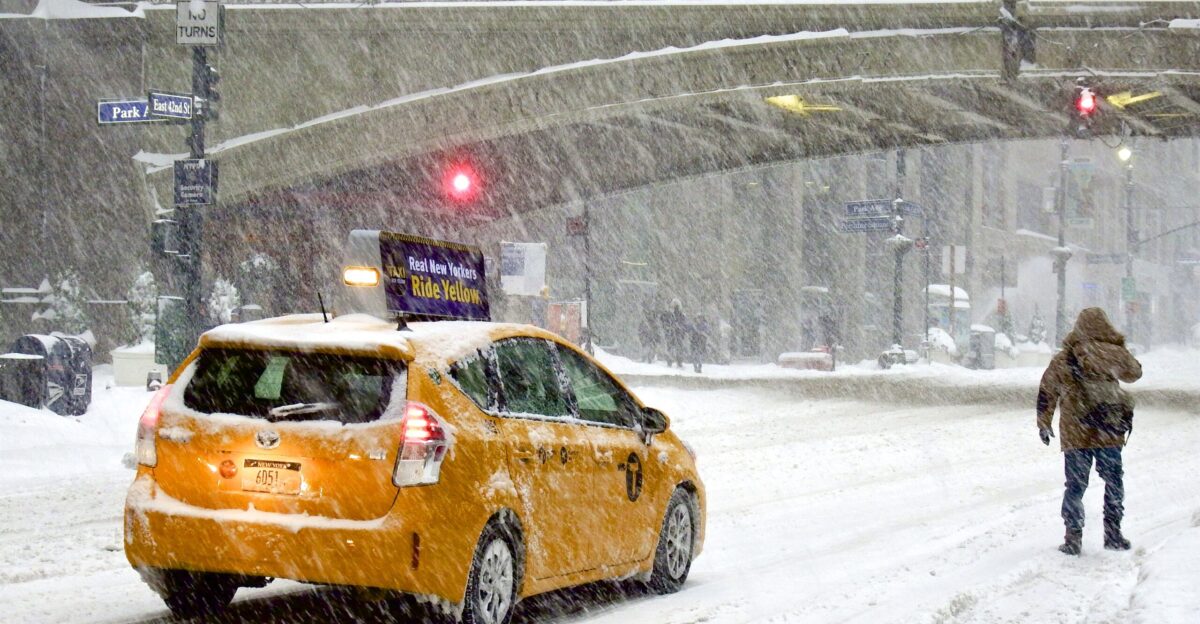
As Christmas approaches, travelers face a narrowing decision window: drive, fly, or stay put. AAA expects most will still drive despite warnings.
Airlines report near-capacity flights on December 24–25, suggesting many have already committed. For those undecided, weather windows may close within 48 hours.
The Climate Undercurrent
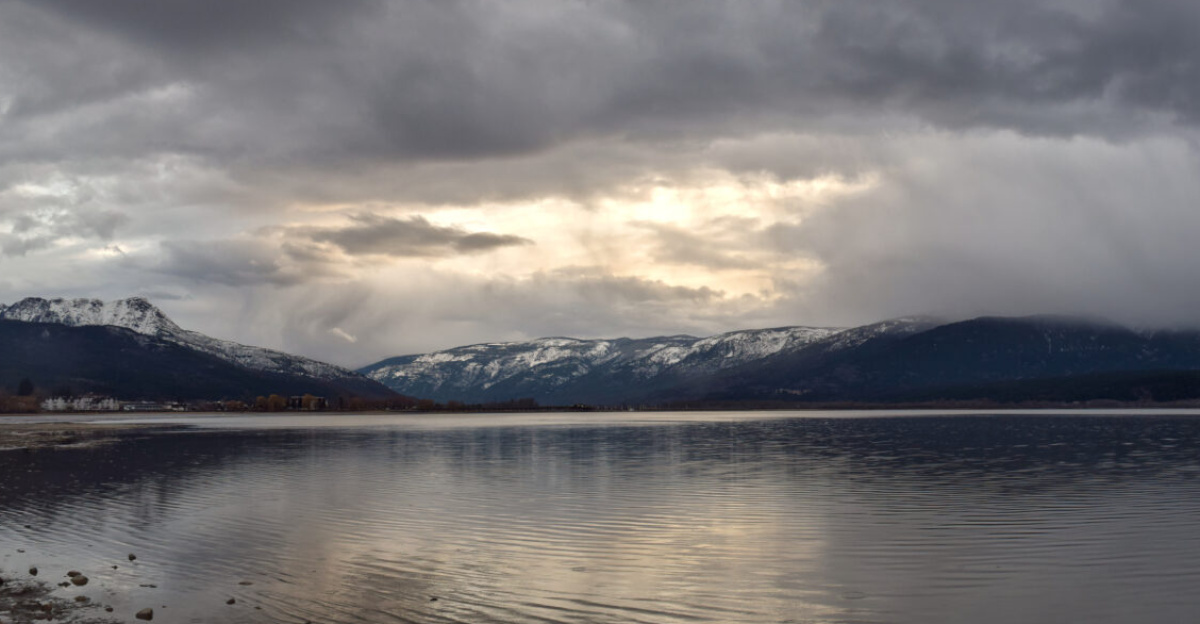
Scientists link intensifying atmospheric rivers to warming oceans and air. A 2025 study concluded these systems are becoming “bigger, wetter, and more frequent.”
The December 2025 storm reflects that trend, with tropical moisture pushing northward and snowfall rates exceeding historical expectations. Researchers stress this is not anomalous.
A Global Pattern
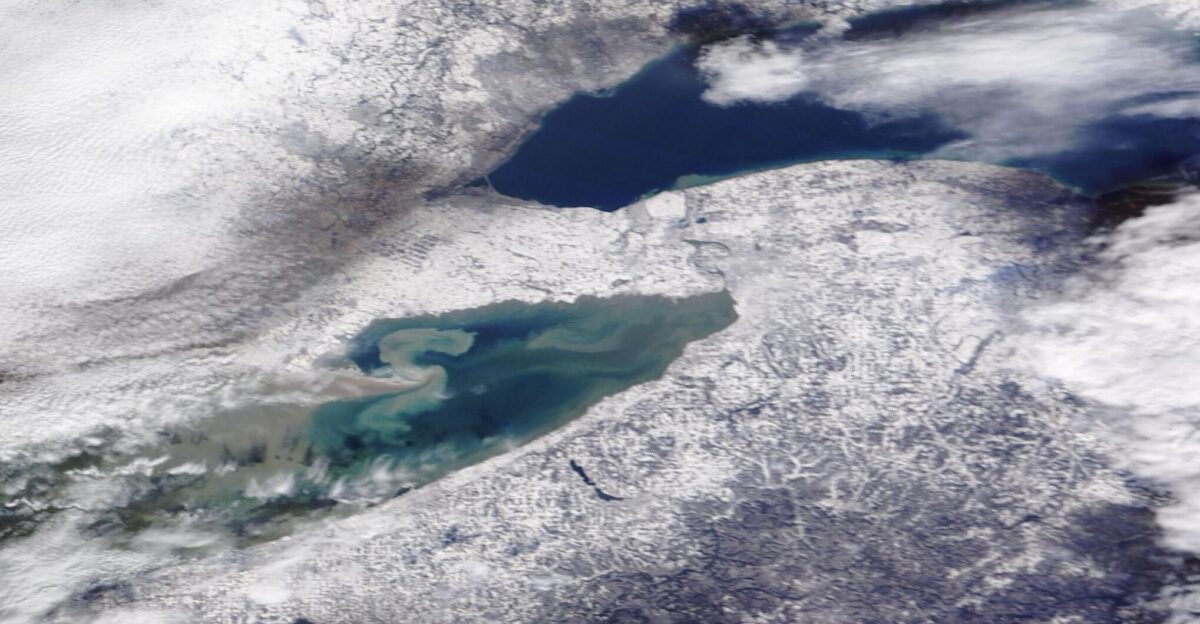
Often called a “Pineapple Express,” this system extends into Canada, with British Columbia issuing its own warnings. Similar atmospheric rivers drive seasonal flooding in Japan and New Zealand.
Weather patterns increasingly operate at planetary scale. North American storms are now tightly linked to global ocean dynamics, making regional isolation-based planning obsolete.
Infrastructure Stress Test
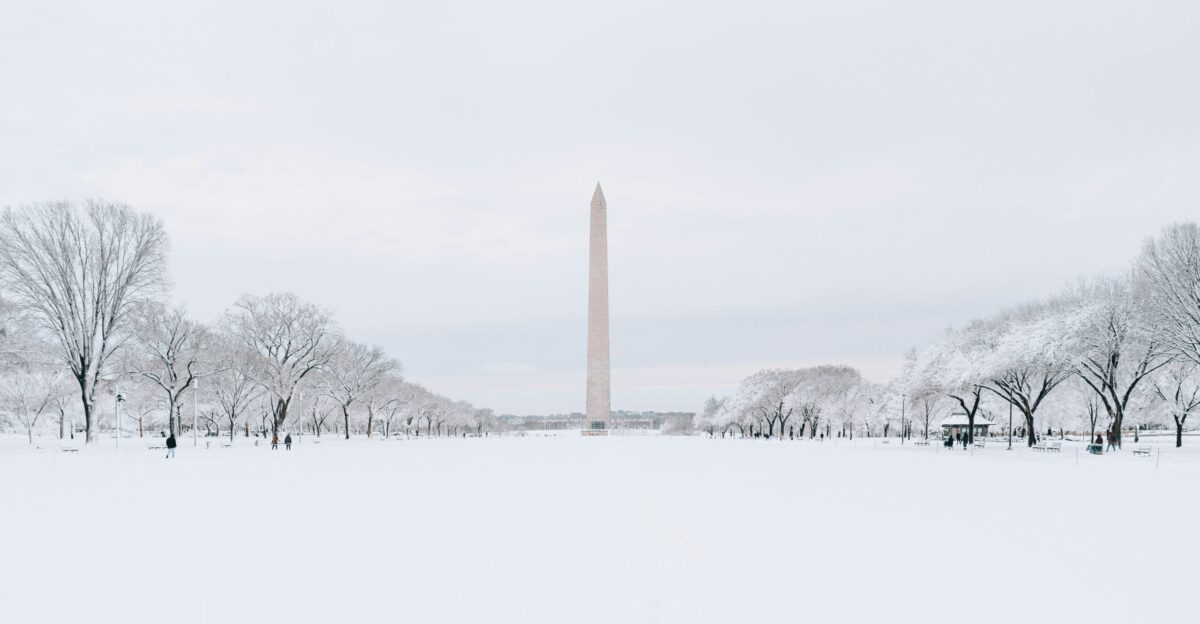
Utilities brace for power outages as wet snow weighs down trees and power lines. California water agencies, despite dry conditions, fear flooding due to saturated soils.
Landslides and spillway strain remain risks. The challenge is systemic: transportation, power, water, and emergency services face simultaneous stress during peak travel.
The Broader Conversation
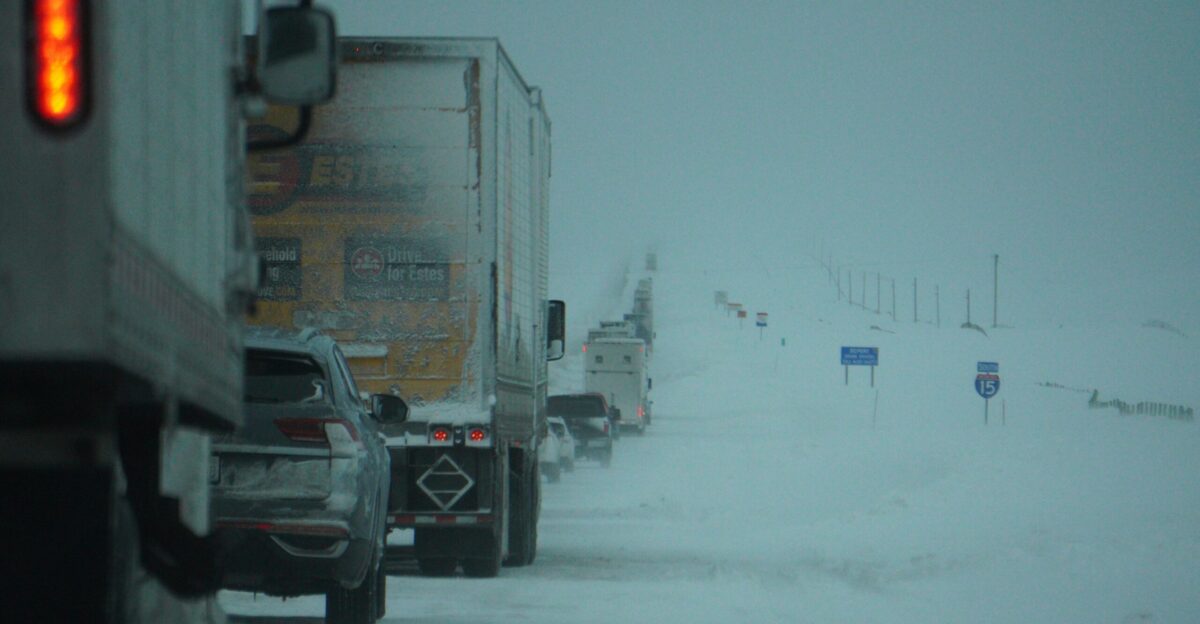
December 2025 illustrates a recurring dilemma. Travel demand is breaking records just as extreme weather grows more dangerous and unpredictable.
Forecasting improves but never eliminates uncertainty. Each winter now brings variations of this collision, forcing societies to reconsider mobility, infrastructure, and risk in a changing climate.
Sources:
AAA Year-End Holiday Travel Forecast, Published: December 10, 2025
National Weather Service Hanford – Yosemite Winter Storm Warning, Issued: December 21, 2025
NASA Global Precipitation Measurement (GPM) – Atmospheric Rivers Tracking, Published: December 17-22, 2025
Center for Western Weather and Water Extremes (CW3E) – AR Update December 22, 2025, Published: December 22, 2025
Newsweek – Winter Weather Warning (40 Inches Snow), Published: December 21, 2025