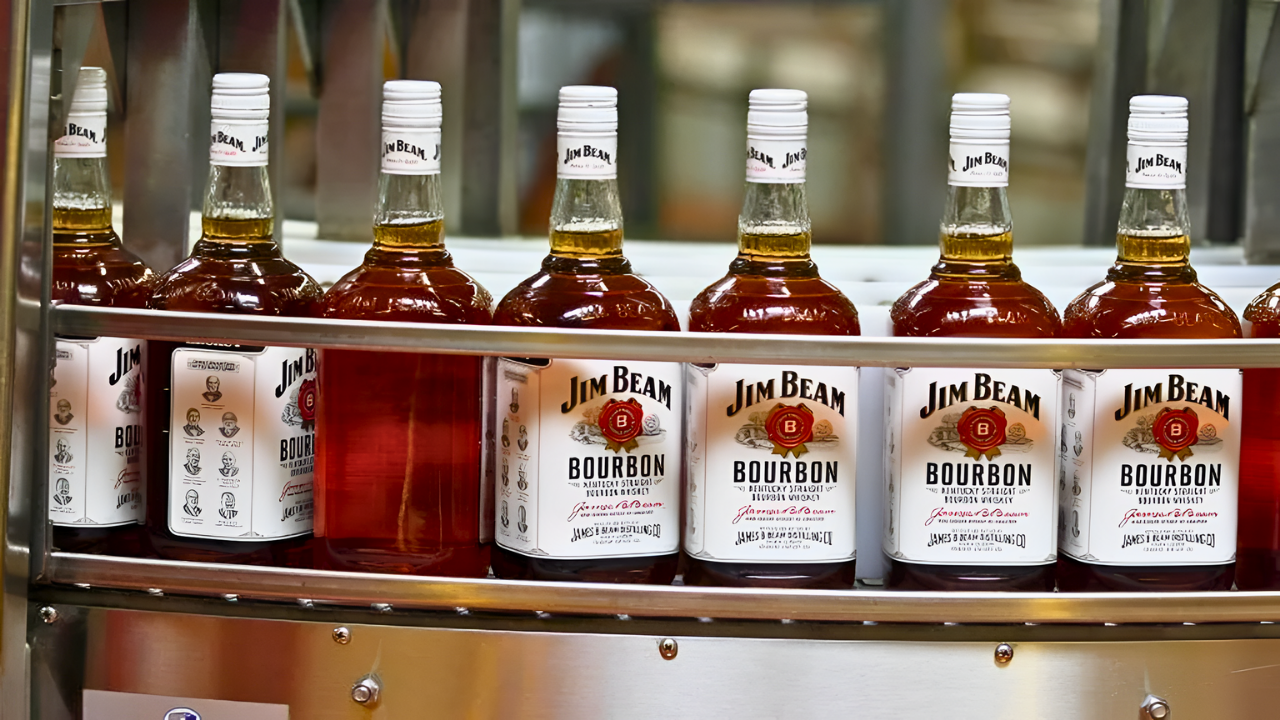
Suntory Global Spirits announced December 21 that Jim Beam will shut its flagship Clermont, Kentucky distillery for the entire 2026 calendar year. The closure affects approximately one-third of Jim Beam’s 26.5 million gallon annual production capacity. While the company cited site enhancements, industry analysts recognize this unprecedented move reflects deeper structural problems.
The decision impacts roughly 1,500 employees across Jim Beam’s Kentucky operations. Smaller Freddie Booker Noe and Booker Noe distilleries will continue operating during the closure.
Record Barrel Inventory Creates Perfect Storm
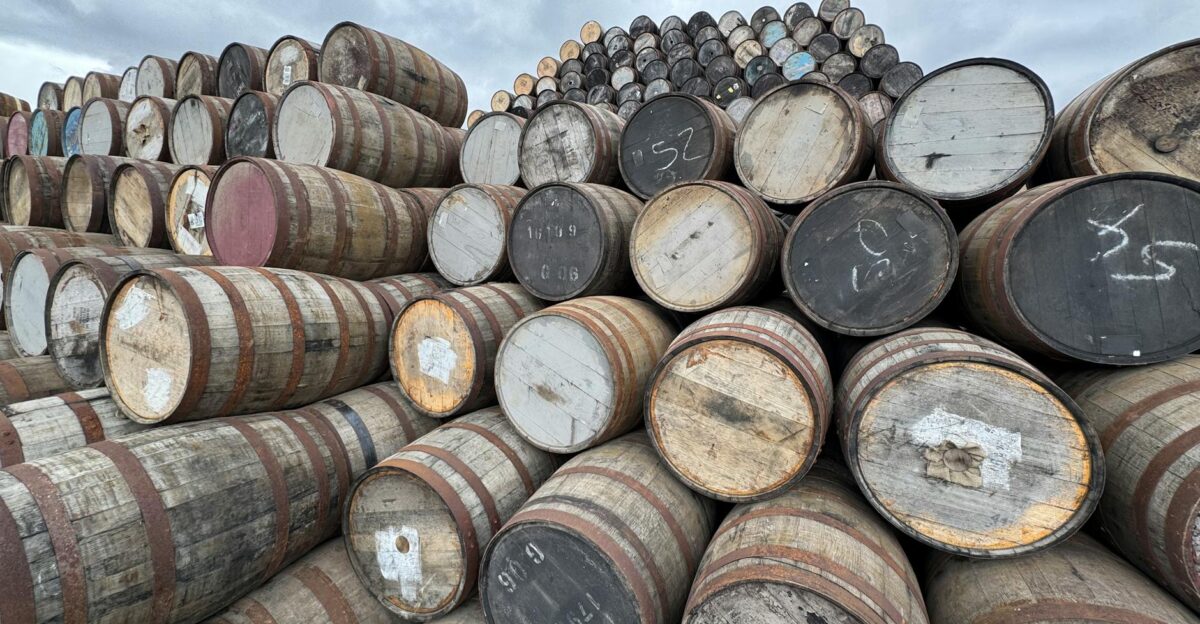
Kentucky warehouses currently hold 16.1 million aging bourbon barrels—the highest inventory in history and more than triple the 4.7 million barrels held fifteen years ago. This massive oversupply resulted from aggressive production decisions made during the boom years of 2015-2023.
Through August 2025, U.S. whiskey production totaled only 142 million proof gallons, down 55 million proof gallons year-over-year. Bourbon requires minimum four-year aging before bottling, meaning excess inventory will continue accumulating. Distillers cannot quickly reduce supply without destroying future capacity.
Barrel Tax Burden Crushes Distillers
Kentucky uniquely taxes aging barrel inventory based on assessed value—an onerous burden totaling $75 million in 2025, up 27 percent year-over-year and 163 percent over five years. The assessed value of these barrels reached $10 billion in 2025, up 25 percent from prior year.
No other whiskey-producing region worldwide imposes such taxation, placing Kentucky distillers at severe competitive disadvantage. While state legislature approved a twenty-year phaseout beginning 2026, relief comes too late. Industry advocates demand acceleration of tax relief measures.
Trump Tariffs Devastate Export Markets
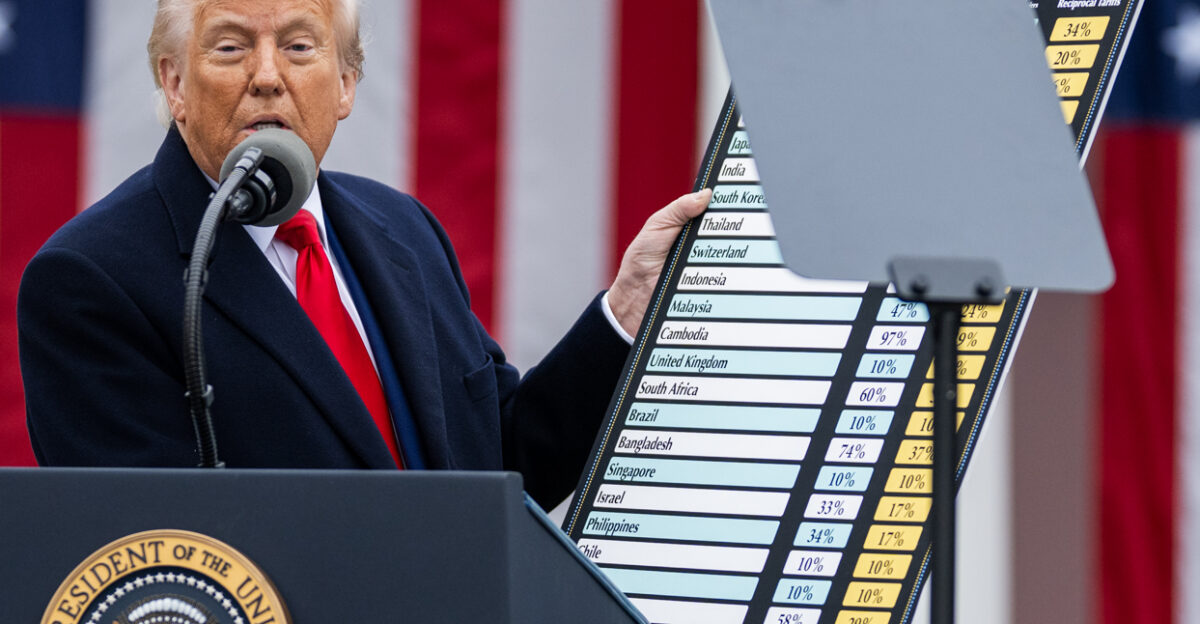
President Trump’s tariff policies have catastrophically impacted bourbon’s international markets. Canada, the second-largest export destination, implemented a de facto boycott of U.S. alcohol beginning March 2025. U.S. spirits exports to Canada collapsed 85 percent in Q2 2025, falling below $10 million. The European Union threatened 50 percent tariffs on American whiskey.
Overall U.S. spirits exports fell 9 percent year-over-year in Q2, with American whiskey declining 13 percent. This loss of export markets transforms manageable surplus into existential crisis.
Generational Shift Away From Alcohol Consumption

Beneath tariff pressures lies a troubling structural trend: younger Americans drink substantially less. Generation Z demonstrates 20 percent lower per capita alcohol intake compared to Millennials. Adults under thirty-five consuming alcohol declined ten percentage points over two decades.
Only 58 percent of U.S. adults consumed alcohol in 2024, down from 62 percent in 2023—lowest since 1996. This “sober curious” movement reflects health awareness and digital concerns. Bourbon sales specifically declined 1.5 percent by volume in twelve months ending July 2025.
Brown-Forman Slashes Workforce by 12 Percent

Jack Daniel’s parent company Brown-Forman announced January 2025 it would slash 12 percent of global workforce—approximately 650 employees—and close its Louisville cooperage, eliminating 210 additional jobs. The cost-cutting measures target $70-80 million in annual savings.
Company’s fiscal 2025 results revealed strain: net sales declined 5 percent to $4.0 billion while operating income plummeted 22 percent to $1.1 billion. Brown-Forman’s announcement foreshadowed industry-wide retrenchment. Restructuring reflects acknowledgment that current downturn extends beyond temporary cyclical weakness.
Diageo Pauses Multiple Whiskey Distilleries
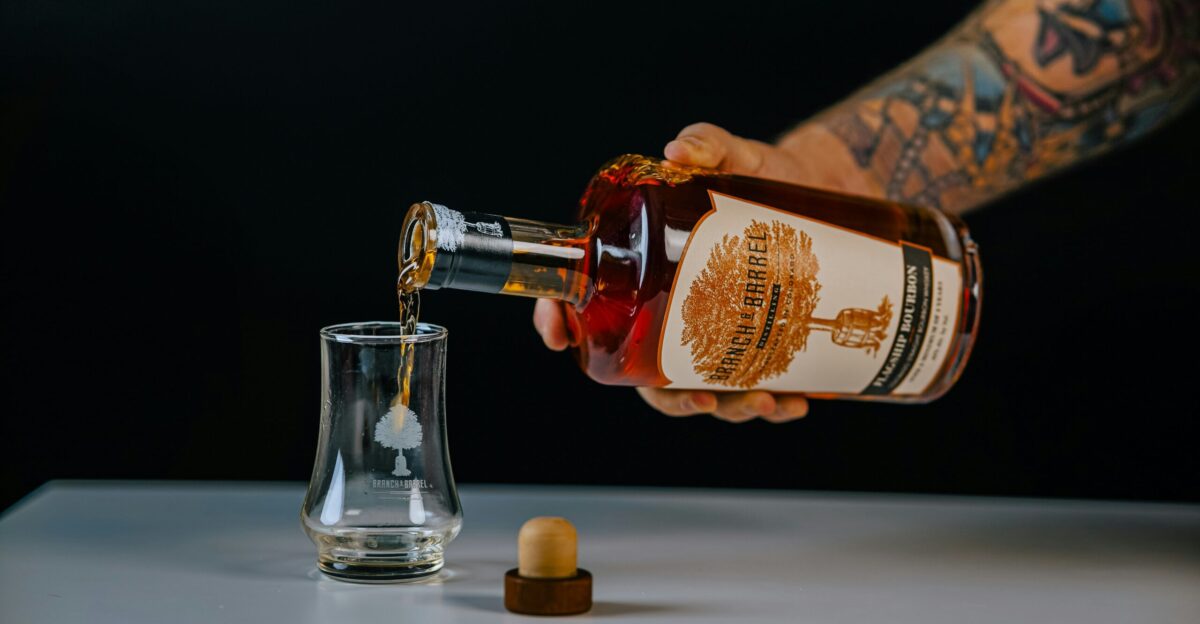
British spirits giant Diageo suspended production at multiple whiskey facilities in 2025. Balcones Distillery in Waco, Texas halted in August, eliminating seventeen positions. Cascade Hollow in Tennessee, home of George Dickel bourbon, suspended operations through June 2026. Teaninich Distillery in Scotland also paused production. Diageo characterized actions as “standard temporary slowdowns” supporting efficiency goals, though clearly reflecting oversupply management.
Company’s fiscal 2025 operating profit collapsed 27.8 percent despite flat net sales. Coordinated industry cutbacks signal rational response to structural oversupply.
MGP Ingredients Faces 46 Percent Production Decline
Indiana-based contract distiller MGP Ingredients announced plans to “scale down whiskey production” and “temporarily pause” customer purchases. Third-quarter sales fell 19 percent, with Distilling Solutions segment plunging 36 percent. MGP slashed sales guidance to $695-705 million from earlier $742-756 million forecast.
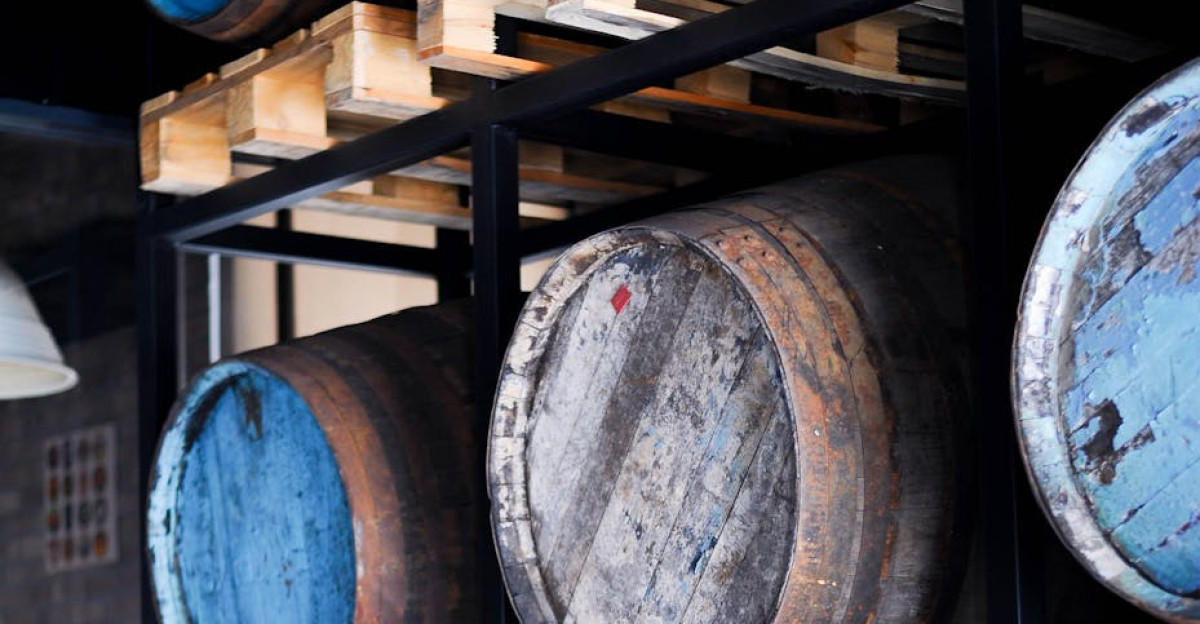
Company expects Distilling Solutions sales and gross profit to decline 46 percent and 55 percent respectively for full year. MGP supplies whiskey to dozens of non-distiller producers. The collapse reflects dozens of strategic customers pausing near-term whiskey purchases temporarily.
Kentucky’s $9 Billion Industry at Economic Risk

Bourbon generates $9 billion in total annual economic impact across Kentucky Commonwealth. The sector supports 23,100 full-time jobs, including 7,000 direct employees. Industry pays $1.63 billion in annual wages and salaries while generating $358 million in state and local tax revenue. Kentucky Bourbon Trail attracts nearly three million tourists annually.
Since 2009, distilleries expanded from nineteen in eight counties to 127 across forty-nine counties. Capital investment totaled $5.3 billion during this period. Current crisis threatens this economic foundation substantially.
Suntory’s Global Spirits Division Struggles
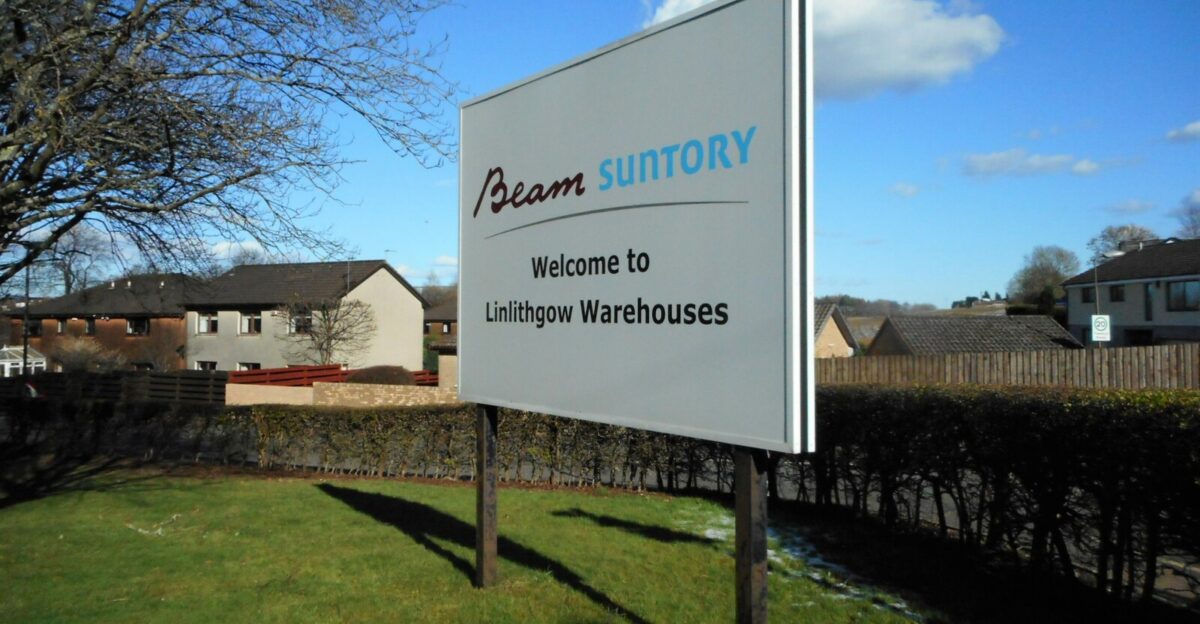
Parent company Suntory Global Spirits reported declining performance in 2025. First-half spirits revenue declined 2.4 percent while operating income plummeted 32.9 percent. Management explicitly cited “consumption slowdown in United States and Europe” while noting strength only in Japan, China, India, and travel retail.
For a conglomerate generating $10.7 billion in first-half revenue, American whiskey downturn represents strategic threat to core portfolio. Jim Beam closure reflects Suntory’s calculated response to persistent demand weakness. Decision prioritizes capital preservation over volume maintenance.
Industry-Wide Retrenchment Signals Structural Challenge
Across bourbon and whiskey industry, major producers implemented dramatic production cuts, workforce reductions, and facility closures. Jim Beam’s decision is neither isolated nor unprecedented. Coordinated cutbacks reflect rational behavior facing structural oversupply. Yet collective retrenchment carries cascading supply chain effects.
Cooperages face reduced barrel orders. Grain farmers lose major buyers. Transportation, warehousing, and glass manufacturing companies suffer downstream impacts. One industry observer noted “ripple effects of such large-scale distillery stoppage are crazy across entire supply chain.” Economic consequences extend far beyond distillery gates.
Premiumization Offers Partial Redemption

Amid industry bleakness, one trend offers qualified optimism: premiumization. High-end and super-premium bourbon categories grew 18 percent in 2024, driven by consumer preference for quality and craftsmanship. Limited-edition releases and single-barrel offerings command premium pricing and maintain strong demand among enthusiasts.
American single-malt whiskey increased while traditional bourbon declined. This bifurcation creates dual market: entry-level products suffer while premium expressions expand. For Jim Beam, continuing craft distillery operations while mothballing mass production reflects premiumization strategy. Yet premium growth cannot offset broader volume declines entirely.
Trade Policy Resolution Critical for Recovery

Bourbon industry’s recovery depends heavily on U.S. trade policy changes. Restoring tariff-free access to Canada and European Union would reopen critical export markets. Kentucky Distillers Association president Eric Gregory stated, “We need certainty of tariff-free trade for America’s only native spirit to flourish.”
Distilled Spirits Council CEO Chris Swonger urged Trump administration to “facilitate lasting return to tariff-free trade with longstanding trading partners.” Without export normalization, distillers lack demand necessary to work through massive inventory. Policy resolution represents single most impactful intervention available.
Long Recovery Timeline Stretches Through Decade
Bourbon industry faces minimum three-to-five years navigating oversupply, demand weakness, and trade uncertainty. Barrels filled during 2020-2023 boom will continue aging until late 2020s and early 2030s, guaranteeing persistent inventory overhang. Mathematical reality remains: supply far exceeds demand, requiring years to correct.
Smaller producers lacking financial reserves will likely fail. Premium brands will survive and potentially thrive through selectivity. Mass-market volumes will contract structurally, reflecting oversupply correction and demographic destiny. Industry consolidation appears inevitable.
Crisis Marks Watershed Moment for American Bourbon
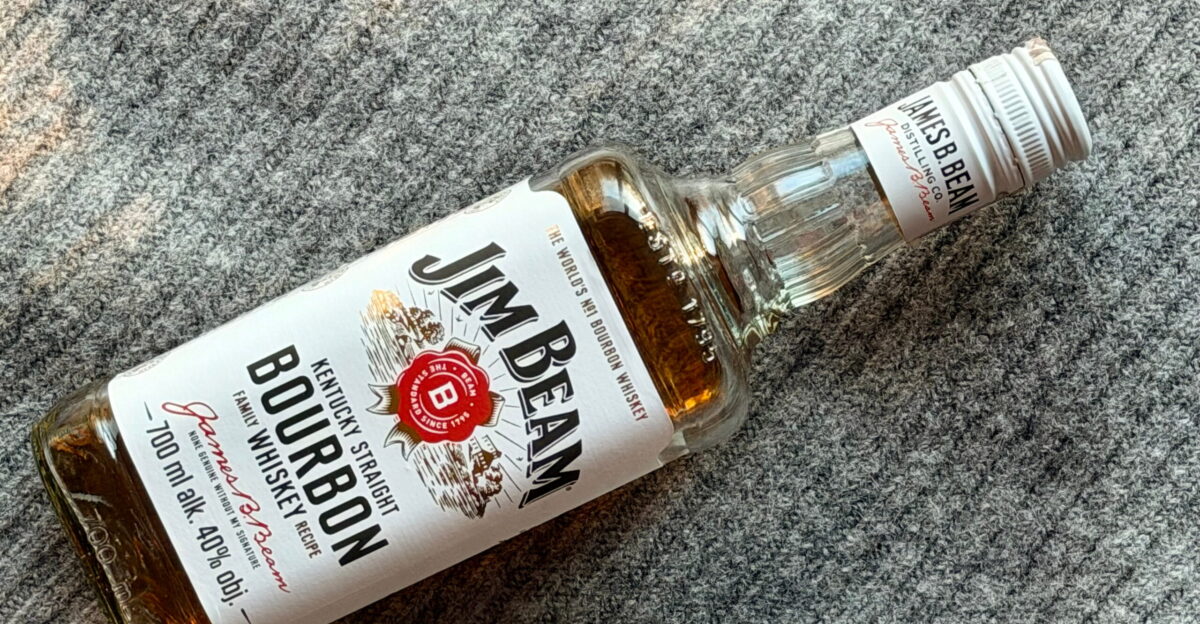
Jim Beam’s Clermont closure marks watershed moment for American bourbon industry. What began as nation’s signature craft—$9 billion Kentucky economic powerhouse generating 23,000 jobs—now confronts gravest crisis since Prohibition. Record inventory, collapsing exports, crushing taxes, and generational demand shifts have converged into perfect storm.
Industry will emerge leaner and more premium-focused, but permanently diminished. Whether producers learned painful overproduction lessons early enough to avert catastrophe remains uncertain. Bourbon’s two-century survival record offers some hope, yet current challenges appear unprecedented in scope.
Sources:
BBC News | “Bourbon maker Jim Beam halts production at main distillery” | December 21, 2025
The Independent | “Jim Beam shutting down bourbon production at Kentucky distillery” | December 21, 2025
The Spirits Business | “Jim Beam distillery ceases production for 2026” | December 21, 2025
Distilled Spirits Council of the United States | “American Spirits Exports 2025 Mid-Year Report” | October 2025
The Lane Report | “Bourbon: A Storied Industry at a Crossroads” | June 2025
Kentucky Distillers’ Association | Industry impact reports and barrel inventory data | October 2025