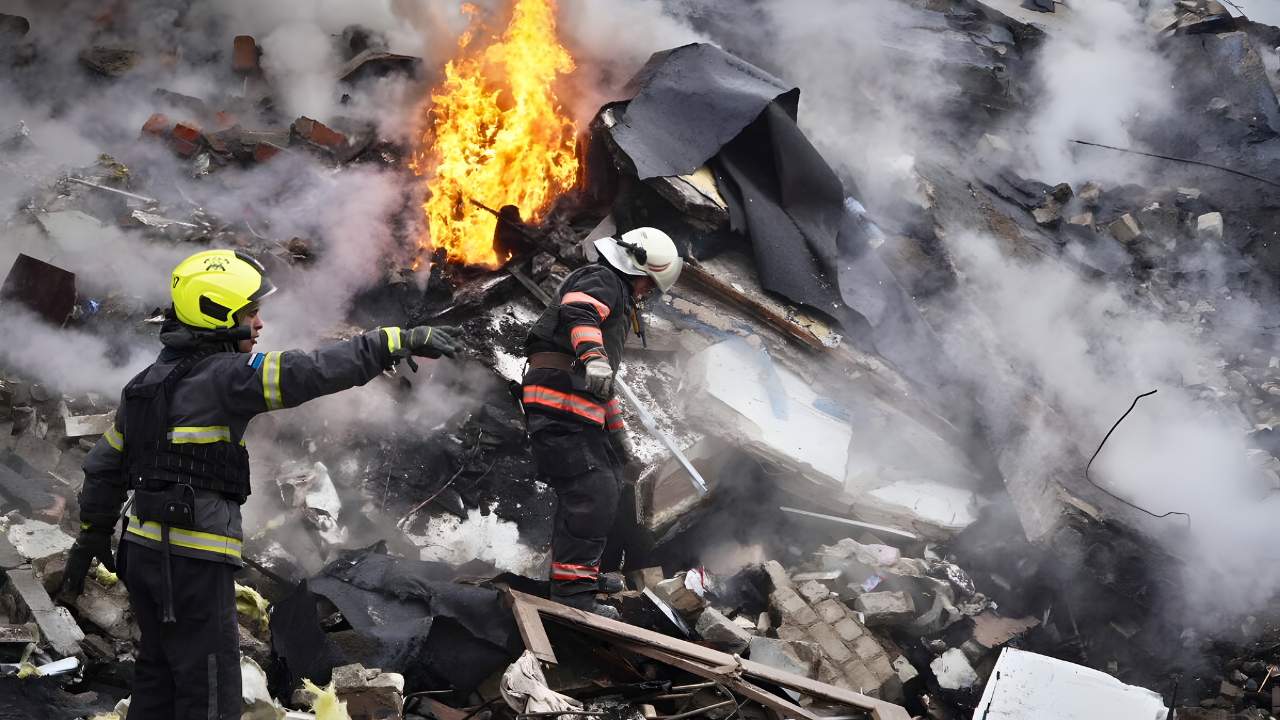
Every military knows the rule: neutralize the shield before breaching the fortress. In Ukraine’s escalating conflict, a specialized reconnaissance unit has become a formidable adversary for Russia, pinpointing and neutralizing both Soviet-era and advanced defense systems that sustain Moscow’s operations.
On December 14, 2025, a bold operation struck deep into Russian territory, targeting the air defense unit overseeing an entire region. Within hours, video footage confirmed the destruction of critical hardware, marking a significant loss for Russia. This event not only disrupted their defense framework but also forced a reevaluation of strategies in both Moscow and Kyiv.
The Escalating Reach
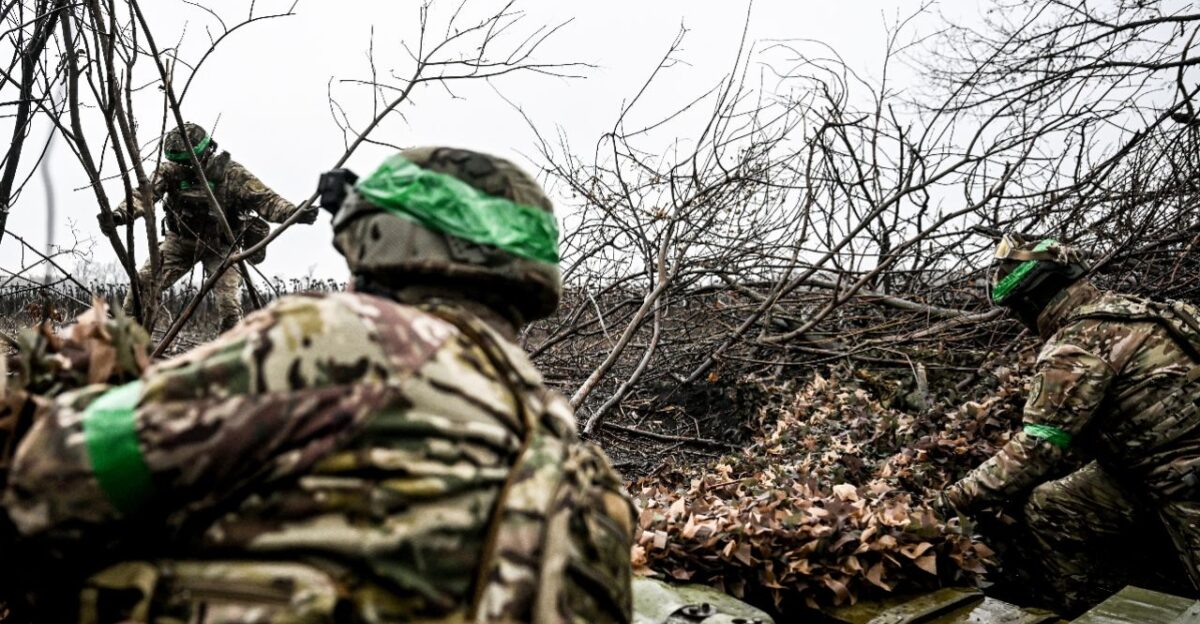
Ukraine’s military strategy has undergone a dramatic evolution over the past three years of conflict. Once focused solely on defending its airspace, Ukraine now conducts regular precision strikes that cross the Russian border. This tactical shift is not about territorial gain, but a deliberate effort to dismantle critical Russian military capabilities.
The Belgorod region, a direct neighbor to Ukrainian-held territory, has witnessed numerous drone strikes, with confirmed attacks numbering in the hundreds. This escalation demonstrates Ukraine’s growing power projection and its ability to target key Russian installations, further complicating the operational landscape for Moscow.
The Master Mechanics

Central to Ukraine’s precision strikes is the 15th Separate Artillery Reconnaissance Brigade, known as “Black Forest.” Originally a Soviet-era rocket artillery unit formed in 1991, it has transformed into a specialist in identifying high-value military targets, including ammunition depots and radar stations. The Brigade operates by merging drone surveillance, Western-supplied sensors, and Soviet-era electronics to enhance targeting accuracy.
Colonel Oleksandr Popov, the Brigade’s commander, emphasizes that while modern technology refines targets, Ukrainian ingenuity confirms their impact. The Brigade’s effectiveness has led Russia to view it as a primary threat, with the country even targeting its aircraft directly.
The Pressure Builds
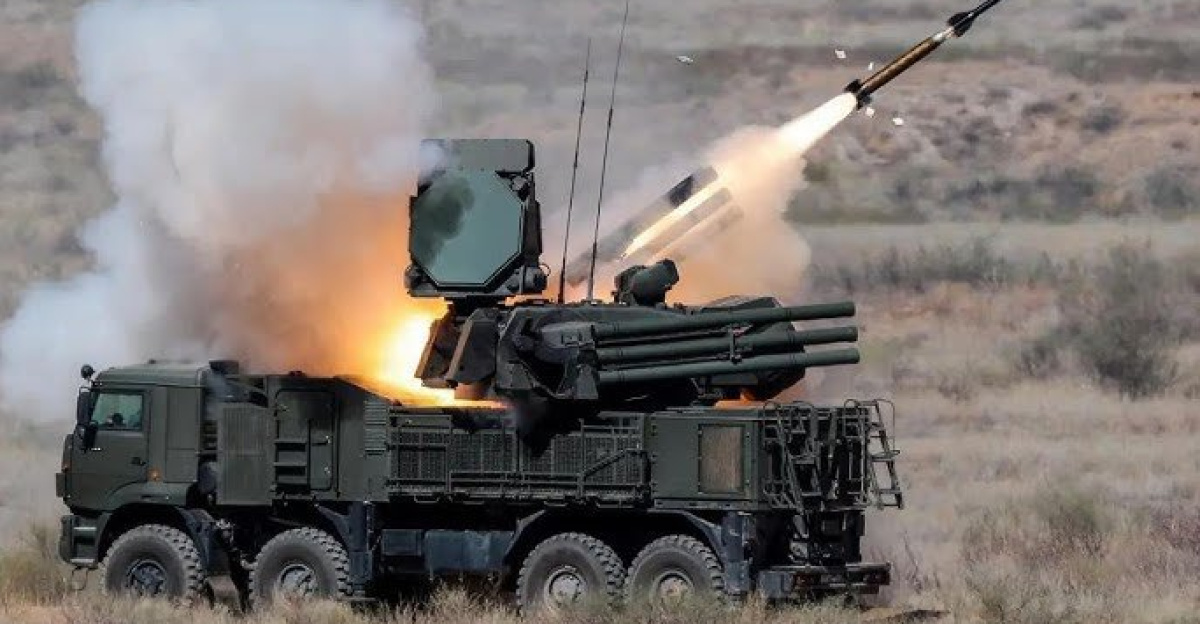
Russia’s air defense network is under continuous strain, with Ukraine documenting the loss of over 31 S-400 systems since the invasion. These long-range missile systems, capable of detecting threats up to 600 kilometers away, have provided Moscow with a perceived edge in air defense.
However, the frequency of these losses has compounded pressure on Russian military resources, highlighting the challenges in replenishing these high-tech assets. The dual burden of slow production lines and commitments to international exports complicates rapid replacement efforts, creating vulnerabilities in Russia’s once-dominant air defense apparatus.
The Strike Confirmed
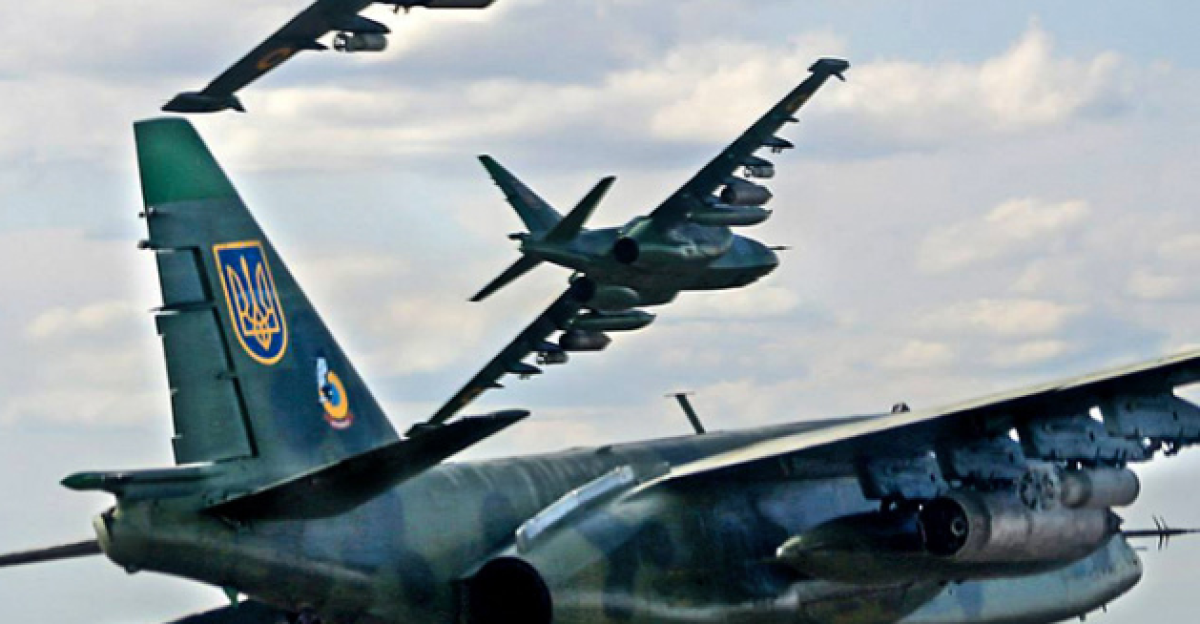
On December 14, 2025, Ukraine’s 15th Brigade pinpointed a vital target: the 568th Air Defense Regiment near Raievka in the Belgorod region. Combining drone surveillance, artillery spotting, and intelligence, the Brigade executed a precise strike on the regiment’s command and S-400 launch positions.
The outcome was devastating: two S-400 missile launchers and their ammunition supplies were obliterated. Video footage released shortly after showcased the striking destruction of the launch vehicles. By December 19, Ukraine’s General Staff confirmed the operation’s success, marking another significant blow to Russian air defense forces.
The Regional Wound
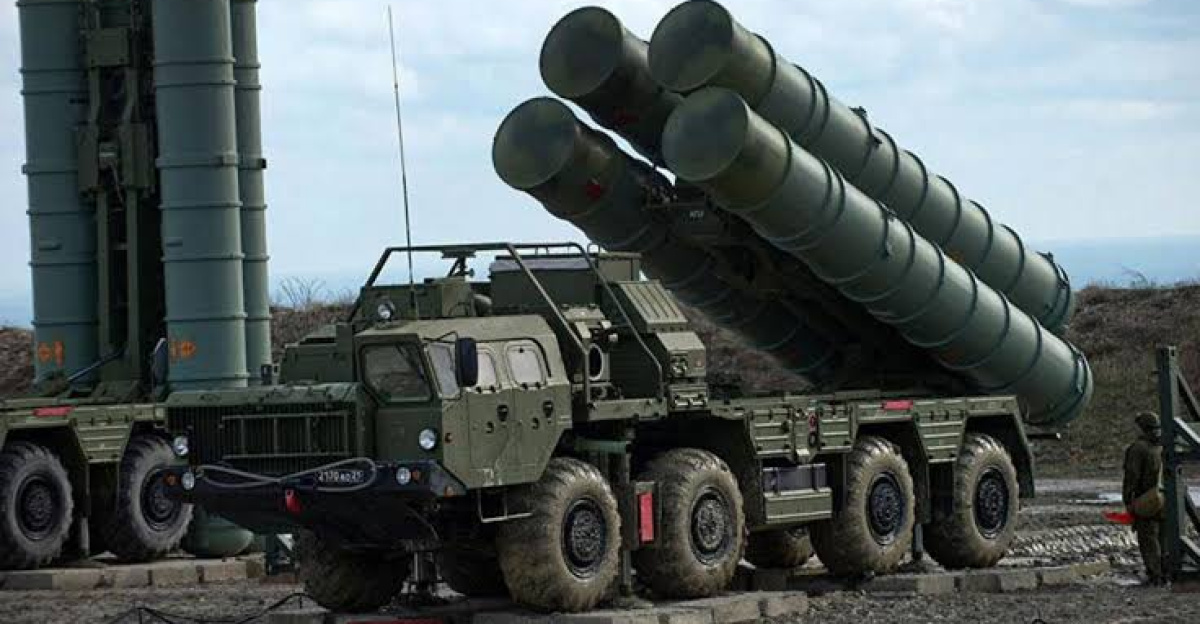
The loss of two S-400 launchers symbolizes more than mere hardware. Each system consists of multiple launchers arranged strategically, providing air defense across a substantial radius. The destruction creates a critical gap in coverage that Russian commanders must rush to fill, either by reallocating resources from other fronts or accepting a reduction in air protection.
The Belgorod region is essential for Russian military operations, housing vital staging areas and logistical hubs. With diminished air defense, these installations risk increasing vulnerability to further attacks, potentially amplifying the operational challenges for Russian forces.
Strategic Consequences
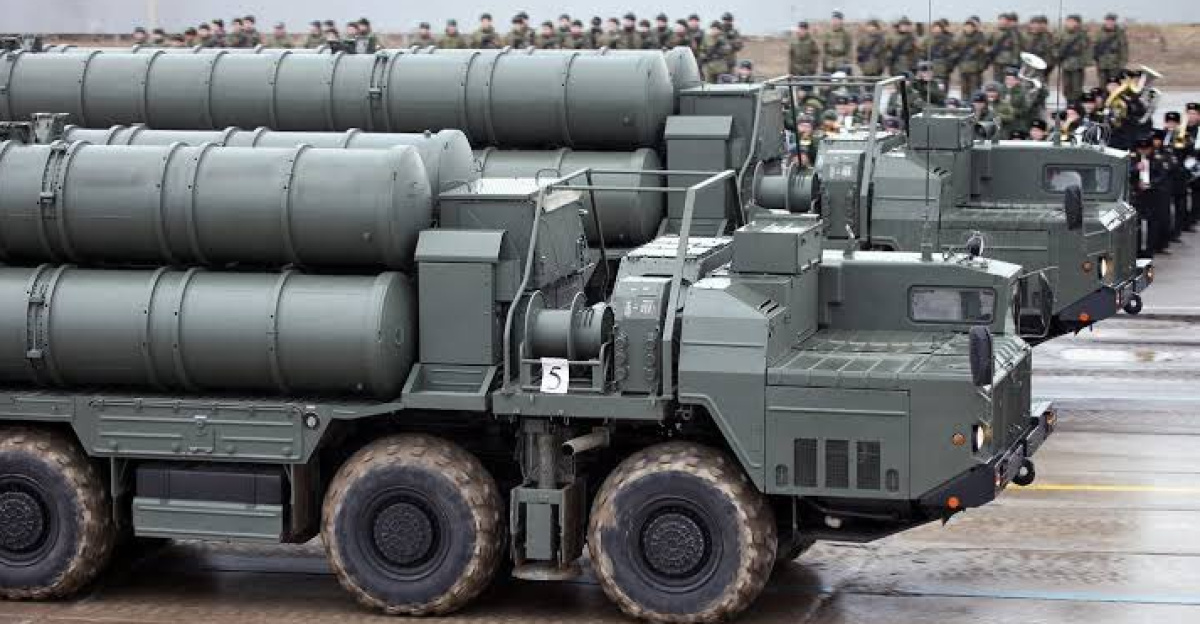
The implications of losing advanced air defense units extend far beyond the battlefield. Diminished coverage weakens Russia’s deterrence capability, emboldening Ukrainian forces to launch more audacious cross-border operations.
Analysts speculate that Ukraine’s targeting strategy may evolve to disrupt supply lines and critical infrastructure within Russia itself. As the conflict reaches new heights, the ongoing adjustments and responses from both Moscow and Kyiv will be crucial in shaping future confrontations. The air defense losses have prompted a strategic reevaluation on both sides, which could redefine the scope of the war.
Global Repercussions
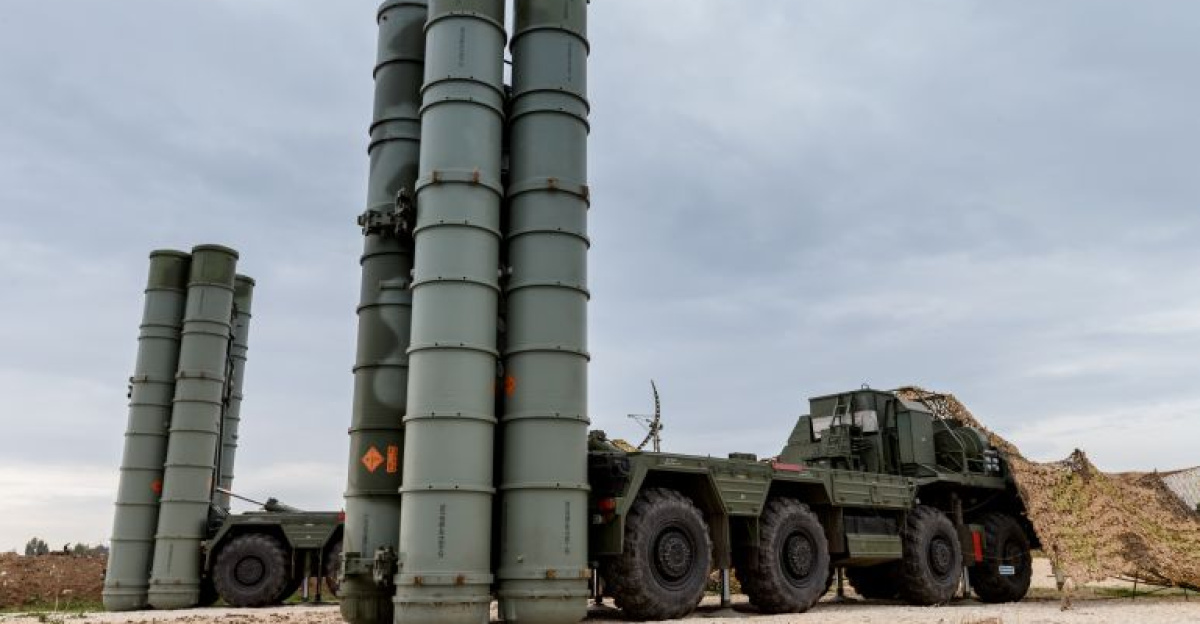
The escalating conflict and the destruction of S-400 launchers resonate globally. Nations monitoring the war are observing the effectiveness of Ukraine’s unconventional tactics, which may influence military doctrine worldwide. The situation raises questions about the efficacy of advanced military hardware in the face of asymmetric strategies.
Countries that rely on similar defense systems, such as India and Turkey, may reconsider their procurement strategies and operational tactics. The shifting dynamics could bolster arms sales, especially for countries producing alternatives to the S-400 systems that promise greater resilience against emerging threats.
The Future of Air Defense
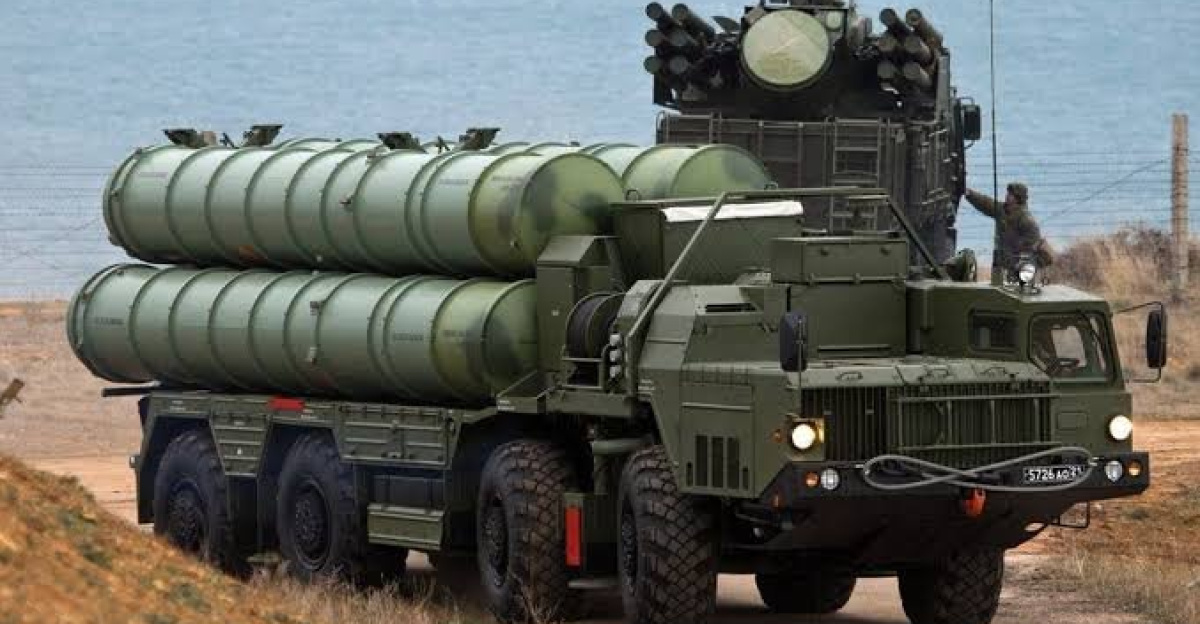
The loss of two S-400 systems may prompt Russia to innovate its air defense strategies urgently. Analysts argue that restoring these capabilities will prove challenging due to ongoing sanctions and logistical constraints. Furthermore, the shift in warfare dynamics necessitates an evolution of tactics for both Ukraine and Russia.
Future engagements will likely involve a blend of emerging technologies, such as AI-driven drones, and more robust countermeasures, creating a complex battlefield where traditional notions of air superiority may no longer be applicable.
A Soldier’s Perspective
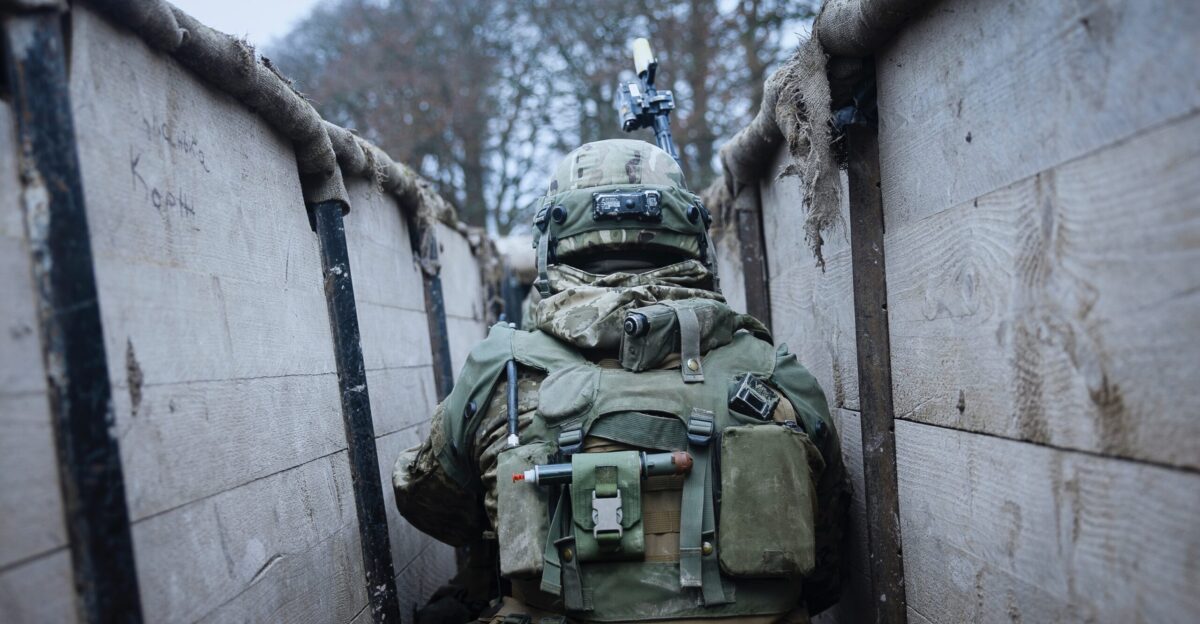
The emotional toll of the conflict affects both military personnel and civilians alike. A Ukrainian soldier described the atmosphere on the front lines, stating, “Each successful strike reinforces our belief that we can turn the tide.”
Meanwhile, on the Russian side, families are increasingly burdened by the uncertainty and fear stemming from these military losses. The societal impact extends deep into both nations, shaping public sentiment and influencing future military recruitment, troop morale, and overall warfare strategies as the conflict continues.
Technological Undercurrents
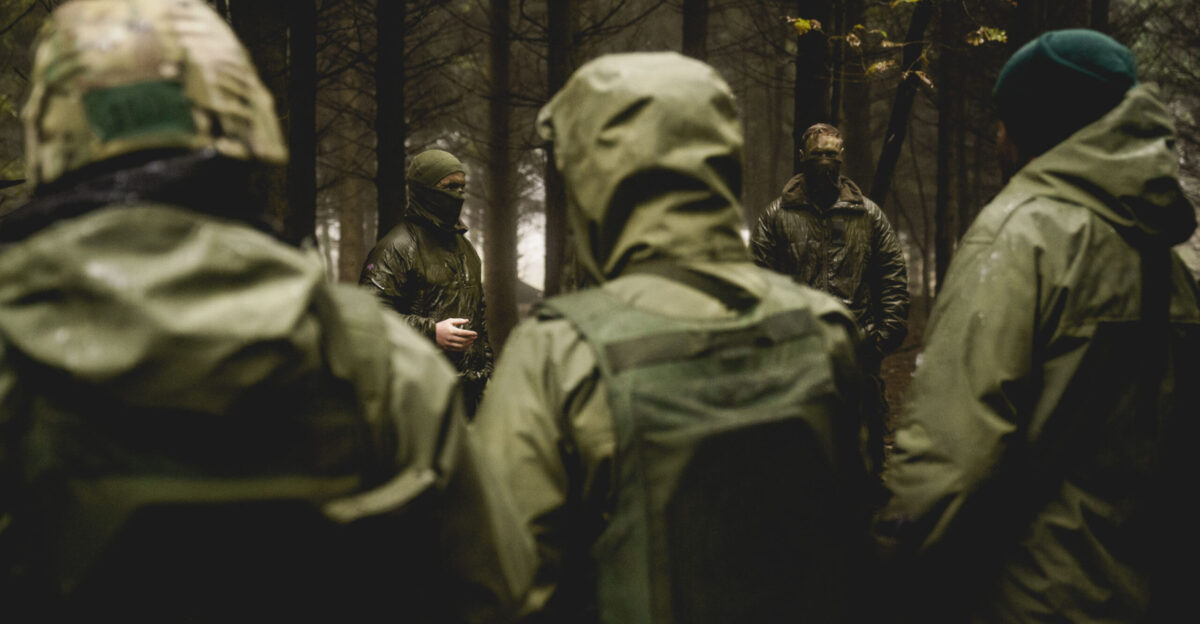
The transformation of the 15th Separate Artillery Reconnaissance Brigade illustrates the intersection of old and new combat technologies. Ukraine’s ability to repurpose Soviet-era hardware into effective modern military strategies serves as a testament to innovative problem-solving in warfare.
Reports indicate that the combination of drone technology, advanced sensors, and traditional artillery has allowed for a significant tactical advantage. This approach not only reflects a shift in contemporary combat philosophy but also presents unique challenges to conventional military establishments that rely solely on advanced hardware.
Intelligence and Coordination
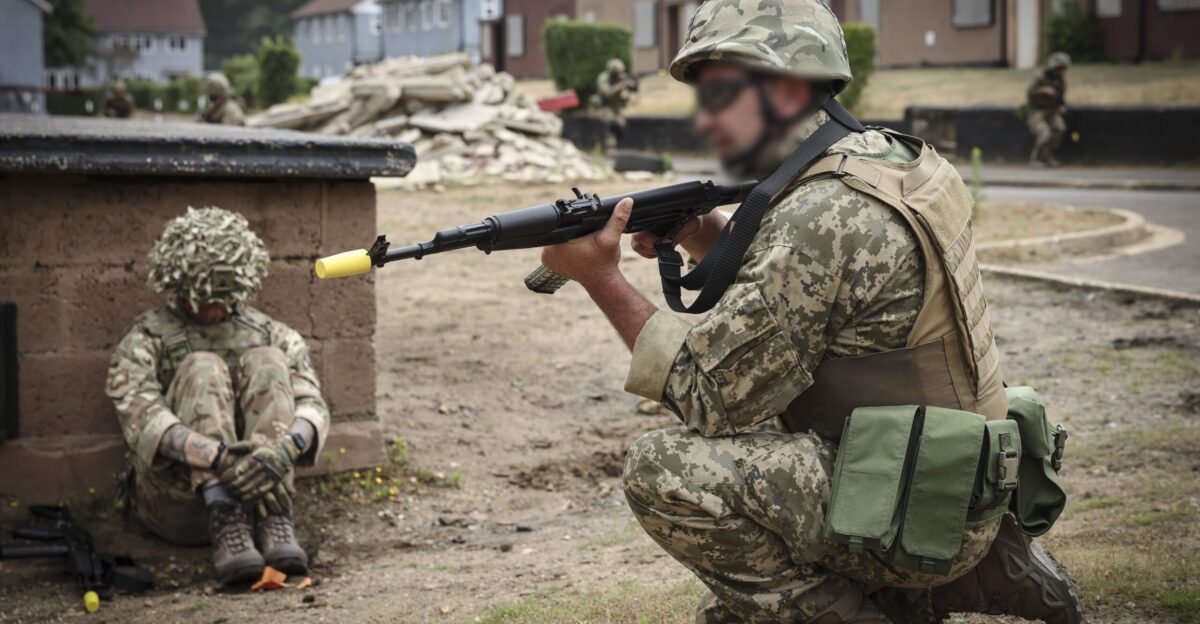
The success of the December 14 strike highlights the critical role of intelligence and coordination in modern warfare. Enhanced collaboration between various military and intelligence bodies in Ukraine has improved operational effectiveness and response times.
The utilization of real-time data from multiple sources underscores the importance of adaptive strategies in achieving tactical objectives. This level of coordination raises the stakes for Russia, which may struggle to counter the speed and precision of such Ukrainian operations as the war evolves.
The Human Cost
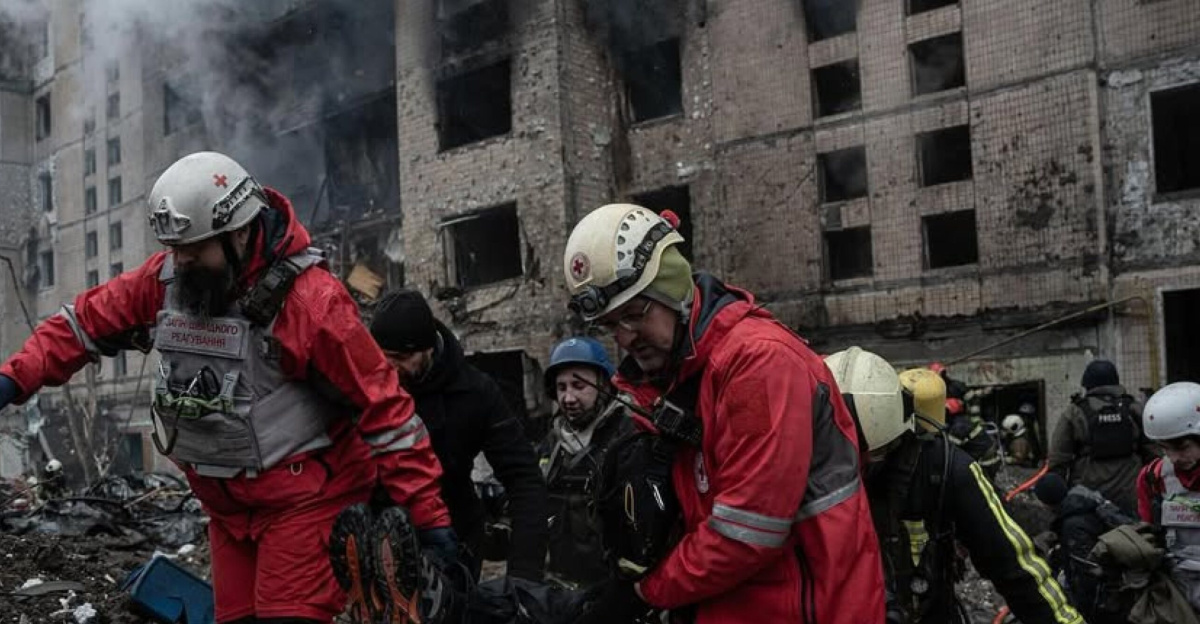
With escalating military activities, both sides face increasing casualties. A Ukrainian analyst remarked, “Each strike carries with it the burden of loss military and civilian.” As the conflict intensifies, understanding the human element is crucial to comprehending its broader implications.
Families on both sides endure the profound emotional toll of grieving loved ones and worrying over their futures. The ongoing loss of life underscores the urgent need for conflict resolution and peace negotiations, emphasizing that beyond military might, the stakes carry profound humanitarian consequences.
The Path Forward
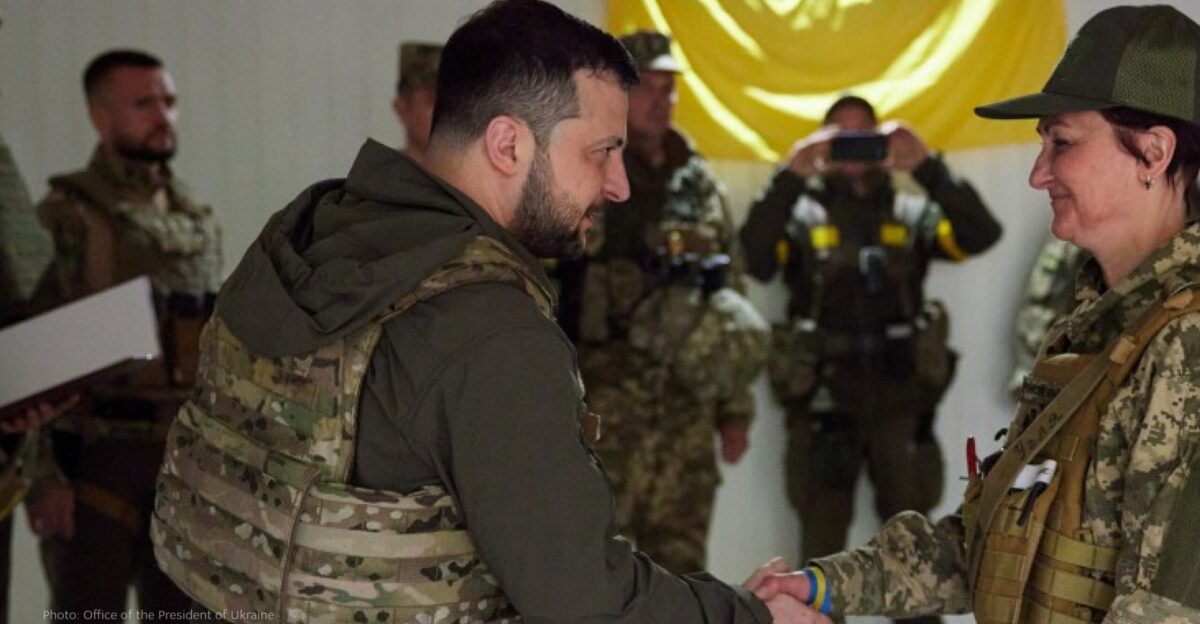
Moving forward, both Ukraine and Russia must navigate the complexities introduced by recent events. For Ukraine, the success of cross-border operations enhances its strategic narrative and may lead to increased domestic and international support for its efforts.
On the other hand, Russia faces mounting external pressures and internal discontent as the war drags on. The future is uncertain, but the path ahead will likely involve ongoing conflicts where both sides continually adapt to our dynamic military environment shaped by losses, strategies, and technological innovations.
Implications for Regional Security
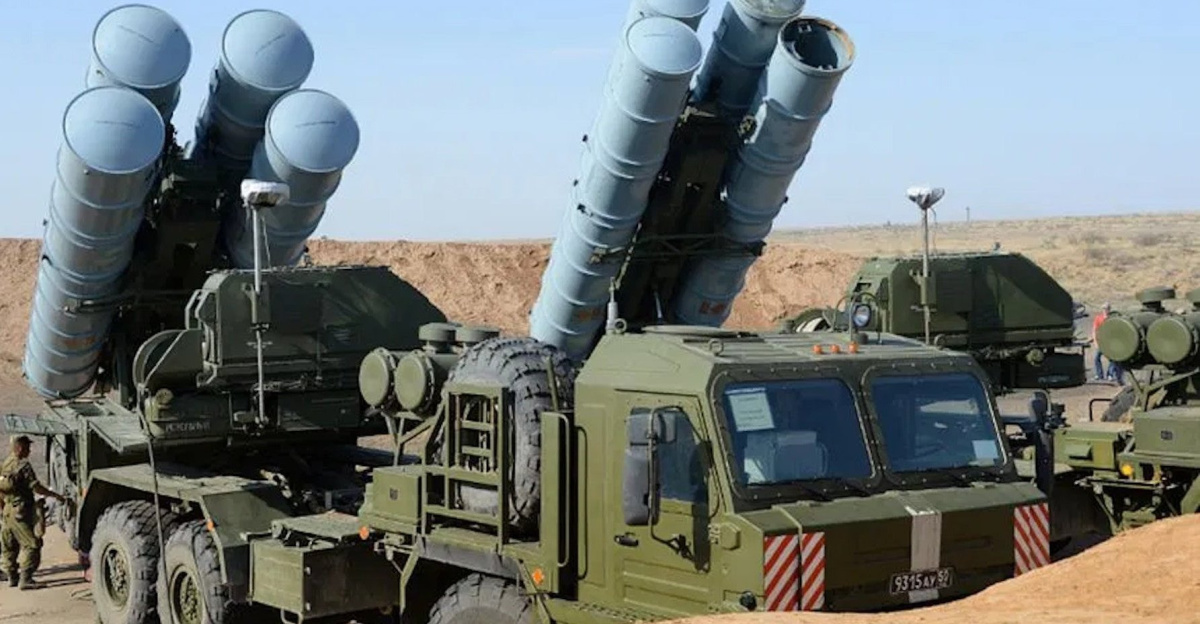
The destruction of two S-400 systems signifies a pivotal moment in the Ukraine-Russia conflict, reflecting broader implications for regional security in Eastern Europe. This event not only alters the balance of power within the immediate area but also influences global military strategies and alliances.
As both nations prepare for the next phase of the conflict, observers remain vigilant, conscious that each military decision resonates far beyond borders, impacting international relations and future conflicts worldwide. The outcome of this war will be pivotal, shaping the geopolitical landscape for years to come.
Sources:
Defence-ua.com: Strike in Belgorod Region Eliminates Two Russian S-400 Air Defense Systems
Ukrinform: General Staff confirms strikes on Russian army targets
Wikipedia: S-400 missile system
Pravda.com.ua: God’s eyes. How Ukrainian artillery reconnaissance made
BBC News: Blackouts hit Russia’s Belgorod as Ukrainian drone attacks surge
Critical Threats: Russian Offensive Campaign Assessment December 2025