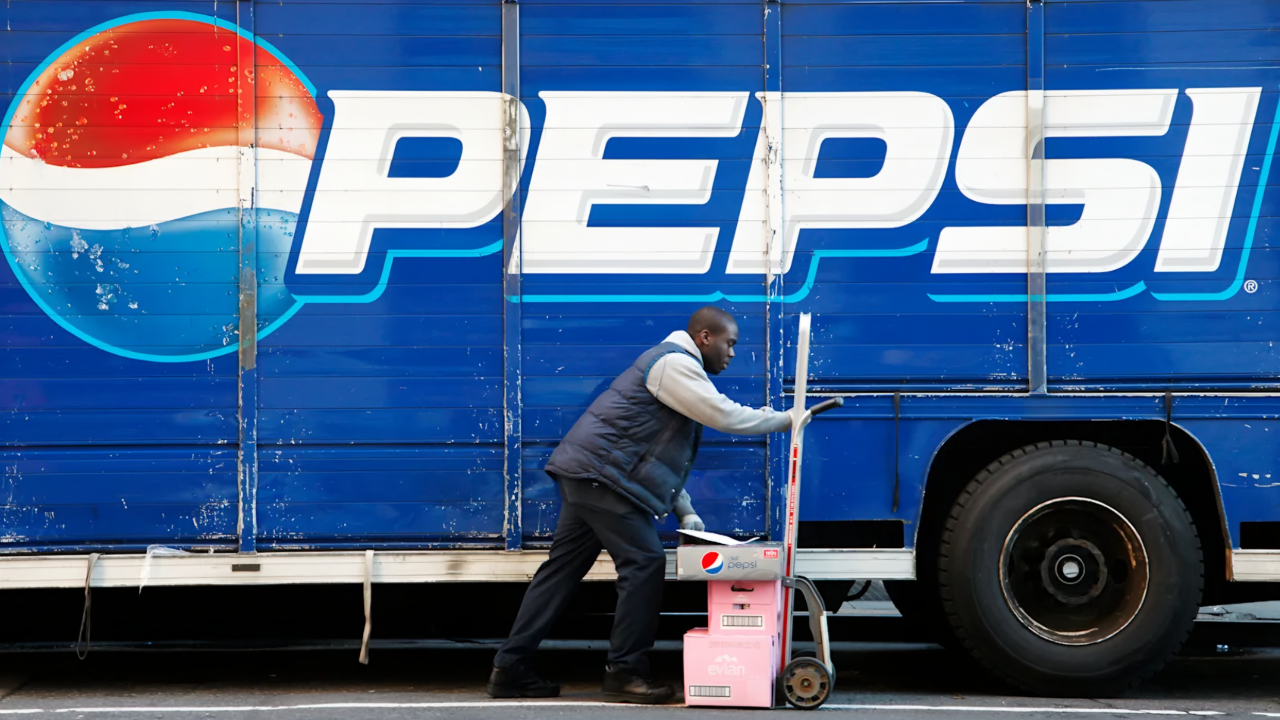
In one of the snack industry’s most dramatic restructurings, PepsiCo agreed this month to reduce its U.S. product portfolio by nearly 20 percent and lower prices nationwide, following pressure from activist investor Elliott Investment Management.
The sweeping overhaul, reached in December 2025, signals a sharp reversal for the Purchase, New York-based beverage and snack giant, which built its recent profits on aggressive pricing that ultimately alienated cost-conscious consumers.
The Pricing Mistake

PepsiCo’s troubles began years earlier, when management relied on price increases to sustain margin growth. The company executed seven consecutive quarters of double-digit price hikes through 2023, betting consumers would absorb the cost increases.
In the fourth quarter of 2024, organic volume declined 4 percent as average prices surged 9 percent and customers defected to cheaper competitors and store brands.
The Math Behind the Cuts

PepsiCo is eliminating roughly one in five products from U.S. shelves, affecting brands including Doritos, Cheetos, Lay’s, Tostitos, and Mountain Dew. The company has already closed three manufacturing plants and multiple production lines this year.
According to a Worker Adjustment and Retraining Notification filed in November 2025, the closure of the Orlando Frito-Lay facility alone resulted in the elimination of 454 manufacturing jobs, as well as 46 warehouse positions.
Brands Facing the Axe

Executives promised the cuts would hit low-margin, specialty flavors, and regional products more heavily than mainstream brands, but they’ve left consumers in suspense about which beloved snacks might vanish.
The focus remains on simplifying manufacturing and freeing up retail space for high-performing core products that drive the majority of volume and profit margins across all divisions.
The Workforce Reckoning

As news of the restructuring broke, PepsiCo took a step familiar to companies preparing mass layoffs: it ordered employees in New York headquarters, Chicago, and Plano, Texas, offices to work remotely this week, signaling that cuts were imminent.
Jennifer Wells, PepsiCo’s Chief People Officer for North America, issued a statement confirming what employees already suspected about structural changes affecting some roles.
Why Elliott Moved In
Elliott Investment Management, one of Wall Street’s most aggressive activist investors, saw a wounded target. The firm pointed to a bloated product portfolio that confused retailers and shoppers alike, coupled with PepsiCo’s inability to keep pace with Coca-Cola in adapting to shifting consumer demand toward health-conscious alternatives.
Elliott’s $4 billion stake, announced in September, gave the firm leverage.
Elliott’s Core Demands
The agreement confirmed Elliott’s core demands: aggressive SKU reduction and portfolio simplification, reinvestment in core brands and wellness categories, and supply chain restructuring to reduce complexity.
The activist emphasized the importance of long-term value creation over short-term gains as essential to competitive repositioning in an increasingly health-conscious consumer marketplace that demands innovation and authenticity.
From Pricing Power to Affordability
PepsiCo plans to reinvest savings from plant closures, layoffs, and portfolio cuts into lower prices on flagship brands, betting that affordability will reignite volume growth.
CEO Ramon Laguarta told analysts the company had tested its price-and-promotion strategy with major retail customers over three months, saying “we have very good metrics that gives us confidence” volumes will respond positively to aggressive price investments.
New Product Launches for 2026
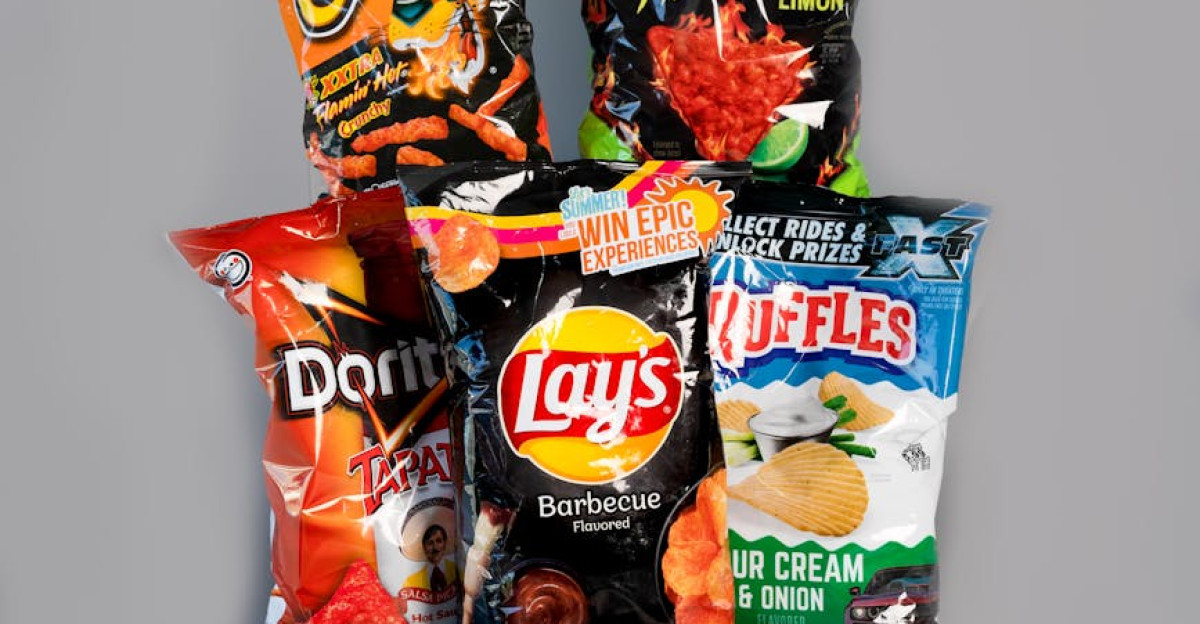
Parallel to cost-cutting, PepsiCo is racing to launch products aligned with consumer wellness trends. The company introduced Simply NKD Cheetos and Doritos this month—versions stripped of artificial colors and flavors.
Coming in 2026: Doritos Protein, competing with emerging functional brands, and Pepsi Prebiotic Cola, offering 3 grams of prebiotic fiber and 30 calories per can.
Redefining Protein Strategy
CEO Laguarta stated: “Fiber will be the next protein.” PepsiCo is moving beyond simple gram counts to tailored wellness benefits, positioning products to support families seeking nutritious options that children can enjoy without artificial additives.
Science-backed formulations across the portfolio target health-conscious consumers of all ages, unwilling to compromise on taste while demanding functional nutritional value and transparent ingredient sourcing.
Industry Context: A Difficult Year
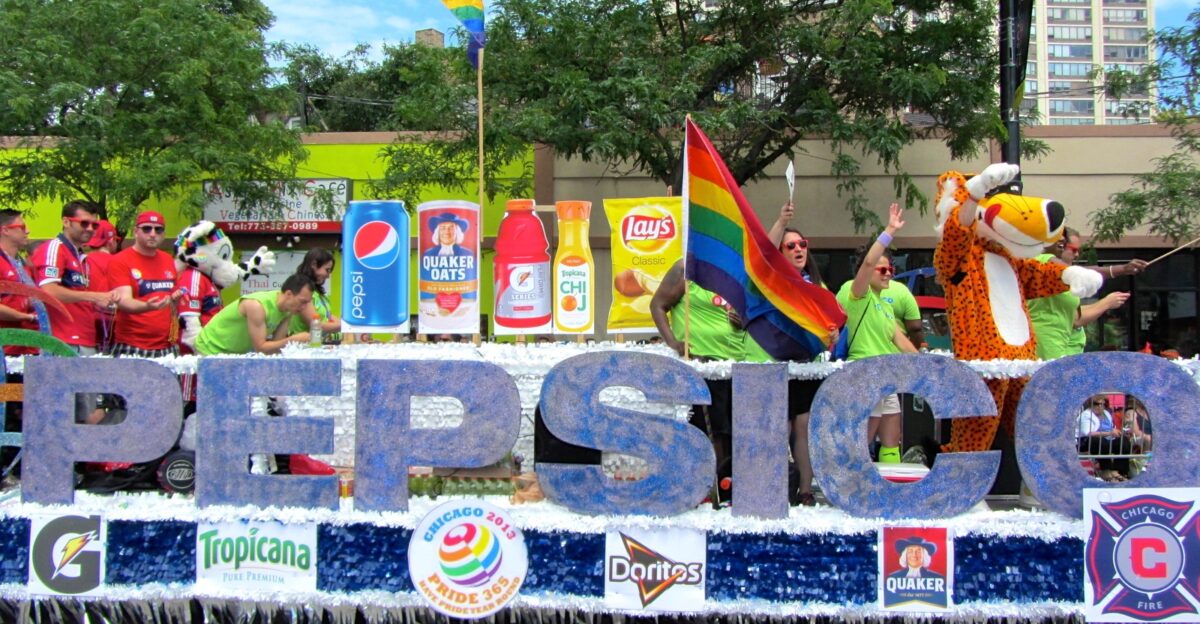
PepsiCo’s pain arrives during a devastating year for American workers overall. Food manufacturing has been significantly impacted; companies in the industry announced 34,165 layoffs through November 2025, representing a 26 percent year-over-year increase.
PepsiCo’s restructuring now joins that wave, arriving just before the holidays for workers already anxious about economic uncertainty and tariff-driven inflation pressures.
Compressed Execution Timeline

PepsiCo has compressed a massive overhaul into months. Product cuts must be completed by early 2026, supply chain reviews finalized by late 2026, and new products ramped by spring 2026.
Internally, executives are pushing “automation, digitalization and simplification” across global operations—corporate jargon for eliminating redundant roles and consolidating facilities to drive efficiency gains.
Elliott’s Measured Support

Marc Steinberg, a partner at Elliott, offered measured praise in December 2025: “We appreciate our collaborative engagement with PepsiCo’s management team and the urgency they have demonstrated.”
Steinberg added that Elliott believes “the plan announced today will drive greater revenue and profit growth,” reflecting a power shift where PepsiCo moved quickly enough to avoid proxy battles.
The Risky Bet Ahead

Here lies PepsiCo’s biggest bet: that lowering prices on core brands will recover volume faster than competitors, while eliminating unprofitable SKUs cuts overhead enough to sustain margins. But the math remains perilous.
If consumers don’t return to salty snacks and sugary beverages fast enough, lower prices compress profit on each unit sold dangerously.
Speed or Stumble?

PepsiCo has chosen speed and transparency—announcing plans, closing plants, cutting staff, and repositioning brands in rapid succession. Workers facing job loss, customers navigating disappearing products, and retailers managing shrinking assortments all encounter near-term disruption, but 2026 becomes the make-or-break moment for the turnaround.
Investors and Elliott alike are watching whether PepsiCo can simultaneously lower prices, recover volume, and sustain margins, a feat that escaped competitors like Coca-Cola during the inflation squeeze. The stakes could not be higher: PepsiCo’s North American reset must succeed or face intensified activist pressure in an already crowded field of activist campaigns targeting underperformance across consumer-facing industries
Sources:
PepsiCo Activist Deal Signals Major Strategic Shift – eMarketer
Elliott Investment Management Takes $4B Stake in PepsiCo – Reuters
PepsiCo Cutting Nearly 20% of Products as Sales Struggle – Yahoo Finance
Frito-Lay Plant in Rancho Cucamonga Closing – USA Today
500 People Losing Jobs in Orlando Frito-Lay Plant Closure – Click Orlando
PepsiCo Hikes Prices by Double Digits for the 7th Consecutive Quarter – Yahoo Finance