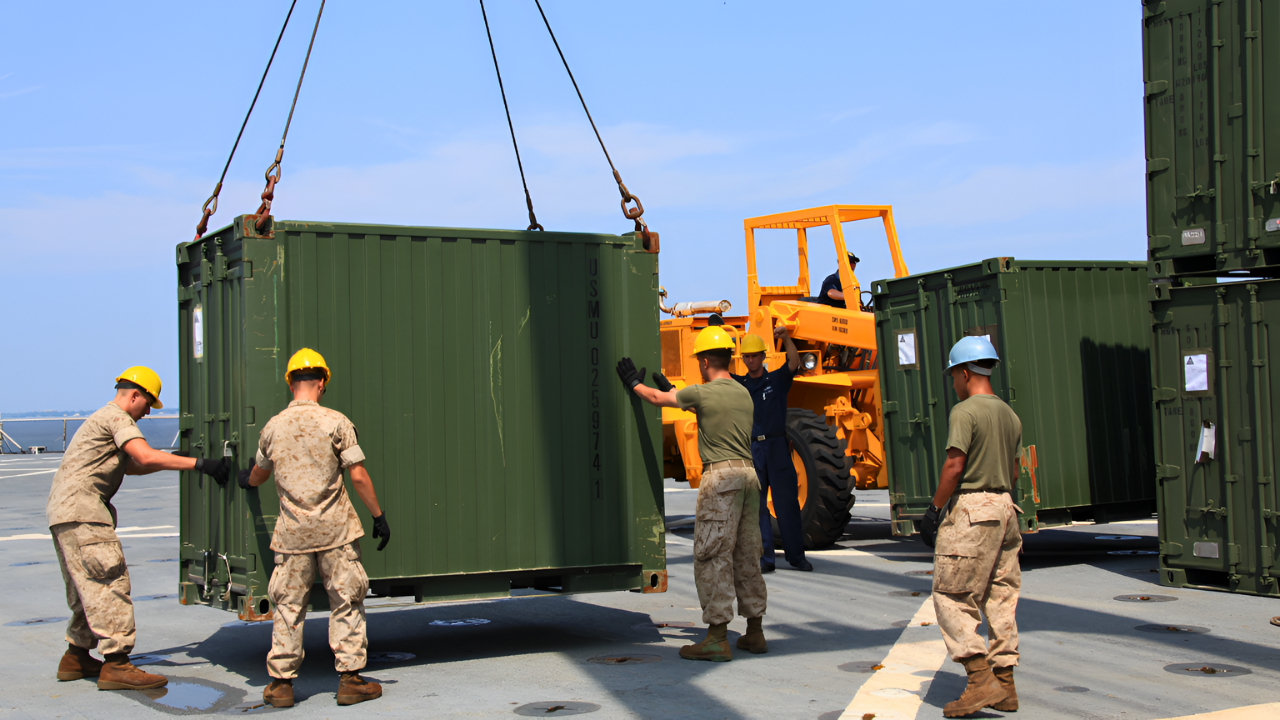
In December 2025, U.S. special operations forces executed a significant maritime interdiction in the Indian Ocean. This operation targeted a cargo ship believed to be transporting dual-use technology components from China to Iran. Intelligence had indicated that these components were integral to Iran’s missile development programs.
The seizure, valued at approximately $5 million, marked a pivotal move in the ongoing struggle to curb Iranian military capabilities and signals a shift in U.S. military engagement strategies regarding Chinese shipments to Tehran. With geopolitical tensions on the rise, the implications of this operation extend far beyond the immediate action.
The Dual-Use Technology Trade
China has been a major player in exporting dual-use technologies globally, with billions of dollars worth of shipments made annually. While much of this technology reaches peaceful destinations, U.S. intelligence has highlighted a troubling trend: significant shipments are flowing directly into Iran’s military infrastructure.
These components, which can serve both civilian and military use, pose a substantial threat when utilized by hostile regimes. The operation against the cargo vessel not only disrupted this supply chain but also emphasized the need for vigilance in monitoring such critical technology transfers. Understanding the nuances of these shipments is vital for global security.
The Rare Interception
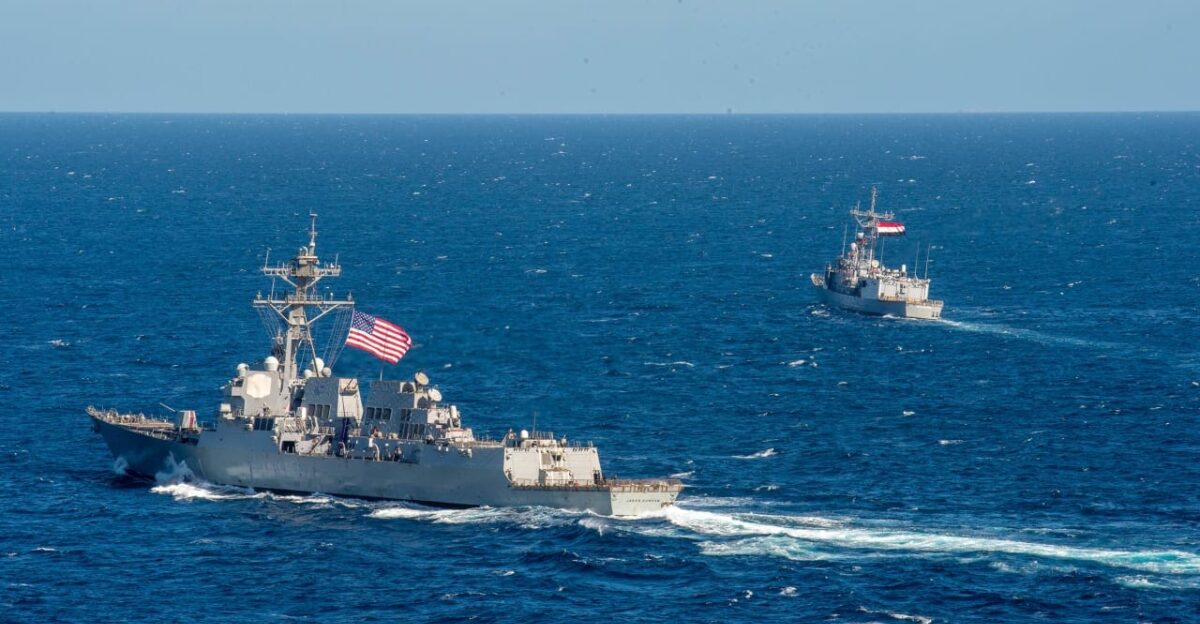
U.S. maritime boarding operations have dwindled in recent years, creating an environment where such bold actions are unexpected. However, on one night in November 2025, U.S. special operations forces conducted a highly unusual boarding of a cargo vessel in international waters.
This extraordinary step signified a dramatic policy shift by Washington, indicating increased urgency and resolve in addressing the military supply chains from Beijing to Tehran. This was not merely an enforcement action; it represented a tactical pivot in the broader strategy to exert pressure on Iran’s military ambitions and stem the flow of Chinese support.
The Breakdown of Containment
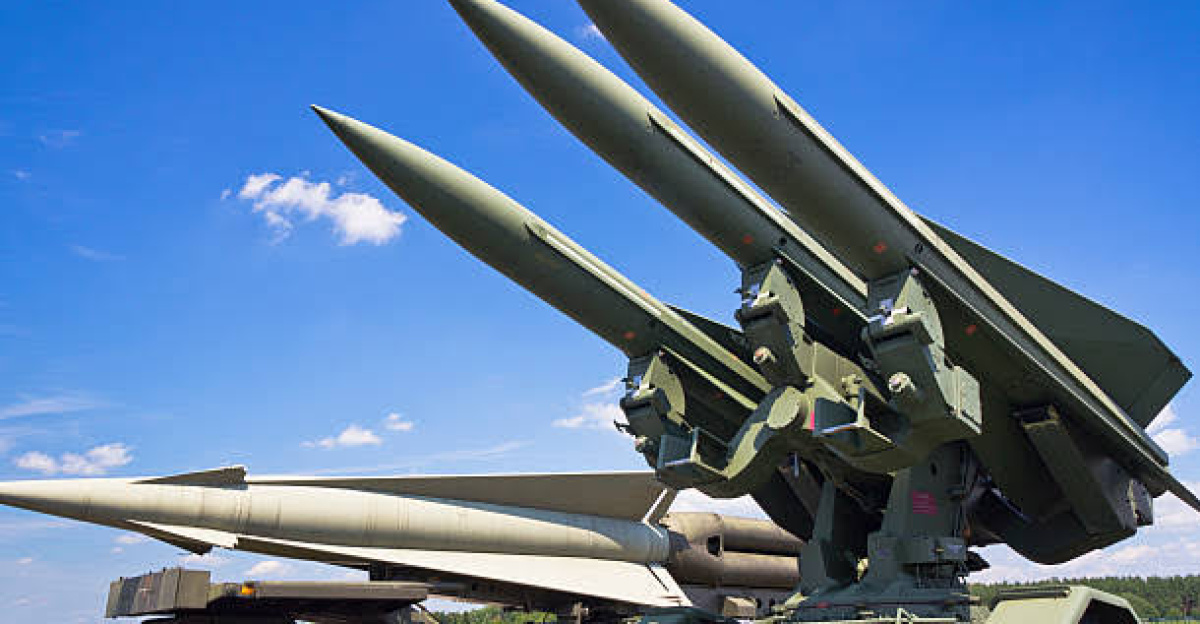
For decades, U.S. sanctions have sought to hinder Iran’s development of weapons capabilities. Efforts escalated after Israel launched significant strikes on Iranian nuclear and missile facilities in June 2025. Despite extensive damage to critical infrastructure, intelligence reports suggested that Iran quickly adapted, sourcing replacements through clandestine networks that extended from China to the Gulf.
This ability to circumvent sanctions highlights a critical flaw in the enforcement mechanisms. It underscores the challenges faced by the international community in containing Iran’s military ambitions through economic pressure alone.
The Significant Intercept
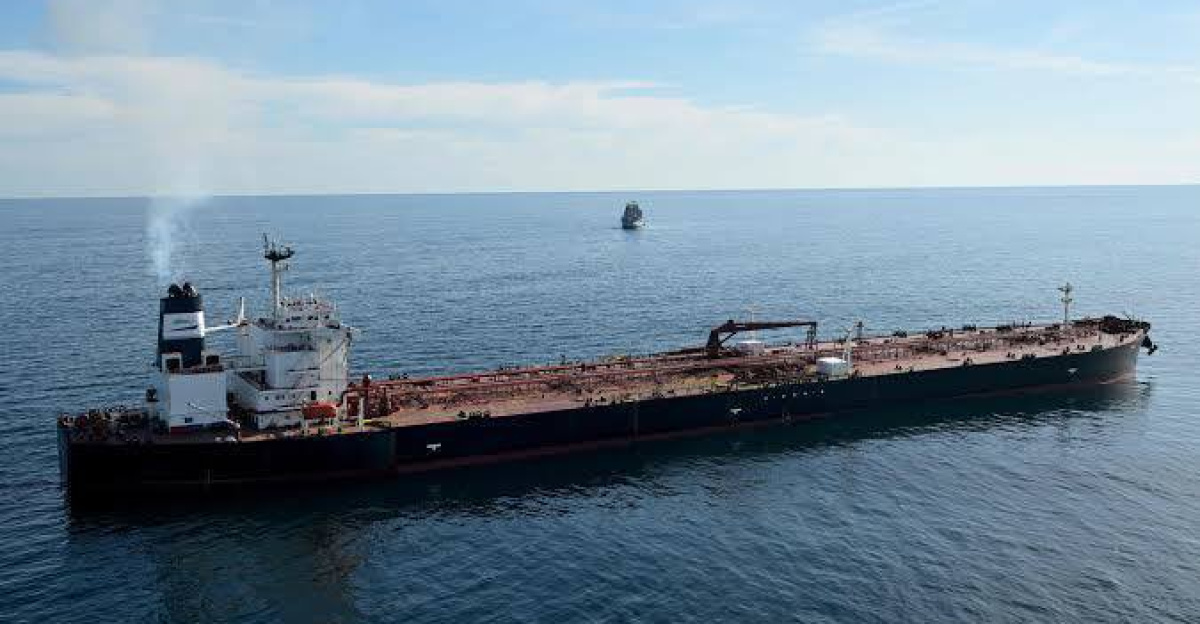
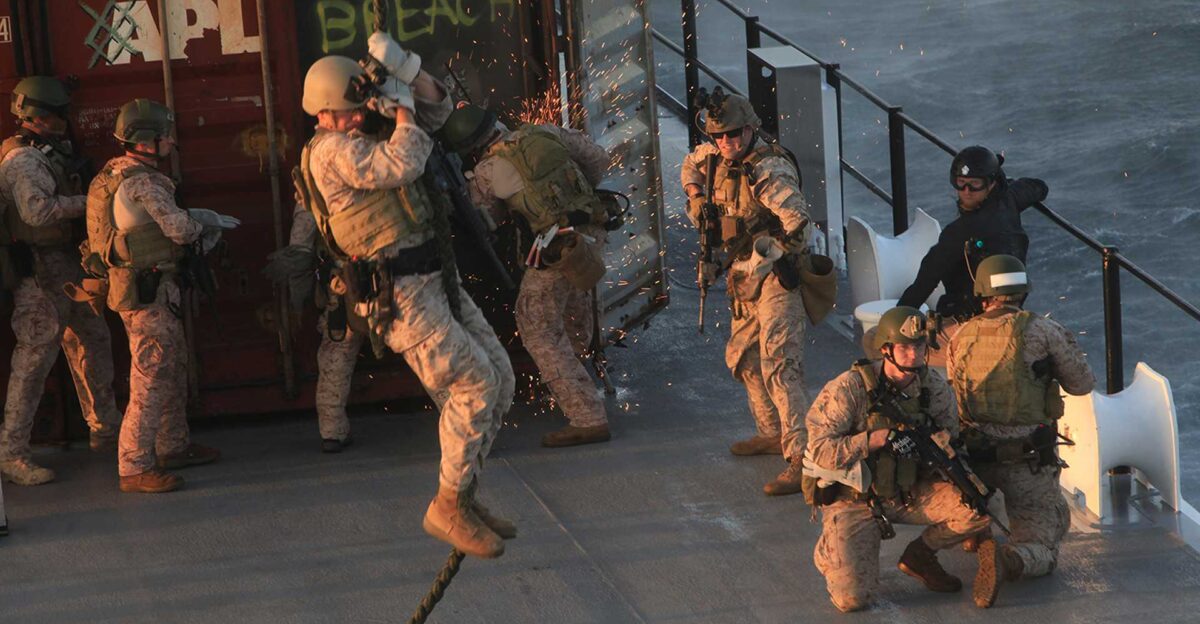
Several hundred miles off the coast of Sri Lanka, a U.S. special operations team successfully boarded a cargo ship in November 2025. They intercepted Chinese-manufactured components destined for Iranian missile procurement. The cargo included spectrometers, gyroscopes, and other high-precision equipment, all of which were vital for missile technology.
Following the seizure, these components were destroyed to prevent their use by Iranian military forces. This marked the first known U.S. interdiction of military cargo bound for Iran in recent years, highlighting a proactive approach in addressing the nuanced threats from Tehran’s procurement efforts.
Impact on Regional Security
The Indian Ocean is evolving from a mere trade route into a critical military choke point. The recent U.S. interdiction underlines the heightened stakes regarding Iran’s access to advanced manufacturing technology and its implications for regional military balances.
Allies like Israel and Saudi Arabia closely track every shipment to Tehran, aware of the potential impact on their national security. By actively disrupting supply lines and showcasing military readiness, the U.S. sends a clear signal that it is committed to countering Iranian influence and safeguarding regional allies from evolving threats posed by Tehran’s missile program.
Breaking Official Silence
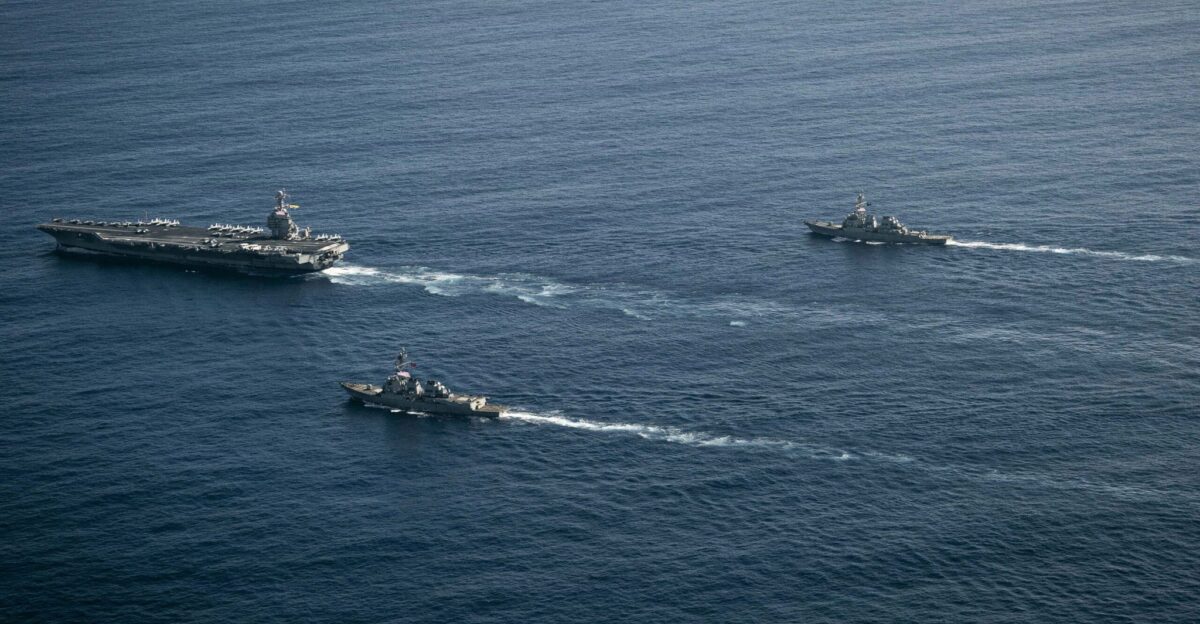
Maritime intercept operations are typically shrouded in secrecy, and U.S. officials rarely publicize such actions. However, the unprecedented scale of the cargo seizure necessitated a break in this silence. Unnamed Pentagon sources disclosed to the Wall Street Journal that the operation successfully thwarted the delivery of sensitive materials to Iran.
Notably, the vessel was allowed to continue its journey without retribution after offloading its illicit payload. This operation symbolizes a renewed commitment from Washington to enhance interception efforts, highlighting the administration’s focus on proactively addressing threats emanating from Tehran.
China’s Tactical Response

While Beijing has refrained from formally protesting the U.S. interdiction, the ramifications of this operation are palpable. Chinese shipments continue to flow to Iran, including vital materials such as sodium perchlorate, essential for ballistic missile propellants.
U.S. intelligence estimates suggest these ongoing transactions could support the production of up to 800 missiles. The recent seizure underscores the need for Washington to address the expansive and multifaceted network supporting Iran’s military ambitions. It signals an emerging contest for influence in the region that extends far beyond immediate military actions.
The Global Procurement Network
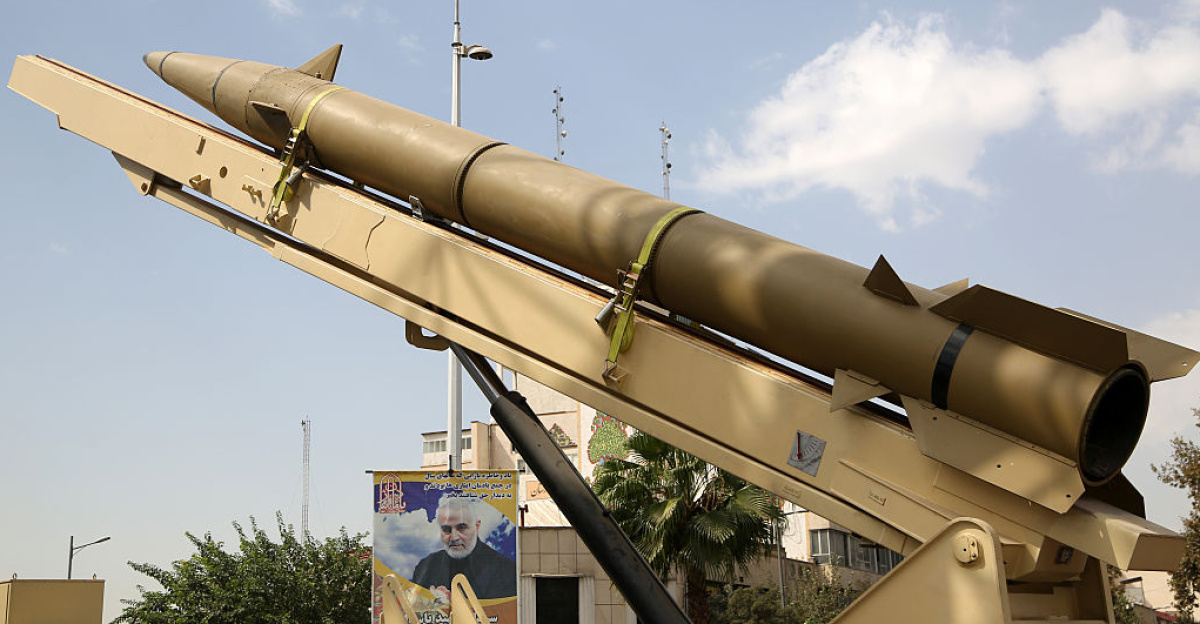
Iran’s missile program is underpinned by a sophisticated network consisting of front companies and procurement specialists operating globally. Although U.S. sanctions aim to dismantle these entities, new replacements continually arise, driven by the vast resources of state-owned and private Chinese suppliers.
The ambiguity surrounding “dual-use” classifications enables these components to traverse borders legally, complicating enforcement efforts. The resilience of this procurement network suggests that even with intensified sanctions, Iran can maintain support for its missile development, posing an ongoing challenge for U.S. and allied strategies aimed at curbing Tehran’s ambitions.
The Venezuela Connection

Following the successful Indian Ocean seizure, the Trump administration intensified its enforcement strategy, seizing a sanctioned Iranian oil tanker off the coast of Venezuela. The timing of these two distinct interdictions suggests a synchronized “maximum pressure” campaign aimed at disrupting Tehran’s revenue streams and logistical support networks simultaneously.
This coordinated action goes beyond isolated enforcement, pointing towards a broader strategic framework aimed at curtailing Iran’s military capacity while signaling to global partners the U.S. commitment to confronting threats to regional stability posed by the Iranian regime.
Growing Congressional Frustration
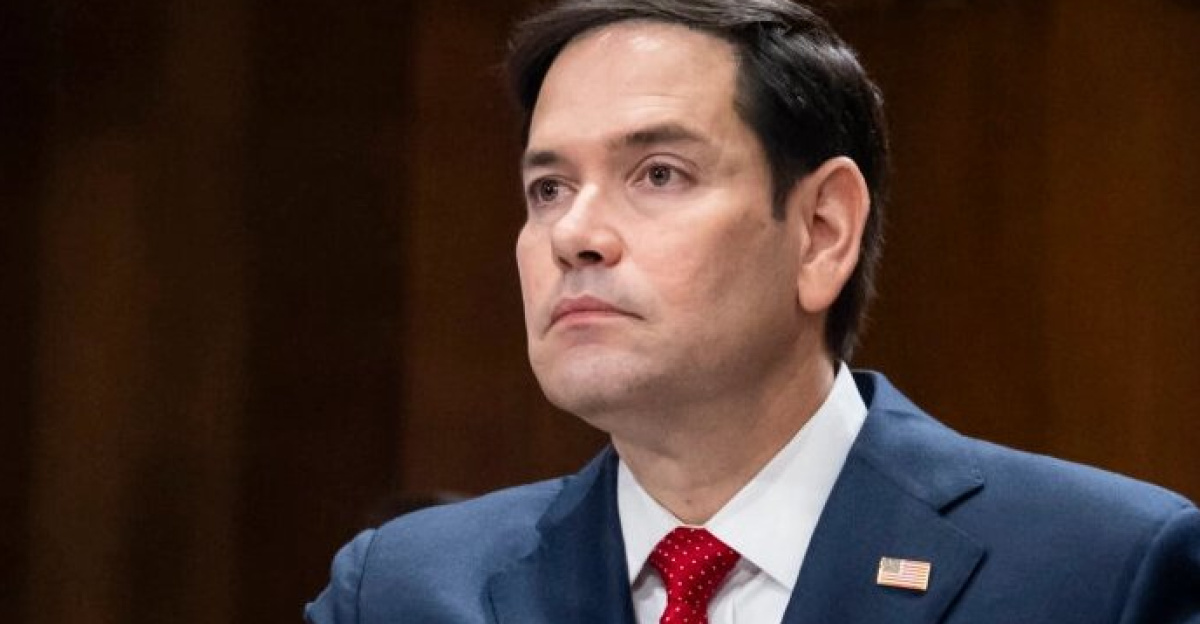
As tensions escalated, several Democratic representatives expressed mounting frustration with the State Department regarding Beijing’s blatant disregard for U.S. sanctions. Representatives Raja Krishnamoorthi and Joe Courtney articulated their concerns in a letter to Secretary of State Marco Rubio, underscoring that U.S. actions had, thus far, failed to deter Chinese support for Tehran’s procurement activities.
They contended that the revelation of the cargo interception vindicated their perspectives on the inadequacies of current measures. This growing discontent highlights the political pressures facing the administration to enhance its approach to China and Iran more effectively.
The Trump Doctrine’s Resurgence
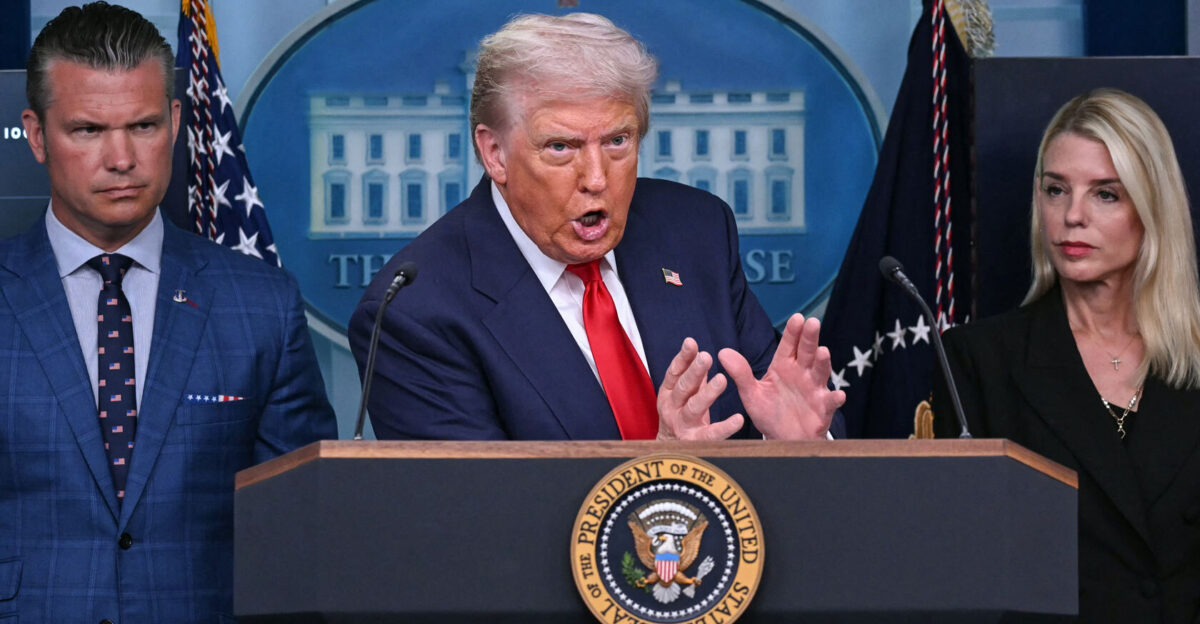
The current administration has embraced a bold approach toward unilateral maritime enforcement, a strategy once deemed too risky. Interventions, such as the recent cargo seizure, exemplify a broader philosophy of using direct action to mitigate threats in the international arena.
By prioritizing assertive military measures to confront adversaries and curb their support networks, the Trump administration showcases an evolving doctrine prioritizing immediate action over diplomatic overtures. This framework may significantly impact U.S. foreign policy and military posture in the years to come as it navigates complex geopolitical challenges.
The Domestic Implications
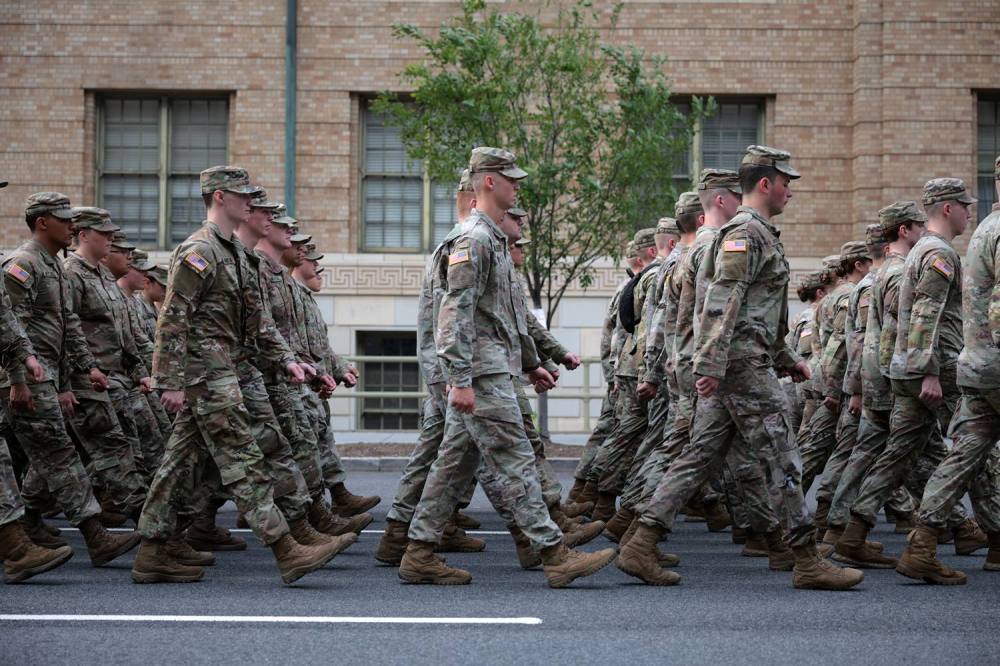
The repercussions of the maritime seizure extend to domestic policy discussions regarding defense funding and military readiness. As the U.S. government shifts resources toward proactive interception operations, analysts and policymakers are increasingly focused on ensuring that U.S. military capabilities are adaptable and responsive in a rapidly changing global landscape.
The necessity for enhanced investments in marine surveillance and special operations capabilities reflects strategic priorities in addressing proliferation threats. These debates will likely shape defense budgets and strategic planning in the years to come.
Perspectives on Strategic Challenges
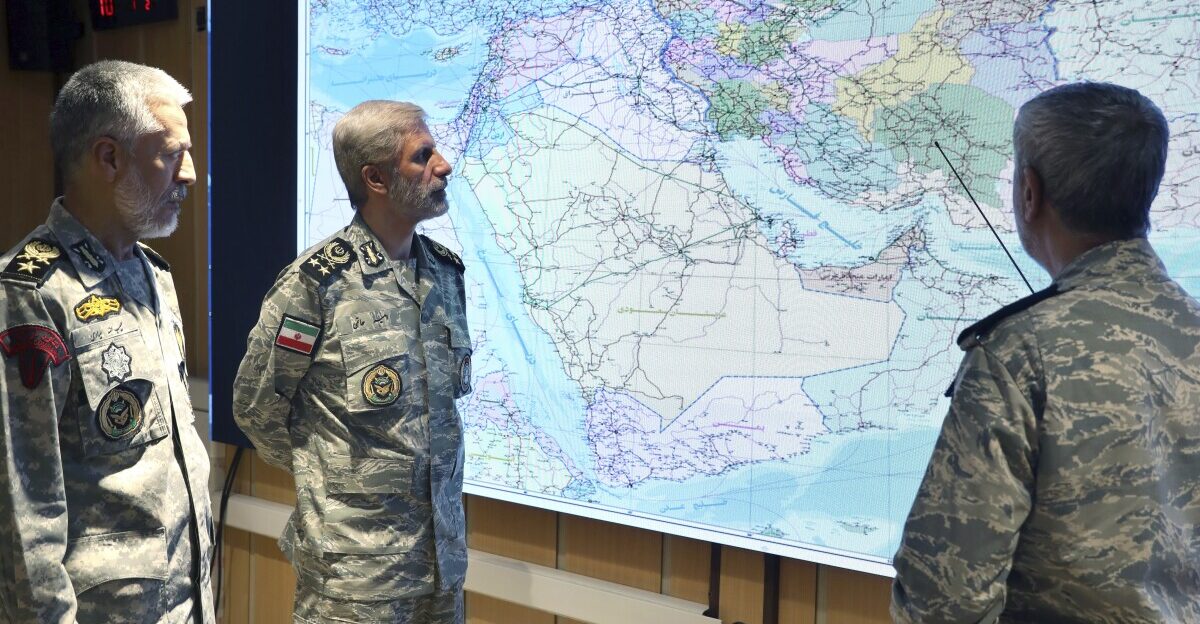
Military and proliferation analysts have assessed the broader implications of the cargo seizure. The operation underscores the persistent challenge posed by Iran’s ability to find alternative routes for procuring military technology. Experts emphasize that the U.S. must remain vigilant and proactive in countering such procurement networks.
Their insights reflect a profound understanding of the complexities involved and the need for an evolving strategy to counteract Iranian weapons development efforts. Expert assessments reinforce the narrative that this moment represents only the tip of the iceberg in addressing Tehran’s ambitions and its connections with China.
Broader Public and Policy Reactions
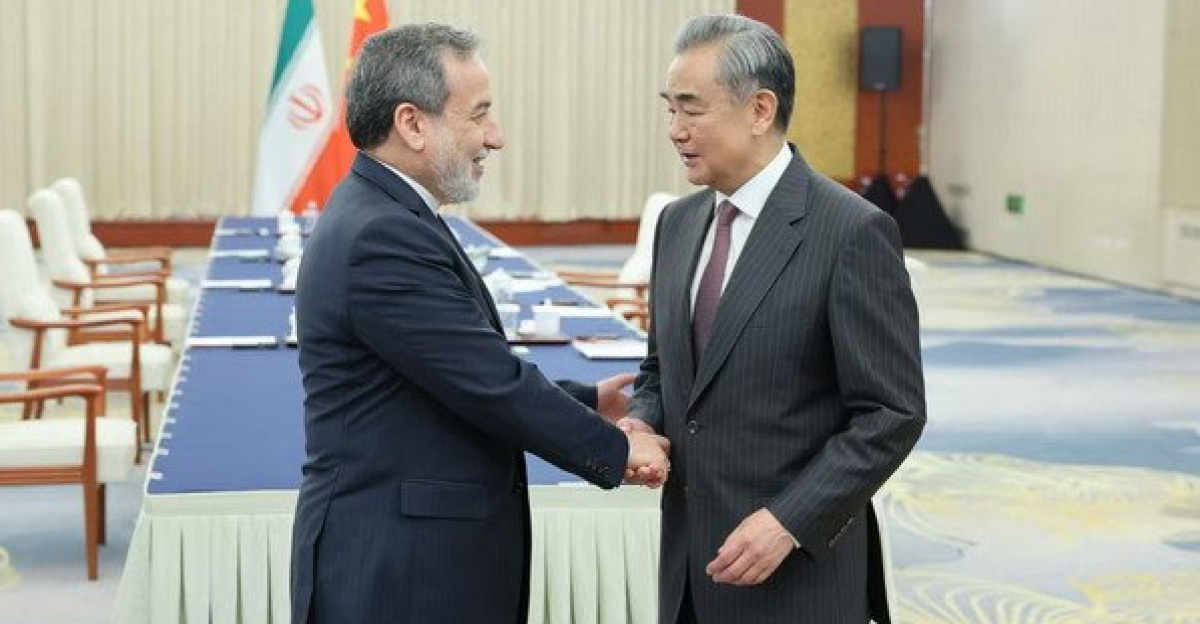
Public and policy discussions regarding the U.S. government’s approach to China’s support for Iran reflect diverse perspectives. Many security analysts and policymakers praise the aggressive actions taken to curtail Iranian military capabilities and disrupt supply chains.
In contrast, some experts and diplomats voice concerns over escalating tensions and the potential for wider confrontation. As the consequences of such operations unfold, broader sentiment will continue to shape discussions about U.S. foreign policy and military engagement strategies, highlighting the need for transparent communication from the government regarding strategic objectives.
The Future of U.S.-China Relations
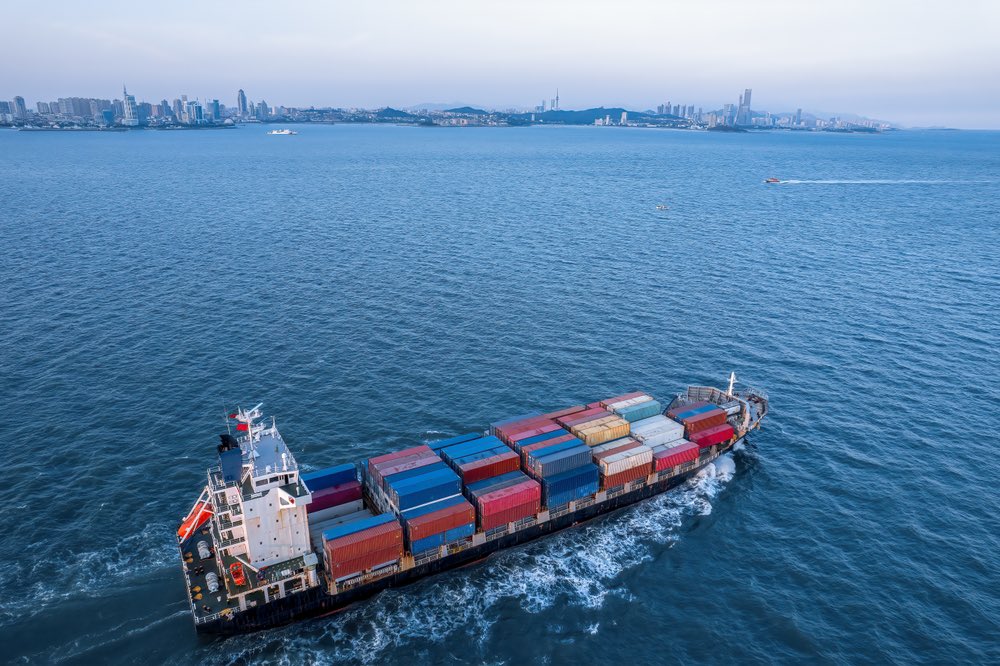
The interception of Chinese military cargo marks a critical point in U.S.-China relations, characterized by rising tensions and strategic competition. China’s continued support for Iran, particularly regarding military technology, complicates diplomatic efforts between Washington and Beijing.
Analysts speculate that U.S.-China relations may enter a more adversarial phase, prompting both nations to bolster military and economic posturing. This development could have far-reaching implications for international relations, necessitating nuanced strategic adjustments by U.S. policymakers to navigate this intricate and evolving geopolitical landscape effectively.
International Reactions
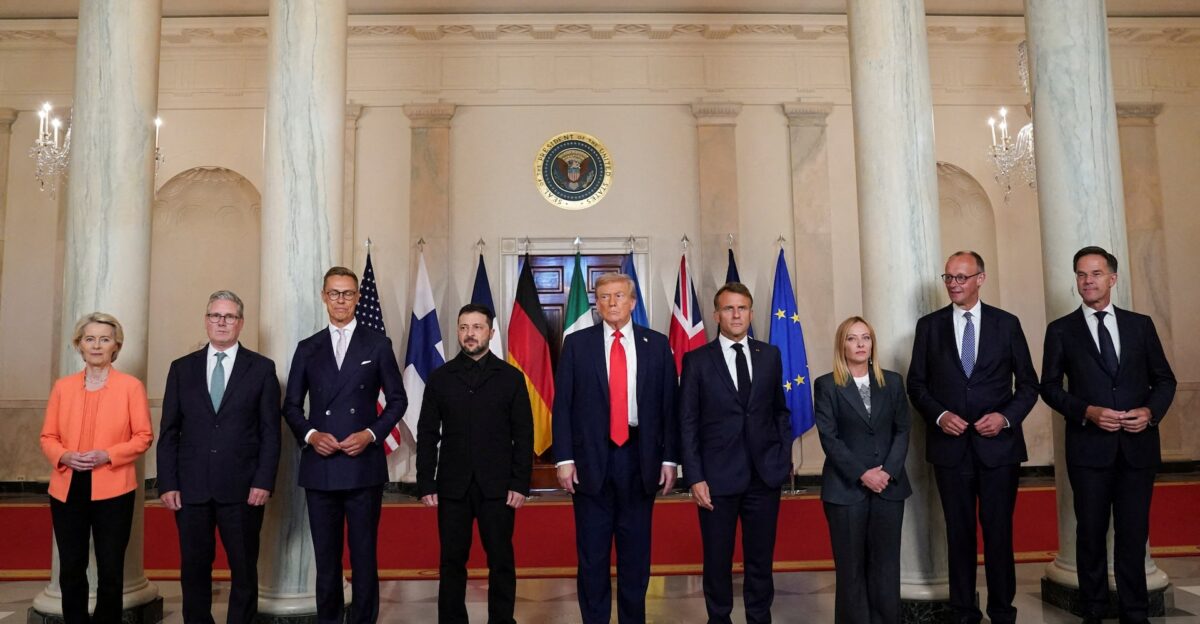
Reactions from international stakeholders regarding the cargo seizure have been cautious. Several European allies have expressed support for efforts to curb Iranian military advancements while advocating for a multilateral diplomatic approach.
However, some nations remain wary of U.S. unilateral actions that could further escalate tensions in the region. These varied responses highlight the complexity of achieving a cohesive international reaction and underscore the potential challenges that may arise as various nations pursue their interests in addressing Iranian proliferation.
The Role of Sanctions
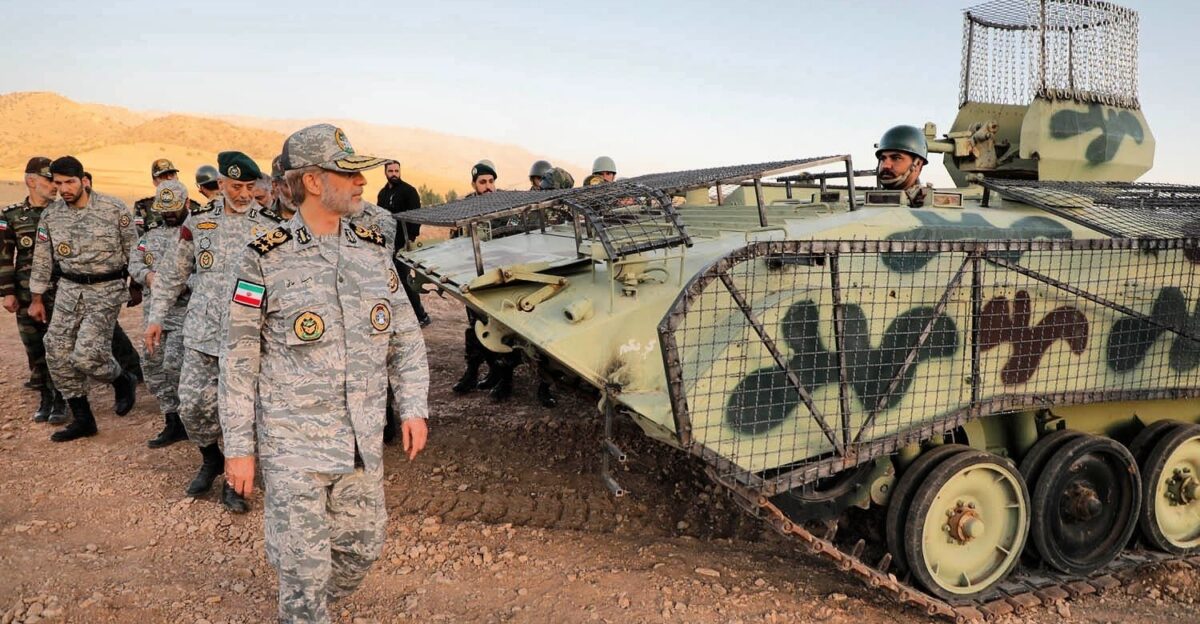
To counter Iranian military development, sanctions have played a pivotal role in limiting access to essential materials and technology. However, the efficacy of these measures is increasingly being called into question due to the adaptability of Iranian procurement networks.
With new avenues emerging, such as clandestine Chinese suppliers, the U.S. and its allies must continually reassess their strategy regarding sanctions enforcement. The Treasury Department has indicated ongoing efforts to evaluate enforcement mechanisms and strengthen international compliance with Iran-related sanctions programs.
Strategic Lessons Learned
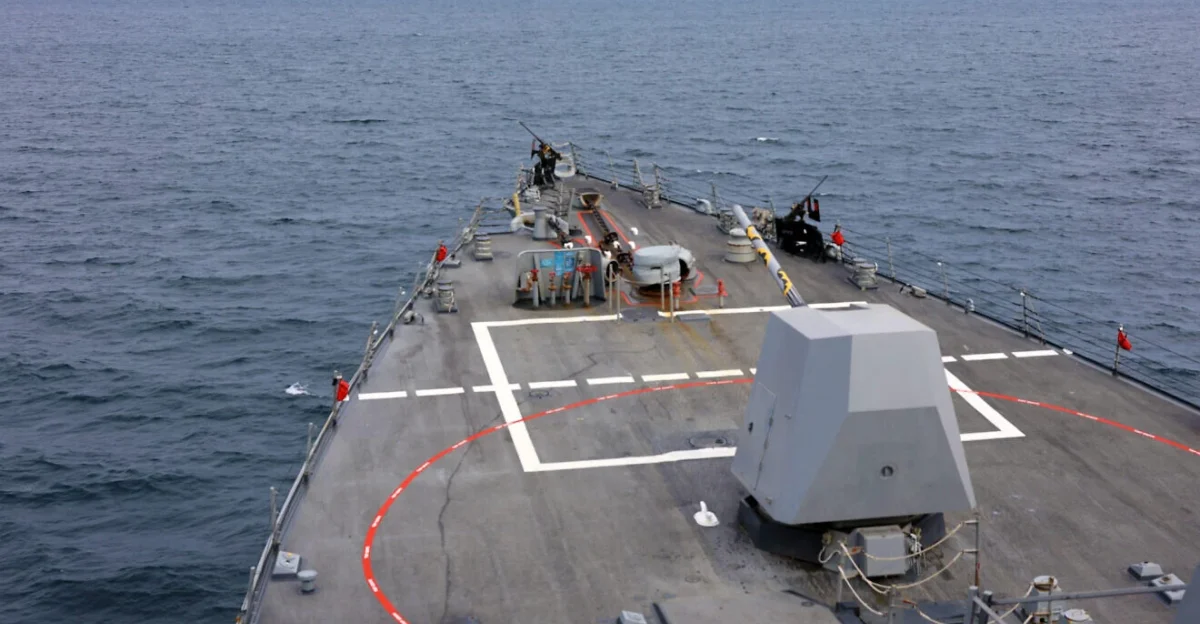
The events surrounding the cargo seizure have imparted valuable strategic lessons on the interconnectedness of global supply chains and military operations. The importance of intelligence-sharing among allies cannot be overstated, as nations must work collaboratively to monitor and address proliferation threats collectively.
This incident highlights the need for adaptable military strategies that can respond promptly to emerging challenges. A focus on enhancing maritime security protocols and developing robust international partnerships will be crucial in addressing similar threats in the future, thereby safeguarding national and global interests.
A Call to Action
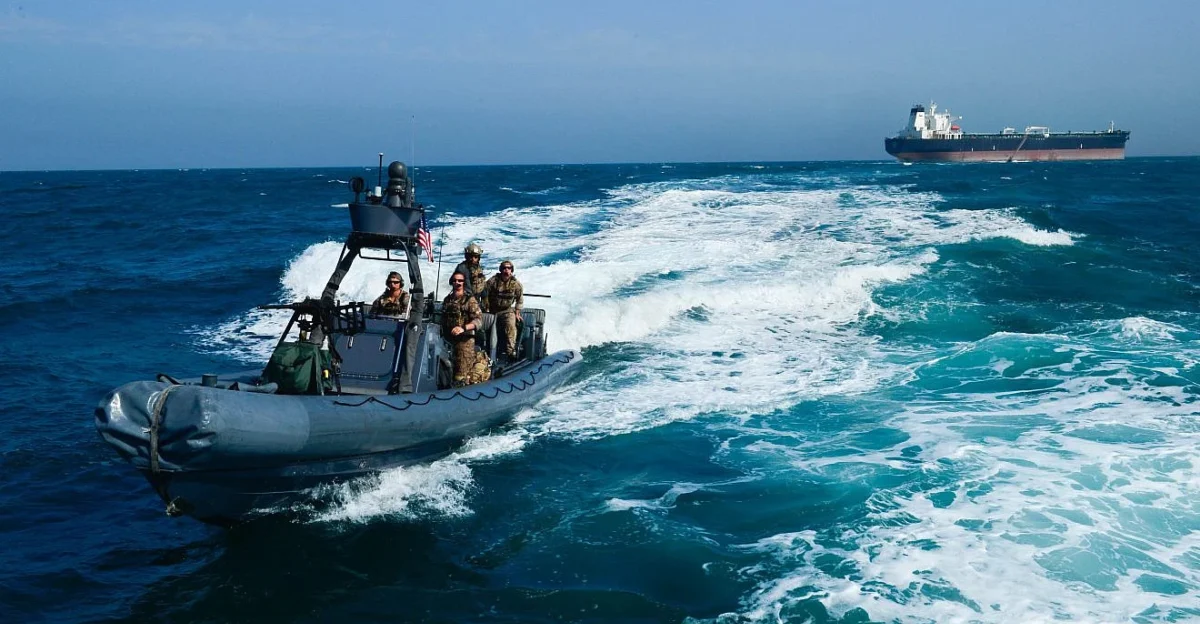
The successful seizure of approximately $5 million worth of Chinese missile components bound for Iran represents a critical moment in the ongoing struggle against the proliferation of military technology to hostile regimes. As geopolitical tensions escalate, the U.S. must continue to refine its strategies to strike a balance between assertive military actions and diplomatic engagement.
The complexity of this challenge necessitates vigilant monitoring of supply networks and active collaboration with international partners. As we move forward, embracing a comprehensive approach will be crucial in ensuring regional stability and preventing adversarial powers from gaining strategic military advantages.
Sources
Wall Street Journal “U.S. Forces Raid Ship, Seize Cargo Headed to Iran From China”
Reuters “US forces raided ship headed to Iran from China in Indian Ocean”
Army Recognition “U.S. Special Forces seize Chinese cargo tied to Iran missile program”
Critical Threats Project “Iran Update, December 15, 2025”
New York Times “U.S. Boarded Ship and Seized Cargo Heading to Iran From China”
Maritime Executive “U.S. Intercepts Ship Carrying Chinese Missile Components to Iran”
Times of Israel “Iran orders materials from China that can make some 800 ballistic missiles”
Al Jazeera “US forces stormed cargo ship travelling from China to Iran”
United Nations “UN Reimposed Arms Embargo on Iran”
U.S. Treasury Department “Sanctions on Iranian and Chinese entities for chemical precursor transfers”