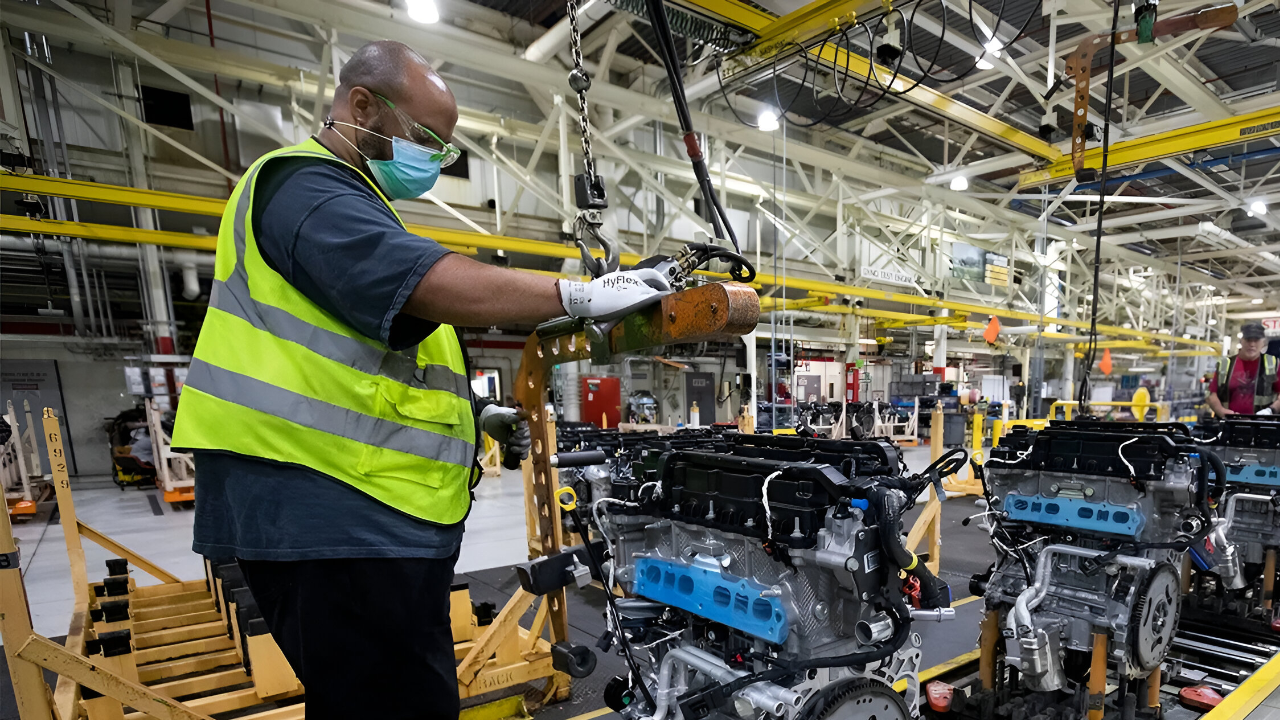
Stellantis shares collapsed from peak valuations to trade near $9.70 by October 2025—a staggering 70% destruction of shareholder value compressed into less than two years. Once hailed as the world’s strongest automotive manufacturer, the conglomerate controlling Jeep, Dodge, Ram, and Chrysler now hemorrhages inventory, dealers, and market confidence.
This isn’t a cyclical downturn but a strategic catastrophe born from pricing hubris and product miscalculation that sent shockwaves through the entire automotive industry.
The Numbers Don’t Lie: Dodge in Freefall

Dodge unit sales collapsed from 43,000 vehicles in Q1 2023 to just 21,731 in Q1 2024—a devastating 49.6% year-over-year plunge that shocked dealers and executives alike. By the first half of 2025, Dodge had descended further into oblivion, selling merely 4,299 Charger Daytona electric vehicles across North America.
To contextualize this failure: the company’s discontinued gasoline-powered Charger and Challenger sold 48,093 combined units in the comparable 2024 period before elimination, yet their EV replacement managed less than one-tenth that volume.
Jeep’s Slide Into Historical Lows
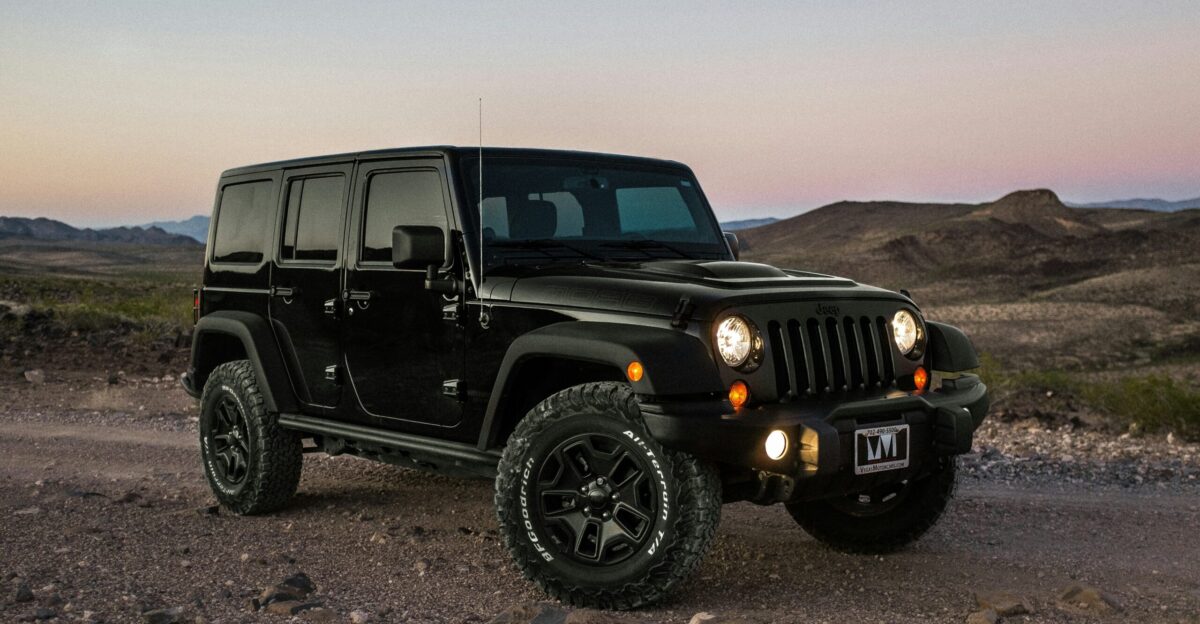
Jeep, the brand that once commanded near-cult loyalty and dominated the compact SUV segment, bottomed out at 587,000 vehicles sold in 2024—the brand’s worst performance in a decade. Sales declined 34% from the 2018 peak of 972,227 units, erasing years of growth while competitors Toyota, Honda, and Ford expanded market share.
The once-aspirational nameplate now faces perception as overpriced, unreliable, and vulnerable to displacement by rivals offering superior value propositions and ownership experiences.
Pricing Strategy: The Catastrophic Miscalculation
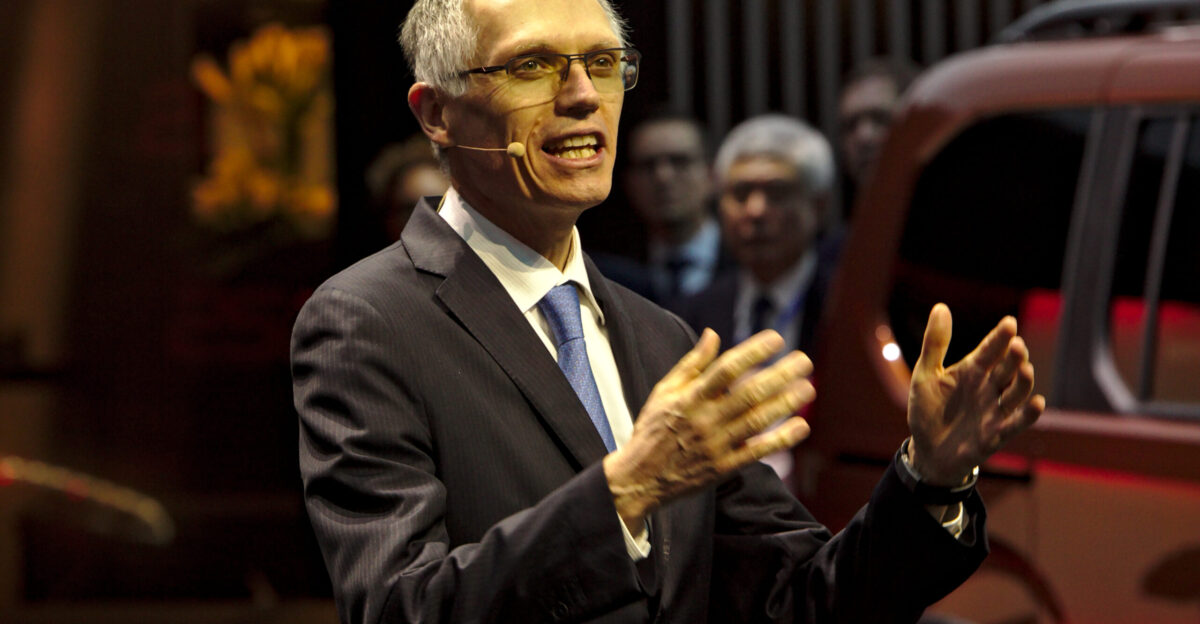
Under former CEO Carlos Tavares, Stellantis leadership bet aggressively that Jeep and Dodge commanded premium positioning capable of sustaining price increases double the industry average. The Jeep Wrangler Rubicon four-door exemplified this strategy: pricing skyrocketed from $65,450 in 2020 to $90,450 in 2024—a stunning 38% increase in just four years that alienated mainstream buyers and destroyed the brand’s accessible market positioning.
By late 2023, average Stellantis transaction prices reached $58,000, the industry’s highest, before collapsing as demand evaporated under pricing pressure.
Inventory Crisis: Dealers Drowning in Unsold Stock
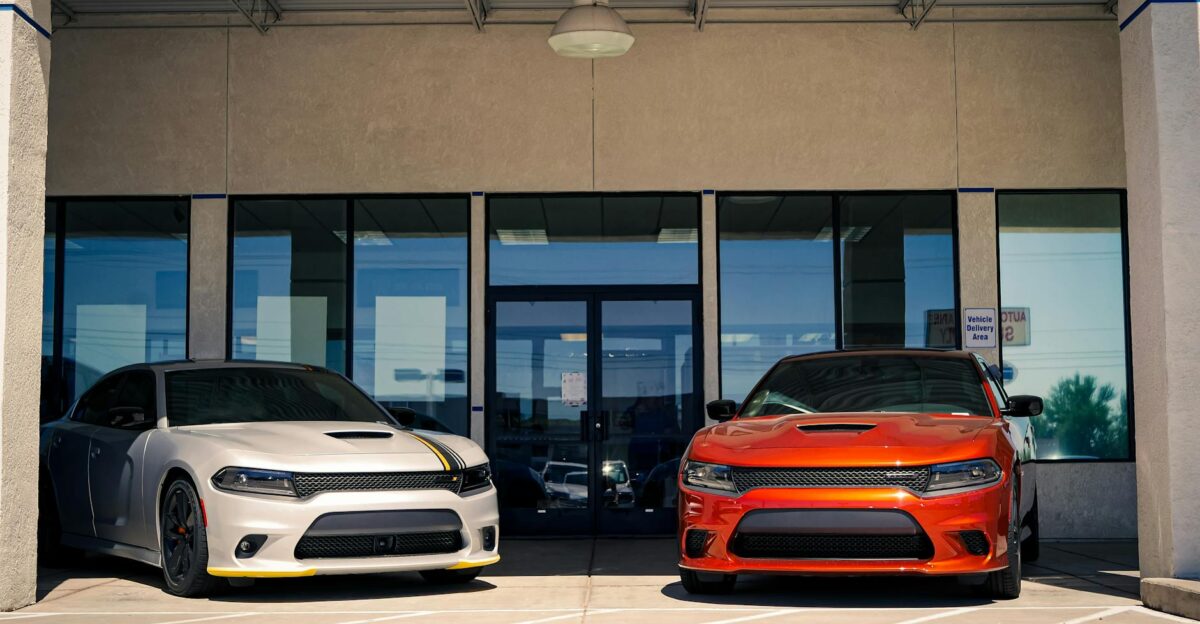
Dodge dealerships accumulated 149 days of inventory supply by late 2024, more than double the industry standard of 60 days and nearly three times the target. Jeep inventory reached 129 days as vehicles accumulated on dealer lots faster than sales velocity could absorb them. The Grand Wagoneer accumulated an astounding 400 days of supply by December 2025, meaning dealers required over a year of sales at current rates to clear existing stock.
An iSeeCars study revealed the Dodge Hornet plug-in hybrid with 82.1% of 2024 inventory still on lots—versus the industry average of 0.4%—representing inventory paralysis unprecedented in recent automotive history.
The Electric Vehicle Disaster
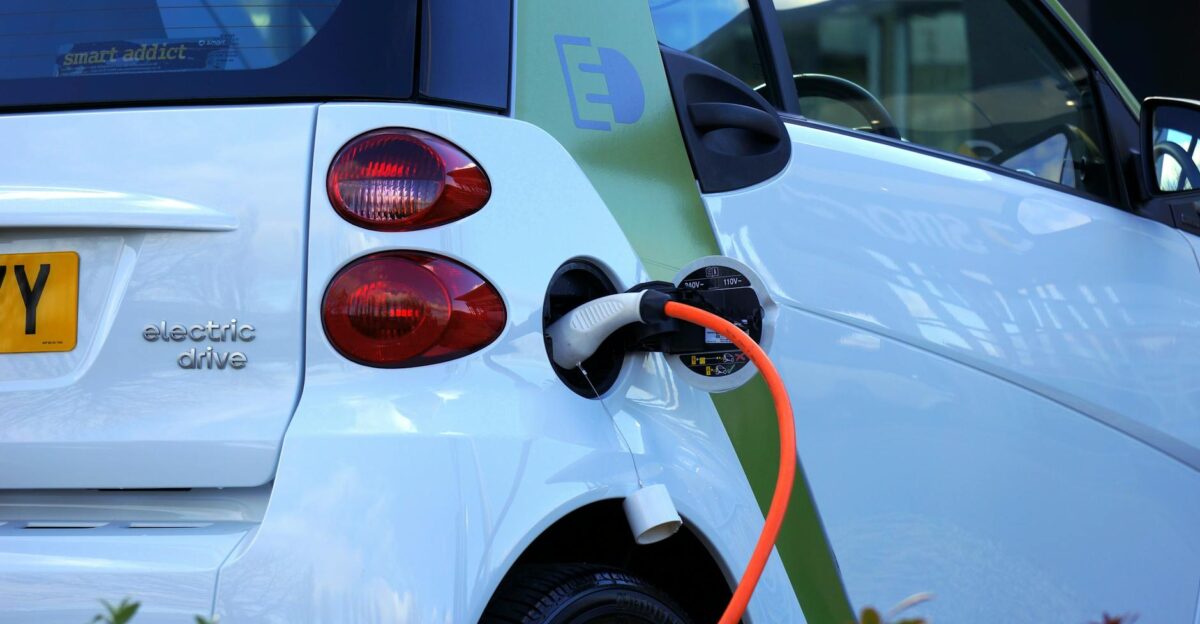
The Charger Daytona EV represents perhaps the most spectacular product failure in Stellantis’s recent history. After discontinuing the gasoline Charger and Challenger, this muscle car promised electric performance and zero-emission power. Reality proved far different: Q1 2025 sales totaled less than 2,000 units despite aggressive incentives, marketing investments, and dealer push.
By comparison, leftover 2023 Chargers and Challengers—models long discontinued—actually outsold the new EV, with legacy models moving 1,974 units versus 1,947 new Daytona EVs, revealing customer preferences Stellantis ignored completely.
Dealer Revolt: Public Criticism Becomes Inevitable
Dealer frustration erupted into unprecedented public criticism in September 2024 when Kevin Farrish, chair of the Stellantis National Dealer Council, attacked management’s “reckless short-term decision-making to achieve record profits in 2023.” Dealers reported inability to move inventory, margin compression from mandatory discounting, and broken profit-protection promises from corporate leadership.
“How many people can actually buy a $100,000 Wagoneer outside of bankers and residents of Manhattan?” one dealer asked rhetorically, capturing the broader market reality Tavares and his team had systematically ignored despite consistent field feedback.
Quality Issues Destroy Brand Equity

Jeep’s reputation suffered catastrophic damage from pervasive quality failures that Consumer Reports, J.D. Power, and owner reviews consistently ranked among the industry’s worst. The notorious “death wobble” affected Wrangles from 2007 through 2020, causing violent front-end shaking at highway speeds triggered by minor road imperfections.
The Totally Integrated Power Module (TIPM) electrical system malfunctioned across multiple Jeep, Dodge, and Chrysler vehicles, causing engine stalling, safety system failures, and complete electrical outages—sometimes while driving at highway speeds with occupants unable to control vehicles.
Annual Maintenance Costs Reveal Hidden Problems

Annual maintenance costs for Jeep vehicles exceeded $650 compared to Toyota’s $428 and Honda’s $441, revealing the reliability gulf separating Stellantis from Japanese competitors. Jeep Wrangler reliability ratings ranged from below-average to “well-below-average” across various model years while Toyota RAV4 and Honda CR-V achieved top-tier reliability scores in identical competitive segments.
This performance differential translated into drastically lower residual values and ownership satisfaction, destroying the economic value proposition even before price premiums alienated buyers.
Leadership Collapse: Tavares Forced Out

Carlos Tavares resigned December 1, 2024, after the Stellantis board concluded he had lost control of the company despite earlier claims of strategic mastery. Multiple executives told CNBC that Tavares disregarded warnings from North American leaders about pricing unsustainability and product gaps, insisting instead on rigid adherence to double-digit operating margin targets regardless of market reality.
His management style emphasized centralized decision-making, margin optimization, and dismissal of dissenting views—an approach that delivered record 2023 profits while systematically hollowing out the business foundations supporting long-term competitiveness.
Financial Devastation: 70% Profit Collapse

Stellantis reported net profits of 5.5 billion euros for 2024, representing a devastating 70% decline from 18.6 billion euros in 2023. Net revenues fell 17% year-over-year to 156.9 billion euros while consolidated shipments declined 12%. The adjusted operating margin collapsed to 5.5%, down from double-digit figures achieved during the prior two years.
Analyst consensus had forecast 6.4 billion euros net profit, making actual results a shocking miss that triggered shareholder outrage and institutional investor reassessment of management competence and strategic direction.
Competitive Collapse: The Winners Emerge
General Motors expanded U.S. sales 4% in 2024 while increasing market share to 16.5%, capitalizing directly on Stellantis weakness in full-size trucks and premium SUVs. Ford grew retail sales 6% at double the industry rate, with electrified vehicle sales—hybrids, plug-in hybrids, and electric—reaching 285,291 units, up 38% year-over-year and exceeding both GM and Stellantis combined.
Toyota achieved 8.4% sales growth in 2025, with market share expanding from 14.5% to 15.5%, directly converting former Jeep and Dodge customers to RAV4 and CR-V ownership through superior reliability and competitive pricing that undercut Stellantis equivalents by $10,000-$25,000.
The New Era: Filosa’s Emergency Strategy
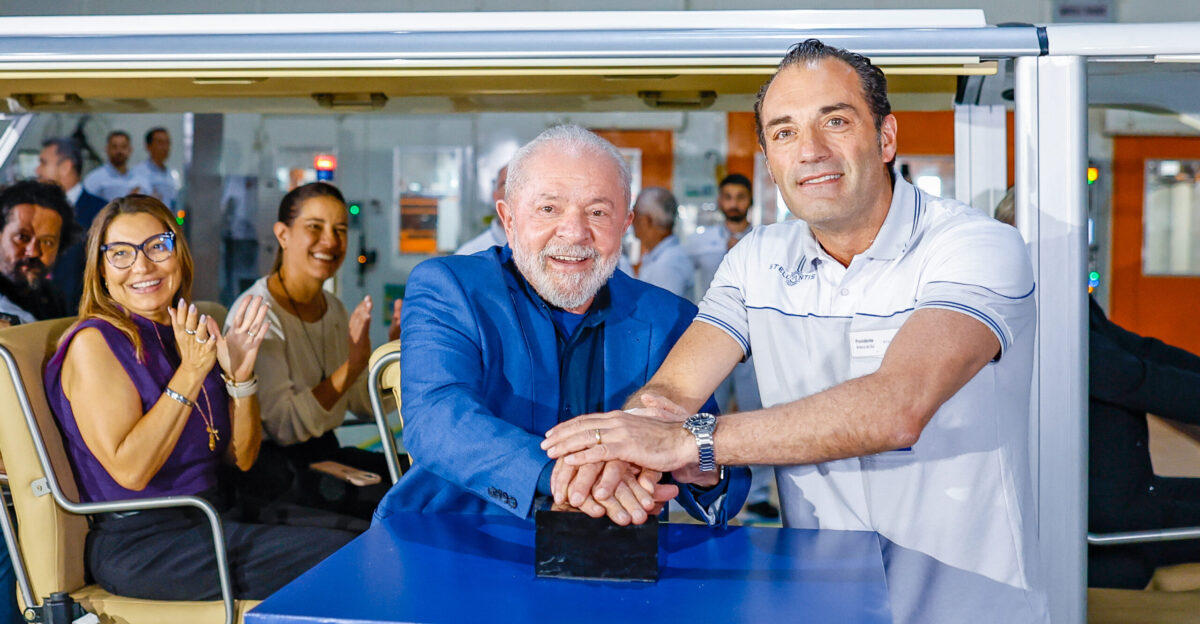
Antonio Filosa assumed CEO role permanently in June 2025 after serving as North American operations chief, pledging to reverse Tavares’s margin-first philosophy with a customer-focused “emergency room” approach emphasizing sales growth over short-term profitability. Filosa immediately announced price reductions, expanded incentive programs, and restoration of fleet sales—tactics rejected under Tavares as “unprofitable.”
He committed to 10 new U.S. model launches in 2025 and $13 billion in manufacturing investments over four years, fundamentally signaling strategic realignment from premium positioning toward volume recovery and market share restoration.
Pricing Corrections: Incomplete But Necessary
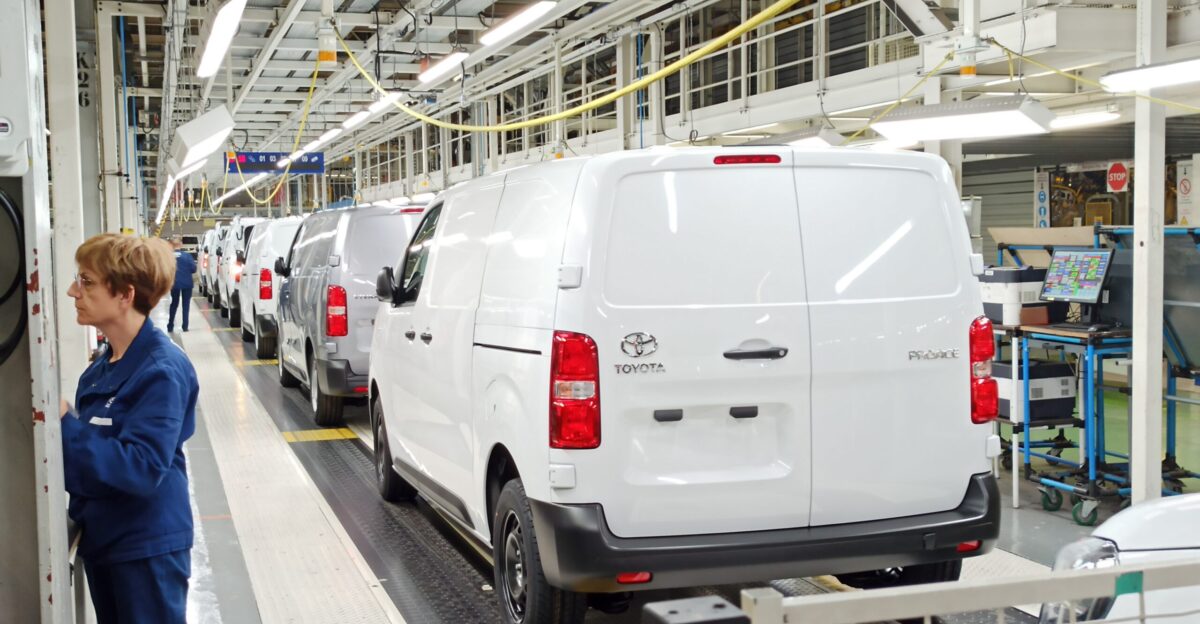
Stellantis abandoned premium pricing strategies, cutting average transaction prices and offering substantial incentives totaling $2,000-$7,500 depending on model and region. Jeep Wrangler Rubicons dropped $6,460-$7,460 from 2024 peaks, though base models remained $10,000-$20,000 above 2020-2021 pricing, indicating incomplete price normalization.
Jeep Grand Cherokee discounts averaged 15.4% off MSRP by December 2024, with some dealers providing additional incentives totaling $10,000 or more off manufacturer sticker prices—desperation discounting that destroyed per-unit profitability while signaling management’s acknowledgment of prior pricing mistakes.
Electrification Reversal: Back to Gasoline Power
Management reversed its evangelical electrification stance, announcing reintroduction of gasoline-powered Dodge Charger models and potential new V8 muscle cars to recapture the Brotherhood of Muscle customer base explicitly rejecting electric performance. The HEMI V8-powered Ram 1500 returned to market in September 2025 and sold out immediately, with customer orders exceeding production capacity within days.
Stellantis abandoned Tavares’s goal of 100% European and 50% U.S. sales being electric by 2030, instead emphasizing “multi-energy” powertrains allowing consumer choice between battery electric, plug-in hybrid, mild hybrid, and traditional gasoline—a pragmatic admission that mandating electrification ahead of market readiness destroys shareholder value.
Q3 Stabilization: Early Glimmers of Recovery
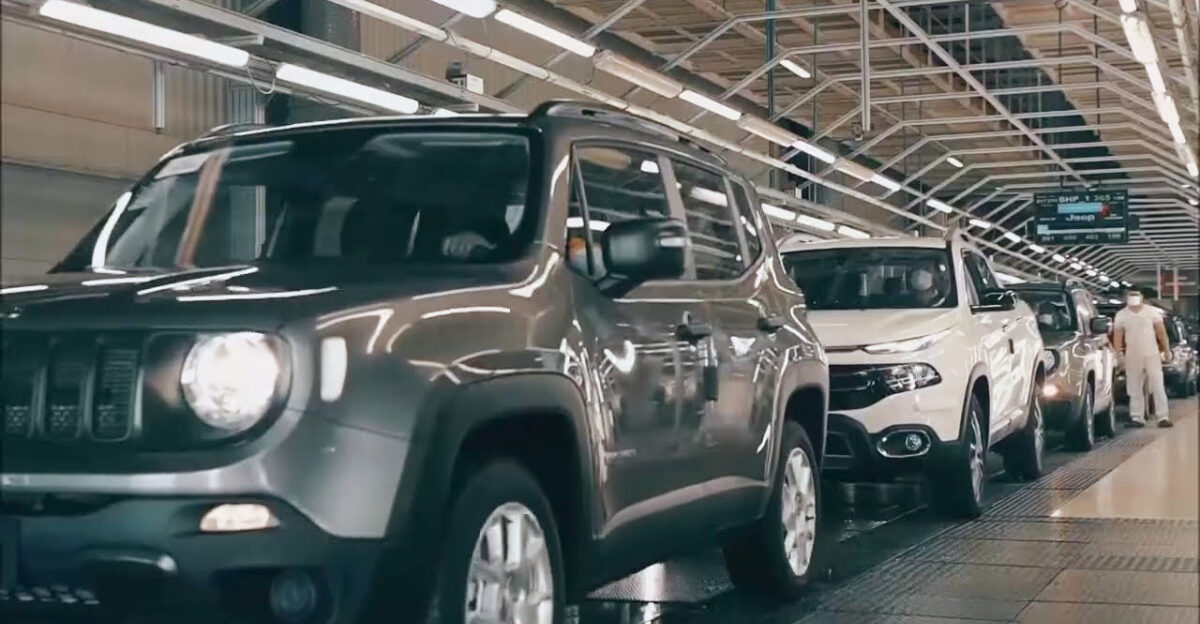
Q3 2025 results provided preliminary evidence that the hemorrhaging had stopped. Stellantis reported consolidated shipments increasing 13% year-over-year to 1.3 million units, with North American volumes up 35% and net revenues rising 13% to 37.2 billion euros.
Jeep sales surged 11% in Q3 with Wrangler up 18%, Gladiator jumping 43%, and Wagoneer posting 122% gains. U.S. market share climbed to 8.7% by September 2025, the highest in 15 months, though still well below the 10.4% held a year prior—representing progress but not recovery.
Dealer Inventory Normalization: Painful But Essential
By December 2024, U.S. dealer stock declined to 304,000 units—a 20% reduction exceeding Stellantis targets of 330,000. Jeep supplies dropped from 129 days in November 2024 to 114 days by January 2025, while Dodge inventory fell to 122 days despite still trailing only Lincoln and Jaguar in excess supply metrics. Chrysler achieved the most dramatic improvement, cutting inventory from bloated levels to 79 days.
This inventory correction required aggressive discounting that destroyed near-term margins but prevented dealers from refusing new allocations—a strategic trade-off accepting short-term profitability loss to preserve long-term dealer relationships and manufacturing continuity.
Challenges Persist: Brand Reputation and Capital Constraints
Despite Q3 gains, profound vulnerabilities remain limiting Stellantis’s ability to achieve full recovery. Brand reputation damage from quality issues and pricing overreach requires 5-7 years of flawless execution to remedy through engineering improvements and ownership experience enhancements. Dealer relationships remain fragile despite improved dialogue, with years of tension and broken commitments eroding trust that requires sustained competence to rebuild.
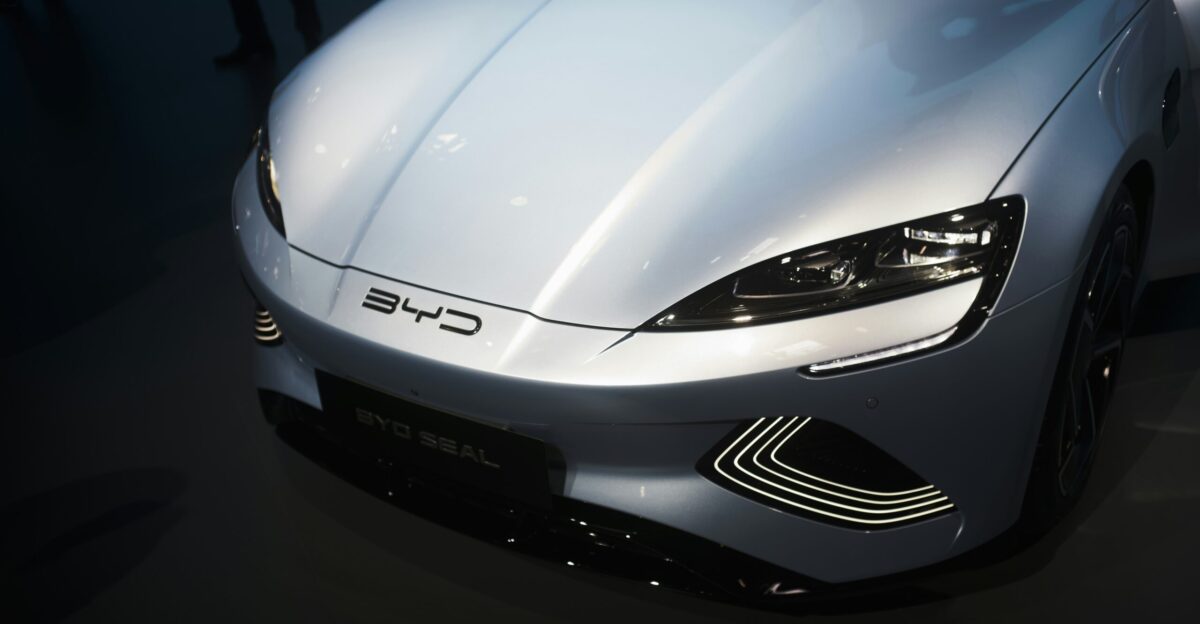
Chinese EV manufacturers continue expanding globally with competitively-priced vehicles while Tesla dominates electric SUV segments, intensifying competitive pressure just as Stellantis attempts strategic repositioning.
The Road Ahead: Uncertain Recovery or Continued Decline
Whether Stellantis can overcome compounding disadvantages—damaged dealer relationships, skeptical consumers, depleted capital resources, and product portfolios requiring years to refresh—remains undetermined. The automotive industry’s history suggests two trajectories: successful stabilization through flawless product execution and quality improvements, or continued contraction toward niche regional manufacturer status.
Stellantis has exhausted its margin for error, now competing from a position of weakness that demands sustained excellence to reverse the brand collapse compressed into a devastating 3-4 year period.
Sources:
“Board Accepts Carlos Tavares’ Resignation as Chief Executive Officer.” Stellantis N.V. Press Release, December 2024.
“Stellantis Reports 13% Year-Over-Year Increase in Q3 2025 Shipments and Net Revenues.” Stellantis N.V. Press Release, October 29, 2025.
“Stellantis CEO Carlos Tavares Lost Control of the Automaker, Sources Say.” CNBC, December 10, 2024.
“Inside Stellantis CEO’s ‘Emergency Room’ Rush to Recapture Market Share.” Reuters, December 11, 2025.
“Dodge Crashes 50%: Stellantis in Crisis as Sales Plummet Across North America.” LinkedIn Business News, April 13, 2025.
“Jeep Prices Have Increased 61% in 5 Years.” CarEdge Analysis, February 13, 2024.
“Stellantis Has ‘Misplaced Belief in Its Own Pricing Power’ as Auto Sales Falter.” Fortune Europe, October 9, 2024.
“Four Stellantis SUVs On The Slowest-Selling List for December 2025.” Mopar Insiders, December 15, 2025.