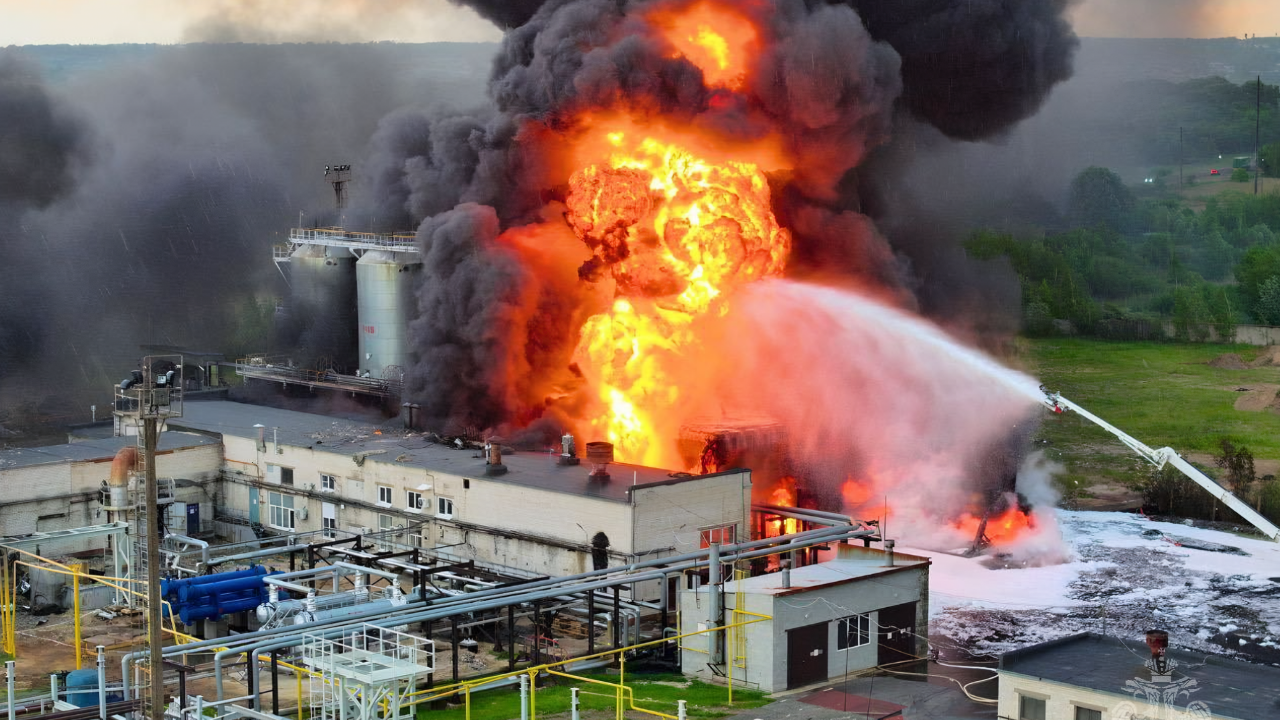
As of December 2024, Russia’s energy infrastructure finds itself under siege amid continuous warfare between Ukraine and Russia. The conflict has escalated to target civilian energy sources, with Ukraine launching substantial drone operations aimed at disrupting Russian power facilities.
With temperatures plummeting, these precision strikes on thermal plants and substations have become a catalyst for a new kind of warfare. Military analysts pose a vital question: when energy becomes a battlefield, who truly bears the brunt of combat, combatants or innocent civilians? Encouraged by these strategies, Ukraine seeks to cripple Russia’s energy capabilities, directly impacting the lives of thousands tens of thousands caught in between.
The Escalation Pattern
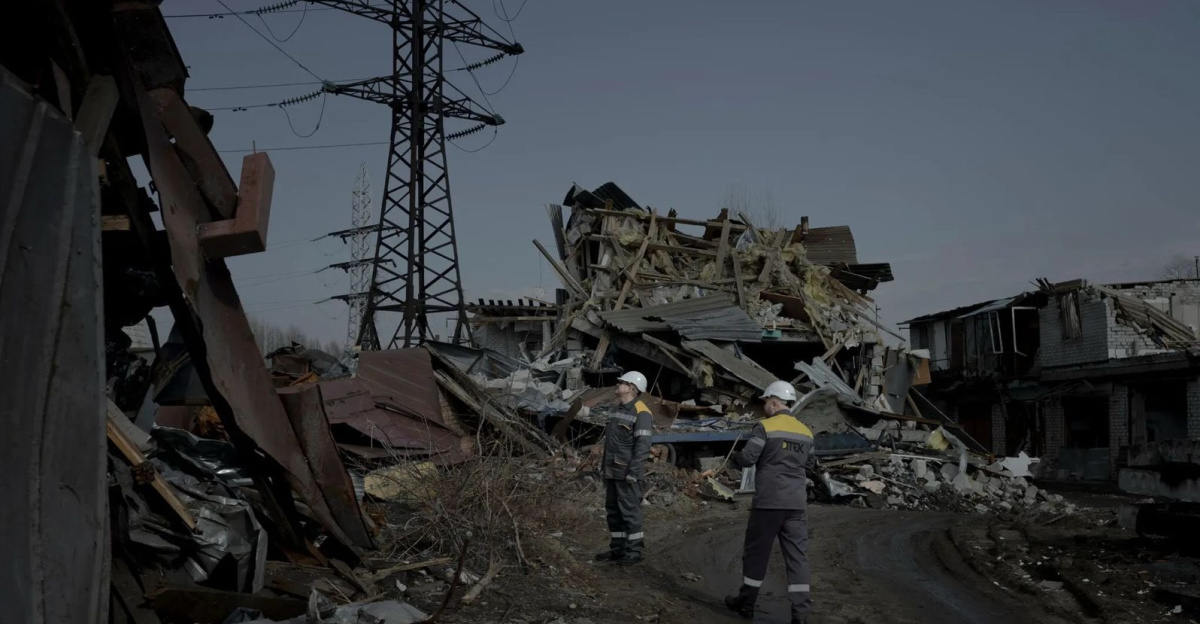
In retaliation for extensive damage to its energy infrastructure, Ukraine’s strikes have become more frequent and precise following Russia’s systematic destruction of Ukrainian power facilities, which exceeded 50% of thermal power generation capacity by late 2024. This anguish still resonates with millions who are unable to heat their homes during the winter.
A remarkable overnight operation in mid-December mobilized 146 drones targeting various Russian locations. This tit-for-tat evolution symbolizes warfare’s grim new reality: as infrastructure becomes a target, civilian populations face the dire consequences of their countries’ escalatory cycles. The question remains what the long-term impact of such tit-for-tat strategies is.
Belgorod’s Strategic Vulnerability
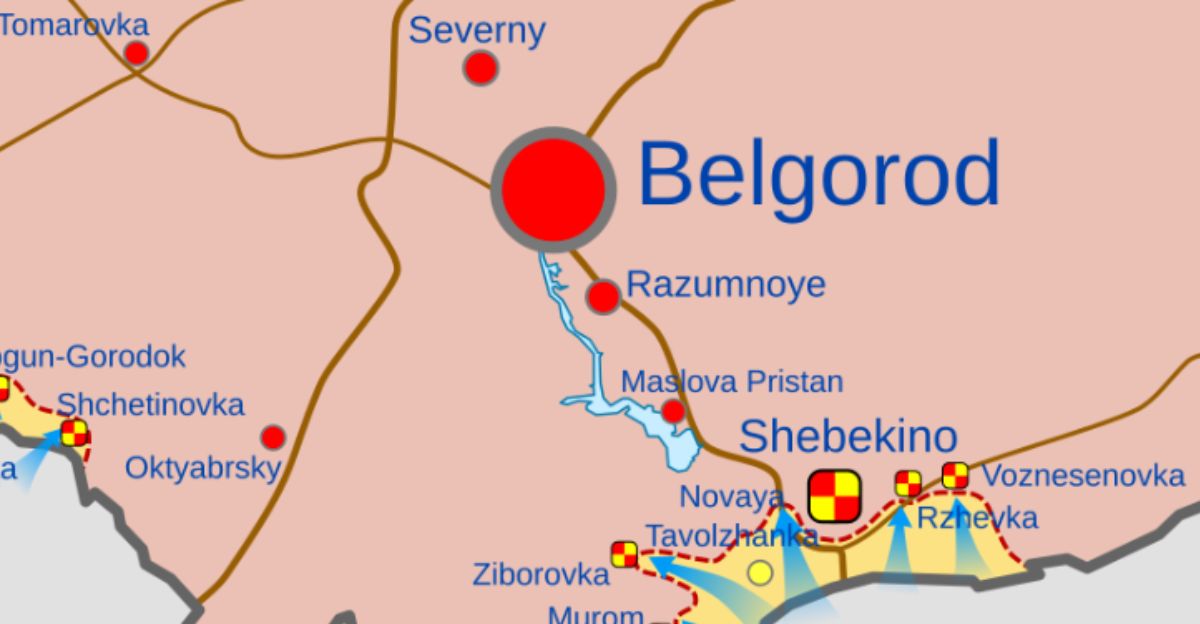
Belgorod Oblast, situated cozily on Russia’s southwestern frontier, has served as a launching pad for military operations against Ukraine. Just a stone’s throw away, this region has seen relentless attacks aimed at causing chaos in Ukrainian border areas. Until now, many residents of Belgorod considered their city a secure zone.
However, as Ukraine gains longer-range weapons, this comfort has been entirely upended, as Ukraine has acquired longer-range precision weapons, eroding the perceived safety of Belgorod. Now, Belgorod sits precariously close enough to be a strategic target, yet it houses essential Russian military assets. What implications does this new environment hold for residents and local infrastructure?
Winter Vulnerability Spike
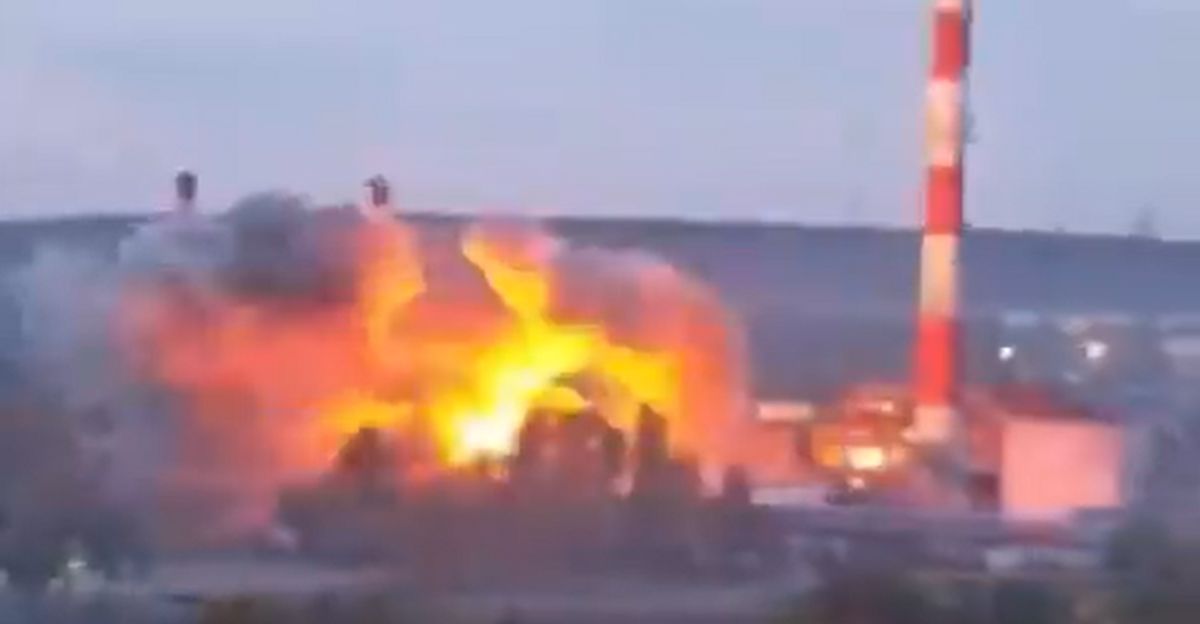
December heralds peak heating demand, transforming thermal power plants into vital national assets. The Luch thermal power plant, one of Belgorod’s key infrastructure components, is responsible for approximately 10% of the city’s heating supply. With temperatures routinely dipping below -10°C, any disruption to heating creates immediate humanitarian pressures.
Despite months of Ukrainian strikes on energy assets elsewhere, by December 2024, Russian officials had implemented limited protective measures on critical infrastructure. This vulnerability window, marked by geographical proximity to Ukraine, high heating demands, and inadequate defenses, set the stage for what transpired in the covert winter assault on December 14th-15th.
The Strike Confirmed
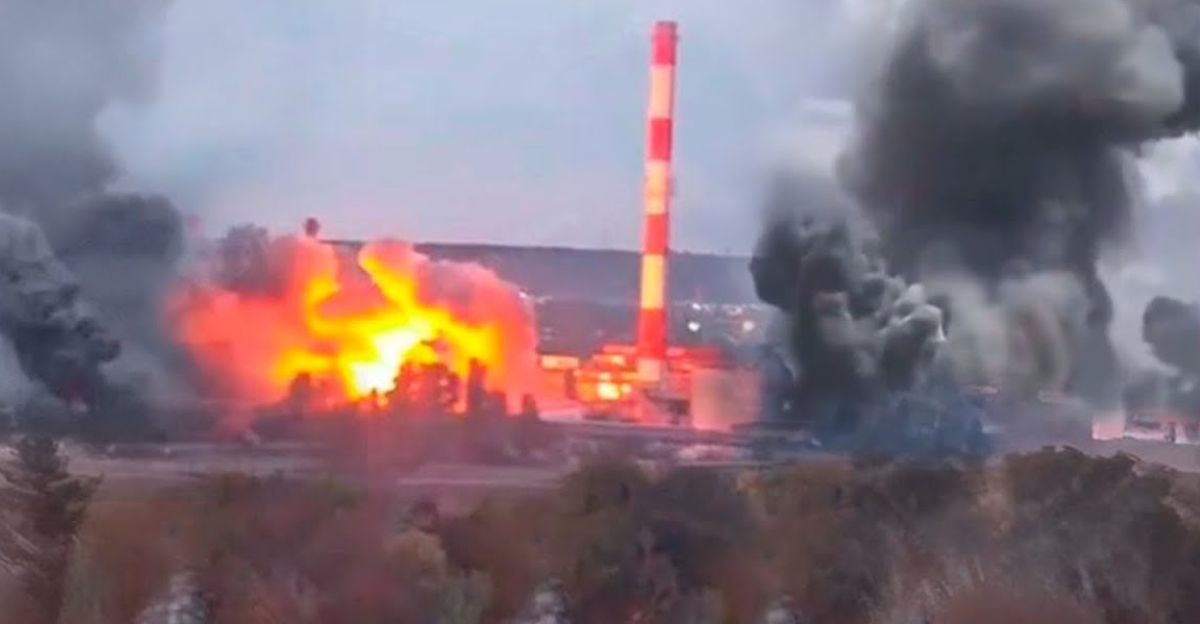
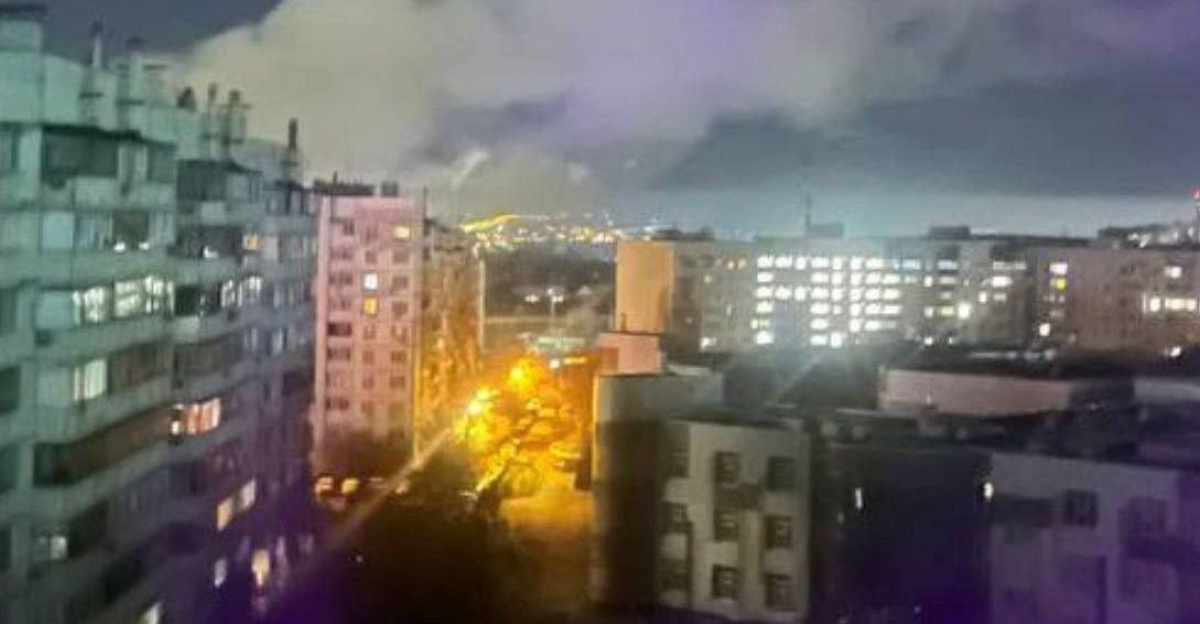
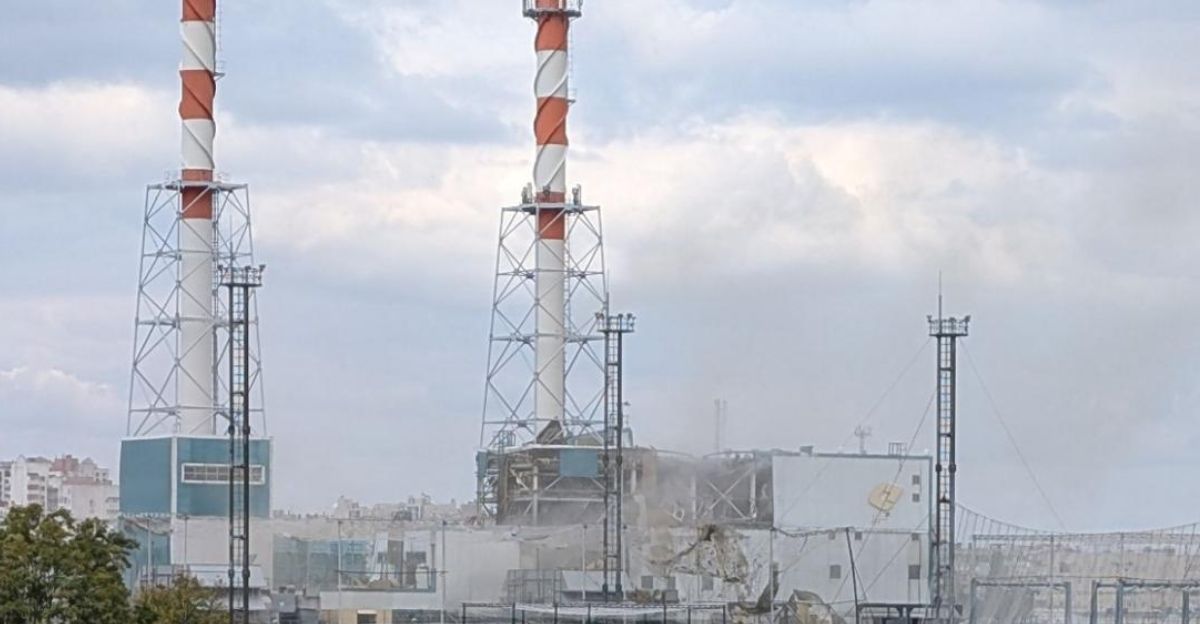
During the night of December 14-15, 2024, Ukrainian forces executed a comprehensive drone attack targeting Russian territory. Among the casualties of this onslaught was the Luch thermal power plant in Belgorod, which was confirmed to have sustained significant damage by Russian officials within hours.
Regional Governor Vyacheslav Gladkov addressed the situation via Telegram, remarking on the profound impact on engineering infrastructures, stating: “As a result of the bombardment, there is serious damage to the engineering infrastructure.” Fortunately, no casualties were reported; however, the extent of the damage underscored the strategic importance of the attack. This incident marked the third consecutive strike aimed at the Luch facility, indicating a deliberate Ukrainian strategy to cripple critical energy sources.
Cascading Blackouts Across the City
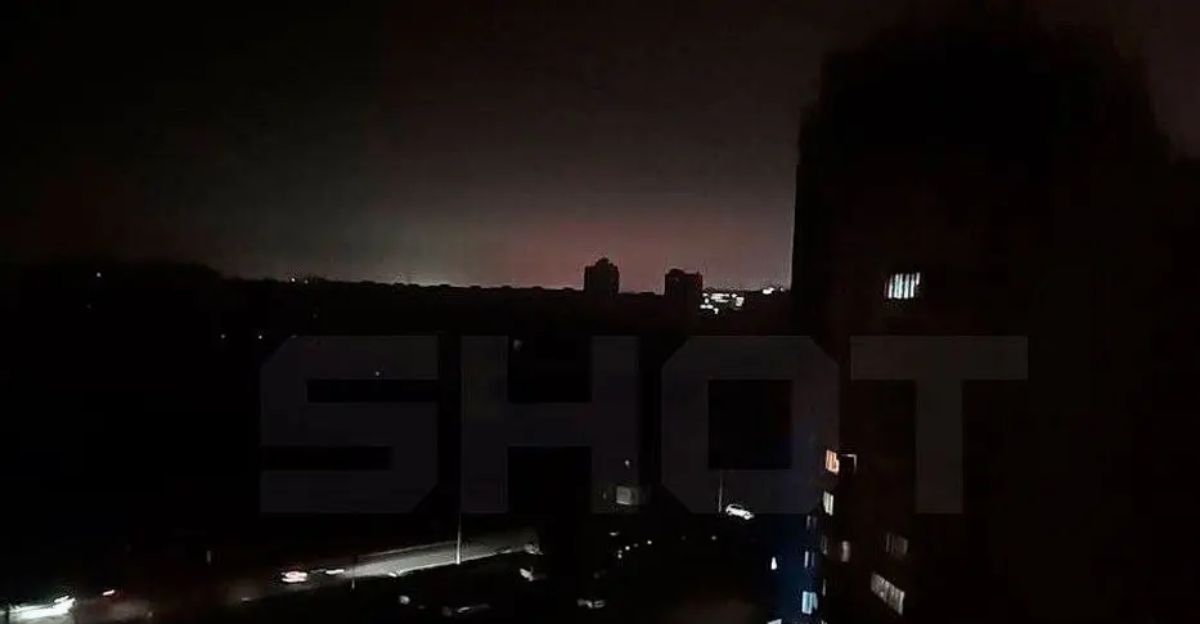
The repercussions of the strike were evident across Belgorod almost immediately, as residents grappled with widespread power outages and heating interruptions. The Luch power plant’s contribution of 10% of Belgorod’s heating capacity becomes pressing when sub-zero temperatures grip the city. The seemingly small percentage translates to approximately 40,000 people potentially facing inadequate heating in freezing conditions.
In a conversation with local activist Anna Sergeyevna, she confirmed, “Families are terrified; they don’t know how they’ll stay warm this winter.” Residents across the city reported fear and uncertainty about surviving the winter months without adequate heating. Belgorod’s infrastructure is now a battlefield in its own right, underscoring the stakes of this ongoing conflict.
The Human Toll

As the situation escalates, the human stories emerge, tragically highlighting the conflict’s devastating consequences on civilians. “We never thought the war would come this close,” lamented Nikolai, a lifelong Belgorod resident, as he faced the bitter reality of frigid nights ahead. Many lifelong residents of Belgorod, previously insulated from direct conflict, now face the bitter truth of inadequate heating during the winter.
Families are trapped in a cycle of fear and uncertainty, with dwindling resources and increasing vulnerability as heating options become increasingly scarce. The psychological toll manifests not only in physical suffering but in the disruption of lives once considered normal. The humanitarian imperative could become a driving factor for resolution in a war that seems stuck in an unending cycle of retaliatory aggression.
A Changing Landscape
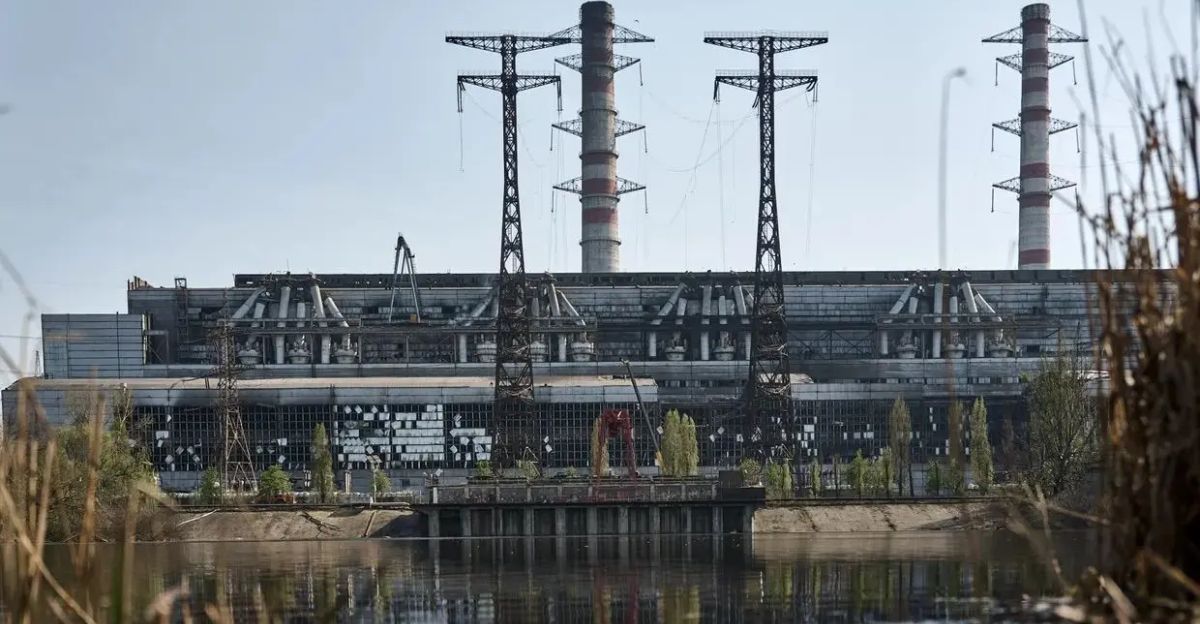
The context of war is shifting rapidly; the role of energy infrastructure in the conflict has transformed how military strategies are designed. Analysts predict that targeting civilian energy assets will likely continue, perpetuating a cycle that threatens safety and stability on both sides. The conflict has sparked a broader conversation about the ethics of targeting infrastructure critical to civilian life.
As winter marches on, this may not just shift the battlefield but redefine what it means to engage in modern warfare. Can future negotiations reflect an understanding of these transitions? Local civilians and international observers alike pose questions that remain unanswered in a time of transition.
International Implications
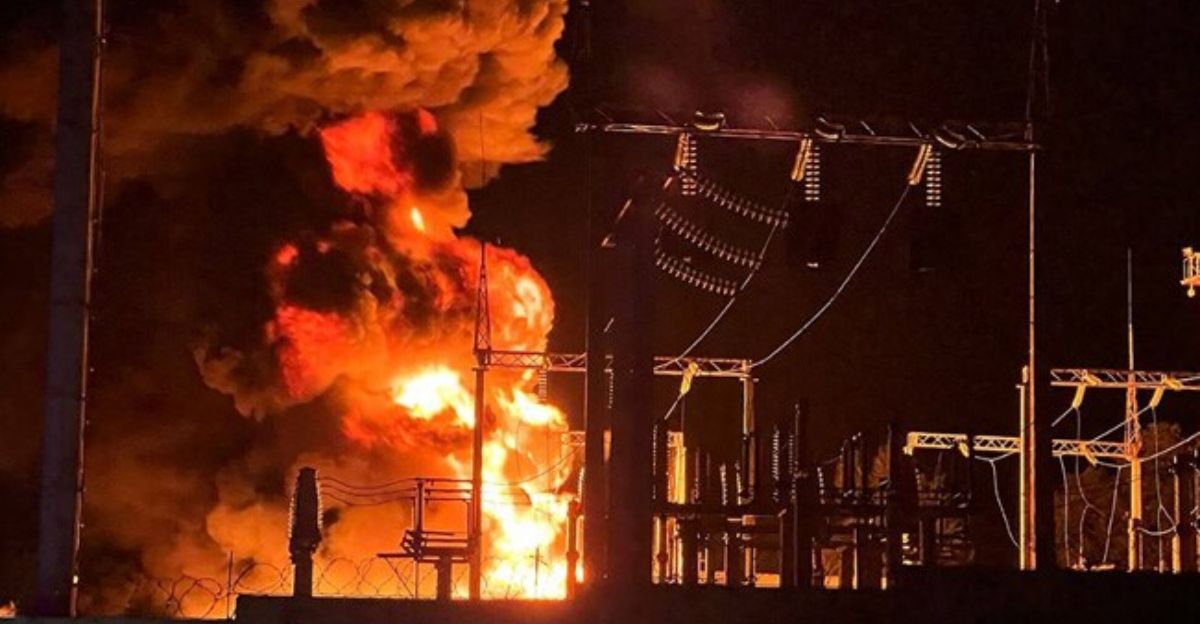
The events unfolding in Belgorod could have broader implications for energy geopolitics in Eastern Europe. Analysts now consider energy infrastructure as a new frontier in warfare that transcends traditional battleground definitions. Analysts suggest that this might lead to escalated arms buildups and realignment of international support for both Ukraine and Russia.
Should the trend of strikes targeting infrastructure persist, international actors may reassess their positions and aid options in response to shifting energy landscapes. In this evolving scenario, how will different nations adapt, and what new alliances might emerge?
Local Resistance

Within this climate of fear and uncertainty, various local resistance efforts have emerged as communities band together to support one another. A community leader, Natalia, noted, “We are organizing heating stations in schools and community centers, so no one has to face the cold alone.” Emergency heating stations have been established in schools and community centers across Belgorod to provide refuge for residents without adequate home heating.
This resilience demonstrates an outpouring of solidarity in the face of chaos. As conditions worsen, residents are finding creative solutions to ensure that each other’s needs are met, emphasizing the human spirit’s enduring strength in even the most difficult circumstances. However, as their challenges multiply, the conversation surrounding long-term sustainability becomes a pressing concern.
The Global Energy Debate
The crisis in Belgorod sparks a vital debate surrounding energy security on the global stage. Disruptions of this nature challenge conventional energy supply chains, particularly in an era when energy needs are at the forefront of international discussions about sustainability, reliability, and climate change.
Countries observing these developments may reconsider their energy policies, sparking a trend toward regionalizing energy resources or reassessing their energy dependence on specific nations. Just as local struggles ensue in Belgorod, the ramifications of these strikes will likely echo globally as countries respond to the call for greater energy security.
What Lies Ahead?

As winter rages on, the impact of the strikes and ongoing conflict in Belgorod will undoubtedly shape the coming months. Analysts speculate that without significant diplomatic efforts, the cycle of retaliatory strikes may become a winter norm, creating long-term implications for the region’s energy infrastructure and security.
The immediate needs of families caught in these actions will remain at the forefront, pushing humanitarian concerns to the center of attention. Moreover, pressing questions about the future of this conflict arise: how will both sides navigate this cycle, and can a path toward de-escalation be found?
The Broader Picture
Examining the broader geopolitical context reveals that the war’s evolution is driven not just by combat but by the strategic significance of energy resources. The narrative surrounding the conflict must also highlight the international community’s role in responding to these escalations.
Advocacy for energy security has taken new forms, shifting discussions from direct military support to strategies aimed at ensuring energy independence during crises. Interestingly, the consequences of these dramatic energy dynamics may serve as pivotal lessons for global conflict resolution and international collaboration, propelling discussions about sustainable solutions forward.
Local Resilience and Hope

Despite the chilling conditions and uncertainties, stories of resilience shine through in Belgorod. Communities are taking proactive steps to establish solidarity through shared heating resources and morale-boosting initiatives.
Witnessing a neighborhood pull together may inspire smaller towns worldwide facing crises to find innovative ways to address local needs amid greater geopolitical tensions. As logistical challenges persist, the local spirit embodies hope in human connection, fostering resilience in the face of these dire adversities. For many, this represents not just survival but also the potential for thriving amidst chaos.
A New Kind of Warfare
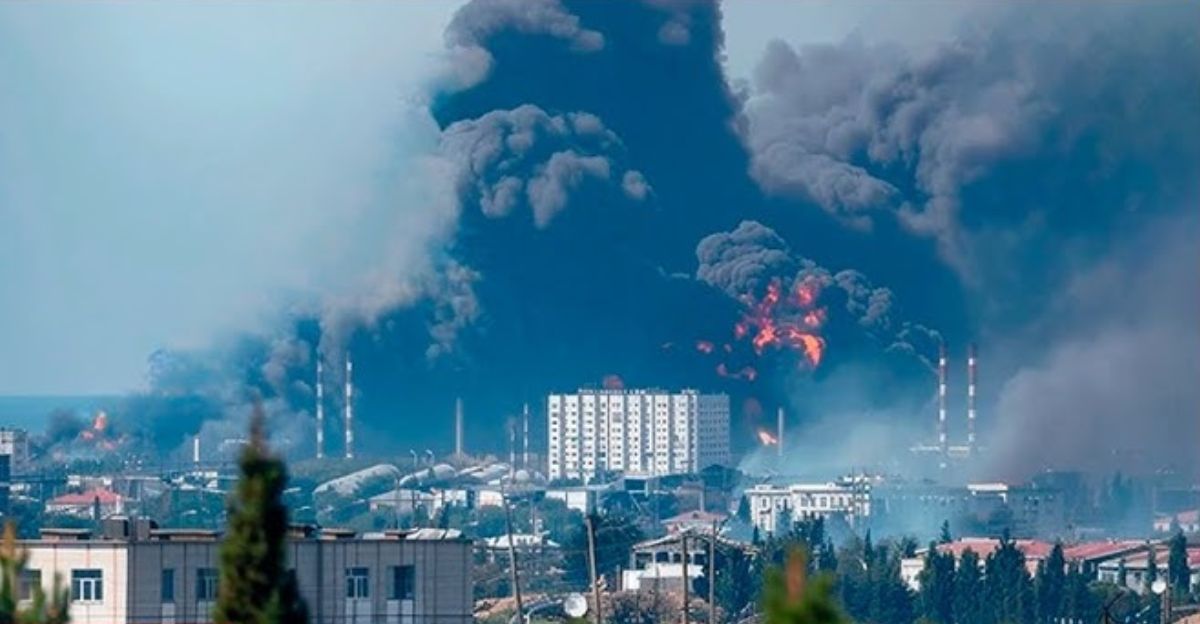
Belgorod’s energy struggle marks a new chapter in warfare, where civilian infrastructure becomes a target, leading to unforeseen consequences for ordinary people. As events unfold, it’s clear that the past shift in hostilities foreshadows future conflicts grounded in energy battles, a frontrunner in contemporary strategies.
In a world rapidly changing due to climate factors and political fragmentation, the lessons learned from Belgorod’s plight may echo far beyond its borders. Observing the balance between energy security and humanitarian needs will ultimately shape narratives moving forward, driving an urgent discussion about the responsibilities of nations amidst unrelenting conflict.
Sources:
Kyiv Independent – Belgorod Power Plant Strike Report December 15, 2024
Reuters – Belgorod City Where War in Ukraine Came to Russia March 15, 2024
BBC News – Russia-Ukraine Conflict Coverage Multiple Reports 2023-2025
Sputnik News – Russian Air Defenses Down 146 Ukrainian Drones Overnight December 15, 2025
RBC-Ukraine – Belgorod Power Plant Struck Local Neighborhoods December 10, 2024
Belgorod Oblast Governor Vyacheslav Gladkov – Official Telegram Statements December 14, 2024