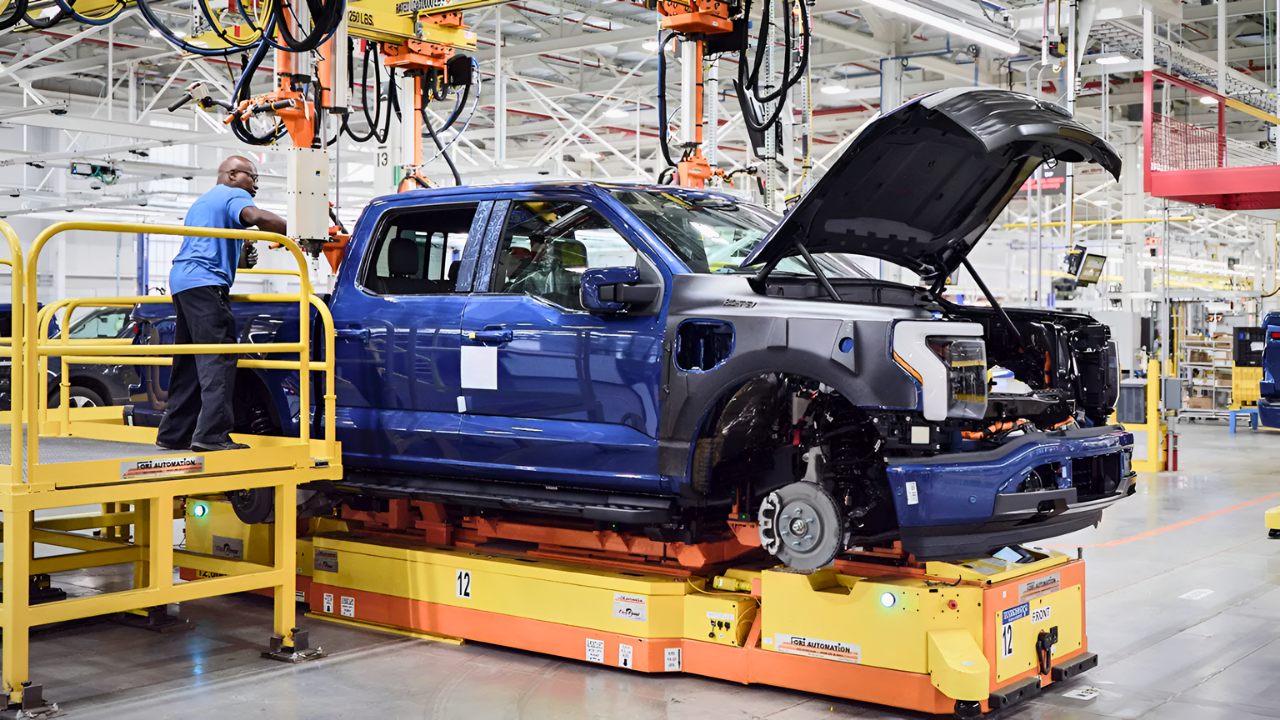
Ford Motor Company confirmed a staggering $19.5 billion charge tied to its electric-vehicle programs in December 2025, marking one of the auto industry’s most dramatic reversals. The decision to discontinue the all-electric F-150 Lightning and dissolve a battery joint venture signals a fundamental recalibration across Detroit—one that exposes the gap between electrification ambitions and consumer demand.
The Lightning’s Rapid Descent
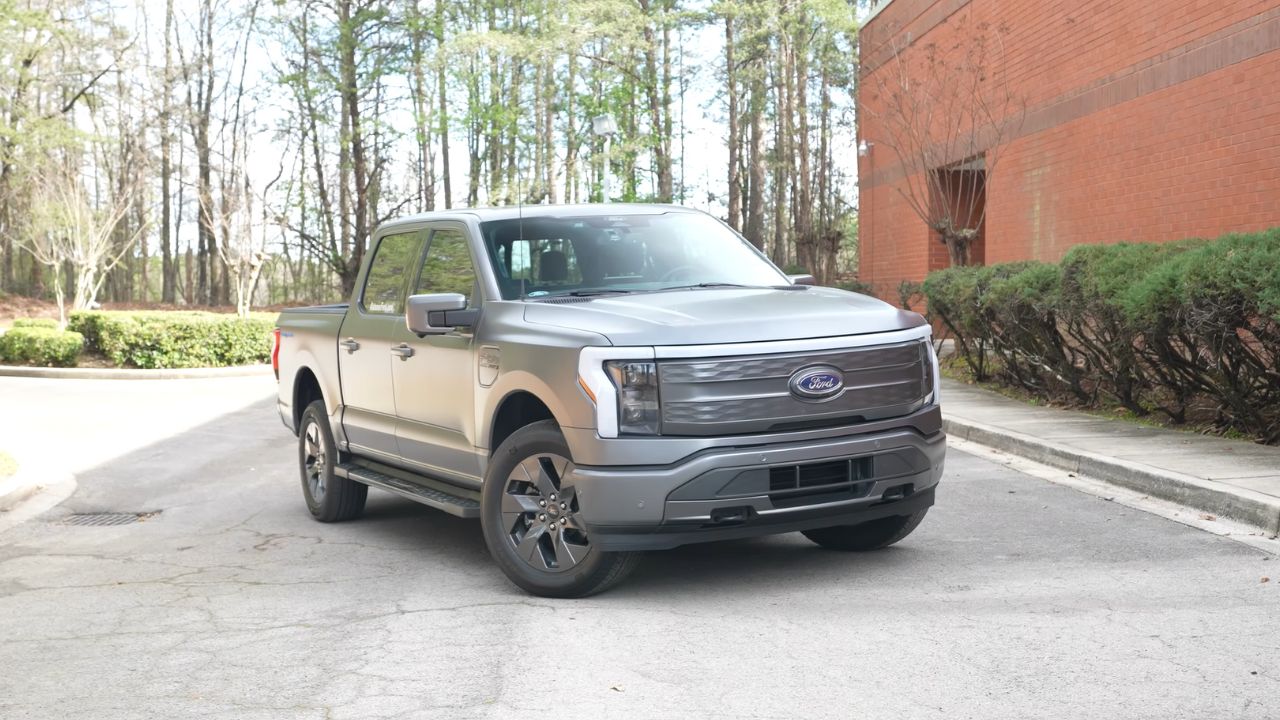
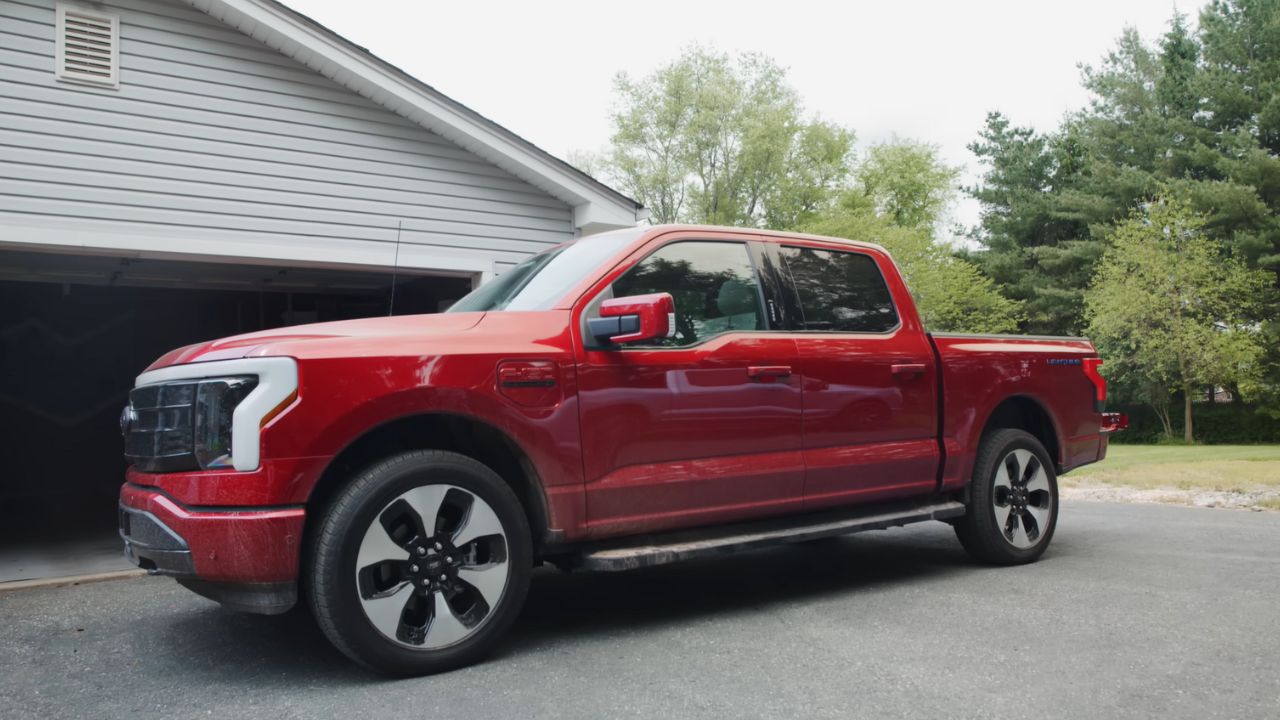
The F-150 Lightning launched in 2022 as Ford’s flagship electric truck, built on America’s most successful truck platform. Early momentum appeared unstoppable: Ford logged approximately 200,000 reservations with a promised starting price near $40,000. For a brief moment, the Lightning seemed poised to outpace competitors like Tesla and Rivian in the electric pickup race.
That promise evaporated quickly. As production ramped up, costs climbed and supply chains tightened. By 2024 and 2025, the Lightning’s base price had crept toward $55,000—far above initial expectations. Through November 2025, Ford sold just 25,583 units, down roughly 10 percent year-over-year. The gap between early reservations and actual purchases widened dramatically, raising fundamental questions about whether electric trucks truly fit mainstream American buyers.
Real-world performance compounded the problem. Under load, the Lightning’s range could drop sharply, undermining its utility appeal for towing-heavy work. The truck offered roughly 320 miles under ideal conditions—insufficient for buyers accustomed to gas trucks’ flexibility and refueling speed. For rural and work-focused markets, range anxiety and towing limitations became deal-breakers.
Market Headwinds and Policy Shifts
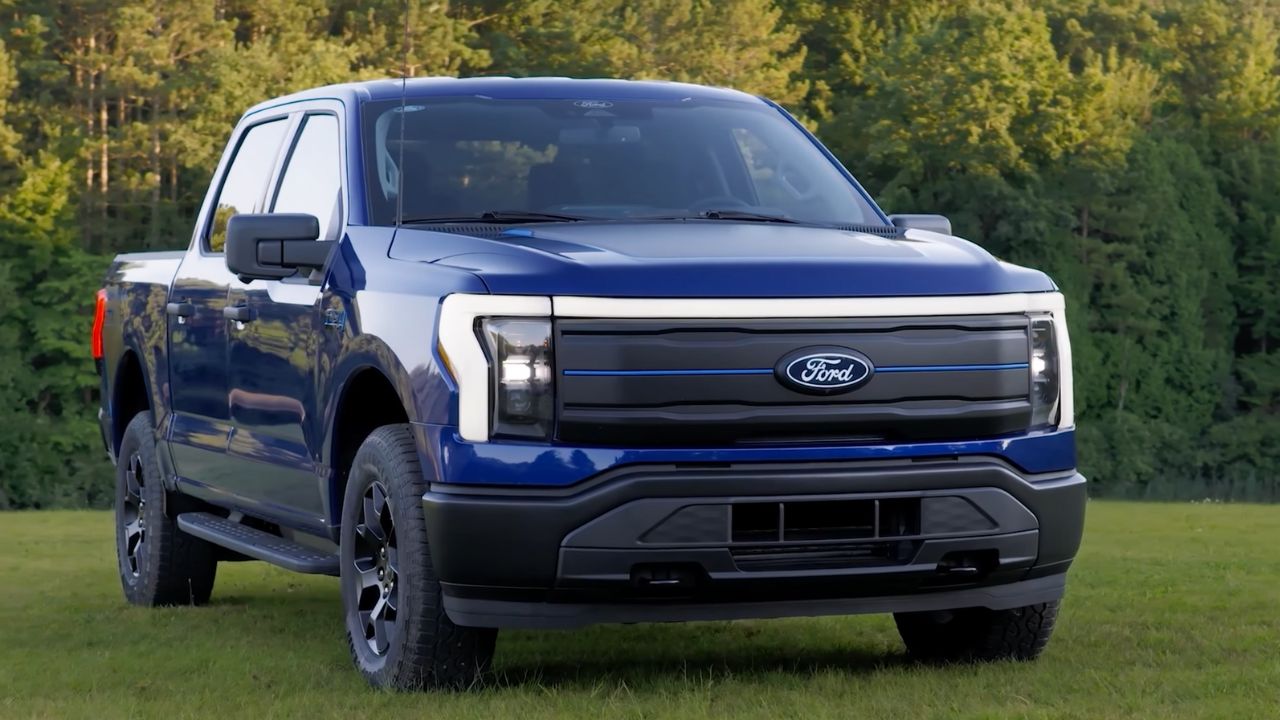
The collapse accelerated after the $7,500 federal EV tax credit expired on September 30, 2025, ending a program that had supported EV adoption since 2008. Without subsidies, affordability eroded overnight. By November 2025, U.S. EV sales fell by roughly 40 percent. Simultaneously, regulatory pressure eased after fuel-economy penalties were frozen in mid-2025, removing another incentive for aggressive electrification.
Ford’s EV division had already been hemorrhaging. Losses reached approximately $5 billion in 2024, with similar red ink expected in 2025. Internal forecasts showed no path to profitability for large electric trucks. Hybrid F-150s, by contrast, posted strong growth, signaling where customer preference actually lay.
The Anatomy of a $19.5 Billion Writedown
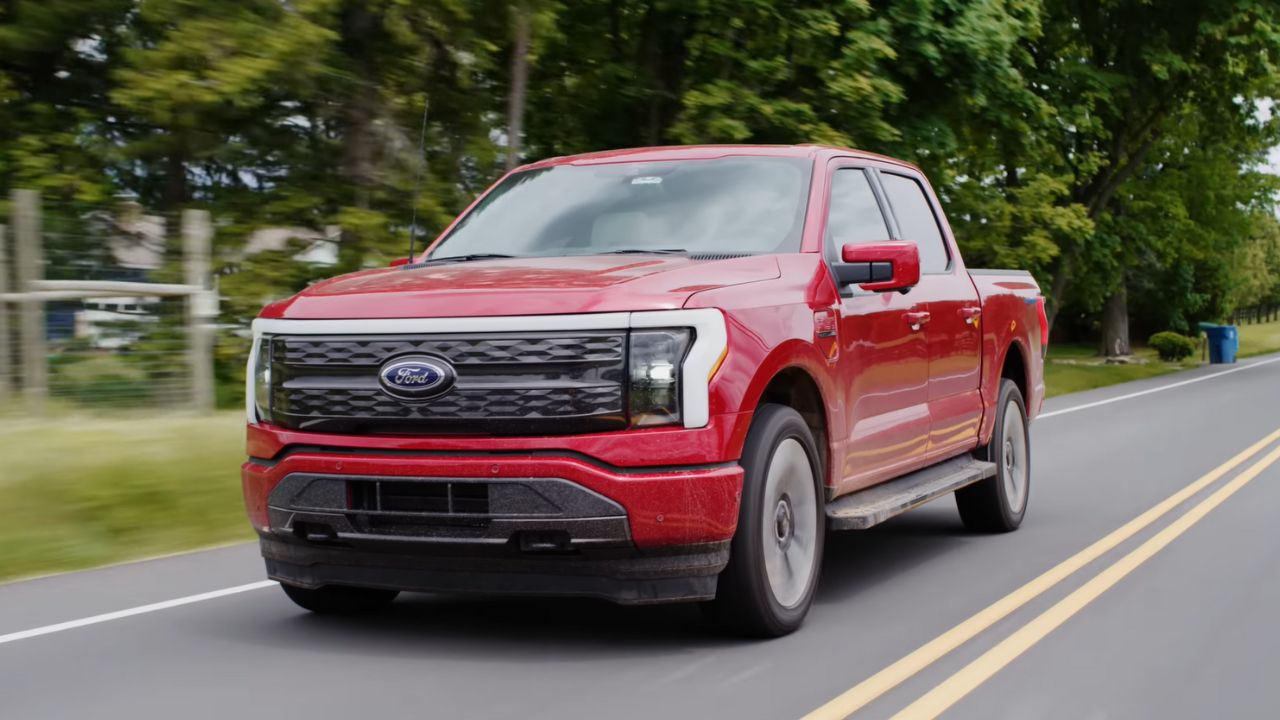
The charge reflected systemic miscalculation across Ford’s EV roadmap. Roughly $8.5 billion stemmed from canceled EV models. About $6 billion reflected the dissolution of Ford’s battery joint venture with SK On. Another $5 billion covered program-related expenses. Together, these figures revealed not a single failed product, but a flawed strategy built on optimism and policy support that vanished.
The human cost landed hardest in Kentucky. All 1,600 employees at Ford’s BlueOval SK battery plant were laid off by December 2025. The facility, originally framed as a cornerstone of a clean-energy future, will now pivot toward energy-storage systems. Ford stated the Kentucky site could reopen within 18 months for non-EV battery production, with laid-off employees allowed to reapply. But for now, paychecks stopped and families faced immediate uncertainty just before the holidays.
Industry-Wide Recalibration
Ford’s retreat mirrors a broader industry reset. General Motors took a $1.6 billion EV charge in October 2025. Stellantis canceled its electric Ram pickup in favor of hybrids. Across Detroit, automakers are rethinking timelines, capital allocation, and what customers actually want to buy.
Hybrids now outperform pure EVs in the truck segment. Ford’s next-generation F-150 Lightning will return as an extended-range electric vehicle (EREV), pairing a battery with a gas-powered range extender. The setup targets 700-plus miles of total range—a decisive advantage for towing-heavy buyers. Reliability, flexibility, and refueling speed matter more than zero-emissions branding, especially when fuel prices and charging access remain uneven.
What Comes Next
Ford is not abandoning electrification entirely. The Lightning nameplate will return as an EREV built at Dearborn’s Rouge complex. The company canceled the next-generation T3 electric truck and several electric van programs. Simultaneously, Ford is betting on affordability: a $30,000 midsize electric truck is slated for 2027, planned for production in Louisville.
CEO Jim Farley acknowledged the shift plainly: “When the market really changed over the last couple of months, that was really the impetus for us to make the call.” Ford now admits large EVs offered no clear path to profit under current conditions and expects restructuring to impact cash flow through 2027.
Analysts remain cautious. Many argue Lightning demand collapsed once prices drifted far above early promises. Others question whether hybrids alone can deliver long-term emissions goals. Ford insists its EV business will be profitable by 2029, but credibility now hinges on execution rather than ambition. As Detroit adapts, the Lightning’s short production run—less than four years—may be remembered less as a failure and more as the moment the auto industry learned that electrification would not follow a straight line.
—
Sources
“Ford Motor Company Maps $19.5B in EV Charges, Ends Current F-150 Lightning Production.” SEC Filing Summary via StockTitan, 14 Dec 2025.
“Ford pulls the plug on the all-electric F-150 Lightning pickup truck.” NPR, 15 Dec 2025.
“BlueOval layoffs present a challenge for workers, state supporters.” WUKY, 19 Dec 2025.
“Ford retreats from EVs, takes $19.5 billion charge as Trump policies take hold.” Reuters, 15 Dec 2025.