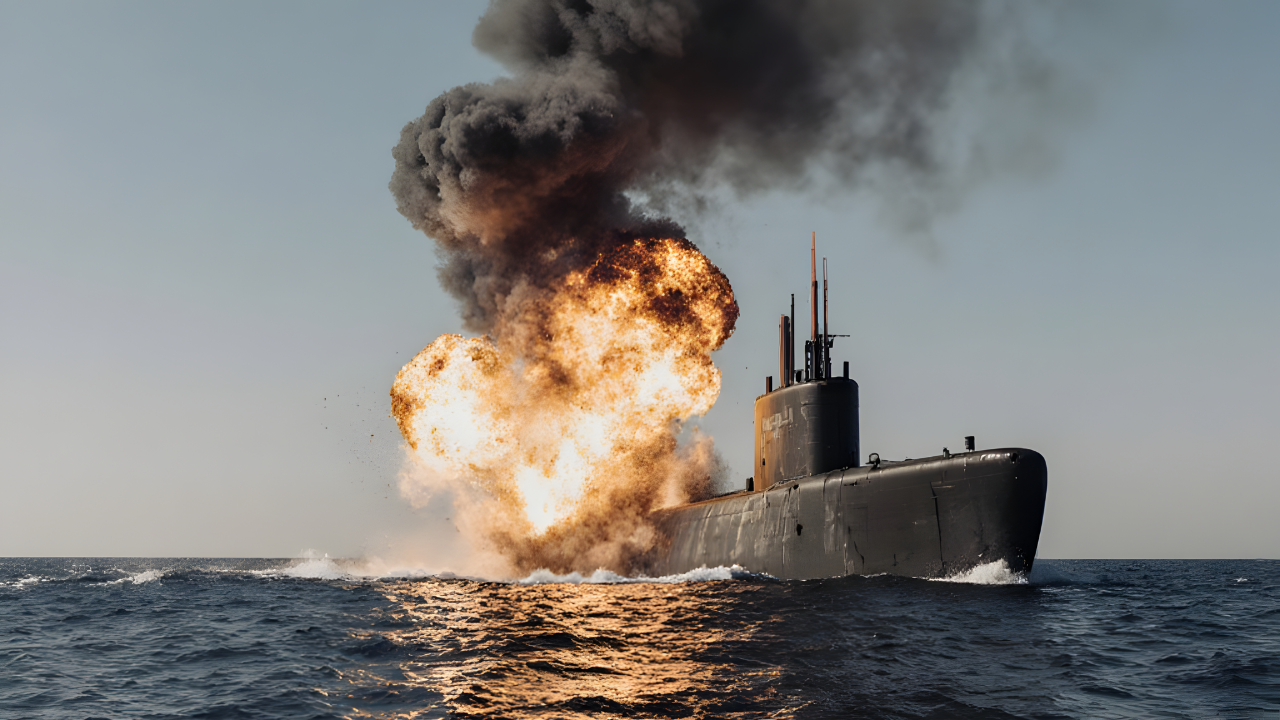
The underwater battlefield is being rewritten. For over a century, submarines have hunted surface ships with near-impunity, operating as invisible predators beneath the waves. Now, Ukraine’s military has deployed a new breed of weapon, uncrewed underwater vehicles, capable of autonomous navigation through confined harbors.
On December 15, 2025, this technological shift yielded a result that has shocked naval warfare analysts worldwide, compelling a fundamental reassessment of how the most advanced navies protect their most critical assets.
Black Sea Escalation Intensifies
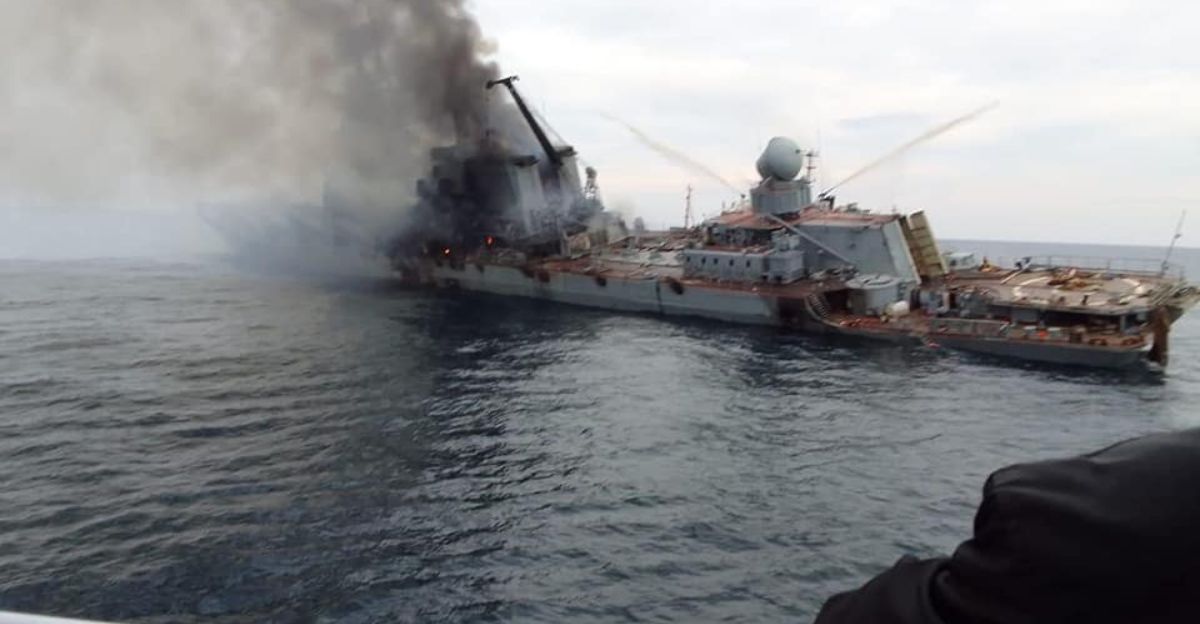
Russia’s Black Sea Fleet has faced relentless Ukrainian harassment for nearly four years. After Ukrainian forces reclaimed Sevastopol, Crimea’s strategic naval hub, in 2022, Russia relocated its entire fleet 300 kilometers east to Novorossiysk, betting on distance and fortified defenses.
Yet Ukraine’s drone arsenal has followed, forcing constant upgrades to Russia’s air defense systems and pushing vessels further from operational zones. The pressure is mounting, and Moscow’s options for reshuffling its fleet grow narrower by the month.
Kalibr’s Winter Arsenal
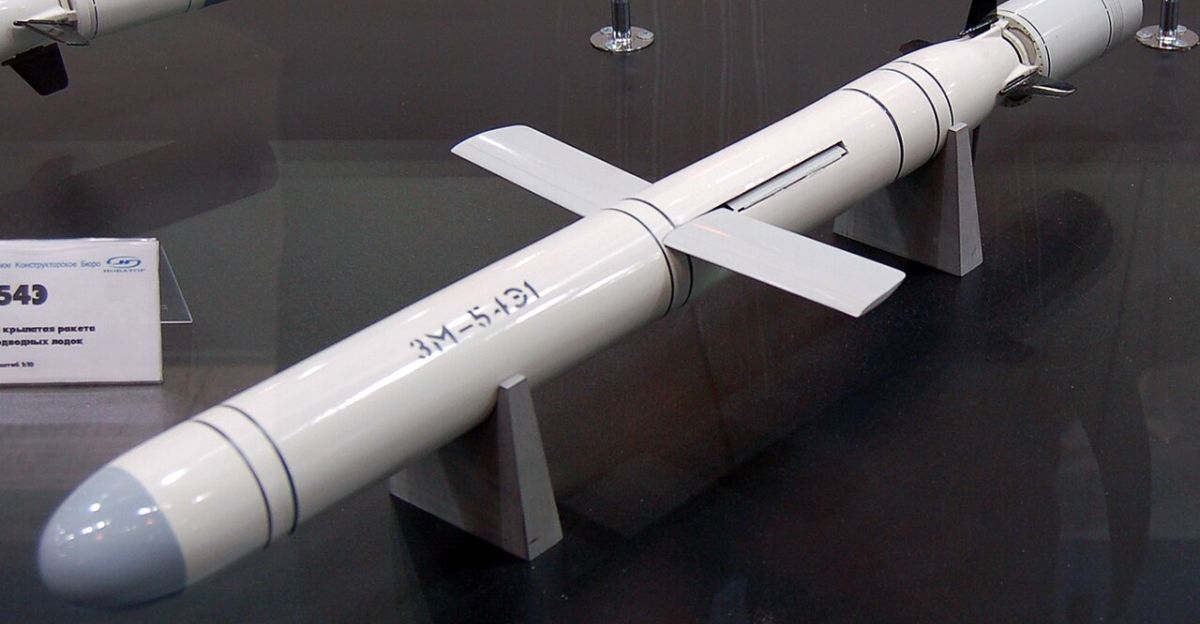
Russia’s most potent weapon against Ukrainian civilians has been the Kalibr cruise missile, a long-range, precision weapon that can be launched from submarines, ships, or aircraft. Throughout 2025, Russia has used Kalibr strikes to cripple Ukraine’s power grid, leaving millions without heat, water, or electricity during the coldest months.
Each Kilo-class submarine carries a minimum of four Kalibr missiles, transforming a single vessel into a strategic asset capable of devastating entire regions. Ukraine’s power infrastructure has become Russia’s primary target, making the submarines that carry these weapons legitimate military priorities.
Novorossiysk’s Vulnerability
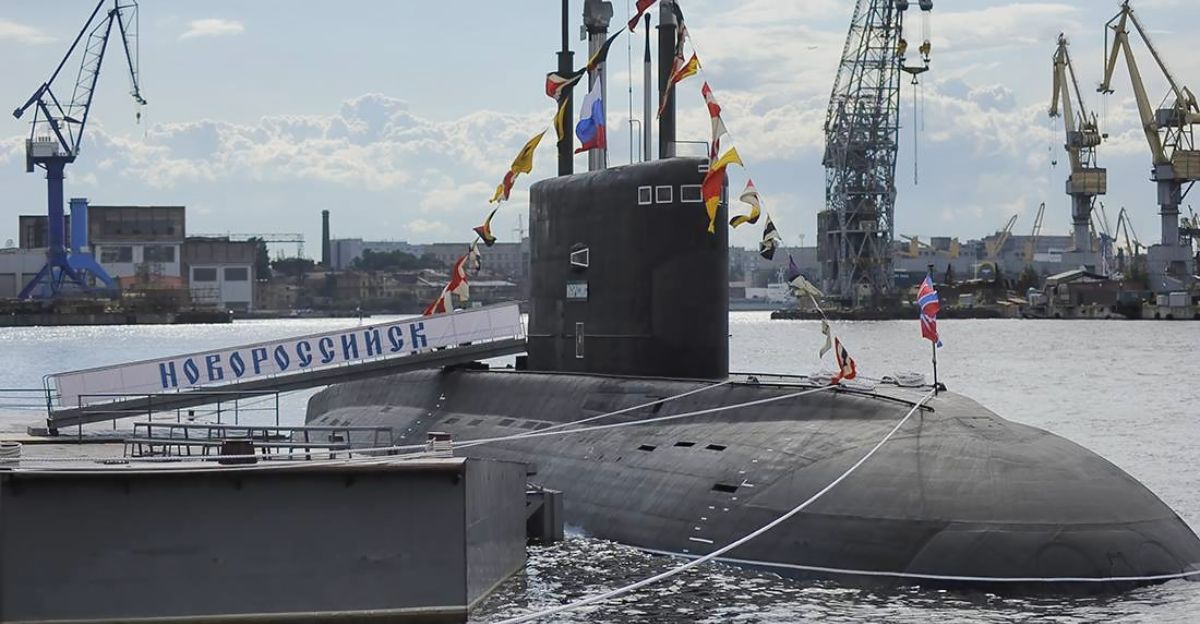
The Russian naval base at Novorossiysk, 300 kilometers south of Moscow on the Black Sea coast, houses four submarines, three of which are Kalibr-capable. The harbor is heavily defended by anti-aircraft systems and patrolled by Russian naval personnel, yet it represents Russia’s most accessible significant submarine base outside the contested Black Sea.
Ukrainian intelligence services have been closely monitoring the facility, tracking ship movements, and observing maintenance schedules, all while waiting for the right moment to strike. The base’s apparent security masks a critical weakness: submarines must surface or dock for refueling, repairs, and crew rotations.
The Historic Strike
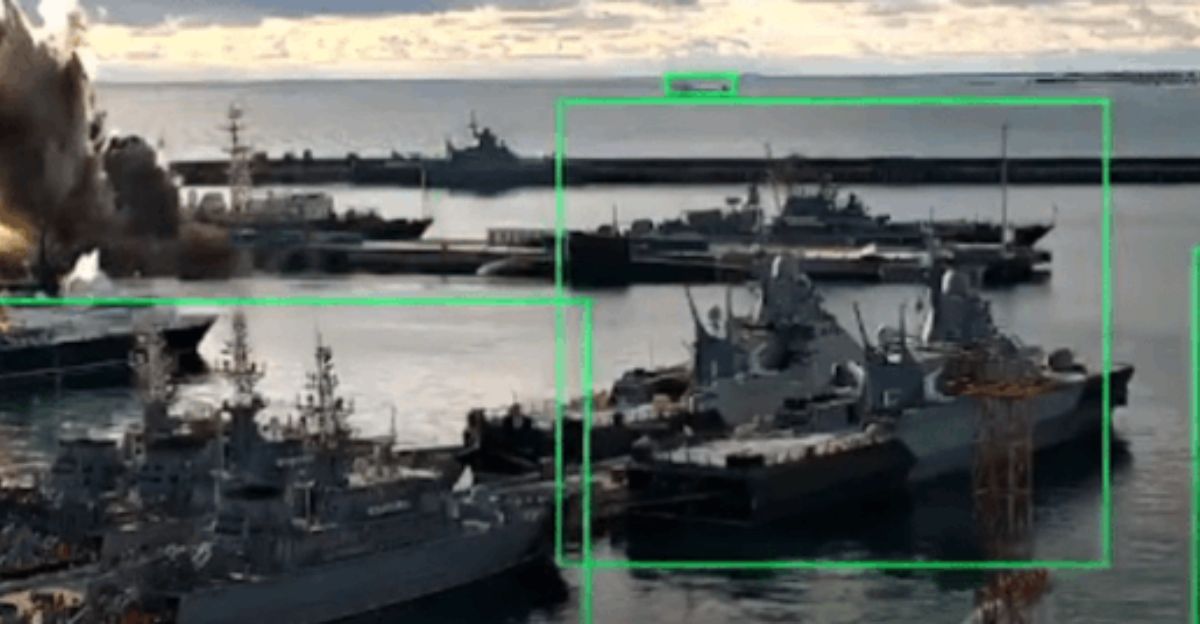
On December 15, 2025, Ukraine’s Security Service (SBU) deployed multiple “Sub Sea Baby” uncrewed underwater vehicles toward the Novorossiysk naval base. These Ukrainian-made UUVs navigated underwater through the harbor, autonomously maneuvering through confined spaces using waypoint navigation and onboard guidance systems.
One UUV detonated in proximity to a Project 636.3 Kilo-class submarine moored at the facility, creating an explosion that devastated the pier and inflicted critical damage to the vessel. The SBU released footage corroborated by Reuters verification, declaring this the first successful underwater drone strike on a submarine in recorded military history.
Visible Damage Confirmed
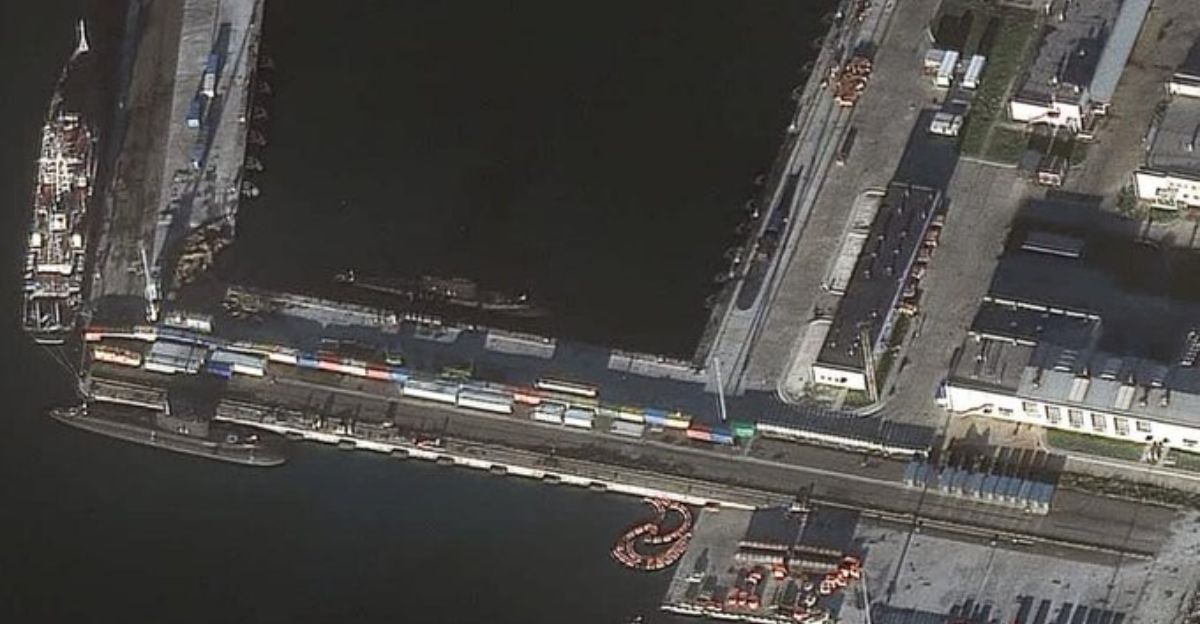
Satellite imagery captured on December 16, 2025, one day after the strike, reveals unmistakable physical evidence of the attack. A 9-meter crater has been torn into the concrete pier adjacent to where the Kilo-class submarine was moored. The submarine itself sits noticeably deeper in the water than it did before the attack, indicating flooding of internal compartments.
A second Kilo-class submarine, moored on the opposite side of the pier, maintains its normal draft, providing a direct visual comparison and confirming the damaged vessel’s abnormal submersion. The War Zone obtained these satellite images from Vantor (formerly Maxar Technologies), while additional imagery from Planet Labs has circulated in open-source intelligence circles.
The Damage Assessment
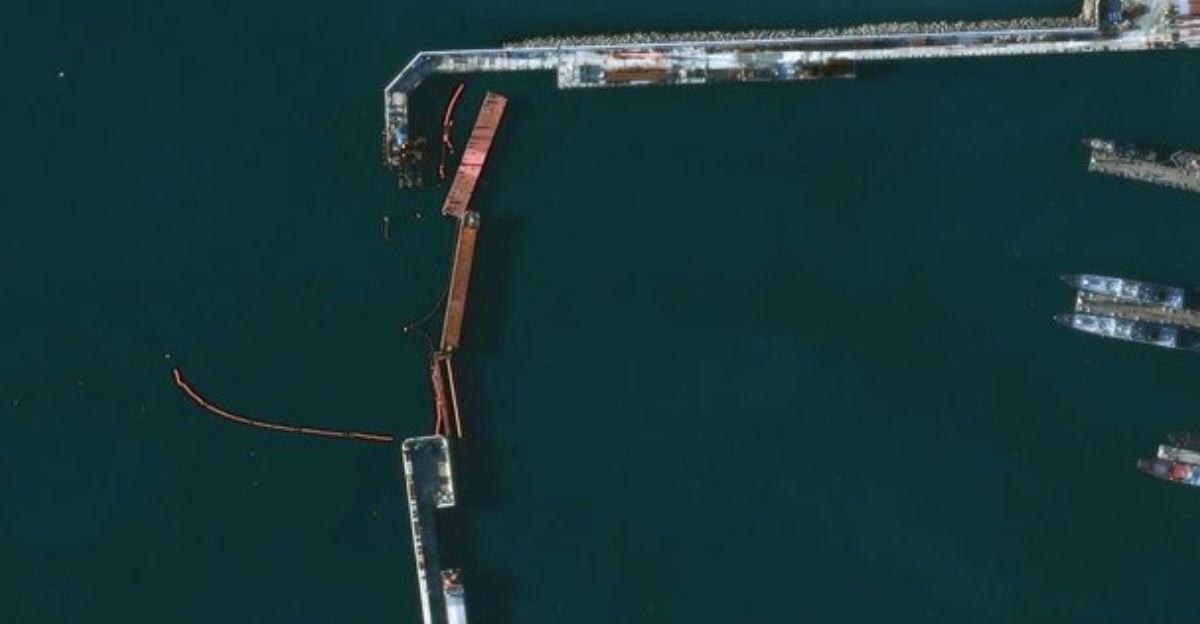
Open-source intelligence analysts have assessed detailed technical damage from the satellite imagery and available video footage. The detonation occurred approximately 12–14 meters from the submarine’s stern, positioned to maximize damage to the vessel’s most vulnerable systems. The propeller and rudder have likely been destroyed, while the propeller shaft sustained severe damage.
Internal flooding extends to the stern compartment, rendering the propulsion systems critical to submarine operation incapacitated. Ukrainian Navy spokesperson Dmytro Pletenchuk stated, “This day once again upends the perception of the possibilities of naval combat in this war,” emphasizing that submarines are the most challenging targets for naval strikes.
Russia’s Denial Strategy

The Russian Ministry of Defense flatly denied that any damage had occurred. Military officials claimed all submarines and personnel were “on duty as normal” and that the underwater drone “did not achieve its goal.” Yet Russia’s response inadvertently validated a critical element of Ukraine’s claim: it acknowledged that an “underwater unmanned vehicle” had been deployed against the base.
This admission contradicts Moscow’s earlier position that Ukraine possessed no capability to conduct underwater operations. Russia has released a video allegedly showing the intact submarine, although the footage strategically avoids showing the stern section, where the damage is most visible.
Naval Doctrine Shattered
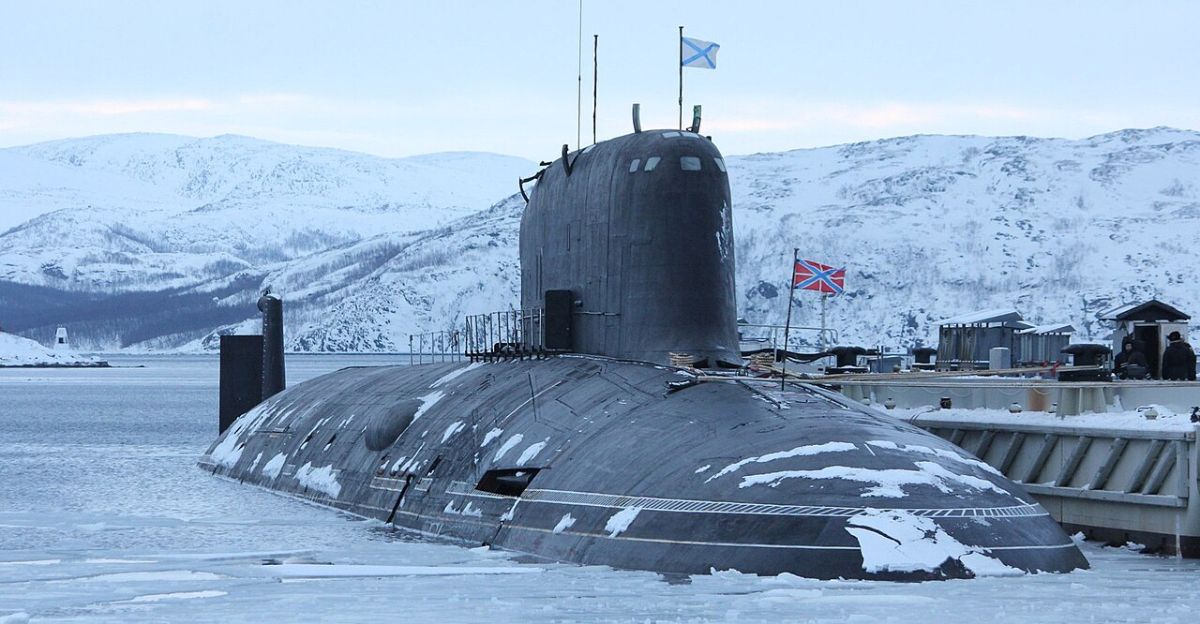
Military historians and naval warfare experts are reevaluating the role of submarines in modern conflict. For over 120 years, submarines have been apex predators, hunted only by other submarines, aircraft, or surface ship task forces. The deployment of uncrewed underwater vehicles capable of autonomous navigation through confined spaces introduces a new and entirely distinct threat vector.
A submarine’s strength, invisibility, and evasion become partly irrelevant when enemies can deploy autonomous weapons that navigate enclosed harbors and identify targets without human operators in danger. This shift mirrors earlier transformations when aircraft rendered battleships obsolete, and missiles changed naval tactics forever.
The Broader Kalibr Calculus
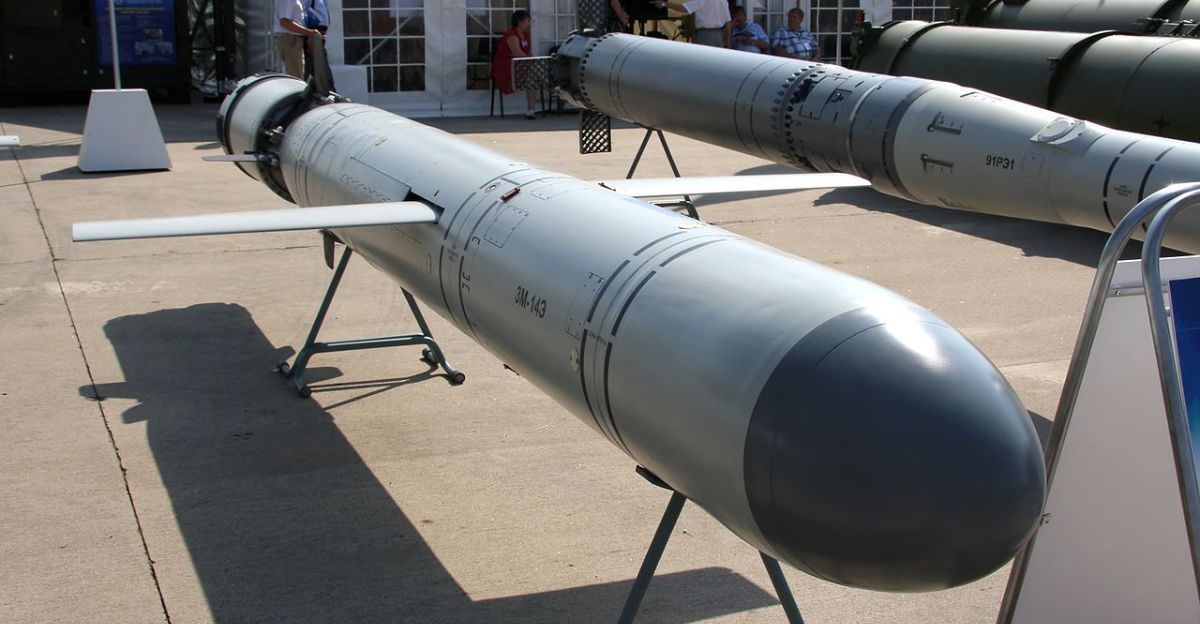
Beyond the damaged submarine, the strike carries strategic implications for Ukraine’s energy security. If three Kilo-class submarines remain operational at Novorossiysk and one additional submarine operates elsewhere, Russia maintains a capacity of roughly 12 Kalibr missiles ready for launch, down from an estimated 16 missiles when all four Novorossiysk submarines were fully operational.
This represents approximately a 25% reduction in submarine-based strike capacity from this single base. During the winter months, when Ukraine’s power grid is most vulnerable, every disabled launch platform reduces the threat to millions of civilians. The psychological impact on Russian naval planning is equally significant: no submarine base is now considered fully secure.
Ukraine’s Asymmetric Gambit
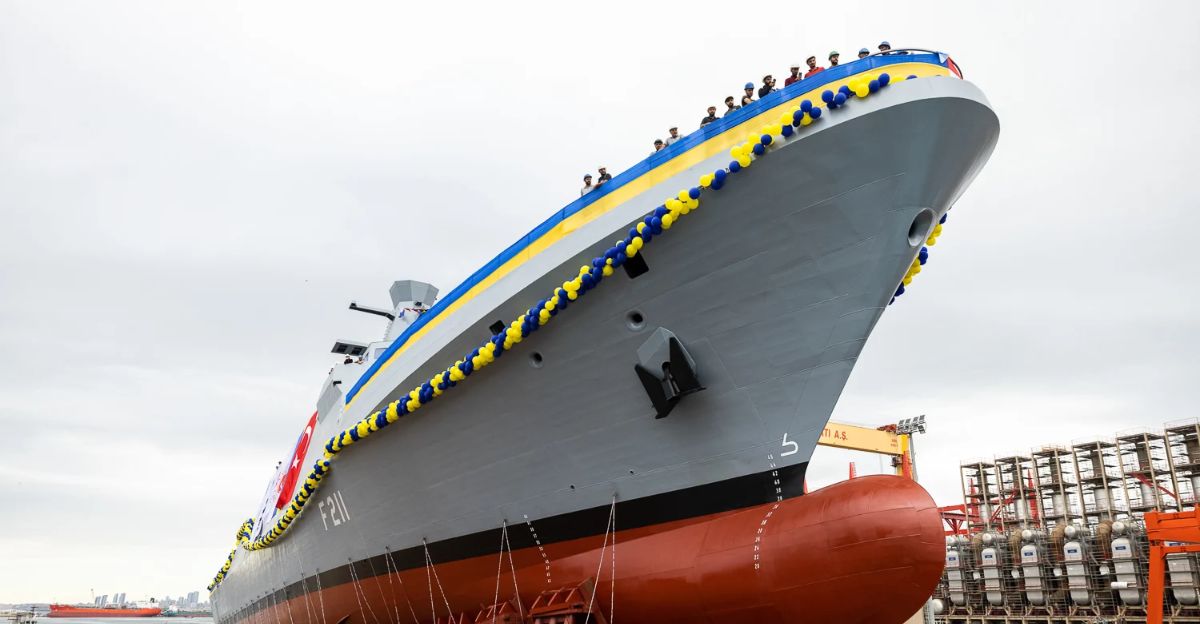
Ukraine entered this war with a navy consisting of frigates, corvettes, and patrol vessels. Russia’s Black Sea Fleet outnumbered Ukrainian surface forces by a factor of four and operated advanced guided-missile cruisers, frigates, and submarines. Lacking conventional naval superiority, Ukraine invested in drone technology for both surface vessels and now underwater autonomous weapons.
Military strategists have praised this approach as a textbook example of asymmetric warfare: expensive Russian vessels are forced to retreat or defend against cheap, expendable drone attacks. A single submarine reportedly costs a fraction of the damage it inflicted, yet forces Moscow to reconsider the security of its most protected assets.
Intelligence Penetration Exposed

The attack raises unsettling questions about the security of Russian ports. Ukraine released footage allegedly captured from hacked surveillance cameras positioned around the Novorossiysk naval base, suggesting deep cyber-infiltration of Russian military infrastructure. Ukrainian operators may have accessed real-time camera feeds, allowing them to monitor submarine positions, identify the optimal target, and confirm strike success.
This revelation has prompted Russian military brass to initiate security sweeps across multiple naval facilities. It also signals that Ukraine’s capability extends beyond kinetic weapons; the intelligence and cyber dimensions of Ukrainian operations have matured to a level that threatens Russia’s most sensitive military locations.
Repair or Replace Dilemma
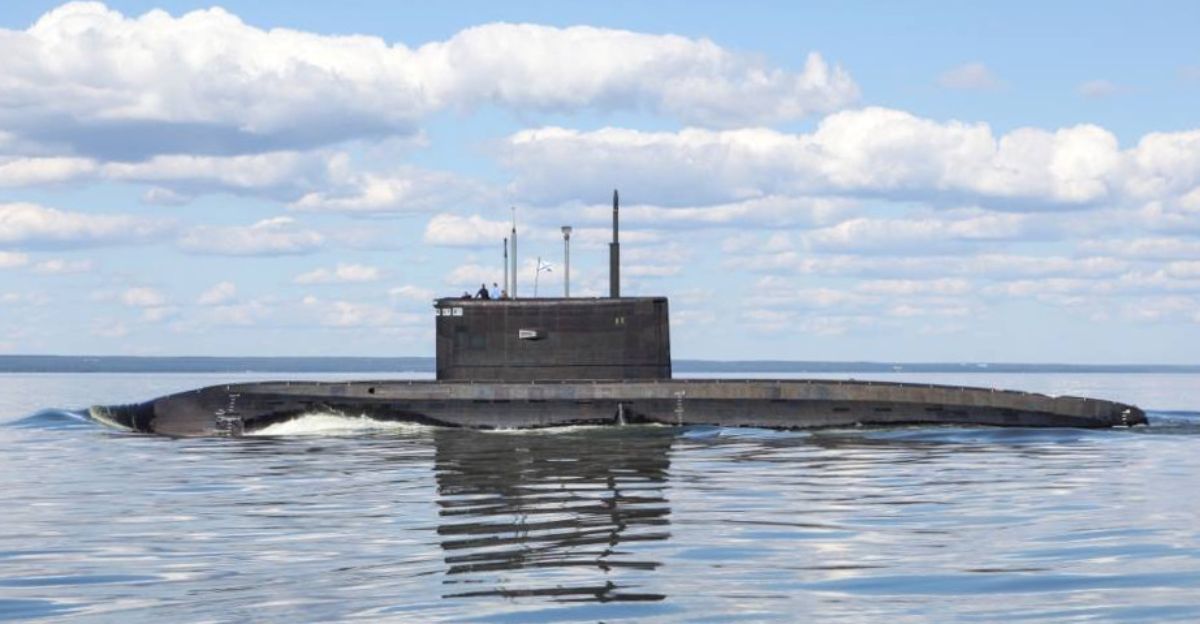
Russia faces a serious operational quandary. Repairing the damaged Kilo-class submarine would require hauling the vessel into dry dock, an exposed, vulnerable position that invites further Ukrainian strikes. Transporting the submarine to a distant repair facility introduces the risk of interception.
Leaving the submarine at Novorossiysk for in-water repairs takes months, leaving the vessel sitting in a harbor that Ukraine has now proven it can penetrate. Russian military planners are reportedly debating whether repair efforts justify the exposure. Meanwhile, building a replacement Kilo-class submarine takes three to five years. It costs approximately $350–400 million, as resources are increasingly scarce due to Russia’s defense budget being strained under wartime spending.
Western Interest in UUV Technology
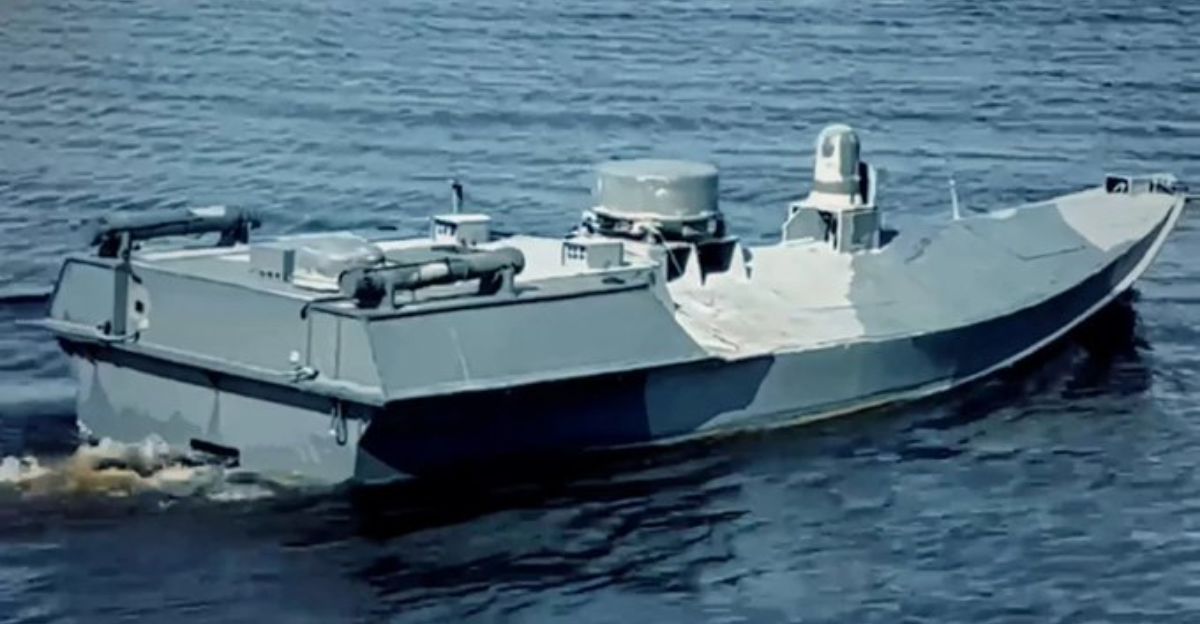
Ukraine’s success with Sub Sea Baby drones has attracted attention from NATO allies and military technology analysts. The operation demonstrates that relatively low-cost autonomous underwater vehicles can penetrate defended ports and strike high-value targets.
Western navies, including those of the U.S., Britain, and France, have invested heavily in undersea drone technology; however, most platforms focus on surveillance and mine-hunting rather than offensive strike operations. Ukraine’s operational success may accelerate the development of armed UUV platforms by Western powers, potentially reshaping naval warfare doctrine across multiple allied navies and triggering a new arms race in autonomous underwater systems.
The Submarine’s Future
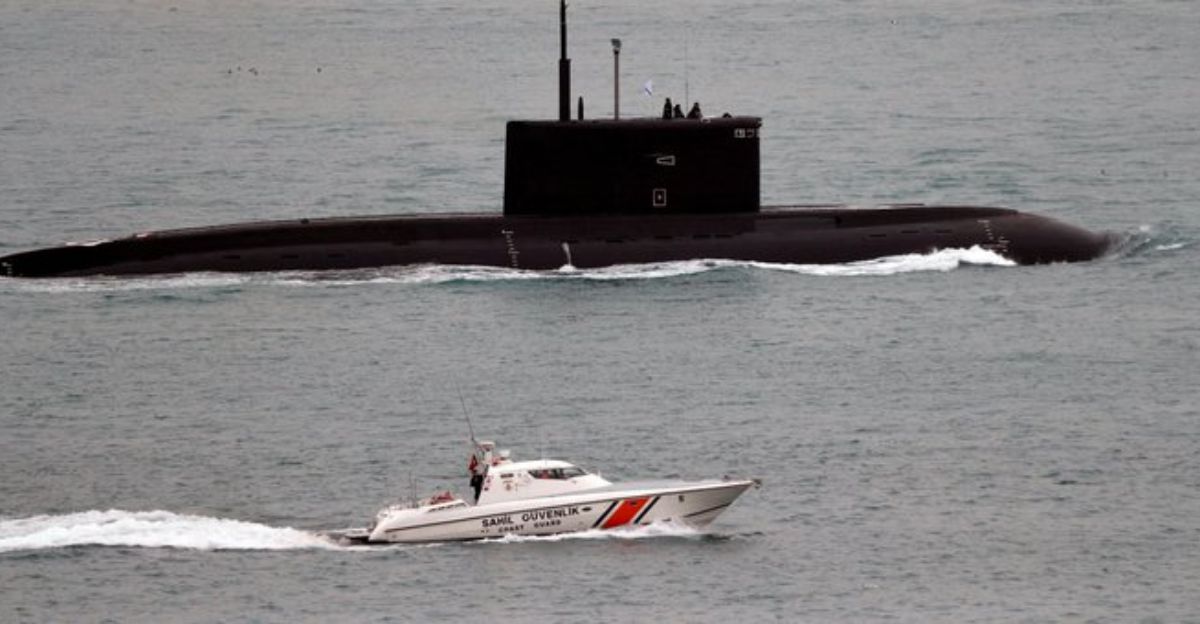
As Ukraine’s SBU released footage of the damaged Kilo-class submarine, a larger question surfaced: Have submarines entered their twilight era, much like battleships did after World War II? Modern diesel-electric submarines remain quieter, more maneuverable, and harder to detect than nuclear subs, yet they must surface or dock to recharge batteries and conduct critical maintenance.
Uncrewed underwater vehicles, by contrast, require no crew protection and can operate with minimal electromagnetic signature. If Ukraine continues to deploy Sub Sea Baby drones successfully, will Russia and other naval powers reconsider the submarine’s place in future fleets? The December 15 strike may represent not just a tactical victory, but a strategic inflection point where the hunter becomes the hunted.
Sources:
Reuters: Ukraine says underwater drones hit submarine
The War Zone: Aftermath Of Ukraine’s Underwater Drone Attack On Russian Submarine Seen In Satellite Imagery
Naval Technology: Ukraine claims world-first underwater drone strike on Russian submarine
CNN: In a first, Ukraine says it struck Russian submarine in Black Sea
Defence Ukraine: 9-Meter Concrete Crater and Flooded Compartments: Satellite Image Confirms Critical Damage to Russian Submarine
Defense News: Ukraine’s first underwater drone strike caught on hacked cameras