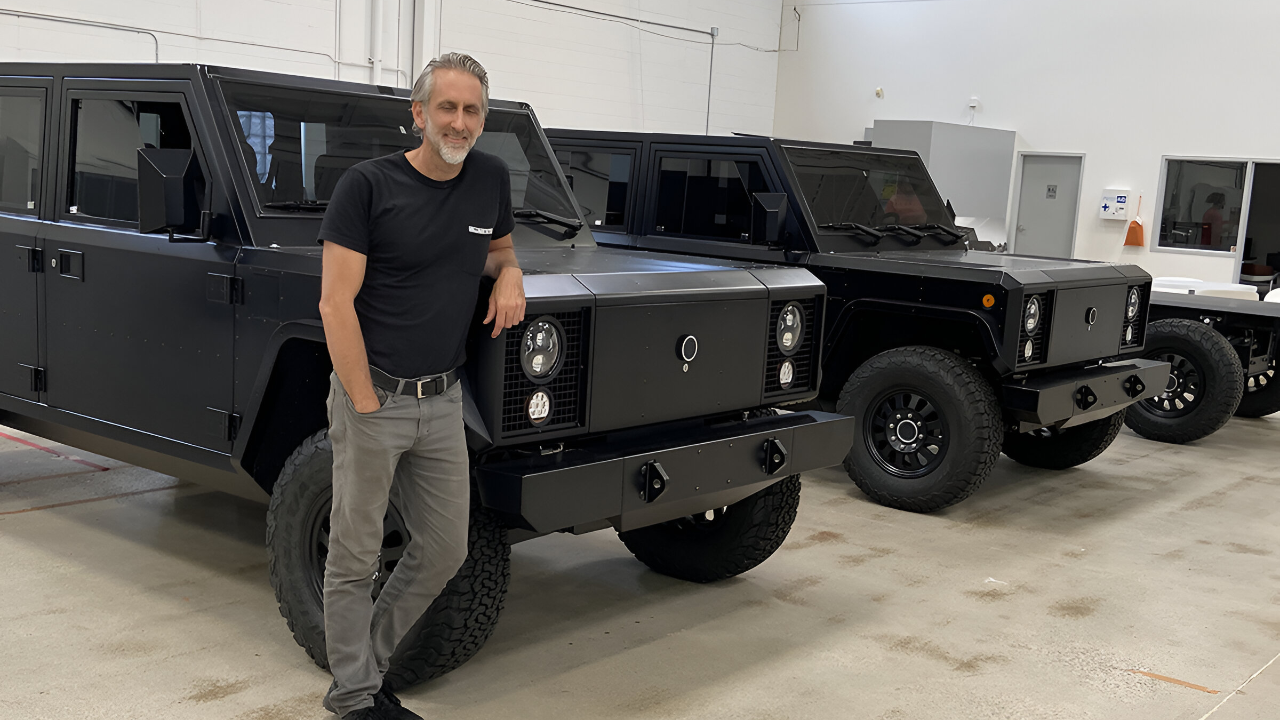
In November 2025, employees at Bollinger Motors discovered their paychecks were missing. Two consecutive payrolls had vanished without explanation, and within weeks, the promising electric truck manufacturer would shut down entirely, leaving approximately 70 Michigan workers with unpaid wage claims totaling decades of broken promises about what went wrong.
From Innovation to Insolvency

Bollinger Motors launched in 2015 with ambitions to revolutionize the electric vehicle market. Initially focused on consumer electric SUVs, the company pivoted to commercial trucks in 2022, unveiling the Class 4 B4 in September 2024. The rugged design targeted fleet operators and promised to reshape commercial transportation. Yet beneath the polished marketing lay deepening financial fractures that would soon become impossible to ignore.
The company’s troubles intensified after exiting receivership in June 2025, when Mullen Automotive acquired a 95% stake for $148 million in combined cash and stock across their multi-year relationship. Under new CEO David Michery, the company promised fresh financial stability. Rather than stabilizing operations, the partnership failed to restore cash flow. Manufacturing agreements were terminated, and operational costs continued climbing while revenue stalled. By late October 2025, internal emails revealed the company lacked sufficient funds to meet payroll obligations for the first time since emerging from receivership.
The Collapse Accelerates
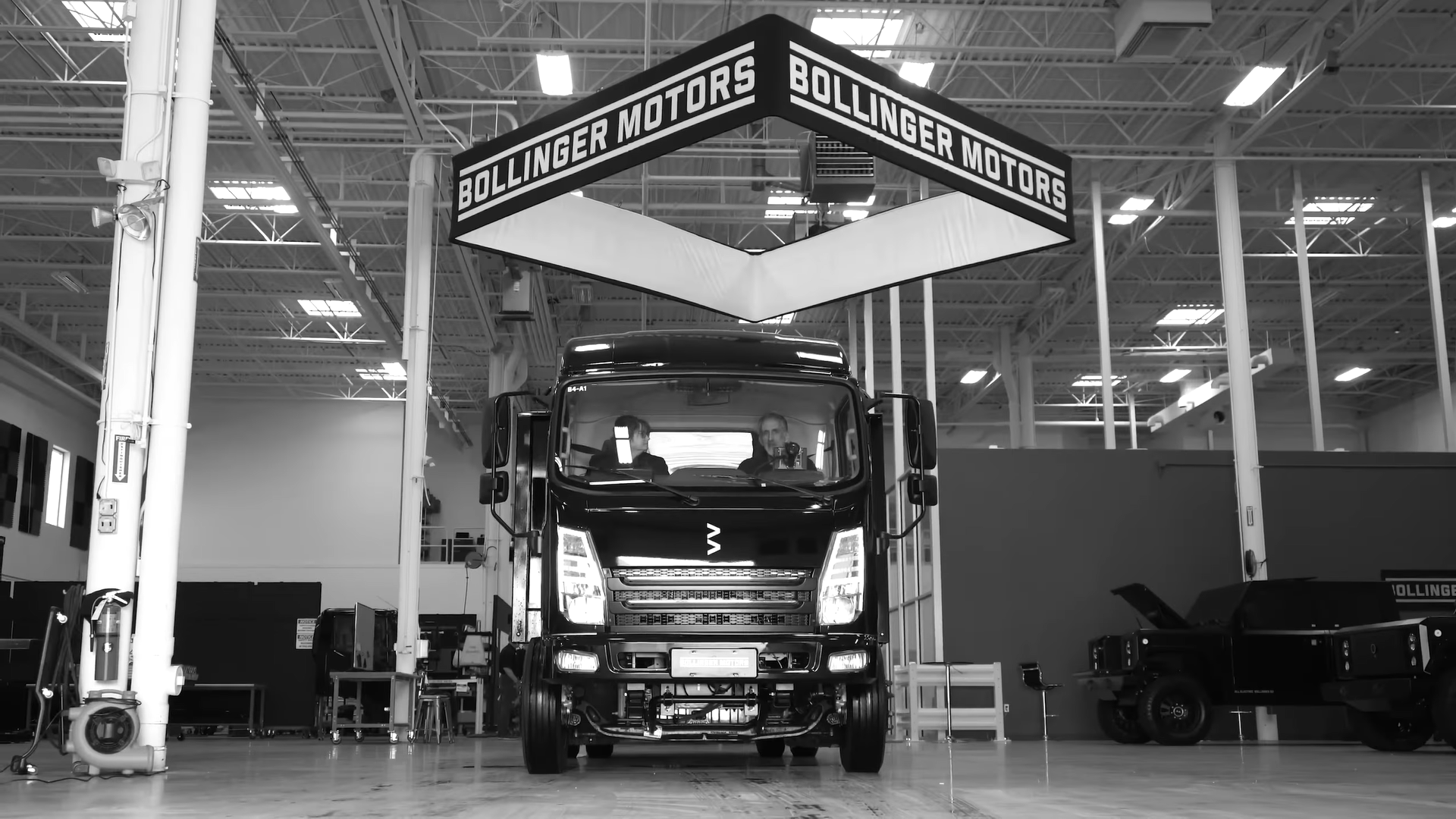
On October 31, 2025, Walter Collins, Bollinger’s managing director, sent an internal email stating: “Unfortunately, we were unable to process this week’s payroll as scheduled due to a delay in receiving the expected funds.” The email continued, “At this time, we have not yet received confirmation of funding for the 31 October 2025 payroll. Once the funds are received, we will complete the payroll.” By November 6, funding remained unsecured, and a second consecutive payroll failed to materialize.
On November 21, 2025, Bollinger Motors officially ceased operations. An internal email from HR Director Helen Watson confirmed the shutdown: “We received word late last night that the day has arrived, we are to officially close the doors of Bollinger Motors, effective today, November 21st, 2025.” An SEC filing detailed workforce reductions and facility closures across Michigan locations in Oak Park and Troy. As of September 30, 2025, the company employed 50 base employees with no qualified new jobs created against its Michigan Economic Development Corporation commitment to create 237 positions.
The collapse reverberated beyond the factory floor. Dealers nationwide found themselves holding unsellable trucks with no factory support, warranty coverage, or parts availability. Customers who had purchased B4 vehicles faced the prospect of owning vehicles with no manufacturer backing. The sudden cessation of operations left the dealer network orphaned and confused, with no clear path forward for existing inventory or customer service obligations.
The Human Cost: Unpaid Wages and Broken Promises

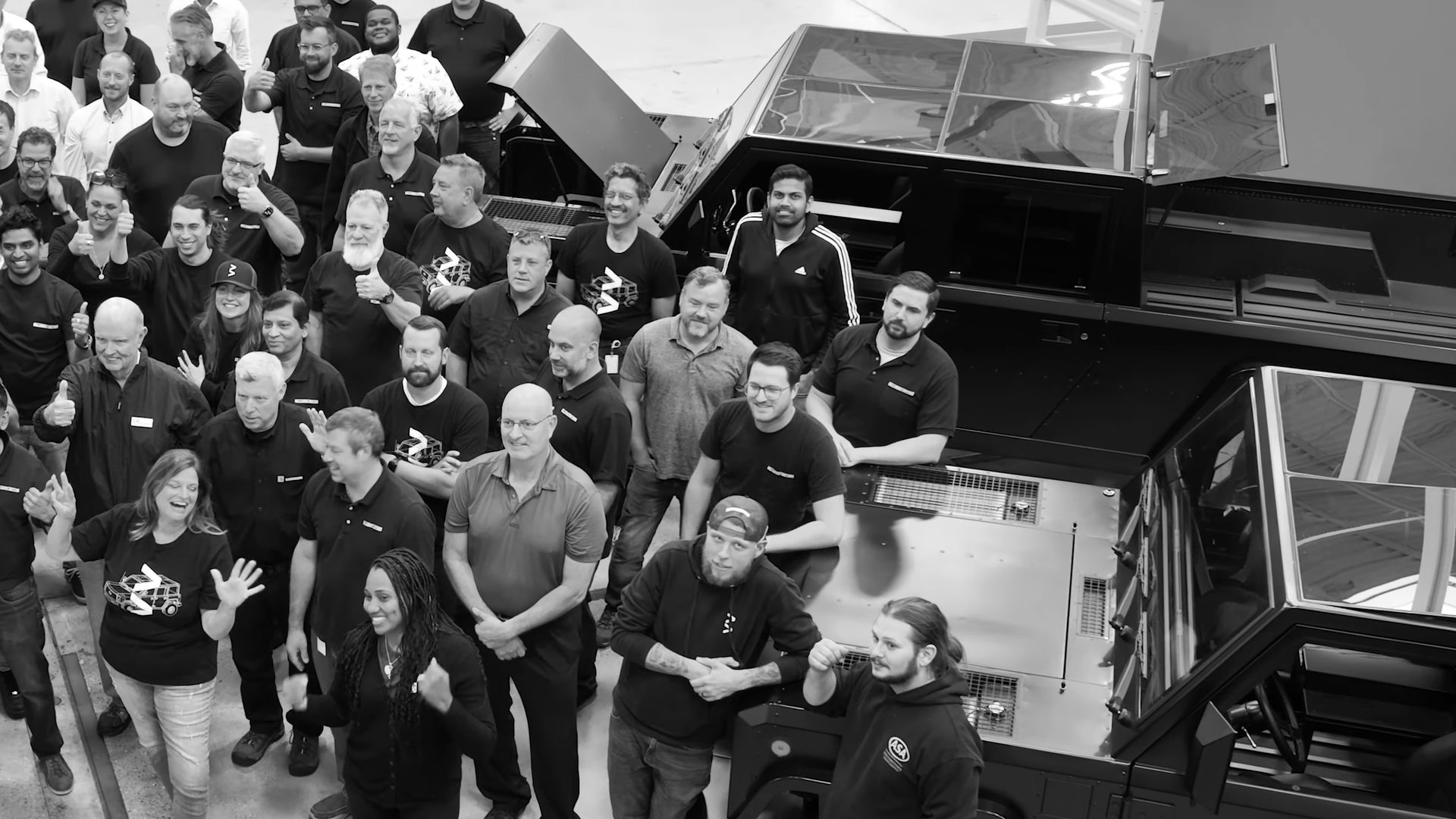
The Michigan Department of Labor and Economic Opportunity received 59 confirmed claims of unpaid wages against Bollinger Motors by late November 2025. As of the company’s shutdown announcement, approximately 70 total wage claims had been filed across both pay periods that failed to be processed. Workers faced immediate hardship as the company shut its doors without severance or clear resolution of unpaid wages. The timing—approaching the holiday season—compounded the hardship for families already stretched thin.
Helen Watson, the HR director who announced the closure, promised in a subsequent email that CEO David Michery “intends to make us whole with regards to the remaining monies” after the company missed payroll for the last two pay periods. However, as of December 2025, the mechanism for fulfilling those payments remained unclear, and no public statements confirmed wage recovery.
The lack of communication from leadership fueled frustration and distrust. Employees who had invested their careers in building a new transportation future felt abandoned. The September 2025 termination of the manufacturing relationship with Roush Industries in Livonia—which had handled B4 chassis production—signaled deteriorating conditions, yet the final shutdown still caught many workers off guard.
Mounting Supplier Debt and Legal Action
Beyond employee wages, Bollinger faced mounting supplier debt. Earlier in 2025, six suppliers sued the automaker seeking approximately $5 million in outstanding bills. Although some of those earlier claims were resolved after Mullen’s June investment, at least six different suppliers initiated new legal action by November with active cases pending. In March 2025, founder Robert Bollinger sued the company for failure to repay a $10 million loan, a lawsuit that was settled only when Mullen increased its stake to 95% and appointed its own CEO.
The company’s financial strain also extended to state authorities. Bollinger had been awarded $3 million by the Michigan Economic Development Corporation under a 2023 agreement to invest $44 million and create 237 jobs in the Detroit metro area. As of September 30, the company had collected only approximately one-third of that state funding while failing to meet any job creation milestones. The company was in default on its agreement and faced demands to repay the funds if it could not cure the default by May 4, 2026—a deadline the November shutdown rendered moot.
Broader Market Pressures and Industry Contagion
Bollinger’s failure was not isolated. The commercial electric vehicle sector faced mounting headwinds throughout 2024 and 2025. Fisker filed for bankruptcy in June 2024, Nikola in February 2025, and Ideanomics in December 2024. These collapses pointed to systemic challenges: elevated interest rates, persistent inflation, soaring battery costs, and the difficulty of securing adequate funding for capital-intensive manufacturing operations.
For startups attempting to scale production while managing these economic pressures, the math became impossible. In its nine months ending June 30, 2025, Bollinger incurred a net loss of $304.4 million. By August 2025, the company’s accumulated deficit had reached $2.6 billion—a chasm that no restructuring plan could bridge.
Looking Forward
The collapse of Bollinger Motors raises critical questions about the viability of the commercial EV sector and the sustainability of startup-driven innovation in capital-intensive industries. Whether remaining designs like the B5 and B6 trucks will be salvaged by other companies or dealers remains unclear. The company’s sudden failure serves as a cautionary tale about the volatility of emerging markets, where ambitious visions can crumble when financial realities prove unforgiving. As the commercial EV landscape continues to shift, Bollinger’s rise and fall underscores the precarious balance between innovation and financial stability that defines this transformative but turbulent sector.
For the 59-70 workers awaiting wage recovery, the path forward depends on promises made by Mullen’s leadership and the eventual resolution of the company’s insolvency—outcomes that may take months or years to materialize.
—
Sources
Bollinger Motors, EV start-up based in Oak Park, officially closing. Detroit Free Press, 21 Nov 2025.
Bollinger Innovations, Inc. Form 8-K Current Report – Cost Reduction Plan and Operational Changes. U.S. Securities and Exchange Commission, 21 Nov 2025.
Mullen Reaches Definitive Agreement to Acquire Additional 21% of Bollinger Motors. Mullen Automotive Inc. / Bollinger Motors Press Release, 2 Jun 2025.
Nikola files for Chapter 11 bankruptcy protection. CNBC, 19 Feb 2025.