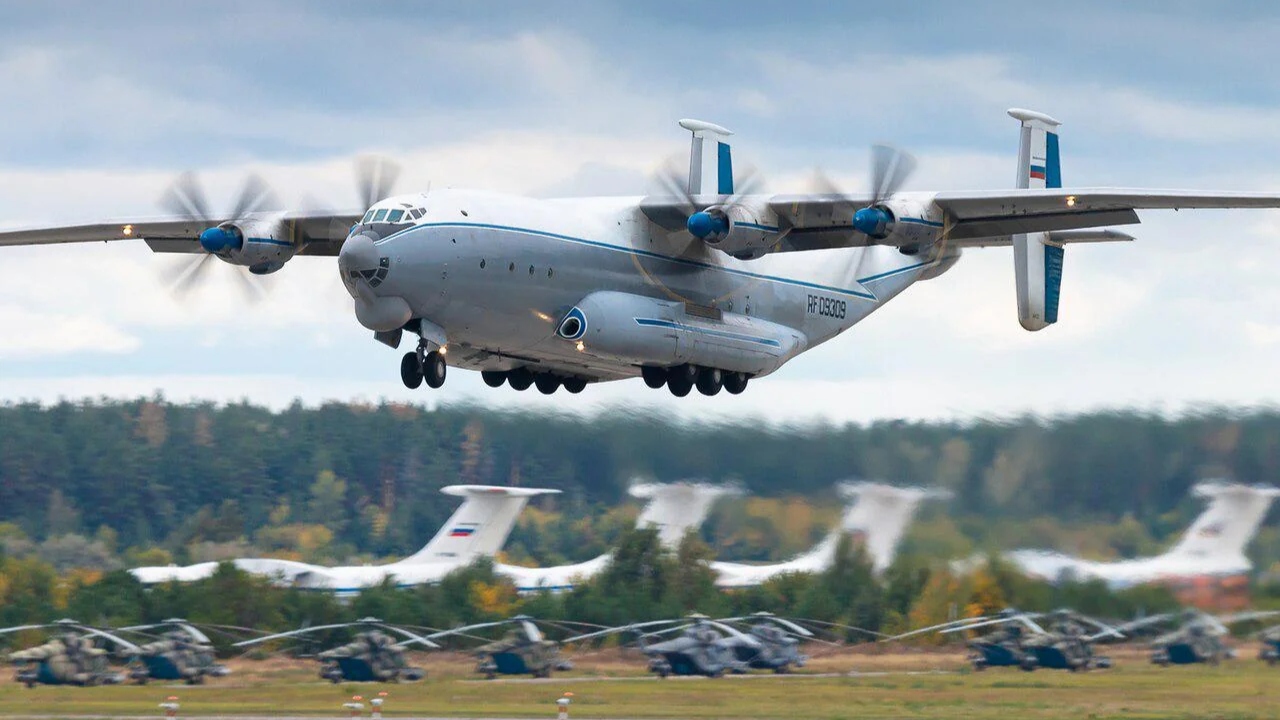
In mid-December 2025, Russian authorities confirmed the loss of an Antonov An-22 “Antei” military transport aircraft during a post-maintenance flight near a reservoir in the Ivanovo region. The incident marks a significant blow to Russia’s already-strained heavy-lift airlift capabilities, as the An-22 represents one of the rarest and most irreplaceable platforms in the country’s military inventory.
A Soviet Legacy Approaching Obsolescence
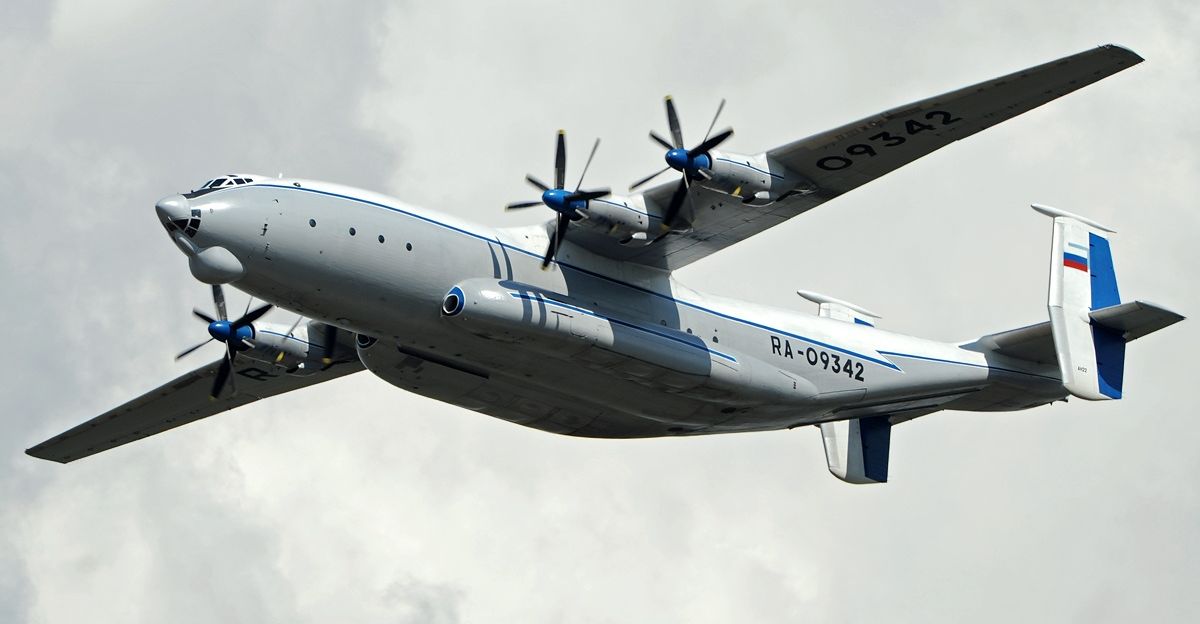
The An-22 entered service in the mid-1960s as one of the heaviest turboprop aircraft ever constructed. Engineered to transport outsized cargo into austere airfields, it occupied a unique logistical niche for decades. By the 2020s, only a handful remained operational worldwide, with Russia’s fleet consisting of an even smaller number. The aircraft’s age, combined with its scarcity and the impossibility of replacement, means that any loss carries consequences far beyond the immediate incident.
Crew and Recovery Complications
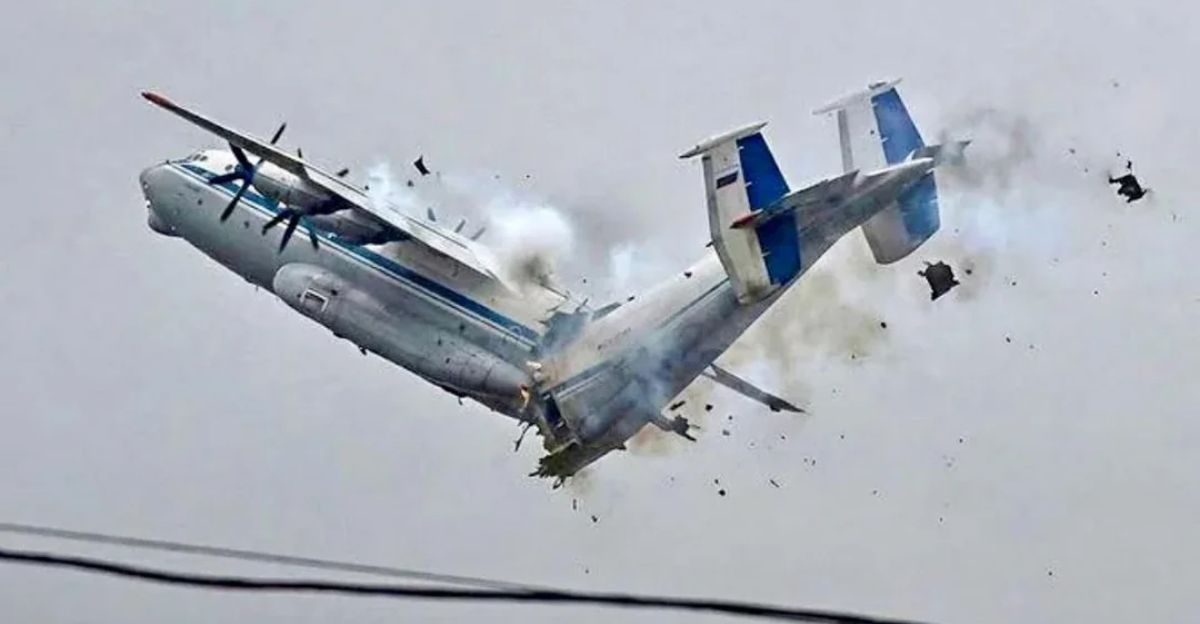
Seven crew members were reportedly aboard the aircraft when it went down. Russian defense officials acknowledged their presence but released minimal information regarding their fate. Recovery operations have been hampered by debris dispersion and water depth, leaving critical questions unresolved. The lack of independent verification has created uncertainty surrounding the human toll and the precise circumstances of the crash.
Technical Challenges and Maintenance Pressures
Early indications suggest the An-22 was conducting a test or post-repair flight rather than an operational mission. Such flights carry inherent risks, particularly for aircraft with airframes spanning multiple decades. The An-22 fleet has long struggled with maintenance challenges exacerbated by parts shortages and aging systems. International sanctions have severely constrained Russia’s access to aviation components, manufacturer support, and specialized maintenance services. For aircraft originally designed and supported by Ukrainian industry, these obstacles prove especially acute, forcing reliance on improvised solutions that heighten both operational and safety risks.
Strategic Value and Operational Impact
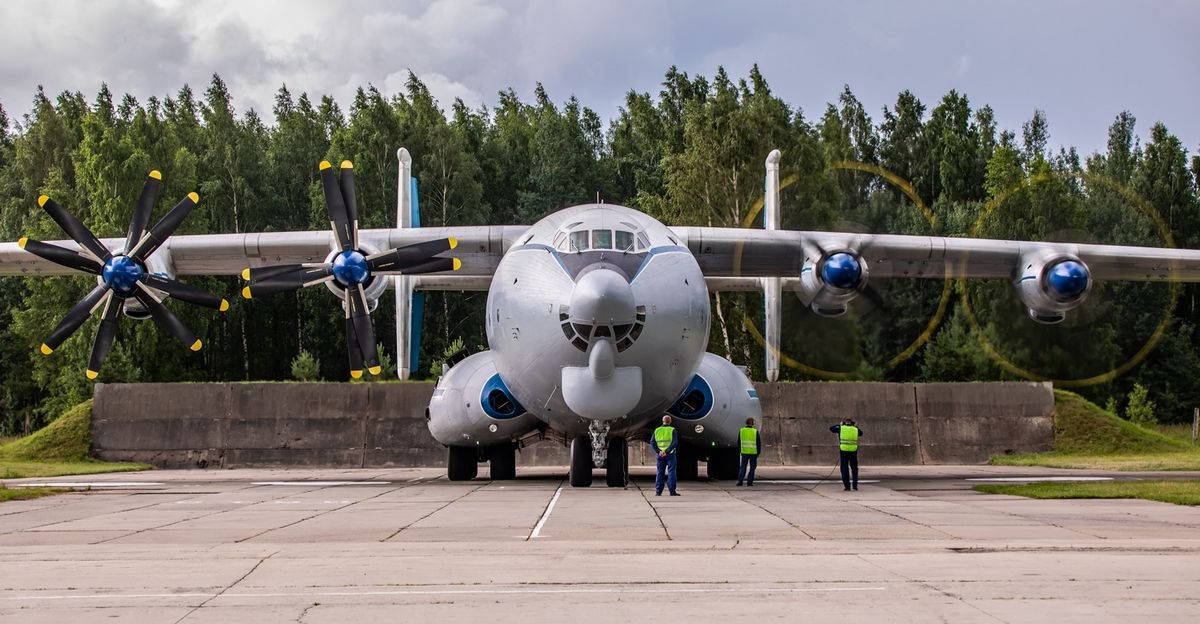
Despite its age, the An-22 retained critical importance. With a cargo capacity of approximately 60 tonnes and the ability to operate from shorter or underdeveloped runways, it could execute missions beyond the capability of many jet transports. In wartime conditions demanding logistical flexibility, this made the aircraft an essential—if increasingly fragile—asset. The loss further strains Russia’s broader military transport fleet, which already faces severe pressure. Il-76 aircraft are heavily tasked and aging, while larger An-124 transports remain few and difficult to maintain. The reduction in heavy-lift options forces remaining aircraft to absorb additional missions, accelerating wear across the entire fleet and introducing cascading inefficiencies throughout the logistics network.
Irreplaceable Loss and Long-Term Consequences
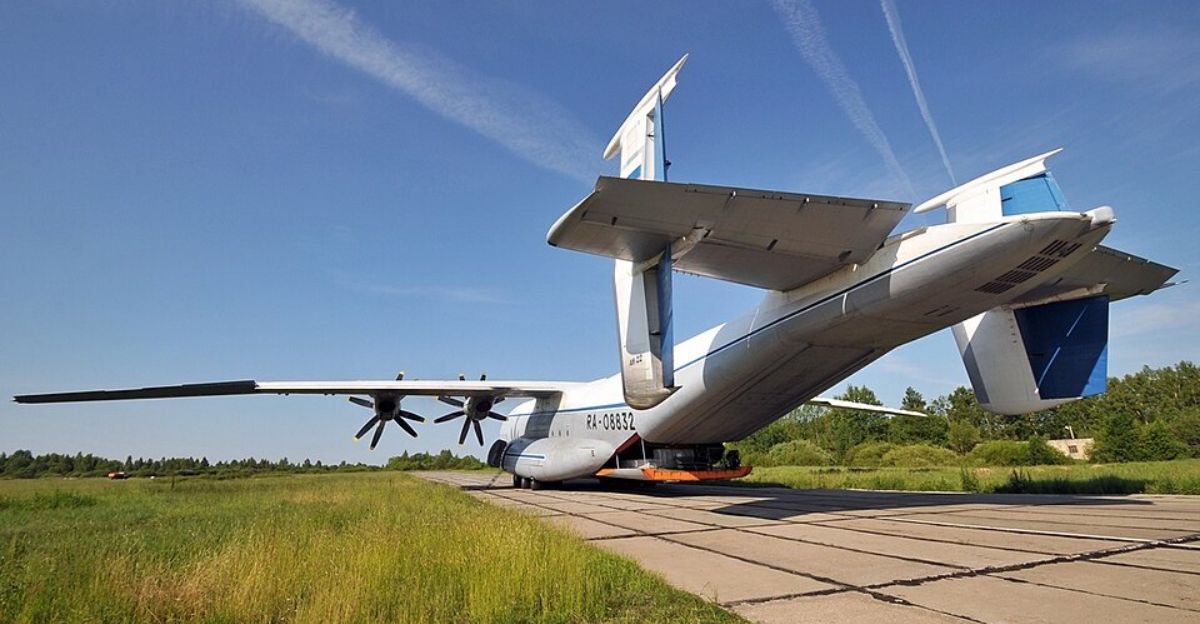
Unlike modern aircraft, an An-22 cannot be replaced. The type ceased production decades ago, and its original manufacturer operates in Ukraine, making any restart of production infeasible. This reality transforms each remaining airframe into an irreplaceable strategic asset. As heavy-lift capacity diminishes, military planners must adjust operational expectations for speed, reach, and flexibility. Transport timelines lengthen, mission planning becomes more complex, and the remaining aircraft face intensified usage. These second-order effects reshape operations quietly but persistently, eroding logistical efficiency and raising costs across the system. The incident underscores how war, sanctions, and aging infrastructure converge to exhaust even legendary machines, marking the near end of Russia’s super-cargo airlift era.
Aerospace Global News, “Russia Antonov An-22 Crash”, Aerospace Global News, Dec 2025
Wikipedia: Antonov An-22, “Antonov An-22”, Wikipedia, ongoing
Maximus Aviation (YouTube), [Video title not specified in appendix; crash analysis footage], Maximus Aviation, Dec 15, 2025
The War Zone, “There’s Likely No Way Back For Russia’s An-22 Turboprop Heavy Transports After Fatal Crash”, The War Zone, Dec 18, 2025
EUR-Lex: Council Regulation (EU) No 833/2014, “Council Regulation (EU) No 833/2014”, EUR-Lex, Apr 25, 2024
Aviospace.org, “Antonov An-22 Largest Turboprop Guide”, Aviospace.org, ongoing
PPRuNe.org, “Russian A-22 reported crashed into lake 9 December 2025”, PPRuNe.org, Dec 10, 2025