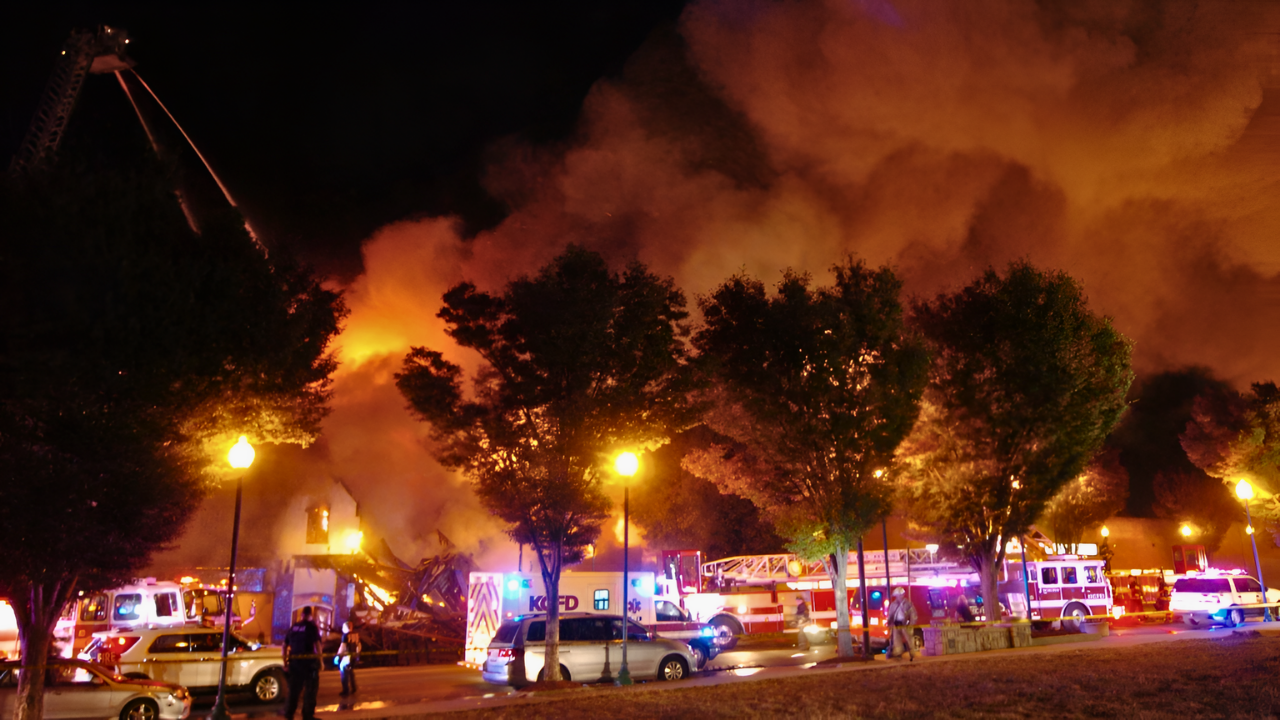
On December 18, Governor Laura Kelly issued a disaster emergency proclamation at 2 p.m., activating state resources to combat an unprecedented threat: extreme wildfire conditions in mid-December. Red Flag warnings blanketed Kansas as temperatures soared into the 70s—unseasonable warmth that created dangerous fire conditions across the state. Within hours, a grass fire forced the evacuation of an elementary school, and by day’s end, nearly 500 acres had burned, affecting 2.9 million residents under alert status.
The Perfect Storm of Fire Weather
The conditions aligned in a rare and dangerous way. Earlier moisture in 2025 had triggered rapid vegetation growth, but by December, that growth had dried completely, creating massive fuel loads when fire danger should have been minimal. Unseasonably warm temperatures prevented protective snow cover, leaving dry grass exposed to ignition. When winds gusted above 50 mph—reaching toward 55 mph in some areas—they transformed any spark into a fast-moving blaze. The National Weather Service documented critical fire weather conditions, with humidity dropping to 20-25 percent and violent wind bursts capable of turning small brush fires into walls of flames within minutes.
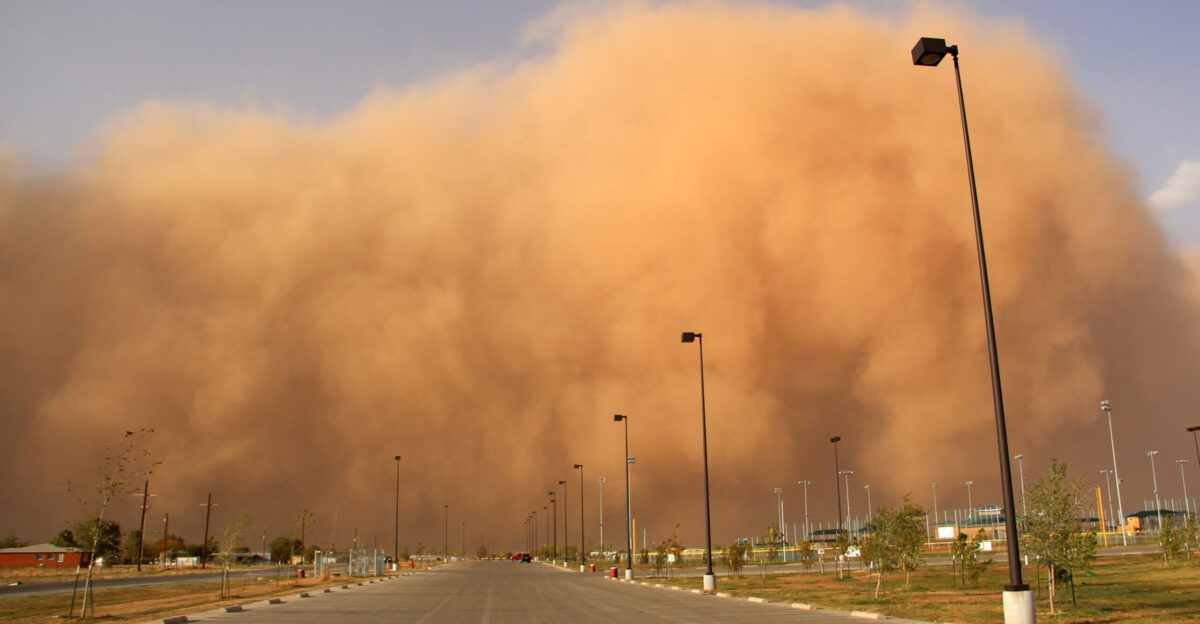
Western Kansas experienced additional hazards as high winds kicked up choking dust clouds across the region. Visibility on Interstate 70 dropped to near-zero between Colby and Goodland, forcing officials to close the highway. Emergency officials warned of brownout conditions where visibility could drop instantly, making it impossible to see stopped vehicles or curves.
Multi-Agency Coordination and Response

Governor Kelly’s activation of the State Emergency Operations Center signaled a statewide crisis requiring coordinated resources. The Kansas Division of Emergency Management worked alongside the Kansas Forest Service, the Fire Marshal’s office, the Department of Transportation, and the National Weather Service. These agencies collaborate only when situations demand real-time coordination—responding to active fires, clearing dust-choked highways, managing evacuations, and issuing constant warnings.
The timing created additional strain on first responders. December 18 fell one week before Christmas, when firefighters should have been home with families. Bill Waln, Kansas Forest Service Fire Management Officer, made an unusual appeal: limit spark-producing activities so firefighters could spend the holiday with loved ones. Thousands of responders stood on standby statewide, understanding that any new fire would pull them from Christmas dinner tables.
The Hutchinson Fire and School Evacuation
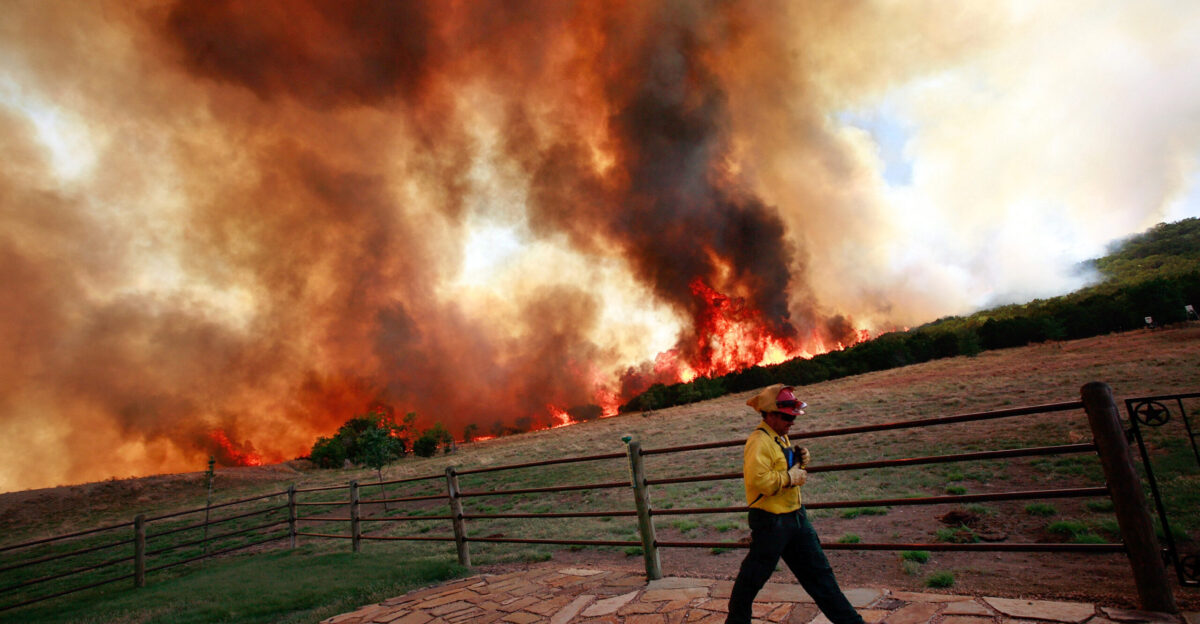
Around 12:52 p.m., a grass fire erupted north of Hutchinson, moving with terrifying speed across Reno County. Within minutes, it consumed 450 acres and advanced toward neighborhoods with 40 homes in its path. More than 100 firefighters from four counties responded, barely containing the eastern flank with a grueling line over a thousand feet.
At 1:45 p.m., the fire approached too fast. Superintendent Cindy Couchman of the Buhler school district made the call to evacuate Plum Creek Elementary. In 30 minutes, every student and staff member moved to Crosspoint Church three miles away. By 2:15 p.m., all students arrived safely, and by 3:15 p.m., every child had been picked up by parents. No injuries. No panic. Just quiet efficiency of a community protecting the vulnerable when everything was on the line.
Damage Assessment and Containment
As evening fell, damage assessments returned with results that felt like luck: out of 40 homes in the fire’s path, only one sustained minor damage. No injuries to residents, firefighters, or animals. Sixty large hay bales caught fire throughout the night, producing choking smoke. Crews worked into early morning hours managing those fires, with the Hutchinson Fire Department and public works staying on scene through the night, patrolling to prevent rekindling. The fire was contained by 3 p.m.
Hutchinson’s fire wasn’t alone. Additional grass fires broke out northwest of Goddard and southeast of Russell County as high winds spread flames across dry vegetation statewide. The National Weather Service captured satellite imagery of fires burning so intensely that they were visible from space.
Looking Forward
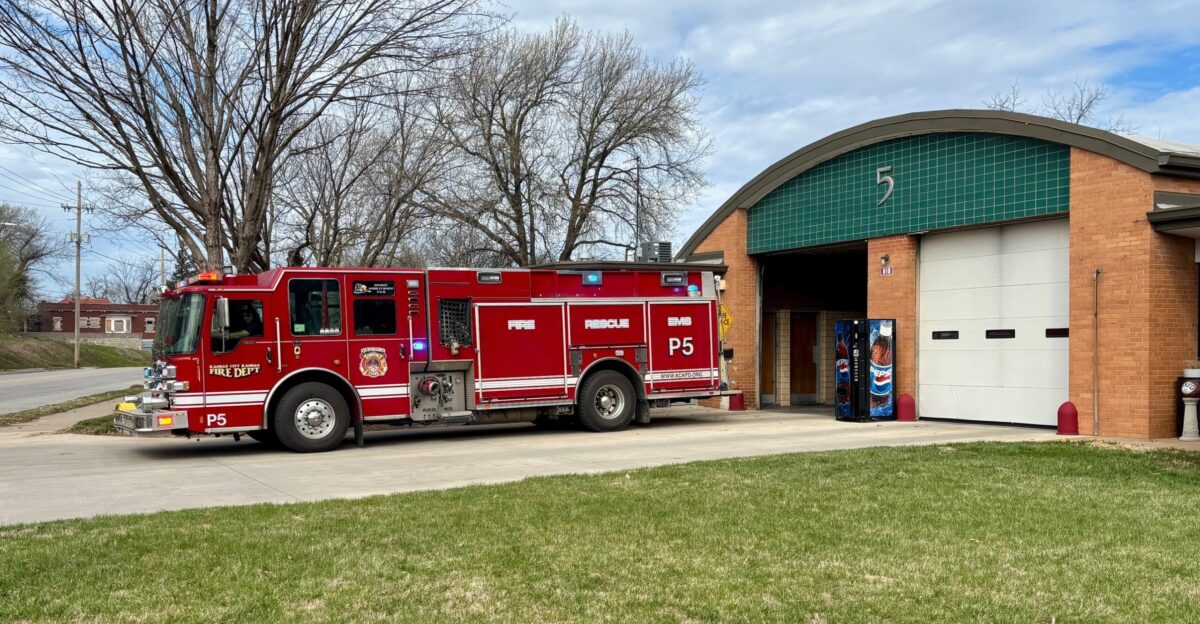
By 8:30 p.m., the evacuation order for the North Plum area was lifted, allowing residents to return home. The immediate threat had passed, although the emergency was not yet fully over. Smoke from burning hay bales hung thick, and small fires required constant attention.
As evening fell on December 18, the Hutchinson Fire Department issued a sobering statement: this was just the beginning of fire season. With fire weather remaining very high on December 19, crews worked to prevent new starts from developing from existing fires. State officials made a direct appeal to residents: stop any activity that could create a spark. No outdoor burning. No unnecessary equipment use. No welding. No activities placing flame or spark in tinder-dry vegetation. Governor Kelly called on Kansans to remain vigilant and take extra precautions, offering in return the chance to spend Christmas together.
Sources
Governor Kelly Issues State of Disaster Emergency – Kansas Adjutant General, December 18, 2025
Red Flag Warning Issued for Kansas – National Weather Service, December 18, 2025
Hutchinson Fire Department Updates on Thursday’s Fire – Hutchinson Fire Department, December 18, 2025
USD 313 Superintendent Cindy Couchman Summarizes Evacuation – Buhler School District, December 18, 2025
Dangerously Low Visibility and 70 MPH Gusts Trigger Emergency Warnings – Kansas Department of Transportation, December 18, 2025
December 17–20, 2025 North American Storm Complex – Wikipedia, December 2025