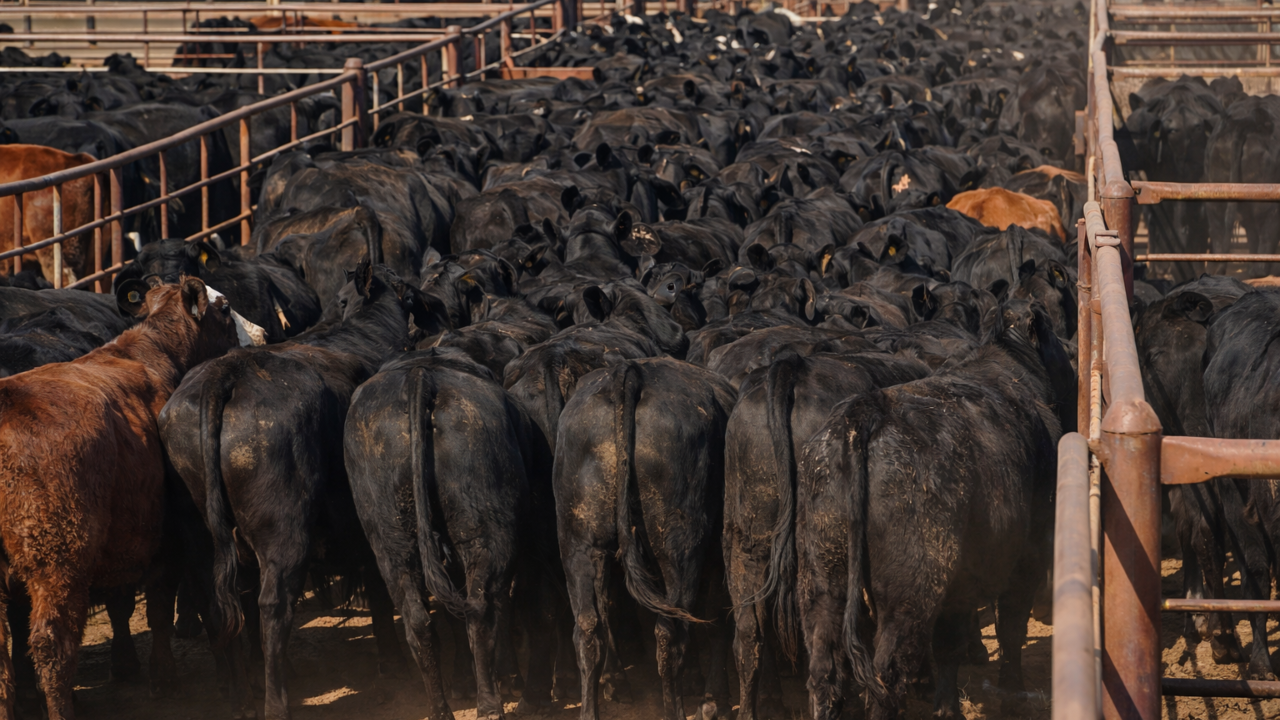
In the hot spring of 2025, Texas ranchers saw their green pastures turn dry and bare overnight. This happened from the Rio Grande Valley to the Gulf Coast. These fields support the country’s biggest cattle herds. Agriculture experts quickly started looking into the problem, called pasture dieback.
Ranchers rely on these grasses to feed their animals and make hay. The sudden change worried everyone because it could raise food costs for livestock and limit how many animals they can keep.
Why It’s a Big Problem
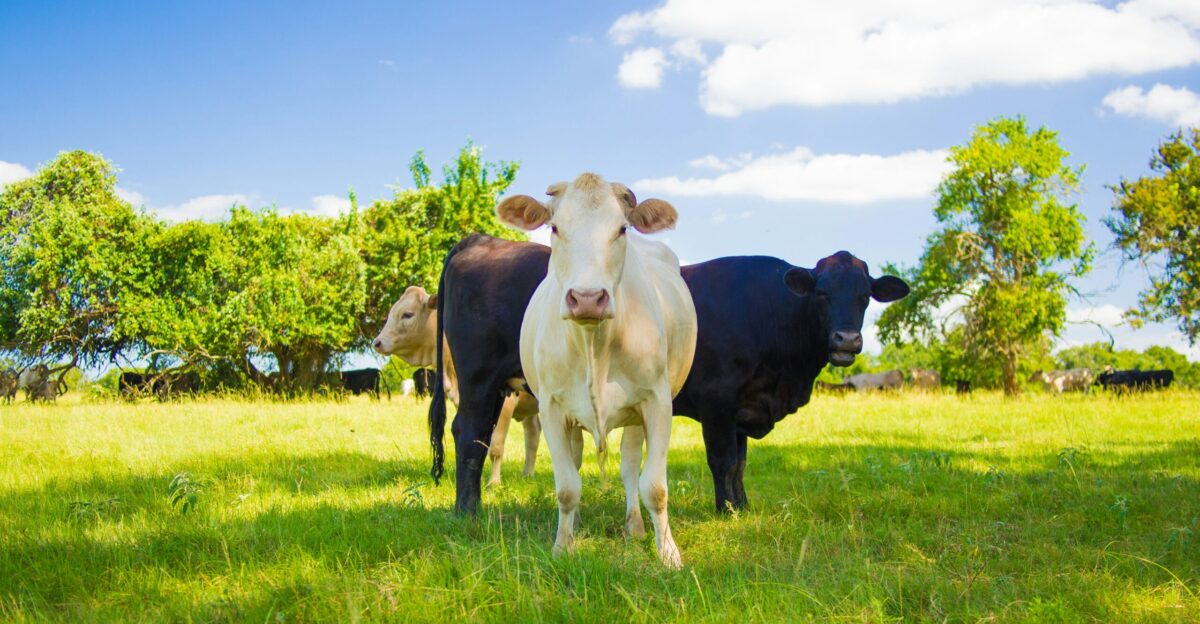
Texas uses grasses like Bermuda grass for grazing cows and cutting hay. The southeastern parts of the state make about $300 million a year from this in 21 counties that got hit. If the issue spreads, it could cause big losses in animal feed.
Experts from Texas A&M AgriLife Extension say the damage is widespread. Without quick action, ranchers might struggle to feed their herds. This threatens farms that depend on healthy pastures.
The Pest Behind the Damage
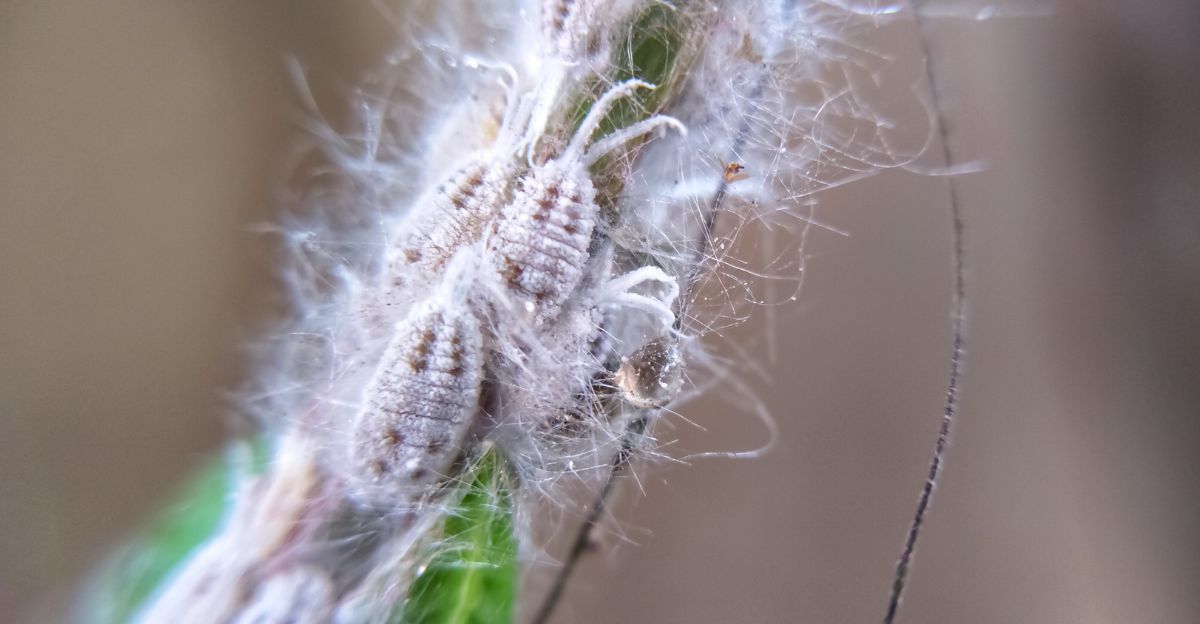
The guilty bug is the pasture mealybug, named Heliococcus summervillei. It’s a tiny white, fuzzy insect, just 2 to 5 millimeters long. People first found it in Australia in 1928. Around the world, it has destroyed millions of acres in warm, wet areas.
This pest sucks juice from grass plants. It leaves behind a sticky honeydew that grows black mold. It also spits toxic saliva that kills plants and lets other diseases move in. Grasses turn yellow and brown in as little as one week, even if there are not many bugs.
The mealybugs hide in the soil or under animal waste. They target Bermuda grass, Bahia grass, Johnsongrass, sorghum-sudangrass, bluestems, and St. Augustine grass. They skip over bean plants, but they ruin common grass mixes along the Gulf Coast.
First Signs and Spread Alert
People first reported the problem in mid-April 2025 from southern Texas counties. At first, they thought it was a different mealybug already known there. Tests and checks by the USDA showed it was a new pest in North America.
On December 10, 2025, Texas Agriculture Commissioner Sid Miller warned about 21 counties. These include Cameron, Hidalgo, Willacy, Refugio, Calhoun, Victoria, Goliad, DeWitt, Lavaca, Fayette, Jackson, Matagorda, Brazoria, Galveston, Wharton, Colorado, Austin, Washington, Burleson, Brazos, and Robertson. Most cases show up along the path from Houston to the coast and in the Rio Grande Valley. These spots raise cattle, grow hay, and produce turfgrass.
The bugs spread fast. Females live through winter in the soil. Each one lays almost 100 babies in 24 hours during a 45-to-47-day life cycle. Wind, farm machines, cows, and tools carry them to new places.
Ranchers Feel the Impact
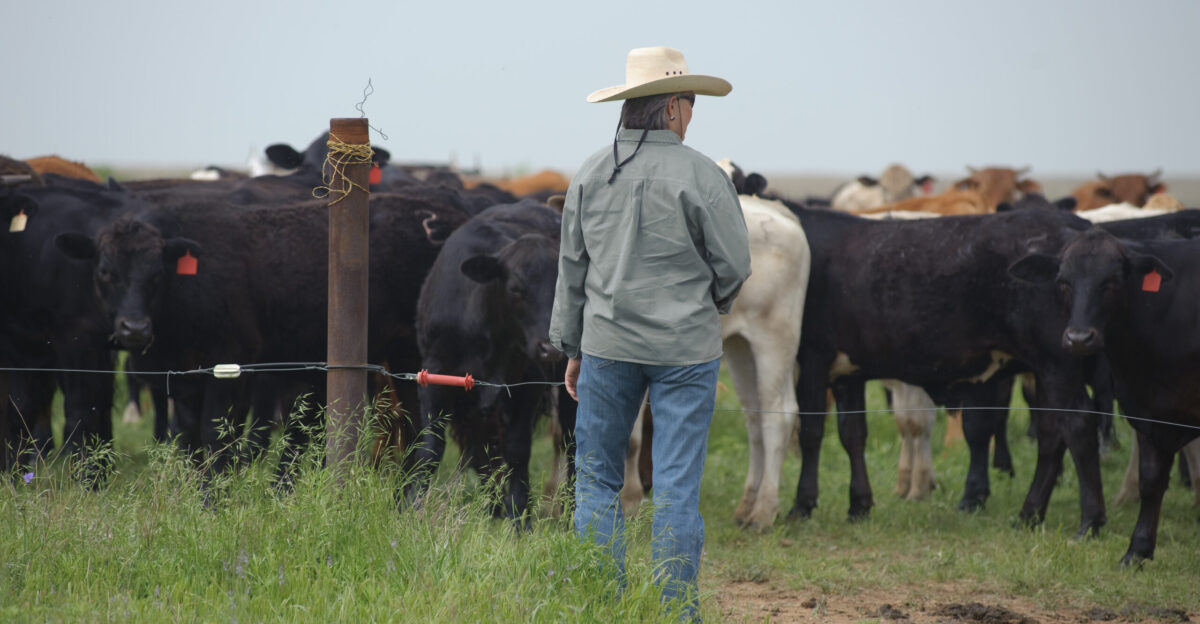
In counties like Victoria and Brazoria, hay fields went yellow and then brown, even with plenty of rain. One expert, Texas A&M entomologist Stephen Biles, saw a 7-to-8-acre field die completely. Ranchers now face high costs to replace lost hay and replant fields.
Hidden bugs keep popping up from the soil. This makes it hard to spot and stop them early. Producers worry about their whole operations as feed runs short.
How Officials Are Responding
The Texas Department of Agriculture, Texas A&M AgriLife Extension, and USDA’s Animal and Plant Health Inspection Service work together. They map where the pest spreads and ask for reports. Call 1-800-TELL-TDA or visit local offices to report issues.
No bug sprays approved for this pest work well yet. Tests show some chemicals fail and even kill helpful insects that eat pests. Other ideas include heavy grazing, mowing short, plowing soil, burning fields, or changing fertilizers. But none have proven results just for Texas.
Experts suggest cutting extra nitrogen fertilizer and using more phosphorus to help grass recover. Ranchers must decide based on each field’s costs, since there are no set bug-count limits. Quick reports help contain the spread.
Looking Ahead to Challenges
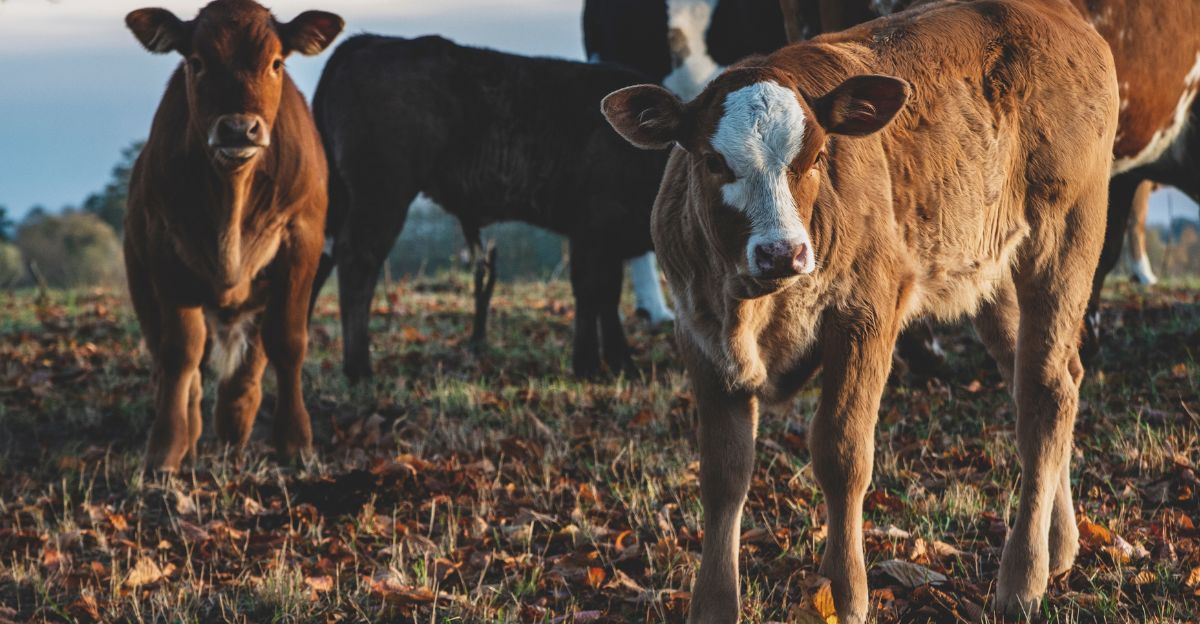
Up to 500,000 to 1 million cattle and horses in these areas could face food shortages. As many as 2 to 3 million acres of grass are at risk. Texas learns from Australia’s 100 years of fighting this pest. Researchers test natural enemies and grasses that resist the bugs.
They also watch for side problems like soil erosion, weed takeovers, and fields turning from grass to broadleaf plants. Fast reporting is the best way to stop it from growing. If not controlled, it could hurt Texas’s $20 billion livestock business into 2026 and later. This tests how well the state handles new invasive pests.
Sources
Texas A&M AgriLife Extension
Texas A&M AgriLife Today
Texas Department of Agriculture
Texas A&M Mid-Coast IPM
Hay & Forage Grower
Fox26Houston
KHOU-TV Houston
Texas Standard
USDA Animal and Plant Health Inspection Service (APHIS)