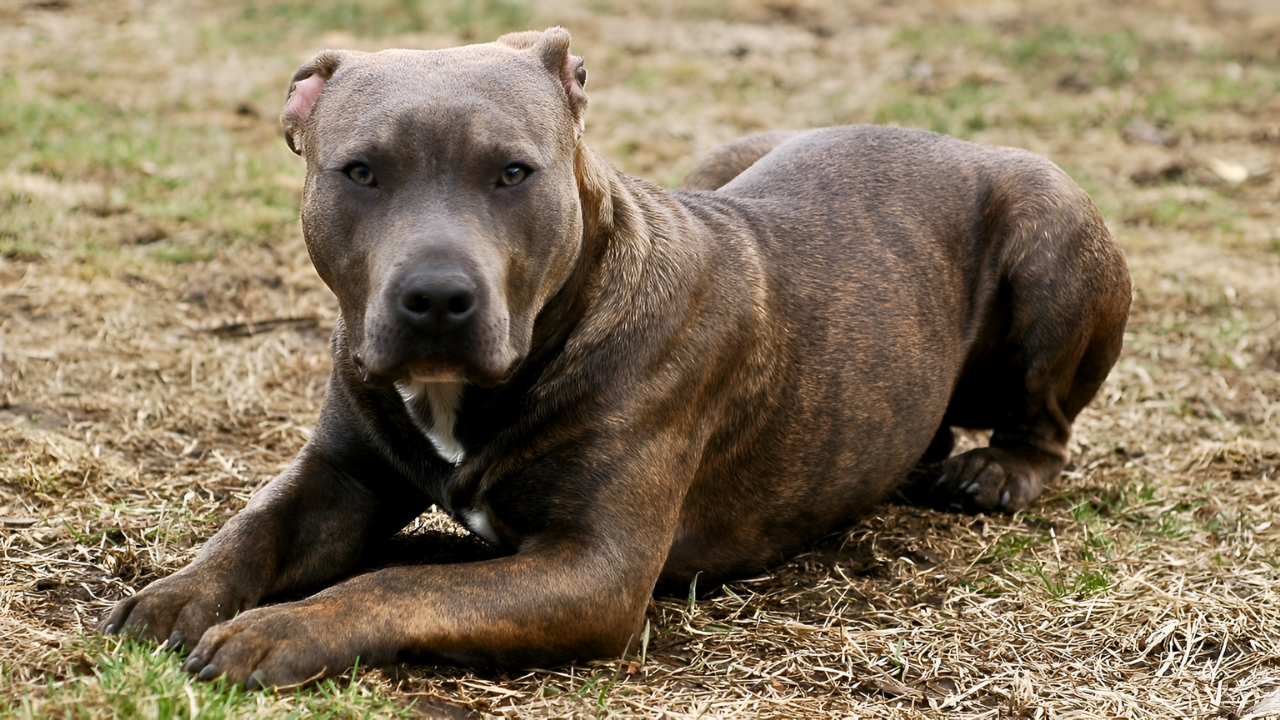
Every year, animal shelters across the U.S. notice the same troubling pattern. Certain dog breeds are surrendered again and again, often by loving families who felt unprepared. Veterinarians say these dogs are not bad pets, but poor matches. Hidden costs, energy demands, and health risks catch owners off guard. Understanding which breeds struggle most can prevent heartbreak. Let’s look closer.
Why Veterinarians Are Sounding the Alarm
Veterinary clinics and shelters report rising surrender rates within months of adoption. These cases are rarely about neglect or cruelty. Instead, owners feel overwhelmed by exercise needs, behavioral challenges, or unexpected medical bills. Preventive care alone can reach $500-$2,000 annually for some breeds. Shelter intake notes often cite “too much energy” or “not what we expected.” The pattern keeps repeating.
The Financial Reality Nobody Expects
Many dogs labeled “easy” come with severe hidden expenses. Some breeds face genetic conditions requiring surgeries costing $3,000-$8,000. Grooming can exceed $600-$1,200 annually, while professional training reaches $1,500-$5,000. Veterinarians note heart disease affecting 30% of one popular breed. Pet insurance rarely covers inherited risks. These predictable costs shock families after adoption.
Space, Exercise, And A Hard Reality Check
Some popular breeds require 2-3 hours of intense daily exercise. Veterinarians frequently see exhausted owners returning dogs within weeks. Dogs bred for work do not adapt easily to apartment life. Without stimulation, boredom leads to destruction, escape attempts, and anxiety. Honest self-assessment matters before adoption. When activity needs are ignored, frustration grows for dogs and families alike.
The Breeds Most Often Returned To Shelters
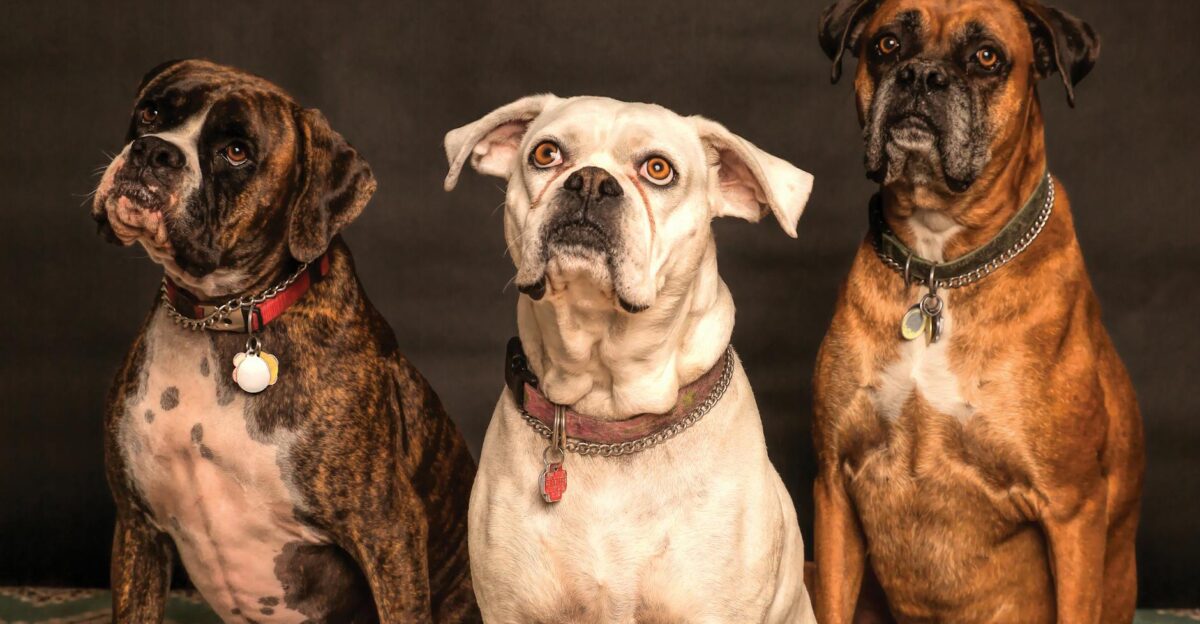
Veterinarians and shelter workers repeatedly flag the same breeds for surrender. These dogs are not dangerous or defective. The issue is mismatch. Expectations clash with reality, especially around health, training, and lifestyle demands. Each breed below comes with specific challenges many families underestimate. Knowing these risks helps prevent regret and prepares committed owners properly. Here are the 15 breeds.
1. Cavalier King Charles Spaniel

Cavalier King Charles Spaniels face severe genetic heart disease. Mitral valve disease affects 30.9% of the breed, with nearly half impacted by age 10. Lifetime cardiac care can cost $3,000-$10,000. Veterinarians report owners overwhelmed by medication schedules and emergencies. Norway restricted breeding due to suffering severity. Shelters see surrenders driven by emotional and financial strain.
2. Dachshund (Miniature)
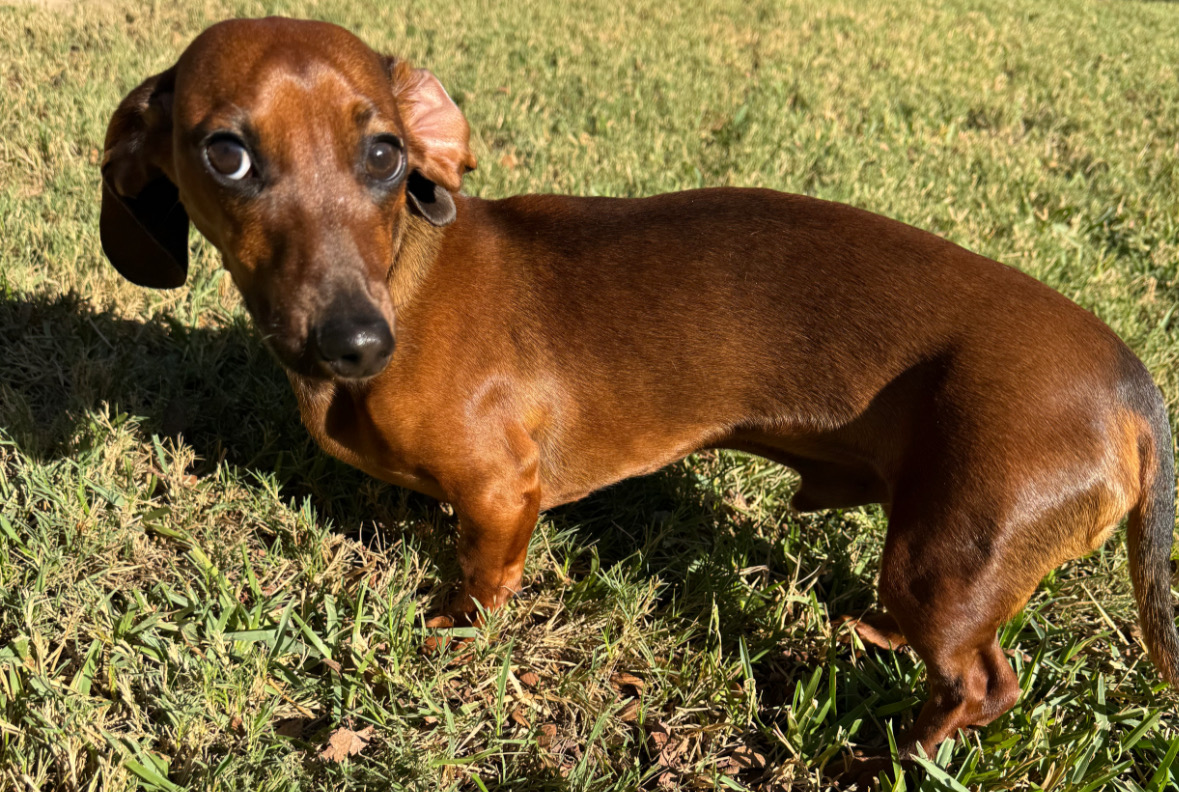
Miniature Dachshunds carry a high risk of intervertebral disc disease, which can cause sudden paralysis. Emergency spinal surgery averages $5,018 and can reach $41,850. Weight control is critical, yet difficult. Jumping and rough play raise injury risk. Veterinarians describe devastated owners facing impossible decisions overnight. Many Dachshunds are surrendered after repeated injuries or mounting costs.
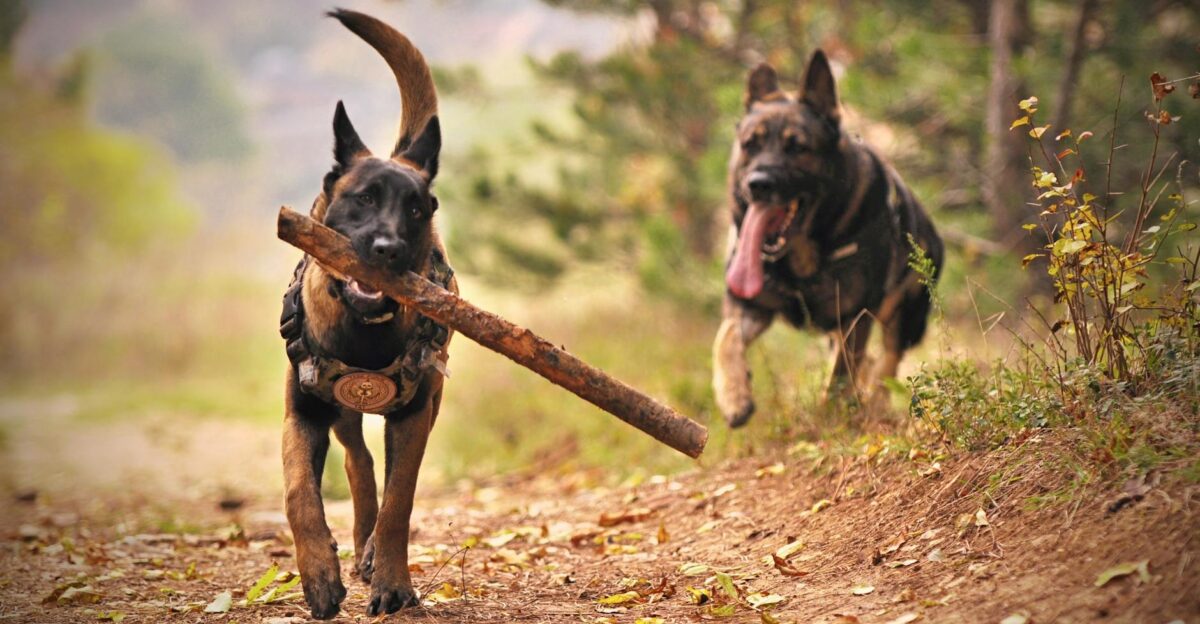
3. Belgian Malinois
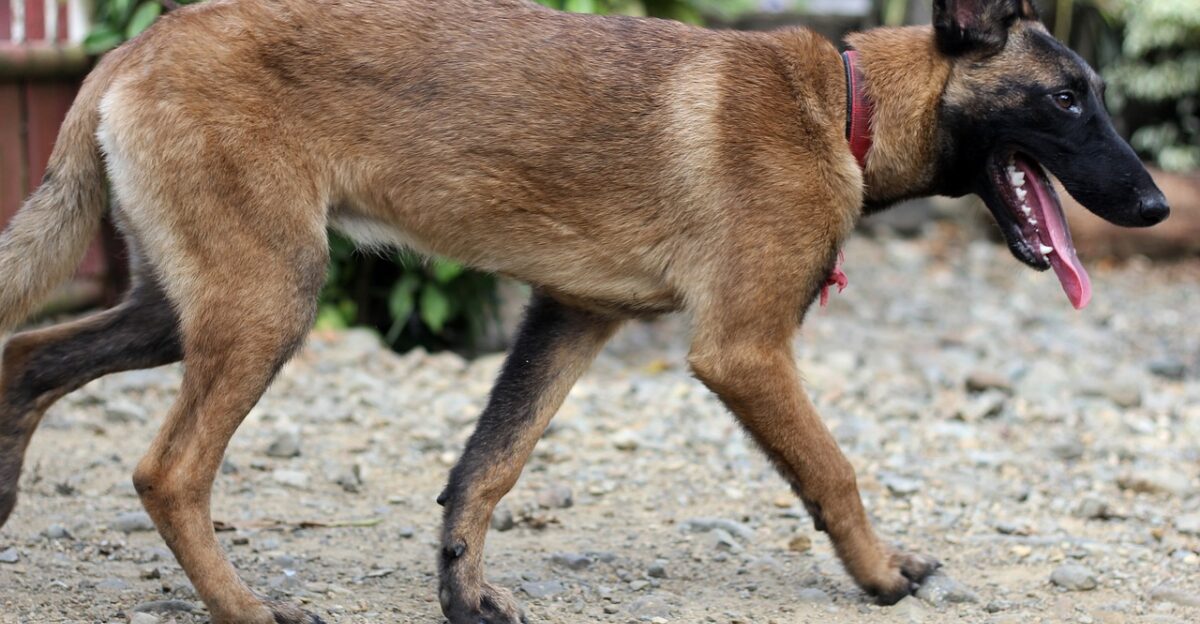
Belgian Malinois were bred for military and police work, not casual pet homes. They need 2-3 hours of daily exercise plus mental training. Without it, anxiety and destructive behaviors emerge. These dogs easily scale 6-foot fences and develop obsessive tendencies. Veterinarians report overwhelmed owners surrendering them quickly. High intelligence amplifies problems when stimulation falls short.
4. Siberian Husky
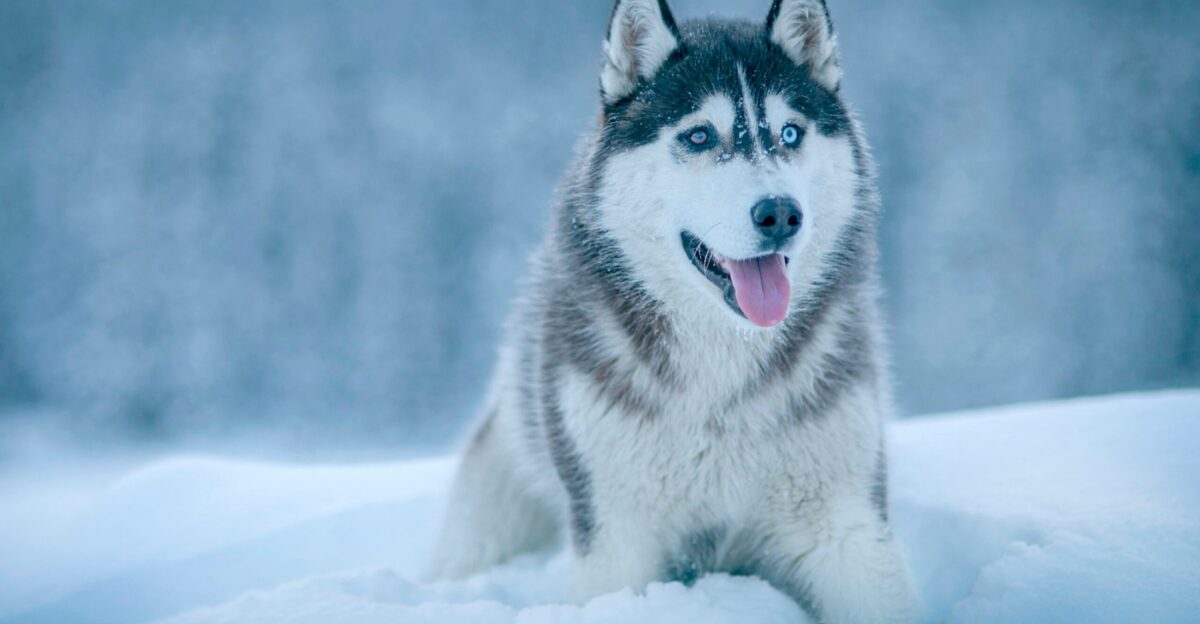
Siberian Huskies were designed to run vast distances daily. Suburban living rarely meets their needs. They dig, jump fences, and ignore recall when prey instincts activate. Thick coats require heavy grooming and shed intensely twice yearly. Veterinarians see surrenders after repeated escapes or neighborhood disputes. Owners underestimate supervision demands until damage and exhaustion set in.
5. Chinese Shar-Pei
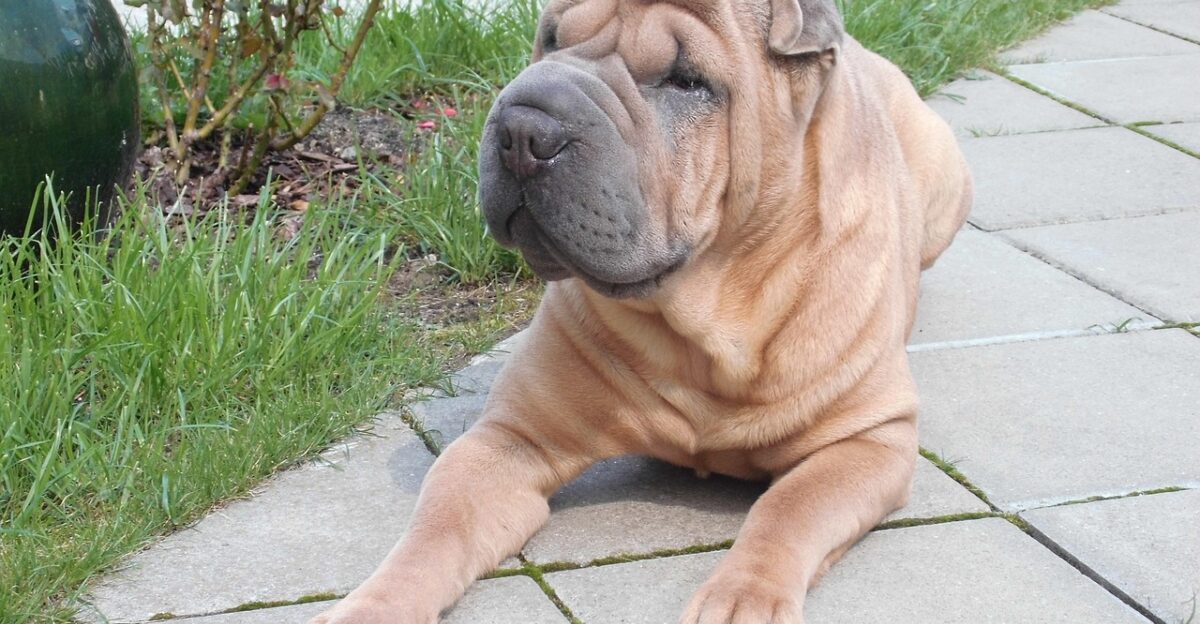
Chinese Shar-Peis require intensive skin care due to deep wrinkles. Moisture buildup causes chronic infections costing $500-$2,000 annually. Frequent ear cleaning and dermatology visits surprise many owners. The breed also faces hip dysplasia, eye disorders, and bloat risk. Independent temperaments complicate training. Shelters see Shar-Peis surrendered once medical upkeep becomes overwhelming and constant.
6. Cocker Spaniel
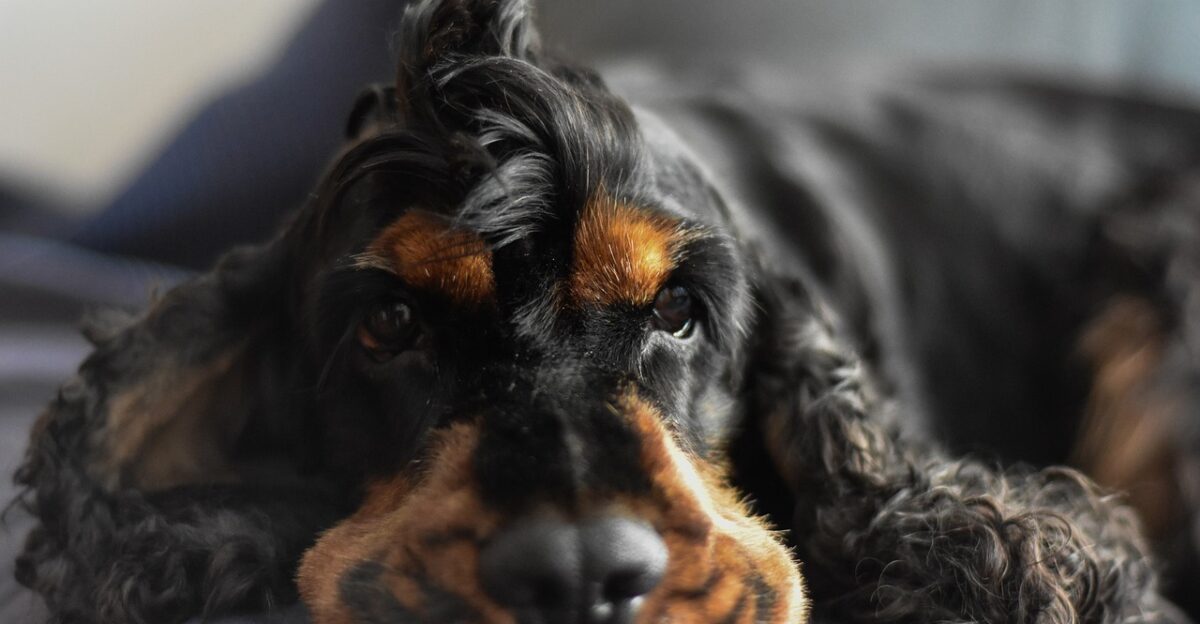
Cocker Spaniels suffer from chronic ear infections caused by floppy ears and moisture retention. Repeated treatments strain finances and patience. Some lines show anxiety or aggression, especially solid-colored males. Grooming every 6-8 weeks costs $400-$700 annually. Veterinarians observe families unprepared for long-term care. Shelters regularly receive surrendered Cockers after medical and grooming fatigue.
7. Pit Bull-Type Breeds
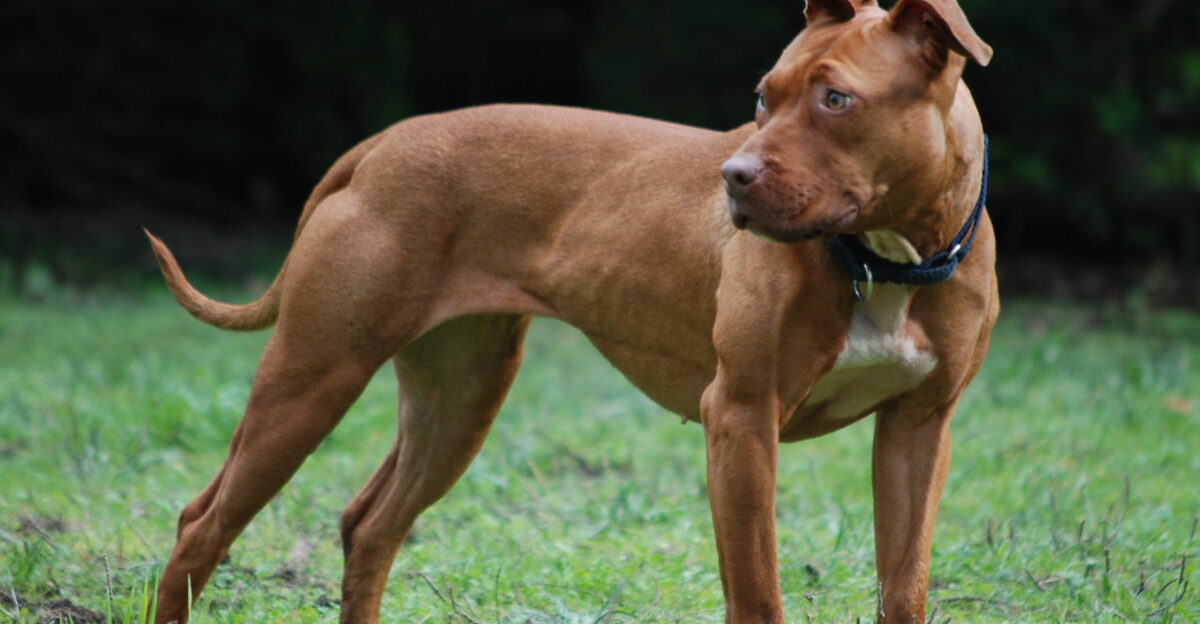
Pit Bull-type breeds face ownership challenges beyond temperament. Their strength requires confident, experienced handlers. Many cities restrict ownership, complicating housing and insurance. Veterinarians report surrenders linked to leash control issues and dog aggression from poor socialization. Shelter data consistently shows high return rates. Owners often underestimate legal, physical, and training responsibilities until problems escalate.
8. Beagle

Beagles follow their noses above all else. Strong scent drives override training, leading to escapes and wandering. Veterinarians hear frequent surrender stories after lost dogs or neighbor complaints. Their hunting bark causes noise disputes. Stubborn independence frustrates first-time owners. Training requires patience many lack. Shelters regularly house Beagles surrendered by families unable to manage instincts bred for pursuit.
9. German Shepherd (Working Lines)
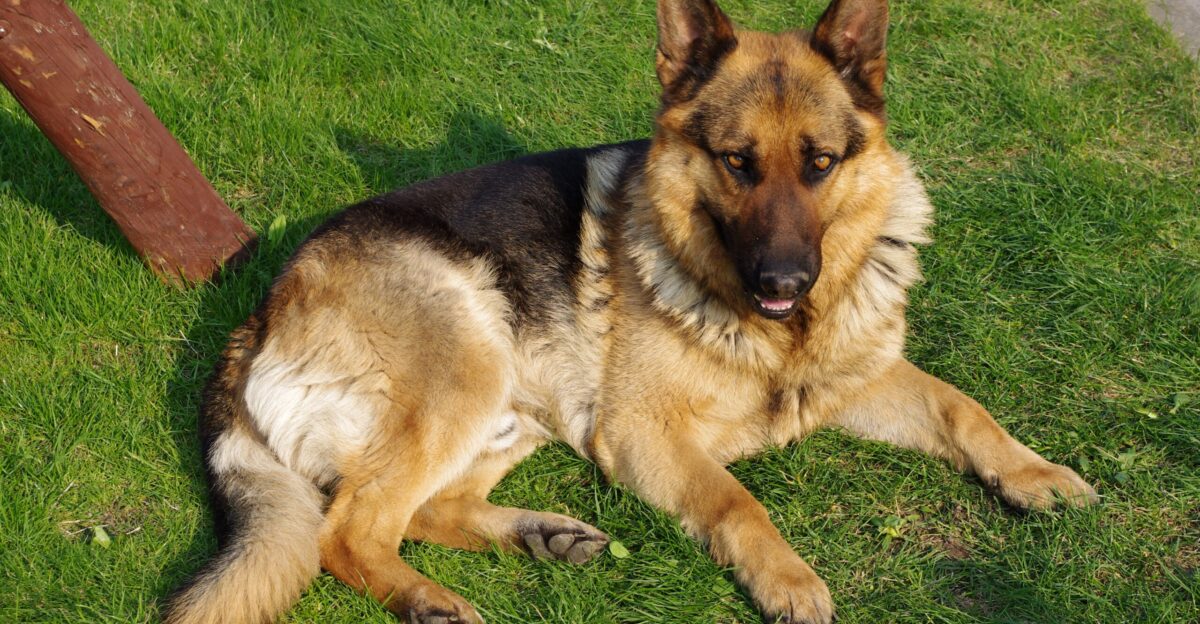
Working-line German Shepherds possess intense drive and energy unlike show lines. They require 1-2 hours daily exercise plus advanced mental work. Professional training costs $1,500-$5,000. Without structure, anxiety and territorial aggression emerge. Veterinarians report owners overwhelmed by neurotic behaviors. Shelters see surrenders from adopters attracted by prestige, not preparedness.
10. Goldendoodle And Similar Hybrids
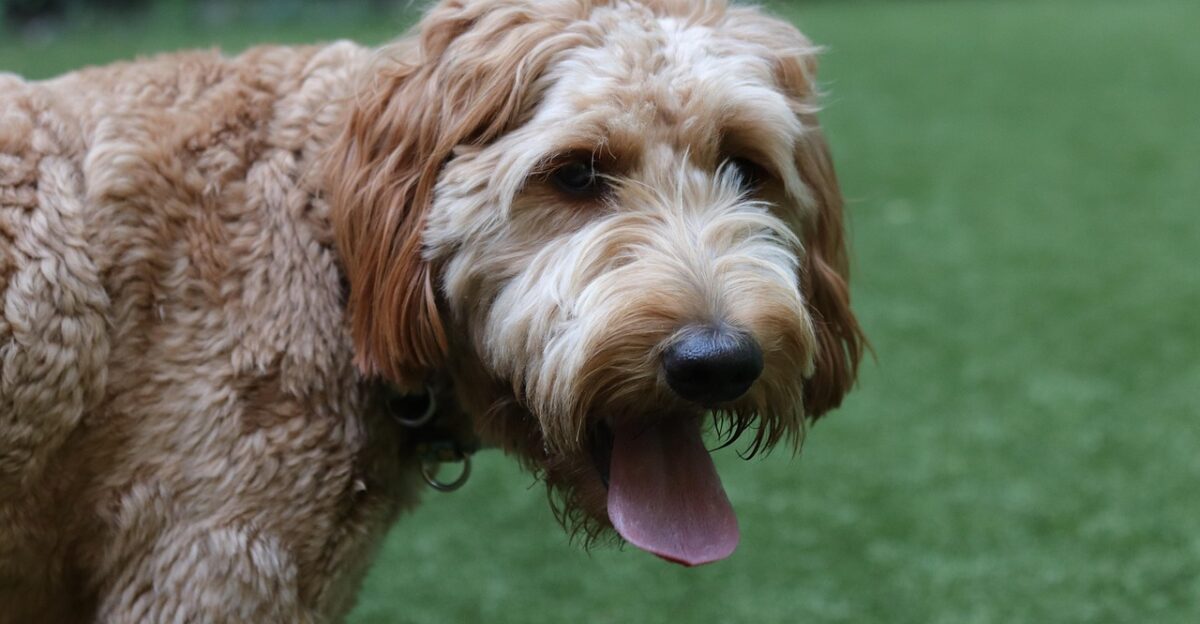
Goldendoodles are often marketed as hypoallergenic and easy. Reality proves different. Hip dysplasia affects 15-20%, and behavior traits are unpredictable. Grooming every 6-8 weeks costs $600-$1,200 annually. Allergies still occur. Veterinarians report anxiety, barking, and guarding issues. Many owners feel misled after adoption.
11. Rottweiler
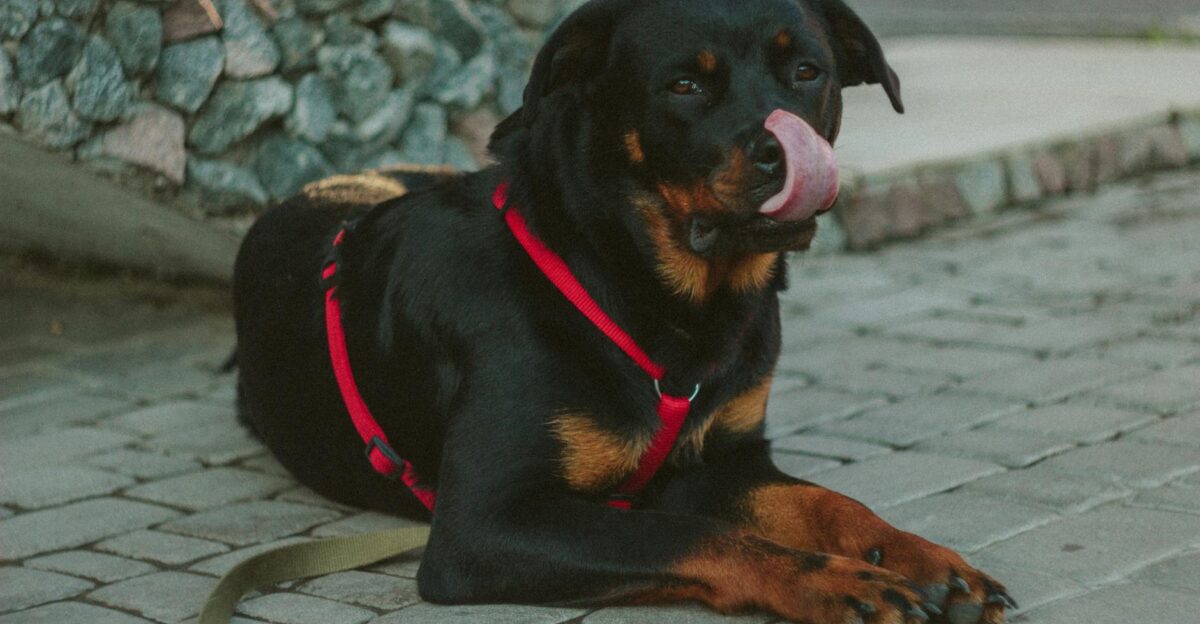
Rottweilers need experienced owners capable of managing power and protective instincts. Poor leadership leads to aggression or social problems. Veterinarians see surrenders after owners misjudge temperament. Insurance premiums are often higher or denied. Some municipalities restrict ownership. When socialization lapses, liability concerns rise quickly. Shelters regularly receive Rottweilers surrendered out of fear and overwhelm.
12. Alaskan Malamute
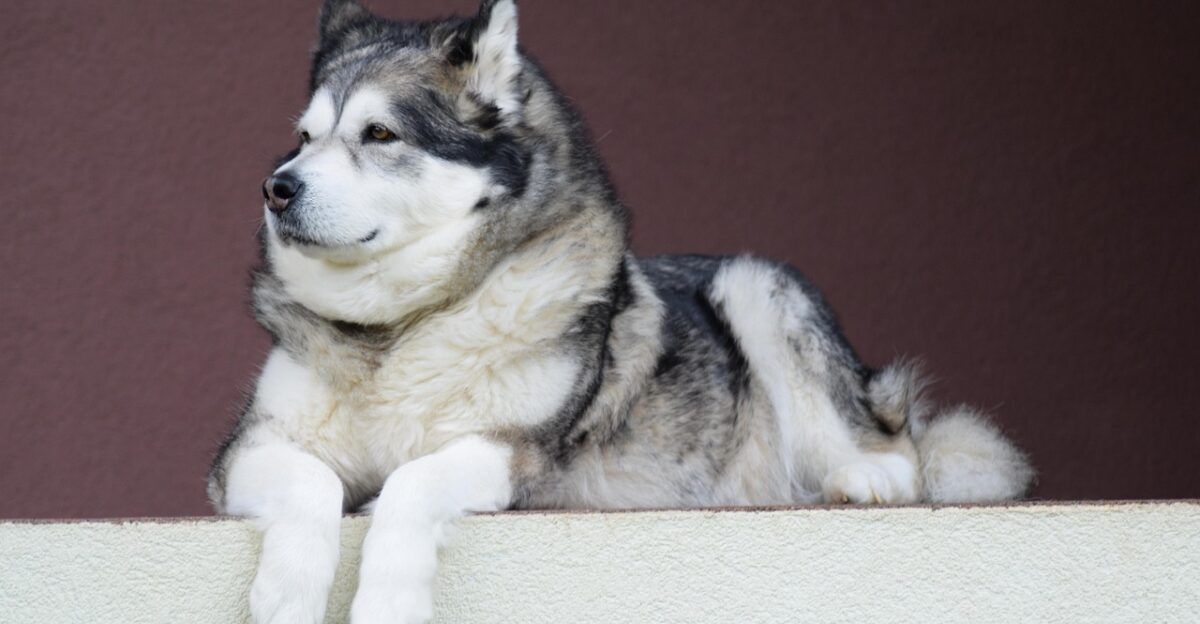
Alaskan Malamutes were bred for pulling sleds, not quiet homes. Their size and strength demand skilled handlers. Thick coats shed heavily and require grooming. Prey drive is intense, creating risks for smaller animals. Apartment living rarely works. Veterinarians report families unprepared for power and escape behavior. Shelters receive Malamutes surrendered due to containment failures.
13. Akita Inu
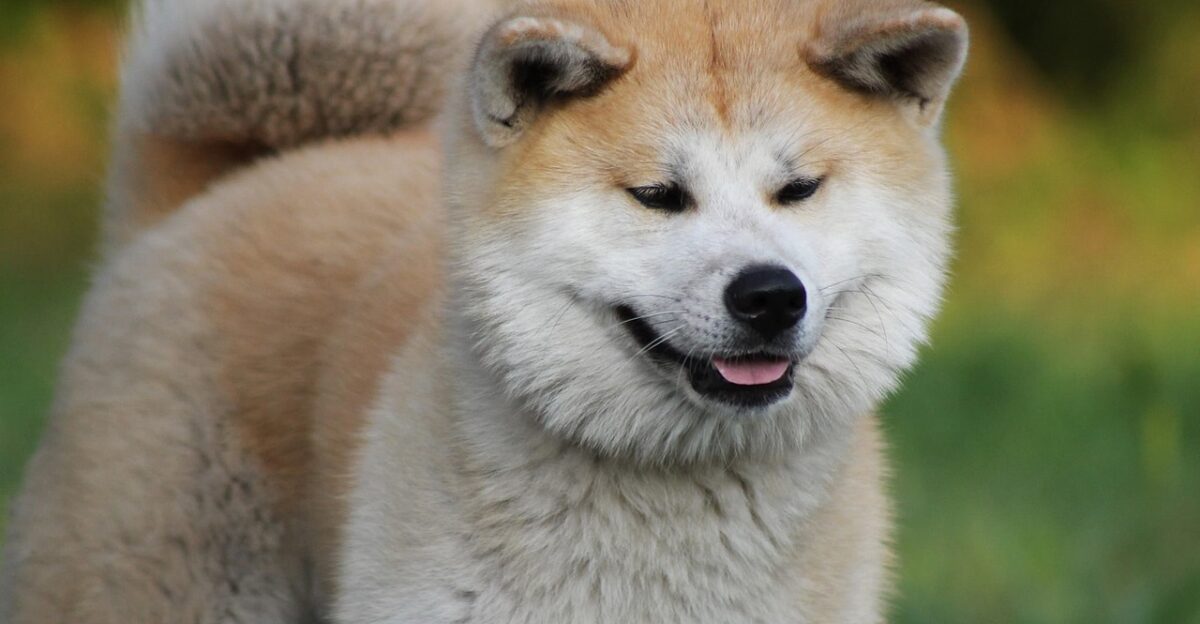
Akitas are independent, territorial, and powerful, often exceeding 100 pounds. They require experienced handlers and strict early socialization. Without it, aggression toward dogs and people can appear suddenly. Veterinarians warn first-time owners face serious surprises. Behavioral issues quickly become safety concerns. Legal liability increases. Shelters consistently receive surrendered Akitas from homes unprepared for complexity.
14. Chihuahua
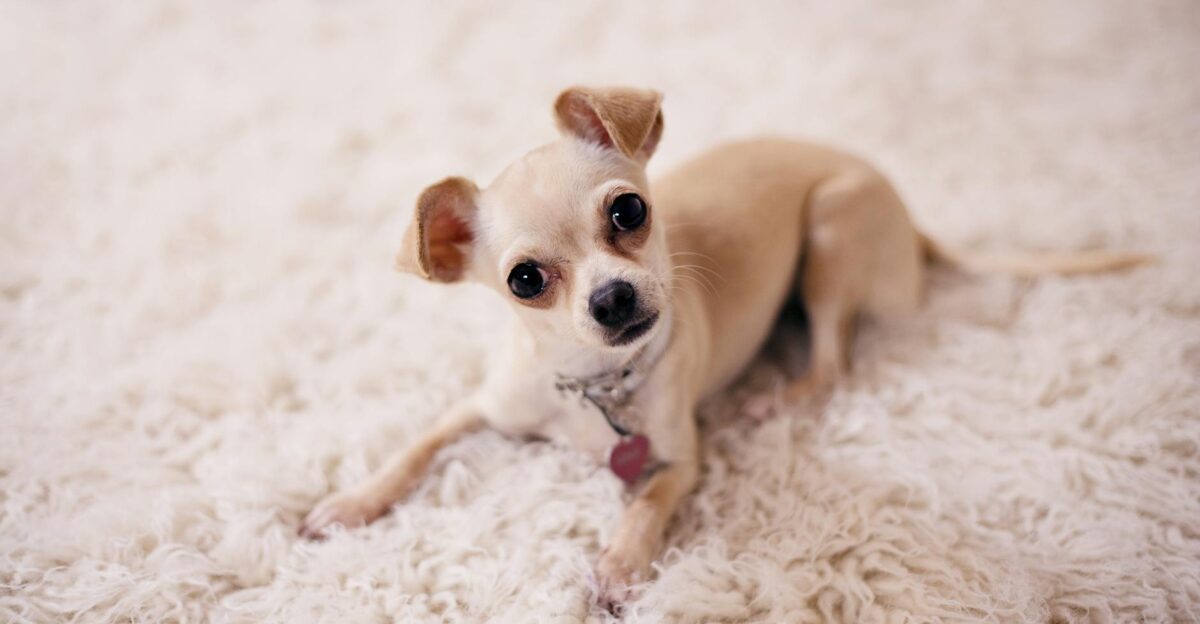
Chihuahuas may be small, but behavioral risks are high. Studies show 4.2% display aggression, higher than most breeds. Families with children often surrender them after bites or snapping. Fragility increases defensive behavior. Owners frequently skip training due to size. Shelters overflow with Chihuahuas surrendered from multi-pet or child-heavy households where boundaries failed.
15. Chow Chow
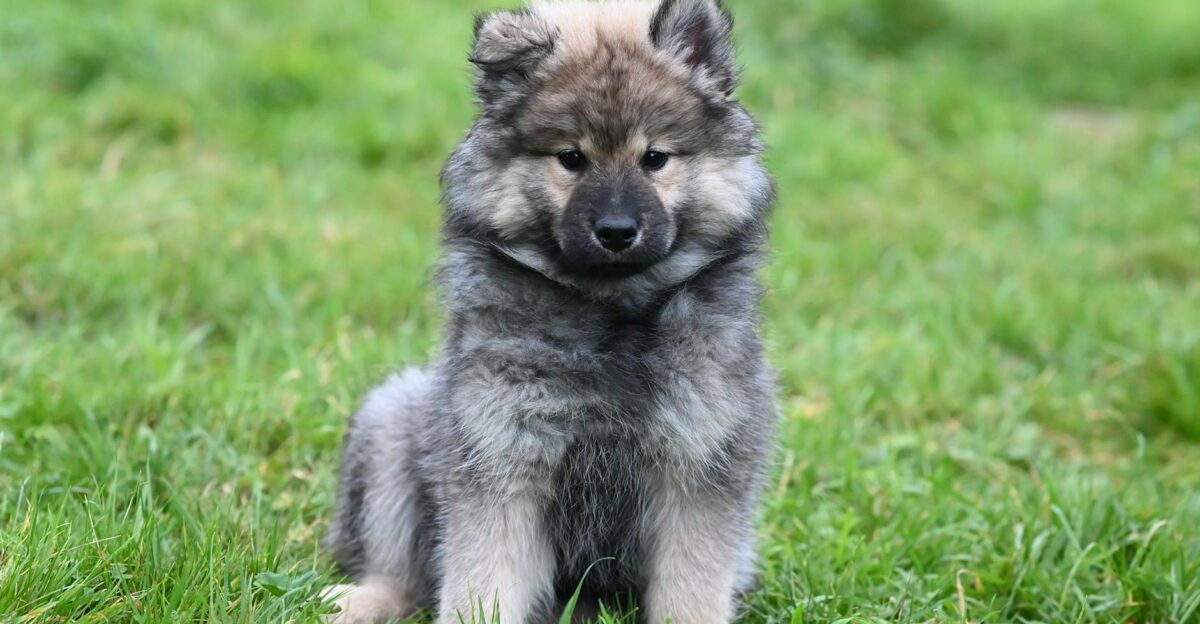
Chow Chows are aloof, independent, and selective with affection. Many bond to only one person. Thick coats require grooming every 6-8 weeks costing $400-$600 annually, about ZAR 6,800-ZAR 10,200. Aggression and guarding behaviors occur without socialization. Health risks include hip dysplasia and cancer. Shelters receive surrendered Chows from disappointed owners.
Sources:
“Dog Breeds and Conformations in the UK in 2019.” PubMed Central, 2023.
“Prevalence of Disorders Recorded in Cavalier King Charles Spaniels.” PubMed Central, 2015.
“Mitral Valve Disease and the Cavalier King Charles Spaniel.” Cavalier Health Organization, 2006.
“Why 90% of Belgian Malinois Owners Regret Their Decision.” YouTube, 2025.
“Veterinary Medicine: Small Animal Practice.” Journal of the American Veterinary Medical Association, 2024.
“IVDD Pet Insurance Coverage and Treatment Costs.” Bowwow Insurance, 2025.