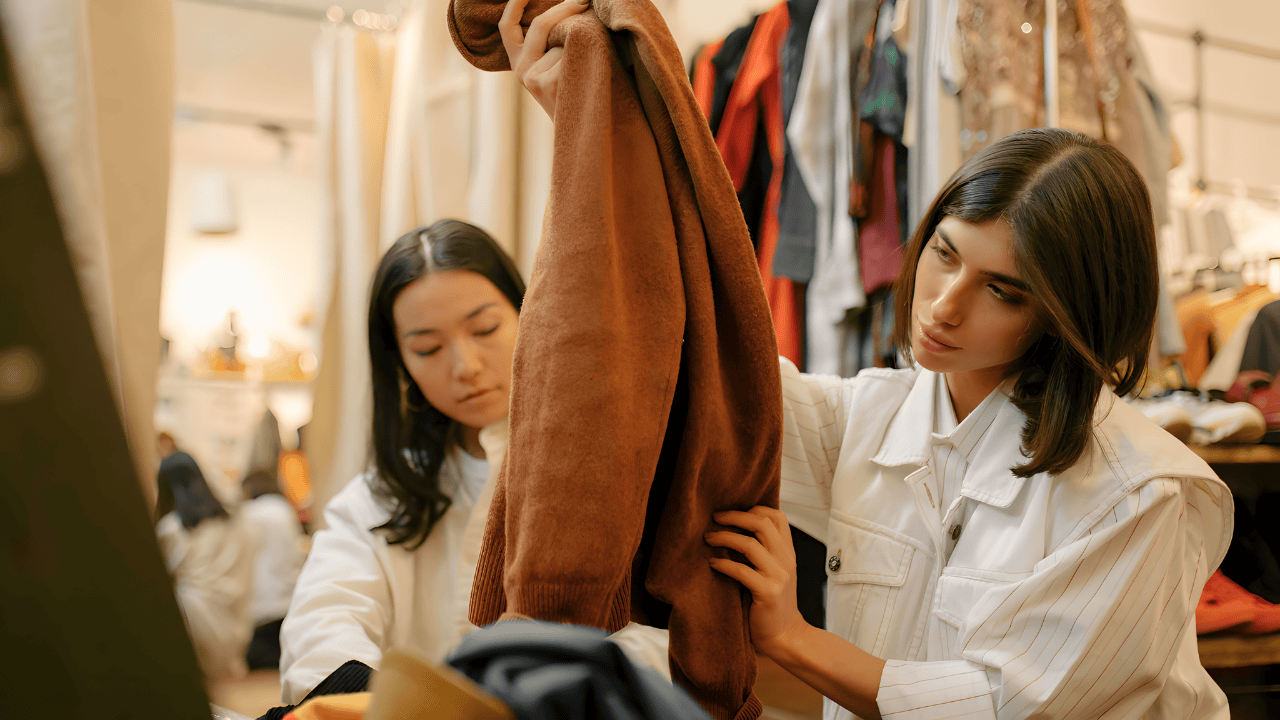
Fashion serves as a visible marker of generational identity, revealing fundamentally different priorities between age groups. Baby Boomers value practicality, comfort, and longevity in clothing choices, while younger generations prioritize aesthetics, current trends, and intentional style decisions.
This divide isn’t merely superficial—it reflects deeper economic conditions, cultural values, and life experiences that shaped each generation’s approach to wardrobe management and self-expression.
1. Cargo Shorts

Cargo shorts represent the ultimate practical garment with enough storage capacity to carry phones, wallets, keys, sunglasses, and more. Boomers love them for their functionality and multi-pocket design that eliminates the need for additional bags.
However, younger generations view cargo shorts as “bulky, unflattering, and scream ‘I’ve given up on fashion'”. The generational clash becomes particularly apparent at casual gatherings, where jingling coins and multi-tools evidence the stylistic disconnect.
Why Younger Generations Reject Cargo Shorts
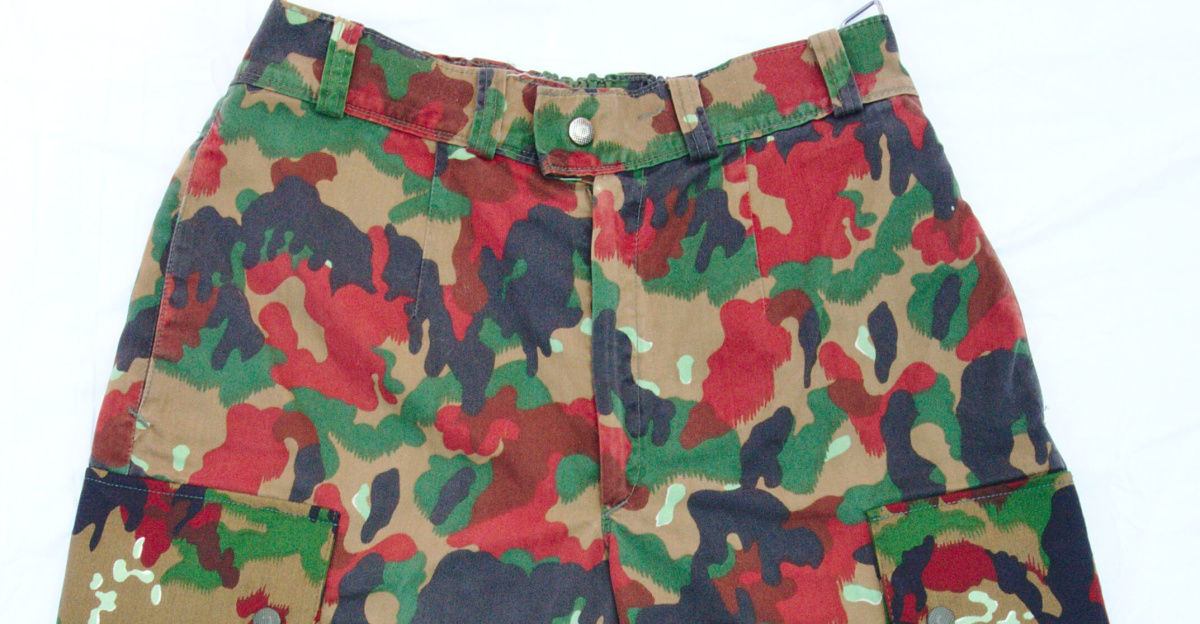
To Millennials and Gen Z, cargo shorts symbolize the opposite of contemporary fashion sensibilities. They represent outdated practicality over streamlined aesthetics that dominate modern style. The preference for minimalism and clean silhouettes in current fashion stands in stark contrast to the bulky, segmented design of traditional cargo shorts.
This rejection reflects younger generations’ desire to express intentional style choices rather than purely functional clothing decisions.
2. Pleated Front Pants
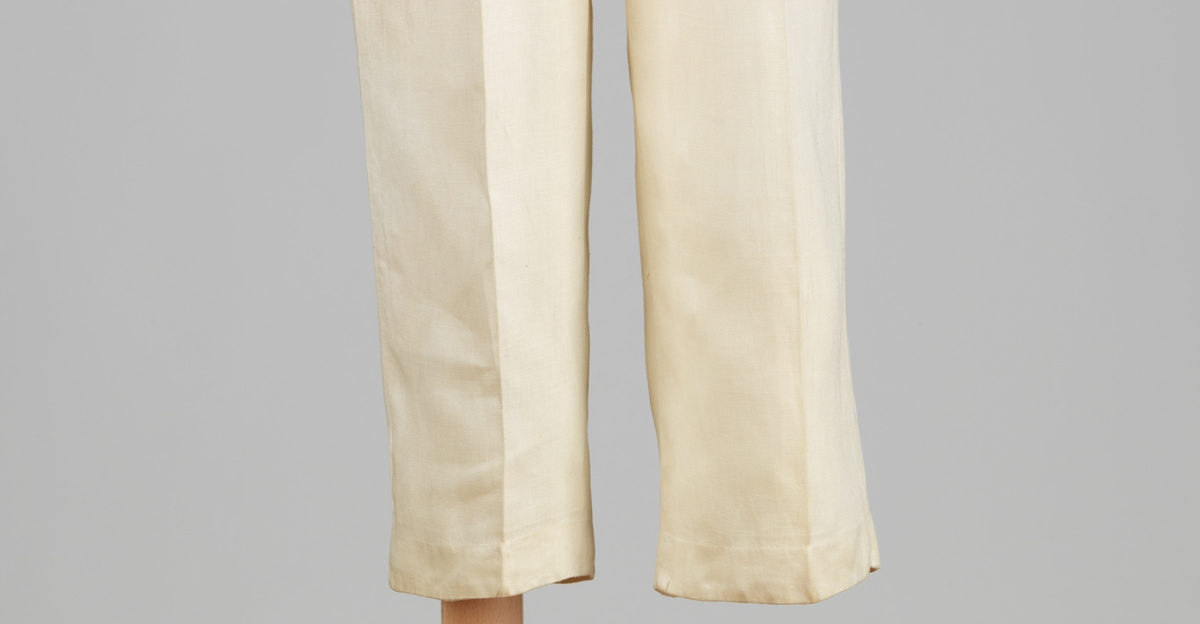
Pleated pants were ubiquitous in the 1980s and 1990s, offering extra fabric at the waistband for comfort and relaxed fit. Boomers continue wearing them because they remain comfortable, familiar, and often purchased decades ago when these styles dominated workplaces.
Modern fashion has decisively shifted toward clean lines and flat-front silhouettes that create sleeker visual profiles. The additional fabric created by pleats adds visual bulk, making even slim individuals appear wider than they actually are.
The Retail Disconnect Over Pleated Pants
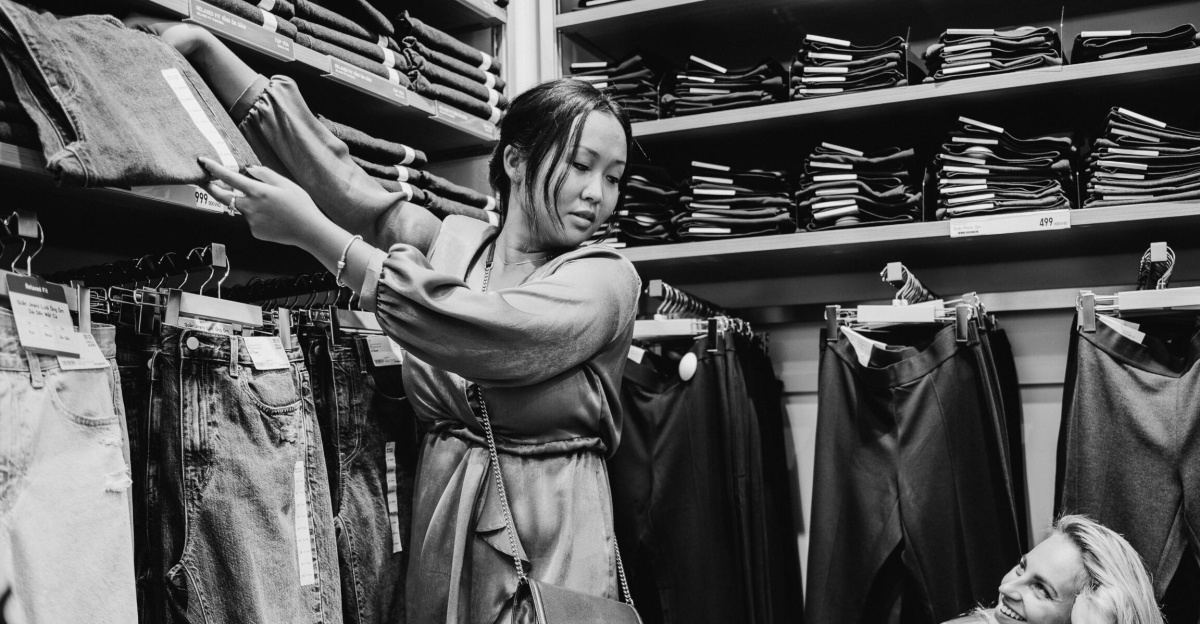
This style disconnect manifests in retail environments where younger sales staff attempt to redirect Boomer customers toward contemporary alternatives, often meeting confusion about why the distinction matters. To Boomers, pants are purely functional items that either fit or don’t fit—style implications seem secondary.
However, fashion operates on principles beyond mere function, encompassing visual proportion, silhouette trends, and contemporary aesthetics. This fundamental difference in how generations approach clothing choices creates an inevitable generational fashion gap.
3. Oversized Printed T-Shirts with Dated Graphics
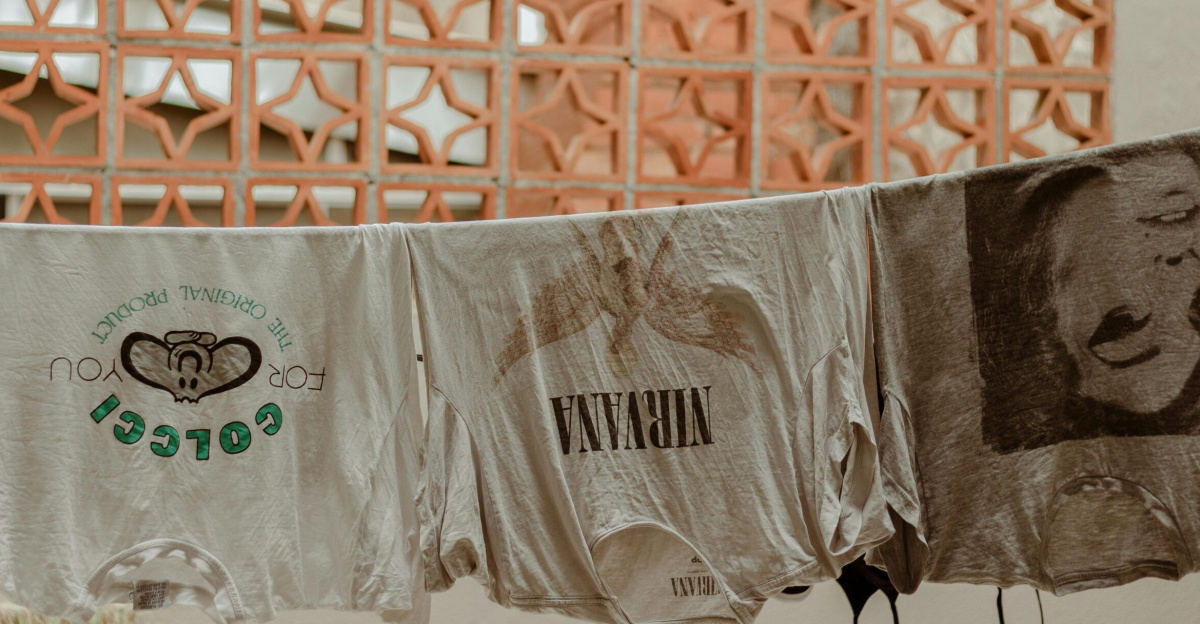
These aren’t the coveted vintage band tees commanding premium prices at trendy thrift stores. Instead, they’re XL shirts featuring cartoon animals playing golf, beach scenes with palm trees, sunsets, or aggressive eagle graphics.
Boomers accumulated these shirts from tourist shops, corporate events, and charity runs, viewing them as comfortable, broken-in favorites. Younger people gravitate toward fitted shirts with minimal graphics, if any at all, representing a complete aesthetic reversal from oversized graphic designs.
Why Graphic Tees Remain in Boomer Wardrobes
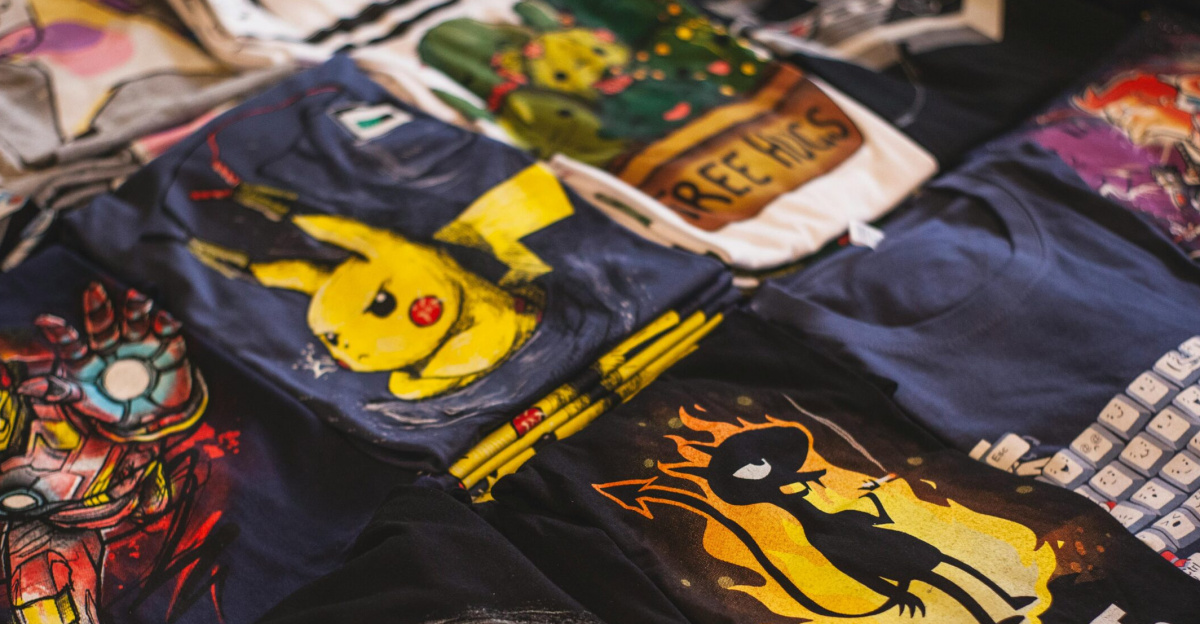
The comfort factor keeps these shirts in rotation for Boomers who see no logical reason to retire well-worn favorites. These shirts carry nostalgic value and sentimental memories of past events and experiences.
However, the oversized baggy aesthetic has cycled through fashion trends without these particular graphic tees ever achieving vintage status or contemporary acceptability. For younger generations, these shirts represent a style void that cannot be redeemed through irony or intentional retro appreciation.
4. White Athletic Sneakers
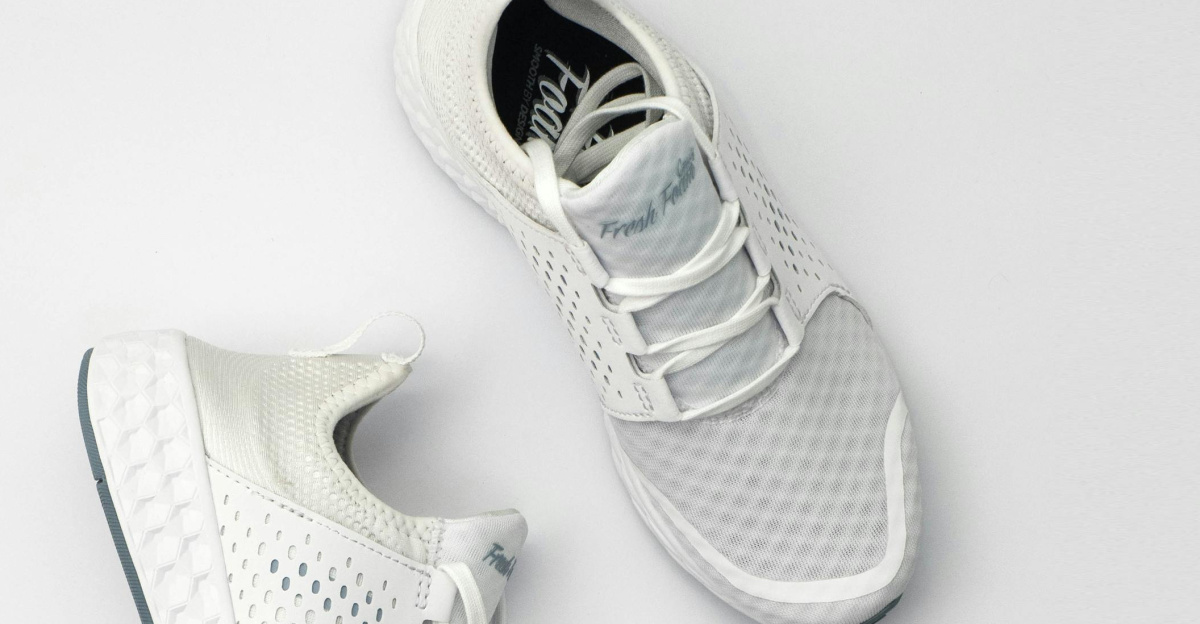
This style choice perfectly illustrates that concept trumps execution in fashion. While white sneakers have returned to fashion prominence, the specific type matters significantly in determining stylistic success.
Boomers typically wear chunky, heavily cushioned athletic shoes like New Balance 608s designed purely for comfort and support. These “dad shoes” represent performance footwear prioritizing biomechanical function over aesthetic refinement.
The Boomer Sneaker Aesthetic

Paired with medium-wash jeans and tucked-in polo shirts, the Boomer white sneaker combination creates a distinct aesthetic signaling “I’m ready for my morning mall walk”. This coordinated look communicates a specific lifestyle message that emphasizes comfort, practicality, and casual social activities.
In contrast, younger generations embrace minimalist white sneakers such as Common Projects or Adidas Stan Smiths—sleeker, simpler designs worn with intentional styling. The Boomer version isn’t inherently wrong; it simply communicates completely different lifestyle priorities and aesthetic values.
5. Vests Over Everything: The Boomer Uniform

Fleece vests, quilted vests, and fishing vests with numerous pockets have become something of a recognizable Boomer uniform. The appeal lies in their practicality—adding warmth without the commitment of a full jacket, ideal for transitional weather.
Boomers appreciate vests for layering flexibility and their ability to adapt to changing temperature conditions throughout the day. Additionally, vests provide functional storage without the bulk of a complete jacket, making them practical for various outdoor activities.
Why Younger Generations Avoid Vests

Younger people rarely incorporate vests into their wardrobes unless pursuing specific aesthetics, typically involving outdoor brands worn either ironically or as genuine hiking gear. The Boomer vest distinguishes itself by appearing over button-down shirts, sometimes even indoors, creating a recognizable uniform among suburban demographics.
This style choice has become so associated with a particular age group that younger generations instinctively avoid it to establish generational distance.
6. Jean Shorts That Hit Above the Knee
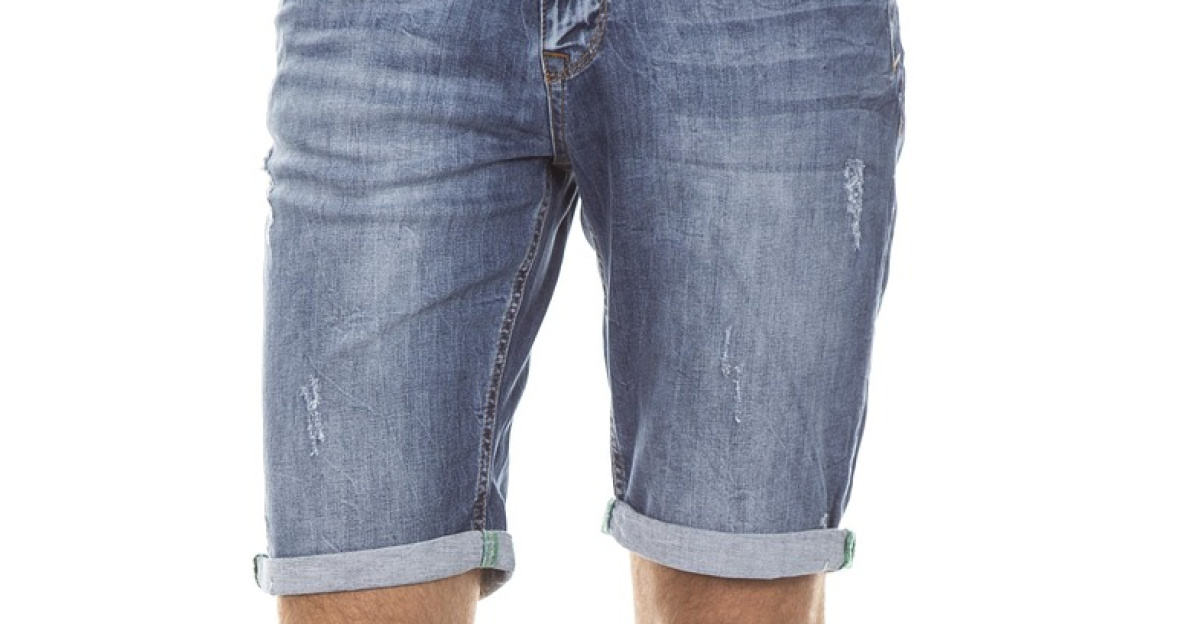
These aren’t the trendy short-shorts or carefully distressed denim popular in contemporary fashion. Boomer jean shorts are cut several inches above the knee with a relaxed fit and occasional cuff.
They serve multiple summer functions, transitioning seamlessly from yard work to casual outings without requiring wardrobe changes. Boomers appreciate the practicality of having one versatile garment suitable for various settings and activities.
The In-Between Length Problem
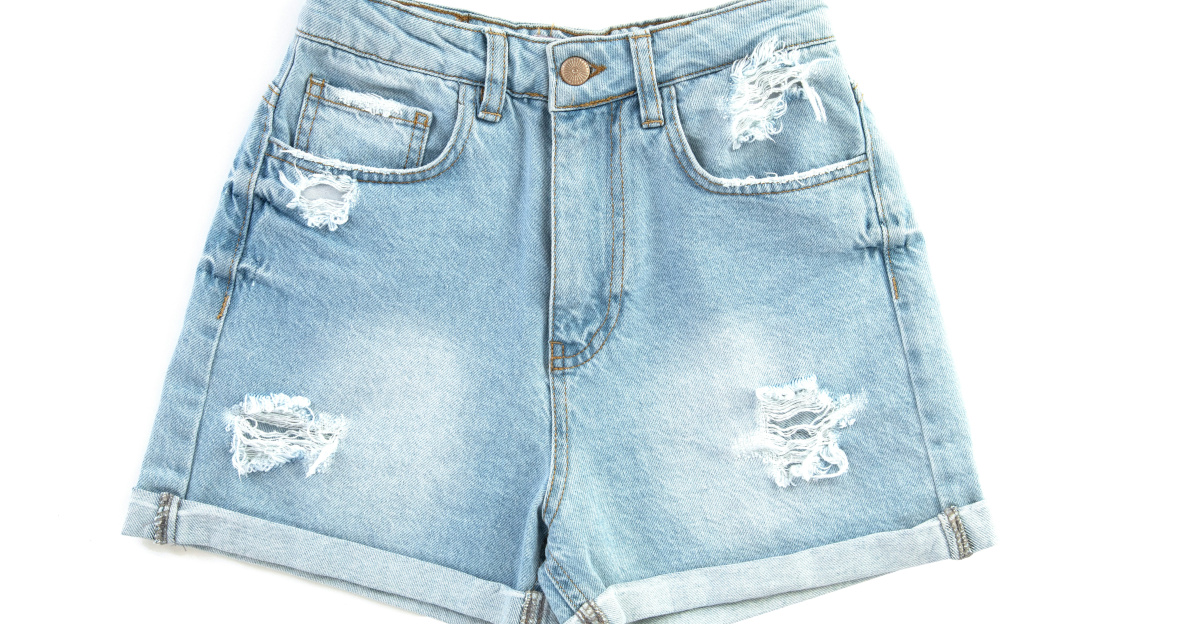
Younger generations prefer either longer shorts hitting at or just below the knee, or significantly shorter styles as deliberate fashion statements. The in-between length favored by Boomers, combined with roomier, straighter cuts rather than modern tapered silhouettes, creates an awkward middle ground incompatible with current trends.
This rejection reflects how fashion moves decisively in one direction, leaving in-between options stranded without contemporary relevance.
7. Logo Polo Shirts in Bright Colors
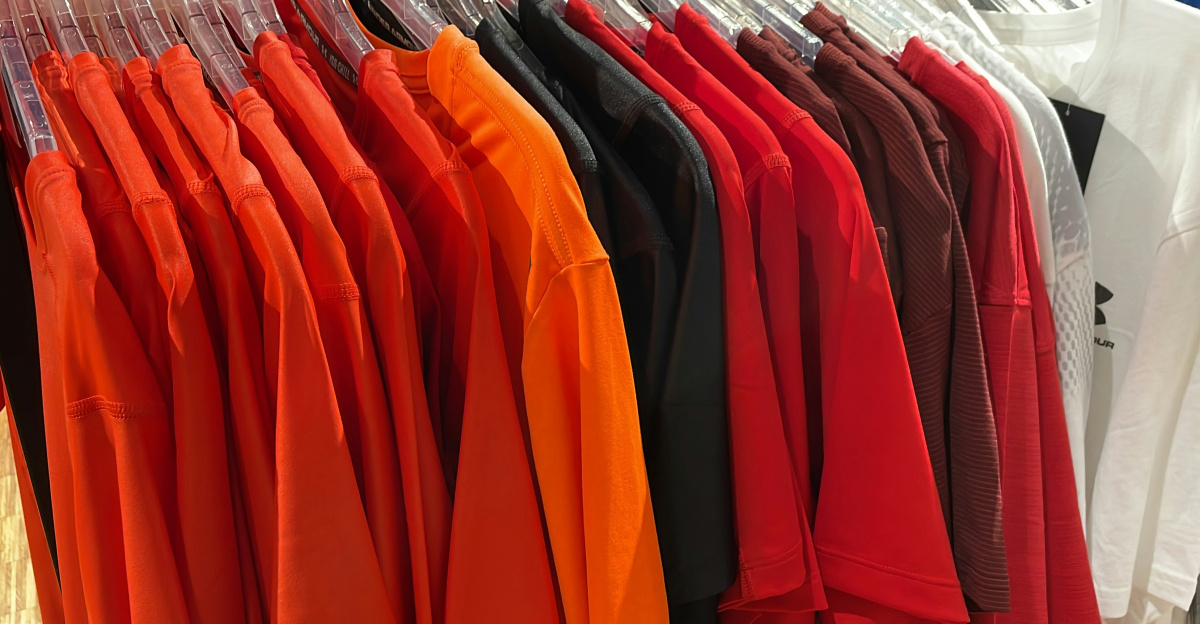
Golf brand logos, cruise line emblems, and corporate insignias from jobs held decades ago adorn these shirts accumulated through golf outings, work events, and promotional giveaways. Boomers appreciate their quality and durability, having held up well over time, making replacement seem unnecessary and wasteful.
These shirts represent achievements, memories, and professional affiliations that carry personal significance. However, contemporary fashion favors either completely logo-free garments or extremely subtle branding.
Why Logo Polo Shirts Feel Dated
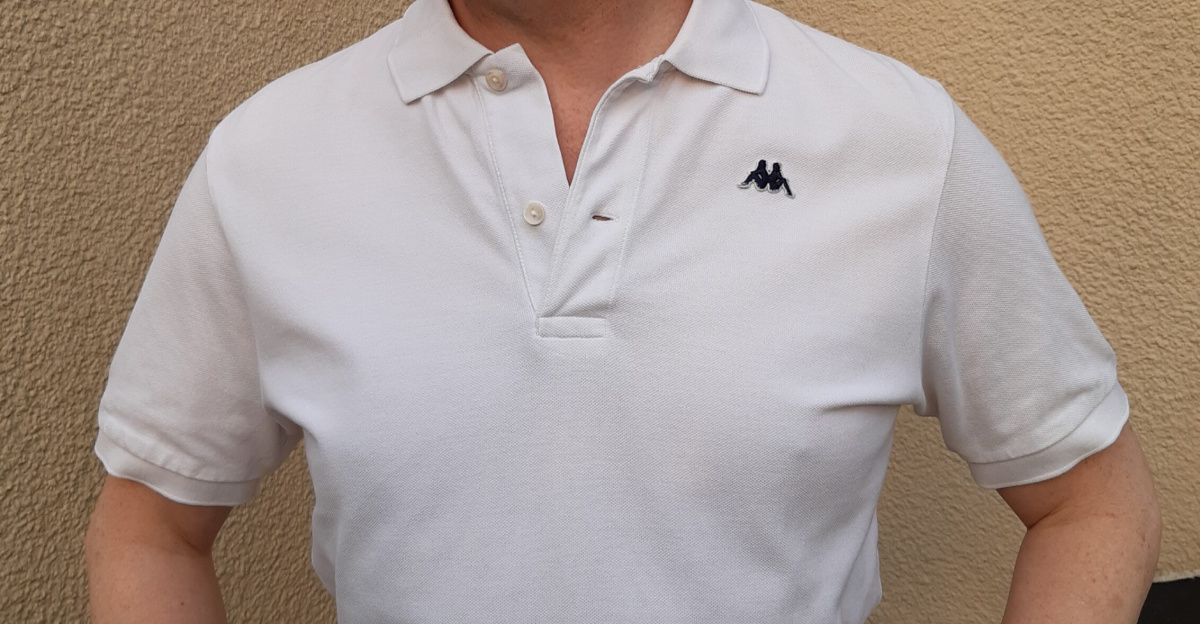
Large emblems across the chest feel dated and excessively corporate to younger consumers who prioritize understated aesthetics. The bright color palette compounds the issue: electric blue, vivid yellow, and bright purple dominated 1990s and early 2000s fashion but feel aggressive compared to muted, earth-tone palettes currently in vogue.
What once represented professional status and recreational achievement now reads as outdated brand exposure.
Boomers Versus Younger Generations

Boomers prioritize comfort, practicality, and longevity, having invested in quality items built to last—they see no logic in replacing functional clothing. Younger generations emphasize aesthetics, current trends, and intentional style choices, even when that means more frequent wardrobe turnover.
This creates an ironic sustainability paradox: Boomers keep wearing outdated items for decades while younger consumers purchase trendy pieces they replace seasonally.
Fashion as Generational Identity

Neither approach to fashion holds moral superiority; they’re simply different philosophies shaped by distinct economic conditions, cultural values, and life stages. Fashion operates as a visible marker of generational belonging, with younger people instinctively rejecting styles associated with older generations.
This rejection serves an important psychological function—establishing generational boundaries and asserting independent identity.
The Cyclical Nature of Fashion Trends

Fashion operates cyclically—items currently deemed outdated may eventually return to prominence, just as vinyl records once considered obsolete became collectible again. Cargo shorts gathering dust today might become tomorrow’s vintage treasure through recontextualization as intentional retro choices.
This cyclical pattern reflects how cultural memory operates, with sufficient time distance allowing previous generations’ styles to achieve aesthetic appreciation.
Social Media’s Role in Fashion Acceleration

Social media platforms like TikTok and Instagram play significant roles in accelerating fashion trend cycles. Younger generations exposed to constant style updates and influencer content experience heightened pressure to maintain current aesthetics.
This differs significantly from Boomers’ era, when fashion changed more gradually and trends persisted longer before replacement. The acceleration of trend cycles creates an ever-widening gap between generations’ adopted styles, making older fashions seem increasingly obsolete.
What Comes Next
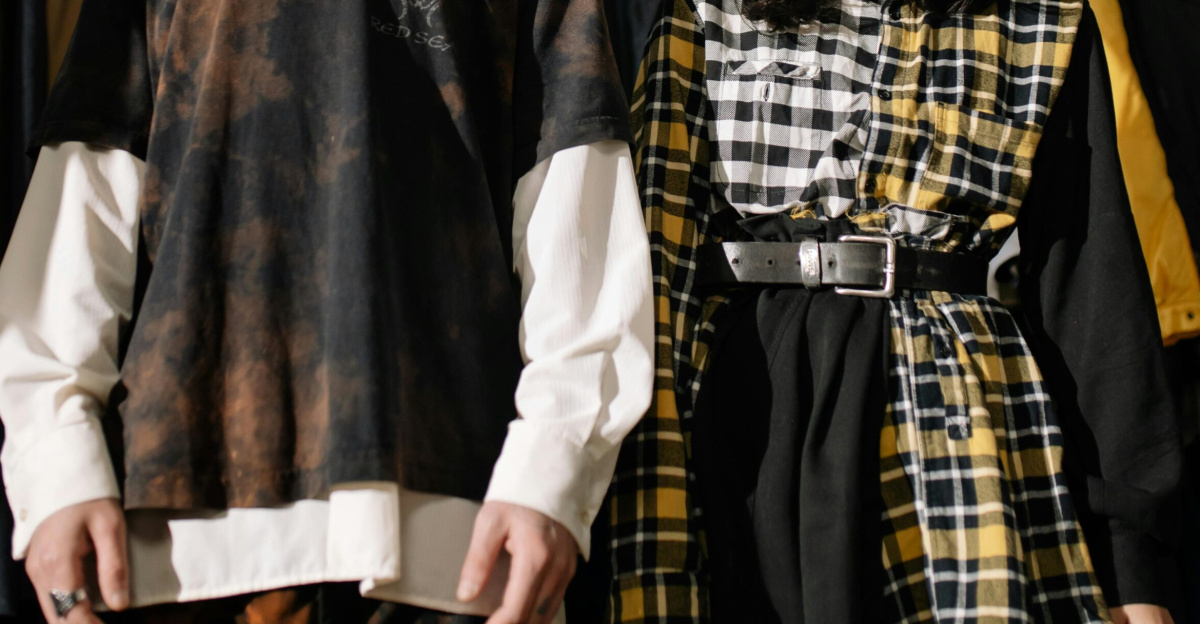
As fashion continues evolving, the styles younger generations currently embrace will eventually seem equally outdated to future generations. The oversized sweaters, baggy jeans, and vintage thrifted pieces favored by Gen Z will likely become the subject of future criticism.
This inevitable cycle suggests that judging fashion choices harshly misses the broader point—each generation’s style reflects its unique circumstances, values, and technological contexts. Understanding generational fashion differences ultimately teaches us about broader cultural shifts, economic conditions, and how identity expression changes across time.
Sources:
“7 Clothing Items Boomers Still Wear That Younger Generations Find Completely Outdated.” VegOut Magazine
“Apparel Trends: The Difference Between Gen X, Y, and Z.” Scrappy Apparel
“How American Gen Z & Millennials Approach Fashion Differently.” YouGov
“Gen Z supports sustainability – and fuels ultra-fast fashion. How does that work?” The Conversation
“Gen X, Gen Z, Millennials: Which has the best style?” BBC Culture
“The Gen Z Dilemma: Eco-conscious but addicted to fast fashion.” Fashion United