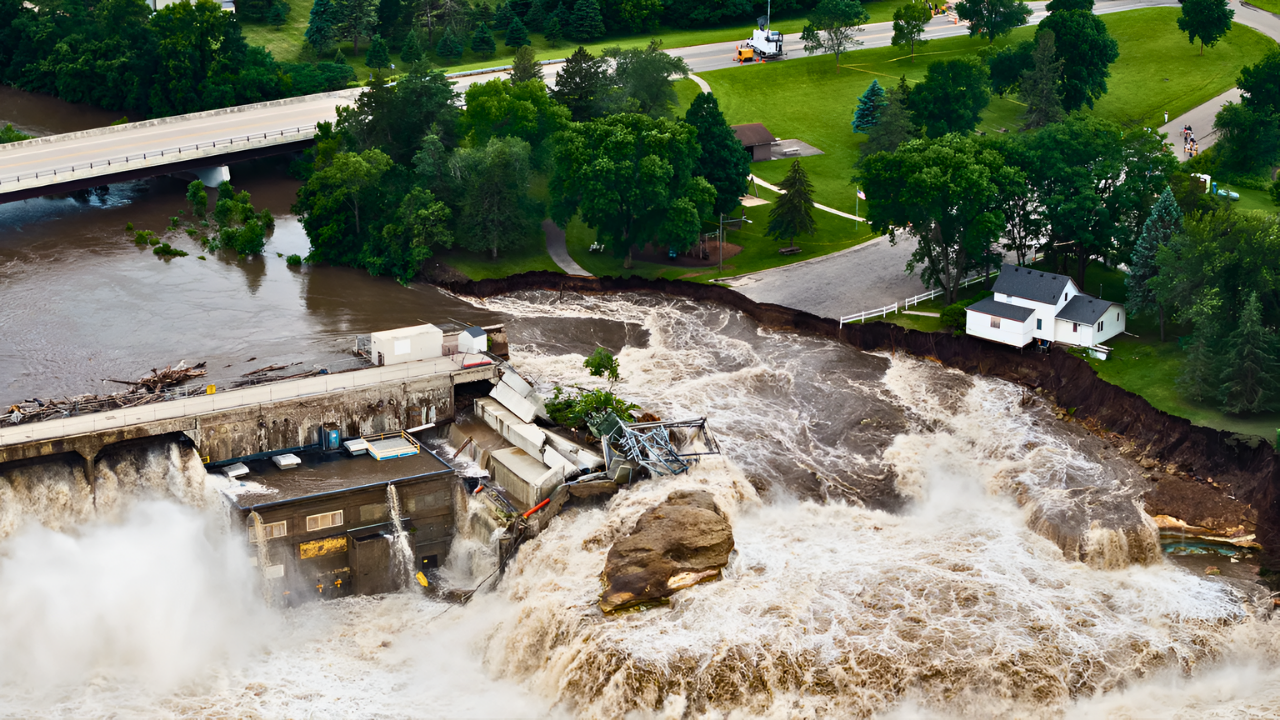
More than 2,500 high-hazard dams across the United States are slowly sinking into the ground, according to satellite radar analysis conducted over the past decade. Using space-based measurements, researchers detected subtle vertical movement that traditional inspections could not see.
The finding challenges long-held assumptions that many of these structures had stabilized and reveals a nationwide infrastructure issue unfolding quietly beneath critical water systems.
America’s Dams Are Old—and Aging Fast
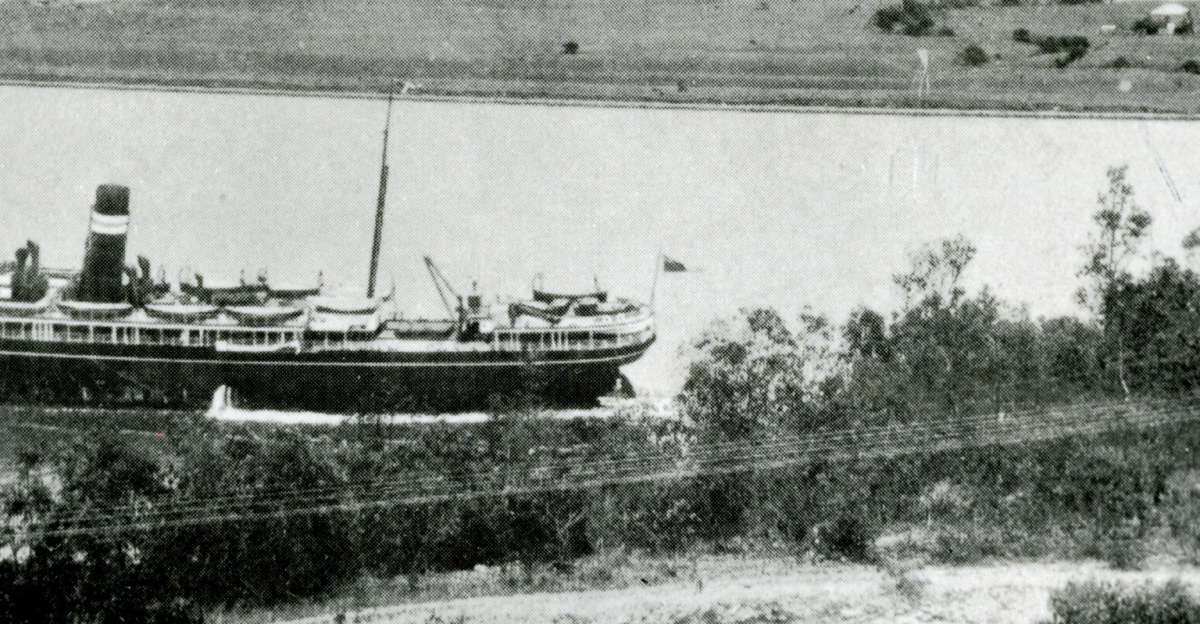
The United States has over 92,000 dams, and nearly 70% of them are at least 50 years old. The average dam is now 61 years old, with most built during the construction boom of the 1950s and 1960s. These structures were never designed to operate indefinitely.
As materials age and foundations settle, risks increase—especially when slow changes happen below ground, outside the reach of routine visual inspections.
High-Hazard Dams Carry the Greatest Consequences
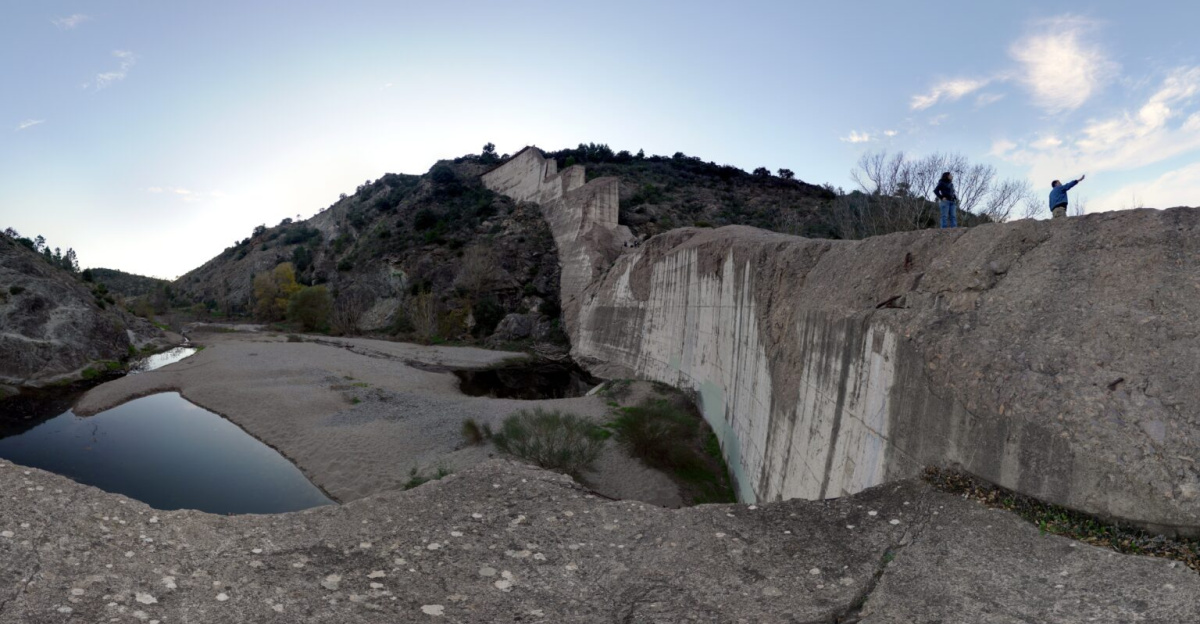
Not all dams pose equal risk. More than 16,700 U.S. dams are classified as high-hazard potential, meaning failure would likely cause loss of life and major destruction downstream.
Of those, over 2,500 are also in poor condition and now show signs of subsidence. Millions of Americans live downstream of these structures, often unaware that aging foundations and unseen ground movement could amplify failure risks over time.
Why Subsidence Matters More Than Cracks
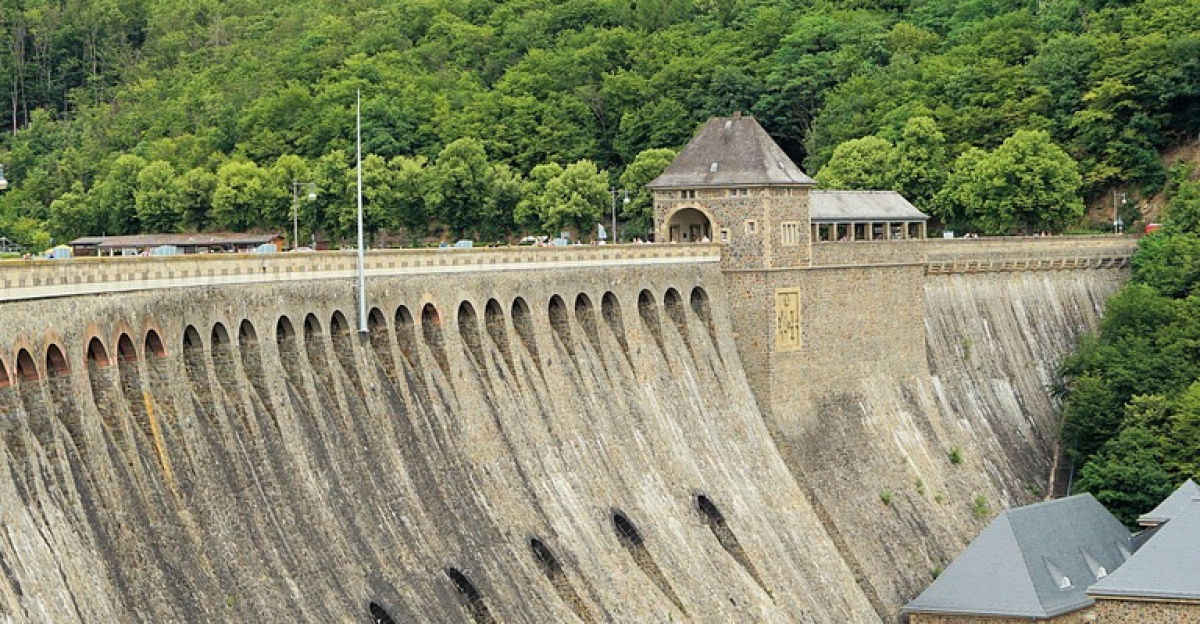
Subsidence refers to the gradual sinking or settling of a structure into the ground beneath it. Unlike visible cracks or surface damage, subsidence can progress silently for years.
Even small vertical shifts can change stress patterns within a dam, weaken foundations, and accelerate internal deterioration. Because the movement happens slowly and underground, it often escapes notice until advanced monitoring tools—like satellite radar—bring it into view.
The Roanoke Rapids Warning Sign
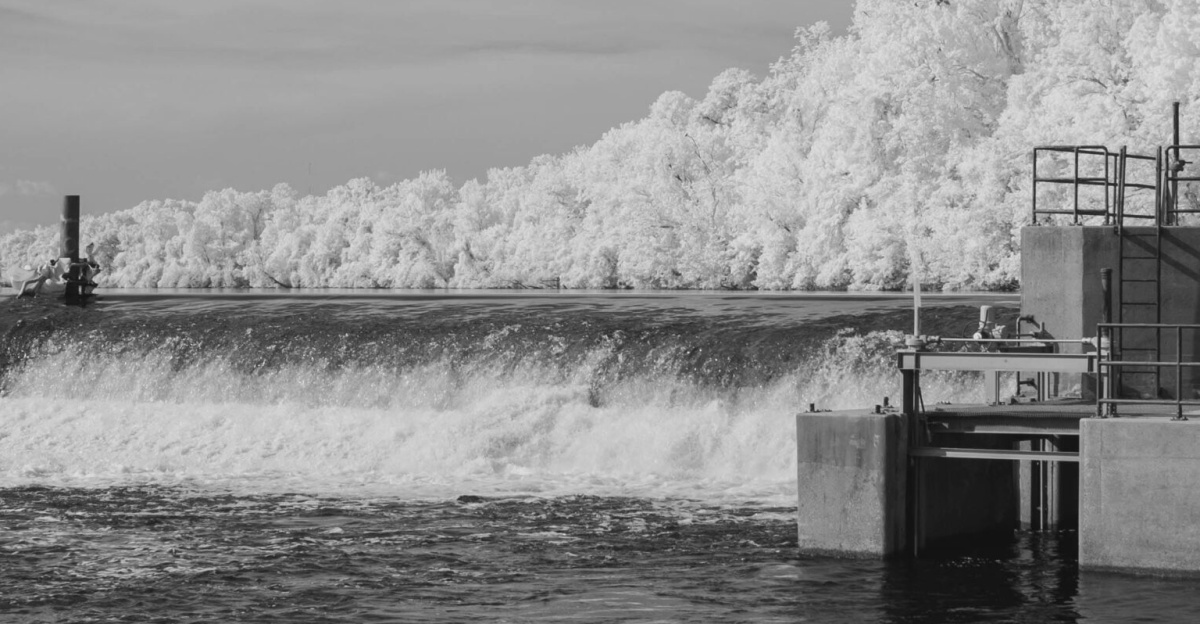
One example sits in Roanoke Rapids, North Carolina, where a high-hazard dam protects a town of more than 15,000 residents. Satellite data shows the dam’s northern face is slowly sinking, despite previous assessments suggesting it was stable.
Concrete cracking has been observed, highlighting how subsidence can continue even after a dam is considered secure. The case underscores why assumptions based on past inspections may no longer be sufficient.
Seeing What Inspectors Couldn’t
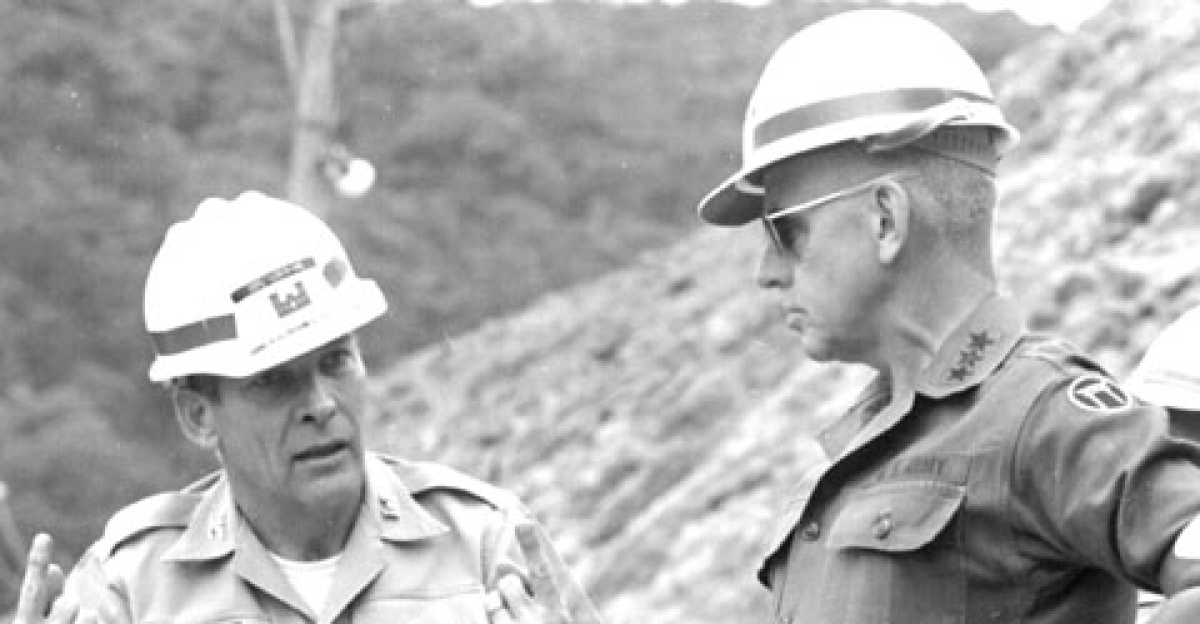
For decades, dam inspections relied on ground-based surveys, visual checks, and periodic engineering reviews. These methods are valuable but limited in scale and frequency. Satellite radar changes that equation.
By measuring ground movement across thousands of structures simultaneously, researchers can detect millimeter-level shifts over time. This approach reveals patterns that no single on-site inspection could realistically uncover across a nationwide dam network.
A First-of-Its-Kind Nationwide Analysis
The recent findings represent the first large-scale use of satellite radar to assess dam subsidence across the entire United States. By analyzing years of data, researchers identified which dams continue to sink long after construction or repair.
This does not mean failure is imminent—but it does mean assumptions of long-term stability need reevaluation. The study introduces a new baseline for understanding dam behavior at national scale.
Subsidence Does Not Equal Immediate Failure

Importantly, the detection of subsidence alone does not predict when—or if—a dam will fail. Engineers still need site-specific studies to assess structural integrity, failure modes, and downstream consequences. The satellite data acts as an early warning system, not a final verdict.
It helps identify where deeper investigation is needed most urgently, especially when resources are limited and thousands of dams compete for attention.
Too Many High-Risk Dams, Too Few Resources
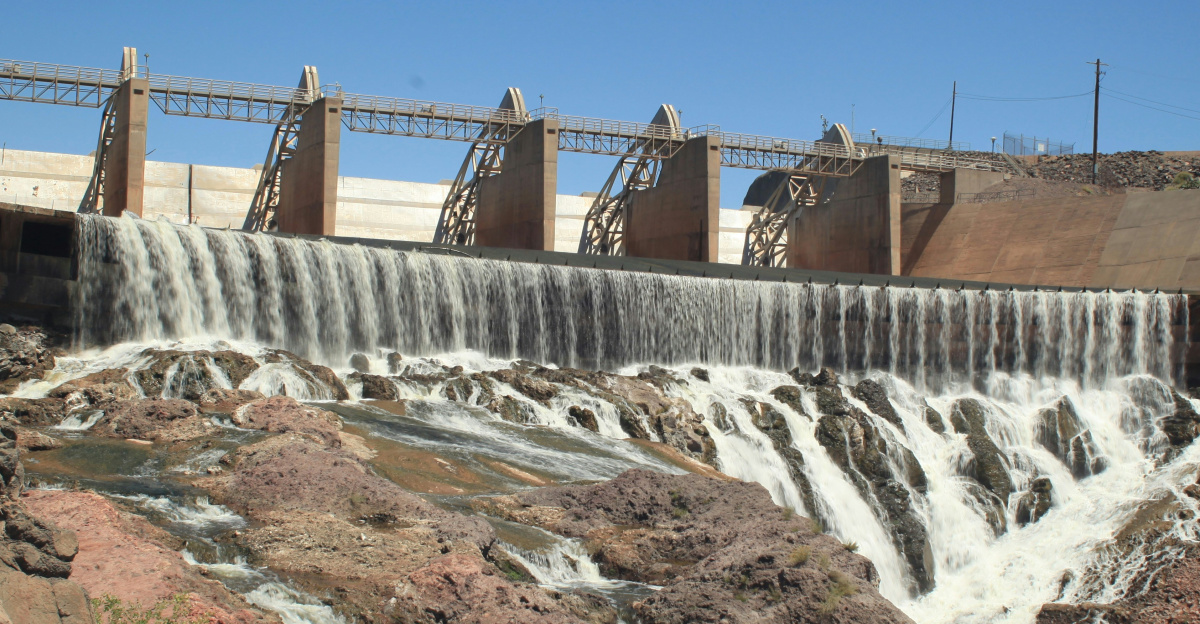
With more than 16,700 high-hazard dams nationwide, maintaining all of them simultaneously is financially unrealistic. That reality forces difficult prioritization decisions.
Satellite-based detection allows officials to focus inspections and repairs on dams showing measurable movement, rather than relying solely on age or visual condition. This targeted approach aims to reduce risk where the combination of hazard, condition, and subsidence is greatest.
The $165 Billion Maintenance Gap

Repairing and maintaining non-federal U.S. dams would require an estimated $165 billion. Current federal funding covers only a fraction of that need.
Each year of delayed maintenance increases long-term costs, as small issues compound into larger structural problems. Subsidence adds another layer of urgency, suggesting that time itself is a risk multiplier when aging infrastructure continues to shift underground.
Management Choices Matter More Than Many Realize
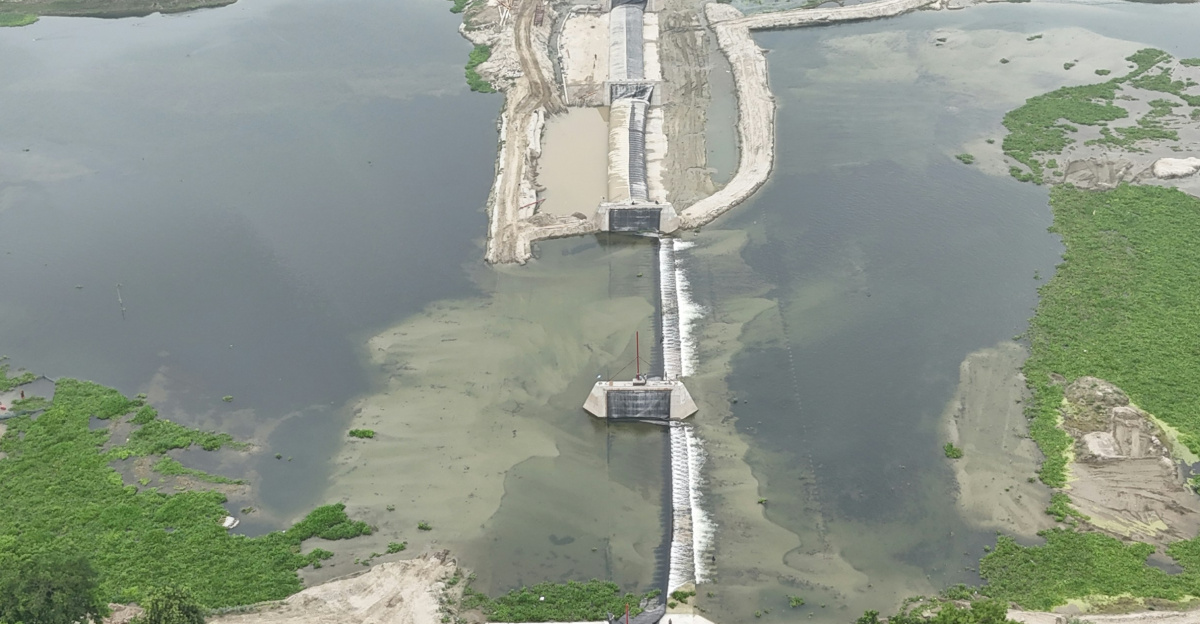
Research indicates that roughly 40–50% of dam risk stems from management and maintenance decisions rather than unavoidable natural factors. That means a significant portion of danger is controllable.
Regular upkeep, timely repairs, and informed monitoring can dramatically reduce failure risk. Subsidence detection helps identify where management interventions could be most effective, transforming data into actionable prevention rather than reactive crisis response.
Why Aging Dams Are Especially Vulnerable
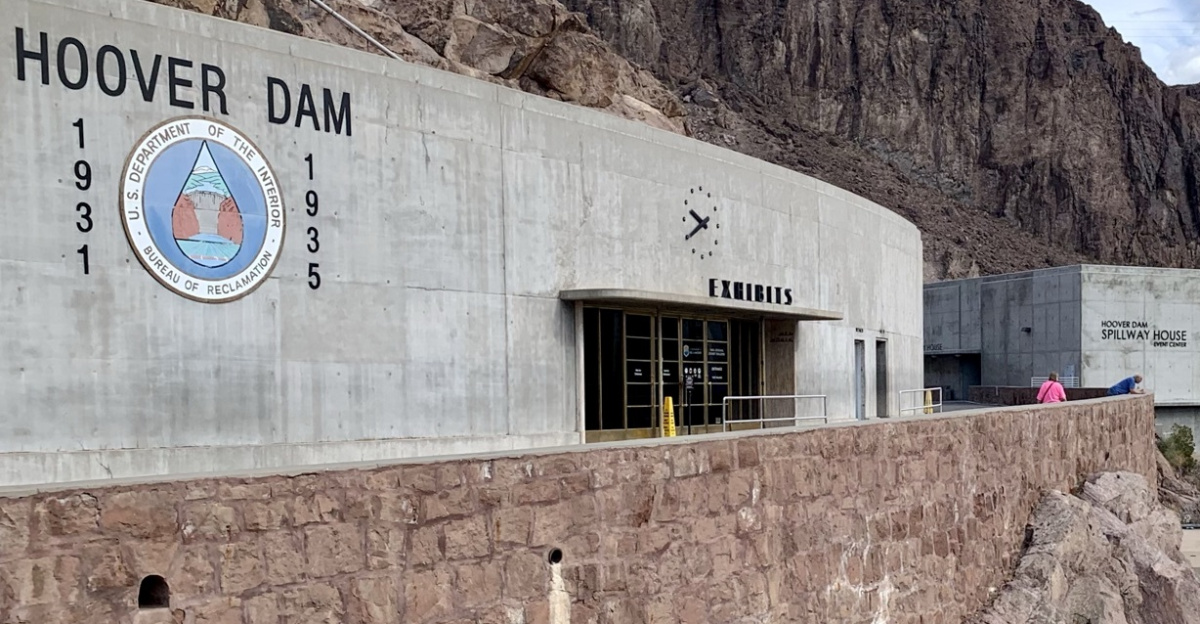
Most U.S. dams were designed for service lives of 50 to 70 years. Many are now operating at—or beyond—that window. Over time, materials degrade, foundations settle, and internal drainage systems weaken.
When combined with decades of deferred maintenance, even slow subsidence can accelerate structural stress. Aging alone doesn’t doom a dam, but aging without investment steadily raises the odds of serious problems.
What Causes Dams to Sink
Subsidence can result from several mechanisms, including soil consolidation beneath foundations, internal erosion caused by seepage, and gradual deterioration of construction materials. Each dam behaves differently depending on geology, design, and maintenance history.
Identifying subsidence is only the first step; engineers must still determine the specific cause at each site to choose the correct repair strategy and prevent further degradation.
A Fragmented System of Responsibility
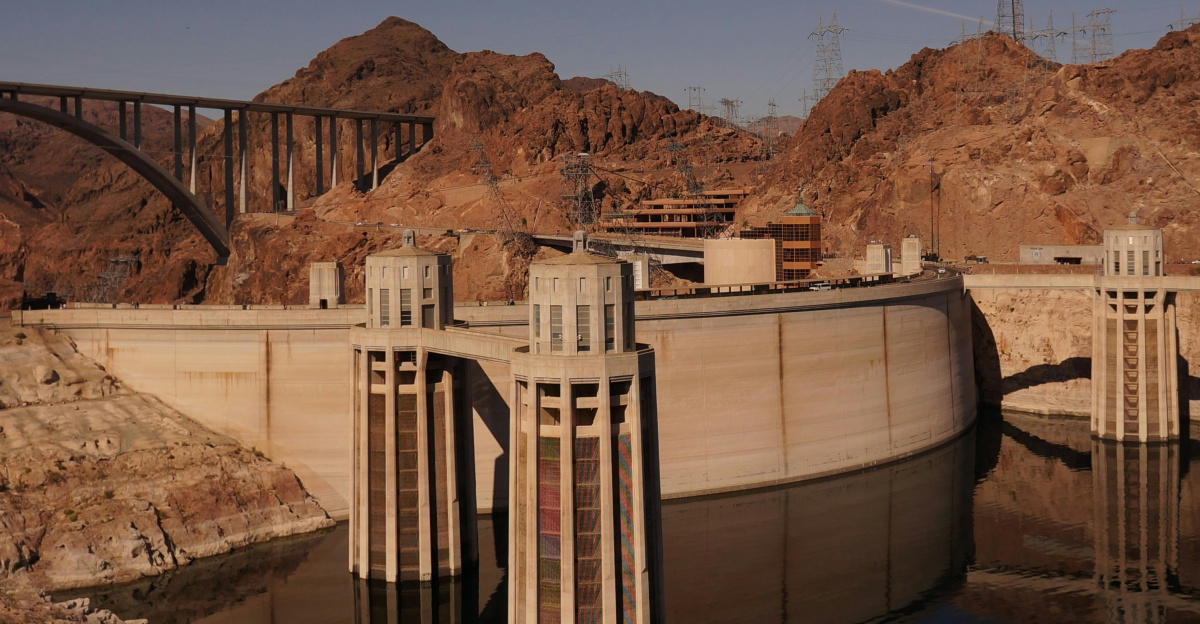
U.S. dams are managed by a patchwork of federal agencies, utilities, municipalities, and private owners. While federal dams often have stronger funding support, most of the $165 billion repair need lies with non-federal structures.
Smaller operators frequently lack the resources for advanced monitoring or major repairs. This fragmented responsibility makes coordinated national infrastructure planning especially difficult.
Millions Live Downstream of These Structures
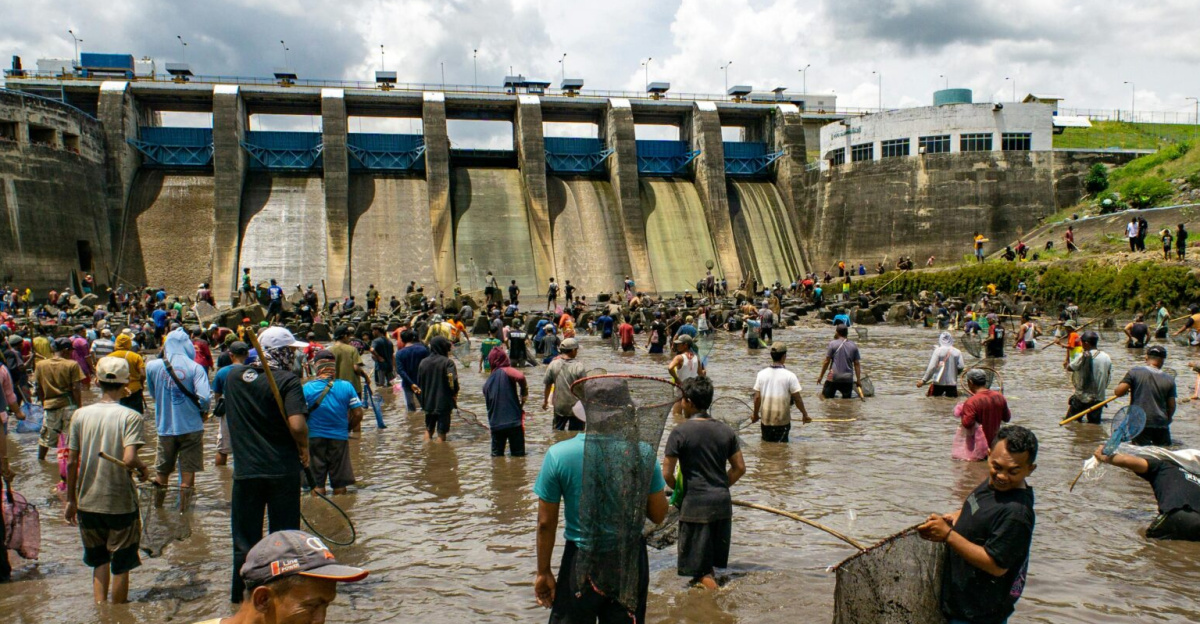
High-hazard dams are defined not by how likely they are to fail, but by what would happen if they did. Millions of Americans live downstream of such dams, relying on them for safety, drinking water, power generation, and flood control.
Subsidence adds uncertainty to systems that communities often assume are stable, reinforcing why upstream infrastructure conditions directly shape downstream human risk.
Infrastructure Risk Grows Quietly
Unlike storms or earthquakes, dam deterioration rarely announces itself dramatically—until it’s too late. Subsidence progresses slowly, often measured in centimeters over years.
That quiet pace can breed complacency, even as structural margins shrink. Satellite monitoring disrupts that silence by making invisible change measurable, allowing risk to be tracked before it reaches a tipping point.
Turning Data Into Public Awareness
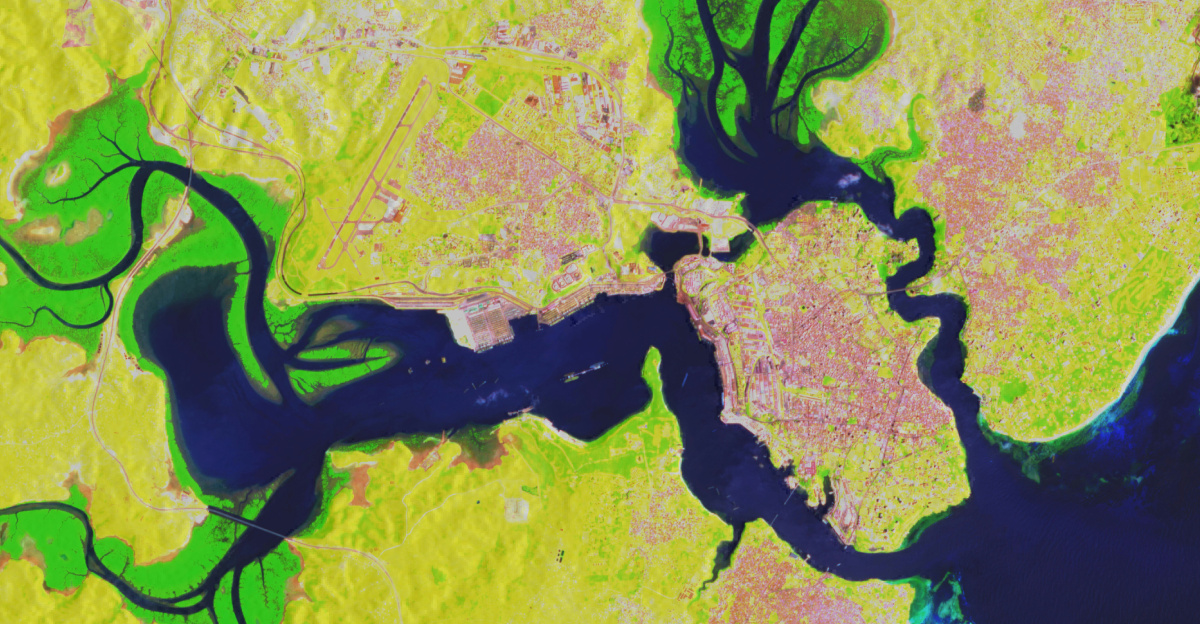
Researchers plan to release interactive maps showing dam subsidence trends, making the information accessible to policymakers and the public. Transparency allows downstream communities to engage in emergency planning, land-use decisions, and local preparedness.
When residents understand the condition of nearby infrastructure, risk management becomes a shared responsibility rather than a distant technical concern.
Prevention Costs Less Than Failure
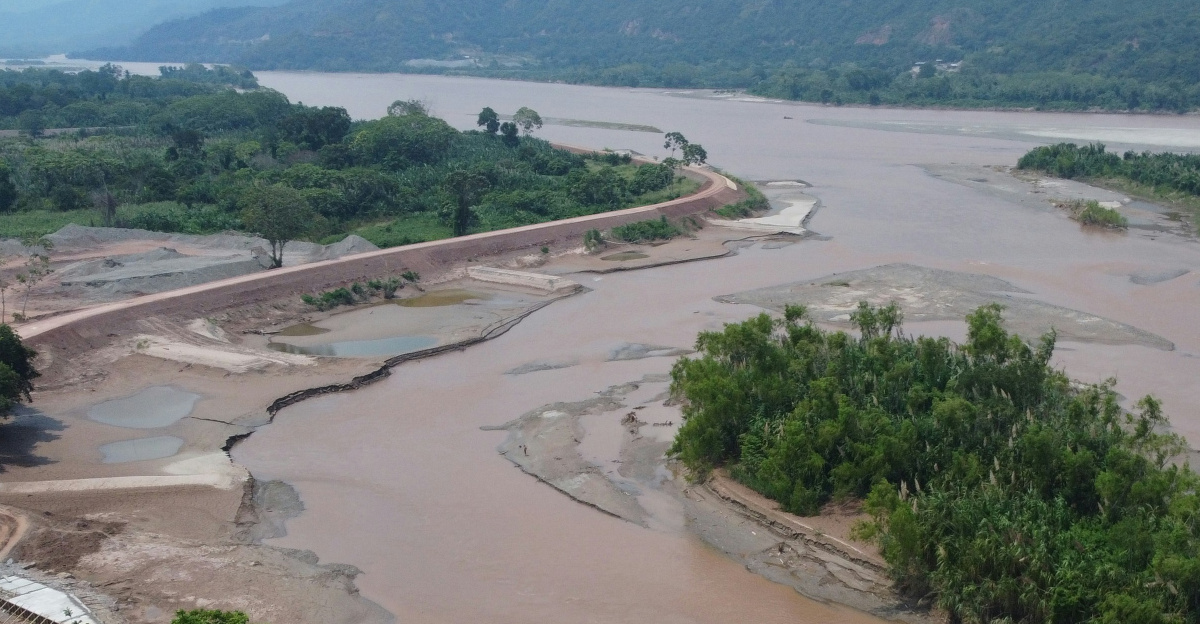
The financial cost of dam failure extends far beyond repairs. Loss of life, property destruction, economic disruption, and long-term recovery can dwarf the price of preventive maintenance.
Investing early—guided by data—offers far greater return than rebuilding after catastrophe. Subsidence detection strengthens the economic case for proactive infrastructure spending by highlighting where intervention is most urgently needed.
A Model With Global Implications
Photo by zatu222 on Pixabay
While this analysis focuses on the United States, aging dams are a global challenge. Many countries rely on infrastructure built decades ago with limited monitoring capacity.
Satellite radar offers a scalable solution that could be applied worldwide, providing early warning for structures previously monitored only through intermittent inspections. What begins as a U.S. study could reshape global infrastructure oversight.
From Discovery to Decision
Satellite radar has revealed a critical truth: thousands of high-hazard U.S. dams are still moving underground. The challenge now is turning detection into action—through engineering assessments, targeted investment, and sustained monitoring.
With nearly half of dam risk tied to controllable management decisions, the path forward is clear. Preventing disaster depends less on discovering the problem—and more on choosing to act before it escalates.
Sources:
“Exposing the most dangerous dams in the US.” American Geophysical Union (AGU) Press Release, 16 Dec 2025.
“The Cost of Rehabilitating Dams in the U.S.: A Methodology and Estimate.” Association of State Dam Safety Officials (ASDSO), Mar 2025.
“2025 Report Card for America’s Infrastructure.” American Society of Civil Engineers (ASCE), 25 Mar 2025.
“2,500 ‘high-risk’ U.S. dams are sinking into the ground.” Popular Science, 16 Dec 2025.