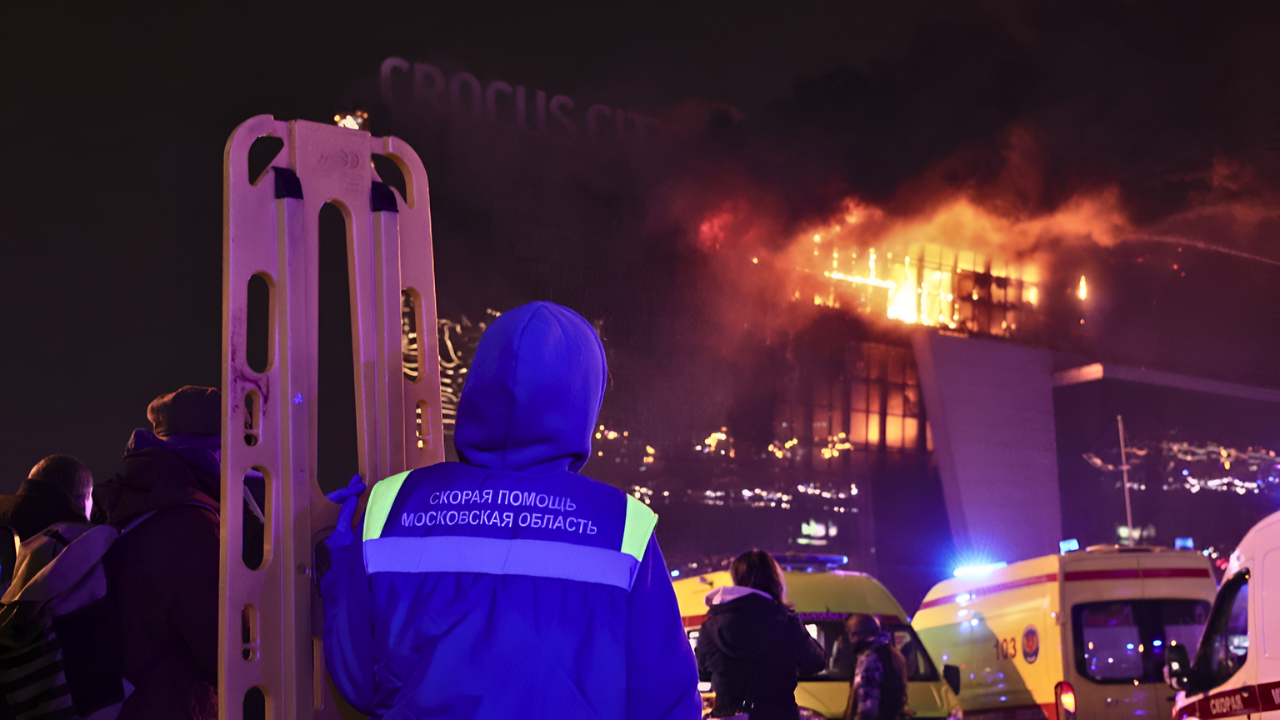
At 7:18 a.m. local time on December 15, 2025, Russia’s Defense Ministry announced a historic claim: 130 Ukrainian drones intercepted across the country in a single night—the largest overnight tally since the war began. The coordinated assault struck from multiple directions between 11 p.m.
Moscow time on December 14 and 7 a.m. the following morning, forcing Russia’s air defense network into overdrive across twelve separate regions simultaneously. Moscow Mayor Sergey Sobyanin confirmed the strike personally at 7:41 a.m., reporting that Russian air defense units shot down at least 18 unmanned aerial vehicles en route to the capital.
Explosions Rock Moscow’s Suburbs: Residents Report Multiple Detonations
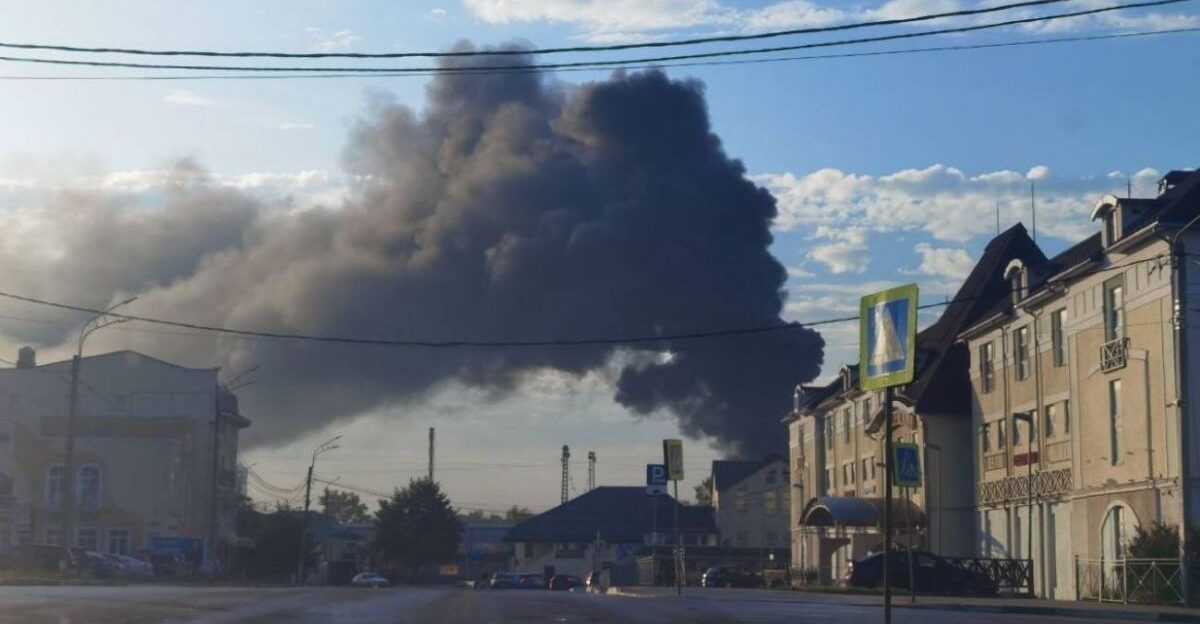
Residents in the Istrinsky district, approximately 40 kilometers (25 miles) west of Moscow, reported hearing over a dozen loud explosions during the overnight assault, with emergency response crews working through dawn to clear wreckage from impact sites.
Additional explosions rocked Kashira and Kolomna in southern Moscow Oblast, indicating drones had penetrated deeply into Russia’s most defended zone. The sound of air defense systems firing and drone impacts created a sustained symphony of explosions that alarmed Moscow’s civilian population and demonstrated Ukraine’s ability to project force into the Russian heartland.
Aviation Disruption: Moscow’s Major Airports Grounded

Moscow’s Zhukovsky and Domodedovo airports implemented temporary flight restrictions, suspending operations and grounding aircraft during the active threat window. Both facilities serve tens of thousands of daily passengers on international and domestic routes, making the overnight disruptions significant disruptions to Russia’s aviation infrastructure.
The airports resumed operations after the immediate threat passed, but the incident marked the second mass closure of Moscow’s key aviation hubs in under a week, exposing the vulnerability of civilian infrastructure to sustained drone pressure.
Escalation Pattern: Three Strikes in Five Days Overwhelm Russian Defenses
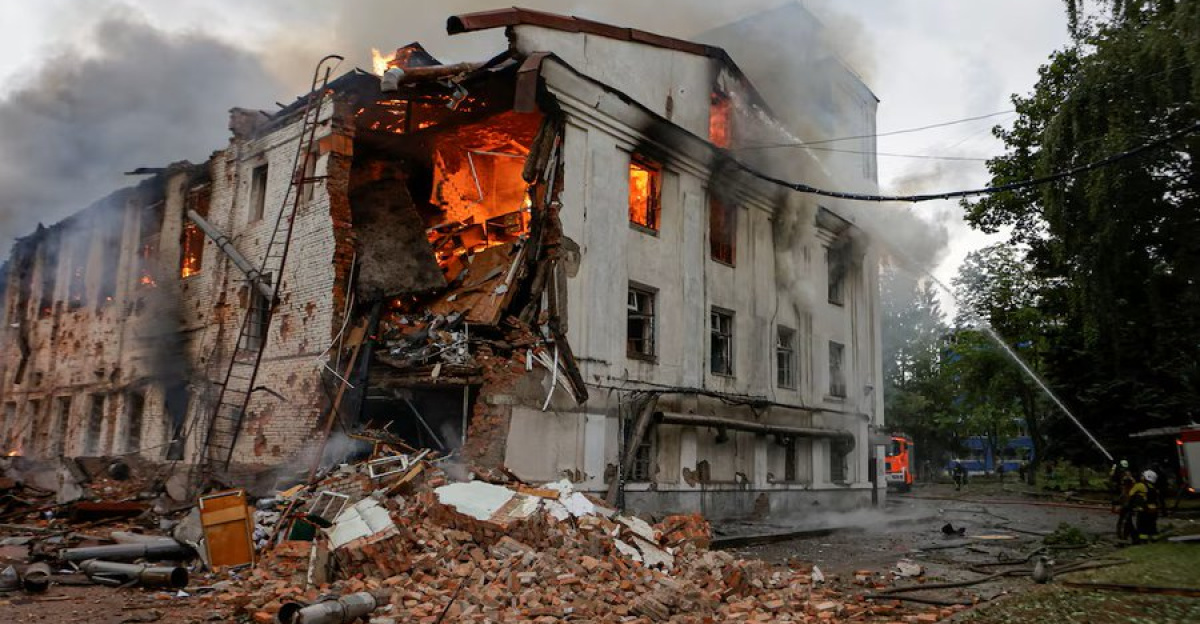
This December 14-15 strike represents the second mass attack on Moscow in under a week, following a major assault on December 10 that involved over 30 drones. Ukraine’s execution of three major drone strikes within five days—December 10, 13, and 14-15—indicates a deliberate acceleration of offensive operations designed to exhaust Russian air defense systems.
The rapid succession prevents Russian defenders from achieving full readiness recovery between attacks, forcing continuous resource deployment across multiple regions.
Strategic Infrastructure in Crosshairs: Energy and Military Targets
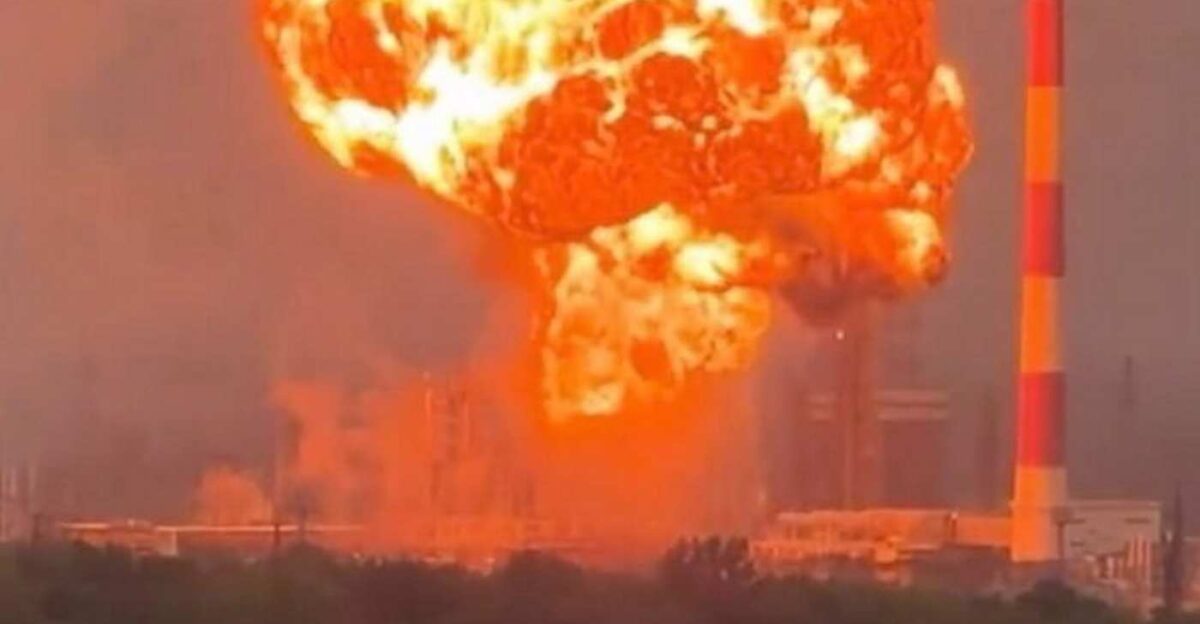
Beyond Moscow’s capital strike, Ukrainian Special Operations Forces deployed FP-2 strike drones against critical energy infrastructure on December 13, hitting the Afipsky Oil Refinery in Krasnodar Krai and the Uryupinsk oil depot in Volgograd Oblast. Simultaneous strikes targeted two fuel depots in occupied Crimea and a moving fuel train transporting critical supplies near Yantarne. T
his coordinated approach forces Russia to divide limited air defense resources across simultaneous threats spanning thousands of kilometers.
Radar System Destruction: Targeting Russia’s Air Defense Backbone
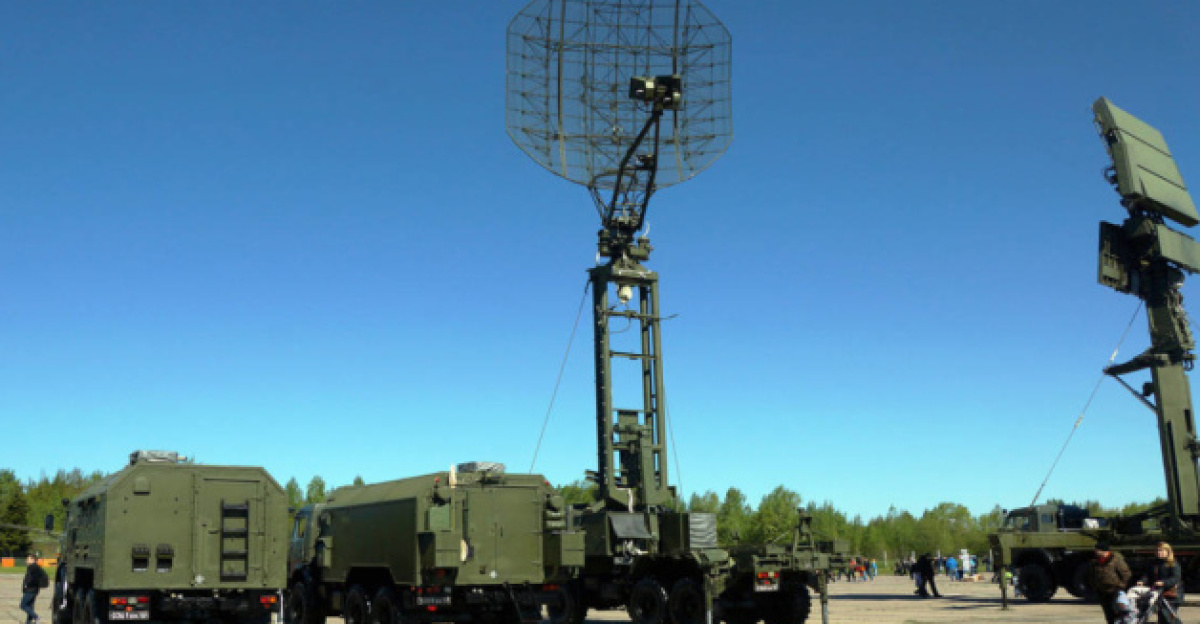
Ukrainian forces systematically destroyed critical air defense infrastructure including Kasta-2E2 and 96L6E radar stations integral to Russia’s S-300 and S-400 air defense systems. Recent intelligence confirms Ukraine destroyed two S-400 missile launchers with ammunition in Belgorod region’s Raievka area on December 14, marking significant losses to Russia’s long-range air defense capabilities.
The destruction of these radar nodes directly impacts Russia’s ability to detect and intercept incoming drone threats, creating cascading vulnerabilities across the air defense network.
Hardware Deployment: $26 Million in Drone Arsenal Per Night
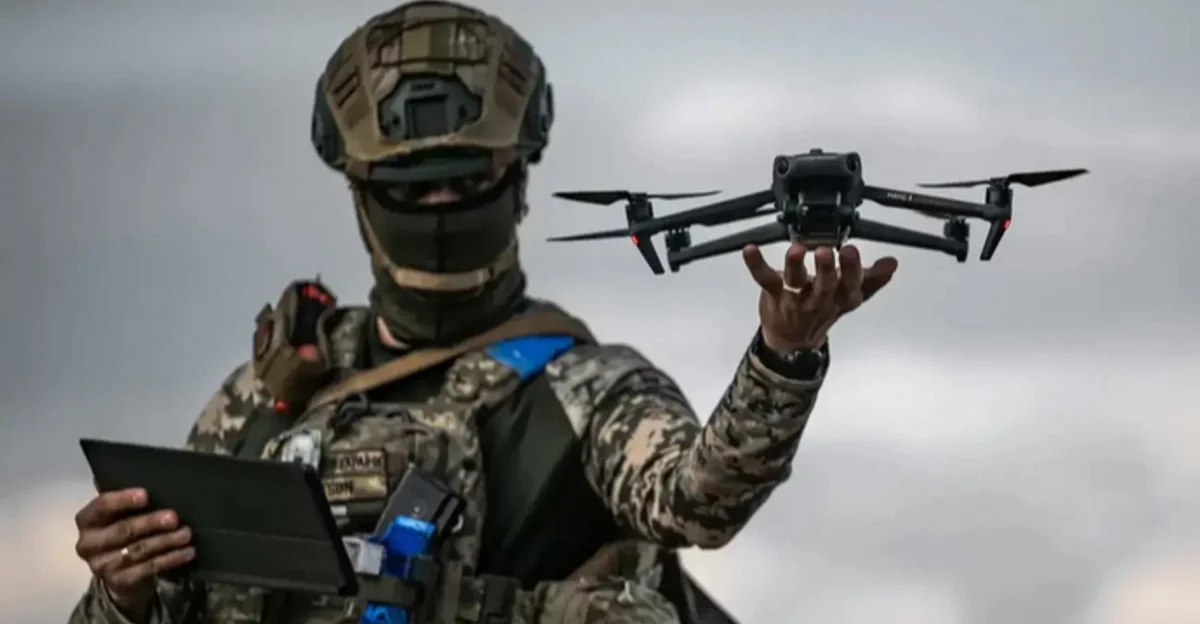
Ukraine’s deployment of 130 drones claimed intercepted across Russia represents an estimated $26 million in drone hardware, calculated at approximately $200,000 per long-range unmanned aerial vehicle. The ability to launch 130 drones in a single night suggests Ukraine maintains extraordinary production or acquisition rates.
Ukraine now produces an estimated four million drones annually—more than all NATO countries combined—with the capacity to manufacture diverse drone types from inexpensive FPV platforms to long-range strike systems simultaneously.
Production Capacity: Four Million Drones Annually
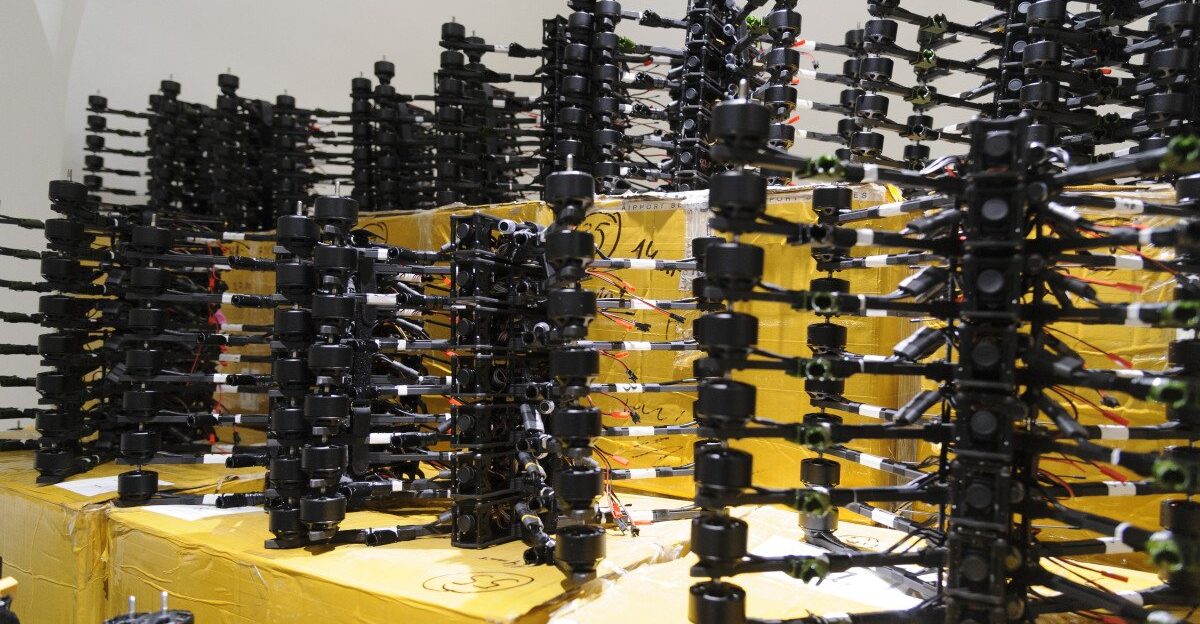
Ukraine’s drone production ecosystem represents a fundamental shift in wartime manufacturing, with decentralized networks combining private manufacturers, volunteer workshops, and defense-backed enterprises producing complex systems at scale.
Industrial parks in Kyiv, Dnipro, and Lviv have been repurposed into assembly and testing centers, creating resilience through geographic distribution. Ukraine’s hybrid production model—combining small volunteer groups with larger manufacturing centers.
Western Military Support and Technology Transfer
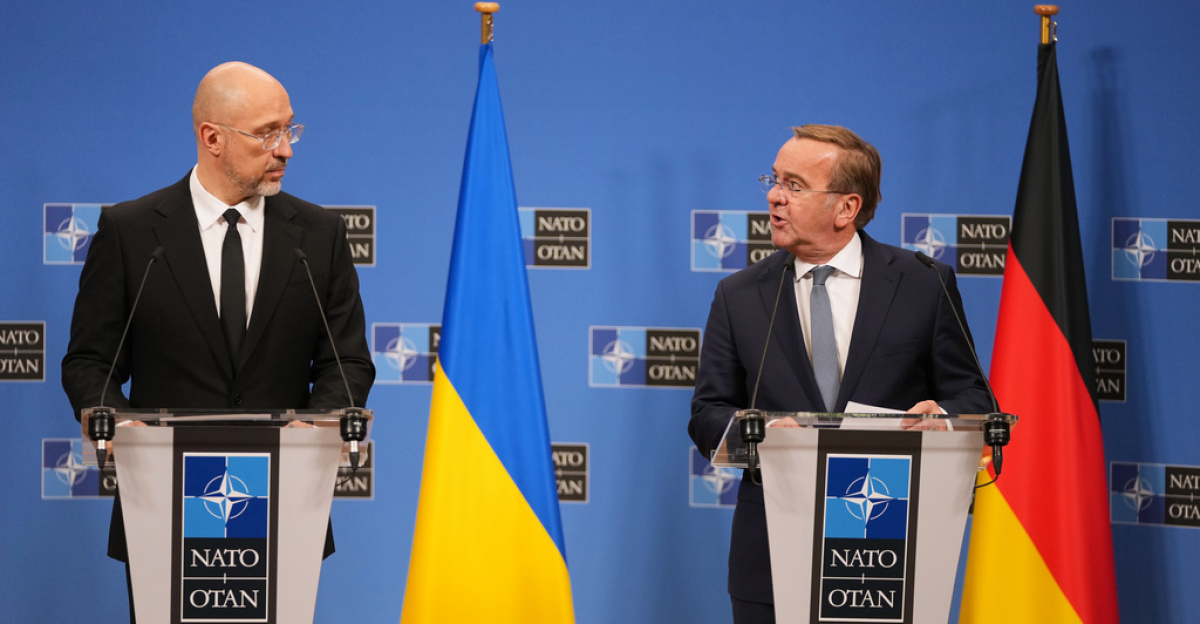
Germany committed €1.2 billion ($1.4 billion) in new defense agreements in December 2025, including €200 million specifically for Ukrainian-made drone procurement and production support. These agreements include co-production arrangements with German firm Quantum Systems and Ukrainian firm Frontline Robotics for reconnaissance drones—marking the first foreign-based production of drones for Ukraine’s military.
International defense partnerships demonstrate sustained Western commitment to enabling Ukraine’s offensive capabilities through both technology provision and industrial capacity building.
The Interception Claim Debate: Discrepancies in Official Numbers
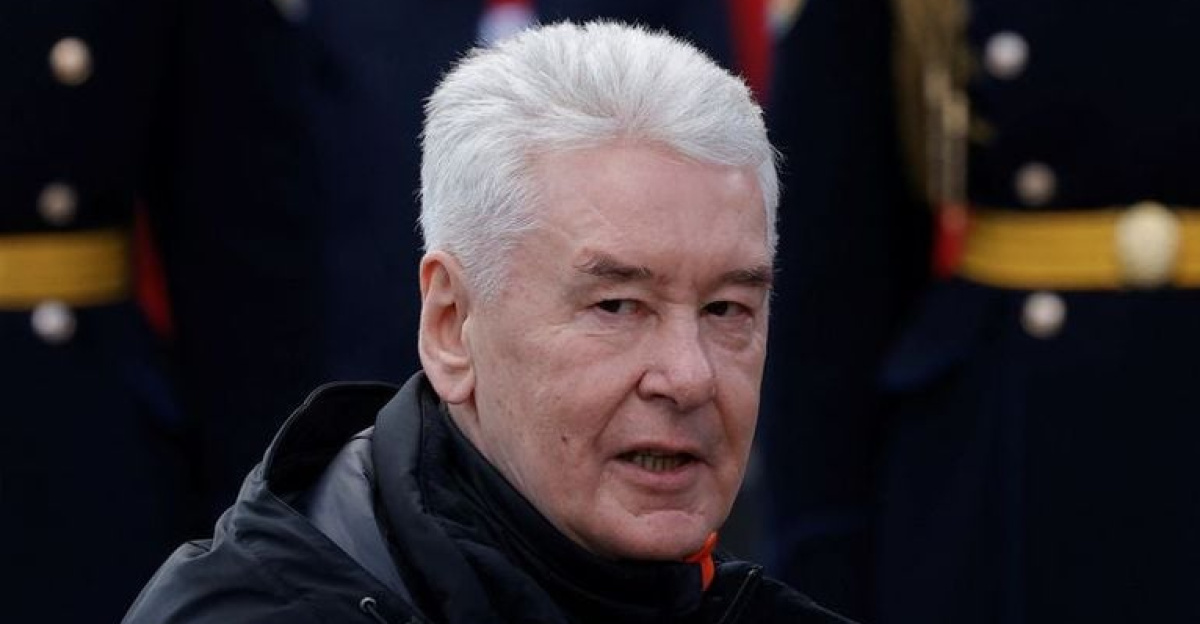
Russia’s Defense Ministry reported 25 drones downed over Moscow Oblast alone, with 15 flying directly toward Moscow, while Moscow Mayor Sobyanin’s figure of 18 drones shot down en route to Moscow suggests variations in counting methodology.
The discrepancy between official figures reflects ongoing debates about whether all drones breaking through outer air defenses before being downed should count toward total interception statistics. Independent verification remains difficult given the scale, speed, and geographic dispersion of the overnight assault across twelve regions.
Regional Impact Beyond Moscow: Widespread Disruption
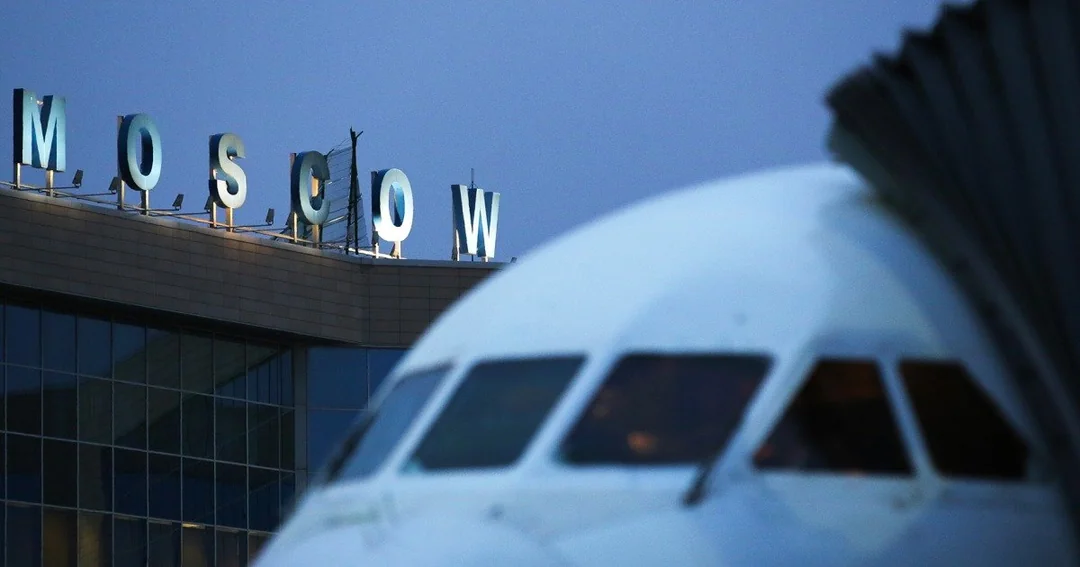
Russian authorities reported drone interceptions and infrastructure damage across multiple regions: power transmission lines damaged in Rostov region, temporary airport closures in Kaluga, Grozny, Vladikavkaz, and Makhachkala. In Kamensk-Shakhtinsk, damage to a power supply line resulted in closure of a local water intake facility and pumping station, leaving residents in multiple neighborhoods without water access.
The geographic spread of drone activity—spanning from Moscow to the Caspian Sea—forced simultaneous air defense responses across western and southern Russia, stretching limited defensive resources to maximum capacity.
Population Risk Assessment: 20-25 Million Under Direct Threat
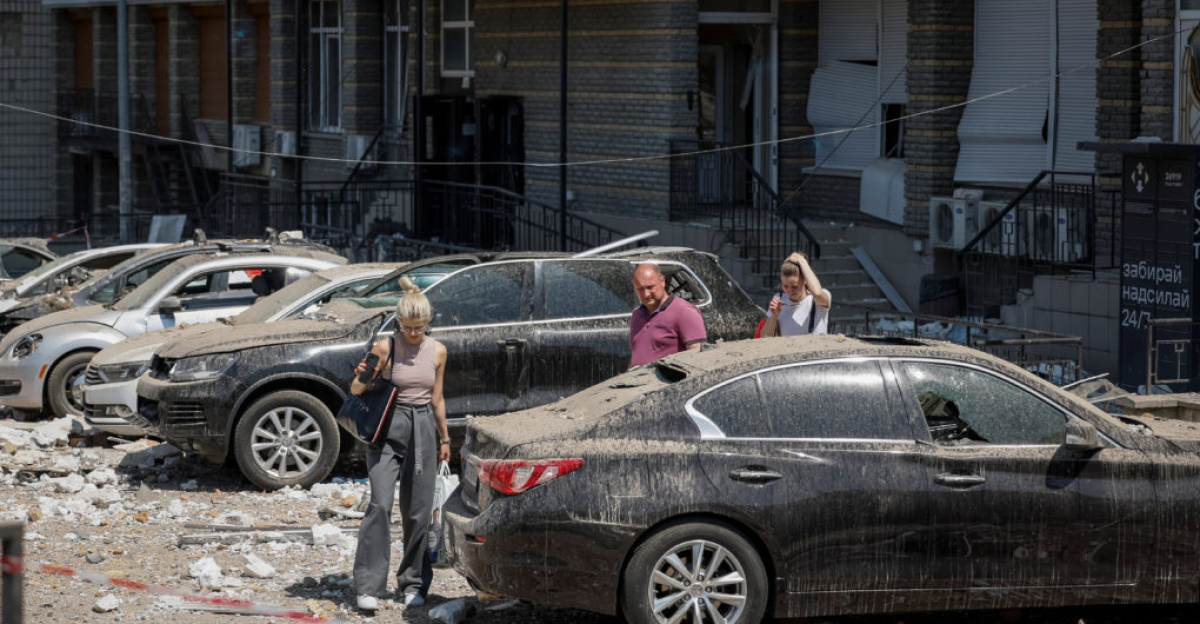
The greater Moscow metropolitan area encompasses approximately 20 to 25 million people—13 million residents in Moscow proper and 8 million in Moscow Oblast—now residing within demonstrated Ukrainian drone strike range. The penetration of drones to within 25 miles of the Kremlin places Russia’s largest urban concentration directly within Ukraine’s operational theater.
This geographic reality fundamentally challenges Russian assumptions about territorial sanctuary and civilian safety, creating psychological pressure on populations accustomed to homeland security.
The Kremlin Proximity Factor: Symbolic Significance
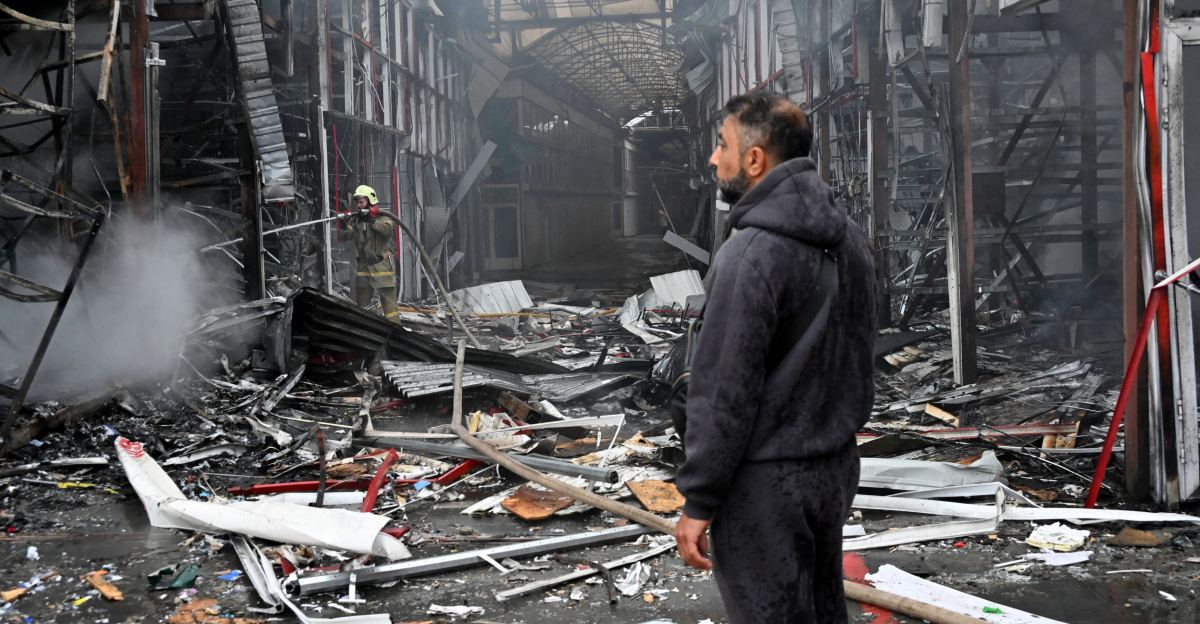
The ability to strike targets within 25 miles of the Kremlin carries profound symbolic weight beyond military utility, demonstrating Ukraine’s capacity to project power into Russia’s political heartland. This proximity violates Russian assumptions about security for leadership and civilians in the capital region, directly challenging President Putin’s narrative of control.
International observers assess these strikes as psychologically destabilizing for Russian society, threatening foundational assumptions about national invulnerability established since World War II.
No Casualties, No Damage: The Official Russian Narrative
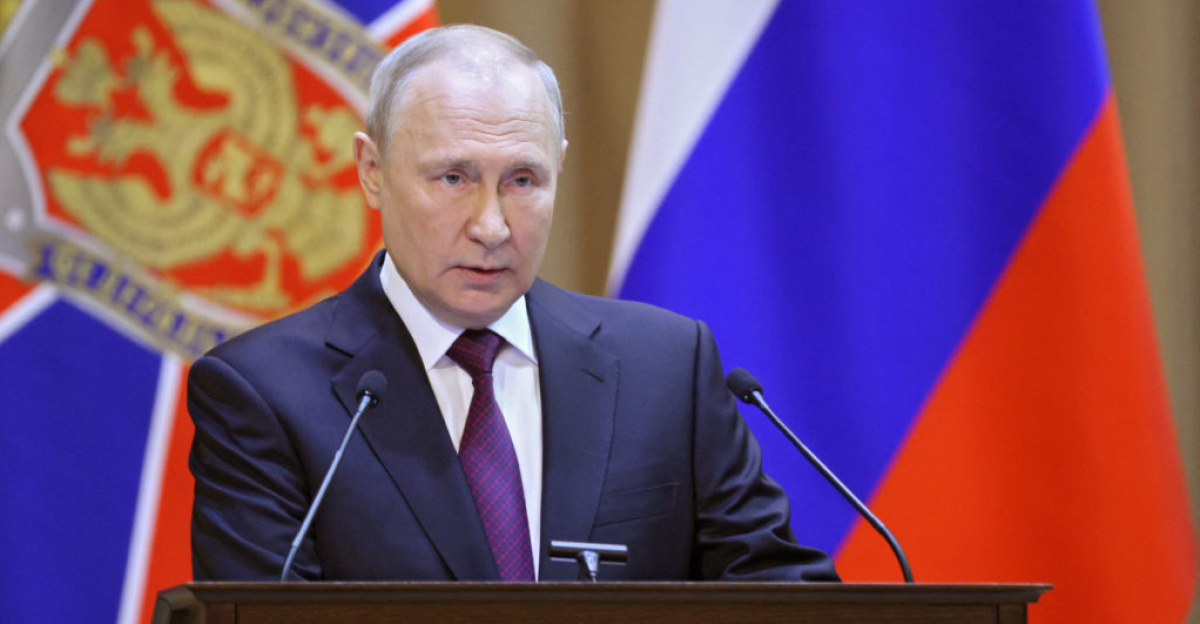
Russian officials reported no casualties or significant property damage from the December 14-15 strikes, a claim that contrasts sharply with observable airport disruptions, resident-reported explosions, and wreckage clearance operations documented by emergency services.
Moscow Mayor Sobyanin’s statement emphasizing that “emergency services are working at the scene where debris fell” suggests material impact requiring response, even as official casualty counts remain zero.
The Visibility Paradox: Disruption Without Documented Damage
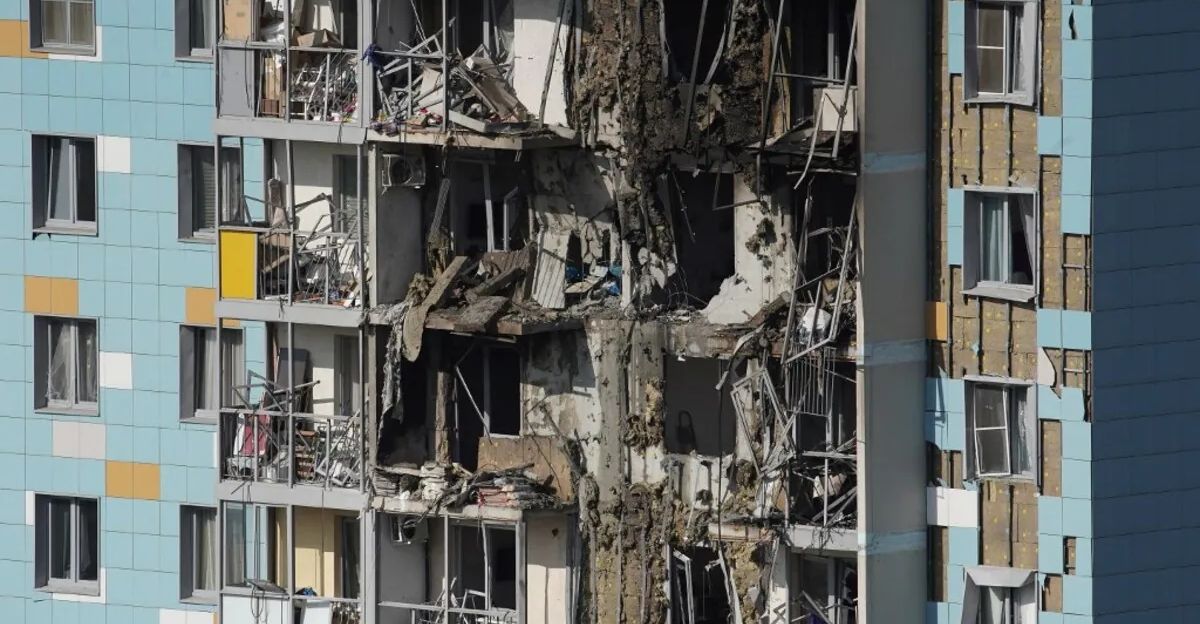
Previous Ukrainian drone strikes on Moscow have demonstrated the paradox of high-disruption, low-documented-damage patterns: airports close, flights ground, residents hear explosions, yet official casualty counts remain remarkably low.
This pattern suggests either highly effective air defense interception preventing ground impact, remarkably resilient infrastructure absorption, or conservative damage reporting by Russian authorities.
Saturation Warfare Strategy: Reshaping Conflict Economics
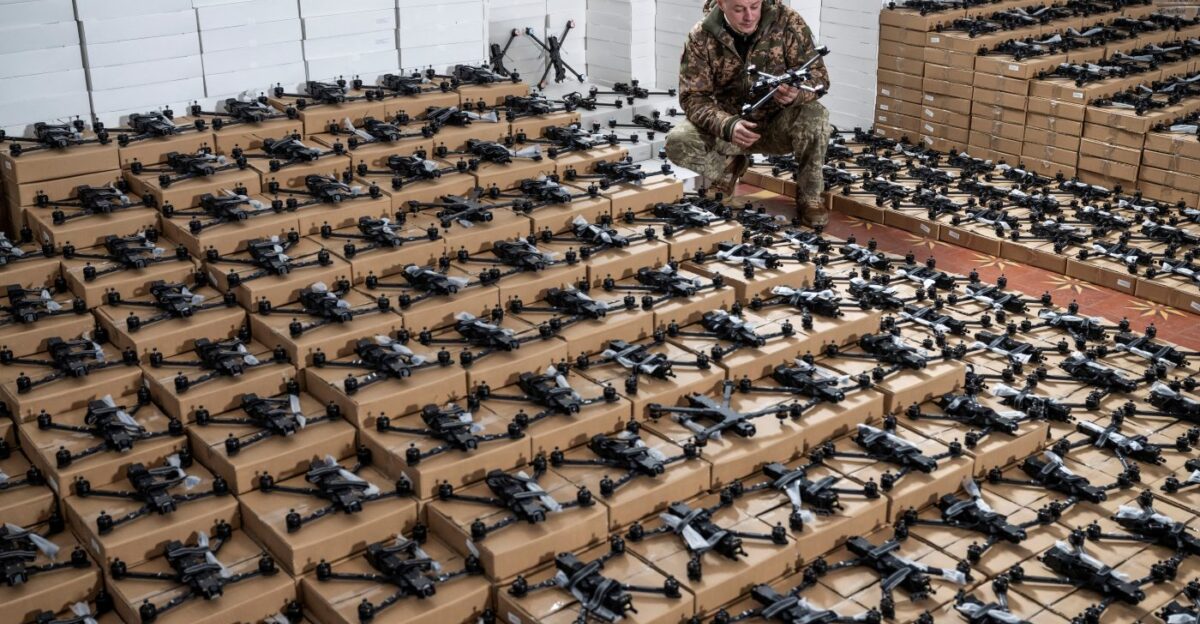
Ukraine’s deployment of 130+ drones in a single night represents textbook saturation warfare—overwhelming defender capacity through sheer volume rather than relying on breakthrough penetration. Even with 90%+ claimed interception rates, the 10-15% breakthrough rate of successful strikes creates constant threat pressure forcing costly air defense responses.
Each drone sortie forces Russia to deploy high-value air defense assets, expend expensive ammunition, and maintain alert status across vast geographic areas.
Western Support and Industrial Mobilization

The sustained Ukrainian drone campaign reflects NATO allies’ provision of advanced drone technology, precision guidance systems, and targeting intelligence enhancing operational effectiveness.
Germany’s €200 million drone procurement agreement, Canadian funding for production facilities, and Danish support for innovation initiatives demonstrate coordinated Western strategy to sustain Ukrainian offensive capability.
Strategic Implications: Conflict Trajectory Reshaping
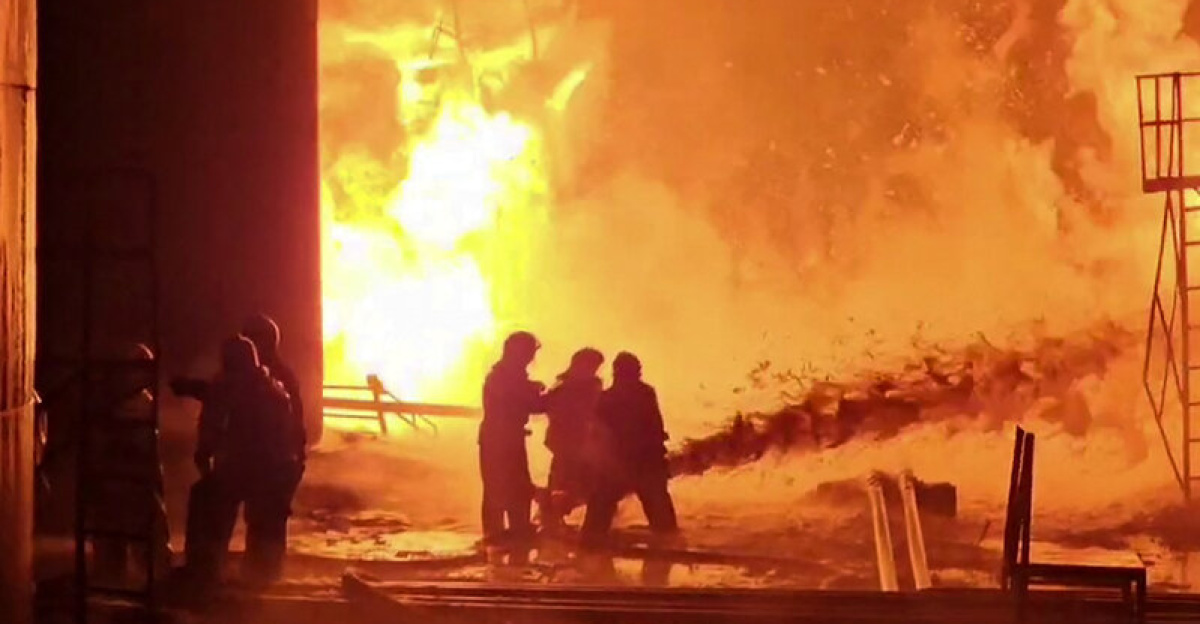
Ukraine’s demonstrated ability to conduct sustained, multi-regional drone operations against Russia’s capital and critical infrastructure challenges Russian assertions of military superiority and air defense dominance.
The December 14-15 strike, combined with three major operations within five days, establishes a new operational baseline for Ukrainian drone warfare deep within Russian territory.
Future Warfare: 2026 Outlook and Technological Evolution
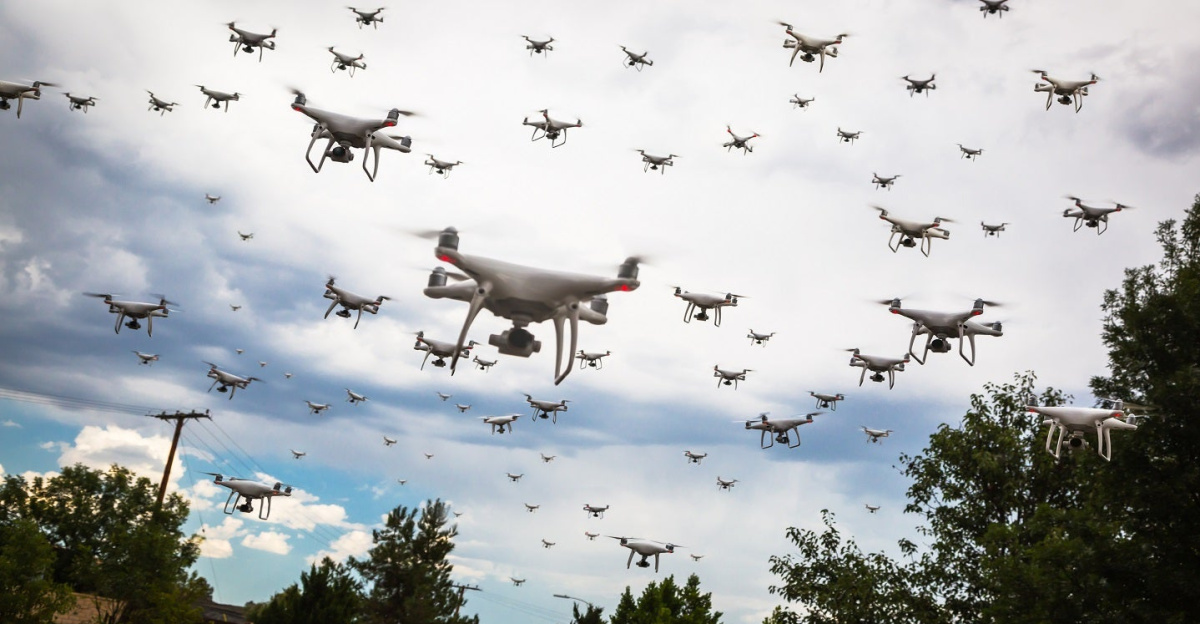
Defense technology experts project 2026 will see deployment of AI-enabled autonomous drone swarms, interceptor drones achieving 70%+ success rates, and resilient mesh communication networks resisting Russian jamming.
Ukraine is developing systems allowing single operators to control multiple autonomous drones simultaneously—a technological leap dependent on stronger AI-assisted control and navigation.
Long-Term Conflict Trajectory and Geopolitical Implications
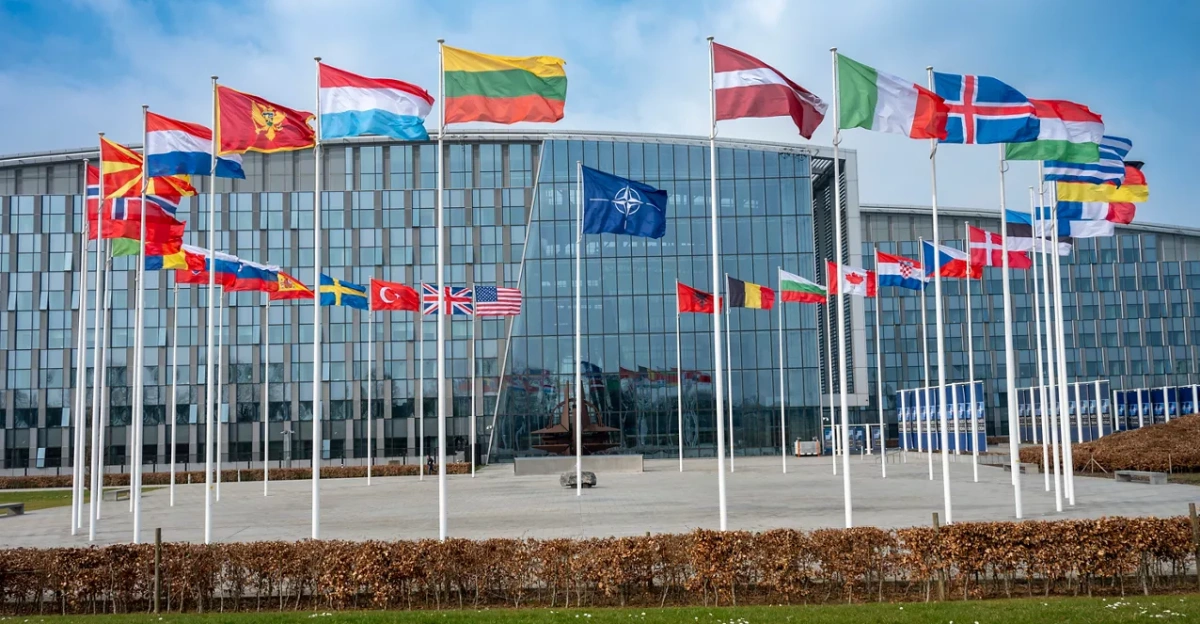
NATO’s December 2025 commitment to 5% GDP defense spending by 2035 and structured multi-year assistance frameworks signal alliance perception of Ukraine conflict as protracted rather than imminent resolution.
This strategic pivot transforms Ukraine support from emergency aid to permanent defense posture, fundamentally altering European security architecture and positioning the continent for sustained great-power competition.
Sources:
“Wave of Ukrainian Drones Targets Moscow in Reported Overnight Strike,” Kyiv Independent, December 15, 2025.
“Drones Attack Moscow, Explosions Reported,” Ukrainska Pravda English, December 15, 2025.
“Ukrainian Drone Strikes Hit Moscow and Russian Oil Sites,” Evrimagaci, December 14-15, 2025.
“Russia Intercepts 130 Ukrainian Drones in Overnight Raid,” Press TV, December 15, 2025.
“Russian Air Defenses Down 130 Ukrainian Drones Overnight,” Voennoedelo, December 14, 2025.
“Russia Says It Intercepted 130 Ukrainian Drones Overnight,” Alwaght, December 14-15, 2025.
“Strike in Belgorod Region Eliminates Two Russian S-400 Air Defense Systems,” Defence-ua.com, December 18, 2025.
“Drone Production, Air Defense Sustainment — Germany Commits €1.2 Billion to Ukraine,” Kyiv Independent, December 17, 2025.
“Ukraine Leads World in Drone Innovation and Production,” Jamestown Foundation, July 21, 2025.
“Stable Strategic Support for Ukraine: How NATO is Reshaping Its Role in a New Security Reality,” Czech Defence, December 13, 2025.
“Game-Changing Defense Tech for 2026, Picked by Experts,” United24Media, December 10, 2025.