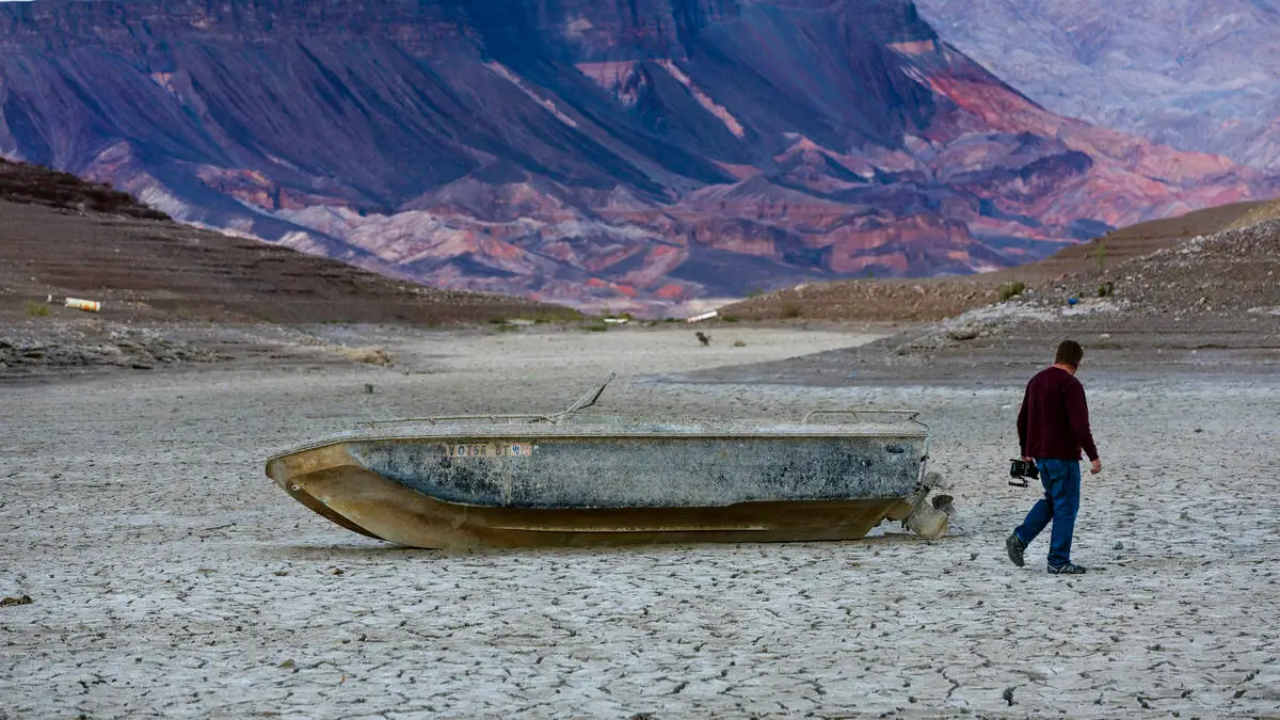
Lake Mead, the largest reservoir in the United States, could drop to its lowest level ever by 2027. This would threaten water supplies for 25 million people in the Southwest. The U.S. Bureau of Reclamation predicts this problem due to hotter temperatures, long droughts, and growing water needs. These issues strain the entire Colorado River system, which provides water to cities, farms, and homes across several states.
A report called “Dancing with Deadpool” from the Colorado River Research Group at the University of Colorado, Boulder, warns of serious danger ahead. “Deadpool” means the reservoir gets so low that water cannot flow out through the dam. The report says Lake Mead could fall below 4 million acre-feet by late summer 2026 or spring 2027. That level equals just 14 percent of its full 29-million-acre-foot capacity. Such a drop would put the whole Colorado River at risk.
Right now, Lake Mead sits at 1,061 feet high as of mid-December 2025. That is 167 feet below its full level of 1,229 feet. The deadpool level is 895 feet, so it is getting dangerously close. Upstream, Lake Powell is at 3,544 feet, which is 155 feet below full. Together, these two reservoirs hold 92 percent of the basin’s water storage.
Management Rules Set to Expire
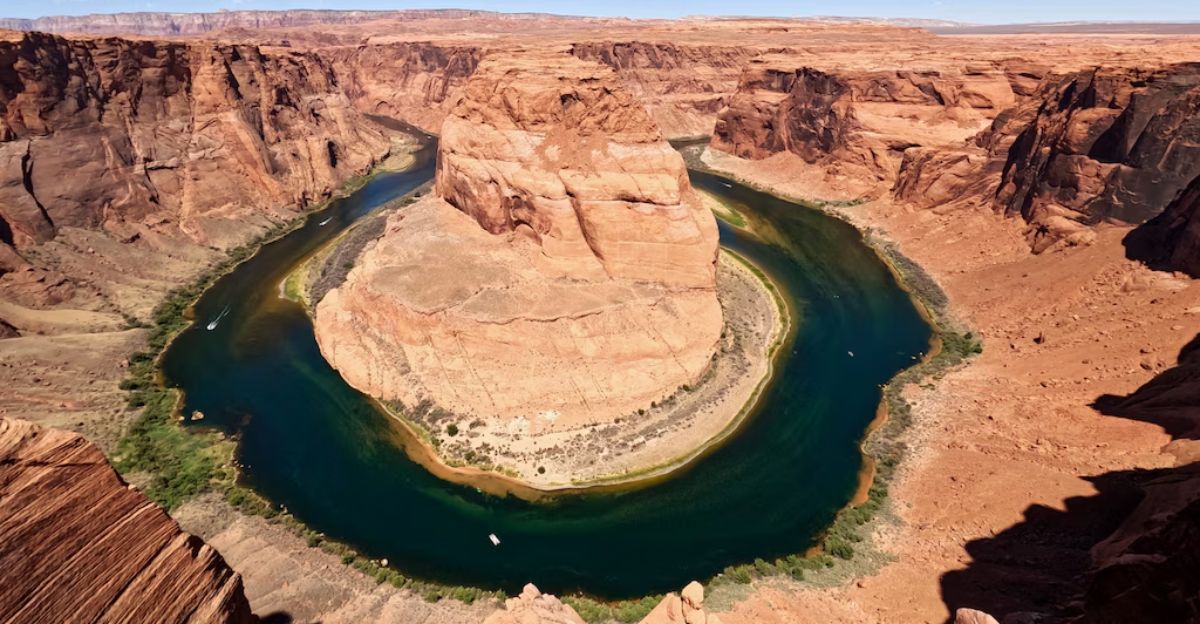
The current rules for managing the Colorado River end in October 2026. Without new deals among the seven basin states, Arizona, Nevada, California, Colorado, New Mexico, Utah, and Wyoming, the system would go back to old 1970s guidelines. Those rules do not fit today’s dry conditions. Talks between the states are stuck, making the situation worse. Former Interior Department official Anne Castle called falling back to those old rules a “nightmare scenario.”
In December 2025, six experts sounded the alarm. They include Jack Schmidt, Anne Castle, John Fleck, Eric Kuhn, Kathryn Sorensen, and Katherine Tara. These are water managers, university leaders, and former federal officials with years of experience. They called for big cuts in water use across the whole basin right away. Their message is clear: act now to avoid disaster.
If the states do not agree by October 2026, the Department of the Interior could step in. It might change how the Glen Canyon and Hoover dams work on its own. Officials say this is an urgent situation like never before. Any federal cuts would likely be tougher than what states could negotiate together.
Heavy Reliance on Scarce Water
The Colorado River supports 25 million people. Las Vegas gets 90 percent of its water from Lake Mead. Big cities like Los Angeles, San Diego, and Phoenix depend on it too. Farms in California’s Imperial Valley and central Arizona also need this water for crops. Agriculture uses more than 50 percent of the river’s diversions.
Nevada leads in smart water use. It recycles 85 percent of its wastewater through the Las Vegas Wash and gets credits for returning water to the system. Utah recycles less than 1 percent, and Wyoming does about 3.3 percent. Raising recycling to 40 percent basin-wide could save 900,000 acre-feet per year. That amount could supply 2 million households, according to UCLA’s Institute of the Environment and Sustainability and the Natural Resources Defense Council. Yet many states still dump treated water into deserts or oceans.
The area faces extra pressure from climate change. It has warmed more than twice the global average—the fastest in the continental U.S. This speeds up evaporation from reservoirs, melts snow early, and dries out soils that soak up rain before it reaches rivers. River flows have dropped nearly 20 percent since 2000, with half the loss from warming. By 2050, temperatures could rise another 2 to 5 degrees Fahrenheit, cutting flows by 10 to 40 percent more. The 1922 Colorado River Compact assumed higher flows than reality, causing ongoing mismatches.
Efforts and Paths Forward
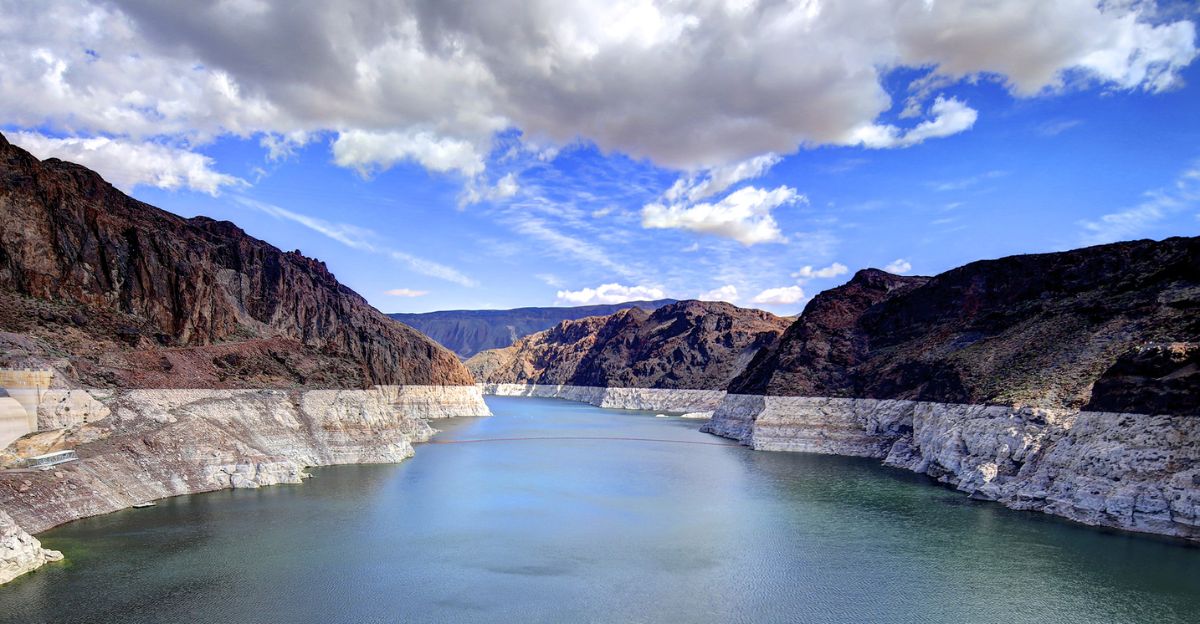
California used 3.76 million acre-feet in 2025, the least since 1949 even with more people. It met 75 percent of its pledge to cut 1.6 million acre-feet. These steps helped Lake Mead rise 16 feet in two years. But forecasts still show record lows by 2027 because the whole basin is out of balance.
Upper basin states like Colorado, Utah, New Mexico, and Wyoming say they use less than their shares and do not want equal cuts. Lower basin states push for everyone to share the pain. California, with strong water rights, has shown willingness to cut back. Arizona and Nevada have already made deep reductions. Tribal nations want their full water rights recognized too.
The “Dancing with Deadpool” report lists real solutions. They include more recycling, conservation, better efficiency, capturing stormwater, lower withdrawals, and prices that discourage waste. A long megadrought could last decades, so fast and fair action across the basin is key. The next few months will decide if the region adapts smoothly or faces chaos, with reservoirs nearing deadpool and 25 million lives at stake.
Sources
U.S. Bureau of Reclamation Lake Mead Forecast 2027 Projection
Colorado River Research Group “Dancing with Deadpool” Report, December 2025
UCLA Institute of the Environment & Sustainability / Natural Resources Defense Council Water Reuse Study
Nature Conservancy Colorado River Climate Analysis
California Colorado River Board Conservation Data Report, December 2025
Climate Reality Project Southwest Water Crisis Assessment