On December 2, Gov. Jeff Landry’s administration shocked healthcare providers and lawmakers by axing contracts affecting thousands of Medicaid members—representing 21.6% of Louisiana’s total Medicaid population of 1.53 million. The decision came 11 days after a court ruled in favor of UnitedHealthcare and against the state.
Health Secretary Bruce Greenstein defended both contracts just days earlier, never hinting at termination. The blindside left families scrambling to understand what came next for their children, elderly parents, and disabled relatives, depending on continuous care. Something else was happening behind closed doors.
How Pharmacy Battles Sparked The Crisis

Attorney General Liz Murrill’s fight against pharmacy benefit managers (PBMs)—corporate middlemen controlling 80% of the prescription drug market—triggered the entire crisis. Starting in June 2025, Murrill filed 3 lawsuits against CVS Health and UnitedHealthcare over alleged PBM practices, document withholding, and overcharging. Gov.
Landry had warned: “When you let middlemen control everything, it’s not a free market; it’s a rigged market.” The state documented that 100 independent pharmacies closed since 2022 because of PBM tactics. But neither company initially backed down—until the contracts were terminated.
Court Victory Didn’t Prevent Termination
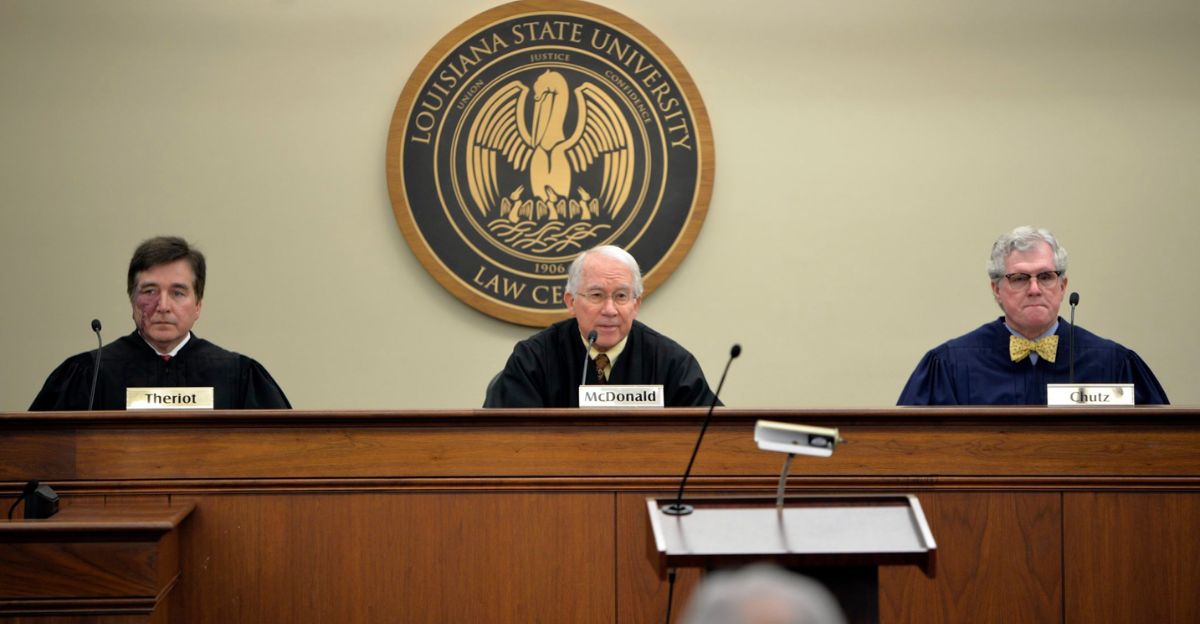
On November 21, 2025, Louisiana’s First Circuit Court of Appeal ruled in favor of UnitedHealthcare, rejecting the state’s claims and ordering document production delays to cease. One day earlier, lawmakers had voted to approve both Medicaid contracts. But the court victory proved hollow: 11 days later, the state terminated the $4.2 billion contract anyway.
Attorney General Murrill denied the ruling prompted retaliation: “It is convenient to somehow blame this on me being vindictive. It is not about that.” Yet the timing sparked legitimate questions about the state’s true motivations and legal strategy.
$6 Billion Contracts End In Days
On December 2, Seth Gold, Louisiana’s Medicaid Director, sent termination letters to both Aetna and UnitedHealthcare, affecting 488,500 combined enrollees. Aetna’s $1.8 billion contract and UnitedHealthcare’s $4.2 billion contract were dead. Both companies had 10 days’ notice. The state’s stated reason: non-compliance with state law and document withholding related to PBM practices. UnitedHealthcare’s spokeswoman Christina Witz responded: “We have always maintained compliance with Louisiana law and have been consistently responsive to State requests.” The disagreement about documents would define the next 3 weeks of chaos.
Why Aetna Members Were Spared
On December 9, just 7 days after terminating both contracts, Louisiana reversed course on Aetna. Seth Gold sent a renewal letter confirming that Aetna’s contract for 2026 would continue. Attorney General Murrill announced that settlement negotiations with CVS Health (Aetna’s parent company) were finalized: a $50 million settlement that would resolve all 3 lawsuits. Aetna’s 157,800 members were safe. But UnitedHealthcare’s 330,700 members remained in limbo. The divergent outcomes revealed a critical fact: settlement leverage differed dramatically between the 2 companies.
The CVS Settlement Explained
CVS faced reputational damage from a June 2025 text-messaging campaign opposing Louisiana’s anti-PBM legislation (House Bill 358). Attorney General Murrill stated: “CVS did use customer information to lobby for their own corporate interests and to scare people into lobbying on their behalf.” Murrill’s 3 lawsuits alleged unfair trade practices, antitrust violations, and monopolistic behavior.
The $50 million settlement ended all litigation. UnitedHealthcare’s potential liability was significantly higher—between $388 million and $768 million, with a possible exposure of up to $1 billion. Murrill explained the impasse: “I’m having more of an impasse with UnitedHealthcare. They haven’t settled like CVS.”
Tight Deadlines Spark Concern

The state initially planned to reassign 488,500 members by January 1, 2026—just 30 days away. Health Secretary Greenstein stated, “This will take place over the next 2 weeks, so it will take place over Christmas.” Lawmakers expressed alarm. Senator Patrick McMath warned: “Healthcare is very, very complicated, and we need to make sure we’re giving the Department of Health enough time to avoid a gap in coverage.” Senator Jay Luneau added: “When we’ve had a year to do this, there have been problems.” The holiday transition window was indefensible, and legislative pressure mounted fast.
Algorithms Decide Who Moves Where
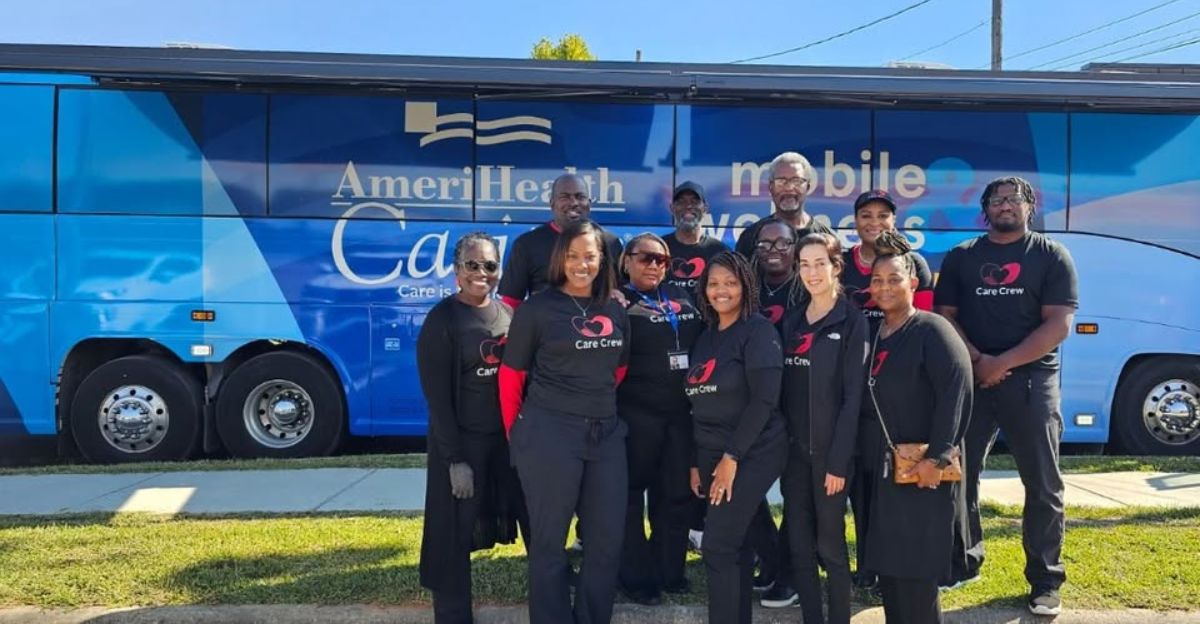
The state planned to use an algorithm to assign members to the four remaining Managed Care Organizations (MCOs): AmeriHealth Caritas, Elevance Health (formerly known as Healthy Blue), Humana, and Louisiana Healthcare Connections. Each MCO would absorb approximately 82,675 additional members—a 25% increase in capacity.
The algorithm would prioritize 2 things: keeping families in the same MCO and preserving doctor continuity. Health Secretary Greenstein stated, “I feel confident that we will be able to execute on this.” But executing reassignments for 24,425 members per business day over the Christmas holiday stretched credibility.
Who Makes Up The 488,500 Members
Of the 488,500 initially affected Medicaid members, 44.9% are children under 18, 20% are seniors or people with disabilities, and 30.7% are working-age adults earning below 138% of the Federal Poverty Level.
Among all Medicaid enrollees, 76% are already working or caring for their families. Among non-working adults, 9 in 10 have functional limitations from cancer, stroke, or chronic conditions. This reassignment posed genuine health risks for vulnerable populations dependent on uninterrupted medication and specialist care.
$500 Million Monthly Medicaid Flow At Risk
The combined $6 billion annual contracts represented approximately $500 million per month in Medicaid spending. With UnitedHealthcare’s $4.2 billion portion, roughly $350 million per month flowed through that company’s claims network, supporting hospitals, pharmacies, physicians, and specialty providers across all 64 Louisiana parishes.
The termination instantly redirected that revenue stream to the 4 remaining MCOs, creating network disruptions, credentialing bottlenecks, and pharmacy access problems. Provider reimbursement rates vary between MCOs, and prior authorization protocols differ, resulting in months of operational uncertainty for physicians.
Independent Pharmacies Face Hidden Collapse

Louisiana’s independent pharmacies were already under siege. Attorney General Murrill documented that 100 independent pharmacies closed since 2022 due to PBM reimbursement practices and vertical integration by CVS Caremark and OptumRx. Gov. Landry explained: “PBMs have a financial incentive not to secure the lowest possible drug prices.
They steer patients toward higher-priced drugs from their own mail-order operations.” The Medicaid contract turmoil accelerated this consolidation. As networks shifted between MCOs, independent pharmacies faced the prospect of being dropped from coverage entirely.
UnitedHealthcare Chooses Voluntary Exit

On December 16, the state offered UnitedHealthcare a 90-day contract extension through March 31, 2026. The supplemental contract was worth approximately $561 million, or roughly $187 million per month. UnitedHealthcare accepted the extension but made a critical announcement: the company would not renew beyond March 31.
UnitedHealthcare spokeswoman Christina Witz stated: “While we are disappointed that we cannot continue providing access to quality care for our more than 300,000 Medicaid members throughout the state after March 31, 2026, we are committed to a smooth transition.” The exit was voluntary.
Legislators Force A 90-Day Extension
Lawmakers’ concerns forced the state to recalibrate. State Senator Patrick McMath warned that the compressed timeline created unacceptable health risks: “We need to give the Department of Health more time to make sure there is not a gap in coverage.”
The 90-day extension represented a retreat from the administration’s original plan. Health Secretary Greenstein acknowledged: “This extension gives us more time to take an even more thoughtful approach to transitioning members to new plans. Continuity of care is our highest priority.”
What The CVS Settlement Really Did
Attorney General Murrill’s $50 million settlement with CVS Health resolved 3 lawsuits alleging unfair trade practices, antitrust violations, and misuse of customer data for political lobbying. The settlement allowed Aetna to retain its $1.8 billion Louisiana Medicaid contract and continue serving 157,800 members uninterrupted.
For CVS, the settlement was a business calculation: paying $50 million was cheaper than litigating exposure potentially exceeding $388 million. The CVS agreement became a roadmap that UnitedHealthcare explicitly rejected.
UnitedHealthcare’s Liability Numbers Explained
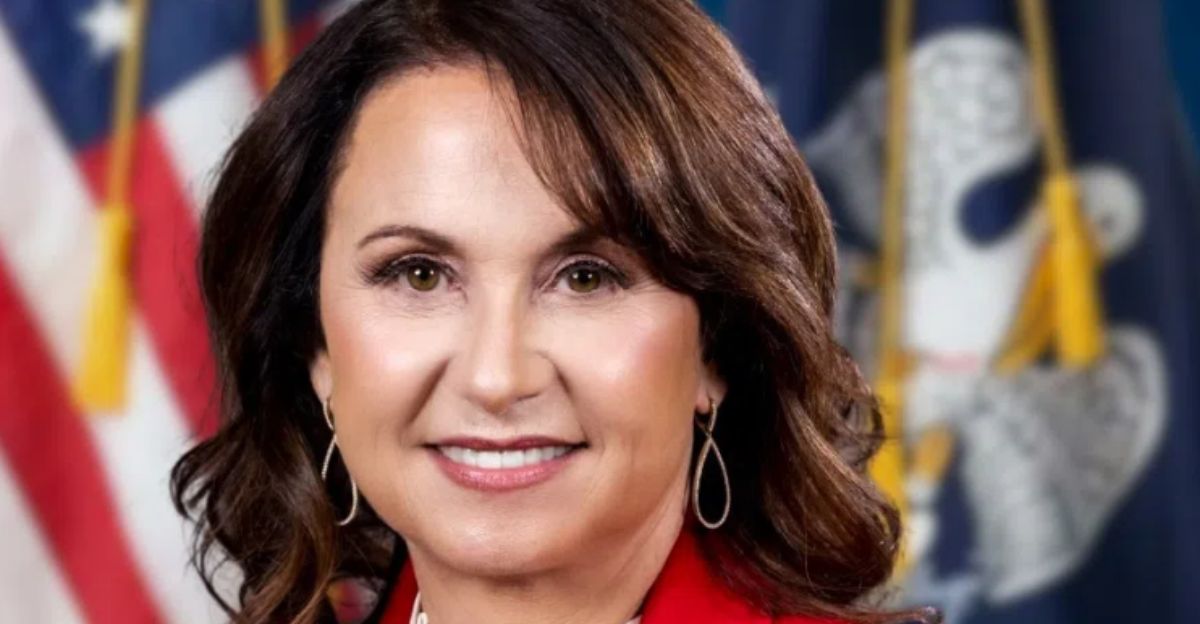
UnitedHealthcare’s refusal to settle hinged on the magnitude of its liability exposure. Attorney General Murrill calculated the state’s claims against UnitedHealthcare between $388 million and $768 million, with possible exposure exceeding $1 billion.
These figures were based on alleged overcharging for prescription drugs, document withholding, obstructing legal review, and alleged compliance violations. Murrill explained: “UnitedHealthcare’s potential lawsuit liability is much higher” than CVS’s. The decision reflected confidence in legal defenses or calculations that Louisiana’s leverage was weaker.
Continuity Of Care Provides Temporary Safety

State regulations required Managed Care Organizations to honor existing provider relationships for 60 days following member reassignment. This meant that if a child was seeing a pediatrician, that relationship wouldn’t be disrupted immediately; the new MCO had 60 days to credential the doctor into its network or continue out-of-network coverage.
For members on specialized treatment—cancer patients, dialysis recipients, pregnant women—this 60-day window provided critical bridge time. However, after 60 days, members faced forced switches to in-network providers mid-treatment.
488,500 Members Navigate 90-Day Window

Starting January 1, 2026 (extended through March 31), the 488,500 initially affected members have 90 days to switch plans if dissatisfied with their algorithm-assigned MCO. The state promised the algorithm would keep families together and preserve doctor relationships.
With 4 remaining MCOs absorbing members from both terminations, network capacity constraints are inevitable. Families have 3 months to navigate MCO websites, call customer service, review provider networks, and request transfers—all while managing medical conditions.
Federal Medicaid Cuts Heighten Pressure

The contract turmoil occurred amid a larger federal cuts crisis. A June 2025 federal budget bill slashed Medicaid by nearly $1 trillion over the next decade, including new work reporting requirements and reduced federal matching rates.
Louisiana’s Medicaid program, already reliant on provider taxes (at least one existing tax above 5.5%), faced additional pressure as federal taxes phase out from 6% to 3.5% of net patient revenue by 2032. The UnitedHealthcare crisis was happening against a backdrop of structural program instability.
What Happens After March 31, 2026
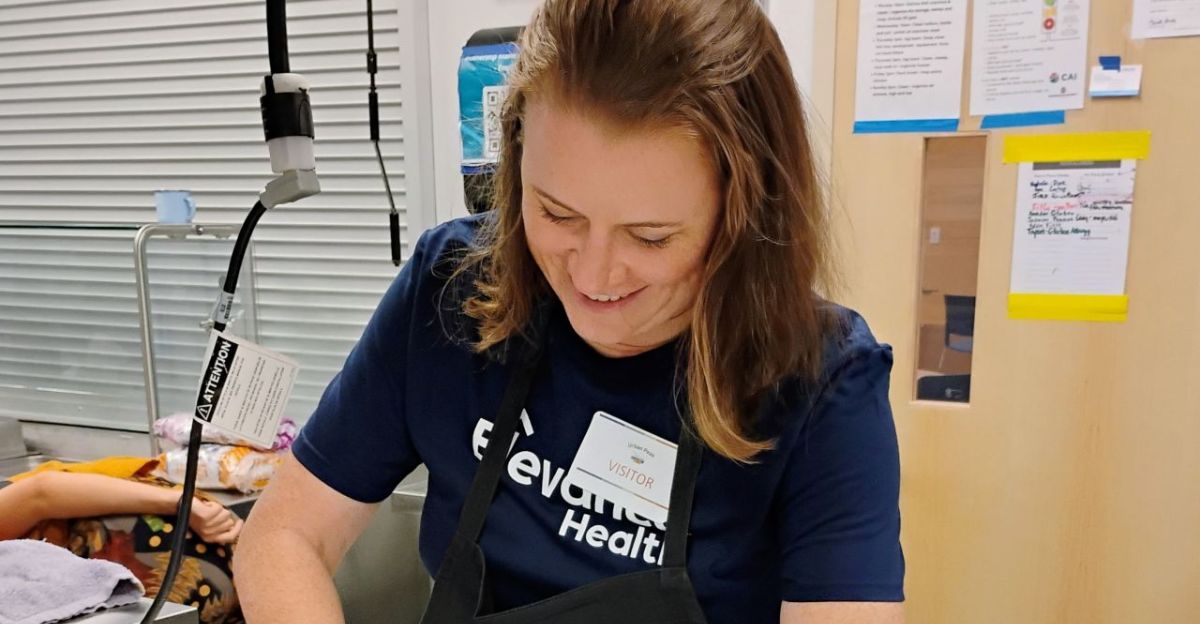
UnitedHealthcare’s 330,700 members will be reassigned to AmeriHealth Caritas, Elevance Health, Humana, or Louisiana Healthcare Connections by March 31, 2026. The state will initiate a second algorithmic reassignment—this one potentially more disruptive than the January plan, as members will have already experienced one transition three months earlier. Continuity of care protections are reset, meaning another 60-day window during which existing provider relationships are honored. Health Secretary Greenstein’s confidence in execution faced its ultimate test.
Litigation, Settlement, And Market Lessons
Louisiana’s Medicaid contract crisis reveals how litigation leverage, settlement strategy, and corporate risk calculus shape healthcare access for vulnerable populations. CVS settled for $50 million and kept its contract. UnitedHealthcare refused, accepted a 90-day extension at a lower value, then voluntarily exited rather than accept the state terms. Attorney General Murrill won the battle against CVS but lost negotiating leverage with UnitedHealthcare. The 330,700 members caught in between now face reassignments by March 31.
Sources:
LDH Announces Update to Medicaid Managed Care Contracts,” Louisiana Department of Health, December 11, 2025
“UnitedHealthcare will end Medicaid contract with Louisiana in 3 months, affecting 330,000 people,” New Orleans City Business, December 18, 2025
“CVS Faces Lawsuits for Using Patient Database to Evade PBM Law,” Heartland Institute, July 27, 2025
“Louisiana Attorney General sues CVS for unlawful practices,” Reuters, June 24, 2025
“Louisiana extends UnitedHealthcare contract for 90 days,” Louisiana Department of Health, December 17, 2025
“UnitedHealthcare will end Medicaid contract with Louisiana,” News from the States, December 19, 2025