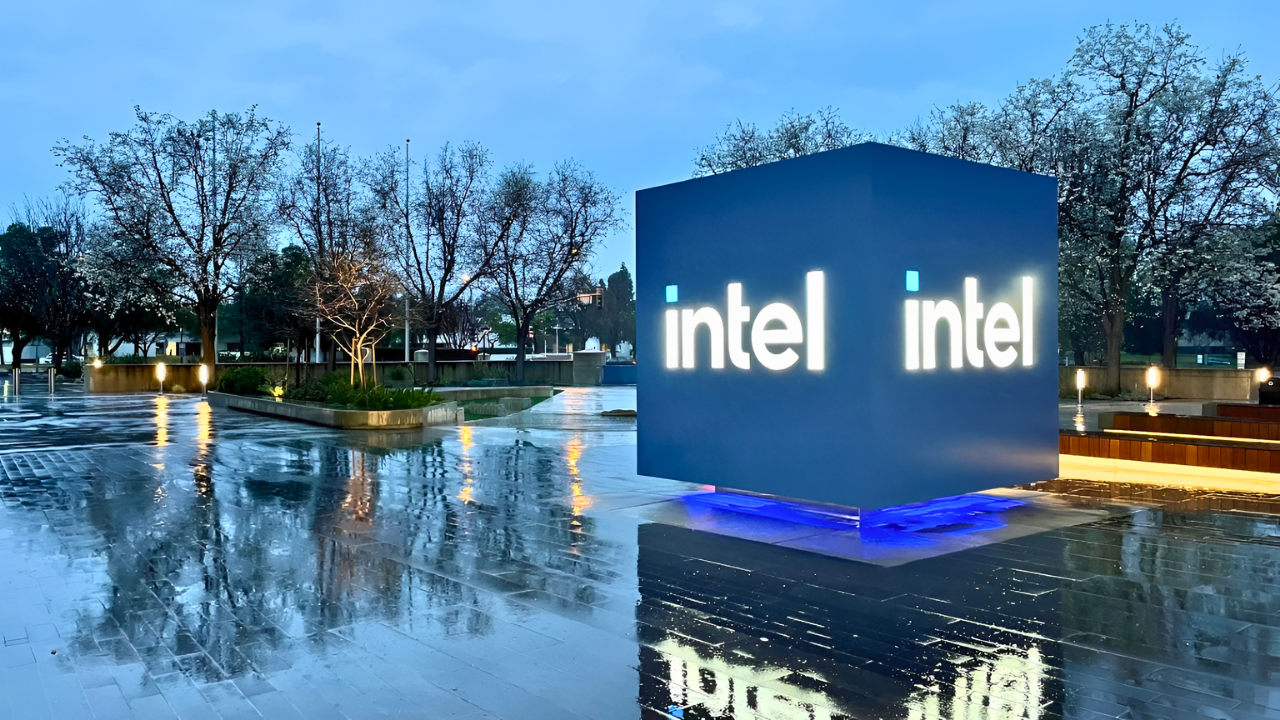
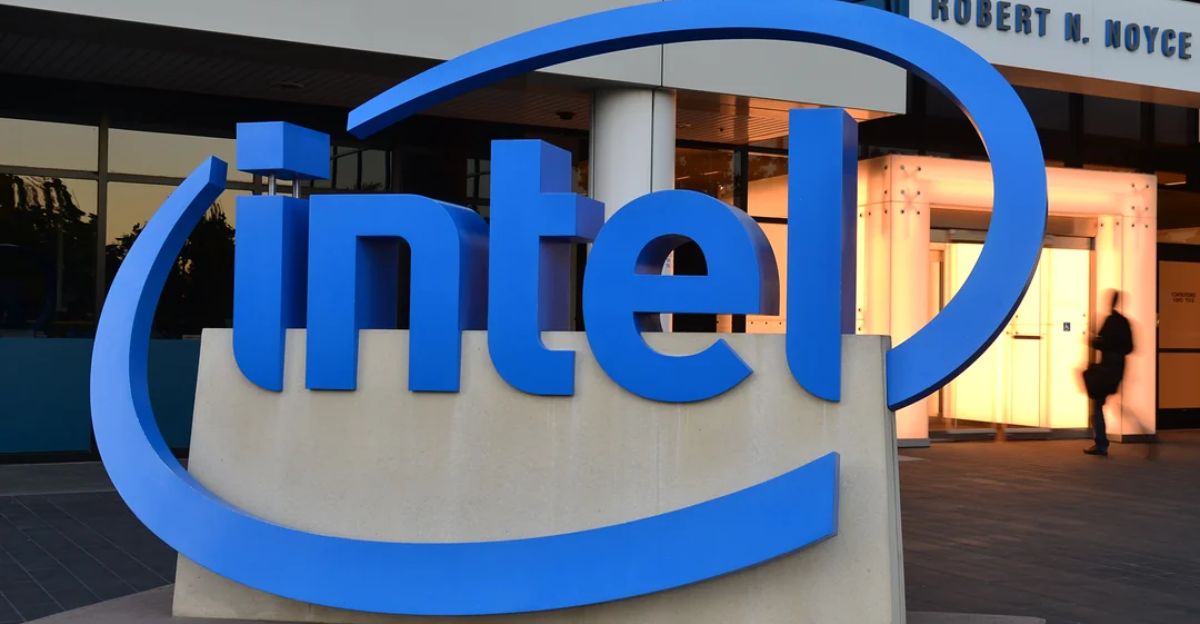
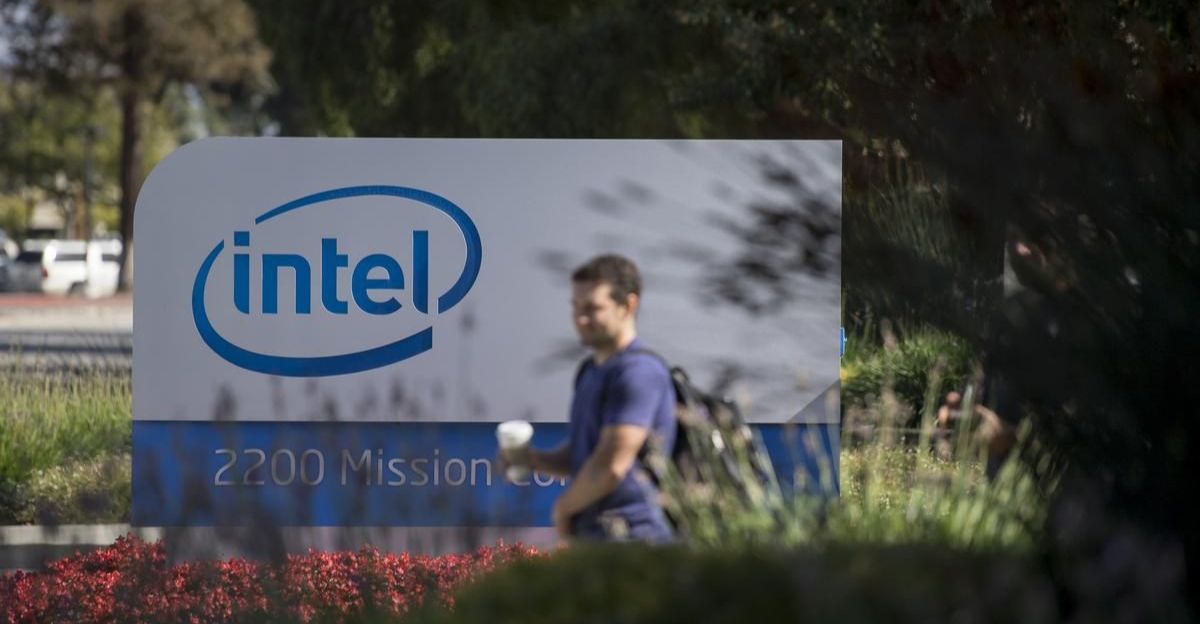
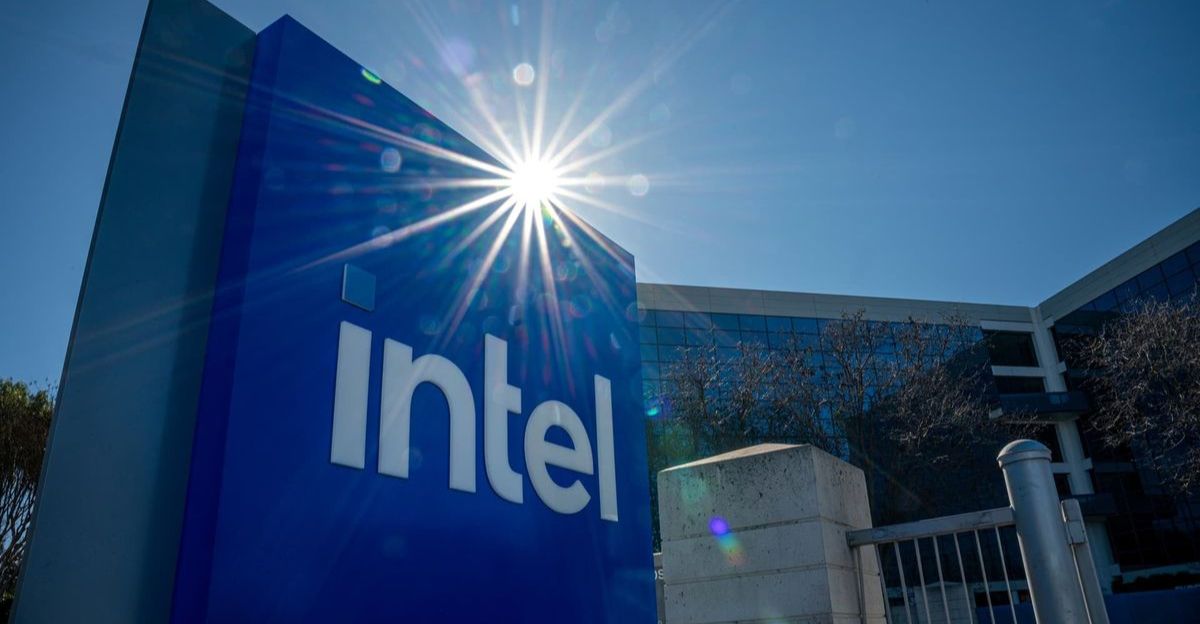
At 2200 Mission College Boulevard, the iconic blue glass of Intel’s Santa Clara headquarters reflected a somber reality on November 30. While the campus exterior remained unchanged, inside, 45 desks were permanently vacated, part of a targeted 59-person reduction that slipped quietly into state records just days before the holidays.
There were no press conferences or company-wide town halls this time—just official filings marking the permanent departure of staff from the heart of the Silicon Valley giant. But these quiet exits signal a much louder crisis unfolding behind closed doors.
Immediate Impact in Santa Clara
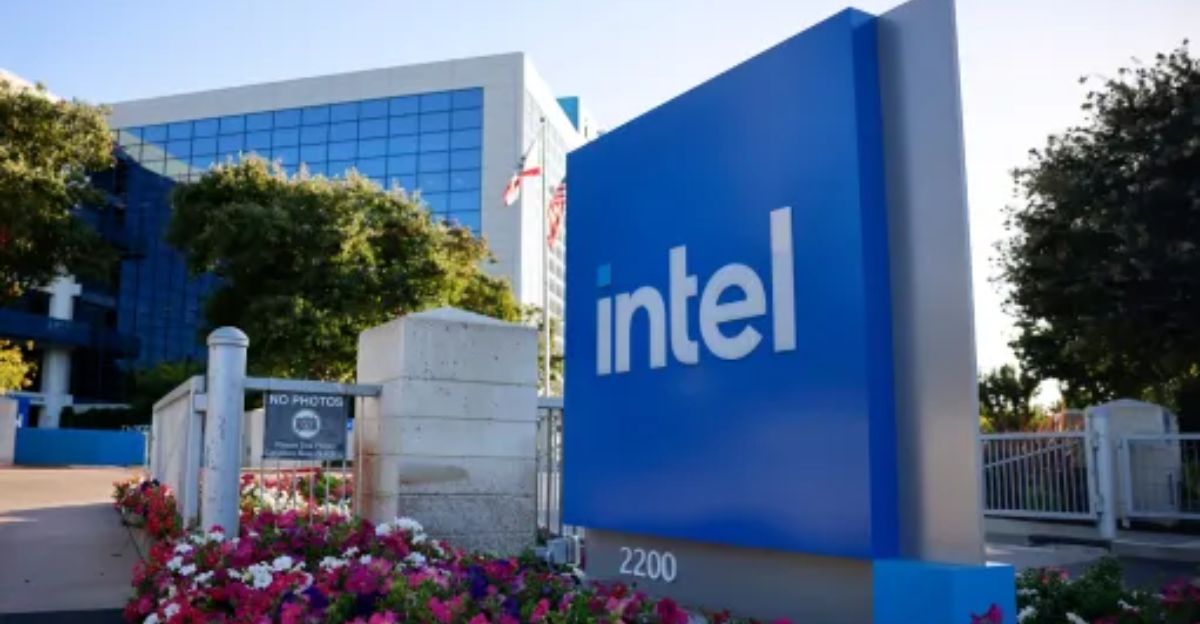
The December workforce reduction specifically targeted three key South Bay locations, dismantling roles with surgical precision. Beyond the 45 positions eliminated at the main headquarters, another 11 jobs vanished from the Juliette Lane facility, and three more were cut from the Bowers Avenue office.
These departures are classified as permanent, with no option for recall, leaving affected employees to navigate a cooling tech job market right before the year’s end.
A Deepening California Crisis
These seemingly small numbers are deceptive; they represent the latest aftershock in a massive seismic shift rocking Intel’s California operations.
Throughout 2025, the company has aggressively scaled up its layoff projections, with total planned cuts in the state swelling to over 1,900 positions by mid-year. What began as a strategic realignment has spiraled into a comprehensive downsizing, striking at the very geographic core of the company’s identity.
The Folsom Fallout
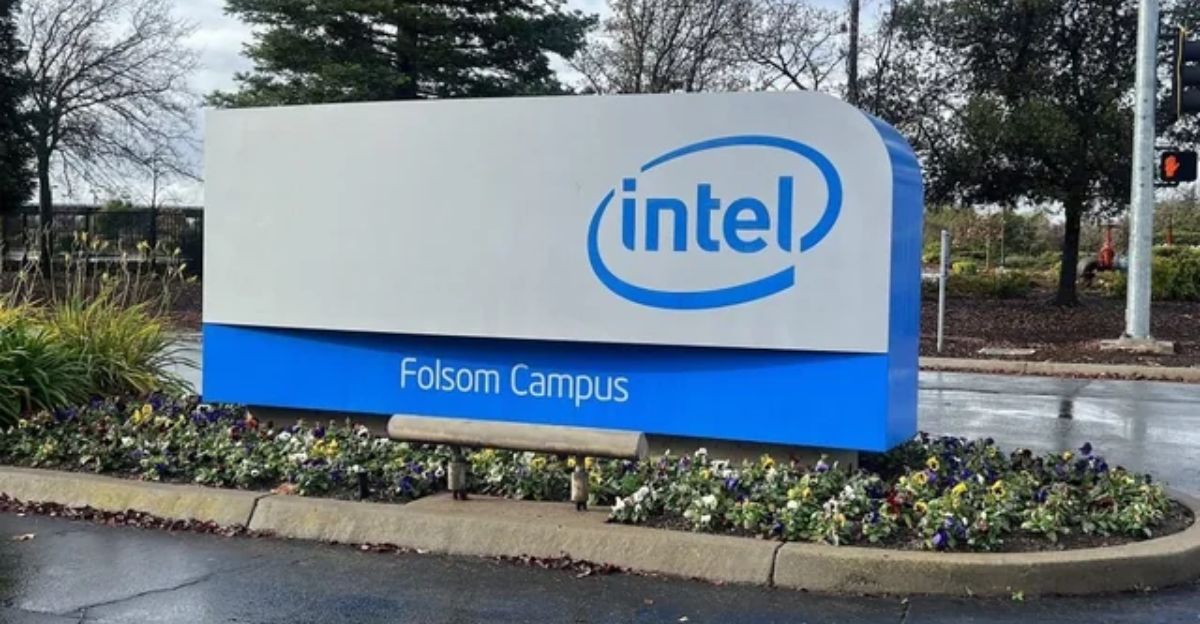
While Santa Clara bleeds slowly, other campuses have faced sudden, massive hemorrhaging. The Folsom campus, a longtime hub for research and development, was decimated in 2025, losing over 500 employees in a single restructuring wave.
This drastic reduction brought the site’s total job losses to more than 900 in just twelve months, effectively hollowing out teams that had been stable fixtures of the local economy for decades.
National Scope of Reductions
The pain radiates far beyond the Golden State. Updated federal filings reveal a coordinated national retreat, with over 5,000 jobs eliminated across four key states, including Oregon, Arizona, and Texas.
Oregon’s “Silicon Forest” took the heaviest hit, shedding nearly 2,400 roles, proving that no region—regardless of its strategic importance to manufacturing or R&D—is safe from the company’s desperate cost-cutting mandate.
The Billion-Dollar Mandate
Driving these decisions is a $10 billion cost-reduction target set by leadership to stave off financial ruin. The original plan, announced in late 2024, called for a 15% global workforce reduction—roughly 15,000 employees—but the execution has dragged on, evolving into a rolling series of cuts rather than a single event.
This prolonged uncertainty has created a paralyzing atmosphere where employees wait to see which department will be targeted next.
Leadership’s Ruthless Efficiency

Under the new direction of CEO Lip-Bu Tan, the company has abandoned its traditional paternalistic culture for ruthless operational efficiency.
Tan has publicly criticized the company’s bloated structure, famously noting that some teams had “eight layers” of management slowing them down. His mandate is clear: flatten the organization, remove the “bureaucracy,” and speed up decision-making, regardless of the human cost involved.
“Sacred Cows” to the Slaughter
The restructuring has spared no one, cutting into departments previously considered untouchable. Management ranks have been thinned by approximately 50%, a deliberate move to strip away the middle layers that Tan argues have stifled innovation.
By targeting these higher-paid, experienced roles, Intel aims to achieve disproportionately large cost savings while theoretically making the organization more agile and responsive to market shifts.
Financial Reality Check
The layoffs are a direct arithmetic consequence of Intel’s collapsing revenue streams. Between 2020 and 2023, the company saw $24 billion in annual revenue evaporate, a trend that has only worsened in 2024 and 2025.
With quarterly earnings consistently missing targets and the historic shareholder dividend suspended, the company has been forced to cannibalize its own workforce to preserve what remains of its capital reserves.
The Foundry Gamble
A primary driver of this financial distress is the company’s foundry division, which has become a multi-billion dollar money pit. Filings reveal the unit lost $7 billion in a single year, struggling to compete with established rival TSMC.
This high-stakes bet on manufacturing for others has yet to pay off, draining resources that might otherwise have supported the very jobs now being eliminated.
Missing the AI Wave

Industry experts point to a single strategic failure as the catalyst for this downfall: missing the AI revolution. While Nvidia’s data center revenue skyrocketed to over $100 billion, Intel’s competing AI products generated a negligible fraction of that.
“We have yet to fully benefit from powerful trends like AI,” former CEO Pat Gelsinger admitted, a confession that explains why the company is shrinking while its rivals are booming.
Market Share Erosion
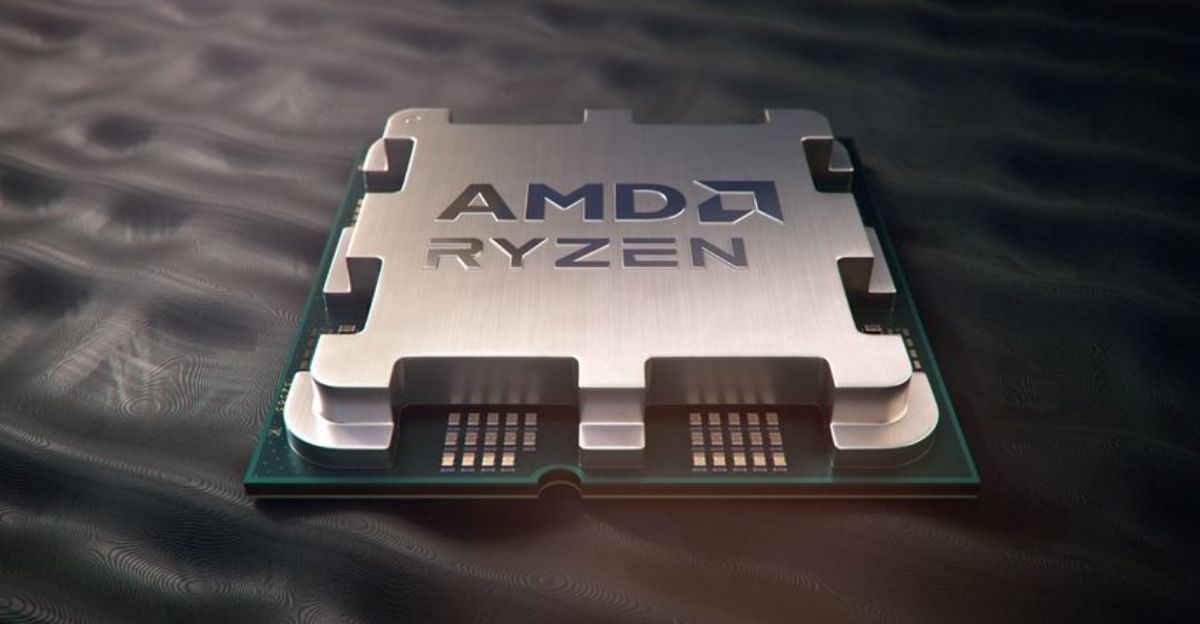
The competitive landscape offers no relief, with rivals attacking Intel’s dominance from every angle. AMD has not only stolen significant market share in data centers but has also surpassed Intel in total market valuation—a once-unthinkable shift in industry power dynamics.
In the consumer graphics space, Intel’s market share has collapsed to near zero, rendering its expensive entry into the GPU market a costly failure.
Analyst Perspectives

Market analysts view these cuts as necessary but insufficient. “Intel is trying to shrink its way to profitability, but you can’t save your way to growth,” noted one semiconductor analyst.
The consensus on Wall Street is skepticism; investors have kept the stock price depressed, unconvinced that firing engineers and managers will solve the fundamental problem of inferior technology and delayed product roadmaps.
Strategic Retreat
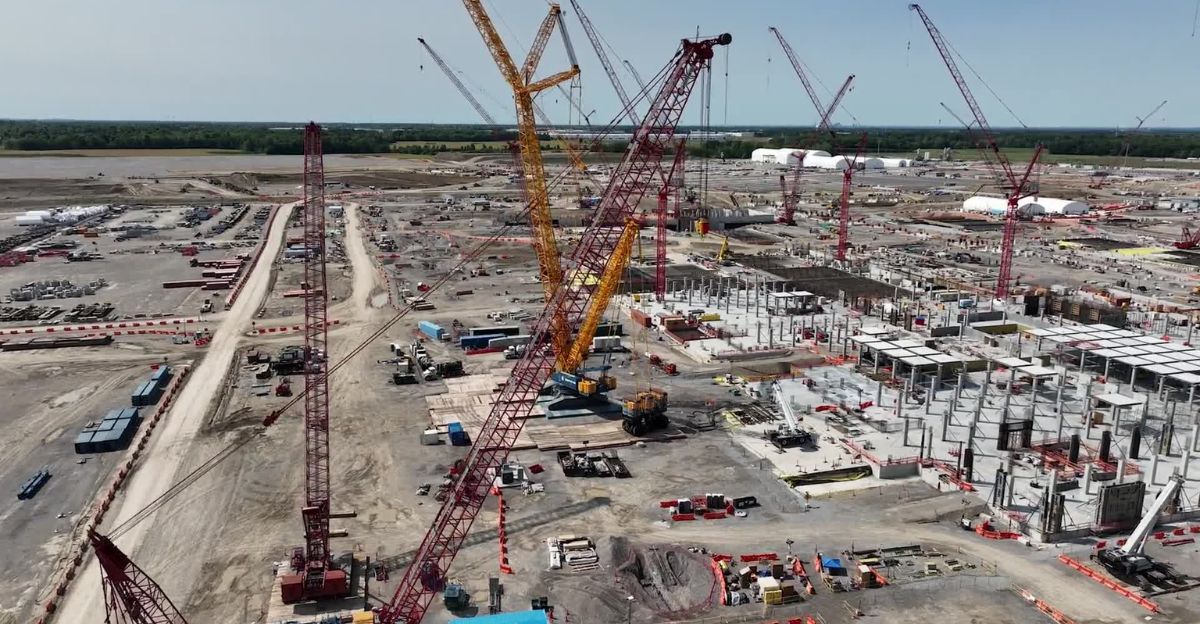
The company’s global footprint is shrinking in tandem with its workforce. Ambitious expansion plans in Germany and Poland have been paused, and the massive Ohio “Silicon Heartland” project has been delayed until at least 2030.
These cancellations signal a dramatic retreat from the aggressive “build everywhere” strategy that defined the company just two years ago, replacing bold expansion with defensive consolidation.
Cultural Transformation
Inside the remaining offices, the atmosphere has shifted from collaboration to survival. A strict return-to-office mandate enforced in late 2024 was widely interpreted as a “soft layoff” tactic designed to encourage voluntary attrition.
Combined with the suspension of long-standing perks and the constant threat of WARN notices, the unique “Intel culture” that once inspired fierce loyalty has effectively been dismantled.
The Automation Pivot
As human roles disappear, Intel is pivoting toward outsourcing and automation to fill the void. Non-core functions like marketing and customer support are being transferred to external consulting firms like Accenture.
This strategy converts fixed labor costs into variable expenses, offering financial flexibility but risking the loss of the deep institutional memory that once successfully navigated previous industry downturns.
Arizona: The Last Stand
Despite the retrenchment, Intel is pushing all its remaining chips into the center of the table in Arizona. The Chandler operational hub is receiving the bulk of remaining investment, including advanced lithography tools critical for the upcoming “18A” process node.
This site represents the company’s last, best hope to catch up technologically with TSMC and prove it can still manufacture cutting-edge silicon.
Future Outlook
The road ahead remains treacherous. Rumors persist that Intel may eventually need to split its product design and manufacturing businesses to survive—a “breakup” scenario that would mark the end of Intel as the world knows it.
For now, the strategy remains a race against time: cut costs fast enough to survive until the new technology nodes in Arizona finally come online.
What Comes Next?
For the 59 employees leaving Santa Clara and the thousands of others across the U.S., the immediate future involves severance packages and job searches in a crowded market.
For those who remain, the question isn’t if more cuts are coming, but when. As 2026 approaches, the once-unshakeable pillar of Silicon Valley finds itself fighting for its very existence, one layoff round at a time.
A New Era of Uncertainty
The departure of these 59 employees is more than a statistic; it is a symbol of the profound transformation reshaping Silicon Valley’s oldest titan. Intel, once the undisputed king of the semiconductor world, now finds itself fighting a multi-front war for relevance against nimble competitors and its own financial realities.
As the company bets its survival on a “leaner, faster” future, the continued workforce reductions serve as a stark warning: in the unforgiving race for AI dominance, even the most legendary giants are not too big to fall.
Sources:
“Intel cuts dozens of Bay Area jobs in latest layoffs.” Yahoo Finance, 9 Dec 2025.
“Intel cuts jobs in Santa Clara as part of its 15% global workforce reduction.” HRKatha, 9 Dec 2025.
“Intel layoffs surpass 5,000 across California, Oregon, Arizona, Texas.” Manufacturing Dive, 10 July 2025.
“Intel Expands Layoffs In Folsom, Cutting Hundreds More Jobs.” Folsom Times, 15 July 2025.
“Intel to lay off 15,000 employees.” TechCrunch, 31 July 2024.