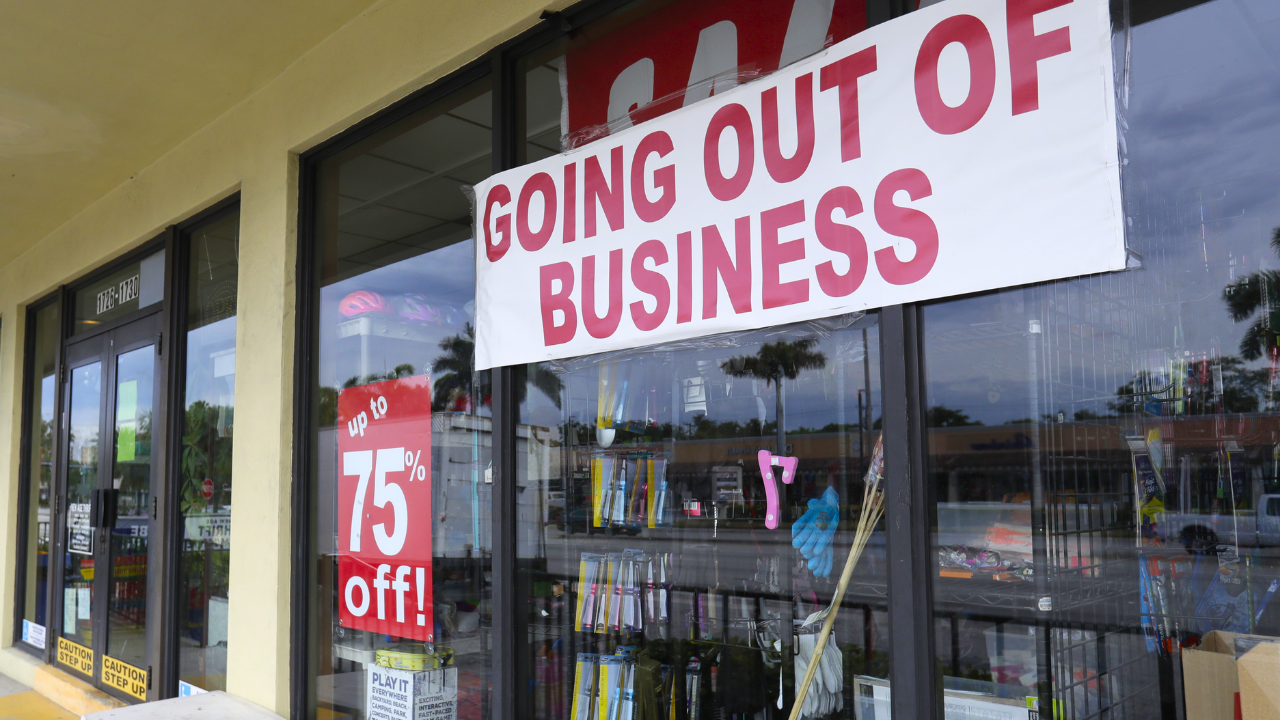
On a December morning, while customers in Illinois and Florida filled their tanks and grabbed coffee, a business that had operated for 77 years in the Midwest quietly changed hands. With a single signed agreement on December 9, family-owned Freedom Oil ended its long run as an independent operator, closing a chapter that began in the post-war boom and reshaped local street corners for generations.
End of a Local Name

The transaction affects 27 convenience stores and fuel locations spread across Illinois and Florida. Those sites did not close; instead, they shifted overnight from third-generation family control into the portfolio of a larger industry player. Operations continued without interruption, with frontline employees often retained in such acquisitions to help preserve knowledge of regular customers and local patterns.
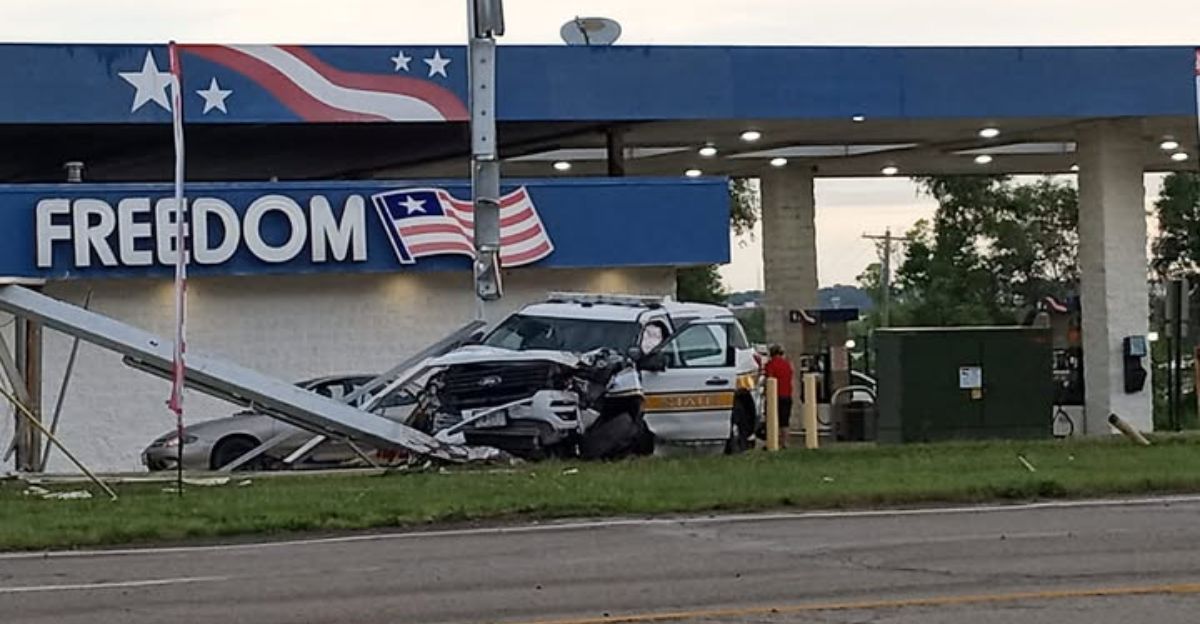
One of the clearest changes will be the disappearance of the Freedom Oil brand. The chain’s familiar red, white, and blue logo, which has been a regular roadside sight for nearly eight decades, is scheduled to be phased out. Over time, exterior signs, fuel canopies, and employee uniforms will be replaced, erasing a visual marker of local identity even as the locations themselves remain open.
Family Legacy Meets Corporate Scale
Freedom Oil was founded in 1948 by the Owens family and grew from a small neighborhood operation into a regional chain spanning two states. Over three generations, the family expanded the business, invested in real estate, and built a reputation for serving local communities.
The current leader, third-generation owner Mike Owens, described the sale as a bittersweet moment. He explained that after a lifetime in the convenience store business, he knew it was the right time to step away and pursue other opportunities. For the family, the move represents a strategic exit at a time when the cost and complexity of competing in modern fuel retailing are rising sharply. Rather than trying to keep pace with national chains demanding larger capital investments, the Owens family chose to hand over the business while it remained healthy and attractive to buyers.
Mizpah Ventures Steps In

The buyer, Chicago-based Mizpah Ventures LLC, acquired all 27 locations along with the underlying real estate and operating assets. Mizpah already has a presence in the Midwest and has been expanding in fuel wholesaling and retailing across Illinois and Wisconsin. Adding Freedom Oil’s stores allows the company to scale up quickly without having to develop new sites from scratch.
By absorbing an established network, Mizpah effectively bought immediate market share and geographic reach. This approach reflects a broader strategy within the sector: mid-sized operators use acquisitions to grow fast enough to compete with national brands that have hundreds or thousands of outlets. For Mizpah, the Freedom Oil deal adds density to its footprint and provides a base for further regional expansion.
Inside a Consolidation Wave

Industry analysts see the Freedom Oil sale as a clear example of the consolidation reshaping U.S. convenience stores and fuel retailing. National players such as 7-Eleven and Wawa continue to widen the gap between themselves and regional competitors through economies of scale, marketing budgets, and access to capital. In this environment, chains with 20 to 50 locations fall into an increasingly difficult middle tier.
Data from the National Association of Convenience Stores shows that single-store owners still make up a majority of operators, but their share is gradually shrinking as acquisitions and mergers increase. Mid-sized chains face a particular squeeze: they are too complex to run like small neighborhood shops yet too small to secure the deep supplier discounts and technology platforms available to national companies.
The costs of staying competitive are rising on several fronts. Modern convenience stores need investment in mobile loyalty programs, upgraded point-of-sale systems, enhanced foodservice equipment, and fuel pumps that meet newer security standards. At the same time, operators are dealing with higher labor costs, ongoing staffing challenges, and substantial credit-card processing fees. Economic pressures, including tariff-related increases on imported goods and other input costs, have added another layer of pressure for regional retailers.
Demographic trends are also playing a role. Many convenience store chains were founded decades ago, and today’s owners are often second- or third-generation leaders nearing retirement. With valuations attractive and merger-and-acquisition activity high, more families are opting to sell rather than pass the business to another generation under tougher conditions.
Community Impact and the Road Ahead
For workers and customers of Freedom Oil, the transition differs from a typical retail closure. Instead of shuttered sites and layoffs, the stores are expected to remain open under Mizpah’s control, with frontline employees often retained for their knowledge of regular customers and local patterns. The most visible difference will be branding and, over time, possible changes to store layouts, product mix, and available services.
Freedom Oil’s experience mirrors broader shifts across the country. In another recent example, the Kum & Go banner has been disappearing from some markets following its sale to Maverik, demonstrating that even long-established regional names can be absorbed into larger portfolios. Recent industry reports indicate this pattern is likely to continue, with fewer mid-sized chains and a landscape increasingly dominated by very large brands on one end and highly localized independents on the other.
Technology is likely to sharpen that divide. Larger operators can deploy advanced data analytics to manage inventory and pricing and are better positioned to invest in emerging infrastructure such as electric vehicle charging stations. These initiatives require capital and expertise that can be difficult for family-owned companies to assemble.
For communities, the Freedom Oil acquisition underscores how the familiar corner convenience stop has become part of a wider corporate and financial ecosystem. While the signs above the pumps may change and long-standing logos may disappear, the locations themselves are expected to continue serving everyday needs under new ownership. The transaction suggests that, in an industry defined by tight margins and rising expectations, consolidation will remain a central theme, reshaping how fuel and convenience services are delivered across the Midwest and beyond.
Sources:
“77-year-old convenience store chain closing all its stores after sale.” TheStreet, 2024.
“Freedom Oil sells its 27 c-stores to Midwest competitor.” C-Store Dive, 2024.
“Freedom Oil Sells 27 Locations.” NACS Daily, 2024.
“Convenience store M&A activity suggests more consolidation is coming.” CoBank, 2025.
“American Business Brokers & Advisors Announces the Successful Sale of Freedom Oil Company.” American Business Brokers & Advisors, 2024.