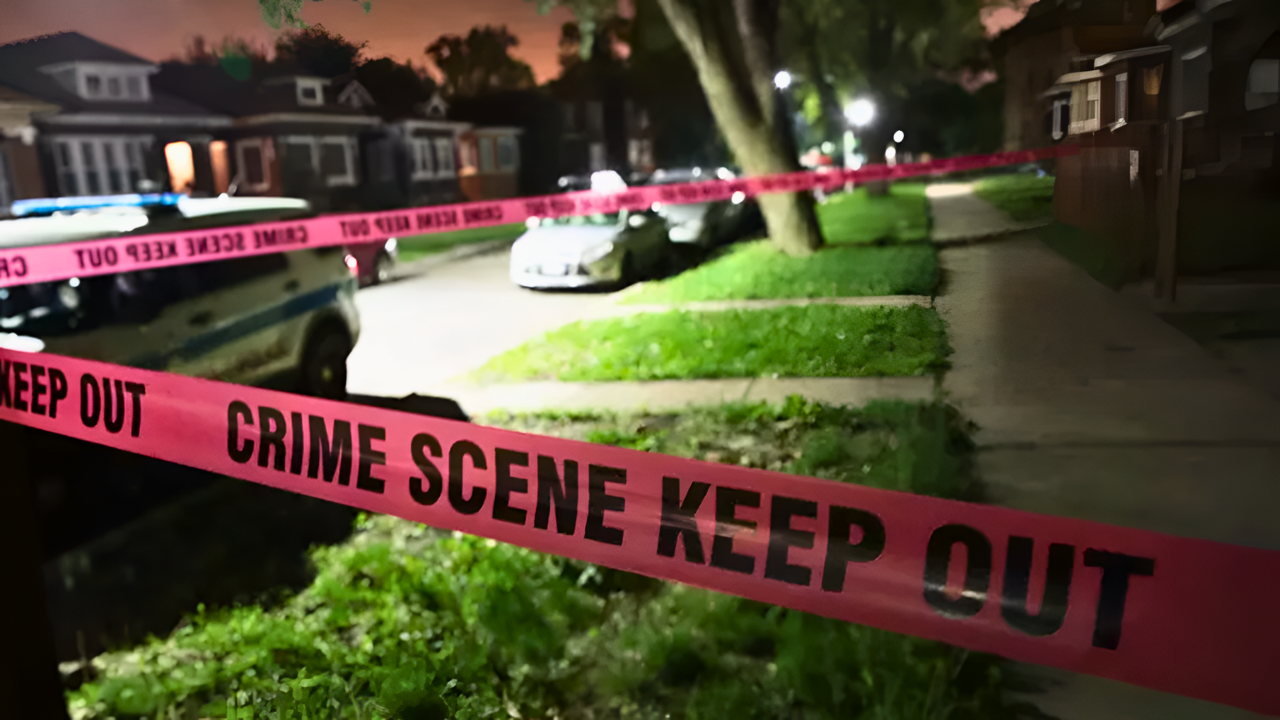
In Pine Bluff, Arkansas, a studio rental goes for as little as $630 a month—nearly 60% below the national median. But this isn’t an unexpected bargain; it’s a warning.
Across a dozen cities in America, housing prices are plummeting, with rental costs far below the national average of $1,632. While these deals might seem like financial lifelines, the truth is far darker.
Violence, abandoned properties, and decades of economic decay haunt these cities. The affordability is deceptive, masking a hidden cost: the price of safety.
1. Camden, New Jersey
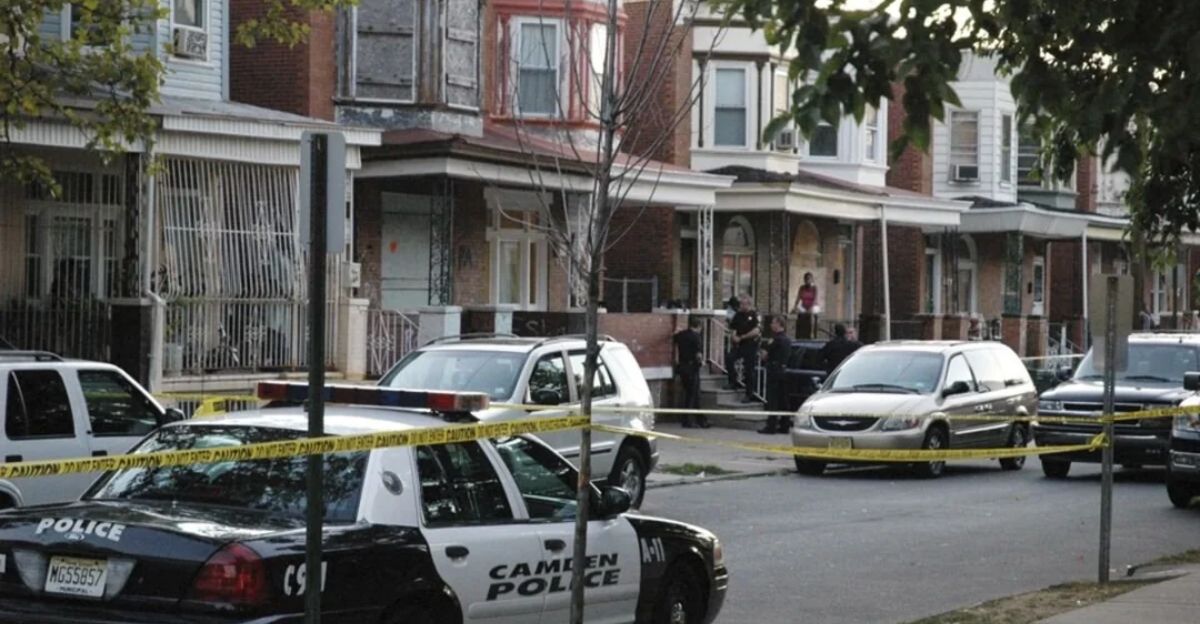
Camden’s violent crime rate reaches 1,640 per 100,000—quadruple the national average. Yet 2025 reports a 13% crime reduction from 2024, signaling modest progress. Rent averages $1,191–$1,650 monthly, 20–27% below national norms.
The city disbanded its police department in 2013 and rebuilt it with community policing initiatives. Despite innovation and investment, Camden remains a measurably dangerous area.
Those fleeing higher-cost metros arrive seeking affordability, often unaware that recent improvements still leave it statistically risky. Progress exists, but it doesn’t erase decades of violence.
2. Bessemer, Alabama
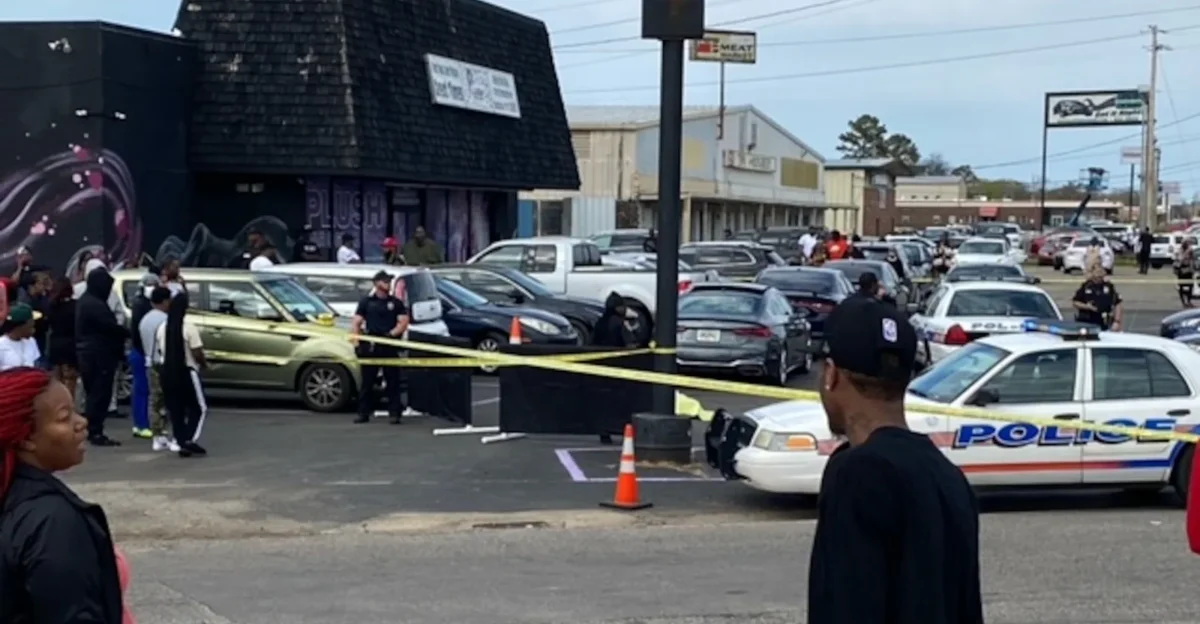
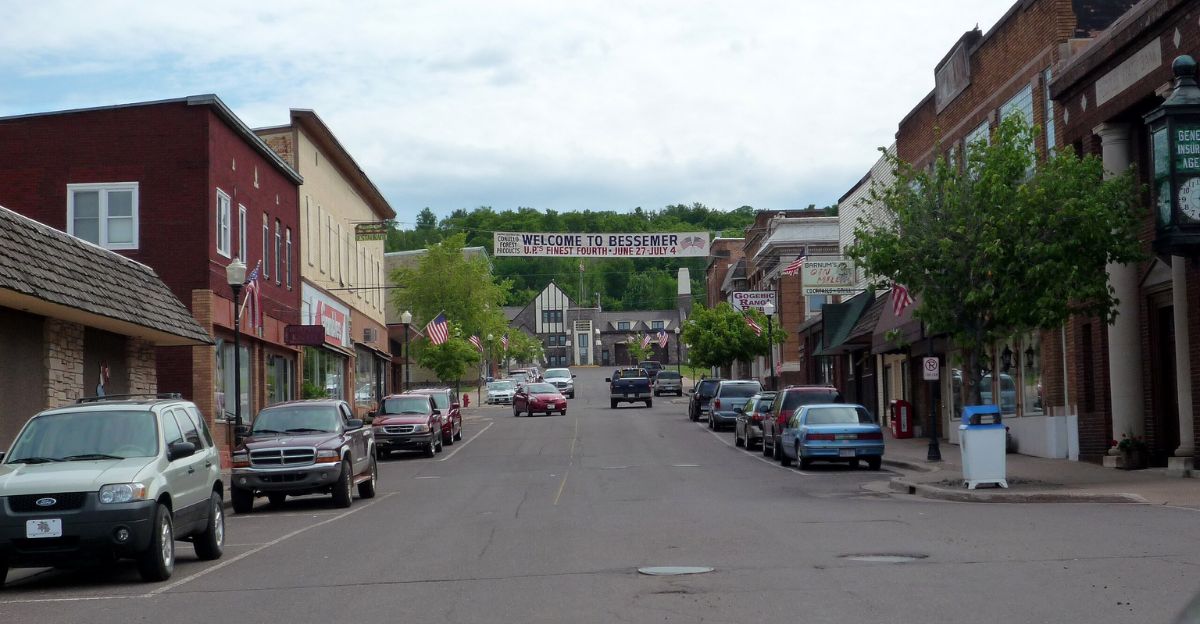
Bessemer, located near Birmingham, faces violent crime reaching 2,368 per 100,000—among America’s highest. Various 2024 rankings designated it “the most dangerous city in America.” Median rent ranges from $922 to $1,225 monthly, which is 25–38% below the national average.
Manufacturing once anchored the economy; those jobs vanished decades ago. Without employment engines, residents cannot accumulate capital to escape.
Cheap rent subsidizes subsistence-level living rather than enabling advancement. The city lacks economic fundamentals for recovery, trapping residents in poverty cycles where affordability masks hopelessness and daily danger.
3. Monroe, Louisiana
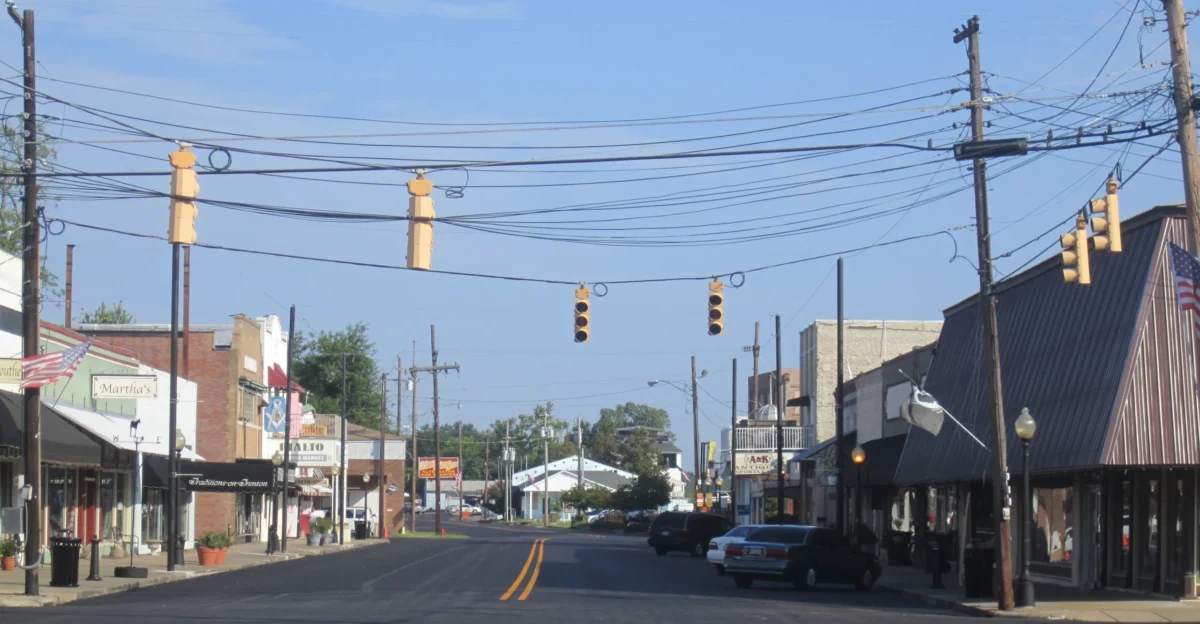
Monroe’s violent crime rate reaches 2,104–2,737 per 100,000—roughly six to seven times the national average. Poverty affects 33–40% of residents; unemployment sits 50% above national levels. The city has experienced a steady decline in population for decades as jobs have disappeared.
Rent averages $844–$950 monthly, 48–54% below the national average. Structural unemployment means no jobs exist for those seeking escape. Schools underperform. Social services collapse.
Desperation breeds violence. Affordable housing cannot offset joblessness, making rent savings meaningless when employment cannot sustain basic living standards or family advancement.
4. Alexandria, Louisiana
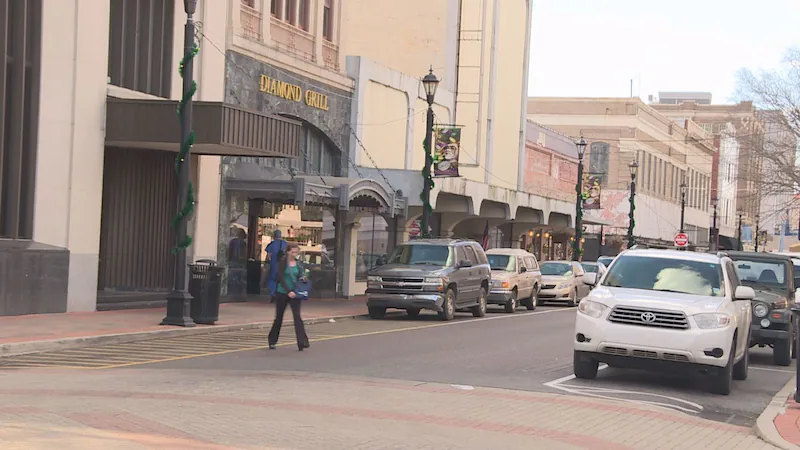
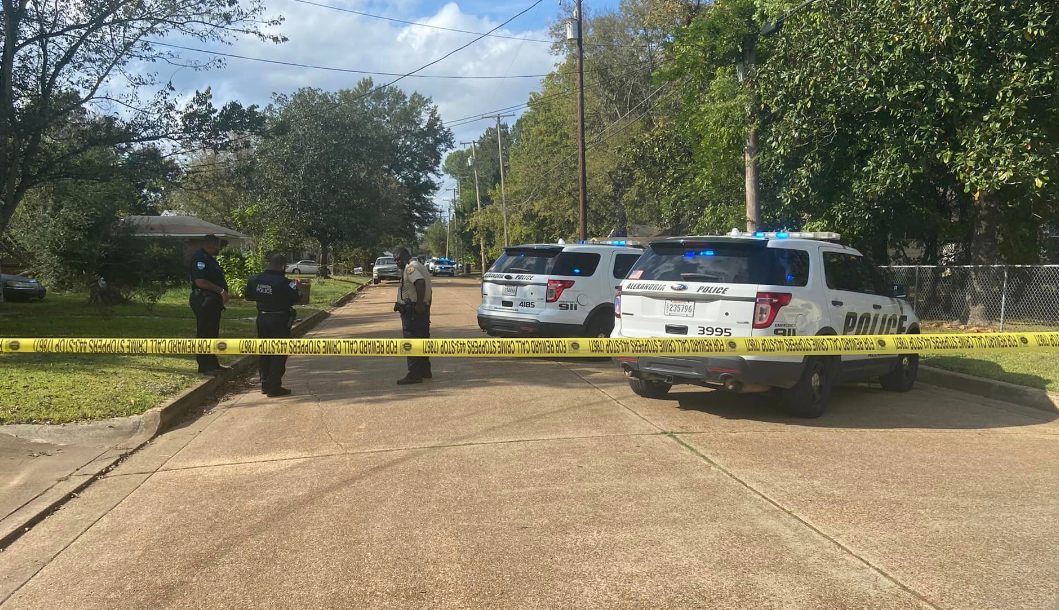
Alexandria presents one of America’s starkest crime probabilities: residents face 1-in-42 odds of property crime victimization annually—meaning a 2.4% yearly probability. Over a 20-year residency, this approaches 42% cumulative odds.
Violent crime rates reach 2,389.8 per 100,000. Rent averages $938–$1,260 monthly, 39–43% below national norms. This quantified danger transforms abstract statistics into lived experience.
Families calculate: Can we afford rent elsewhere? Most cannot. So they stay, accepting mathematically proven victimization risk as the price of housing affordability. The trade-off becomes inescapable.
5. Memphis, Tennessee
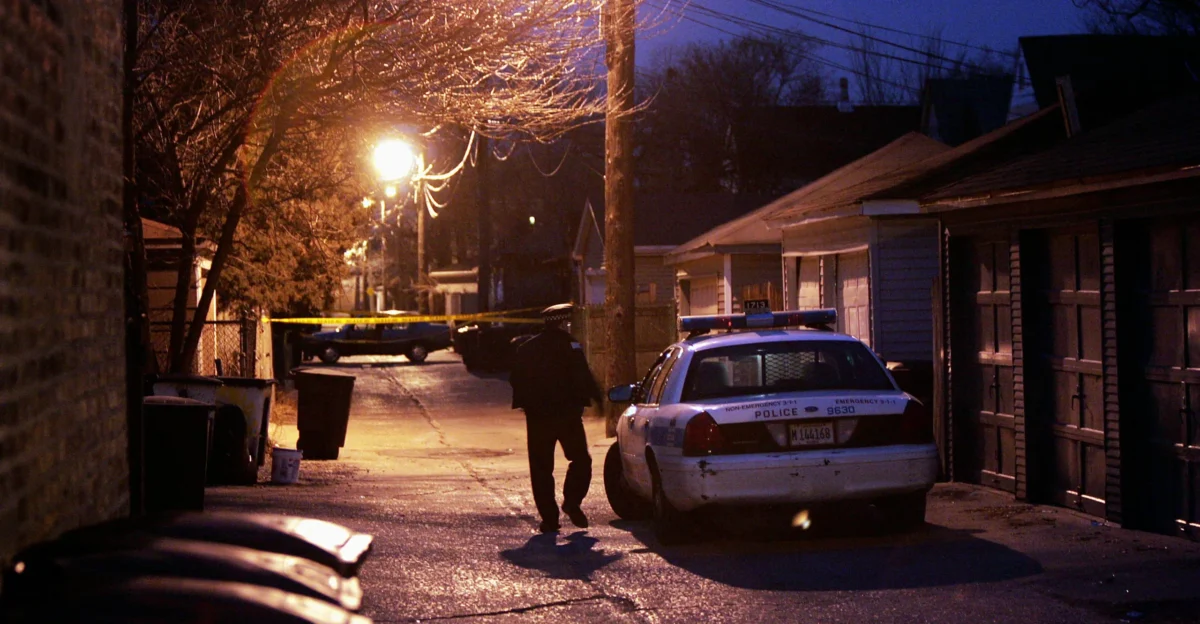
Memphis recorded 397 homicides in 2023—its highest-ever count. Murder rate stands at 40.6 per 100,000, the highest among major U.S. cities. Violent crime reaches 2,042 per 100,000. Yet rent averages $1,031–$1,250 monthly, 23–37% below the national average.
The city attracts relocators seeking affordability while actual conditions deteriorate. Despite recent initiatives and policing reforms, the trajectory remains upward for homicides.
The contradiction: Memphis markets itself as an affordable destination while simultaneously experiencing unprecedented violence. Those relocating for cheap rent arrive in a worsening crisis, not a stable, affordable market.
6. Saginaw, Michigan
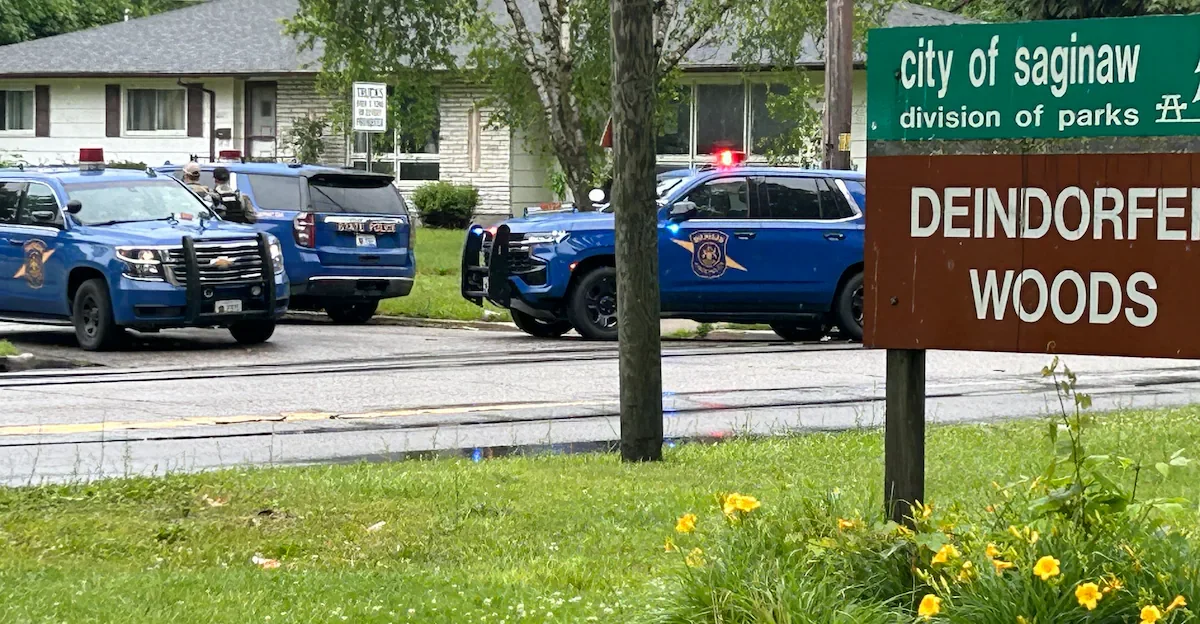
The FBI’s 2025 data explicitly ranked Saginaw as America’s third most violent city. Violent crime rates rank third nationally; residents face 1-in-39 odds of violent crime victimization. Over 180 murders occurred in the past decade.
The auto industry exodus gutted the tax base starting in the 1980s. Median rent sits $862–$1,100 monthly—47% below the national average. Yet some relocate specifically for affordability, unaware they’re entering a top-three violence hot zone with minimal recovery prospects.
The data precedes them. National rankings mean little when individuals arrive seeking housing deals, not statistics.
7. McKeesport, Pennsylvania
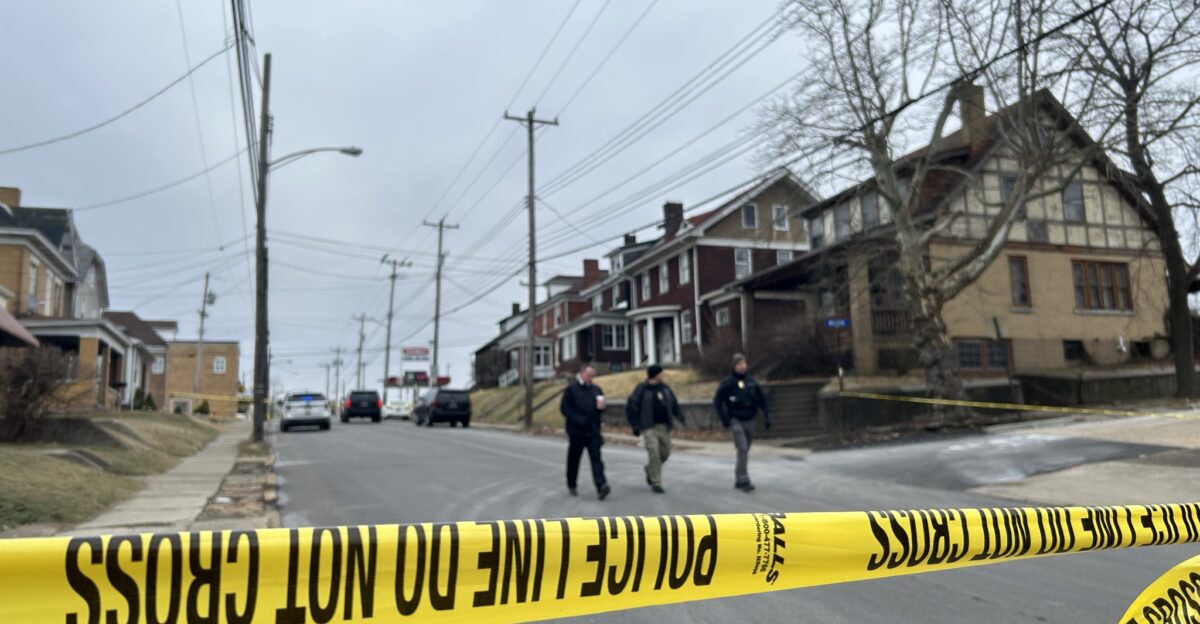
McKeesport, outside Pittsburgh, exemplifies post-industrial devastation. Violent crime rate reaches 1,497 per 100,000—Pennsylvania’s highest. Violent crime rates are 295% higher than the national average. The steel industry once provided stable middle-class employment; those mills closed decades ago.
Median rent sits between $740 and $999 monthly, 50–55% below the national average. The city lacks economic engines for recovery. Tax bases collapsed. Young people left. Those remaining face daily violence alongside severe financial constraints.
Cheap rent cannot offset unemployment or the psychological weight of living in a place designed around vanished industries.
8. East St. Louis, Illinois
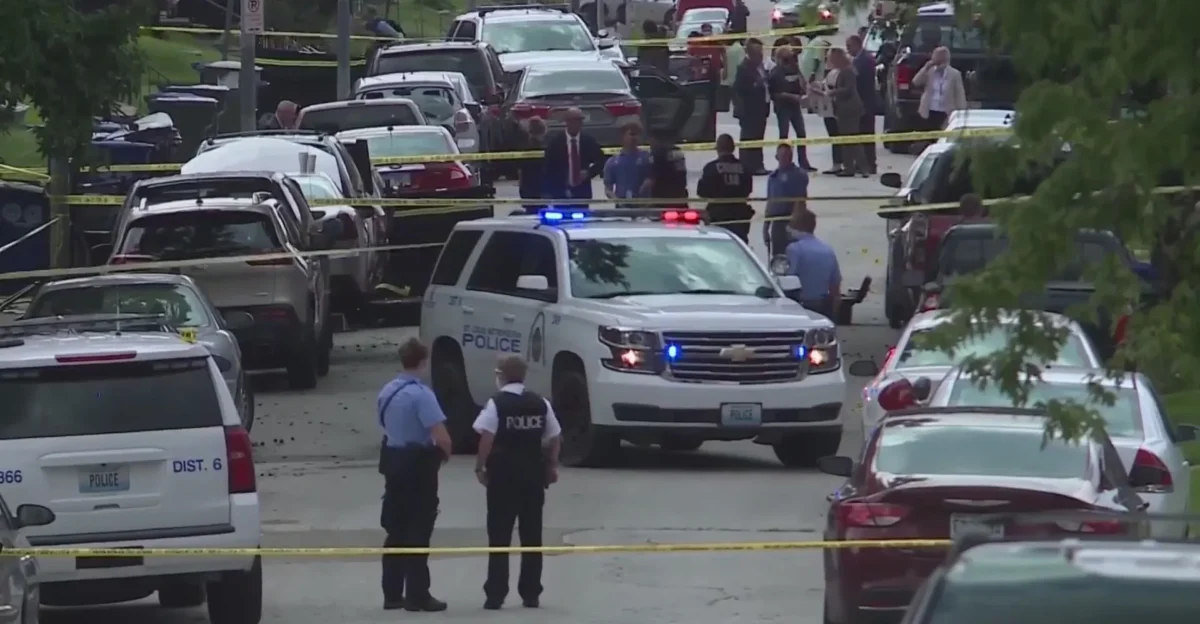
East St. Louis maintains the nation’s highest per capita murder rate—32.4 per 100,000 over recent years. Violent crime reaches 14.8 per 1,000 residents (Illinois’s highest). Rent runs $802–$930 monthly, nearly 55% below the national average.
The city’s population collapsed from 82,000 in 1980 to under 27,000 today. Those remaining are often trapped: lacking financial means to relocate, facing limited employment, enduring daily violence as a result of residency costs.
Leadership turnover has been constant. Strategy shifts have been ineffective. Affordability here signals abandonment, not opportunity. The city represents American urban decline at its starkest.
9. Baltimore, Maryland
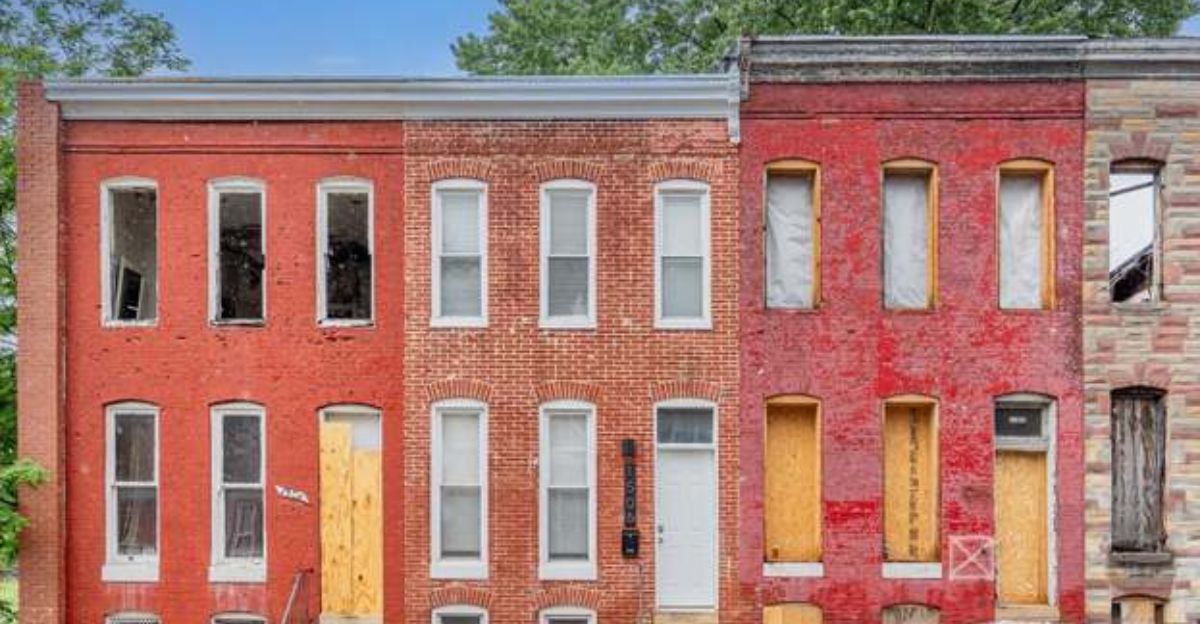
Baltimore launched a “$1 home” program targeting vacant properties in high-crime neighborhoods. The concept: spark urban renewal by offering deeply discounted entry. But placing homebuyers in areas with murder rates of 34.8 per 100,000—second-highest among major U.S. cities—inverts the pitch.
A $1 house requires years of payment and emotional resilience. The violent crime rate stands at 573.2 per 100,000. Standard rent averages $1,475–$1,625 monthly (9–10% below the national average).
Urban renewal policies sometimes obscure structural violence. Affordability without safety becomes liability, not a solution.
10. Pine Bluff, Arkansas
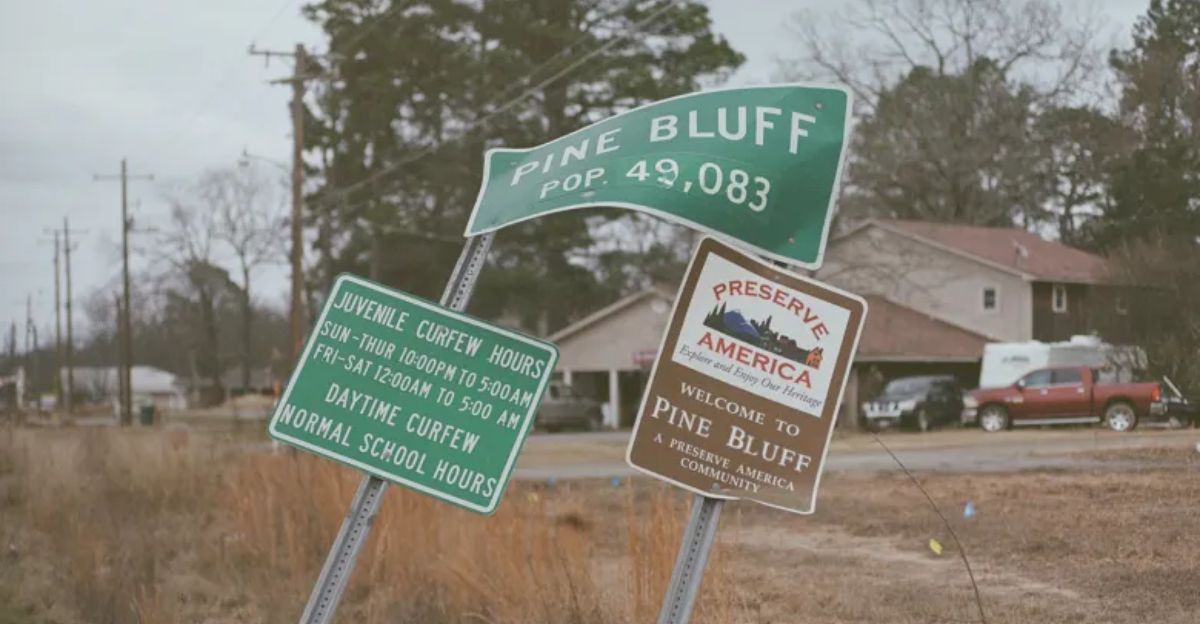
Pine Bluff experiences the fastest population decline of any major American city. Murder rate stands at 56.5 per 100,000 (versus 6.5 national average)—roughly ninefold higher. Crime rate reaches 65.64 per 1,000 residents.
Median rent sits $630–$759 monthly—the lowest of these twelve cities, 58–61% below the national average. Exceptional affordability reflects the broader truth: no one with capital wants to be here.
The city cannot attract investment or retain youth. Those remaining face exponential violence risk. Cheapest rent signals deepest collapse.
11. Chester, Pennsylvania
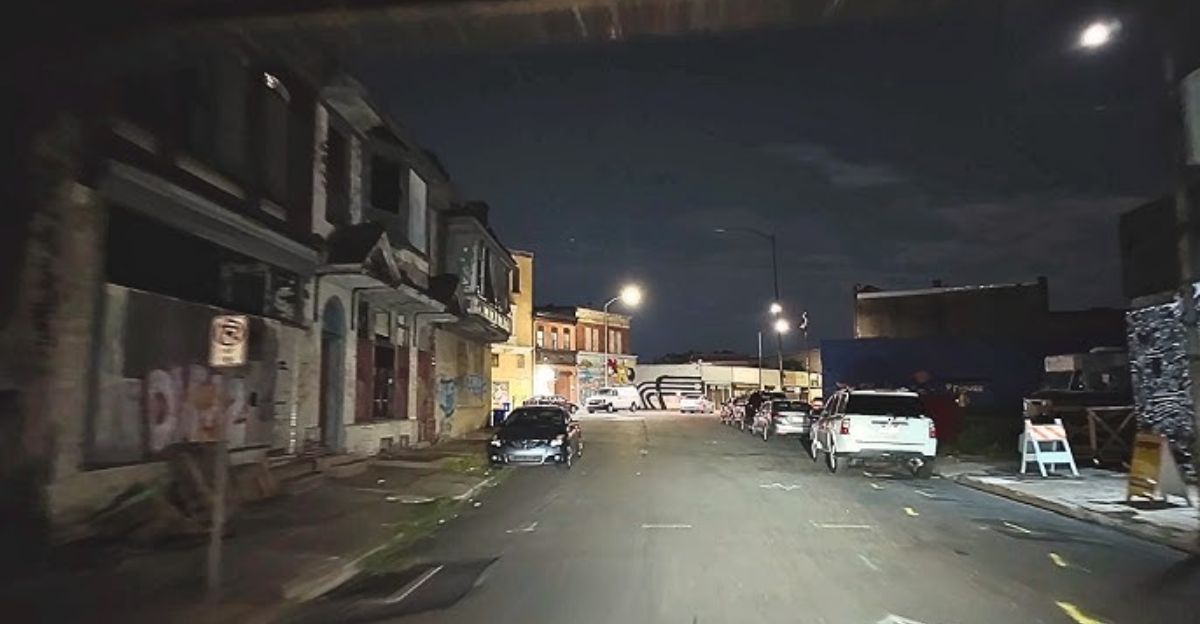
Chester ranks as Pennsylvania’s most dangerous city and among the second most dangerous nationally. Violent crime measures 16.4 per 1,000 residents—Pennsylvania’s highest rate, exceeding those in Philadelphia’s worst districts.
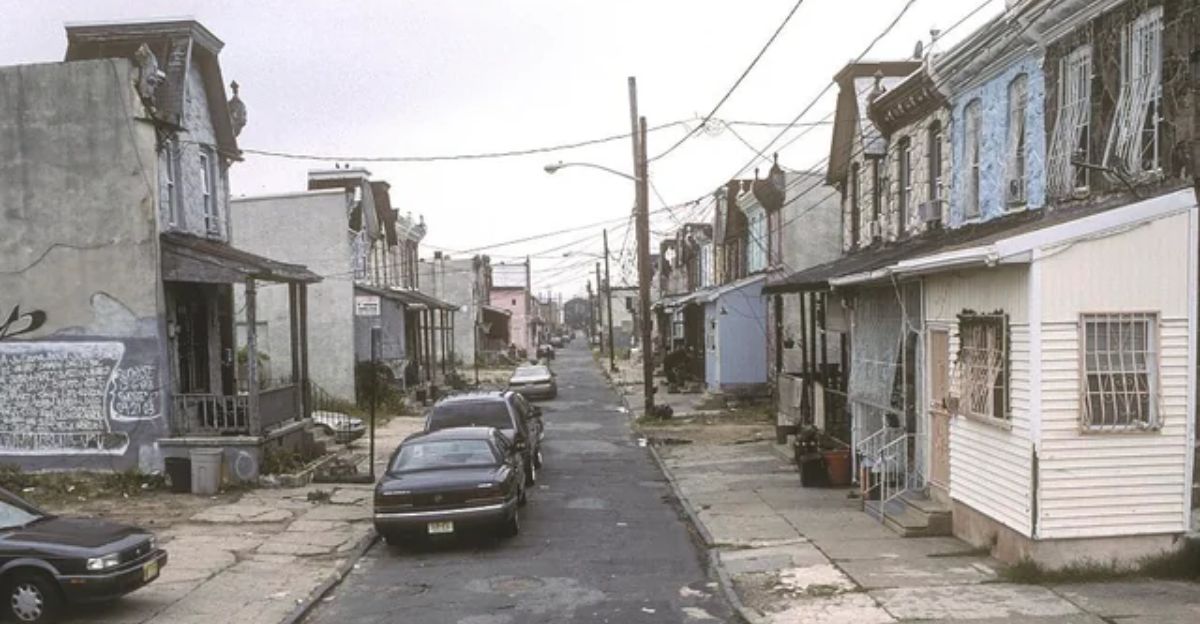
Located between Philadelphia and Wilmington, Chester offers a median rent of $1,159–$1,187 monthly, 27–35% below the national average. The city once thrived on manufacturing; those jobs vanished. Tax base collapsed. Working-class residents fled.
Those remaining endure extreme violence alongside economic deprivation. Geographic proximity to wealthier regions underscores the inequality: affordable Chester sits amid prosperity it cannot access.
12. Anniston, Alabama
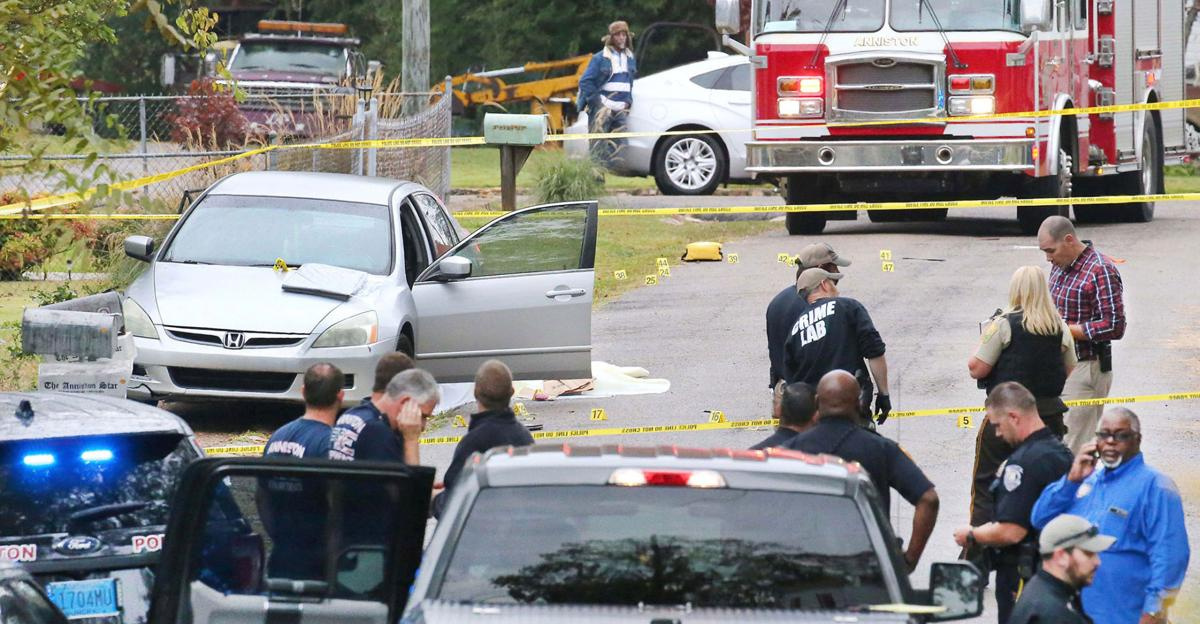
Anniston faces violent crime rates nearly five times the national average—approximately 8.36–8.98 per 1,000 residents. Property crime rates range from 49.89 to 54 per 1,000. Residents face 1-in-120 odds of violent crime victimization.
Historical industrial pollution (PCB contamination from manufacturing) compounds safety concerns. Limited direct rent data exist; the Alabama state average ($1,288–$1,315 monthly) sits 25% below national norms, suggesting Anniston rents may be lower still.
The city combines extreme violence with a legacy of environmental hazards. Cheap housing reflects dual dangers: crime and contamination. Both are permanent features of living there.
The Victim Odds Across Twelve Cities
These twelve cities share a common statistical signature: residents face violent crime odds far exceeding national averages. Alexandria: 1-in-42 property crime. Saginaw: 1-in-39 violent crime. Memphis: 40.6 murders per 100,000. Monroe: 2,100–2,700 violent crimes per 100,000.
East St. Louis: 32.4 murders per 100,000. Anniston: 1-in-120 violent crime. Pine Bluff: 56.5 murders per 100,000. These aren’t abstract numbers.
They translate to daily families choosing between affording rent and affording safety. Most cannot choose. They accept risk as the residency cost. The mathematics of desperation.
Why People Stay: Economics of Desperation
Despite documented dangers, these cities retain and attract residents—not from ignorance, but from desperation. People relocate, fleeing eviction in higher-cost metros, seeking any foothold. Multigenerational poor individuals often lack the capital needed for expensive markets.
Newly incarcerated individuals with criminal records face employment and housing barriers everywhere. Undocumented immigrants seek informal housing markets. Single mothers calculate survival: cheap rent versus homelessness.
The headline “cheap rent isn’t worth it” presumes choice. For many, it’s the only option. Policy failure—not individual irrationality—explains persistence. That distinction matters enormously for solutions.
Federal Abandonment and Policy Gaps
No comprehensive federal urban renewal initiative has reversed trajectories in these twelve cities despite decades of decline. The Department of Housing and Urban Development offers Community Development Block Grants, but funding remains inadequate relative to the structural needs.
Politicians campaign on “law and order” without addressing root causes: deindustrialization, disinvestment, systemic racism in lending and employment.
The political consensus treats these cities as lost causes rather than policy challenges. That passivity ensures cycles persist. Affordable housing without economic opportunity simply subsidizes poverty indefinitely.
International Comparison: Why Other Nations Invest
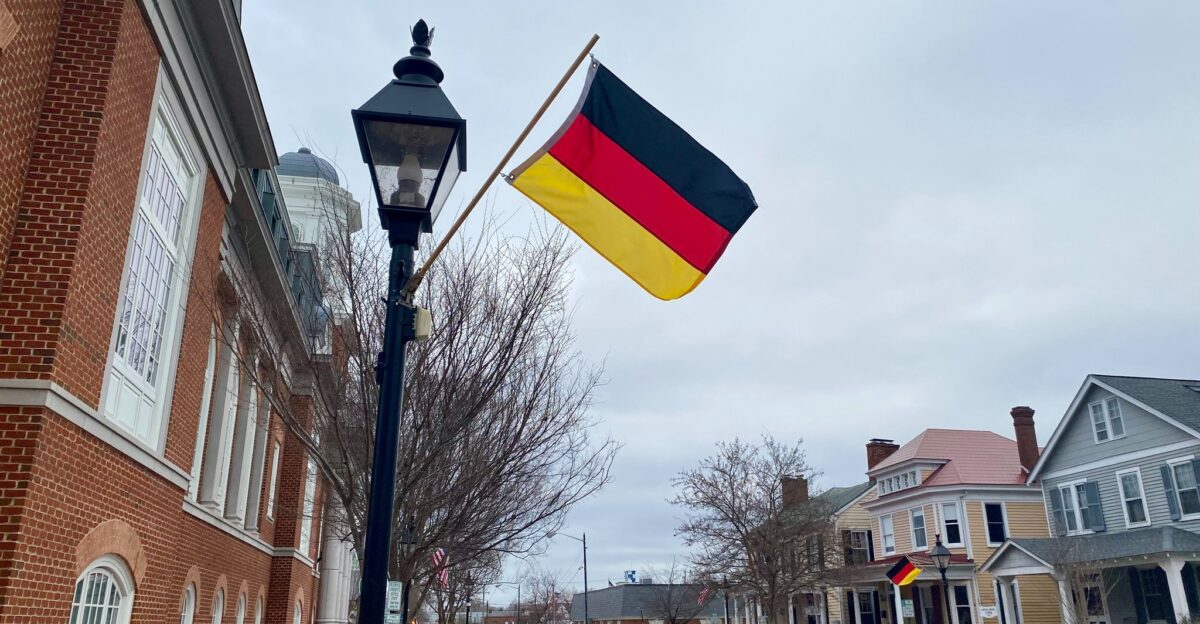
International observers note America permits urban collapse in ways most developed democracies do not. Germany implements “soziale Marktwirtschaft” policies, steering investment toward regions in need. Scandinavia emphasizes regional equity and cross-subsidization.
Even China implements aggressive internal migration and industrial relocation strategies. By contrast, America’s federal structure permits states and cities to deteriorate without systematic intervention.
Comparative analysis reveals not inevitability but political choice: to allow specific communities to fragment while others prosper. The gap between American policy and international practice is staggering.
Criminal Justice Amplification: Incarceration Cycles
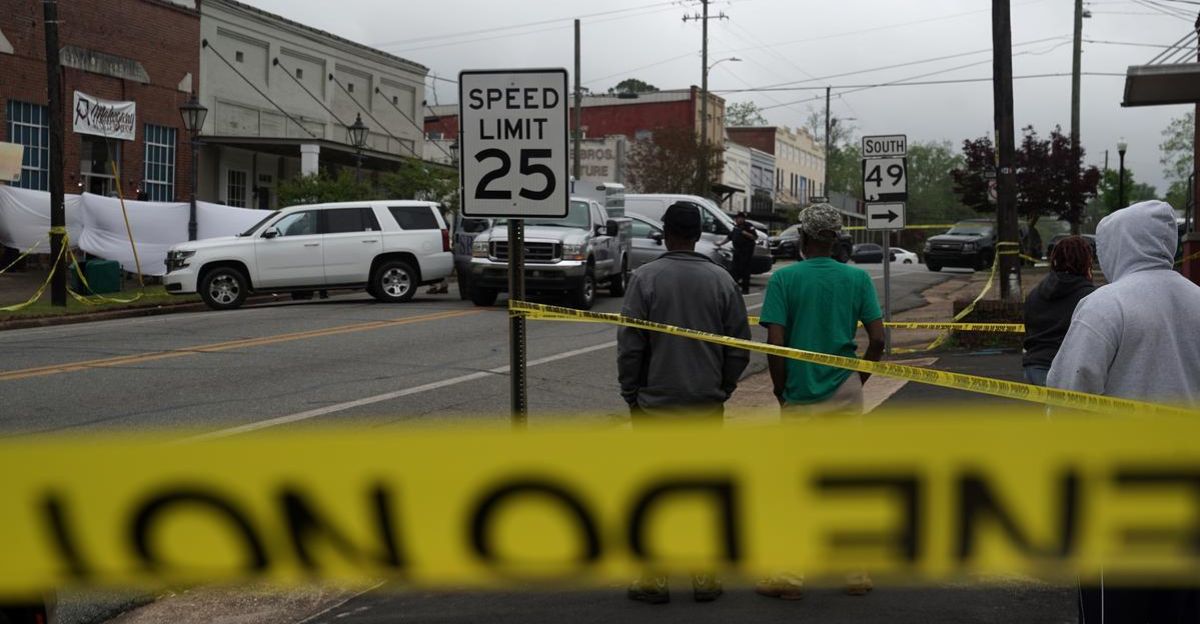
These twelve cities account for disproportionate shares of incarceration, police encounters, and felony prosecutions. Young Black men face violent crime risk at rates five to ten times higher than national averages.
The criminal justice system treats symptoms—arrests, convictions—while ignoring causes: joblessness, housing insecurity, generational poverty. Diversion and rehabilitation programs exist but lack funding and scale.
Mass incarceration in adjacent areas destabilizes families further, extending poverty cycles across generations. Affordable housing in high-crime areas can become a breeding ground for involvement in the criminal justice system, rather than an escape from it.
Narrative Gap: Media, Marketing, and Reality

Media portrayals oscillate between tragedy narratives and resilience stories, rarely landing on structural analysis. True-crime documentaries dramatize violence. Real estate shows highlight renovation potential while ignoring systemic barriers. Politicians promise a “comeback” without specifics.
Social media amplifies fear. Yet residents organize mutual aid networks, community gardens, and small businesses. The cultural gap widens: outsiders see danger; insiders see home and stubborn persistence.
That disconnect shapes whether external investment and policy support materialize. Without honest media coverage about causes and solutions, these cities remain places of exploitation rather than genuine opportunities.
Cheap Rent as a Warning Signal
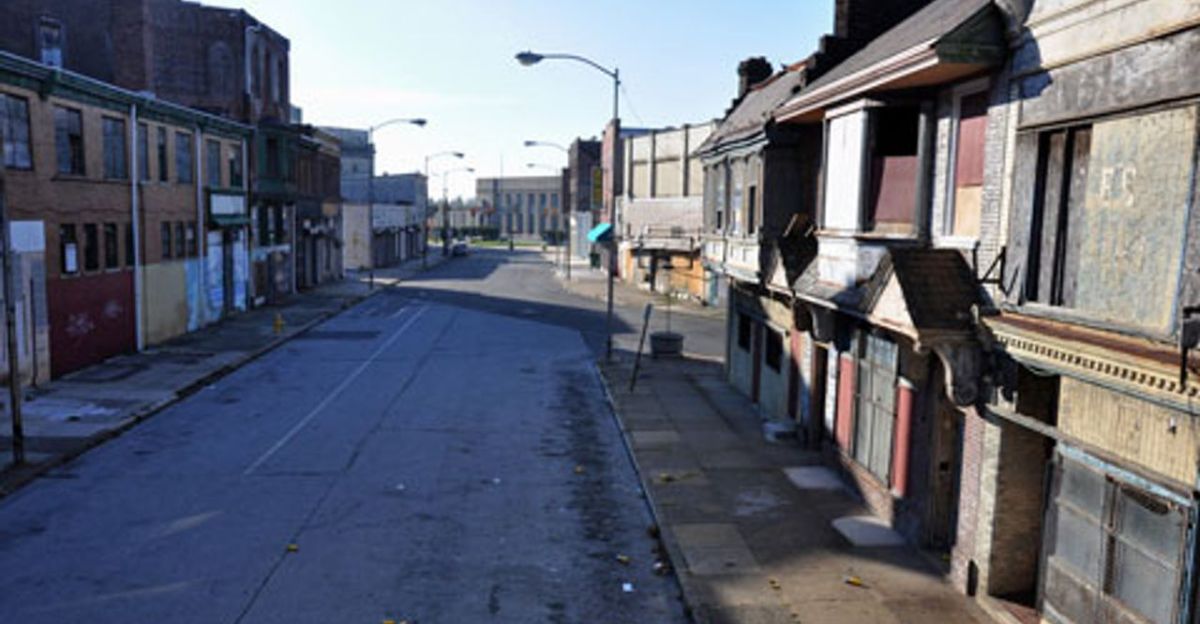
Ultimately, cheap rent signals infrastructure failure on a large scale. It announces: “No one with capital wants to be here.” It says: “Local employers cannot sustain wage growth.” It reveals: “Municipal services are depleted.” It acknowledges: “Wealth has fled.”
For policy makers, these twelve cities are canaries: early warnings that deindustrialization without intervention produces fragmentation, not stability.
For individuals considering a move, the choice must be clear-eyed: affordability purchased with ongoing danger and limited mobility is a trade-off that rarely favors the buyer. America must decide: sacrifice zones or genuine reinvestment.
Sources:
Zillow Rental Manager Market Data 2025
FBI Uniform Crime Reports 2024–2025
NeighborhoodScout Crime Statistics 2025
Camden County Police Department 2025 Crime Report
njbiz.com July 2025
Niche.com Community Profiles 2025
SafeHome.org City Safety Rankings 2024–2025