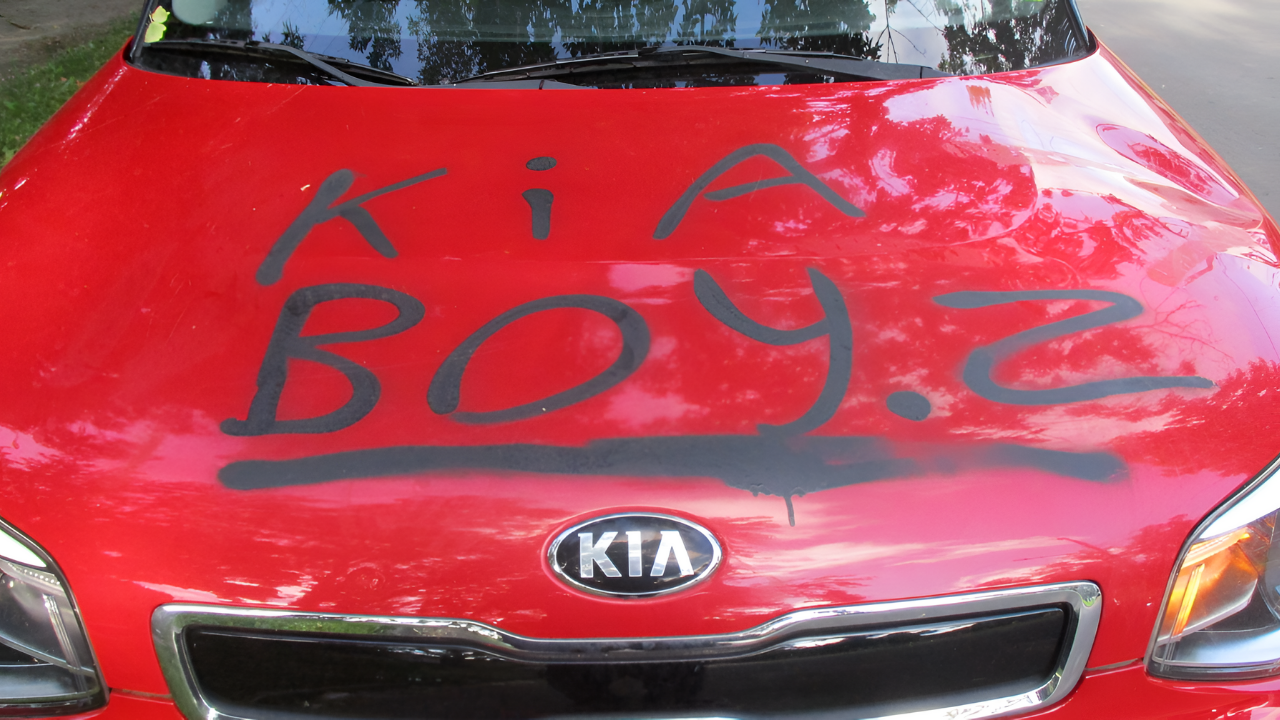
A standard USB charging cable—common in nearly every American household—was all it took to turn a parked sedan into a getaway vehicle, fueling a viral crisis that left shattered glass and stripped steering columns across the nation.
This simple, terrifying exploit drove a 1,000% surge in theft claims, forcing a manufacturing giant to finally reckon with a multi-million dollar oversight.
A Nationwide Epidemic

The “Kia Challenge” wasn’t just a social media trend; it was a public safety disaster that overwhelmed police departments from Milwaukee to Seattle.
Thieves targeted specific models lacking basic security, leading to reckless joyrides that resulted in at least 14 reported crashes and eight fatalities. The sheer volume of thefts disrupted communities, spiking insurance rates and leaving thousands of owners without transportation.
The Landmark Settlement

In a decisive move to halt this chaos, Hyundai and Kia announced on December 16, 2025, that they had reached a settlement with attorneys general from 36 states and the District of Columbia. The agreement requires the automakers to retrofit approximately 7 million vehicles in the United States.
This binding commitment goes beyond voluntary service campaigns, legally obligating the companies to fix the fleet.
The Hardware Solution
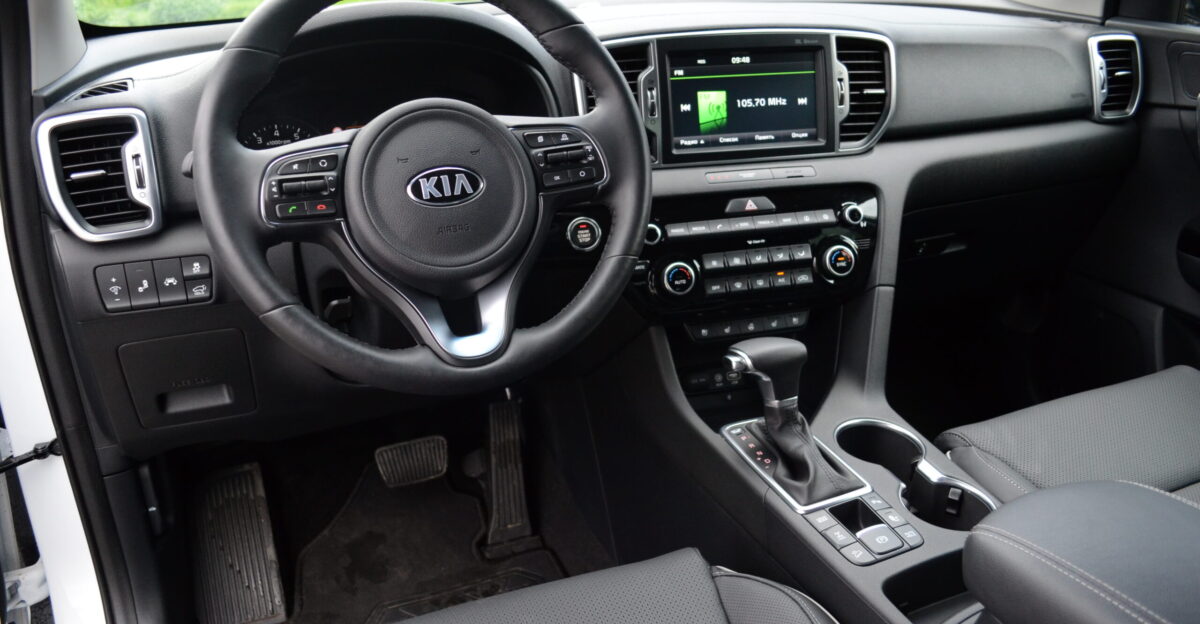
The core of the remedy is a hardware retrofit rather than a software patch. The automakers will install a zinc-reinforced ignition cylinder protector designed to physically reinforce the ignition body.
This metal sleeve prevents the removal of the cylinder, effectively neutralizing the specific method thieves used to bypass the ignition system with a USB tool.
Addressing the Mechanical Flaw
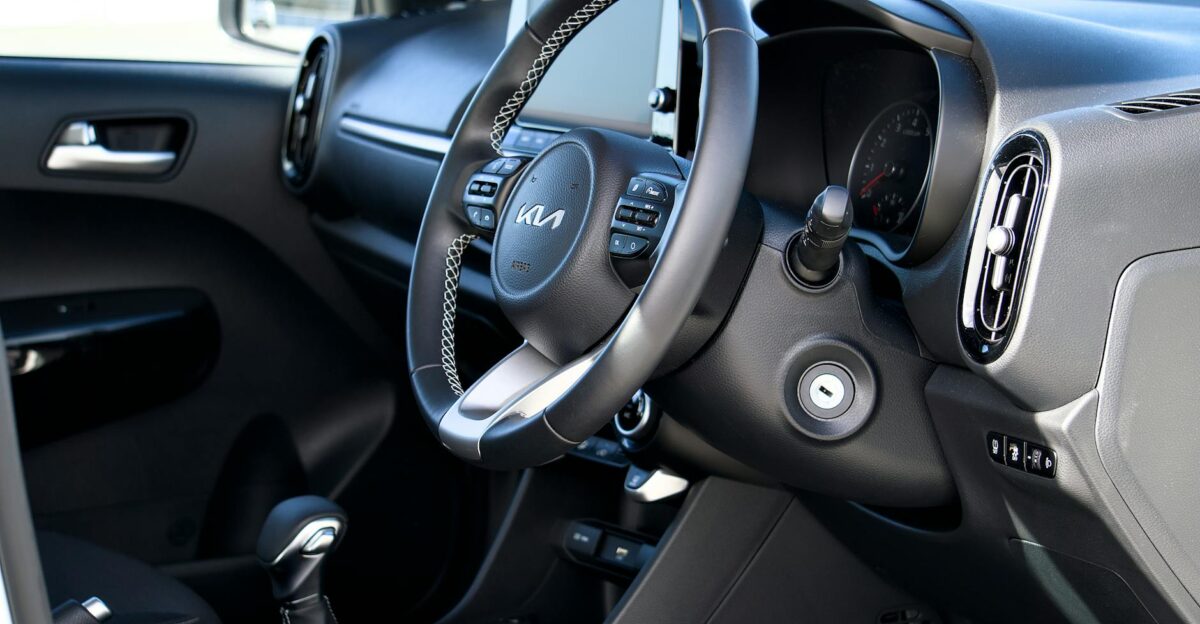
This physical intervention addresses the root mechanical vulnerability that software updates could not fully resolve. Previous attempts to deter theft through alarm software logic were often ignored by thieves who broke windows anyway.
By hardening the ignition column itself with reinforced materials, the automakers are creating a tangible barrier that makes the “USB hack” mechanically impossible.
A Massive Financial Undertaking

Implementing this fix is a massive logistical and financial challenge. Minnesota Attorney General Keith Ellison estimated that the cost of parts and labor for the retrofit campaign could exceed $500 million.
This figure underscores the severity of the manufacturing oversight and represents one of the most significant service campaigns in recent automotive history.
Scope of Affected Vehicles
The retrofit program covers a vast range of model years, specifically vehicles produced between 2011 and 2022 that are equipped with turn-key ignitions. Crucially, this includes models that were previously eligible only for software updates or steering wheel locks.
The agreement ensures that millions of older vehicles will finally receive robust physical protection against theft.
The Missing Immobilizer
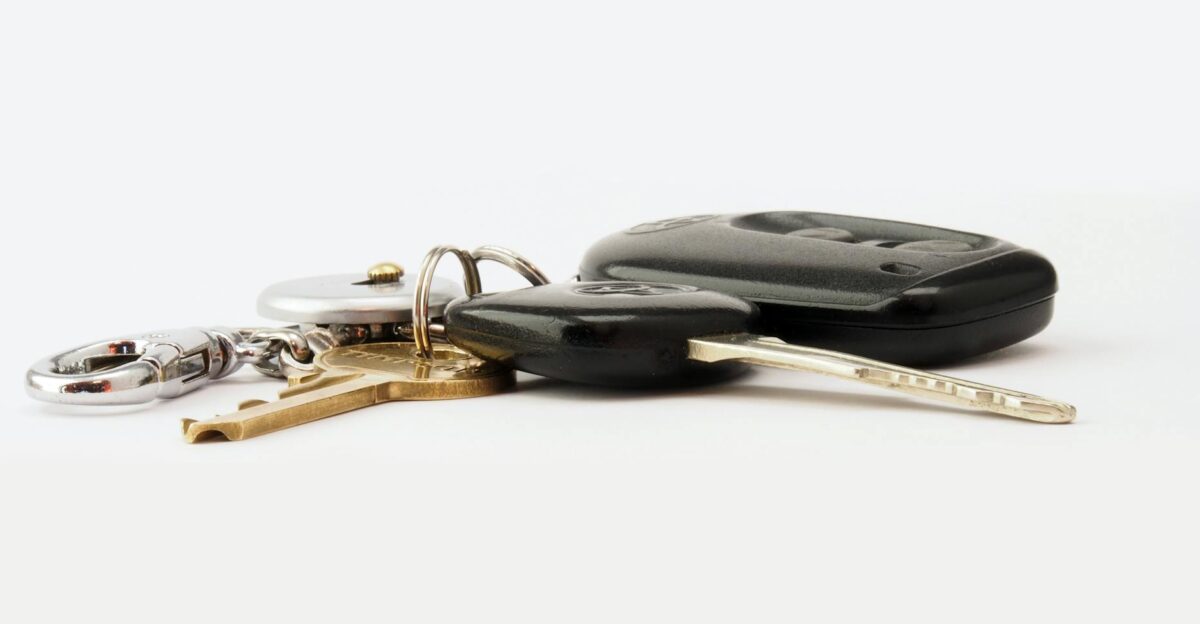
At the heart of the issue was the absence of electronic engine immobilizers in base trim models—a standard feature in the industry for decades. While immobilizers have been mandatory in the European Union since 1998, Hyundai and Kia omitted them in many U.S. models to reduce costs.
This decision created the security vacuum that the viral theft trend later exploited.
Social Media’s Role

The crisis was unique in how rapidly it spread via platforms like TikTok and YouTube. Instructional videos under the #KiaBoys hashtag demystified the theft process for millions of viewers, turning grand theft auto into a viral challenge.
This digital dissemination of criminal techniques forced the industry to confront how quickly security vulnerabilities can be weaponized in the social media age.
State Investigation Settlement

Beyond the vehicle repairs, the automakers have agreed to pay $9 million to resolve the multi-state investigation into their business practices.
Half of this amount, $4.5 million, will go directly to the participating states to cover the costs of their investigations. This payment serves as an acknowledgement of the strain the theft wave placed on state resources and law enforcement.
Consumer Restitution Fund

The remaining $4.5 million of the settlement is allocated specifically for consumer restitution. This fund is designed to compensate vehicle owners who suffered out-of-pocket financial losses due to thefts or attempted thefts.
It provides a layer of financial relief for families who faced deductibles, rental car costs, and increased insurance premiums during the height of the crisis.
Specific Payout Details

Eligible consumers can receive payments ranging from $375 to $4,500, depending on the severity of their loss. The lower tier covers expenses related to attempted thefts, such as broken windows or damaged steering columns.
The maximum payout is reserved for owners who experienced a total loss of their vehicle, offering significant recoupment for those hardest hit.
Strict Eligibility Requirements

To qualify for these payments, owners must navigate specific eligibility windows. Claims are valid for theft or damage that occurred after April 29, 2025.
Furthermore, owners must demonstrate that they had either already installed the previously released anti-theft software or had a scheduled appointment to do so at the time the incident occurred.
Deadlines for Action

The timeline for consumers to act is strict but provides a reasonable window for compliance. The claims period for the restitution fund will remain open until March 31, 2027.
This gives affected owners just over a year to gather necessary documentation, such as police reports and insurance records, to substantiate their claims for reimbursement.
The Insurance Market Crisis

One of the most damaging aspects of the theft epidemic was the reaction from the insurance industry. Major carriers in several states began blacklisting specific Hyundai and Kia models, refusing to write new policies due to the high risk of theft.
This left many owners effectively stranded, unable to legally drive their vehicles even if they hadn’t been stolen.
Restoring Insurability
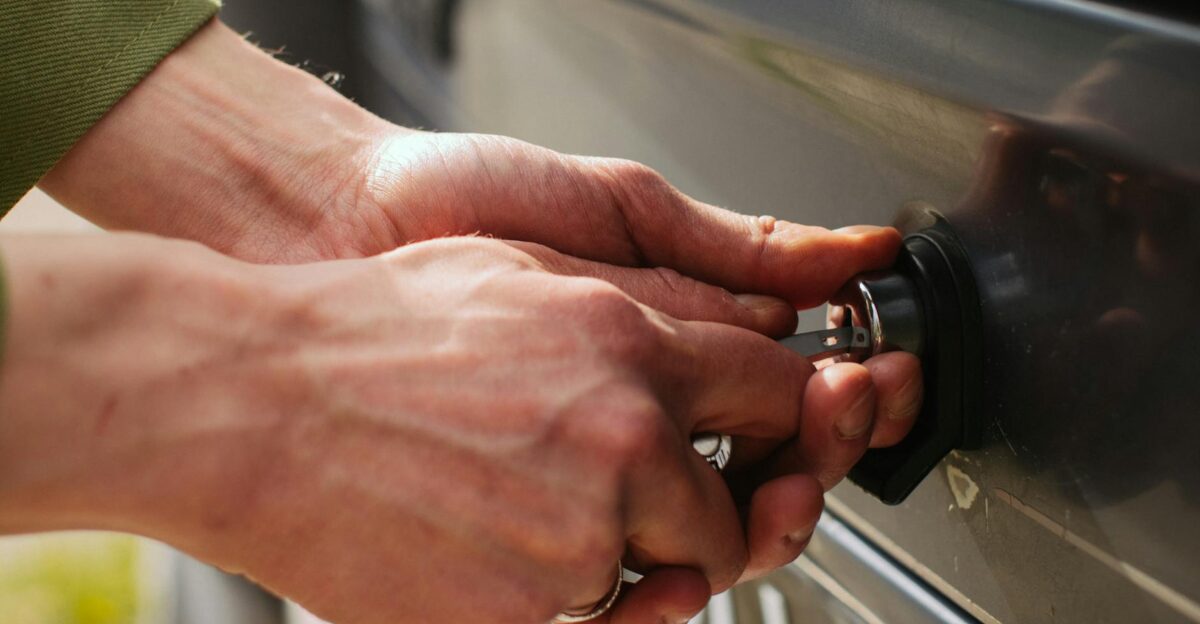
A primary goal of the hardware retrofit is to restore confidence among auto insurers. By installing a verified physical theft deterrent, the automakers aim to normalize the risk profile of these vehicles.
State officials hope this move will pressure insurance companies to lift restrictions and stabilize premiums for owners of the affected models.
Condemnation from Officials

The settlement was accompanied by sharp rebukes from state officials regarding the automakers’ initial response. Attorneys general characterized the lack of immobilizers as a “shameful failure” and criticized the companies for delaying effective action.
This strong language highlights the tension between regulators and the automakers throughout the multi-year investigation.
Limitations of Previous Fixes
Before this settlement, Hyundai and Kia attempted to stem the tide with free steering wheel locks and software updates that extended alarm durations. While these measures helped, they were widely criticized as stopgap solutions that did not address the fundamental mechanical vulnerability.
The move to a hardware retrofit is a tacit admission that software alone was insufficient.
Mandate for Future Production
Looking ahead, the settlement imposes strict requirements to prevent a recurrence of this vulnerability. Hyundai and Kia are now legally mandated to equip all future vehicles sold in the U.S. market with engine immobilizers.
While the companies state they have already done so since late 2021, this legal requirement ensures there will be no regression in safety standards.
Ending an Era of Insecurity
As the retrofit program prepares to launch in early 2026, the automotive industry watches closely. If successful, this massive hardware intervention could finally end the “Kia Boys” era.
For millions of owners, the installation of a simple metal sleeve promises to close the chapter on a period of anxiety, restoring the peace of mind that should come with parking a car.
Sources:
“Hyundai, Kia agree to retrofit 7 million U.S. vehicles to address theft concerns.” Reuters, 16 Dec 2025.
“Attorney General James Secures $9 Million from Hyundai and Kia for Failing to Protect Cars Against Theft.” New York Attorney General’s Office, 15 Dec 2025.
“December 16, 2025 Press Release on Hyundai and Kia Anti-Theft Settlement.” Minnesota Attorney General’s Office, 16 Dec 2025.