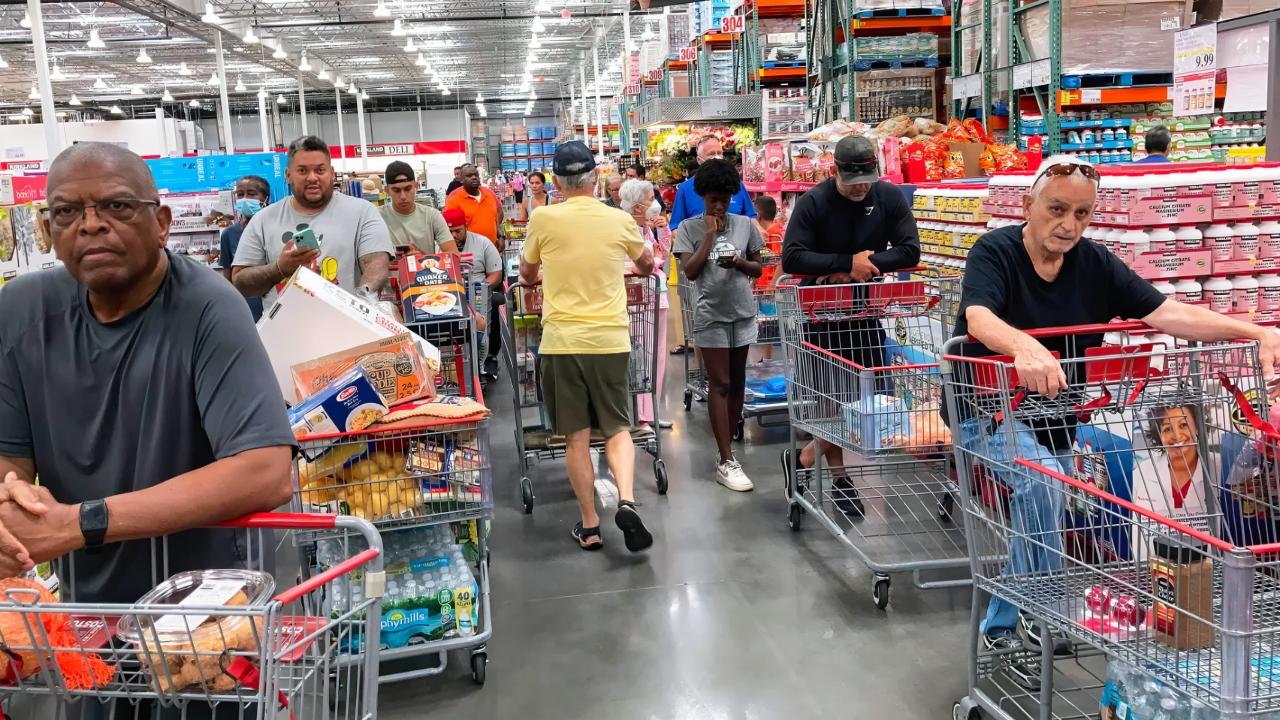
Costco shoppers across North America are voicing a unified complaint: the wholesale giant deliberately lacks clear aisle signage and product labels. The frustration exploded on Reddit in December 2025, with thousands of members describing the shopping experience as confusing and intentionally disorienting.
Members report spending double or triple their planned budget each visit, unable to quickly locate specific items without extensive warehouse exploration and staff assistance.
A Deliberate Design Strategy
This absence of signage isn’t an operational oversight—it’s carefully engineered psychology. Costco executives openly acknowledge this treasure-hunt model during earnings calls and investor presentations. The strategy forces shoppers to navigate through the entire warehouse, exposing them to thousands of products they never intended to purchase.
CEO Ron Vachris confirmed this approach, stating customers regularly enter expecting to spend $100 but leave with $300, directly attributing this to deliberate warehouse design and buyer strategies.
The Business Model Behind The Chaos
Costco’s operational design centers on membership fees generating approximately $1.3 billion quarterly, supplemented by high-volume impulse purchases. The company operates on razor-thin product markups averaging just eleven percent, compared to retail competitors charging twenty-five to fifty percent.
Therefore, revenue depends critically on membership renewals and maximizing basket size during each shopping trip through strategic layout manipulation.
Product Rotation as a Strategic Weapon

Costco deliberately moves everyday staples—toilet paper, light bulbs, milk, rotisserie chickens—throughout the warehouse constantly. These items, called “triggers” by retailers, serve as anchors forcing customers to traverse multiple aisles searching for them.
This rotation strategy means employees themselves often cannot immediately locate products, and shoppers must wander extensively, encountering numerous unplanned purchases along the way.
The Treasure Hunt Psychology
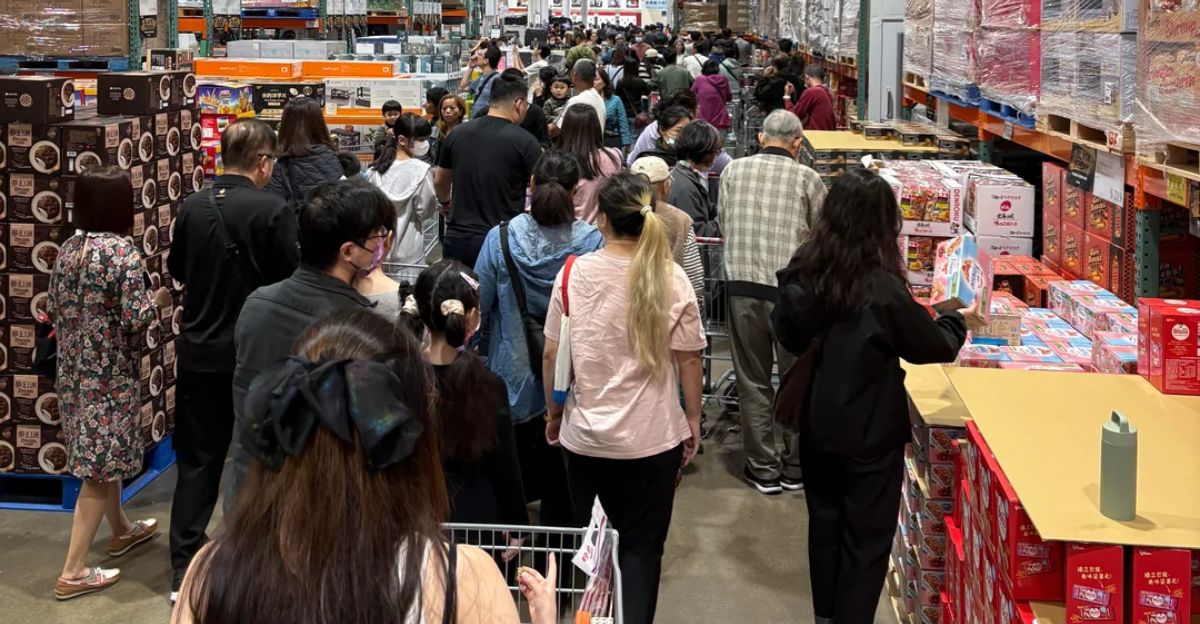
The treasure-hunt model exploits fundamental consumer psychology by creating artificial scarcity and discovery experiences. Items rotate frequently and many products appear for limited timeframes only, creating urgency.
When shoppers search for relocated staples, they encounter seasonal items, electronics, furniture, and premium goods displayed strategically throughout the warehouse. This combination of disorientation and constant discovery triggers impulse purchasing patterns.
Limited-Time Items Drive Urgency
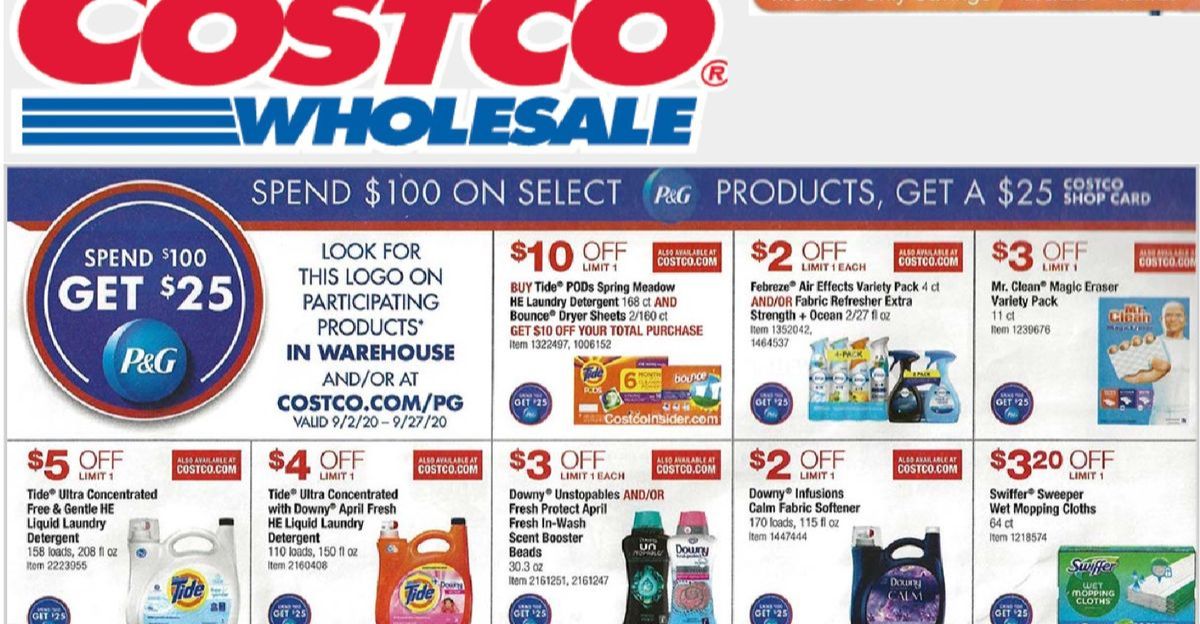
Costco receives a pamphlet upon entry highlighting rotating deals available temporarily. These coupons and featured products create fear-of-missing-out psychology, compelling members to make immediate purchasing decisions.
If customers don’t grab advertised televisions, wine selections, or seasonal merchandise immediately, they risk losing these opportunities forever. This scarcity mindset generates sales beyond planned purchases.
The Merchandising Advantage
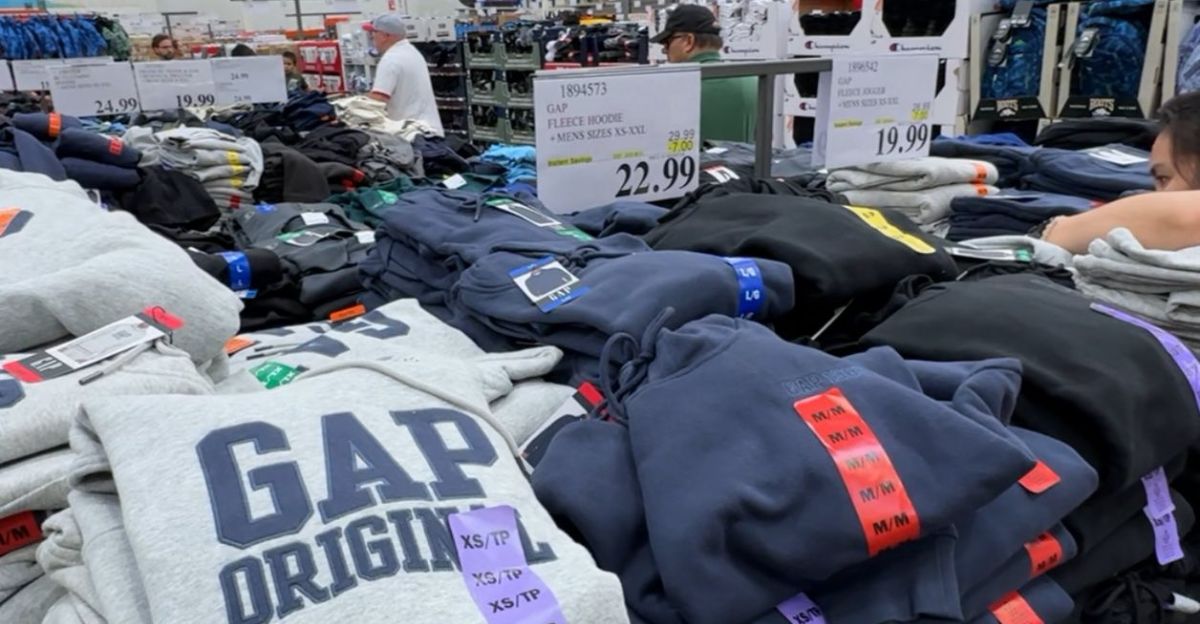
Essential items deliberately occupy warehouse rear locations, requiring shoppers to pass through the entire facility to obtain basics. Seasonal merchandise rotates monthly—Halloween decorations, holiday items, summer furniture, winter clothing—strategically positioned in high-traffic areas.
Premium brand partnerships with companies like Gap Inc. and Ulta Beauty occupy prominent displays, exposing budget-conscious members to higher-margin luxury items.
Membership Renewal Success Metrics
Costco maintains a remarkable ninety-two percent membership renewal rate in the United States and Canada, and approximately ninety percent globally. The treasure-hunt model directly enables this retention by creating engaging shopping experiences.
Members develop loyalty to the “hunt” experience itself—the excitement of discovering new items—rather than just accessing low prices.
Impulse Purchase Financial Impact
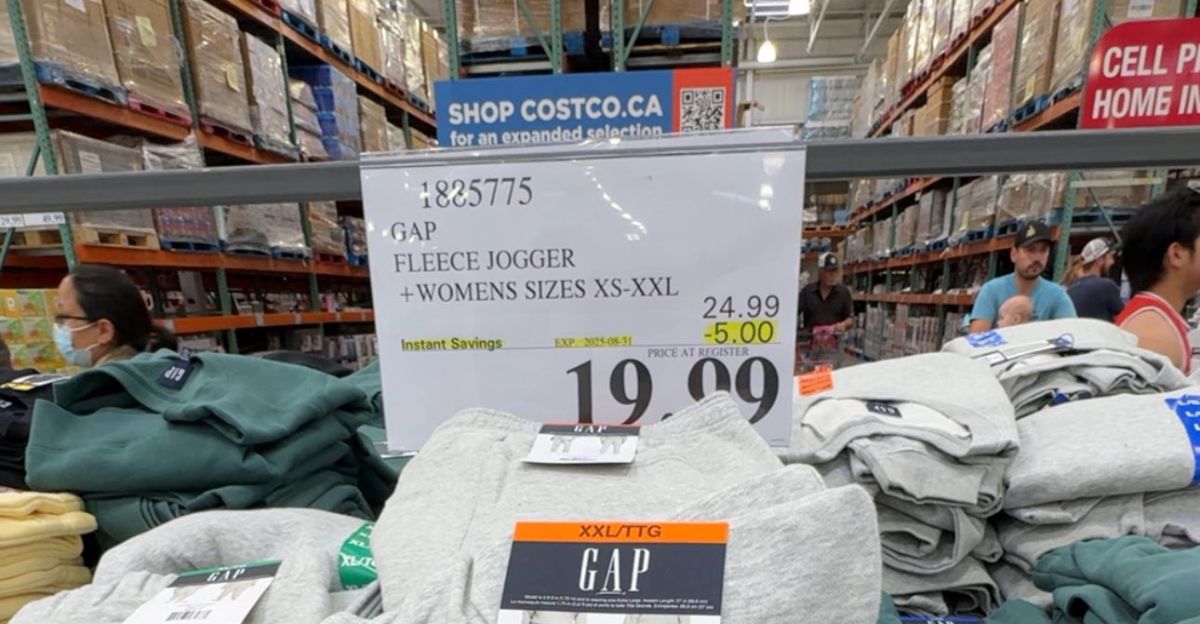
Research from Perfect Price indicates Costco shoppers spend significantly more per trip than customers at other retailers. Treasure-hunt purchases account for approximately fifteen percent of total sales, yet contribute disproportionate profits due to higher margins.
Studies demonstrate rotational displays increase impulse purchasing by nineteen percent, directly validating Costco’s operational strategy.
The Absence of Navigational Signage
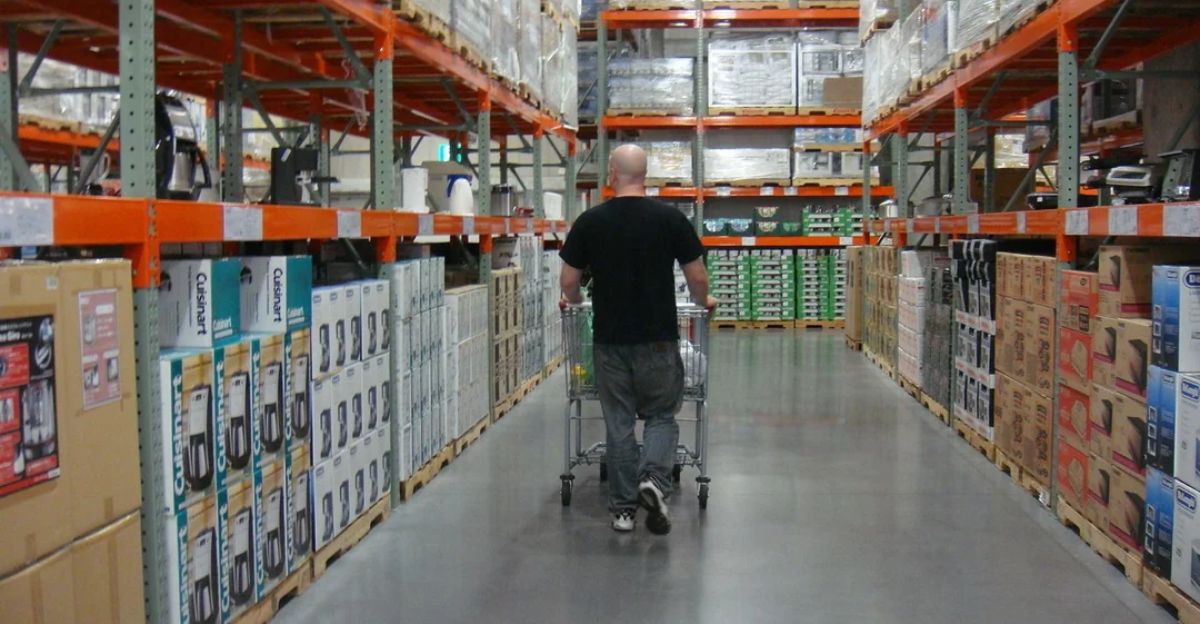
Costco warehouses contain virtually no aisle signs identifying product categories, no store maps, and minimal directional assistance. This design mimics Las Vegas casinos—deliberately disorienting environments that encourage extended browsing and reduce decision-making efficiency.
Shoppers cannot quickly navigate using logic, forcing reliance on exploration and serendipitous discoveries.
Psychological Reward Systems
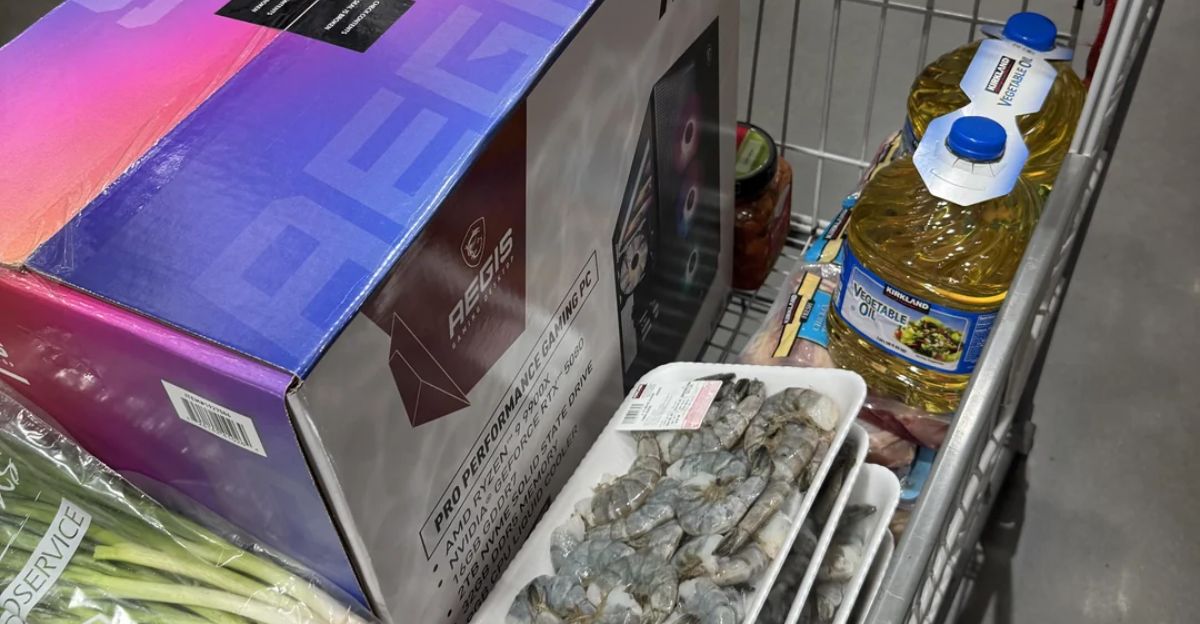
Costco’s treasure-hunt model activates the same neurological reward pathways as social media scrolling or clearance shopping. Each visit presents “new” discoveries—items relocated, seasonal merchandise, limited-edition partnerships—that release dopamine associated with finding bargains.
Members anticipate the hunt experience itself, visiting repeatedly to experience discovery sensations unrelated to actual product needs.
Employee Complicity and Confusion

Warehouse employees themselves frequently cannot immediately assist customers locating specific items due to constant product rotations. This systemic confusion isn’t accidental—management deliberately preserves operational unpredictability.
Employees receive minimal advance notice before major aisle reorganizations, ensuring they experience the same disorientation as customers.
Comparing to Competitors’ Strategies
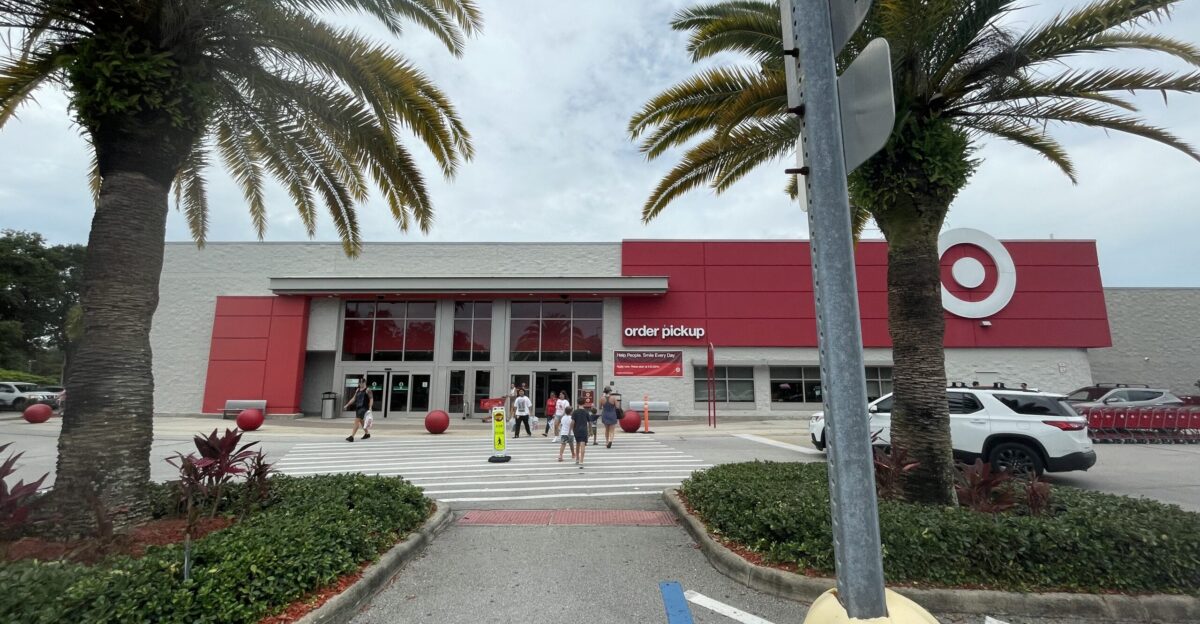
Walmart, Target, and traditional grocery chains utilize clear aisle signage, store maps, and consistent product placement. These competitor strategies minimize shopping time and reduce impulse purchasing.
Costco’s deliberate rejection of these customer-friendly features directly contradicts practices designed to maximize customer satisfaction.
CEO Statements on the Strategy

CEO Ron Vachris explicitly discussed the treasure-hunt strategy during 2024 earnings calls, describing how warehouse design and buyer selection create “engaging” shopping environments.
He emphasized that Costco’s operational excellence lies in making warehouses “engaging,” code language for psychologically manipulative layout design. This transparency from leadership confirms the strategy represents deliberate corporate policy, not unfortunate accident.
Member Frustration Across Demographics

Reddit discussions reveal frustration spanning all age groups and shopping frequency levels. Parents shopping with children express particular distress, unable to quickly complete shopping before children become restless.
Time-constrained members—shift workers, busy professionals—report feeling trapped in protracted shopping trips despite needing only three to five items.
The $1.3 Billion Quarterly Membership Revenue Driver
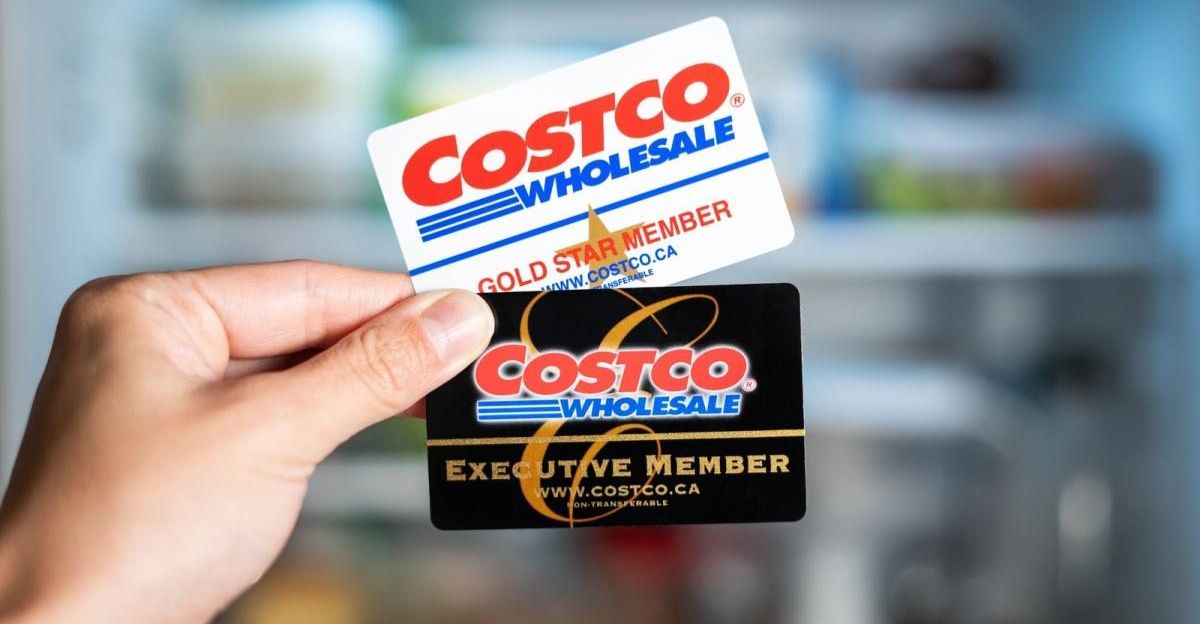
Costco generates approximately $1.329 billion in quarterly membership fee income from 81.4 million paid household memberships globally. This revenue stream, fundamentally dependent on maintaining perceived value, drives the treasure-hunt strategy.
Membership renewal rates justify continued reliance on the model—members accept disorienting warehouse navigation as the acceptable price for warehouse club pricing.
17. Seasonal Rotation and Fresh Inventory Perception
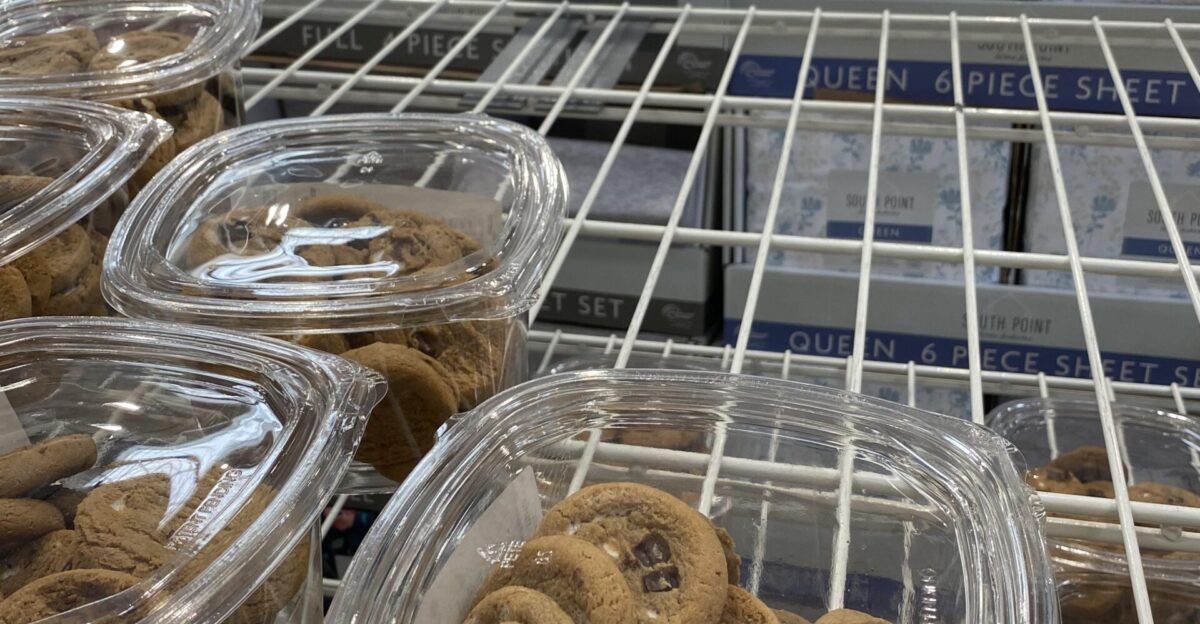
Costco’s inventory system rotates approximately four thousand products, with significant seasonal variation. Winter months feature holiday décor, specialty foods, and cold-weather items. Spring introduces garden furniture, outdoor entertainment equipment, and seasonal produce. This constant rotation creates psychological perception that warehouse inventory perpetually renews, encouraging frequent return visits. Members believe they’ll find unique items unavailable during previous visits.
Economic Resilience Through Membership Models
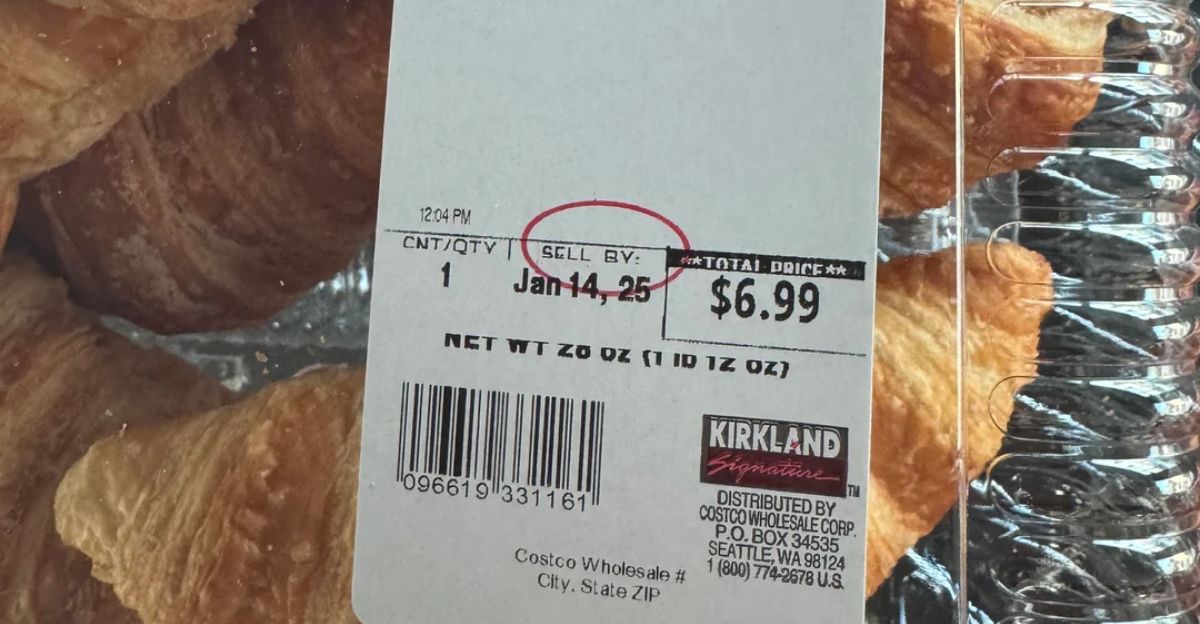
Recent macroeconomic challenges have actually enhanced Costco’s treasure-hunt strategy effectiveness. Price-conscious consumers in 2025 seek bargain opportunities, and Costco’s disorienting layout combined with limited-time deals perfectly targets this psychology.
The warehouse club attracted younger demographics specifically seeking value-oriented shopping experiences.
No Plans for Signage Improvements
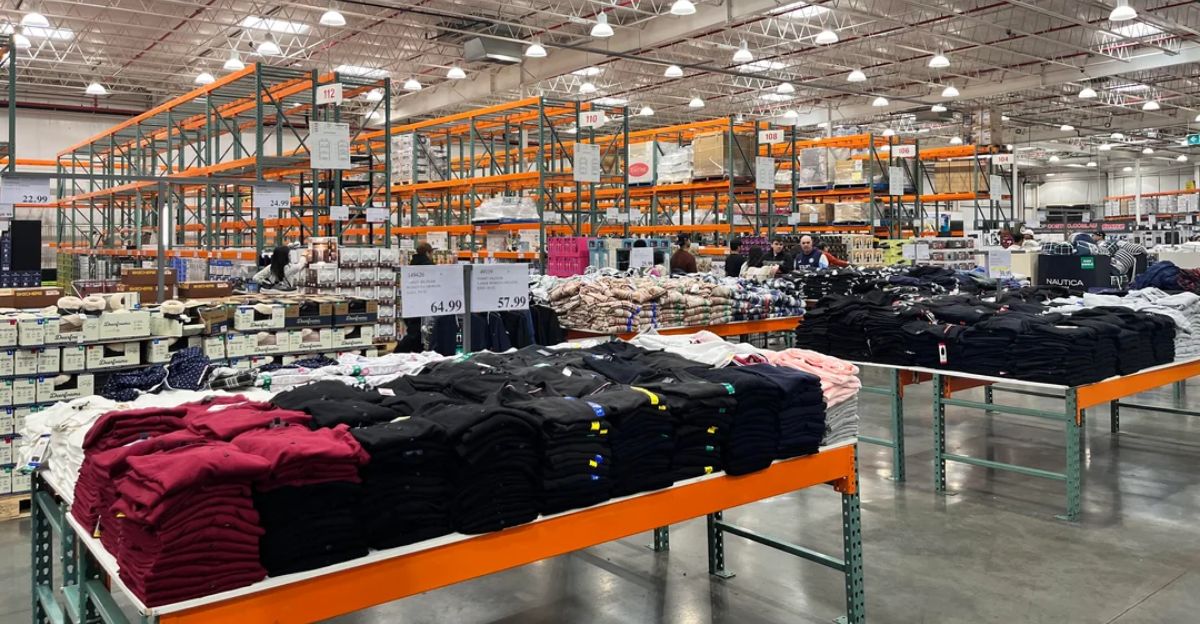
Despite widespread member complaints voiced through social media since December 2025, Costco demonstrates zero intention of implementing clearer signage or improved wayfinding. The company’s silence on member frustration reflects confidence that treasure-hunt strategy remains core to profitability.
As long as renewal rates remain above ninety percent and impulse purchases drive margin expansion, management has zero incentive addressing customer complaints about signage.
The Final Takeaway for Members
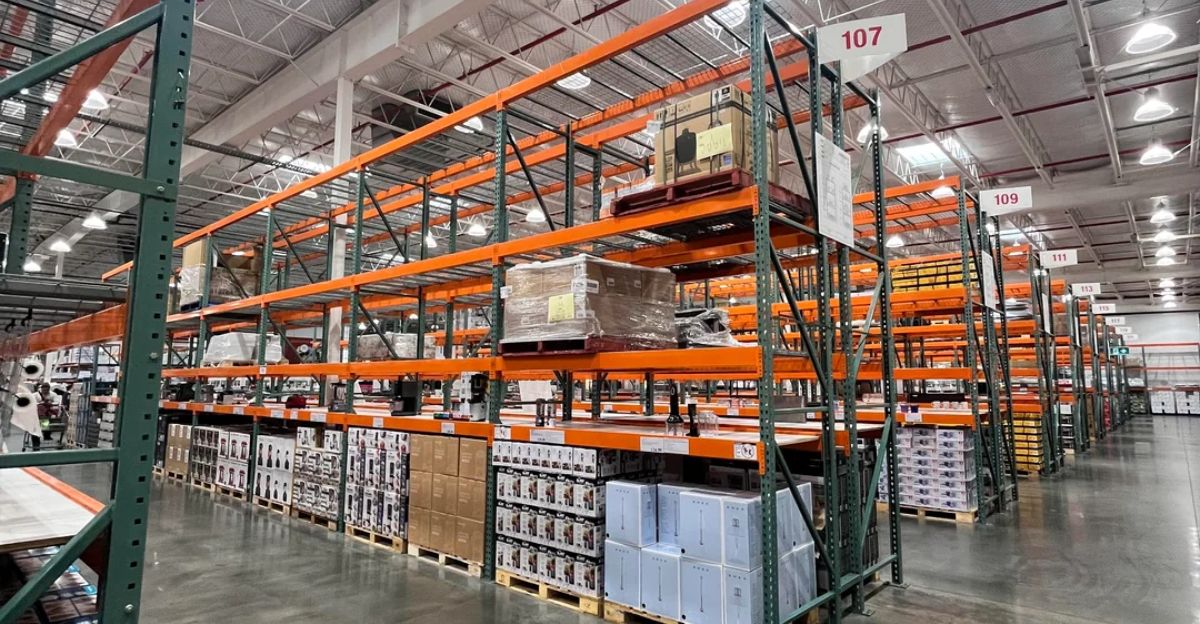
Costco’s 145 million global cardholders navigate deliberately confusing aisles by design, not accident. The warehouse giant has transformed basic frustration into a psychological trigger that maximizes spending while members perceive themselves as discovering bargains.
Every missing aisle sign, every relocated product, every seasonal reorganization represents calculated corporate strategy.
Sources:
“Costco Members Voice Major Shopping Complaint.” Yahoo Finance, December 2025.
“How Costco Gets You to Shop ’til You Drop More Money.” USA Today, April 2025.
“Costco’s Profits Beat Estimates as Shoppers Hunt for Deals.” Financial Post, December 2025.
“Is It Just Me or Does Anyone Else Hate the Lack of Aisle Labels?” Reddit r/Costco Community Discussion, December 2025.
Costco Wholesale Corporation Q1 2026 Earnings Report and Membership Statistics, December 2025.