Dressing well isn’t about designer labels or expensive wardrobes. Wealthy families teach their children subtle lessons about clothing that create an effortless, polished appearance. These principles focus on fit, quality, and intentional presentation rather than trends or price tags.
Understanding these ten lessons reveals why some people always look put together while others struggle despite spending more. These aren’t secrets—they’re simply taught differently across socioeconomic backgrounds. Once learned, they transform how anyone approaches fashion.
1: Fit Trumps All Designer Labels

A well-tailored inexpensive piece outperforms an ill-fitting expensive item every time. Wealthy families teach children that tailoring isn’t luxury—it’s essential. Pants get hemmed to exact lengths, blazers fitted at the waist, shirts adjusted at shoulders. Most people buy off-the-rack and accept manufacturer sizing.
This fundamental difference explains why wealthy individuals look intentional while others appear careless. Even basic white t-shirts transform when properly fitted. Tailoring isn’t optional; it’s foundational.
2: Fabric Quality Compounds Over Time
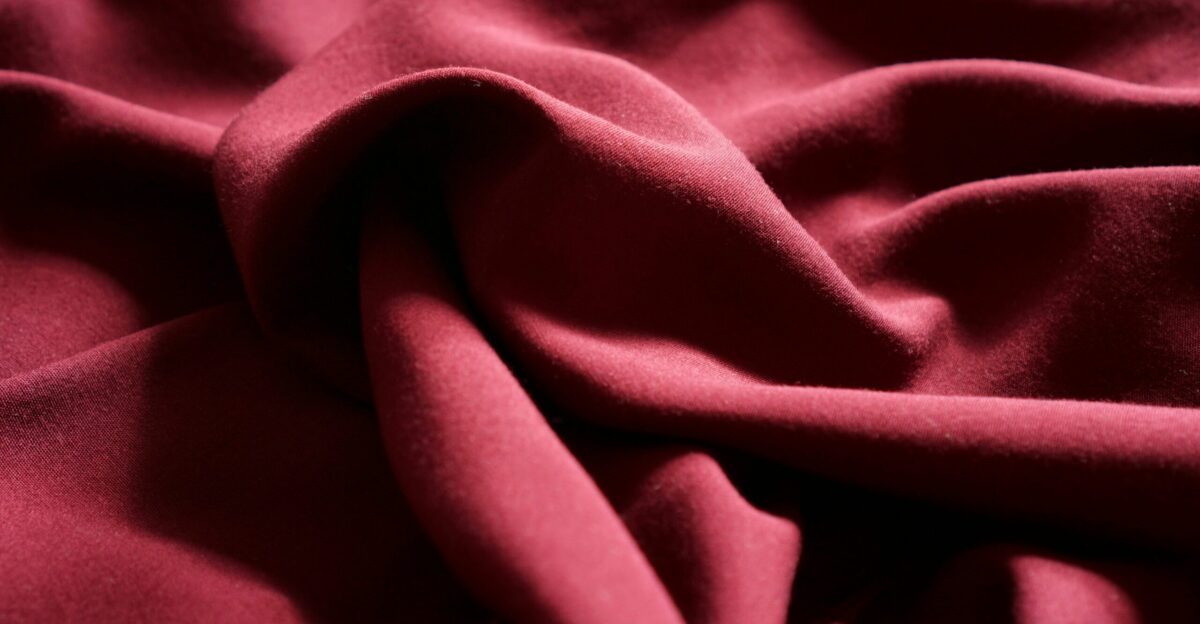
Wealthier families teach children to prioritize natural fibers: quality wool, real leather, genuine cotton. They check fabric labels before price tags. A well-made linen shirt outlasts ten cheap polyester alternatives while costing less per wear.
This knowledge creates different purchasing habits. Quality pieces build sustainable wardrobes; cheap pieces create endless replacement cycles. Understanding fabric composition separates informed dressers from impulse shoppers. Quality fabrics become an investment in longevity, not indulgence.
3: Neutral Colors Create Foundation Flexibility
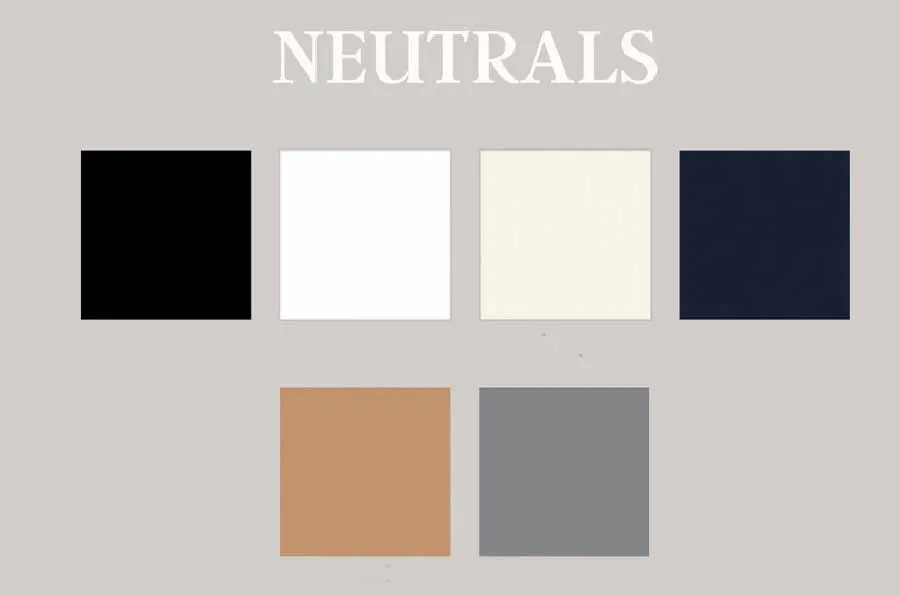
Wealthy closets contain predominantly navy, gray, beige, white, and black. These neutrals create infinite outfit combinations without planning. Trendy colors exist as accents, not foundations. This system-based approach eliminates daily decision fatigue.
Most people wear bright colors and patterns that don’t coordinate, complicating outfit selection. Building neutral foundations first allows personality expression through accessories and layering. This strategic approach makes dressing easier while maintaining polished appearance consistently.
4: Shoes Signal Care and Attention

Shoes communicate more than most people realize. Wealthy families invest in fewer quality pairs rather than many cheap ones. They learn leather care, resoling practices, and regular cleaning. Beat-up shoes ruin nice outfits; clean quality shoes elevate average clothing.
Most people wear shoes until they deteriorate, then replace them cheaply. This oversight undermines entire outfits. Shoes represent the final touch that signals whether you value yourself and the occasion you’re attending.
5: Context Determines Appropriate Dress
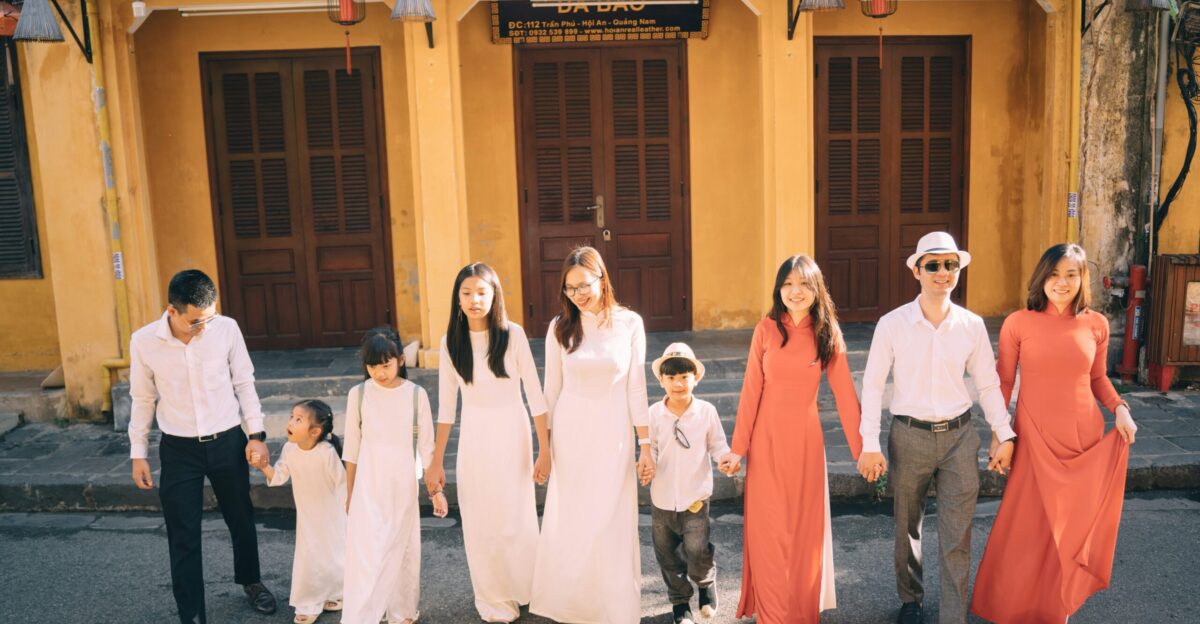
Different situations require different dress standards. Wealthy families explicitly teach these distinctions: work clothing differs from casual events, which differ from formal occasions.
They learn what “casual” means in various contexts—sometimes jeans suffice; other times slacks and blazers are required. This contextual awareness demonstrates social intelligence and respect. Most people learn these rules through embarrassing mistakes. Understanding context shows consideration for situations and the people involved.
6: Accessories Should Whisper, Not Shout
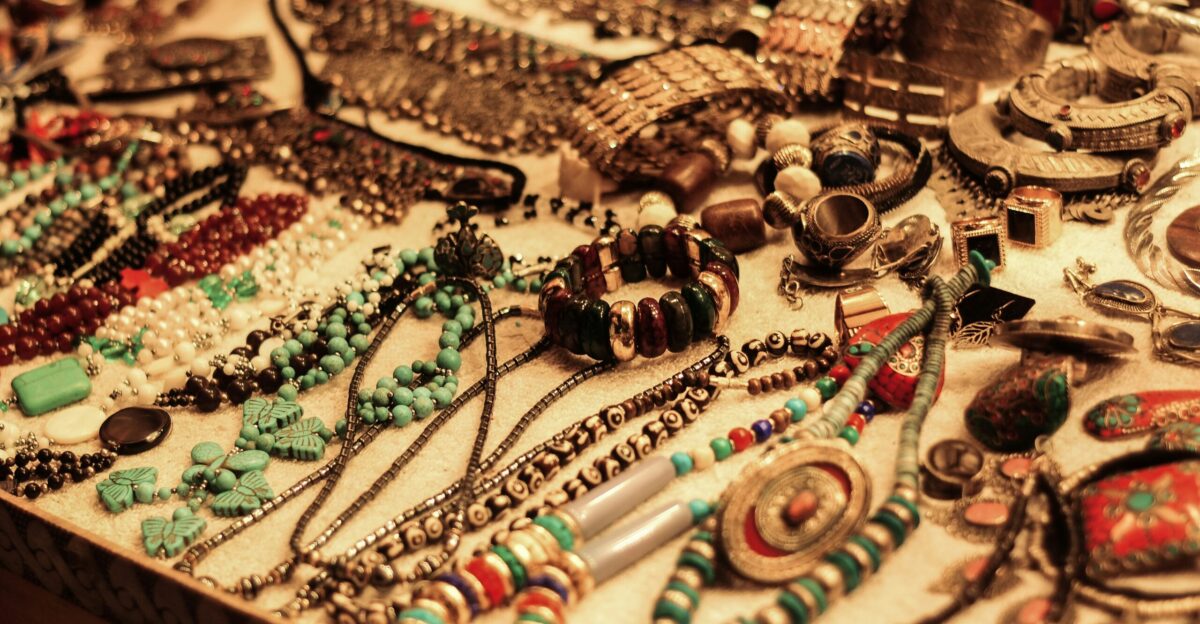
Less is definitively more when it comes to accessories. Quality trumps quantity: one excellent watch beats five statement pieces. Wealthy families teach restraint through intentional choices. Simple jewelry, a good belt, a durable leather bag—these complement outfits.
Most people accumulate trendy accessories that compete with clothing rather than enhance it. Strategic accessorizing requires confidence and knowledge. Minimalist accessorizing communicates security and sophistication that excessive accessories cannot match.
7: Visible Logos Signal Insecurity

Truly wealthy people rarely wear clothing covered in brand logos. Logos suggest needing external validation to prove worth. Quality speaks for itself through construction, fit, and fabric—not manufacturer names. Most people chase logos believing they signal success.
Wealthy families teach that obvious branding communicates the opposite: insecurity about actual quality. The distinction between old money’s whisper and new money’s shout defines this principle. Confidence requires no advertising.
8: Clothing Maintenance Extends Lifespan
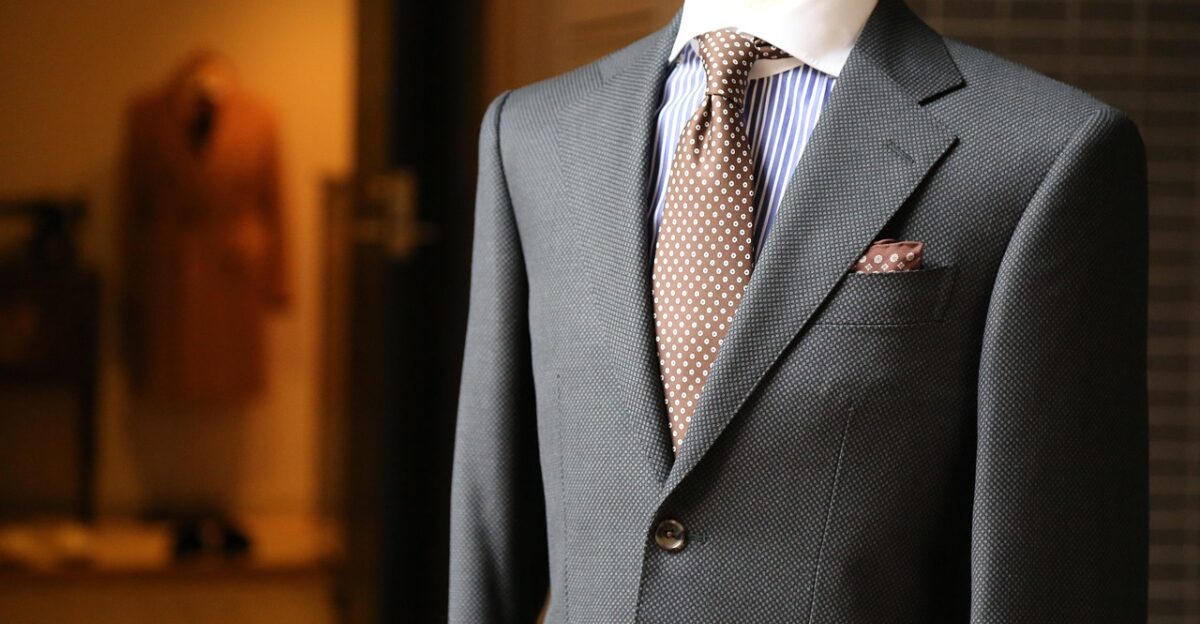
Wealthy families teach proper hanging, knowing when to dry clean, storing seasonal pieces correctly, and repairing before replacing. Maintenance represents respect for quality investments. Proper care directly affects appearance and longevity.
Most people throw everything in dryers, hang items carelessly, and discard damaged clothing. These shortcuts accelerate deterioration. Budgeting time and money for maintenance separates careful dressers from careless ones. Maintenance transforms how long quality pieces actually last.
9: Understand Your Body’s Best Silhouettes

Wealthy families teach dressing for actual body types rather than chasing trendy silhouettes. They learn which cuts, styles, and proportions flatter their specific builds. This requires self-awareness and honest assessment of what works personally.
Most people wear unflattering items because they’re fashionable. Trend-chasing often undermines individual appearance. Building personal style formula based on body-specific knowledge creates consistent attractiveness. Self-knowledge surpasses trend-following every time.
10: Self-Presentation Communicates Respect
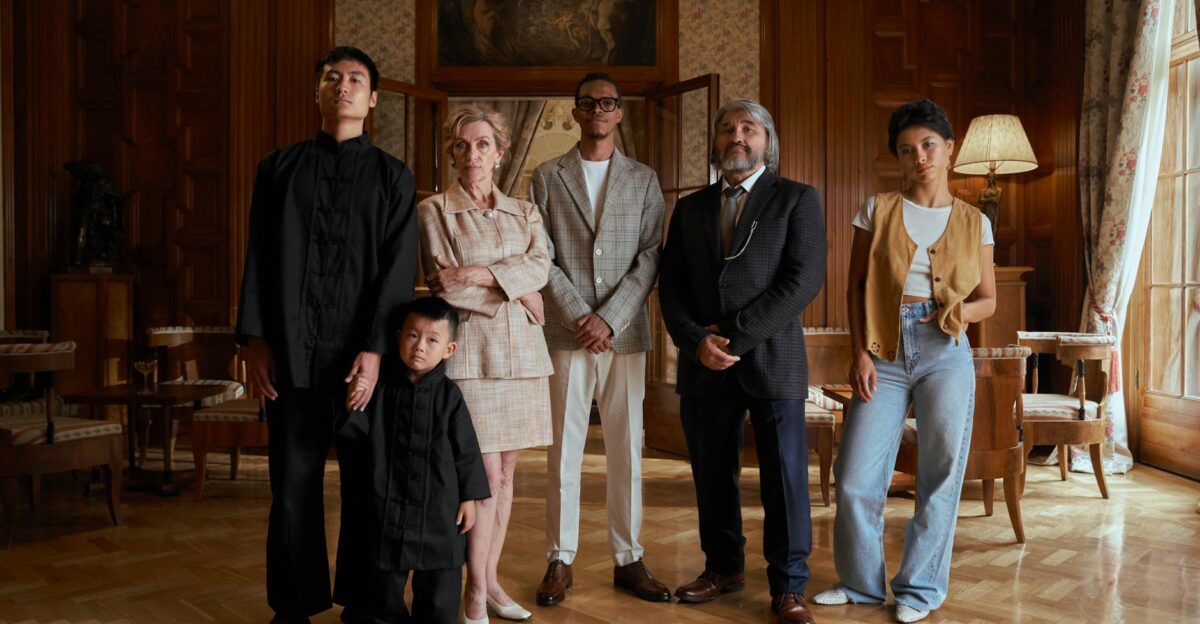
Dressing well isn’t vanity—it’s respect. Wealthy families teach that appearance communicates whether you value yourself, others, and situations. Wrinkled interview clothes suggest the opportunity doesn’t matter enough for preparation. Consistent sloppiness tells others their impressions don’t matter. Self-presentation functions as communication.
Putting effort into appearance shows consideration. This transforms dressing from superficial concern into meaningful consideration. Respect manifests through intentional presentation.
The Economic Advantage Hidden in Closets

These ten lessons create measurable advantages throughout life. People who apply these principles look more confident, competent, and successful—regardless of actual income. First impressions influence job interviews, romantic relationships, and social opportunities. Wealthy families pass these advantages generationally while others stumble through trial and error.
The clothing lessons become invisible privilege. Understanding these principles allows anyone to access advantages traditionally reserved for wealthy backgrounds. Knowledge equalizes opportunity significantly.
How Quality Compounds Into Lifetime Savings
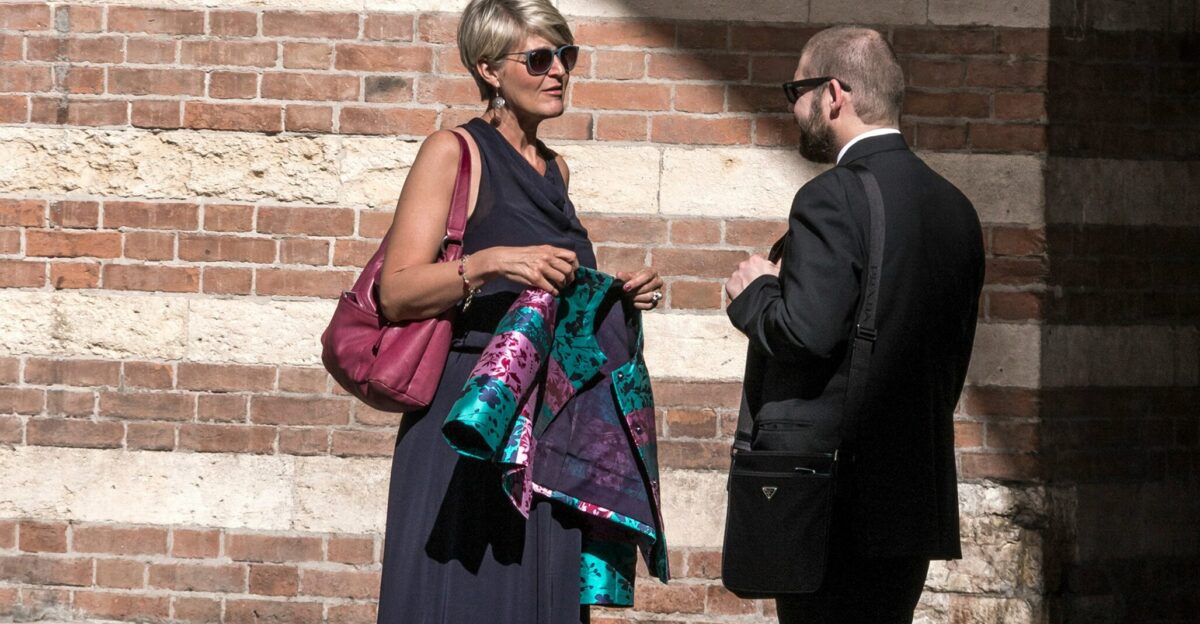
Counter-intuitively, applying wealthy family lessons saves money long-term. Quality pieces worn longer cost less per wear than cheap alternatives. Tailoring adds minimal expense but transforms appearance dramatically. Strategic neutral foundations require fewer total pieces. Proper maintenance extends garment lifespans significantly.
Most people spend more buying replacements constantly. Wealthy families invest initially but spend less overall. The paradox: expensive choices become cheaper than budget shopping. Long-term thinking reveals the economic wisdom.
Breaking the Cycle of Constant Replacement
Middle-class habits create endless replacement cycles. Cheap fabrics deteriorate, requiring frequent repurchasing. Ill-fitting clothes become wardrobe liabilities quickly. Poorly maintained items deteriorate faster. This creates financial stress and closet frustration simultaneously.
Wealthy families avoid this trap through intentional purchasing and maintenance. They buy less frequently but keep pieces longer. Breaking replacement cycles requires mindset shifts and initial investment. Once broken, financial and emotional burdens decrease dramatically.
The Confidence Factor Nobody Discusses
Proper fit and quality fabrics create measurable confidence increases. People dressed well move differently, speak more assertively, and present themselves more effectively. This psychological advantage compounds professionally and socially.
Most people don’t recognize how clothing affects mindset. Wealthy families understand that appearance influences internal state. Confidence becomes both cause and effect of dressing well. This feedback loop creates success spirals. Understanding this connection transforms dressing from cosmetic to strategic.
Social Signals Operate Below Conscious Awareness

Most people consciously notice logos or price tags. Subconsciously, they notice fit, fabric quality, and intentionality. These subtle signals communicate class, education, and care. Wealthy families understand this psychology implicitly.
They teach children that these signals matter despite seeming invisible. Poor fit screams carelessness to observers. Quality fabrics whisper sophistication. This hidden language influences how others perceive and treat you. Understanding social signaling through clothing becomes powerful knowledge.
Accessibility: Anyone Can Learn These Lessons

These principles aren’t exclusive to wealthy families anymore. Information about fit, fabric quality, and maintenance is widely available. Tailoring isn’t expensive; many alterations cost under fifty dollars. Quality neutral pieces exist at reasonable prices from numerous retailers.
YouTube contains endless tutorials about clothing care and maintenance. The barrier isn’t money—it’s knowledge and intentionality. Anyone willing to learn can apply these principles immediately. Education democratizes advantages previously limited to wealthy backgrounds. Knowledge becomes the great equalizer.
Practical Implementation: Starting Today
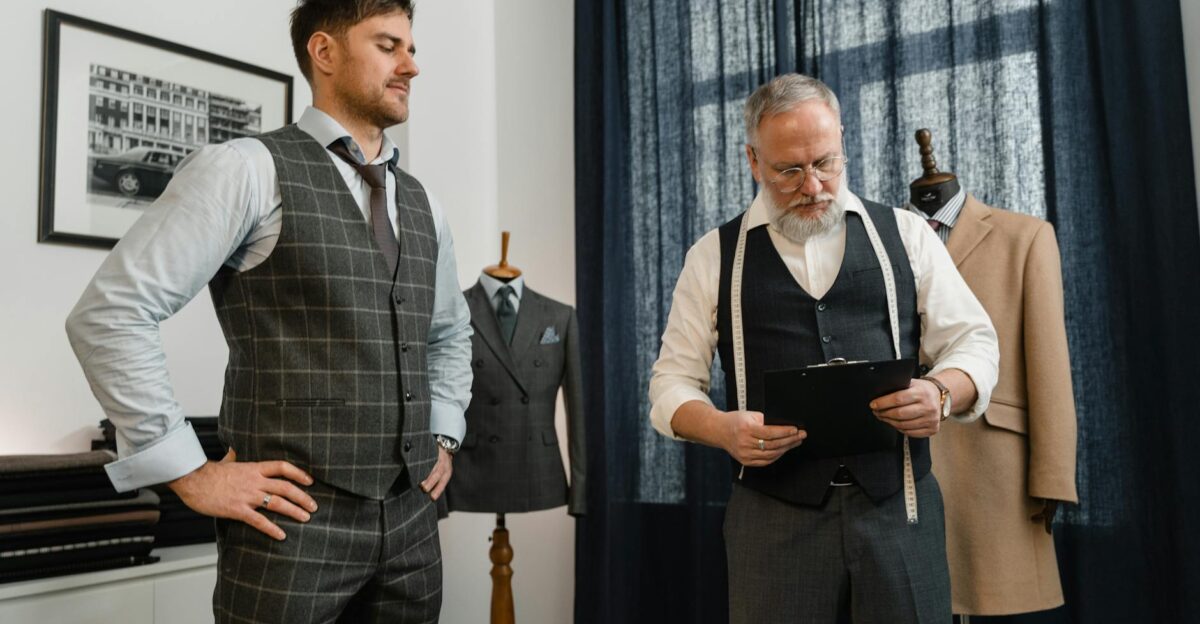
Begin assessing your current wardrobe’s fit and fabric quality. Identify which pieces actually flatter your body type. Invest in basic tailoring for three key items this month. Research fabric composition before your next purchase. Evaluate your accessory collection critically. Establish a clothing maintenance routine. Choose one neutral color to build around.
These small steps begin transforming your appearance and confidence. Wealthy families teach these lessons gradually; adults can implement them immediately. Action creates results faster than information alone.
The Lasting Impact of Intentional Dressing

Dressing with intention influences careers, relationships, and self-perception. People dressed well receive better treatment and opportunities. This isn’t shallow—it’s human psychology. Wealthy families teach these principles because they work demonstrably.
Children internalize these lessons, making good dressing automatic. Adults must learn consciously what others absorbed unconsciously. But consciously applied knowledge proves equally powerful. Understanding these ten principles transforms how you move through the world.
Conclusion: The Real Wealth Is Knowledge

The true wealth wealthy families transmit isn’t money—it’s knowledge about self-presentation. These ten lessons seem simple but create lifetime advantages. They prove that appearing successful influences becoming successful. Anyone willing to learn can access these advantages regardless of background.
Quality, fit, intention, and respect through presentation matter more than price tags. These principles work because they’re rooted in psychology and practicality. Start implementing today; results arrive immediately. The investment in knowledge pays dividends forever.
Sources:
“10 Things People from Wealthier Families Are Taught About Dressing That Others Aren’t.” VegOut Magazine, Fashion & Beauty.