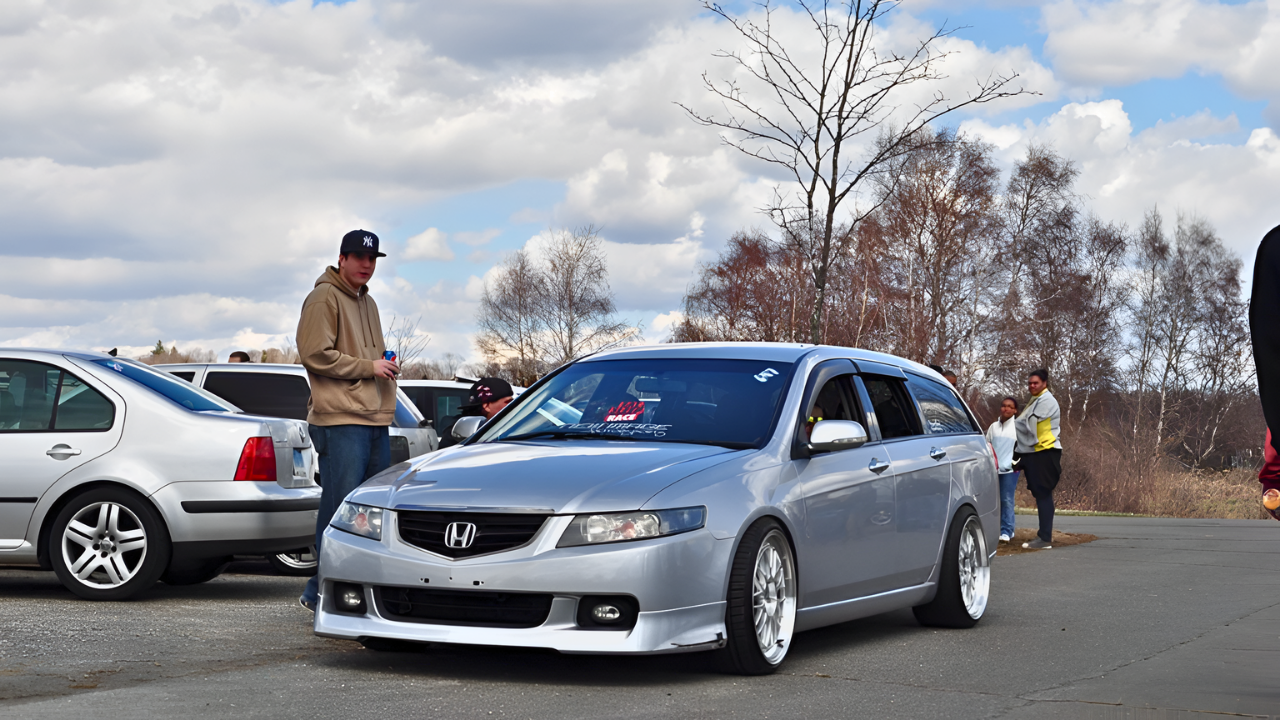
Japanese automakers have long symbolized durability and performance, but a closer look reveals models from even top brands like Toyota, Honda, Nissan, and others that deliver persistent mechanical headaches and steep repair bills for U.S. owners. These seven vehicles, flagged by mechanics and reliability surveys, highlight how complex engineering can backfire, turning expected longevity into costly pitfalls.
Nissan Altima’s Transmission Troubles
The Nissan Altima leads lists of vehicles to sidestep due to its Jatco continuously variable transmission, plagued by failures for over two decades. Issues emerge as early as 40,000 miles, peaking between 60,000 and 100,000, with symptoms like shuddering, power loss, rough acceleration, whining noises, high engine revs without speed gain, and escalating vibrations. Replacement costs hit $3,500 to $8,000 at dealers or independents, often leaving owners stranded just after warranties expire. Mechanics point to standard automatics in the Toyota Camry or Honda Accord as far more enduring and affordable over time.
Nissan Rogue’s Engine and Drivetrain Woes
Nissan’s best-selling U.S. compact SUV, the Rogue, grapples with its 1.5-liter VC-Turbo three-cylinder engine, which combines variable compression and turbocharging in a setup prone to breakdown. A June 2025 recall affected 443,899 vehicles, including 348,554 Rogues, over defective engine bearings risking catastrophic failure, stalling, power loss, and total engine seizure. Compounding this, the same faulty Jatco CVT brings rough idling and further unreliability—one case saw major engine issues at just 157 miles. Nissan extended powertrain warranties to 10 years or 120,000 miles for affected units, but experts favor the Toyota RAV4 or Honda CR-V for steadier performance.
Toyota RAV4 Prime’s Hybrid Hazards
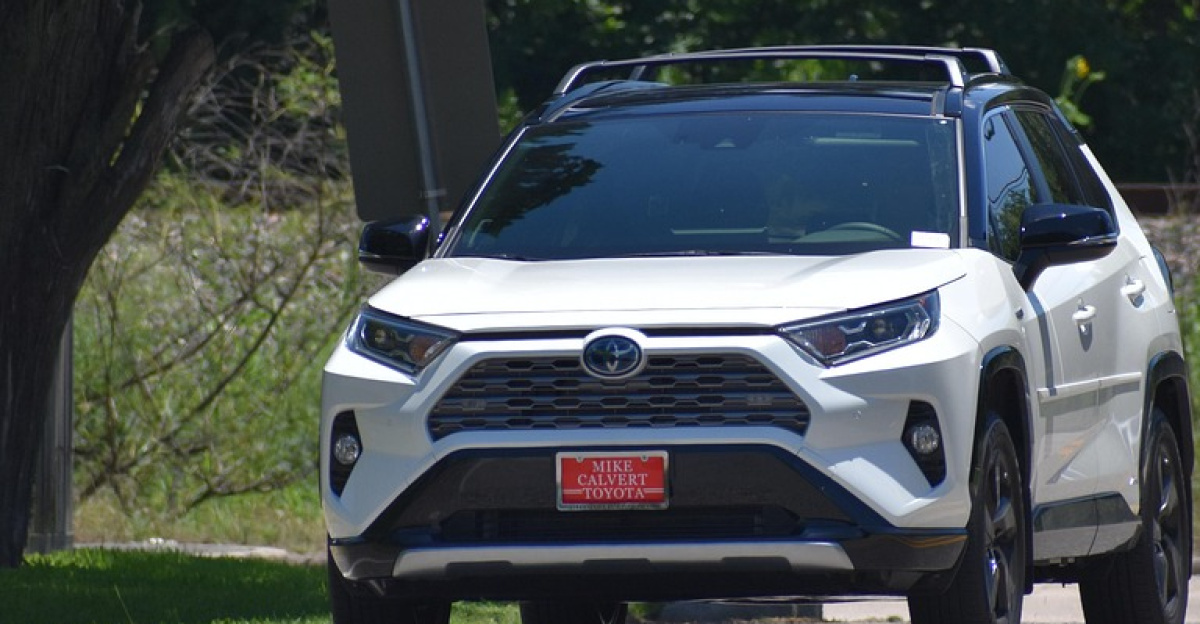
Toyota’s plug-in hybrid RAV4 Prime marks a departure from the brand’s sterling record, with its layered battery cooling, electric-gas drivetrain, and electronics inviting failures. Consumer Reports logs system glitches, electronic breakdowns, and extended repair waits, tied to recalls for cold-weather stalling, DC-DC converter fire risks, and hybrid control malfunctions that cut power abruptly on highways. In EV mode, rapid acceleration in low temperatures triggers shutdowns; another recall hit 43,442 units for converters prone to shorting and igniting, prompting Toyota to bar charging below 41°F. Owners note frozen screens, charging failures, and battery alerts, though non-plug-in RAV4 hybrids hold firm.
Honda Passport’s Drivetrain Defects
Since its 2019 revival, the Honda Passport midsize SUV has drawn complaints of drivetrain vibrations, rear differential leaks, and electronic faults, eroding Honda’s reliability edge. Consumer Reports highlights issues surfacing before 50,000 miles, with high post-warranty costs. Signs include odd noises, harsh shifts, sluggish all-wheel-drive response, and dashboard warnings. Owners endure repeated dealer trips for unresolved problems like pulling to one side despite alignments and tire work, plus error messages, radio blackouts, spotty Android Auto, and build flaws. Alternatives like the Toyota 4Runner or Subaru Outback offer greater dependability.
Infiniti QX60’s Luxury-Level Nightmares

Infiniti’s QX60 three-row SUV inherits Nissan’s CVT woes alongside premium pricing for fixes and rampant electrical glitches. Its 2.0-liter turbo four-cylinder strains under the vehicle’s heft, while owners via Edmunds report abrupt transmission collapses and safety system failures, tanking resale values. Electrical faults strike infotainment screens, controls, batteries, lights, tire monitors, and key fobs. One 2023 Autograph buyer, out $70,000-plus, needed a fuel pump swap, wiring overhauls, and sensor fixes overlooked initially—bills that soon surpass the aging vehicle’s worth.
Mitsubishi Outlander’s Quality Shortfalls
The Mitsubishi Outlander trails with erratic electronics, drivetrain shakes, and shoddy assembly amid the brand’s profit slump and outdated tech. Infotainment freezes, charging ports fail, and service centers falter on fixes; Consumer Reports forecasts middling reliability. The Jatco CVT quits early at high cost, while owners cite blacking LED screens mid-drive, month-one steering rack swaps, mirror breakdowns, persistent vents spewing fuel smells, and fruitless repair loops. Sparse dealers and parts delay resolutions further.
Mazda CX-90 and CX-70’s Premium Rattles
Mazda’s CX-90 three-row and CX-70 two-row SUVs tarnish the marque’s quality image with cabin rattles, powertrain glitches, and faltering plug-in hybrids. Consumer Reports issues dim reliability outlooks, citing hybrid communication breakdowns, software bugs hitting safety cameras and defrosters, plus start-stop recalls. Test drives reveal tire wear before 25,000 miles, transmission lags, facial recognition flops, and squeaks over rough roads. Forums buzz with unfixable rattles and hybrid cooling/electrical woes, clashing with $40,000-$50,000 price tags.
For American buyers chasing Japanese reliability, these models underscore the perils of unproven tech and shared parts. Skipping them for proven rivals preserves budgets and peace of mind, as ongoing recalls and owner reports signal broader industry pressures to refine complex systems before widespread adoption.
Sources:
GoBankingRates – “Auto Experts: Japanese Cars To Stop Buying Immediately” – December 7, 2025
Car and Driver – “Nissan Recalls 444K Models for Potential VC-Turbo Engine Failure” – July 20, 2025
CarExamer – “Nissan Altima Problems Common Issues and Repair Costs” – October 10, 2025
Cars.com – “Toyota RAV4 Prime Recalls” – July 10, 2023
Edmunds – “2025 Mitsubishi Outlander Consumer Reviews” – November 6, 2025
Motor Trend – “Rattles and Squeaks Have Permeated Our Mazda CX-70” – December 14, 2025