Every day, drivers are facing sudden, catastrophic vehicle failures that leave them stranded or worse. Engines seize without warning, transmissions fail at highway speeds, and fires erupt in previously reliable cars. Mechanics across the country report identical patterns, confirmed by NHTSA recall data affecting millions. These aren’t isolated problems—they’re systemic defects hidden beneath the surface of popular models. If you own or are shopping for a used car, understanding these risks is critical.
When Engines Just Stop Working
Engine failure used to happen after 200,000 miles, but now complete seizures occur at 50,000 to 100,000 miles. Well-maintained cars suddenly fail without warning. Replacement engines cost $4,000 to $10,000 out of warranty. Mechanics stress these aren’t driver errors—they’re systemic design and manufacturing defects. Owners face repair bills exceeding their vehicle’s resale value. This isn’t normal wear-and-tear, and it’s spreading across multiple brands.
The Hidden Pattern Mechanics See Daily
Independent shops report the same frustrating patterns across multiple brands and model years. Technicians notice defects appearing repeatedly, often before consumers spot issues in reviews or reliability surveys. Some shops maintain separate waitlists for recurring problems. By the time owners notice, thousands in damages have accumulated. These patterns are confirmed in shop invoices and complaints, offering an alarming look at systemic issues mechanics witness daily.
Why NHTSA Recalls Tell The Real Story
The National Highway Traffic Safety Administration recalls hundreds of thousands of vehicles only when defects pose real danger. Some brands on this list faced penalties exceeding $100 million. These recalls aren’t for minor issues—they address complete engine failure, fires, or unintended vehicle movement. Federal investigation and verified complaints confirm the severity. Understanding recalls helps buyers make informed choices about which vehicles to avoid.
The Real Cost Beyond The Sticker Price
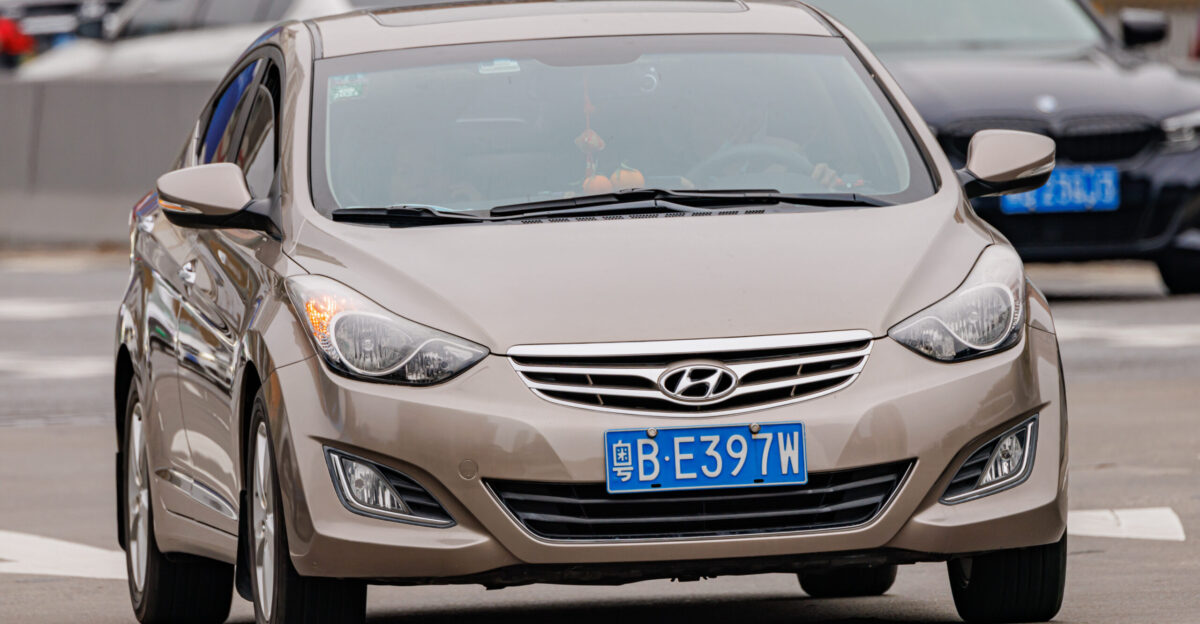
Buying a used car often feels like a bargain until catastrophic failure strikes. A $12,000 sedan might require $4,500 to fix a broken transmission, wiping out savings. These are full system failures caused by manufacturer defects, often outside warranty coverage. Buyers need to consider lifetime repair costs, not just the purchase price. Certain brands present dramatically higher financial risks than more reliable alternatives.
Here Are The Ten Brands To Avoid
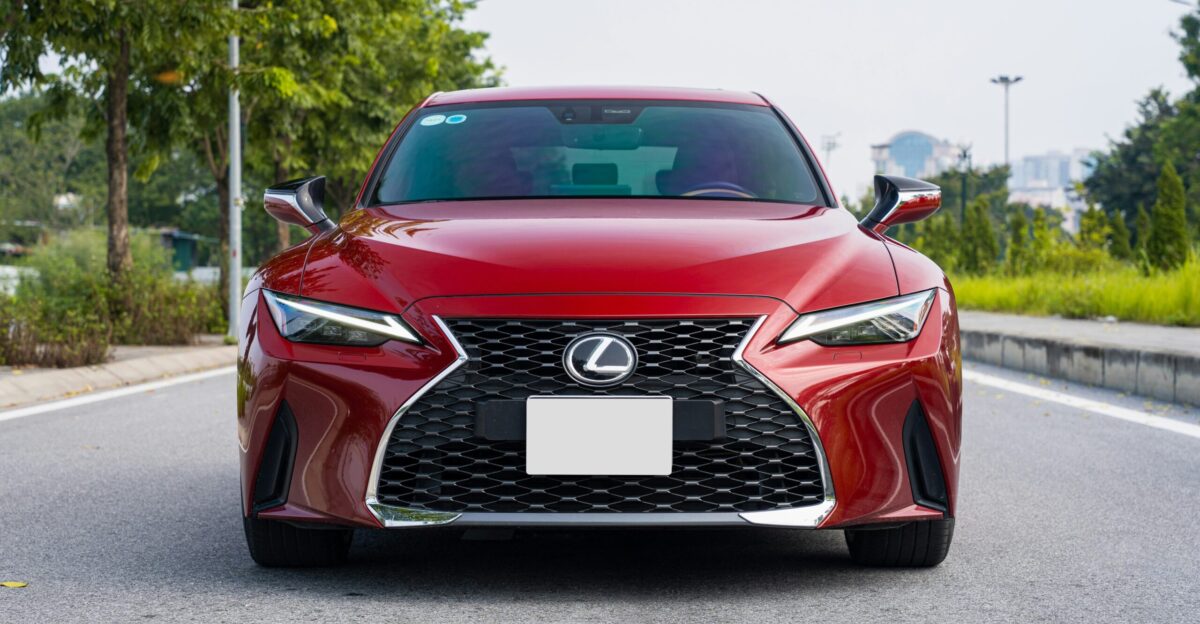
Based on NHTSA data and verified shop reports, these ten vehicles consistently rank at the top of mechanics’ “do not buy” lists. They face catastrophic failures that leave drivers stranded, and some have undergone federal investigations. These are patterns, not opinions, verified by thousands of repair reports nationwide. Mechanics actively warn customers about these brands. Let’s examine each and uncover why the warnings exist.
#1 Hyundai
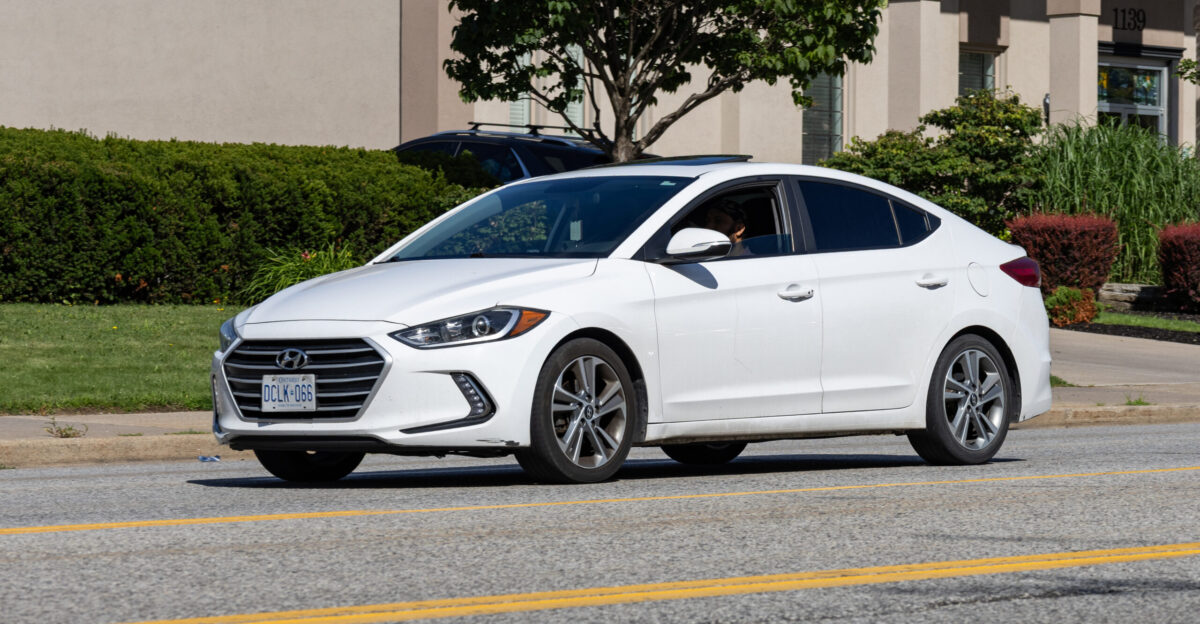
Hyundai Elantra and Sonata engines can fail completely, sometimes causing fires. The Theta II engine suffers rod bearing failures. NHTSA issued a record $210 million penalty, recalling 6.7 million vehicles since 2012. Engines fail at 50,000 to 100,000 miles despite maintenance. Replacements cost $4,000 to $10,000. Mechanics strongly advise avoiding affordable used Hyundai sedans. These failures are sudden, catastrophic, and leave no warning signs.
#2 Kia Optima And Sorento – Same Engine Nightmare
Kia Optima and Sorento share the Theta II engine, suffering identical rod bearing defects and fire risks. Over 3 million vehicles have been recalled, affecting multiple model years. Mechanics see failure patterns mirroring Hyundai counterparts. Engine replacement costs remain $4,000 to $10,000. Even newer used Kias carry catastrophic risks. Reliability across these models is compromised. Buyers considering a used Kia should prepare for potential disaster before purchase.
#3 Chrysler Pacifica
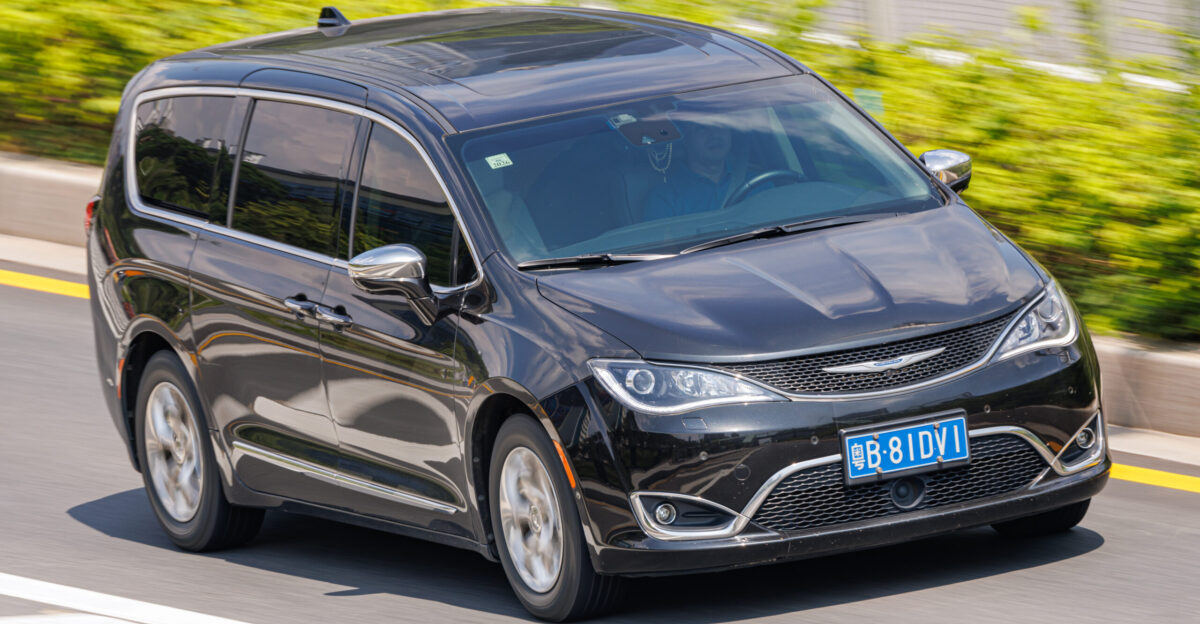
Chrysler Pacifica minivans experience complete transmission failure as early as 50,000 miles. Wiring connector shorts cause sudden power loss, stranding drivers. NHTSA received hundreds of complaints covering 2017–2026 models. Transmission replacements cost $3,500 to $5,500. Families face severe safety risks, as failures can occur during rush hour. Mechanics specifically warn parents shopping for family vehicles to avoid this minivan due to unpredictability and repair costs.
#4 Ford F-150 (2014)
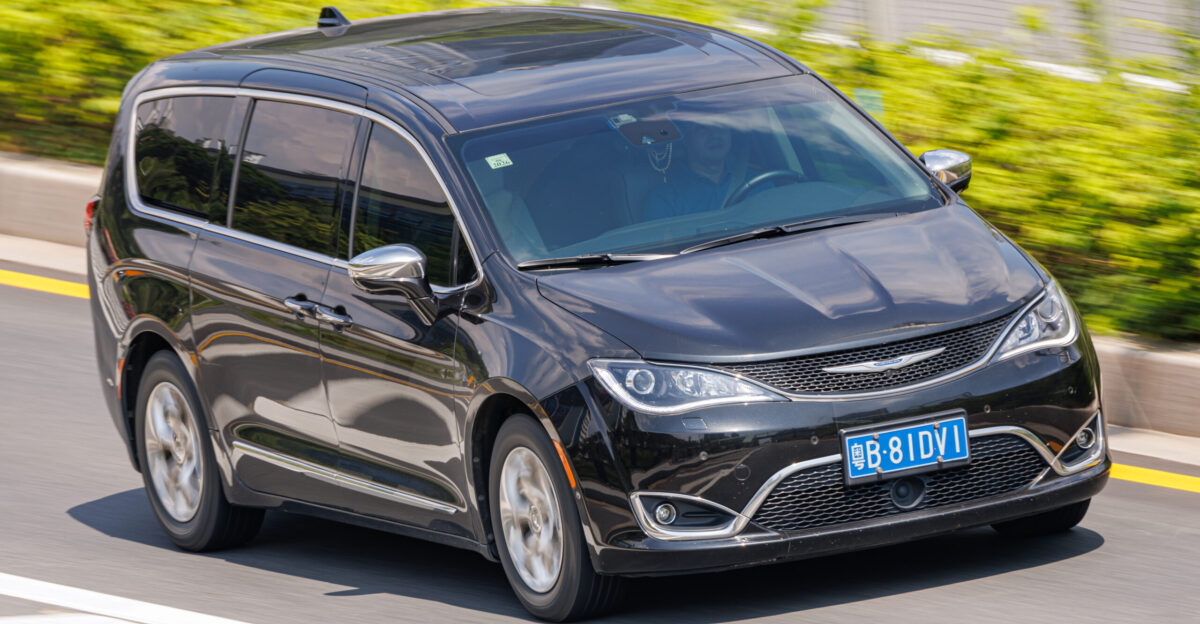
The 2014 Ford F-150 can downshift to first gear at highway speeds, causing complete loss of control. NHTSA recall affected 550,000 vehicles following accident complaints. Drivers have no time to react, creating high crash risk. Mechanics advise avoiding these trucks, even if well-maintained. The defect isn’t a minor comfort issue; it’s a serious safety hazard. High-speed failures are catastrophic and preventable.
#5 GM
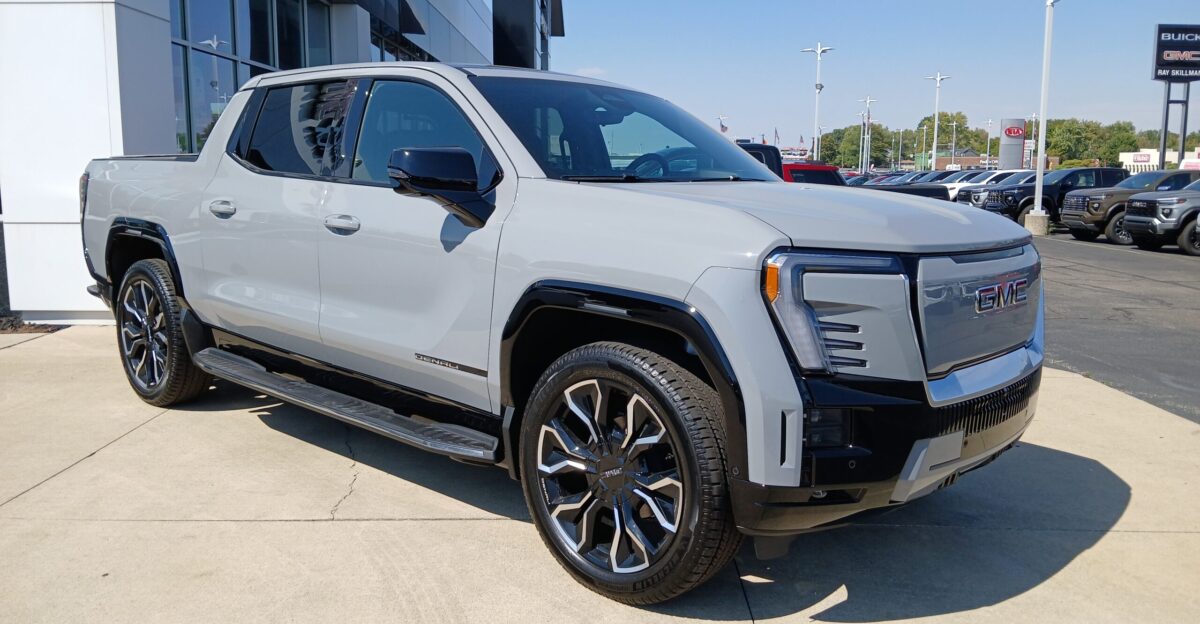
GM recalled 597,630 trucks and SUVs in 2024 due to engine rod and crankshaft failures. A running engine can seize instantly, causing catastrophic danger. Affected vehicles include 2021–2024 Silverado 1500, GMC Sierra, Tahoe, and Suburban models. Engine replacement costs $5,000 to $12,000. Many owners still finance these vehicles, facing severe repair bills. Mechanics advise avoiding these years entirely.
#6 Toyota Tundra And Lexus LX600
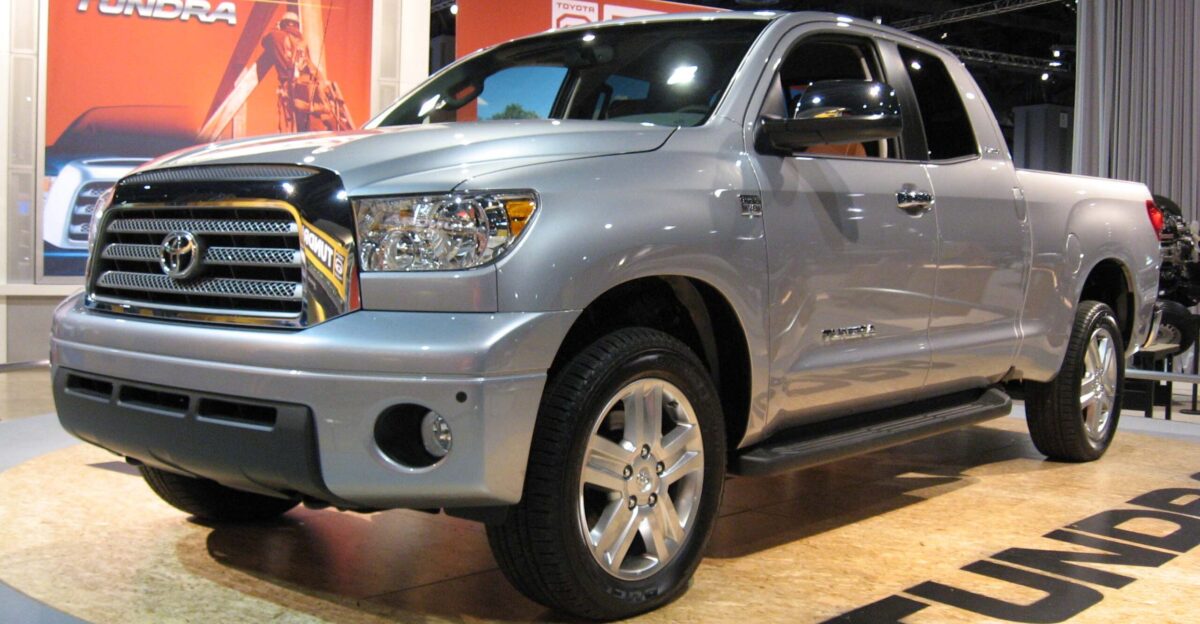
Toyota Tundra and Lexus LX600 trucks and SUVs can move or shift gears without driver input. Transmission bearing defects and engine failures compromise the powertrain. NHTSA recalls cover 280,000+ vehicles with additional recalls pending. Premium vehicle owners experience unpredictable control loss. Even Toyota’s reliability reputation cannot prevent catastrophic defects. Mechanics report multiple identical failure cases. Choosing one of these models risks both safety and financial loss unexpectedly.
#7 Jeep Wrangler 4XE And Grand Cherokee 4XE
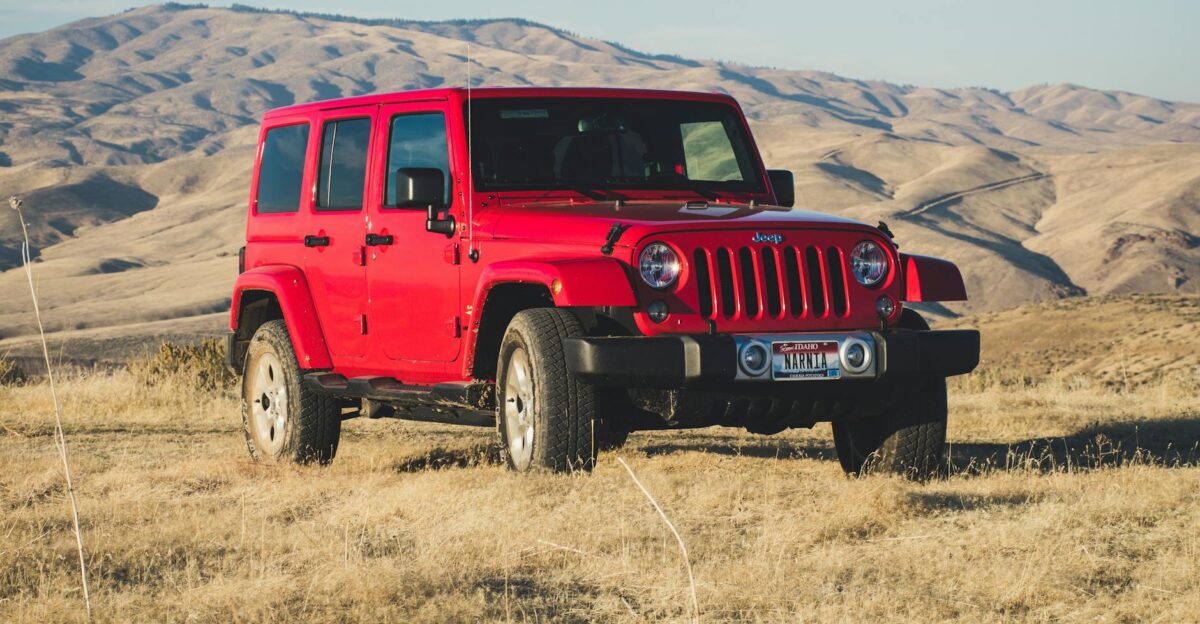
Jeep PHEVs experience catastrophic engine failures and occasional fires. Sand contamination during engine casting is the root cause. NHTSA recalls 112,859 vehicles with 36 fires and 50 loss-of-propulsion events in December 2025. Engine loss can happen while driving, potentially endangering traffic. Some vehicles caught fire while parked, destroying property. Mechanics advise extreme caution with these PHEV Jeeps. Recent manufacturing defects make these models particularly dangerous for buyers.
#8 Nissan
Nissan Rogue CVTs fail catastrophically, often between 50,000 and 150,000 miles. Overheating can leave vehicles stranded with minimal warning. Replacement costs $3,000 to $5,000, nearly the used vehicle value. Some owners faced multiple failures during warranty. Mechanics see CVT failures frequently, confirming a systemic defect across model years. Rogue popularity amplifies the concern. Buyers should consider whether convenience outweighs the real risk of sudden, expensive transmission failure.
#9 Volkswagen Atlas
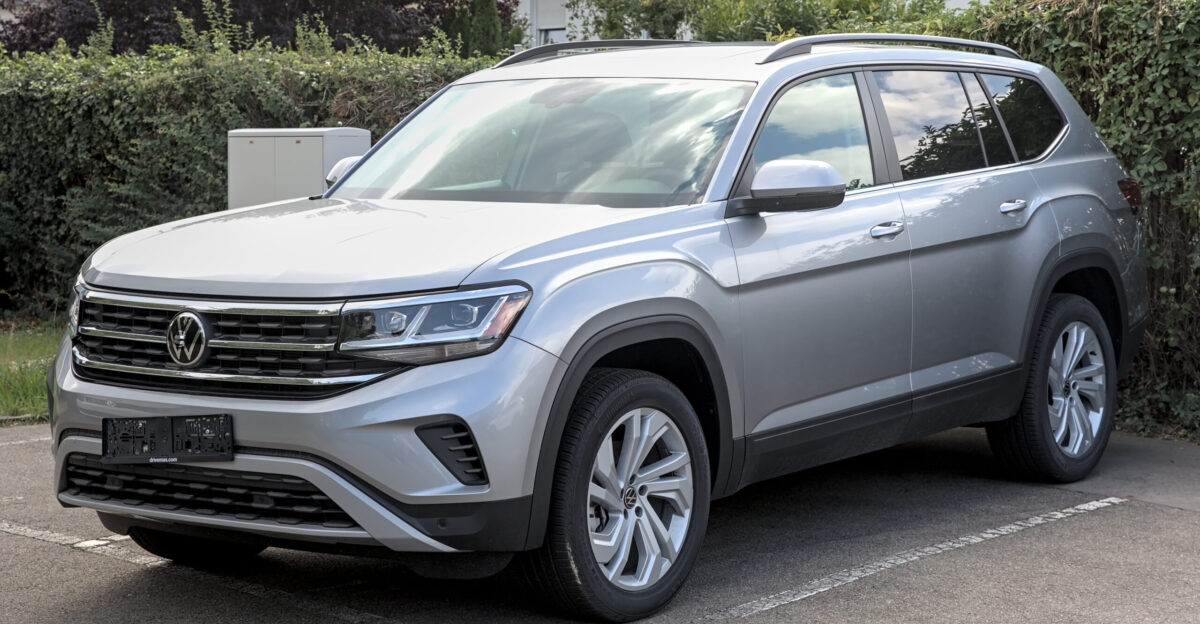
Volkswagen Atlas SUVs experience rod bearing contamination, causing catastrophic engine failure and fire risk. NHTSA recalls cover 2,018 vehicles, with 12 confirmed failures including one fire. The defect affects 2021–2022 models. Despite smaller recall volume, severity is high—engine loss and fire present worst-case scenarios. Atlas’s premium pricing amplifies financial impact. Mechanics caution buyers even in low-volume recalls. Avoid used 2021–2022 models for safety and budget reasons.
#10 Ford Escape Hybrid – Battery Fire And System Failure
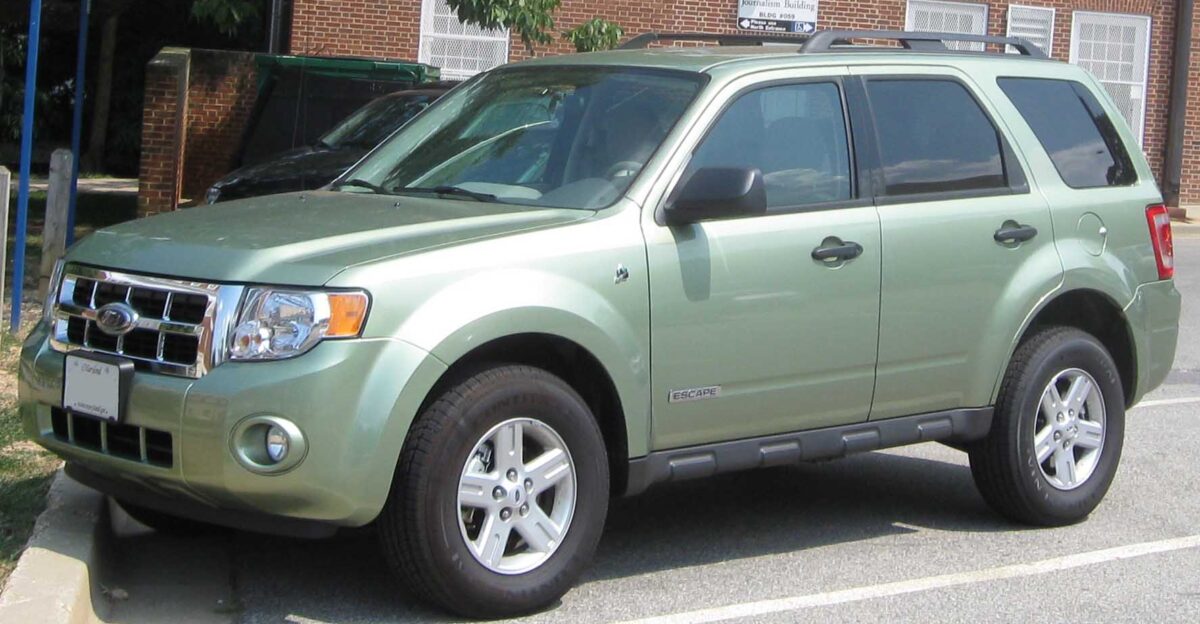
Ford Escape Hybrids from 2020–2024 face high-voltage battery failures, risking fire and system loss. Inverter, battery degradation, and cooling defects cause hybrid functionality loss as early as 60,000 miles. Replacement costs $2,000 to $4,000. Recurring problems indicate underlying design flaws. Mechanics advise against early-2020s hybrid Escapes, as fuel economy benefits vanish when batteries fail. Safety risks include fire and sudden system shutdown, making these vehicles poor choices for used buyers.
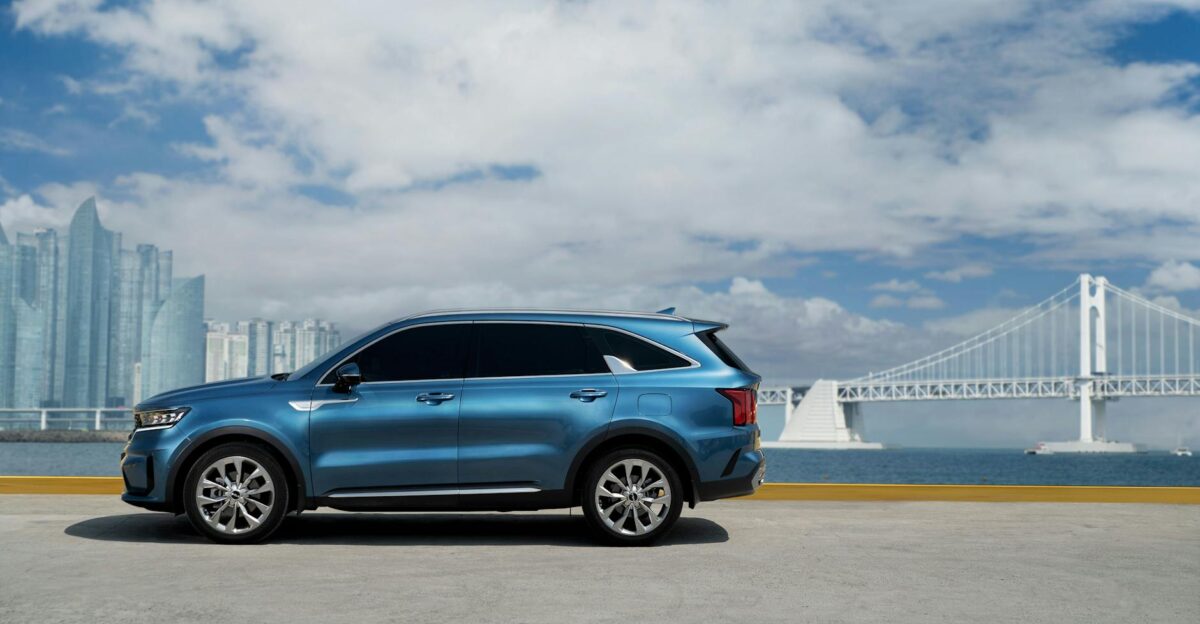
Catastrophic failures often stem from cost-cutting, rushed recalls, and low-quality parts. Foundry defects during engine casting appear across brands. NHTSA penalties are treated as routine costs rather than signals for change. Supply chain issues and production speed compromise safety. Mechanics report recurring defects persist because manufacturers fail to address root causes. Until accountability increases, similar catastrophic failures will continue, putting drivers at risk and undermining trust in modern vehicles.
What Mechanics Recommend Instead
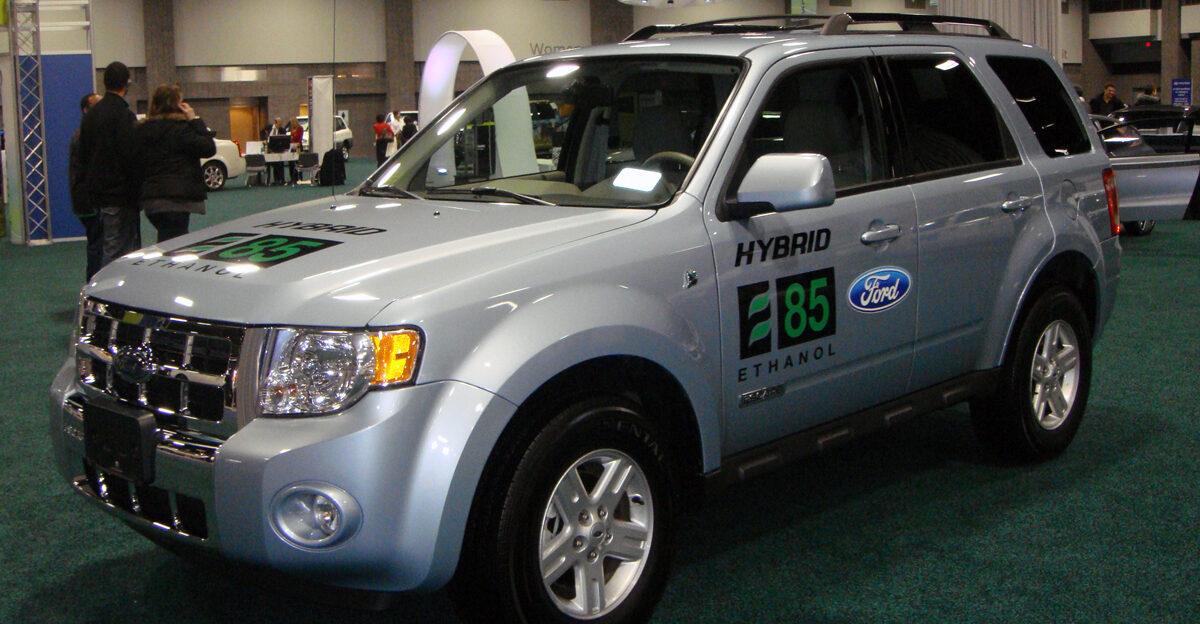
Mechanics suggest avoiding the brands with catastrophic defects. Instead, consider Toyota (excluding affected Tundra/LX600), Honda, Mazda, Lexus, and Subaru, which have lower failure rates. These brands rarely appear on catastrophic recall lists. Reliability translates into significantly reduced repair costs over time. Slightly higher purchase prices are offset by fewer unexpected repairs. Investing in a dependable used vehicle prevents sudden repair costs and stress, ensuring better long-term financial stability and peace of mind.
What To Do If You Already Own One
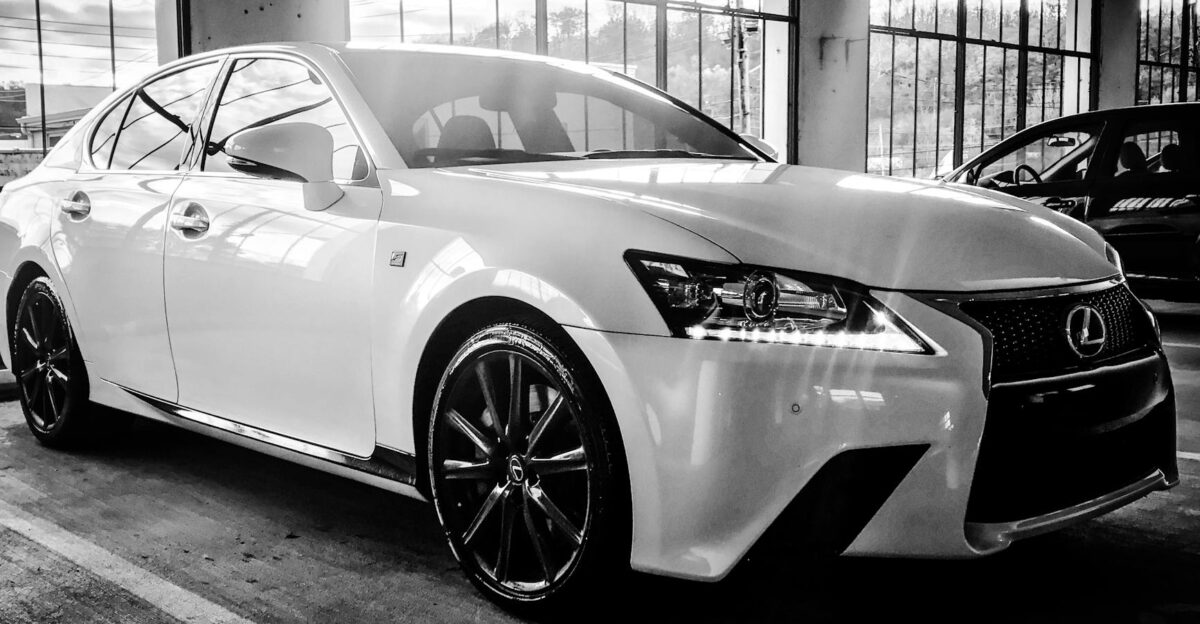
If you own one of these models, take action immediately. Check NHTSA.gov for outstanding recalls and get repairs at no cost. Monitor for brand-specific warning signs. Consider extended warranties or dealer maintenance plans as coverage ends. Build a repair fund, and explore lemon law options if failures occur under warranty. Knowledge and preparation mitigate financial impact and reduce stress for owners facing catastrophic failures in affected vehicles.
The Bottom Line – Your Safety And Wallet Matter
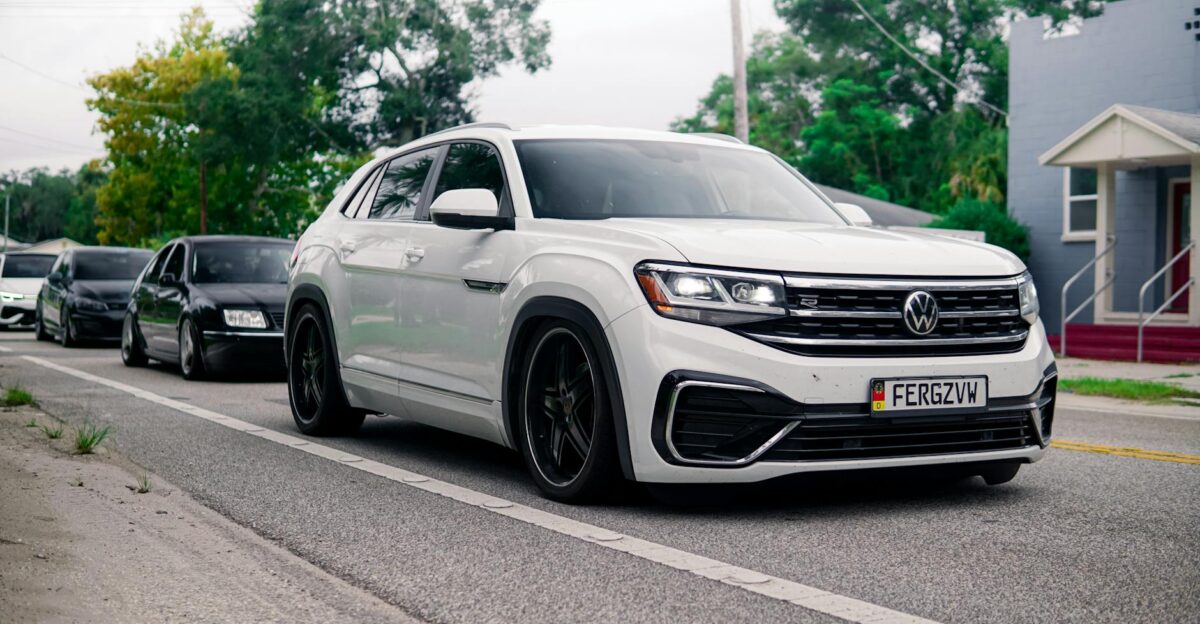
Buying a vehicle is a major financial and safety decision. Avoiding the ten brands listed protects both your wallet and personal safety. NHTSA data, recall records, and repair reports validate mechanics’ warnings. Bargain-priced vehicles often carry hidden catastrophic risks. Choosing more reliable brands ensures peace of mind, fewer repairs, and safer ownership. Let mechanics’ insights guide your next vehicle purchase wisely.
Sources:
Hyundai and Kia recalled millions of vehicles with a dangerous defect. PBS News, 2023
Hyundai-Kia’s Billion Dollar Engine Problem. Safety Research & Strategy, 2021
Ford F-150 2014 Transmission Sudden Downshift Recall. Ford Official Recall Documents, 2024
GM Recalls Nearly 600,000 Trucks And SUVs Over Risk of Engine Failure. CBS News, 2025
Jalopnik: These Are The Worst Transmission Recalls Of The Last 5 Years. Jalopnik, 2025
NHTSA Vehicle Recalls Database. National Highway Traffic Safety Administration, 2025