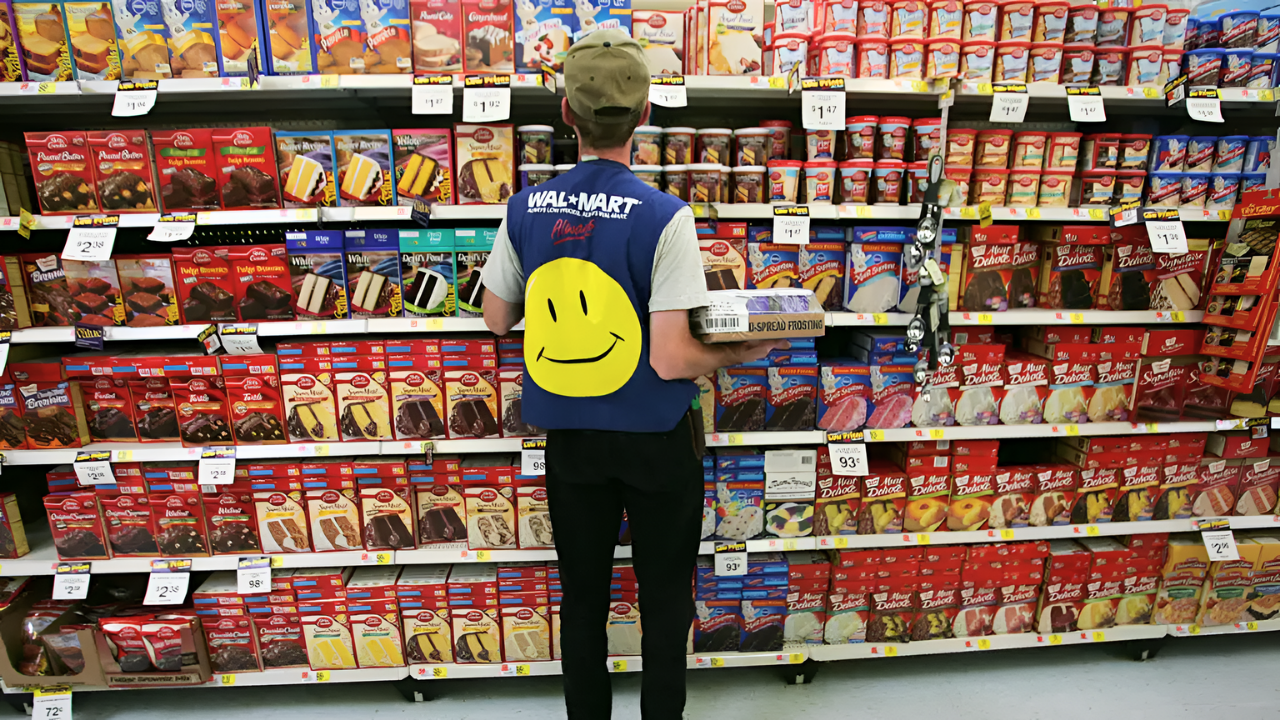
PepsiCo and Walmart face mounting legal challenges after unsealed federal documents revealed an alleged decade-long price manipulation scheme. The newly exposed complaint shows how the beverage giant allegedly provided Walmart with preferential pricing while deliberately raising costs for competing retailers.
This practice reportedly affected millions of American consumers who paid inflated prices at non-Walmart stores. Federal judges recently ordered the complaint unsealed, bringing the controversial case back into public scrutiny after the Trump administration’s FTC dismissed it in May 2025.
How the Alleged Scheme Worked
According to the unsealed Federal Trade Commission complaint, PepsiCo systematically monitored soft drink prices across retailers and responded whenever competitors threatened Walmart’s price advantage. When other grocery chains attempted competitive pricing, PepsiCo allegedly increased their wholesale costs and reduced promotional support.
The company provided Walmart with exclusive allowances, discounts, and promotional payments unavailable to other retailers on equal terms. This strategy allegedly violated the Robinson-Patman Act, which prohibits price discrimination between competing retailers since 1936.
Food Lion: A Case Study in Price Manipulation
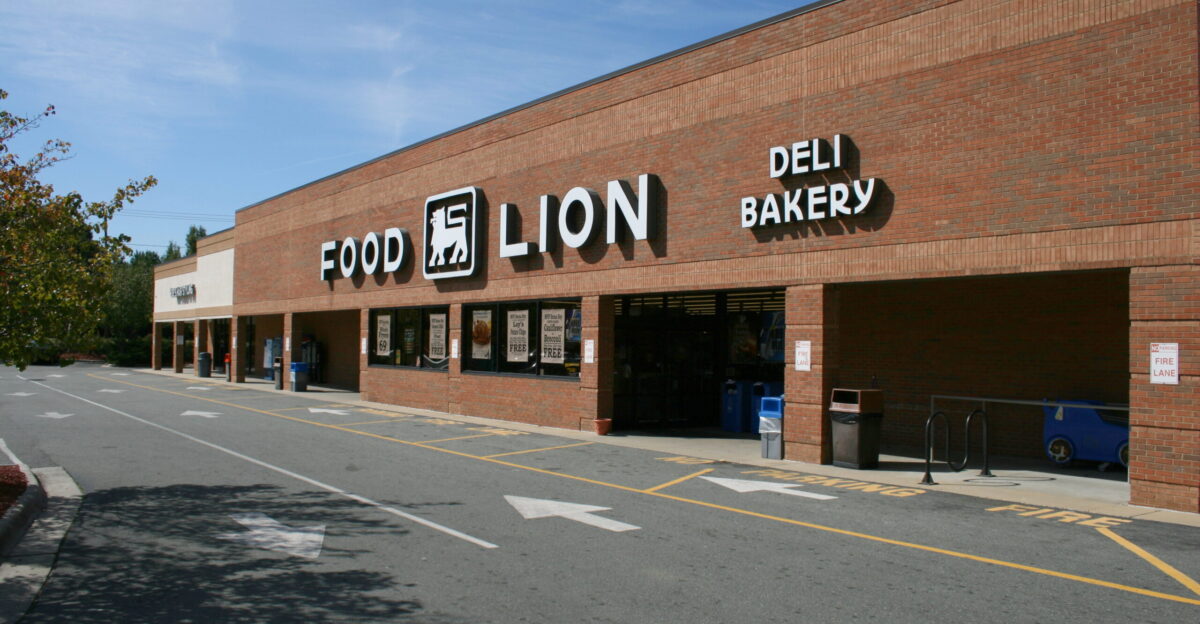
Food Lion, a major regional grocery chain with over one thousand stores, became the primary target of PepsiCo’s alleged pricing strategy. Internal documents reveal PepsiCo designated Food Lion as the “worst offender” for offering lower Pepsi prices than Walmart.
The company developed a multiyear plan specifically to raise wholesale costs for Food Lion products. This forced the grocery chain to either raise consumer prices or reduce Pepsi inventory, creating an artificial competitive advantage for Walmart across multiple markets.
The Price Gap Reality
Real-world price disparities documented in class action filings demonstrate the scheme’s impact on consumers. As of July 2025, a two-liter bottle of Pepsi at a Massachusetts Walmart cost approximately 39-40% less than identical products at nearby Walgreens, CVS, or 7-Eleven stores.
These pricing gaps weren’t accidental market variations but allegedly deliberate results of PepsiCo’s coordinated strategy. Consumers shopping outside Walmart consistently paid significantly more for identical Pepsi products across America.
The FTC’s Original Investigation

Under former FTC Chair Lina M. Khan’s leadership, federal regulators filed a complaint against PepsiCo on January 17, 2025, alleging Robinson-Patman Act violations. The heavily redacted complaint detailed how the beverage company provided preferential treatment to its largest customer while disadvantaging competitors.
The investigation documented years of internal communications showing PepsiCo’s deliberate strategy to maintain Walmart’s price advantage. The complaint initially concealed Walmart’s identity but presented extensive evidence of anticompetitive conduct.
Political Controversy and Dismissal
The Trump administration’s FTC, led by Chairman Andrew Ferguson, dismissed the case without prejudice just four months after it was filed. Ferguson characterized the lawsuit as a “nakedly political effort” and “dubious partisan stunt.”
He claimed the complaint lacked sufficient evidence and was rushed through in the final days before the presidential transition. This dismissal sparked significant controversy, with critics arguing that crucial evidence of corporate wrongdoing was being suppressed for political reasons.
December Unsealing Reveals Hidden Details

Following a request from the Institute for Local Self-Reliance advocacy group, a federal judge ordered the complete complaint unsealed in December 2025. The unsealing revealed Walmart’s previously concealed identity and exposed detailed mechanisms of the alleged price manipulation scheme.
The documents showed how PepsiCo created specific strategies targeting individual retailers who competed with Walmart. This public disclosure reignited debate about the FTC’s controversial dismissal decision.
New Class Action Lawsuits Emerge

Consumer class action lawsuits began immediately following the complaint’s unsealing on December 16, 2025. The primary case, Gelbs v. PepsiCo Inc. and Walmart Inc., was filed in U.S. District Court for the Southern District of New York.
The proposed consumer class includes all Americans who purchased Pepsi soft drinks from non-Walmart retailers since January 2015. Additional class actions have been filed by retail competitors claiming they were forced to either charge inflated prices or discontinue Pepsi products entirely.
Who Was Really Harmed
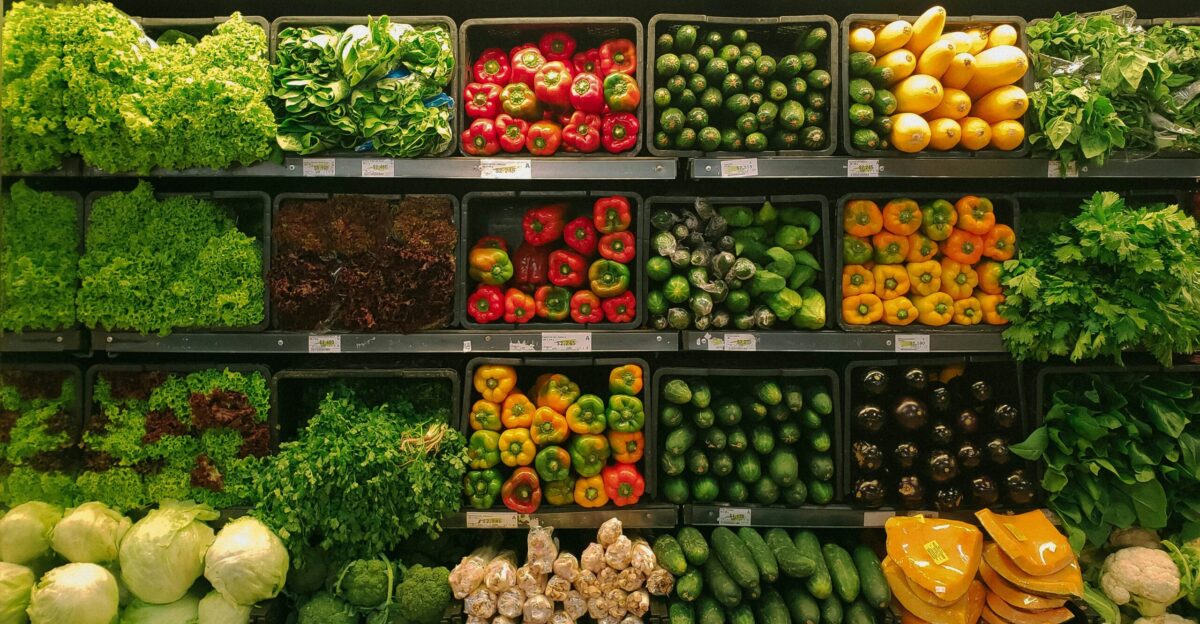
The alleged scheme disadvantaged family-owned neighborhood grocery stores, local convenience stores, mid-tier grocers, and independent retailers nationwide. These businesses couldn’t compete with Walmart’s artificially maintained price advantage without either absorbing losses or raising consumer prices.
Independent grocers emphasized they weren’t seeking special treatment but simply requesting a level playing field. The overwhelming majority of American consumers, those shopping outside Walmart, bore the financial burden through higher prices.
Walmart’s Strategic Importance
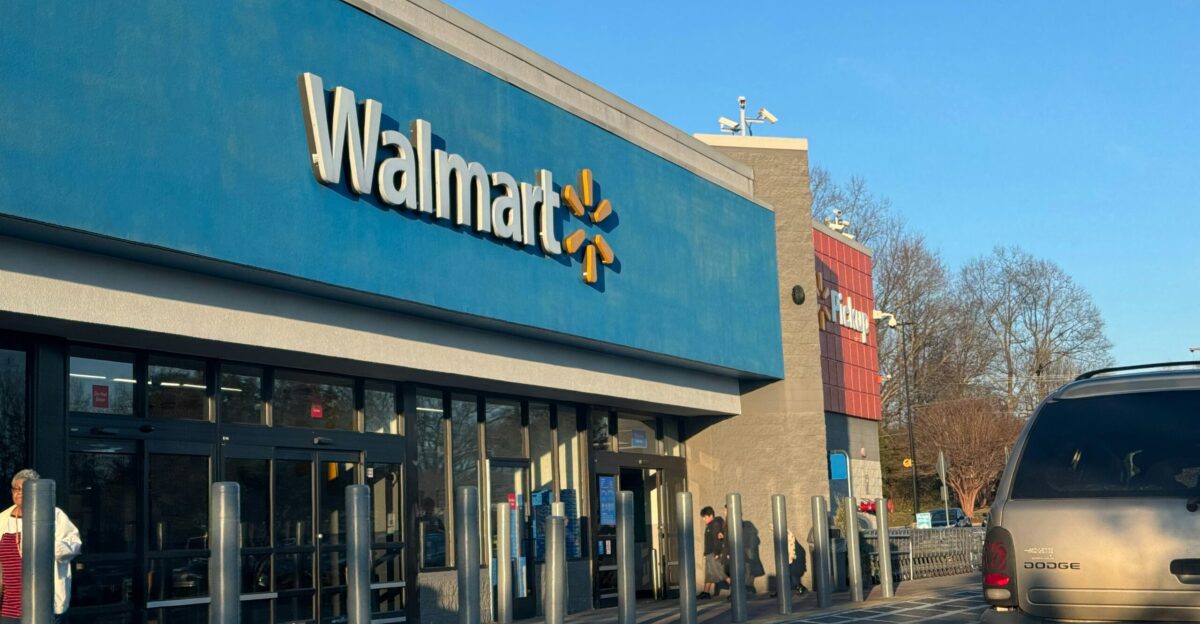
Walmart represents approximately 11% of PepsiCo’s total net revenue, making it the company’s single most important customer. PepsiCo’s own regulatory filings stated that losing Walmart would have “material adverse effects” on its business operations.
This significant dependency allegedly motivated PepsiCo to aggressively protect Walmart’s competitive position. The power imbalance created incentives for the beverage giant to act as an enforcer of Walmart’s market dominance.
Corporate Responses and Denials
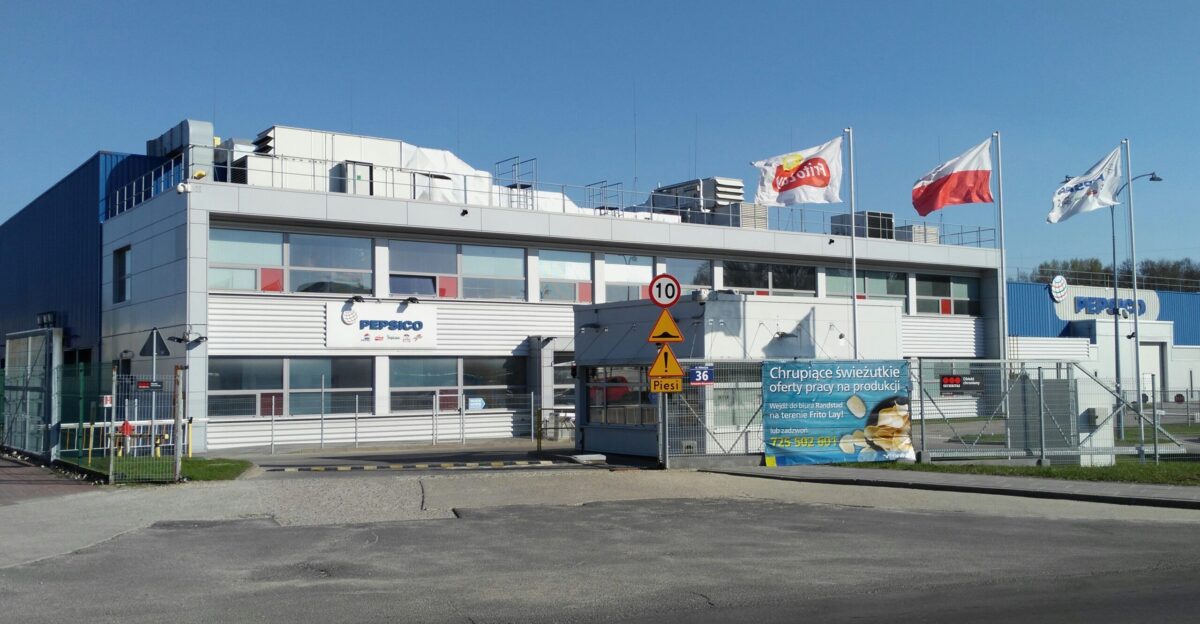
PepsiCo responded by stating it “continues to adhere to all relevant laws” and remains “dedicated to offering all customers fair, competitive, and equitable pricing.” The company claimed the FTC complaint included “inaccuracies and unsubstantiated allegations.”
Walmart confirmed awareness of the proceedings while reiterating its “commitment to advocating for our customers to ensure consistently low prices.” Both companies denied any wrongdoing despite the detailed documentary evidence presented in unsealed court documents.
Industry Impact and Competition Concerns
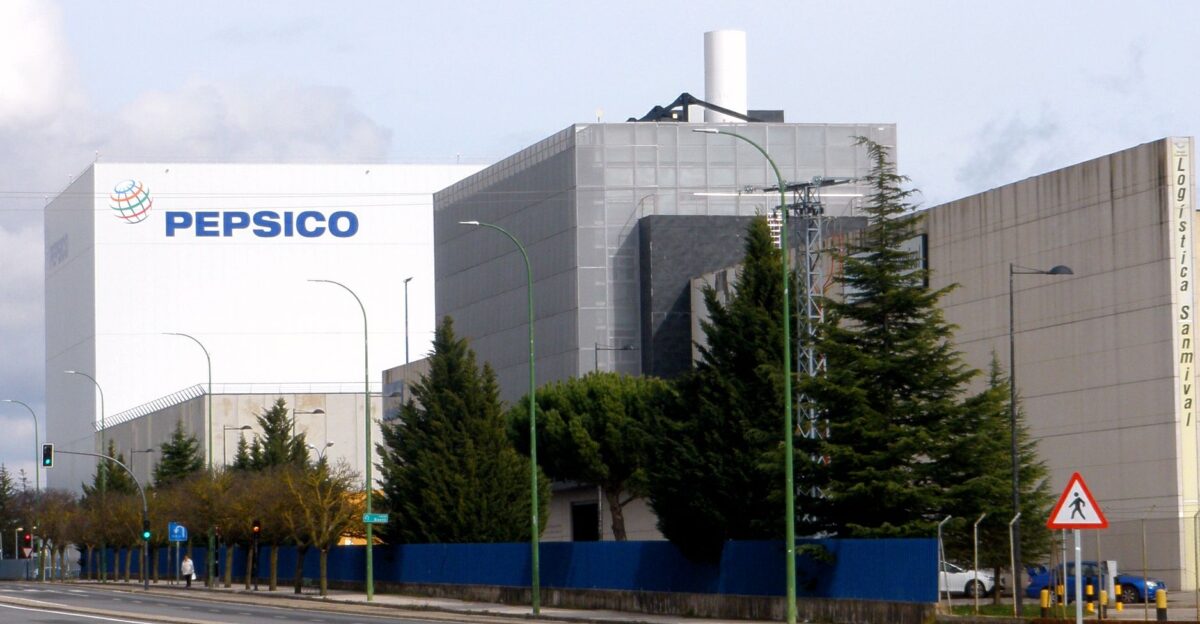
The National Grocers Association highlighted how the case illuminates “longstanding concerns among independent community grocers about anticompetitive practices.” Independent grocers emphasized they weren’t requesting special advantages but fighting for fair market conditions.
The alleged scheme demonstrates how large suppliers can leverage market power to distort competition beyond simple price competition. Industry observers note this type of conduct potentially extends beyond PepsiCo to other major beverage and consumer goods suppliers.
Damages and Legal Timeline
Potential damages could reach billions of dollars based on the number of affected consumers and price differentials over the ten-year period. Class action lawsuits must survive motions to dismiss before proceeding to discovery and potential trial phases. Legal experts anticipate these cases could take years to fully resolve.
If successful, consumers could receive compensation for overpayments, and competitors could recover damages for competitive harm.
What Consumers Should Know

The lawsuit serves as a reminder that corporate market power can be weaponized in ways invisible to consumers at checkout counters. Price differences between retailers aren’t always due to operational efficiency but potentially anticompetitive manipulation.
Millions of Americans unknowingly paid inflation premiums simply by shopping at stores other than Walmart. The case demonstrates why antitrust enforcement remains crucial for protecting consumer interests and fair competition.
Looking Forward: Regulatory and Political Questions

The controversy surrounding the FTC’s dismissal raises critical questions about the future of antitrust enforcement under new leadership. Critics worry that political considerations might suppress enforcement of consumer protection laws.
Consumer advocates are pushing for reinvigorated antitrust scrutiny across the retail and food industries. The case’s ultimate resolution could significantly impact how American regulators approach corporate market power and anticompetitive practices going forward.
Sources:
“Weekly U.S. Influenza Surveillance Report (FluView).” Centers for Disease Control and Prevention, late November 2025.
“Deadly ‘Super Flu’ Surge Forces Schools to Close and Triggers Mask Mandates Across the US.” MSN, 2025.
“Hospitals overwhelmed as flu virus outbreak spreads from China.” The Express, 2025.
“‘Super Flu’ Forcing Schools To Close, Hospitals To Enact Restrictions.” KISS FM RGV / iHeartRadio, December 10, 2025.