Your $120,000 luxury sedan loses the cost of a mainstream car in just five years. BMW’s i7 hemorrhages $81,411—77% of its original value—as owners watch their investment evaporate. This is not isolated: across luxury markets, supercars are crushing buyer equity. The question isn’t if your vehicle will lose value, but how much you’re willing to lose.
The Luxury Depreciation Crisis
Luxury cars don’t just lose value—they collapse. Mainstream vehicles drop 45% in five years; luxury models shed 60-77%, erasing $50,000 to $81,000 per car. iSeeCars analyzed 800,000 used car sales from March 2024 to February 2025. BMW EVs lead depreciation, followed by Tesla and Maserati. Buyers paying six figures are unknowingly signing up for massive losses. However, a closer look at market patterns suggests what was to come.
Why Luxury Evaporates Faster
Luxury pricing inflates dollar losses: a $100,000 BMW losing 70% results in a $70,000 loss. Oversupply, rapid tech updates, and EV limitations accelerate depreciation. Dealers struggle with high-mileage inventory, which forces them to offer aggressive discounts. Battery anxiety, obsolete EV tech, and limited charging infrastructure exacerbate the issue. Luxury cars turn into dealer headaches that must be offloaded at any cost. The following ten models reveal the worst offenders.
#10 — Nissan Leaf
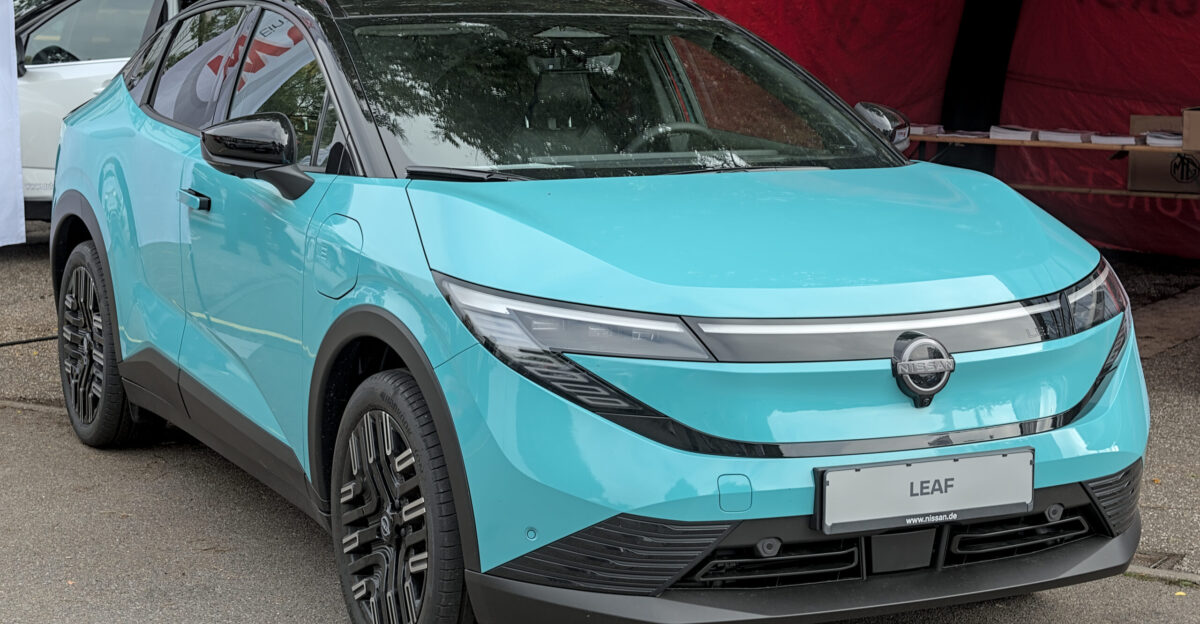
The Nissan LEAF shows how even non-luxury EVs face brutal resale challenges. Losing 64% of its $28,000 starting price equals $18,000 gone. Battery anxiety, limited range, and outdated tech plague the model. The LEAF’s steep depreciation signals the larger problem with luxury EVs: even high-end brands can’t escape rapid obsolescence. Observing LEAF trends sets the stage for the luxury EV carnage that follows.
#9 — BMW 5 Series
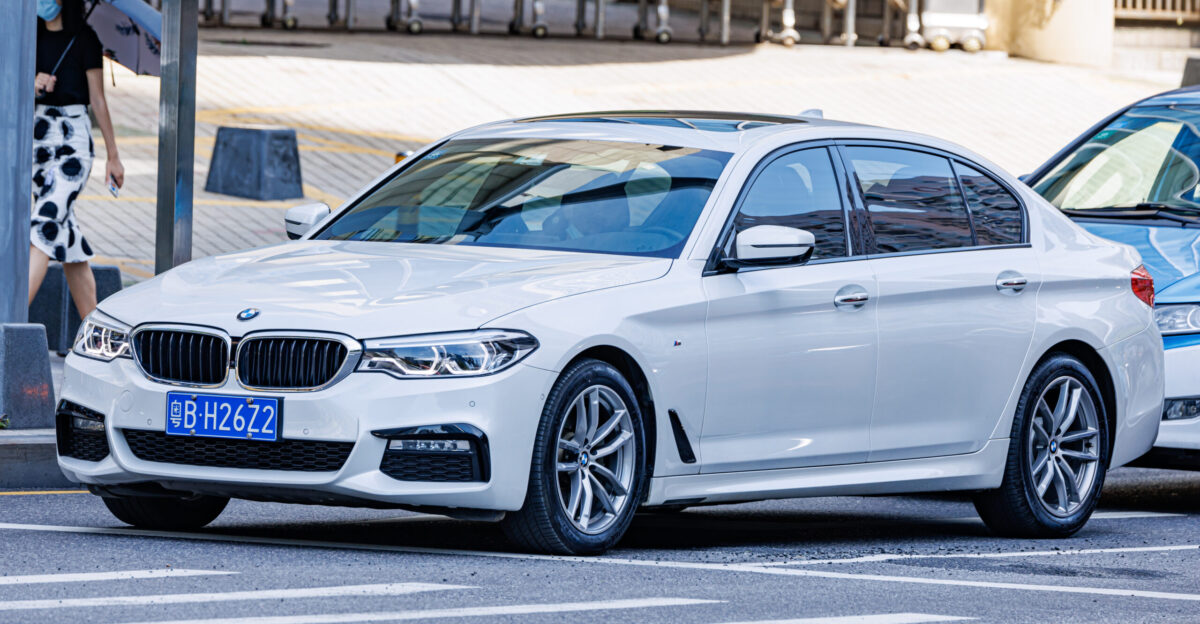
BMW’s 5 Series promised practical luxury but lost nearly 65% of $72,000 in five years. Warranty expiration, high maintenance costs, and market saturation scare second owners. The used market favors cheaper imports, leaving owners with $25,500 equity. Technology obsolescence worsens the problem. The 5 Series exemplifies mid-luxury depreciation’s danger: premium cost without value retention. Next, Italian exotic prestige faces a similar fate.
#8 — Maserati Ghibli
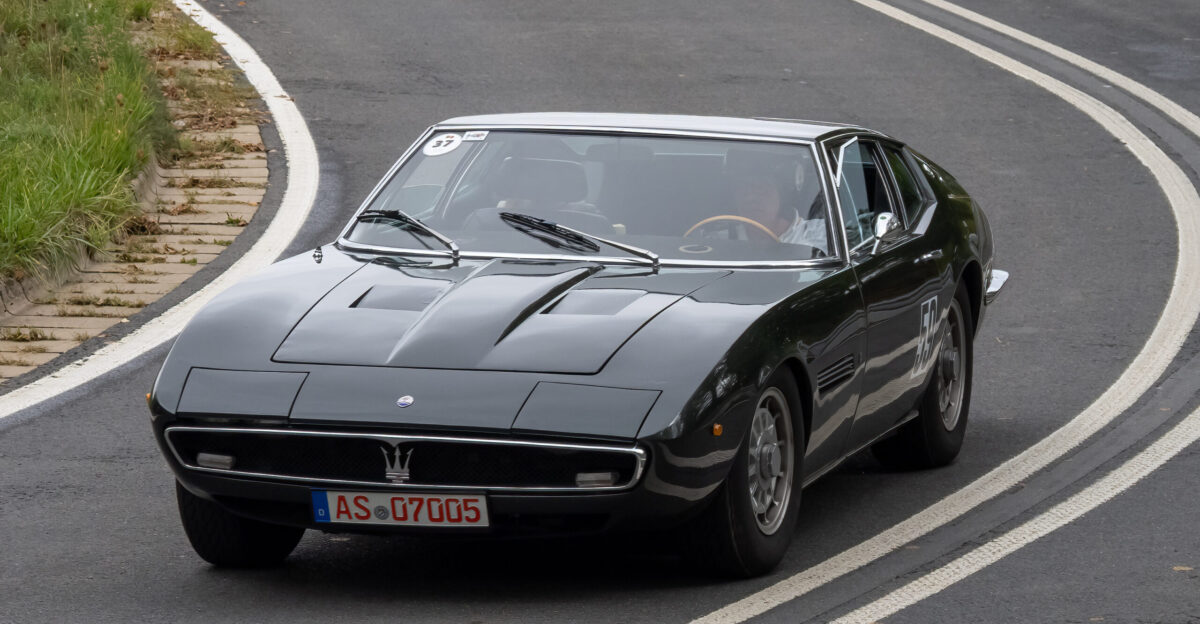
The Ghibli loses $70,874 over five years, dropping from $109,600 to $32,700. Exotic appeal fails without the use of market demand. Buyers favor Ferraris or BMWs, while Maserati’s complexity deters second owners. Repair costs exceed even Ferrari pricing. Prestige evaporates the moment the car is used. Maserati depreciation proves that brand allure can’t substitute market credibility. However, SUVs also have an equally brutal depreciation story.
#7 — Infiniti QX80
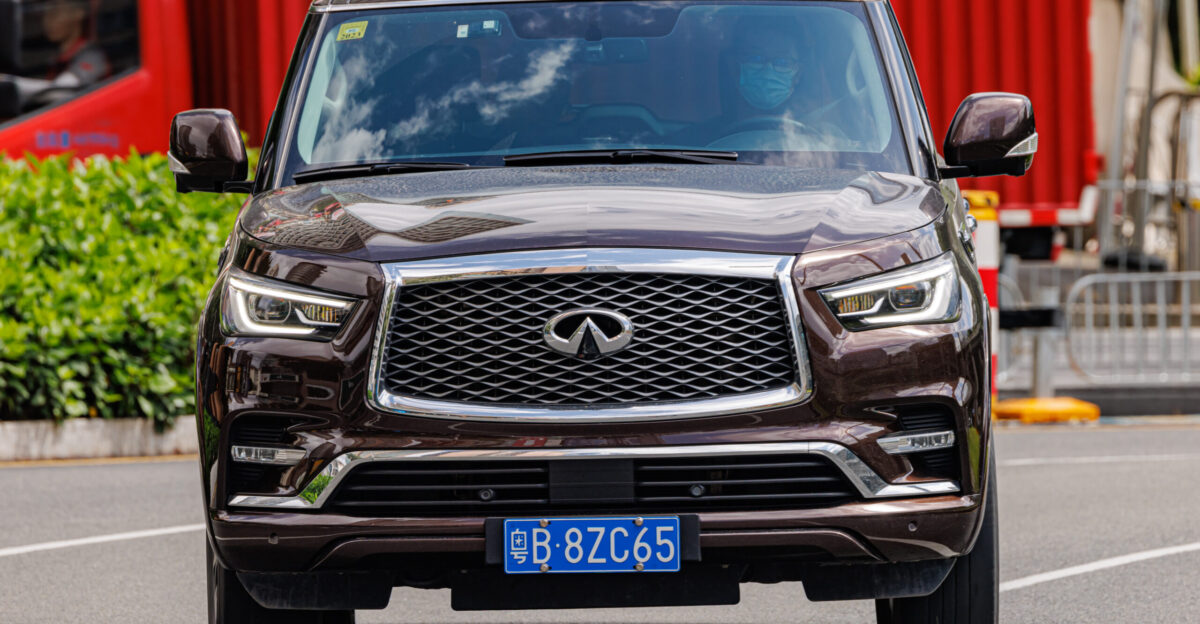
Three-row luxury SUVs promise sophistication; the QX80 fails. Losing 65% of $82,418 results in a loss of $53,571. Infiniti lacks the brand power of BMW or Tesla, leaving used buyers uninterested. Complex technology, costly maintenance, and poor fuel economy compound losses. Luxury pricing with declining appeal creates the perfect storm of depreciation. SUVs aren’t immune. Tesla’s Model S illustrates how technology can magnify depreciation risks.
#6 — Tesla Model S
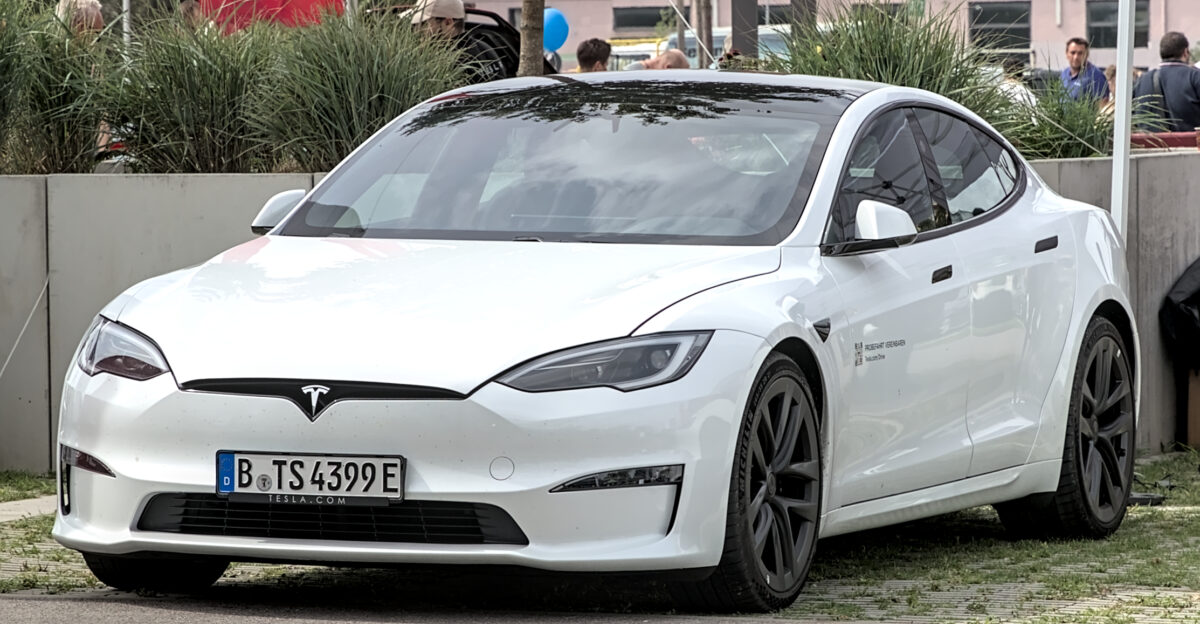
Tesla’s Model S loses 65% of its $80,000 value, leaving $28,000 in equity. Rapid tech upgrades render older models obsolete. Battery degradation and repair complexity deter buyers. Minimalist interior design ages faster than traditional luxury vehicles. Elon Musk’s unpredictability affects brand perception. The Model S exemplifies how even innovative vehicles can perpetuate inequity. Electric flagship depreciation peaks with BMW’s iX, a catastrophic loss waiting for buyers to notice.
#5 — BMW 7 Series
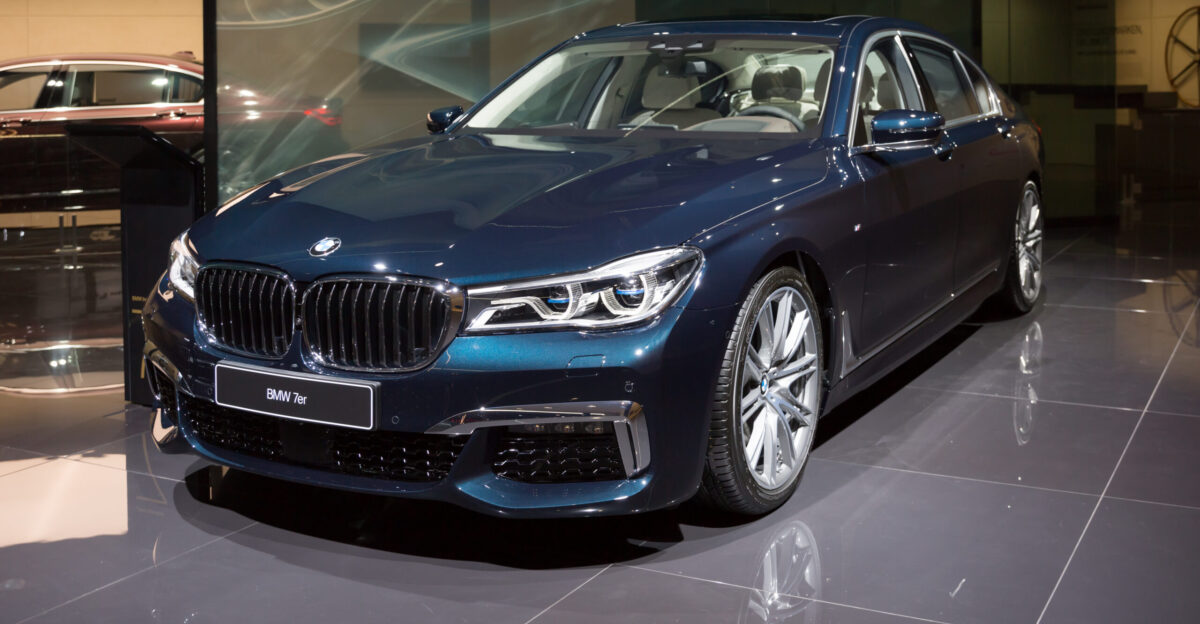
BMW’s 7 Series loses $65,249 over five years, leaving $32,151. Executive buyers seek prestige; used buyers want practicality. Complex mechanics, infotainment issues, and expensive maintenance deter second owners. Dealerships slash prices to move aged inventory. Each model year compounds depreciation. Flagship status creates first-owner prestige but second-owner disaster. BMW’s electric future in the iX demonstrates that EV technology accelerates these losses even further.
#4 — BMW iX
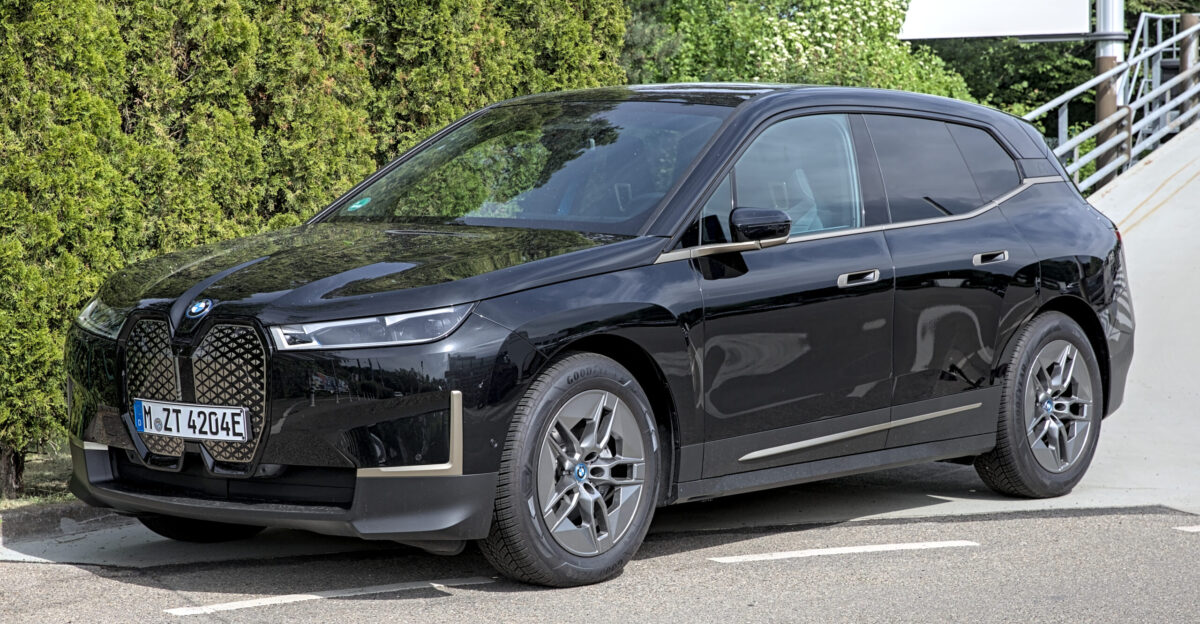
BMW’s iX drops from $113,600 to $33,600 in five years. EV pricing, battery skepticism, tech obsolescence, and ownership premiums devastate resale. Older chargers become incompatible with infrastructure updates. Minimalist interiors tend to age poorly compared to their leather counterparts. Early adopters often subsidize innovation at the expense of buyers. The iX proves that electric luxury vehicles evaporate faster than their gas-powered counterparts. The overlooked BMW i5 offers another shocking example of depreciation.
#3 — BMW i5
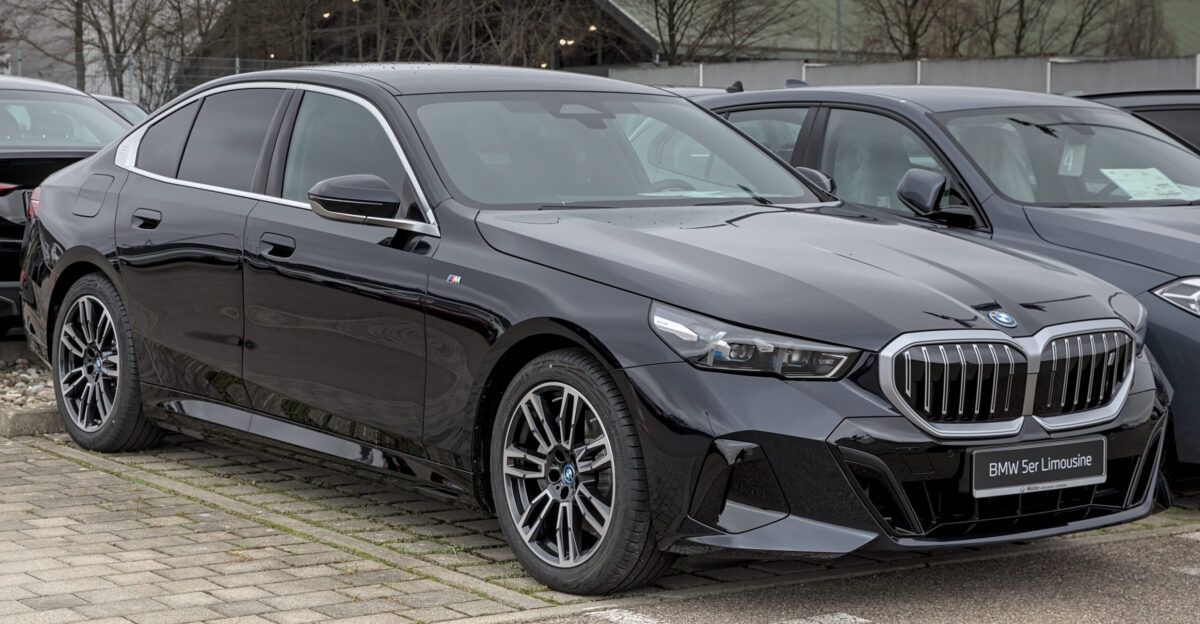
The i5 vanishes in value, dropping from $67,000 to $17,800. Limited used inventory and uncertain reliability data leave buyers fleeing to Tesla or Audi. Battery upgrades and charging speed improvements make older models obsolete. Aggressive new pricing cannibalizes used values. Dealers struggle to sell older i5s. Early-generation luxury EVs carry inherent risk. The i5 sets the stage for BMW i7’s record-breaking depreciation nightmare.
#2 — BMW i7
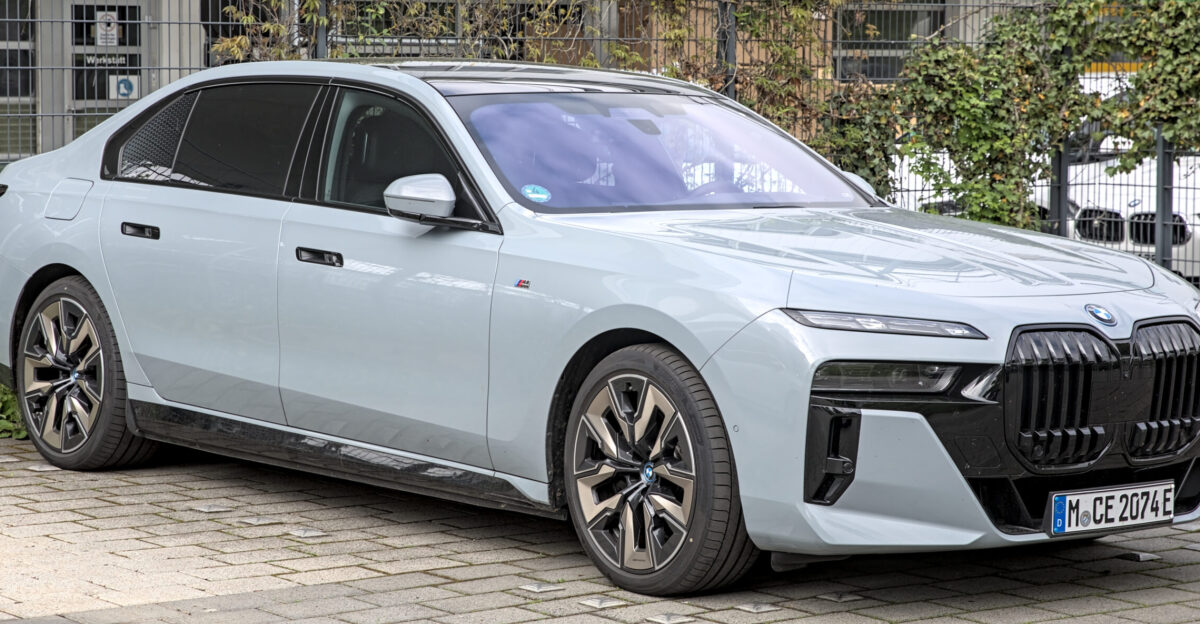
Few cars destroy equity like the i7. A $105,600 purchase falls to $24,500. Charging issues, battery anxiety, and outdated infotainment devastate resale. Buyers trade i7s for newer models, flooding the market. Prices collapse, creating a cautionary tale for luxury EV ownership. Peak depreciation exemplifies how technology cycles impact six-figure vehicles. BMW’s luxury struggles culminate with the Jaguar I-PACE, another premium EV failure.
#1 — Jaguar I-PACE
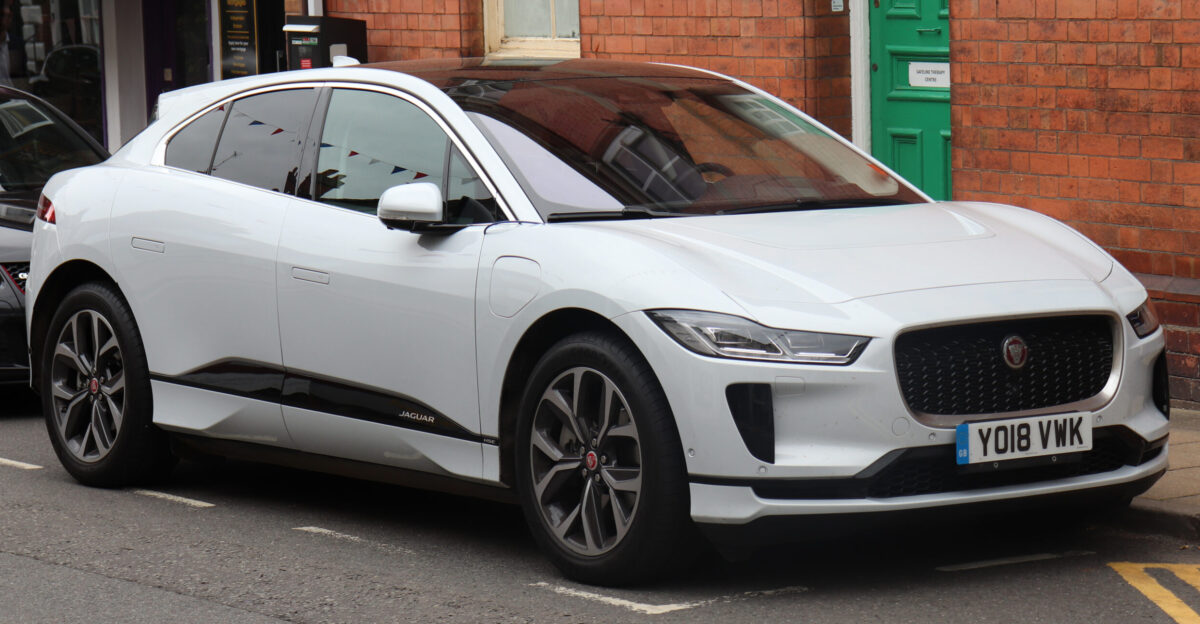
Jaguar’s I-PACE loses 72%, dropping $71,900 to $19,800. Failed positioning between Tesla mass appeal and traditional luxury hurts resale. Jaguar branding means costly service and limited technicians. Battery anxiety and outdated tech compound depreciation. Company restructuring undermines buyer confidence. Luxury branding alone can’t sustain value. Even British prestige fails against market realities. Maserati’s Levante SUV shows that luxury SUVs face similar devastation.
Honorable Mention #1 — Maserati Levante
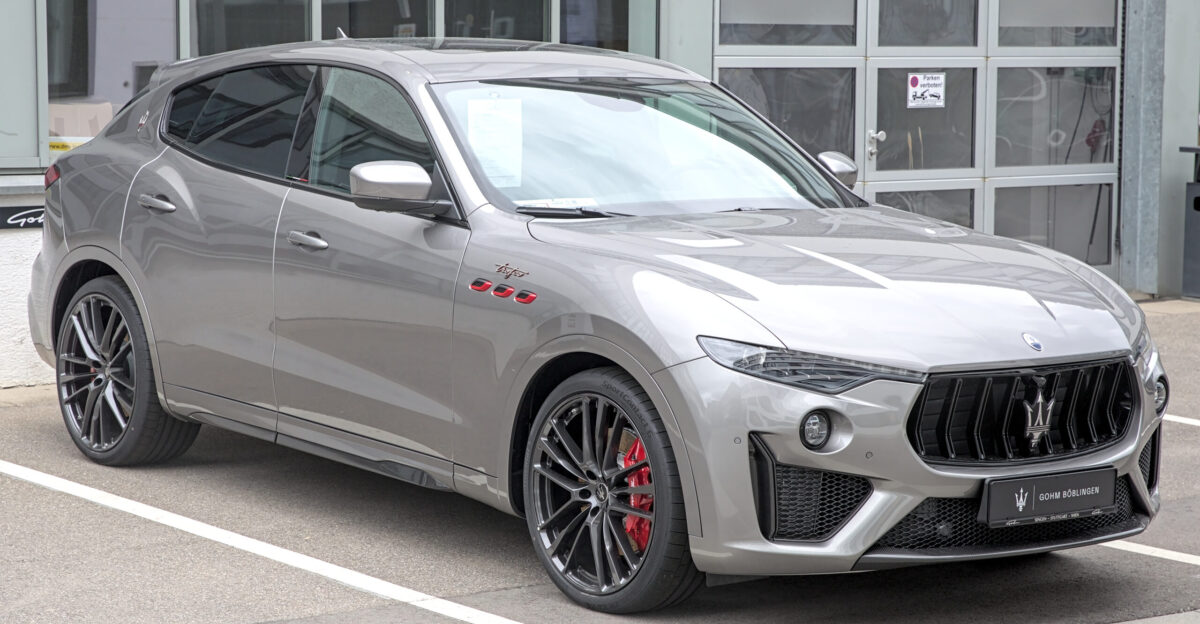
Maserati’s Levante loses $64,991 over five years. Buyers expect Italian prestige but get depreciation. Reliability concerns circulate on forums, crushing used demand. Range Rovers and Porsche Cayennes lure wealthy buyers. Massive depreciation highlights that premium pricing without execution undermines luxury SUVs. The Levante teaches that high price alone doesn’t secure retained value. Tesla’s Model X faces its own technology-driven decline next.
Honorable Mention #2 — Tesla Model X
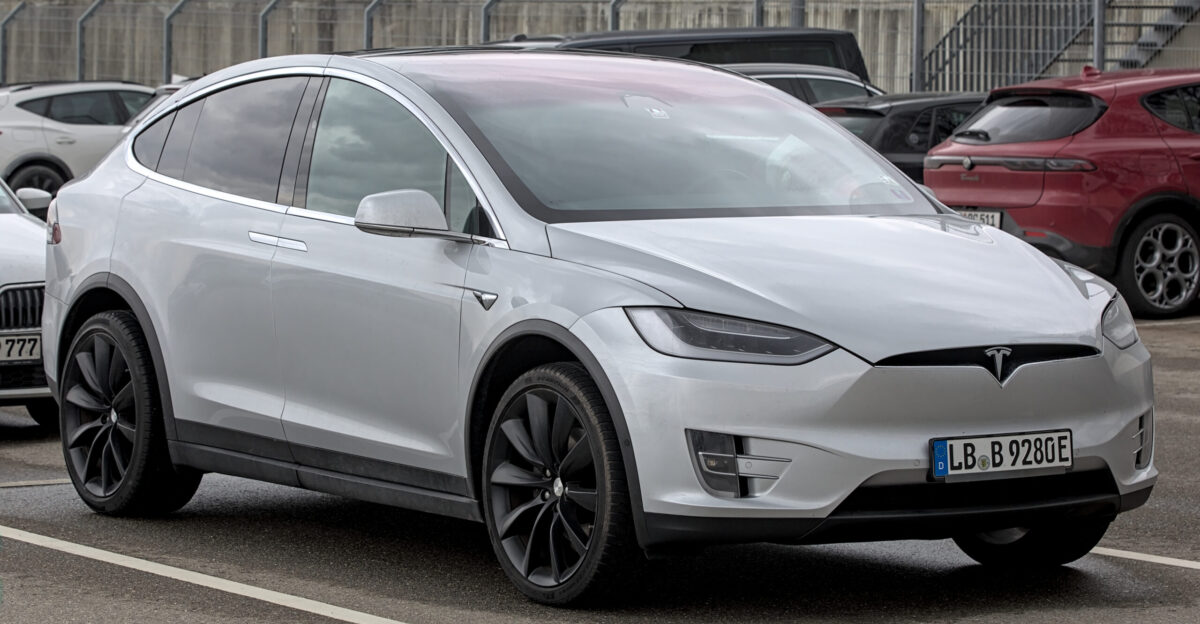
Model X owners watch $53,846 evaporate over five years. Rapid tech changes, first-generation flaws, and Falcon Door issues scare buyers. Battery replacement exceeds $10,000. The evolution of the supercharger network renders older chargers obsolete. Tesla’s direct sales model limits certified pre-owned options. The Model X illustrates that even tech-forward luxury SUVs can’t escape depreciation. Cadillac Escalade ESV continues the pattern of American luxury decline.
Honorable Mention #3 — Cadillac Escalade ESV
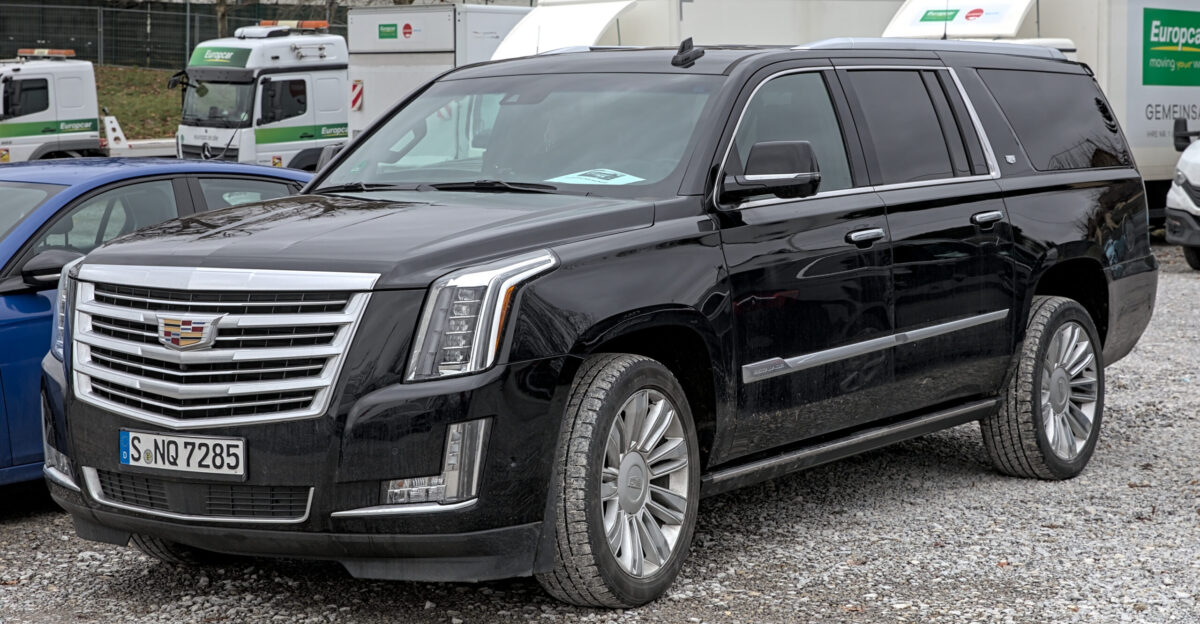
The Escalade ESV loses $56,996 in five years. Aging tech, fuel concerns, and oversized design deter used buyers. Premium pricing doesn’t guarantee retained value. Domestic luxury buyers are increasingly opting for foreign brands. Maintenance costs discourage ownership transfer. The Escalade shows that American prestige can’t shield against depreciation. The ultra-luxury Range Rover demonstrates even higher stakes for exotic SUVs.
Honorable Mention #4 — Land Rover Range Rover
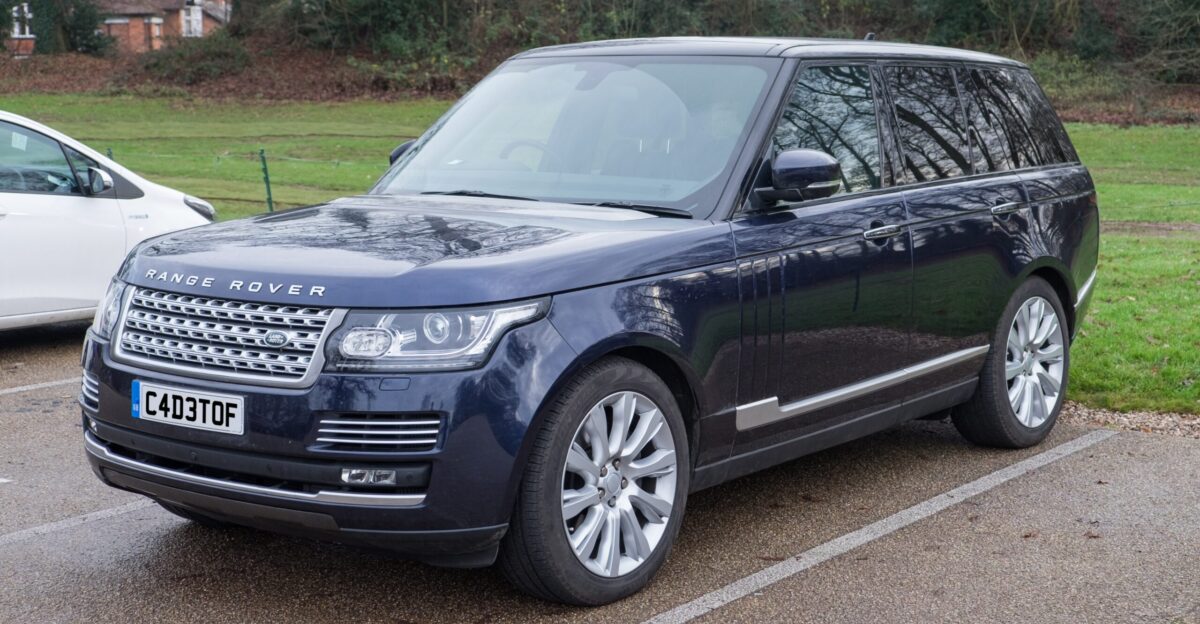
The Range Rover loses $67,858 from $107,900 purchase. Electronic complexity, air suspension, and annual maintenance costs exceeding $ 3,000 create resale challenges. Rust and reliability concerns persist. Buyers seek newer models or alternatives. Ultra-premium positioning ensures first-owner pride but second-owner losses. The market saturates quickly. Audi A8 L demonstrates that German luxury doesn’t escape these forces either.
Honorable Mention #5 — Audi A8 L
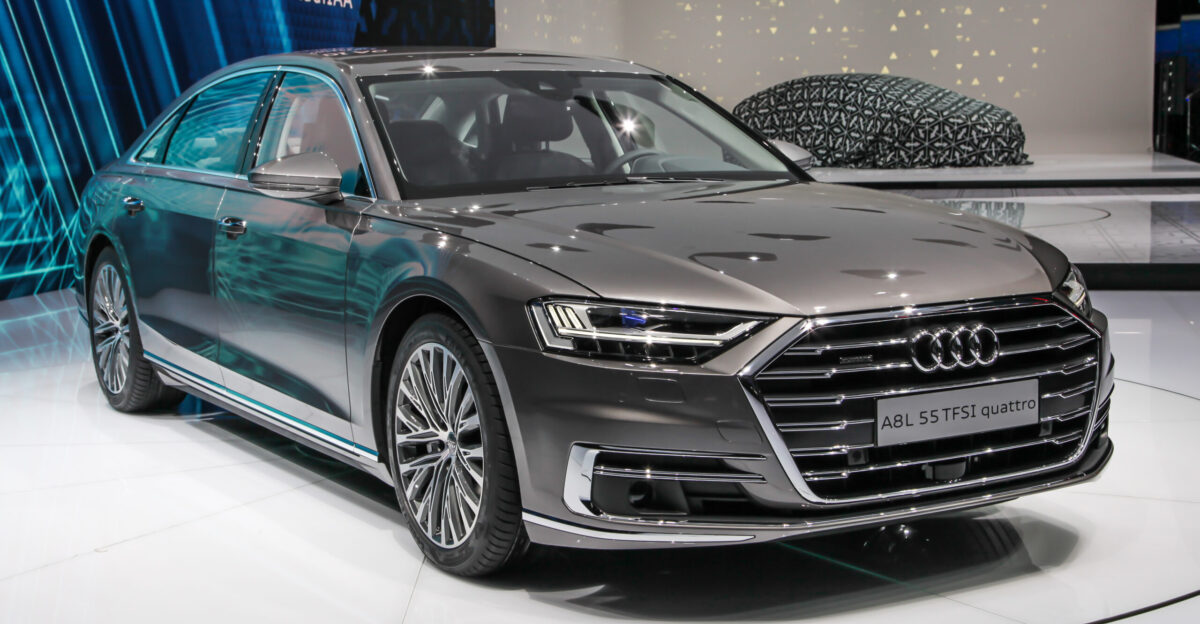
Audi A8 L loses $57,724 over five years. Complex infotainment and proprietary service needs intimidate buyers. Luxury pricing fails to justify retained value. Buyers migrate to sportier or more practical options. Early adopters subsidize tech for future buyers. The A8 L highlights that traditional German prestige faces modern depreciation realities. Understanding these patterns explains why luxury losses accelerate.
The Depreciation Pattern: Why Luxury Loses Fast
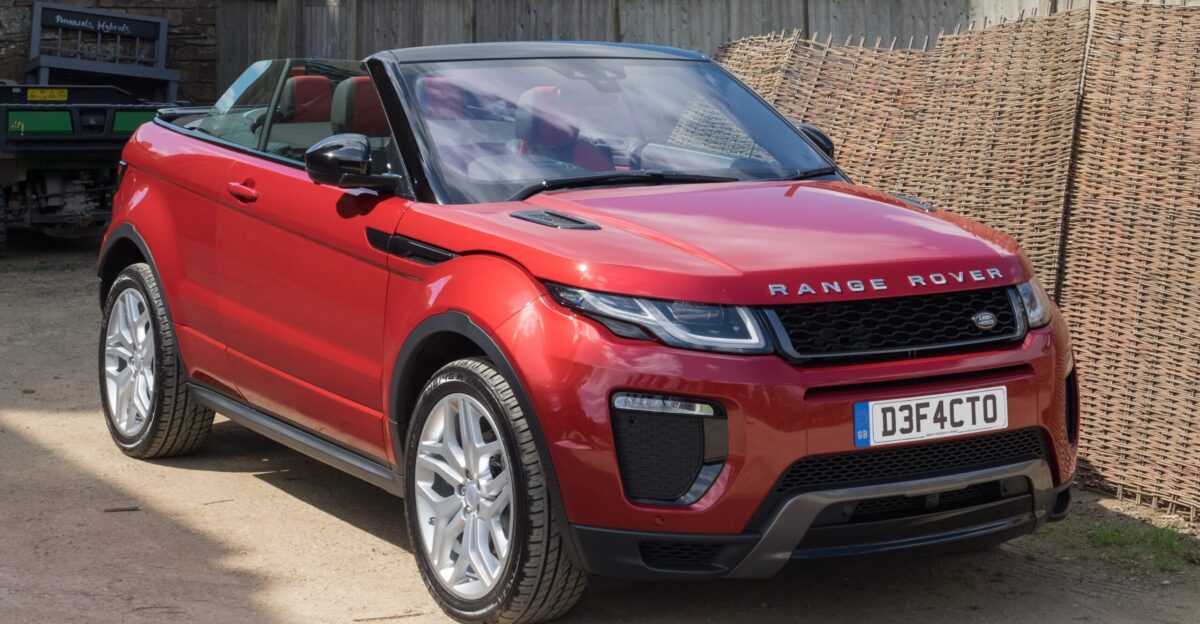
Luxury depreciation combines massive price tags, tech obsolescence, EV challenges, warranty expiration, and repair costs. A $100,000 car losing 70% wipes $70,000 in equity. Buyers assume a premium price equals retention, but subsidize innovation instead. Recognizing patterns allows informed decisions: does your luxury vehicle align with ownership goals? Increasingly, the answer is no. The bottom line for all luxury vehicles is stark.
The Bottom Line: Rethinking Luxury Ownership
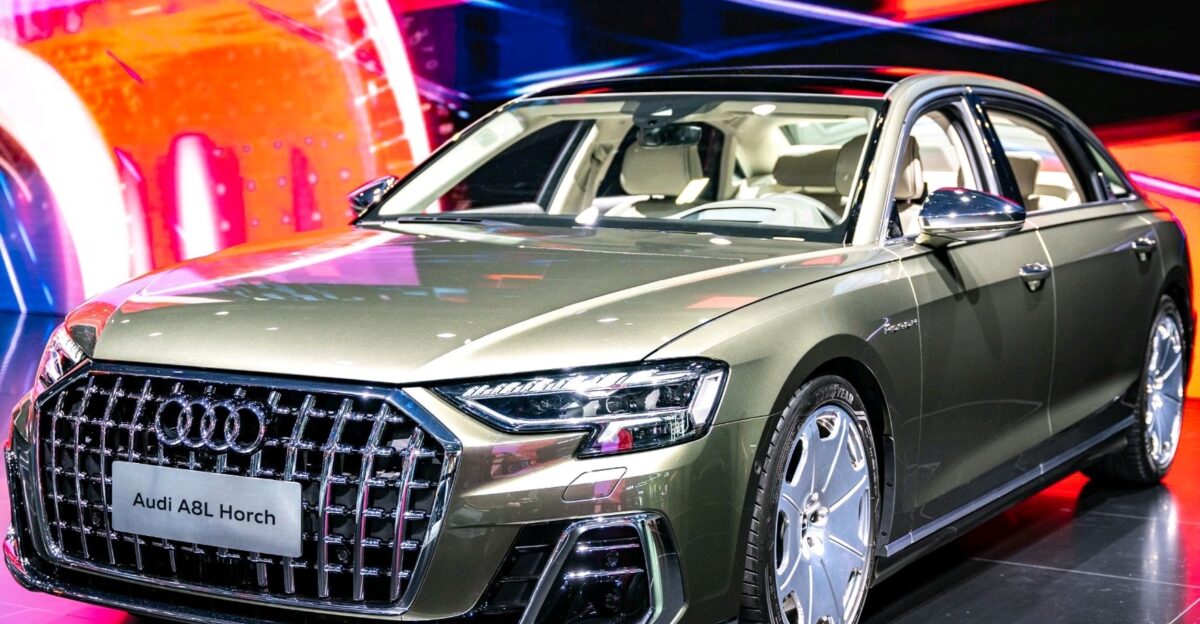
Buying a $100,000 luxury vehicle now means accepting $50,000-$80,000 losses in five years. EVs face worst-case depreciation with outdated tech and battery anxiety. Traditional luxury loses 60-67%, still above mainstream rates. Smart buyers prefer certified pre-owned to avoid first-owner cliffs. The luxury market is accelerating depreciation faster than ever. Purchase choices must reflect reality, not status symbols.
Sources:
iSeeCars Used Car Market Analysis Study, iSeeCars, March 2024–February 2025
BMW EV Depreciation Analysis: i4, i5, i7, and iX vs Gas Models, BMW Blog, July 2025
This Car Loses 72.2% Of Its Value After Just Five Years, Carscoops, March 202513 Of The Worst Depreciating Cars In 2025, SlashGear, November 2025
Mercedes-Benz and BMW Depreciation Research Study, CarEdge, October 2024