Death Valley harbors one of the most astonishing records on the planet: a thermometer reading of 134°F at Furnace Creek on July 10, 1913, marking the hottest temperature ever reliably recorded on Earth. Surprising as it may seem, this harsh desert landscape can occasionally transform into a realm of water.
Recently, Lake Manly, an ancient remnant from the Ice Age, made its presence felt on the valley floor for the second time in just two years. This occurrence follows a significant meteorological anomaly that has altered how the park interacts with its climate, invoking curiosity about what could trigger water in such an arid environment.
A Dry Extreme
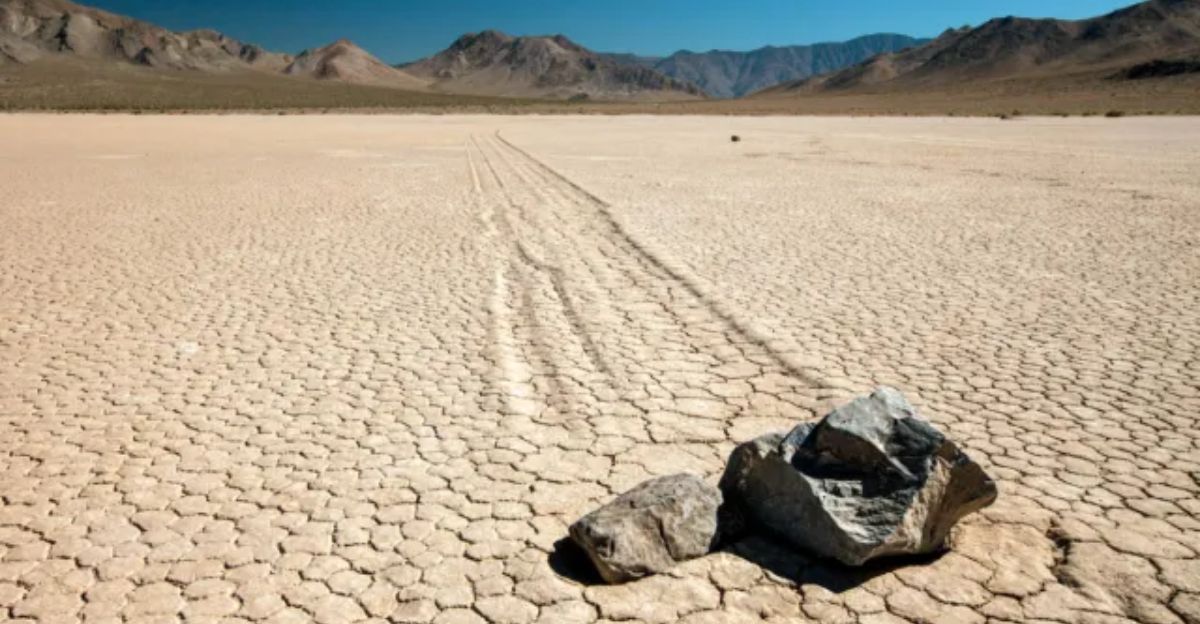
Death Valley is not just a dry landscape; it’s an extreme one, averaging less than 2 inches of rain annually. This level of precipitation delineates the very frontier of survival for organisms inhabiting Earth’s deserts. In some arid years, such as 1929 and 1953, no measurable rainfall was recorded.
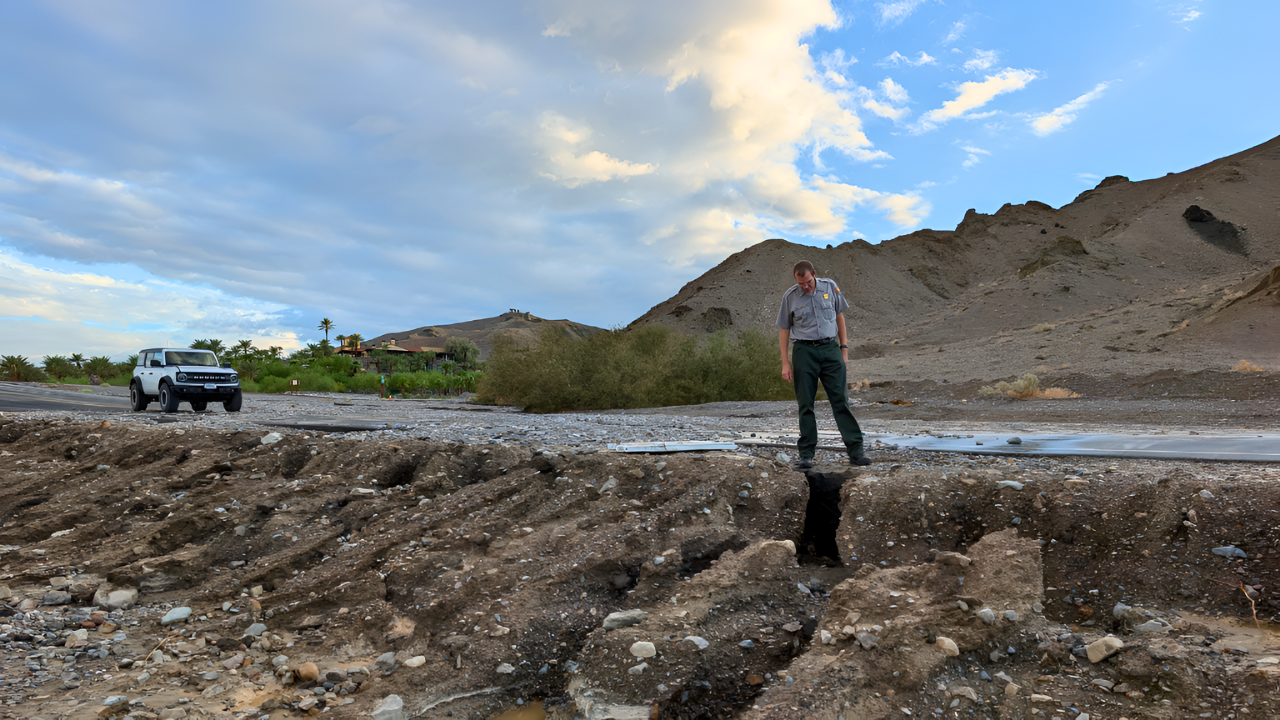
Yet, between September and November 2024, the park received an astonishing 2.41 inches of rain, a figure exceeding its annual average. Meteorologists confirmed this phenomenon, which was documented extensively by the National Weather Service. Drenched in a veritable deluge, Death Valley, once renowned for its aridity, faced a remarkable transformation.
Lake Manly’s Geological Legacy
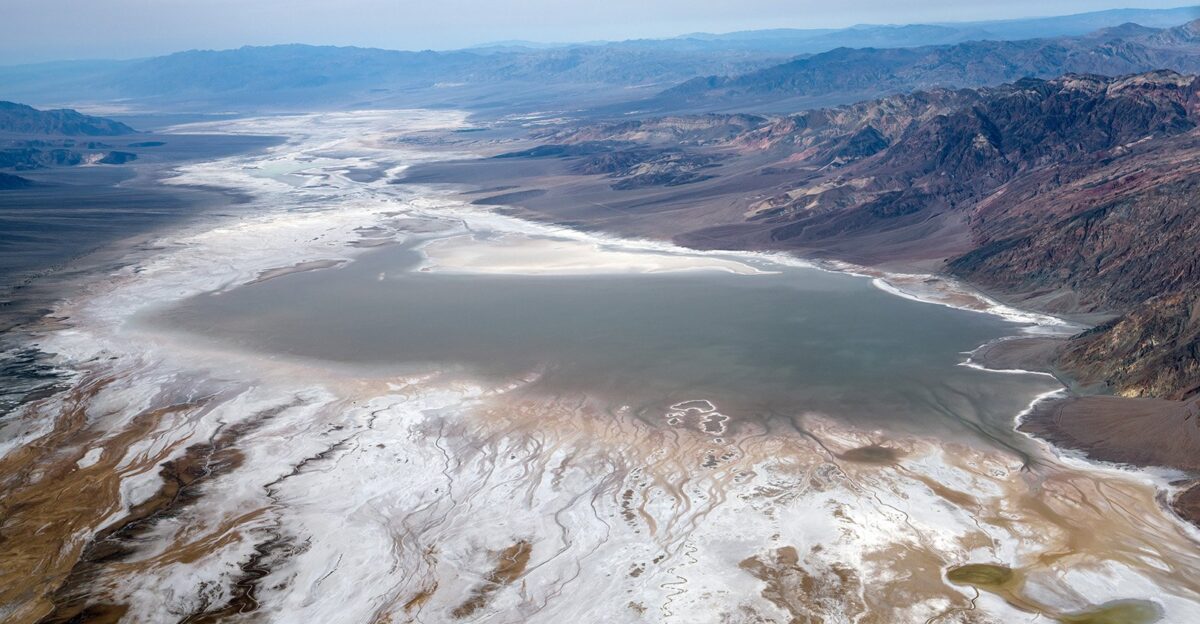
Lake Manly is far from a new phenomenon; it is a remnant of the Pleistocene Ice Age. When glaciers adorned the Sierra Nevada and rivers gushed with meltwater, a massive lake filled Death Valley’s lowest basin. Extending nearly 100 miles in length and reaching depths over 600 feet, this prehistoric lake nourished a flourishing ecosystem, presenting a stark contrast to the current arid landscape.
However, as global temperatures rose 10,000 to 12,000 years ago, the Ice Age began to melt away, and Lake Manley evaporated into history. This basin lay barren until the extraordinary rain in 2023 again brought it to life, reminding us of its geological significance.
Badwater Basin: A Geological Wonder
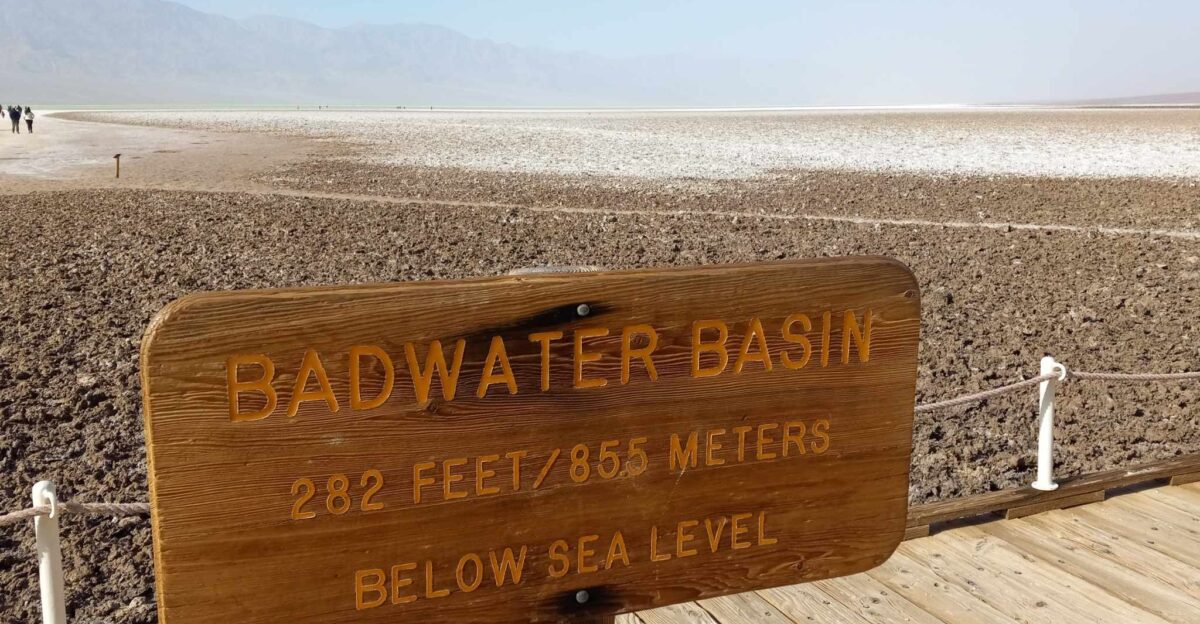
At the core of Death Valley lies Badwater Basin, recognized as North America’s lowest point, sitting 282 feet below sea level. The basin features a thick salt crust that contrasts starkly with typical freshwater environments. The unique elevation sets up an endorheic trap: a closed basin where water flows in but can’t escape, leading to extreme evaporation rates.
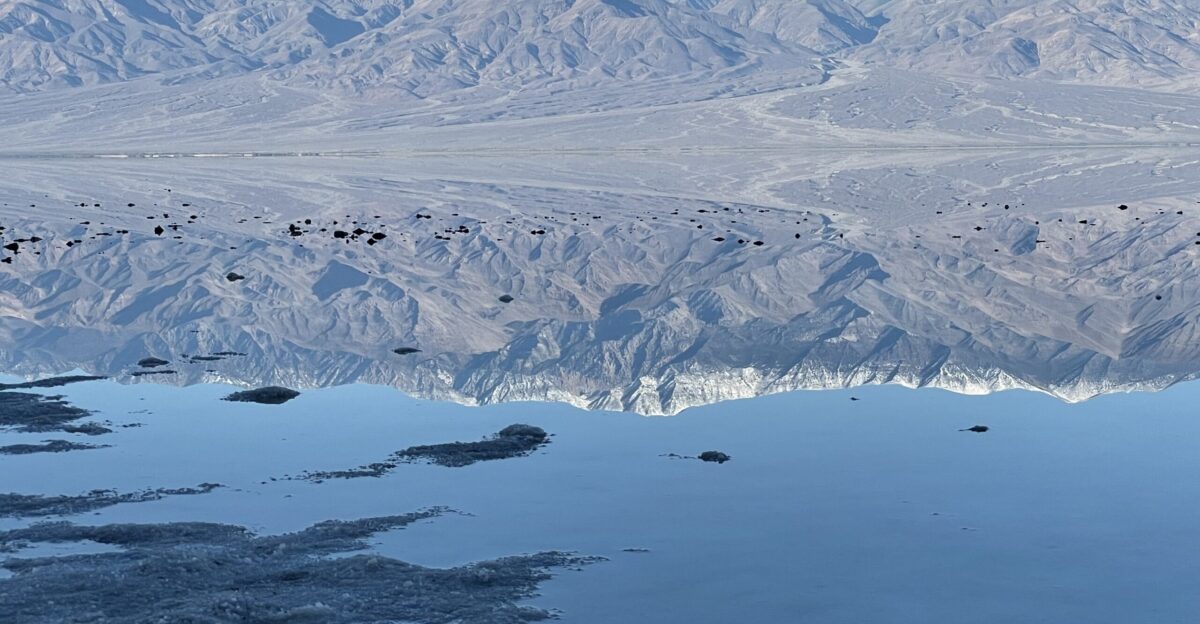
Even with significant rainfall, water pools only temporarily. Researchers suggest that a 12-foot lake would evaporate in under a year. Despite this, rare rainfall can create temporary lakes, transforming the salt flats into captivating reflections of the sky that mesmerize anyone lucky enough to visit.
The Resurgence of Lake Manly
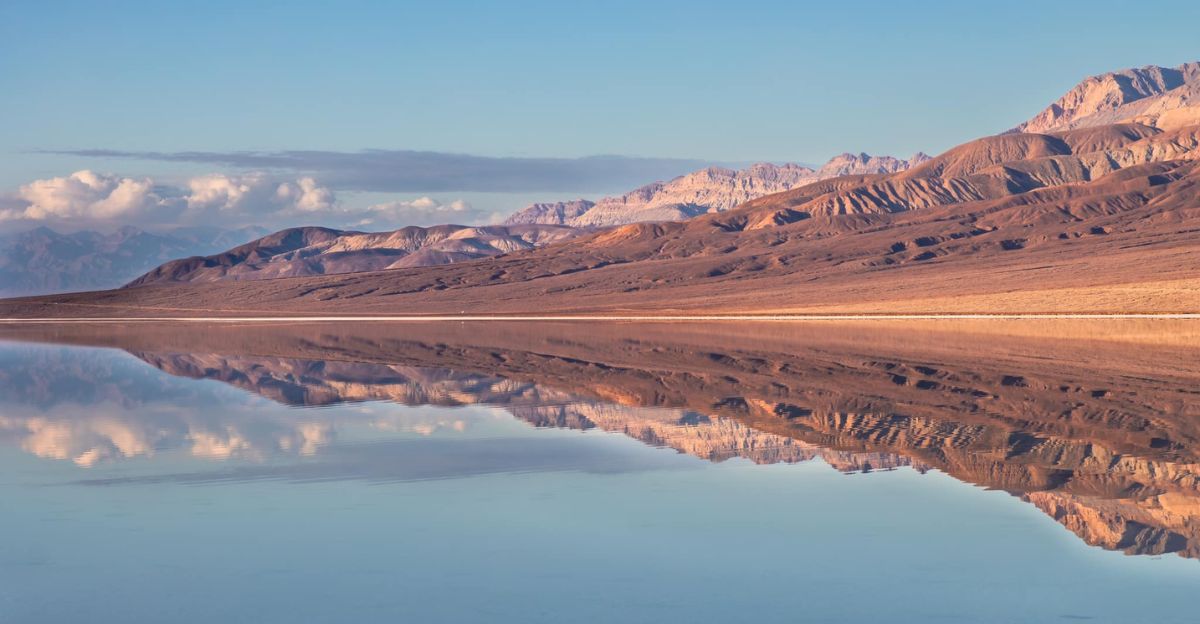
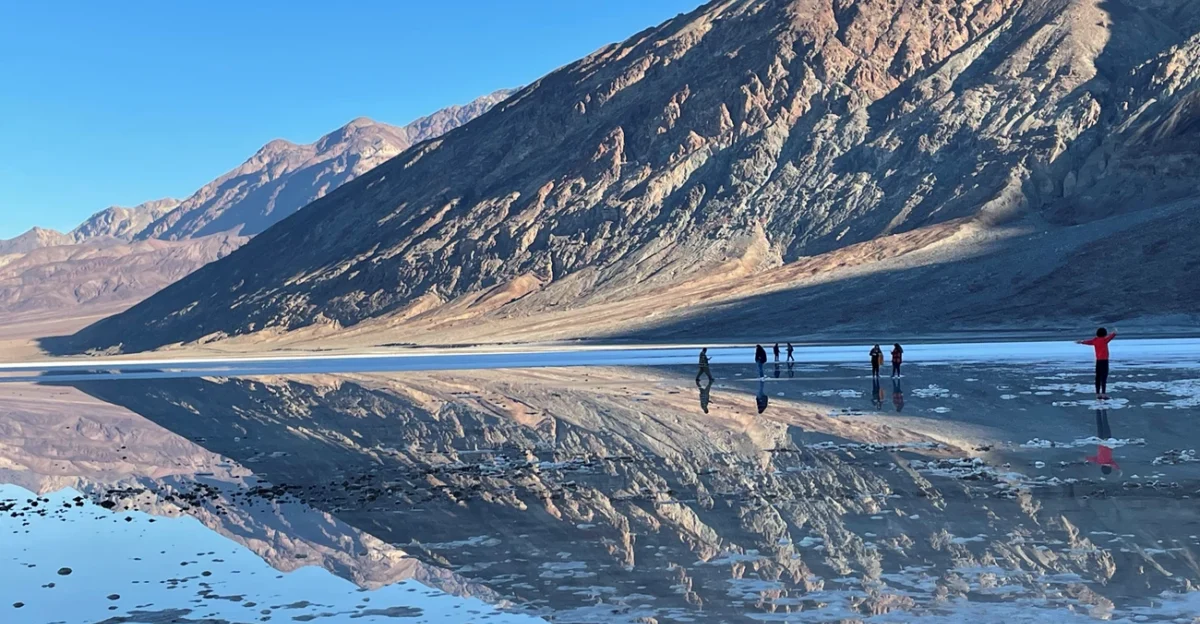
In late November 2024, following a stormy season, Lake Manly reappeared in Badwater Basin. The National Park Service announced this significant revival, noting that the accumulated rainwater spread across the salt flats, creating a shallow lake. Extending approximately one mile from the parking lot, it averaged only ankle-deep.
While it lacked depth for kayaking or extensive recreational activities, its modest reappearance highlighted the interplay between extraordinary rainfall and Death Valley’s renowned dryness. This was a rare chance for tourists to witness a geographical phenomenon that echoed a 10,000-year-old history, merging the past and present in stunning fashion.
The Tourist Experience

Tourists flocked to Death Valley to revel in the rare sight of water in such a parched region. “Seeing Lake Manly is unbelievable; it’s like witnessing history come alive,” voiced a frequent visitor. Many shared similar sentiments, captivated by the beauty of the ephemeral lake. Families took photos, and nature enthusiasts observed the brief ecosystem flourishing amidst a landscape marked by salt flats and rugged terrain.
The park recorded a noticeable uptick in visitors, demonstrating how remarkable natural phenomena draw people closer to the Earth’s history and geological processes, creating a unique bonding experience for onlookers captivated by the desert’s allure.
A Meteorological Anomaly
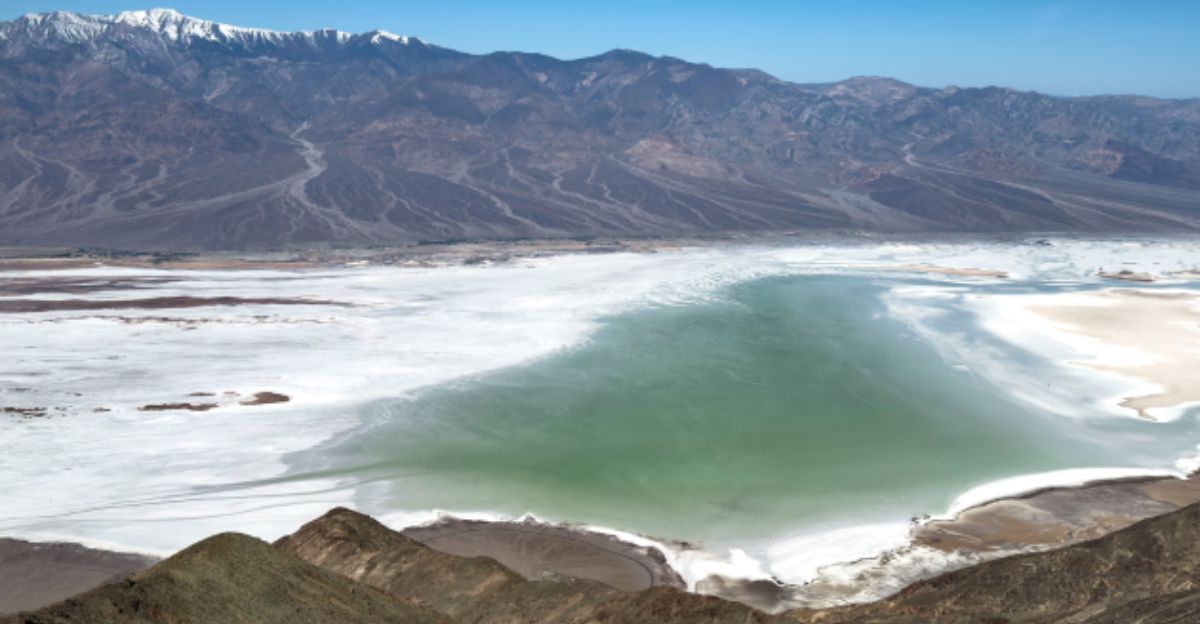
The extraordinary rainfall that led to Lake Manly’s reappearance in Death Valley arose from a rare atmospheric event. Meteorologists attributed it to a series of climatic shifts that generated sustained periods of rain across the region. “This is a defining moment for how we understand moisture in deserts,” remarked Dr. Emily Turner, a climate scientist.
Previous interpretations of the area’s climate dynamics implied that such rainfall was nearly impossible. Yet, climate change and shifting weather patterns may lead to a reevaluation of long-held assumptions about arid regions, prompting researchers to consider how future weather phenomena could alter landscapes previously thought to be immutable.
Ecological Implications of Water
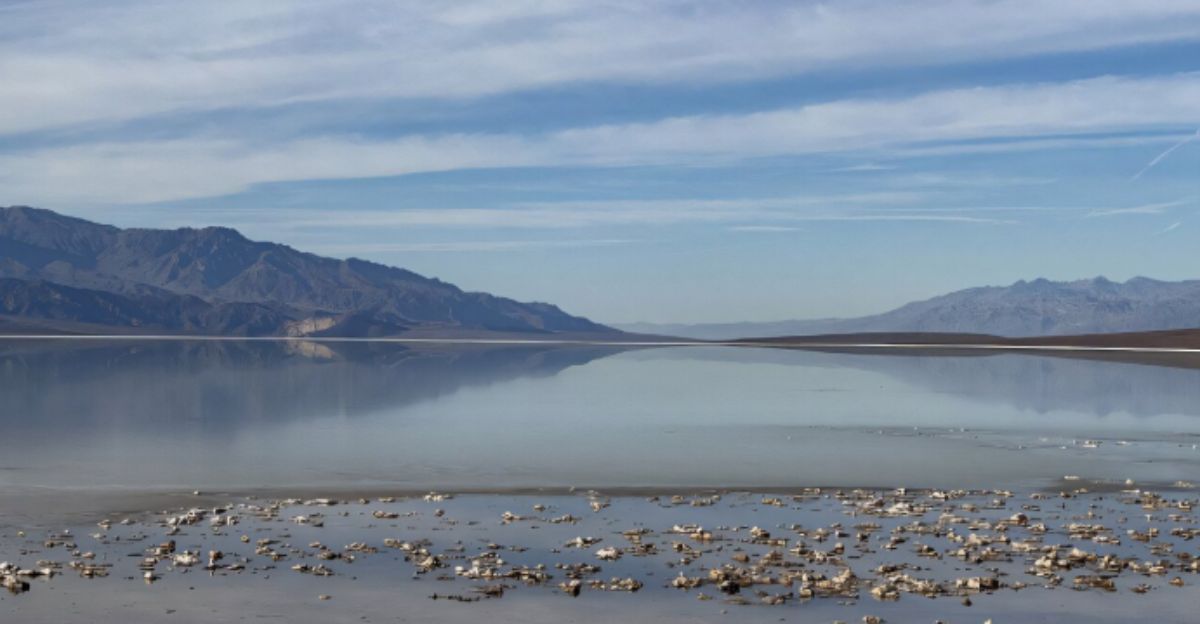
The temporary lake brought forth by extraordinary rainfall also intrigued ecologists studying the area’s ecosystems. “This rare phenomenon revives not just water but also the natural cycle that supports life,” stated wildlife biologist Mike Holloway.
As the water level fluctuated within Lake Manly, it allowed a brief resurgence of various organisms, including aquatic plants and potential fish populations. Such moments provide critical insights into how ecosystems adapt or respond to sudden changes in their environment, reinforcing the idea that even the most arid locations can still hold secrets of resilience amid their harsh conditions.
Global Climate Change and Its Impact
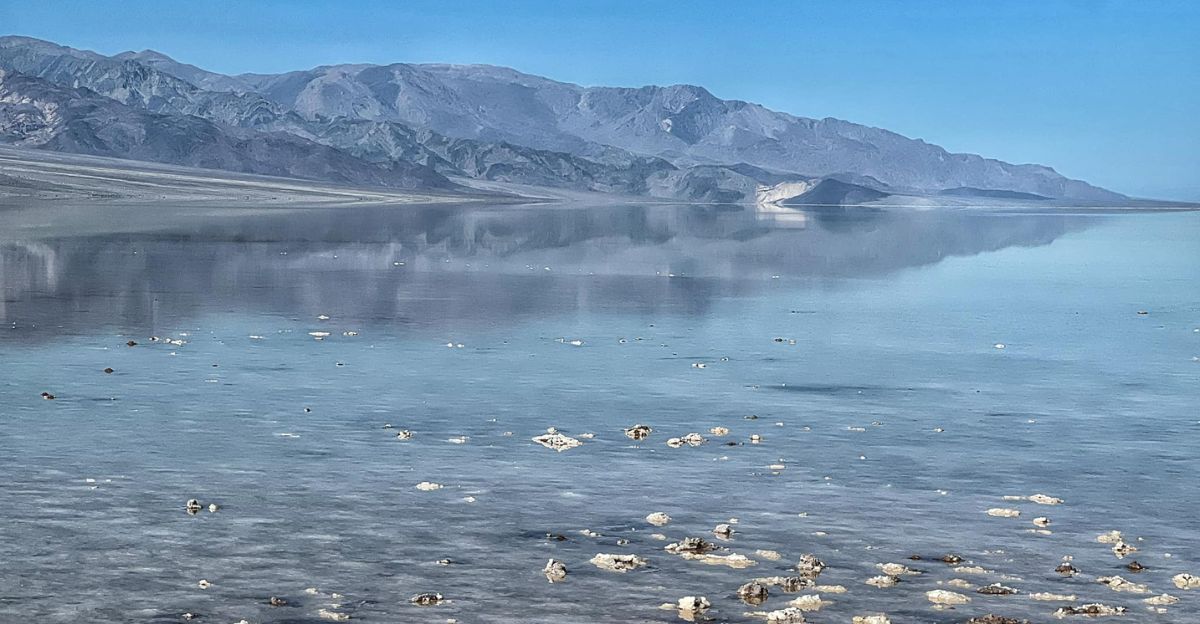
The resurgence of Lake Manly and remarkable rainfall patterns in Death Valley prompt a broader discussion about global climate change. As weather events grow increasingly unpredictable, arid regions like Death Valley may experience sudden changes that challenge previous climate norms.
Researchers are eager to investigate how this interplay may influence future land management practices and conservation efforts. “While it exemplifies climate extremes, it also prepares us for adapting to shifts in biodiversity and habitat,” noted climate analyst Laura Kim. Understanding these dynamics is crucial for effective future planning in areas prone to both drought and unexpected flooding.
Mapping History and Future Predictions
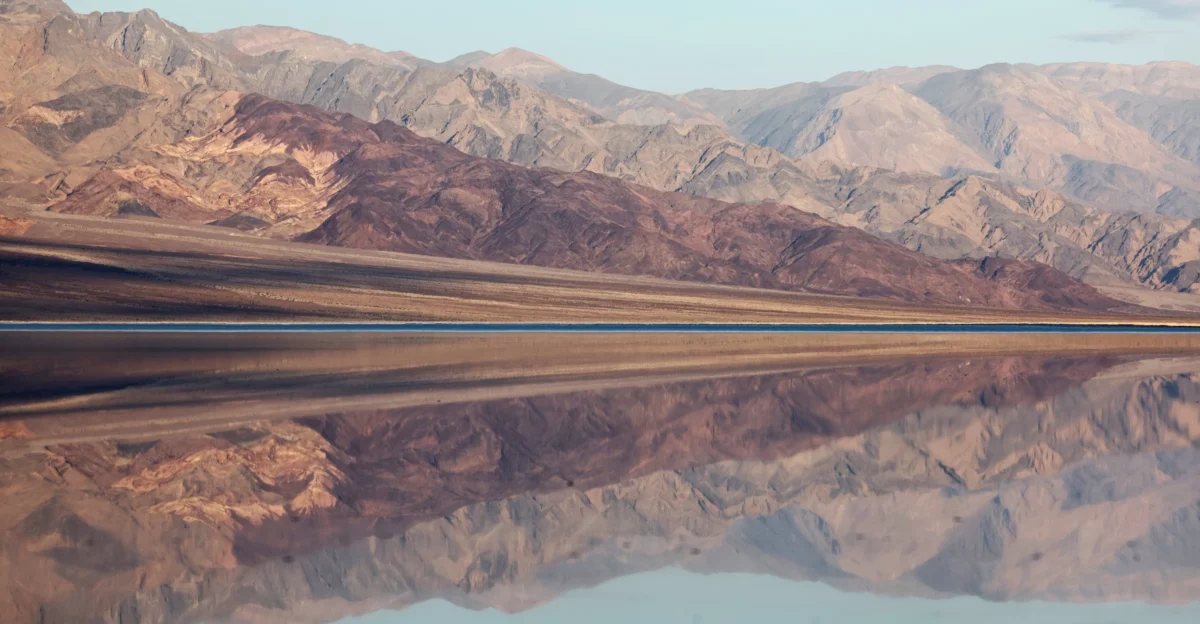
While the current resurgence of Lake Manly is a captivating spectacle, it serves as a reminder of the intricate relationship between climate, geography, and history. As scientists and park officials analyze the data gathered during this extraordinary period, they anticipate future environmental shifts.
“This singular event has transformed our understanding of Death Valley, and we need to embrace our changing environment,” stated park ranger Tom Weiss. The findings from this experience have the potential to reshape conservation strategies not only within Death Valley but also in other arid regions worldwide, fostering forward-looking solutions in the face of climate variability.
Visitors’ Reflections
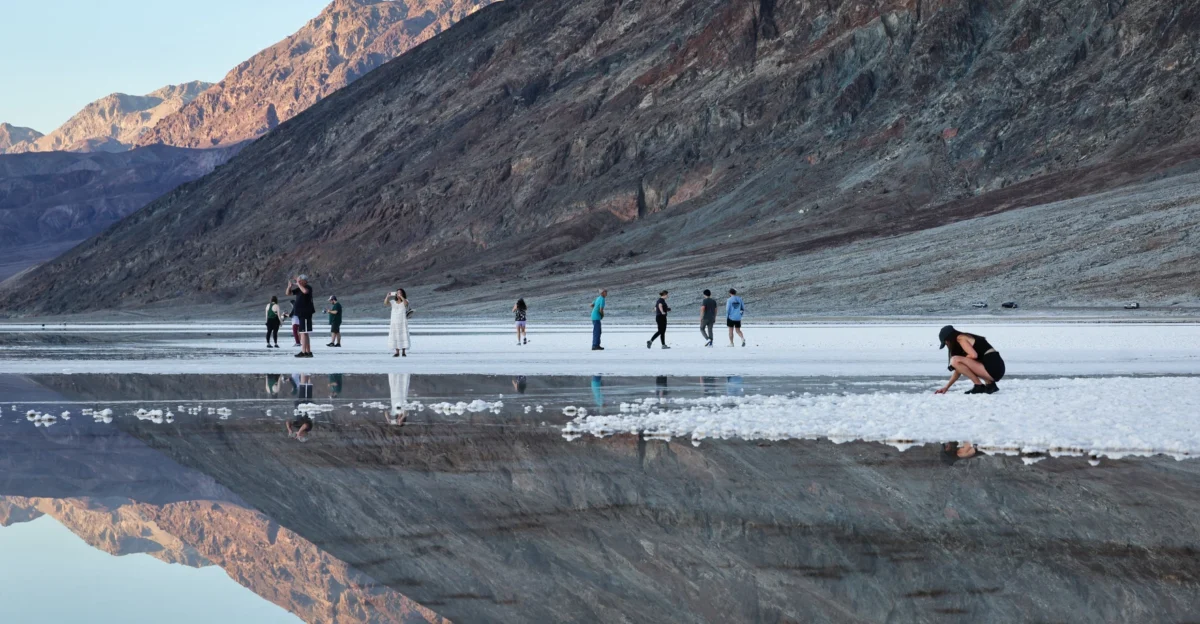
The emotional connection forged through witnessing Lake Manly’s reappearance resonated with many visitors. As a family from San Francisco shared, “Seeing a lake in the middle of the desert was surreal; it felt like a moment to cherish.” The experience evoked a sense of appreciation for nature’s unpredictable beauty and interconnectedness.
Park officials noticed an increase in discussions about preserving and appreciating this unique ecosystem, as visitors shared their stories, reinforcing a bond with the land. Such moments create a sense of stewardship among visitors, prompting them to advocate for ongoing conservation efforts in this remarkable area.
The Role of Education
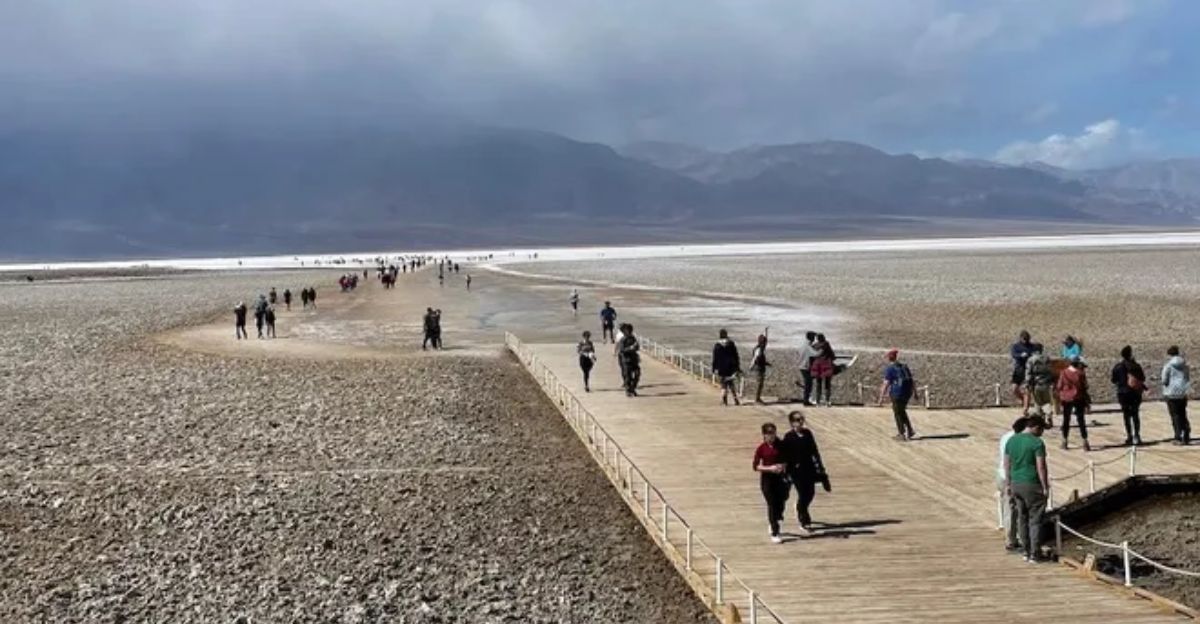
The phenomenon of Lake Manly’s return offers essential educational opportunities. National Park Service programs emphasize informing visitors about geological history, climate change, and ecosystem dynamics. “We aim to inspire a sense of wonder while ensuring people understand the complexities of these environments,” said park education coordinator Sarah Jennings.
Engaging future generations with hands-on experiences fosters greater appreciation and awareness about the fragile balance of nature. Workshops and guided tours encourage discussions about past climates and emphasize the importance of preserving natural habitats in the face of changing global circumstances.
A Look Beyond the Lake
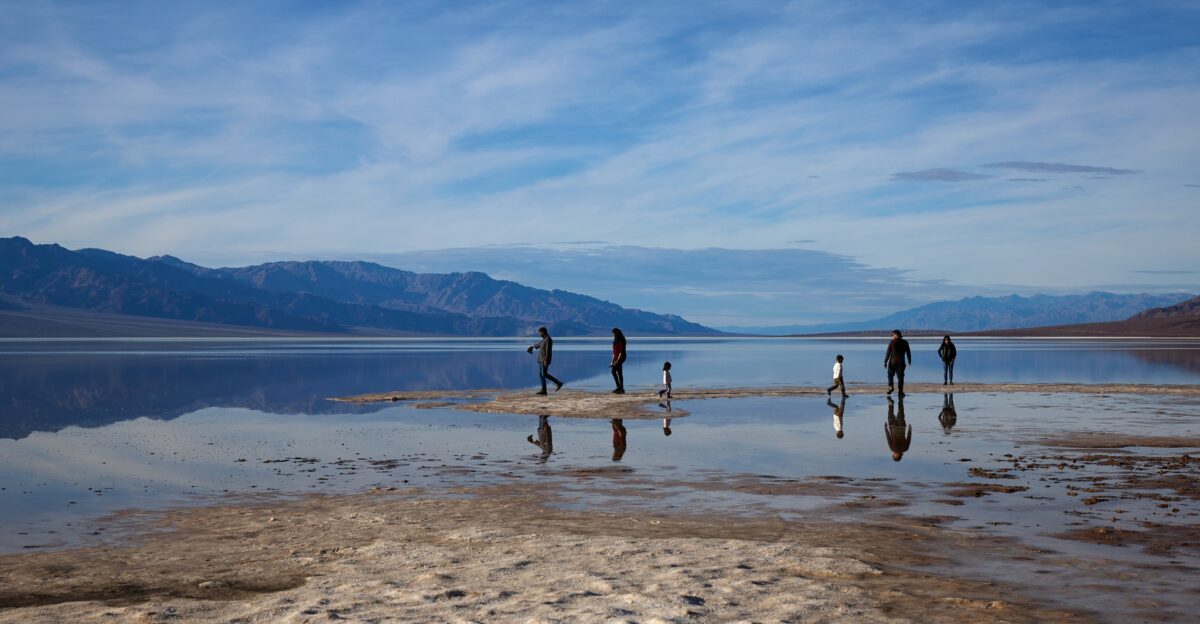
Lake Manly might capture visitors’ imaginations, but the surrounding terrain offers much more. Death Valley is a geological wonder, featuring unique formations such as the Mesquite Flat Sand Dunes and Golden Canyon. These varied landscapes tell their own stories, each a testament to the Earth’s transformative power.
“Exploring these diverse environments gives a deeper appreciation for the land,” remarked traveling geologist Emily Grant. The lake’s temporary existence enables a more in-depth exploration of the relationships between different geological components, revealing how time and environment interact in shaping the Earth’s surface, while also providing stunning backdrops for photography and exploration.
Community Involvement and Future Events
The Lake Manly phenomenon has galvanized local communities and businesses to embrace nature-based tourism. Events celebrating this rare occurrence, such as guided tours of the lake and educational outreach initiatives, are in discussion.
Local restaurant and hotel owners express hopes that this attention will boost the regional economy. As local historian Ava Rojas pointed out, “We have a real chance to share our home with the world, revealing how special Death Valley truly is.” Collaborative efforts between local businesses and the National Park Service are set to create exciting events, fostering a stronger connection between the desert and its visitors.
Nature’s Unpredictable Wonders
The return of Lake Manly encapsulates the ongoing dialogue about water, climate, and life in Death Valley. As both a marvel and a lesson, it symbolizes the unpredictable characteristics of our natural world. Each appearance of this ancient lake is a reminder of Earth’s complex history, which continues to evolve.
The phenomenon unites science, tourism, and conservation efforts, highlighting the critical need to appreciate and protect fragile ecosystems. As we look forward to future climate patterns, Lake Manly serves as a profound emblem of resilience, a reflection of nature’s enduring capacity to surprise and inspire humanity.